At Health to Wealth Ventures, I’ve always believed that true wealth begins with good health. That’s why I’ve made the decision to openly document my experience with Transcranial Magnetic Stimulation (TMS) as I work toward recovery from depression and reclaiming the best version of myself.
A hiker walks along a rocky mountain trail at sunrise with a stunning mountain range ahead.
This week marked the completion of another week of treatment.
The journey hasn’t been easy, but it has been worthwhile. Like many people beginning TMS, I’ve experienced moments of hope, fatigue, mental fog, and emotional ups and downs. While I’m still early in the process and not expecting overnight results, I’ve already noticed small signs that encourage me to keep moving forward.
One lesson this experience has reinforced is that recovery is rarely linear. Healing takes patience, consistency, and the willingness to trust the process even on the difficult days.
Outside of treatment, I’ve remained committed to healthy habits that support both my physical and mental well-being. Daily walks, exercise, preparing healthy meals, maintaining routines, and leaning on family and friends have all become important pieces of my recovery. TMS is one tool, but lasting wellness comes from caring for the whole person.
By sharing this journey, my hope is that others battling depression realize they are not alone. Mental health deserves the same attention and compassion as physical health, and seeking treatment is a sign of strength not weakness.
A glowing, ethereal river winds through lush green hills under a twilight sky.
As Dwayne “The Rock” Johnson once said, “Depression never discriminates.” Those simple words remind us that mental illness can affect anyone, regardless of success, background, or circumstance.
I’m optimistic about the weeks ahead and committed to seeing this treatment through. Once I complete my full course of TMS, I’ll publish a comprehensive update sharing my experience, what I’ve learned, and whether the treatment helped me achieve the recovery I’ve been working toward.
Thank you for following along and for your continued encouragement. If sharing my story helps even one person take the first step toward getting help, then this journey will have an impact far beyond my own recovery.
Remember: Your health is your greatest investment, and investing in your mental health is one of the most valuable decisions you can make.
Mental health is often a topic that families struggle to talk about. We may know about physical illnesses that run in our families heart disease, diabetes, cancer but we don’t always discuss depression, anxiety, trauma, or other mental health challenges with the same openness.
Recently, I found myself reflecting on my father’s story and how family experiences can shape the way we understand mental health.
A large tree with roots naturally forming a heart shape in a sunlit forest
My father suffered a heart attack at a relatively young age. He was a heavy smoker, and his heart health was something that impacted our family. After that heart attack, he told me he had taken lithium, explaining that it was for his heart. Looking back, I now understand that lithium is not typically used as a heart medication. It is most commonly associated with mood stabilization, particularly for conditions such as bipolar disorder and certain forms of treatment-resistant depression.
The truth is, I may never know exactly why he took it. Medical records are not always available, and sometimes family members remember medications or diagnoses differently than they were documented. But the conversation made me think about something deeper: the connection between trauma, mental health, and family history.
My father experienced a devastating loss when his brother was shot and killed by his wife. They were extremely close, and a tragedy like that can leave a lasting emotional impact. Severe trauma and grief can contribute to depression, anxiety, PTSD, and other mental health struggles. While we cannot assume exactly what my father experienced or what treatment he needed, it reminds me that emotional wounds can be just as real as physical ones.
That realization has also caused me to reflect on my own mental health journey.
I have been working through depression and other challenges, and I am now beginning a new chapter by starting Transcranial Magnetic Stimulation (TMS) therapy. TMS is a noninvasive treatment that uses magnetic pulses to stimulate specific areas of the brain involved in mood regulation. For many people who have not found enough relief through medication alone, TMS can provide another option.
Starting TMS is not about giving up on previous treatments it is about continuing to search for what works. Mental health treatment is often a process of finding the right combination of therapies, medications, lifestyle changes, support systems, and self-awareness.
A glowing brain surrounded by radiant light beams breaking through darkness
As I begin this journey, I want to share a few lessons I have learned:
1. Family history matters. Understanding the experiences, struggles, and challenges within our families can provide important context for our own health journeys.
2. Trauma can affect generations. Painful events do not always end when the event is over. Grief, loss, and trauma can influence how people cope, communicate, and seek help.
3. Mental health deserves the same attention as physical health. We would never tell someone with heart disease to simply “push through it.” Depression and other mental health conditions deserve compassion, treatment, and support.
4. Healing is not always a straight line. Sometimes progress comes from trying something new, adjusting course, and being willing to ask for help.
At Health to Wealth Ventures, the goal has always been to look at the complete picture of health, mind, body, finances, safety, and quality of life. True wealth is not just measured by what we own; it is also measured by our ability to enjoy life, maintain relationships, and take care of ourselves.
My TMS journey is just beginning. I don’t know exactly what the outcome will be, but I do know this: seeking help is a sign of strength, not weakness.
By sharing our stories, we can help remove the stigma around mental health and remind others that they are not alone in their journey toward healing.
Health is the foundation. Wealth is the opportunity. Together, they create a life worth living.
Auto insurance policies are not always kept for their full term. Whether a policyholder sells a vehicle, finds a better rate, moves to another state, or simply decides to switch carriers, insurance policies are often canceled before their expiration date.
What many consumers don’t realize is that not all cancellations are calculated the same way. Depending on who initiates the cancellation and when it occurs, the refund amount may vary significantly.
The three most common types of auto insurance cancellations are Pro-Rata, Short-Rate, and Flat Cancellations.
A car insurance policy, calculator, cash, and keys on a wooden desk
What Is a Pro-Rata Cancellation?
A pro-rata cancellation occurs when the insurance company cancels the policy or when a cancellation is processed without any penalty.
Under a pro-rata cancellation, the policyholder receives a refund for all unused premium on a straight-line basis.
Example
Assume:
Annual premium: $1,200
Policy term: 12 months
Policy canceled after 3 months
The policyholder used 25% of the coverage period and is entitled to a refund of the remaining 75%.
Premium paid: $1,200
Earned premium: $300
Refund: $900
No cancellation fee is deducted.
Common Reasons for Pro-Rata Cancellations
Insurance company non-renews or cancels coverage
Vehicle is totaled and coverage ends
State regulatory requirements mandate a full refund calculation
Certain carrier-specific cancellation provisions
What Is a Short-Rate Cancellation?
A short-rate cancellation is the most common form of cancellation when the policyholder voluntarily cancels coverage before the policy expires.
With a short-rate cancellation, the insurer retains slightly more premium than the exact amount earned. This creates a financial penalty intended to offset administrative costs associated with issuing and canceling the policy.
Example
Assume:
Annual premium: $1,200
Policy canceled after 3 months
Unearned premium: $900
Instead of receiving the full $900 refund, the carrier applies a short-rate penalty.
Potential refund:
Unearned premium: $900
Short-rate penalty: $45
Refund issued: $855
The exact penalty varies by carrier and state regulations.
Typical Short-Rate Fees
Many carriers use:
5% of the unearned premium
10% of the unearned premium
A fixed cancellation fee ranging from $25 to $75
A state-approved short-rate table
Why Insurers Use Short-Rate Cancellations
Insurance companies incur expenses when policies are issued, including:
Underwriting costs
Policy processing
Commission payments
Administrative expenses
Short-rate penalties help recover a portion of those costs when a customer leaves before the policy term ends.
What Is a Flat Cancellation?
A flat cancellation treats the policy as though it never existed.
The insurer returns 100% of the premium paid and no coverage is considered to have been in force.
Example
Assume:
Annual premium: $1,200
Policy purchased today
Customer discovers duplicate coverage and cancels before the policy effective date
Refund:
Premium paid: $1,200
Refund issued: $1,200
No premium is earned by the insurer.
Common Reasons for Flat Cancellations
Policy canceled before the effective date
Coverage obtained in error
Duplicate policies discovered
Underwriting declines coverage before policy inception
No claims or coverage exposure occurred
Comparing the Three Types of Cancellations
Cancellation Type
Refund Method
Penalty Applied?
Typical Situation
Flat Cancellation
100% refund
No
Policy never takes effect
Pro-Rata
Refund of unused premium
No
Insurer initiates cancellation
Short-Rate
Refund of unused premium minus fee
Yes
Customer voluntarily cancels
How Much Could Cancellation Fees Cost?
Consider a policy with a remaining unearned premium of $600:
Method
Refund
Flat Cancellation
$600
Pro-Rata Cancellation
$600
Short-Rate (5% Penalty)
$570
Short-Rate (10% Penalty)
$540
Short-Rate + $50 Fee
$550
While the difference may seem small, policyholders with higher premiums can lose hundreds of dollars when a short-rate penalty applies.
What Consumers Should Do Before Canceling
Before switching auto insurance companies:
Verify the effective date of your new policy.
Ask your current carrier whether a short-rate penalty applies.
Request the exact refund amount in writing.
Confirm there are no cancellation fees.
Avoid any lapse in coverage that could increase future insurance premiums.
Many consumers focus solely on the new premium savings and overlook cancellation penalties that can reduce the benefit of switching carriers.
A silver car under a transparent garage model on an October 2023 calendar.
The Takeaway Here
Understanding the difference between flat, pro-rata, and short-rate cancellations can help consumers make more informed decisions when changing auto insurance coverage. While flat and pro-rata cancellations generally provide the greatest refund, short-rate cancellations may reduce the amount returned through penalties or administrative fees.
Before canceling any auto policy, ask your insurance company or agent how the refund will be calculated. A simple phone call could prevent an unexpected deduction and help ensure a smooth transition to your new coverage.
Disclosure: This article is intended for educational purposes only. Cancellation rules, refund calculations, and fees vary by insurance carrier and state regulations. Consumers should consult their insurance policy and carrier for specific cancellation provisions.
About the Author:
David Dandaneau is a client relations analyst that covers the insurance and financial services industry. He is known for his insightful analysis and comprehensive coverage of market trends and regulatory developments.
Rising Costs Are Changing the Homeowners Insurance Conversation
Homeowners are facing some of the highest insurance premiums in decades for homeowner’s insurance. Inflation, severe weather events, increased construction costs, and rising litigation expenses have forced many insurers to reevaluate their risk exposure. In states such as Florida, Texas, California, and Louisiana, homeowners have experienced significant premium increases and, in some cases, reduced carrier availability.
As insurance costs continue to rise, many homeowners are asking the same question: “Am I carrying the right coverage, or am I paying for protection I may never use?”
The answer depends on your individual situation, but understanding the major components of a homeowners policy can help you make informed decisions.
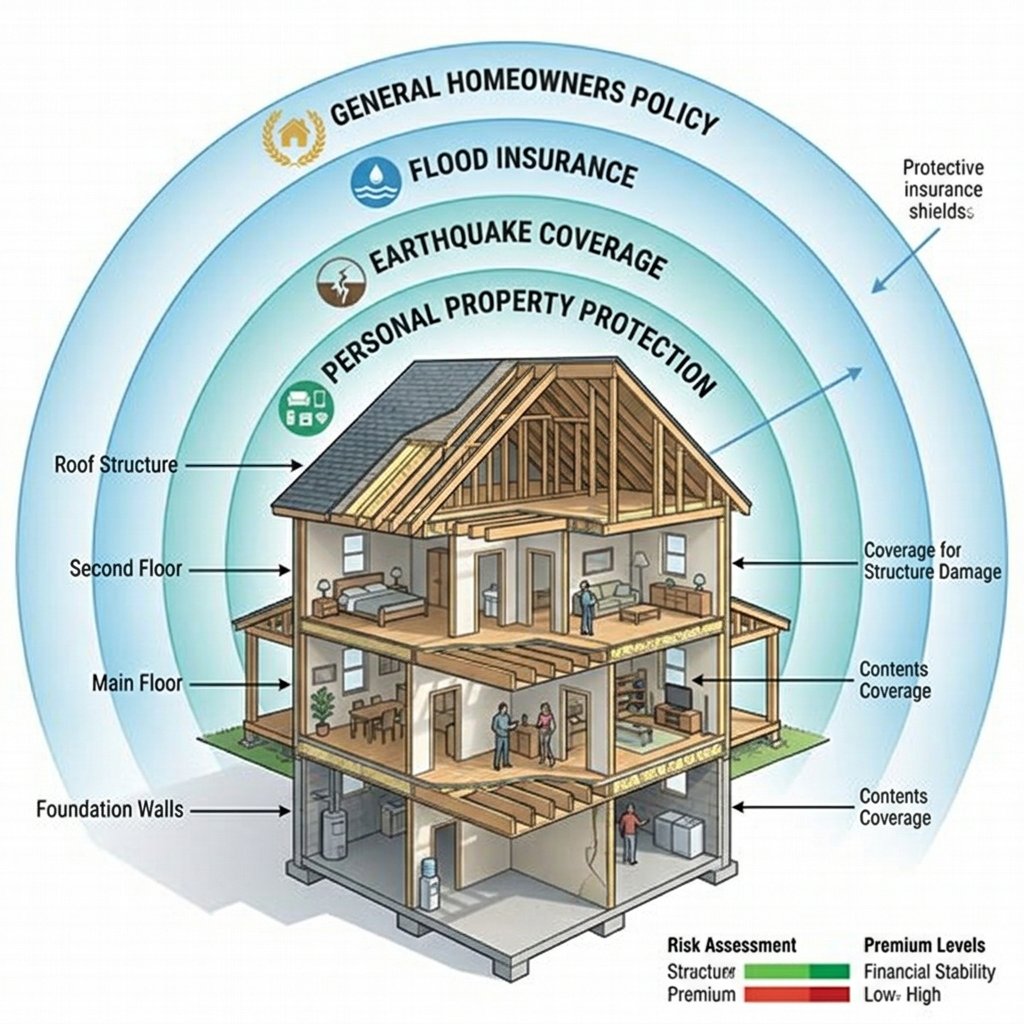
A cross-section of a home illustrating various insurance coverage layers and protections.
Coverages Most Homeowners Should Consider Keeping
Dwelling Coverage
Dwelling coverage protects the structure of your home from covered losses such as fire, wind, hail, and other insured perils.
One of the biggest mistakes homeowners make is underinsuring their property. Construction costs have risen dramatically over the last several years, making it more expensive to rebuild a home after a total loss.
Consider: Reviewing your dwelling limit annually to ensure it reflects current rebuilding costs—not necessarily the market value of your home.
Personal Property Coverage
Furniture, electronics, clothing, appliances, and personal belongings can add up quickly. Many homeowners underestimate the value of their possessions until they experience a major loss.
Consider: Creating a home inventory and verifying that your coverage limits are sufficient.
Liability Coverage
Liability coverage protects you if someone is injured on your property or if you accidentally cause damage to another person’s property.
Medical expenses and lawsuits can quickly become expensive.
Consider: Increasing liability limits to $300,000 or $500,000 if your insurer offers affordable options.
Loss of Use Coverage
If your home becomes uninhabitable due to a covered loss, loss-of-use coverage helps pay for temporary housing and living expenses.
This coverage can be invaluable following major storms, fires, or water damage claims.
Coverages Worth Reviewing
High Deductibles vs. Low Deductibles
Many homeowners carry deductibles established years ago when premiums were much lower.
Increasing your deductible from $500 to $2,500 or even $5,000 could significantly reduce annual premiums.
Trade-Off: You’ll pay more out-of-pocket if a claim occurs.
Personal Property Limits
Some homeowners may be carrying higher limits than necessary if they have downsized or replaced expensive items.
Consider: Reviewing current belongings and adjusting coverage accordingly.
Scheduled Personal Property
Items such as jewelry, collectibles, artwork, firearms, and high-end electronics often require additional endorsements.
If you no longer own these items, removing unnecessary endorsements may reduce premium costs.
Additional Structures Coverage
Coverage for detached garages, sheds, fences, and other structures may be higher than needed if structures have been removed or reduced in value.
A periodic policy review can identify potential savings.
Important Coverages Many Homeowners Overlook
Water Backup Coverage
Standard homeowners policies typically do not cover sewer or drain backup losses.
A relatively inexpensive endorsement can help protect against costly water damage.
Flood Insurance
Many homeowners incorrectly assume flood damage is covered under a standard homeowners policy.
In reality, flood losses are generally excluded.
Even homes outside designated flood zones can experience flooding due to heavy rainfall, hurricanes, or drainage issues.
Ordinance or Law Coverage
Building codes change over time. If your home suffers significant damage, you may be required to rebuild portions of it to current code standards.
Ordinance or law coverage helps pay these additional expenses.
Equipment Breakdown Coverage
Many insurers now offer protection for HVAC systems, electrical panels, water heaters, and other major home systems.
This coverage can provide value for homeowners concerned about unexpected repair costs.
When Filing Small Claims May Cost More Than It Saves
A common misconception is that insurance should be used for every loss.
In reality, frequent claims can impact eligibility, renewal options, and future premiums.
For example, filing multiple water damage claims within a few years could make it more difficult to obtain favorable rates in the future.
Homeowners should evaluate whether a smaller loss justifies filing a claim or whether paying out-of-pocket may be the better financial decision.
A scale balancing a miniature house and stacks of coins representing home value.
Final Thoughts
Homeowners insurance should not be viewed as a “set it and forget it” product. As property values, rebuilding costs, and personal circumstances change, coverage needs evolve as well.
A yearly policy review can help identify gaps in protection, uncover potential savings opportunities, and ensure your home remains adequately insured against today’s risks.
The goal is not necessarily to buy the cheapest policy available. Instead, homeowners should focus on balancing affordability with meaningful protection because saving a few dollars today could become extremely costly after a major loss.
Disclosure: This article is for informational purposes only and should not be considered insurance, legal, or financial advice. Coverage availability, exclusions, and policy terms vary by insurer and state. Consult a licensed insurance professional regarding your specific situation.
About the Author:
David Dandaneau is a client relations analyst that covers the insurance and financial services industry. He is known for his insightful analysis and comprehensive coverage of market trends and regulatory developments.
Understanding the Coverages That Protect More Than Just Your Car
When shopping for auto insurance, many drivers focus on finding the lowest premium possible. While saving money is important, reducing coverage can sometimes create much larger financial risks down the road. Three coverages that often generate questions are Uninsured Motorist Coverage, Comprehensive Coverage, and Collision Coverage.
These coverages can add cost to a policy, but they may also provide critical protection when life throws an unexpected curveball.
A car is shielded by a glowing electric barrier during a storm.
Uninsured Motorist Coverage: Protection From Other Drivers’ Mistakes
Despite laws requiring auto insurance in most states, millions of drivers continue to operate vehicles without coverage or with limits too low to fully pay for damages they cause.
Uninsured Motorist (UM) Coverage helps protect you if you’re injured by a driver who has no insurance. In many states, Underinsured Motorist Coverage (UIM) may also help when the at-fault driver’s policy limits are insufficient to cover your losses.
Example
Imagine you’re stopped at a red light and another driver rear-ends your vehicle. You suffer injuries requiring physical therapy and miss several weeks of work. Later, you discover the other driver has no insurance.
Without Uninsured Motorist Coverage:
You may have to rely on your health insurance.
Lost wages may not be fully covered.
Recovering damages could require legal action against someone who may have limited assets.
With Uninsured Motorist Coverage:
Your own policy may help pay medical expenses, lost wages, and other covered damages.
Reasons You Might Consider Leaving It Off
You have substantial personal assets and alternative protection strategies.
You live in an area with relatively low uninsured driver rates.
Budget constraints make affordability the top priority.
However, many insurance professionals consider UM coverage one of the most valuable protections available because it safeguards you from risks you cannot control.
Comprehensive Coverage: Protection Against Life’s Surprises
Comprehensive Coverage protects against losses that are generally not caused by a collision.
Common examples include:
Theft
Vandalism
Falling objects
Fire
Flooding
Hail damage
Animal strikes
Example
You walk outside one morning and discover a large tree branch has fallen on your parked vehicle during a storm.
Without Comprehensive Coverage:
You pay the repair bill entirely out of pocket.
With Comprehensive Coverage:
Your insurance company may cover repairs after your deductible is applied.
Another Example
A vehicle owner in Florida parks overnight and wakes up to find their car submerged after a major storm causes flash flooding.
Comprehensive Coverage may help cover the damage, while basic liability insurance would not.
Reasons You Might Consider Leaving It Off
Your vehicle has a very low market value.
The annual premium approaches the value of the vehicle itself.
You could comfortably replace the vehicle from savings if it were totaled.
For many drivers, comprehensive coverage provides peace of mind against unpredictable events that occur when the vehicle isn’t even being driven.
Collision Coverage: Protection for Your Vehicle
Collision Coverage helps pay for damage to your vehicle when it collides with another vehicle or object, regardless of fault.
Example
You’re backing out of a parking space and accidentally strike a concrete pole.
Without Collision Coverage:
You are responsible for all repair costs.
With Collision Coverage:
Your policy may pay for repairs after your deductible.
Another Example
A driver loses control during heavy rain and slides into a guardrail. The vehicle sustains $12,000 in damage.
With Collision Coverage:
The policy may cover repairs, less the deductible.
Without Collision Coverage:
The owner must absorb the entire loss.
When It May Make Sense to Drop Collision Coverage
There are situations where removing collision coverage can be financially reasonable.
Consider:
The vehicle’s value has significantly declined.
You have sufficient savings to replace the vehicle.
The premium and deductible together provide little financial benefit compared to the vehicle’s actual cash value.
For example, carrying collision coverage on a vehicle worth only $2,500 may not always make economic sense if the annual premium is high.
A Simple Rule of Thumb
Many insurance professionals suggest periodically reviewing your vehicle’s value. As vehicles age, the cost-benefit analysis of comprehensive and collision coverage changes.
Ask yourself:
What is my vehicle worth today?
Could I afford to replace it tomorrow?
How much would a major repair affect my finances?
Am I comfortable assuming more risk in exchange for lower premiums?
A blue car parked with digital icons showing theft, fire, flood, and collision coverage
Final Perspective
Auto insurance isn’t just about satisfying state requirements, it’s about protecting your financial future. Uninsured Motorist, Comprehensive, and Collision Coverage each address different risks that can lead to significant out-of-pocket expenses.
While there are legitimate reasons to decline these coverages, drivers should carefully evaluate the potential savings against the financial consequences of a major accident, theft, storm, or uninsured driver. The cheapest policy is not always the least expensive option when an unexpected loss occurs.
As with any insurance decision, reviewing your coverage annually and discussing your needs with a licensed insurance professional can help ensure your protection keeps pace with your changing circumstances.
Disclaimer: This article is for educational purposes only and is not insurance, legal, or financial advice. Coverage availability, policy terms, exclusions, and requirements vary by state and insurance carrier. Consult a licensed insurance professional regarding your specific situation.
About the Author:
David Dandaneau is a client relations analyst that covers the insurance and financial services industry. He is known for his insightful analysis and comprehensive coverage of market trends and regulatory developments.
Across the country, homeowners are facing rising insurance premiums as insurance companies respond to increasing claims, inflation, severe weather events, and aging housing stock. While many homeowners focus on shopping for lower rates, one of the most overlooked factors affecting premiums is the condition of the home itself.
Insurance companies are paying closer attention than ever to property maintenance. Advances in aerial imagery, satellite technology, drones, and property inspection software allow insurers to identify potential hazards without ever stepping inside a home.
The result? A roof nearing the end of its life, deteriorating plumbing, outdated electrical systems, or neglected exterior maintenance can lead to premium increases, non-renewal notices, or even cancellation of coverage.
Neatly arranged hand tools contrast with nearby construction rubble and damaged wall.
Why Maintenance Matters
Insurance is based on risk. The greater the likelihood that a claim will occur, the higher the premium charged to insure that risk.
For example:
An aging roof is more likely to leak or sustain storm damage.
Old plumbing systems increase the risk of water damage claims.
Outdated electrical systems increase fire risk.
Dead trees and damaged siding create additional exposure during severe weather events.
From an insurer’s perspective, a well-maintained home represents a lower probability of costly claims.
The Hidden Cost of Deferred Maintenance
Many homeowners postpone repairs to save money. Unfortunately, the long-term costs can be much greater.
Consider a roof that should have been replaced five years ago. Not only may the homeowner face higher premiums, but a future claim could be limited or denied if the damage is determined to result from wear and tear rather than a sudden covered event.
Similarly, a small plumbing leak left unaddressed can eventually lead to thousands of dollars in water damage and mold remediation expenses.
Estimated Repair Costs and Potential Insurance Benefits
The following estimates represent typical costs in today’s market. Actual costs vary based on location, home size, and materials used.
Home Improvement
Estimated Cost
Potential Insurance Impact
New Roof
$12,000 – $30,000
Lower premiums and improved eligibility for coverage
Electrical Panel Upgrade
$2,000 – $6,000
Reduced fire risk may qualify for credits
Whole Home Re-Plumbing
$4,000 – $15,000
Reduced water damage exposure
Hurricane Impact Windows
$10,000 – $30,000
Significant wind mitigation discounts in many states
HVAC Replacement
$5,000 – $12,000
Reduced risk of system-related losses
Water Leak Detection System
$500 – $2,500
Discounts offered by some insurers
Garage Door Wind Upgrade
$1,500 – $5,000
Windstorm mitigation credits
Exterior Painting and Siding Repair
$3,000 – $15,000
Improves insurability and property condition scores
Tree Removal Near Structure
$500 – $5,000
Reduces storm-related claim risk
Security System Installation
$300 – $2,000
Potential theft and fire protection discounts
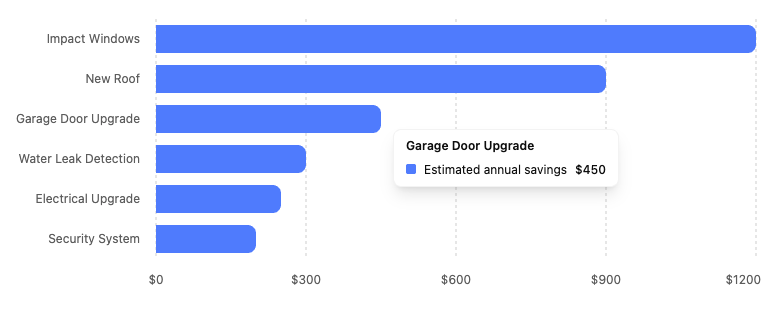
Estimated Annual Premium Savings
While every insurer is different, homeowners may see reductions ranging from modest to substantial depending on the improvement completed.
Potential annual homeowners insurance savings
Illustrative annual savings after major home improvements. Actual savings vary by insurer, location, and home characteristics.
Florida Homeowners Face Unique Challenges
Homeowners in Florida have experienced some of the nation’s largest insurance premium increases in recent years. Windstorm exposure, hurricane losses, litigation costs, and reinsurance expenses have dramatically impacted the market.
For Florida homeowners, improvements such as:
New roofs
Impact-resistant windows
Reinforced garage doors
Updated roof-to-wall connections
can often produce meaningful insurance savings through wind mitigation programs while simultaneously strengthening the home against future storms.
The Takeaway
Your home is likely your largest financial asset. Maintaining it properly not only protects its value but can also help keep insurance costs under control.
Before renewing your homeowners insurance policy, consider reviewing the age and condition of major systems throughout your home. A repair that seems expensive today may ultimately save thousands of dollars in future claims, prevent coverage issues, and reduce annual insurance premiums for years to come.
Disclosure: This article is intended for educational purposes only and should not be considered insurance, legal, or financial advice. Insurance eligibility, discounts, and premiums vary by carrier, location, and individual underwriting guidelines.
About the Author:
David Dandaneau is a client relations analyst that covers the insurance and financial services industry. He is known for his insightful analysis and comprehensive coverage of market trends and regulatory developments.
Over the past few years here, one thing has become clear: the topics that matter most are the ones that impact everyday people in real life. From protecting families financially to improving personal health and building long-term wealth, the conversations shared across social media have focused on practical advice, real experiences, and personal growth.
Here’s a look back at some of the biggest themes that resonated with readers and followers alike.
A scenic dirt path leads to a city skyline at sunset, with glowing navigation and connectivity icons along the trail.
Insurance Isn’t Just a Bill… It’s a Financial Safety Net
One recurring topic has been the importance of understanding insurance beyond the monthly premium. Conversations around auto insurance scores, homeowner protection, life changes, and shopping for coverage highlighted how important it is to make informed decisions.
Many drivers don’t realize that constantly switching insurance companies can sometimes hurt their long-term pricing and stability. Insurance history, payment consistency, claim frequency, and credit-related factors often play a role in how rates are calculated. The key message shared over time has been simple:
✅ Shop smart ✅ Compare coverage… not just price ✅ Understand what you’re buying ✅ Protect yourself before problems happen
There were also important discussions about protecting families after the loss of a spouse. Topics included updating estate documents, reviewing beneficiaries, adjusting homeowners and auto insurance policies, and making sure financial accounts are organized during difficult times.
Health and Sleep Matter More Than We Admit
Another major focus centered around health and quality of life, especially sleep.
Personal experiences discussing CPAP therapy opened conversations for many people struggling silently with exhaustion, poor sleep quality, and untreated sleep apnea. The message was relatable because it focused on real-life improvements instead of medical jargon.
Many readers connected with the idea that better sleep can improve:
Energy levels
Mood and mental clarity
Blood pressure
Productivity
Overall quality of life
The discussions also honestly addressed the adjustment period that comes with CPAP use, reminding people that long-term health improvements often require patience and consistency.
Mental Health Conversations Continue to Break Stigma
Mental health awareness became another important topic throughout the years. Rather than focusing only on diagnoses or labels, the message centered around perseverance, growth, and finding purpose despite difficult seasons.
The overall tone remained encouraging:
Every day is another opportunity to keep moving forward.
Readers responded positively to honest conversations about stress, emotional struggles, and the importance of seeking support while continuing to pursue productive and meaningful lives.
Investing Conversations Focused on Long-Term Thinking
Investment-related discussions also attracted strong engagement, especially around dividend-paying companies and emerging growth opportunities.
Articles and commentary involving companies like General Mills (GIS) and Ondas Holdings (ONDS) explored the balance between stability and growth potential.
Topics included:
Dividend investing
Market volatility
Long-term portfolio strategy
Risk management
Emerging technology opportunities
One consistent theme stood out:
📈 Investing is not about chasing hype every day it’s about building disciplined habits over time.
Transparency also remained important, with disclosures shared whenever positions in discussed companies were personally owned.
A vintage scale balancing symbols of health, money, technology, and family.
Technology, Sustainability, and Everyday Innovation
Discussions around sustainability and technology showed how rapidly the world is changing. Topics ranged from electric vehicles and smart homes to how innovation is reshaping the insurance industry itself.
As more households adopt connected devices and cleaner technologies, conversations emphasized how these changes may impact:
Insurance pricing
Risk assessment
Home safety
Driving habits
Long-term financial savings
The growing overlap between technology and personal finance continues to create opportunities for consumers willing to stay informed.
Why These Conversations Connected With People
The reason these topics gained attention is because they were grounded in real life.
They weren’t just about headlines or trends they focused on:
✔ Protecting families ✔ Improving health ✔ Building financial stability ✔ Encouraging personal growth ✔ Preparing for the unexpected
In a social media environment often dominated by negativity and noise, practical conversations that educate, encourage, and empower people continue to stand out.
Key Takeaway
Over the years, these discussions have shown that everyday decisions can have a lasting impact. Whether it’s reviewing an insurance policy, improving sleep, investing for the future, or simply finding ways to stay positive during difficult times, small steps often create meaningful long-term results.
The conversations will continue because life keeps evolving, and staying informed matters more than ever.
As auto insurance premiums continue to rise across the country, many drivers are asking the same question: What actually affects my insurance score, and why did my rate increase? While most consumers focus only on accidents and tickets, insurance companies evaluate far more data when determining premiums.
Understanding how insurers calculate risk can help drivers lower costs, avoid common mistakes, and make smarter decisions when shopping for coverage.
What Is an Auto Insurance Score?
An auto insurance score is a rating system insurers use to estimate the likelihood that a driver may file claims in the future. It is different from a traditional credit score, although credit-related factors can influence it in many states.
Insurance carriers analyze multiple variables to determine risk exposure and pricing. The higher your insurance score, the more favorable your premiums may become.
A futuristic sports car speeding with digital security and payment elements
Key Factors That Impact Your Auto Insurance Score
Driving History
Your driving record remains one of the largest rating factors. Insurance companies review:
Speeding tickets
At-fault accidents
DUI or reckless driving violations
Frequency of claims
License suspensions
Drivers with clean records generally receive the best rates because they statistically present lower risk.
Credit-Based Insurance Factors
In many states, insurers use credit-based insurance scoring models. While controversial, studies have shown correlations between credit behavior and claims frequency.
Factors may include:
Payment history
Outstanding debt
Length of credit history
Credit utilization
Collection accounts
Late payments or high debt levels may negatively impact premiums even if your driving record is spotless.
Coverage Lapses
One of the most overlooked rating factors is a lapse in insurance coverage.
Drivers who allow policies to cancel due to nonpayment or gaps between companies are often viewed as higher risk. Even a short lapse can significantly increase premiums when obtaining a new policy.
Maintaining continuous coverage is one of the easiest ways to protect your insurance score.
Frequency of Insurance Shopping
Many consumers assume switching insurance companies every six months always saves money. While comparison shopping is smart, excessive switching can sometimes work against you.
Insurance companies often reward long-term policyholders with:
Loyalty discounts
Accident forgiveness
Lower renewal increases
Multi-policy savings
Enhanced underwriting consideration
Frequent changes may reset some of these benefits and can signal instability to insurers.
That does not mean drivers should stay with a company charging unreasonable premiums. Instead, consumers should evaluate whether savings outweigh the long-term advantages they may lose.
Vehicle Type Matters
The vehicle you drive heavily influences rates. Insurance companies analyze:
Repair costs
Theft rates
Safety ratings
Horsepower
Claim frequency for that model
Sports cars, luxury vehicles, and certain electric vehicles may carry higher premiums due to expensive repairs or increased accident statistics.
Location and ZIP Code
Where you live affects rates more than many realize.
Urban areas with:
Heavy traffic
Higher theft rates
More uninsured drivers
Increased accident frequency
typically experience higher premiums than rural communities.
Even moving a few miles can change insurance pricing.
Why You Should Not Change Insurance Companies Too Often
While shopping periodically is healthy, constantly jumping between carriers can create unintended consequences.
Loss of Loyalty Benefits
Some insurers reserve their best perks for customers who stay multiple years. Leaving too soon may eliminate:
Claim-free rewards
Vanishing deductibles
Preferred pricing tiers
Renewal stability
Underwriting Red Flags
Frequent switching may cause some insurers to question whether:
Policies lapsed previously
Claims history is unstable
Payments were inconsistent
Even if none of those issues exist, some carriers still prefer customers with longer tenure histories.
Constant Rate Fluctuations
Introductory pricing sometimes expires after the first term. Consumers who repeatedly chase teaser rates may find themselves trapped in a cycle of temporary discounts followed by unexpected increases.
When It Makes Sense to Shop for New Insurance
Drivers should still review coverage regularly, especially after:
Major rate increases
Vehicle purchases
Marriage or divorce
Moving to a new state
Teen drivers entering the household
Credit improvement
Accidents aging off records
Industry experts generally recommend comparing quotes every 1–3 years instead of every few months.
How to Shop Smart for Auto Insurance
A workspace featuring charts, notes, and financial tools for monthly growth analysis
Compare Equal Coverage
One of the biggest mistakes consumers make is comparing policies with different limits.
Always compare:
Liability limits
Deductibles
Collision coverage
Comprehensive coverage
Rental reimbursement
Roadside assistance
A cheaper quote may provide significantly less protection.
Research Company Reputation
Price matters, but service quality matters too.
Look for:
Claims satisfaction ratings
Financial strength
Customer reviews
Local agent availability
Mobile app functionality
A low premium means little if claim handling becomes difficult after an accident.
Bundle Policies
Many insurers provide discounts when combining:
Auto insurance
Homeowners insurance
Renters insurance
Umbrella policies
Bundling can sometimes reduce total insurance costs substantially.
Ask About Discounts
Consumers are often surprised by the number of available discounts, including:
Safe driver programs
Defensive driving courses
Low mileage discounts
Good student discounts
Vehicle safety features
Automatic payment enrollment
Avoid Minimum Coverage Mistakes
State minimum coverage may not fully protect your finances after a serious accident.
Medical bills, lawsuits, and vehicle damage can easily exceed minimum liability limits. Many financial professionals recommend carrying higher liability protection if affordable.
Key Takeaways for Drivers
Your auto insurance score is influenced by far more than accidents alone. Credit behavior, coverage consistency, vehicle choice, and long-term insurance history all play important roles in determining premiums.
While shopping around occasionally can help consumers find better value, constantly changing insurance companies may cost drivers valuable loyalty benefits and long-term stability.
The smartest strategy is balancing competitive pricing with strong coverage, reliable customer service, and consistent insurance history. Drivers who understand how insurers evaluate risk are often in the best position to secure affordable protection for years to come.
About the Author:
David Dandaneau is a client relations analyst that covers the insurance and financial services industry. He is known for his insightful analysis and comprehensive coverage of market trends and regulatory developments.
The death of a spouse is one of life’s most difficult experiences emotionally, but it can also create immediate financial, legal, and insurance challenges. Experts say surviving spouses who take organized and timely action can avoid costly mistakes, reduce stress, and protect their family’s long-term financial future.
From estate administration to updating insurance policies and securing financial accounts, understanding the steps that should be taken after a spouse passes away is critical.
The Importance of Acting Early
Many surviving spouses are unaware that insurance policies, bank accounts, mortgages, vehicle titles, and retirement accounts may need immediate attention after a death occurs. Delays can lead to denied claims, lapsed coverage, frozen accounts, missed bills, or probate complications.
Financial planners and estate professionals recommend starting with a structured checklist and keeping copies of all important documents in one secure location.
Key Areas That Need Immediate Attention
1. Obtain Multiple Certified Death Certificates
Funeral homes often assist families with ordering death certificates. Financial institutions, insurance carriers, and government agencies usually require certified copies.
Experts recommend obtaining at least 10 copies to simplify the process.
2. Contact Life Insurance Companies
If the deceased spouse had life insurance through work or an individual policy, beneficiaries should file claims as soon as possible.
Important items to gather include:
Policy numbers
Death certificate
Beneficiary information
Employer contact information
Life insurance proceeds are often paid tax-free and can help cover immediate expenses.
3. Review the Estate and Will
If a will or trust exists, the executor or trustee should begin the legal administration process promptly.
Key documents may include:
Last will and testament
Trust agreements
Power of attorney documents
Property deeds
Financial account information
Consulting an estate attorney may help avoid probate complications and ensure assets transfer properly.
Homeowners Insurance Should Never Be Ignored
One commonly overlooked issue is homeowners insurance. After a spouse dies, surviving family members should notify their insurance company immediately.
Why this matters:
The named insured may need to be updated
Vacant home provisions could apply
Coverage limits may need adjustment
Mortgage lender requirements could change
Failure to update a homeowners policy may create claim issues later.
Homeowners should also verify:
Current replacement cost coverage
Flood or hurricane insurance status
Mortgage escrow arrangements
Liability protection limits
Auto Insurance Updates Are Critical
Vehicle ownership and auto insurance policies often require updates after a spouse passes away.
Checklist items include:
Updating vehicle registration and title
Removing or adding drivers
Revising garaging address if necessary
Reviewing coverage levels
Confirming premium payment arrangements
If the deceased spouse handled finances, surviving spouses should confirm policies remain active to avoid accidental lapses in coverage.
Social Security and Government Benefits
The surviving spouse may qualify for benefits through the Social Security Administration.
Potential benefits may include:
Survivor benefits
Lump-sum death payment
Medicare updates
Dependent child benefits
Veterans and government employees may also have pension or survivor programs available.
Protecting Against Fraud and Identity Theft
Identity theft targeting deceased individuals is increasingly common.
Experts recommend:
Notifying credit bureaus
Monitoring financial statements
Closing unnecessary accounts
Reporting the death to banks and creditors
Securing digital accounts and passwords
Mail theft and fraudulent credit applications can occur if accounts remain open.
Emotional Decisions Should Be Avoided
Financial advisors frequently caution widows and widowers against making major financial decisions immediately after a loss.
Avoid rushing decisions involving:
Selling the home
Large investments
Giving money to family members
Cashing out retirement accounts
Major relocations
Taking time to evaluate options with trusted professionals may help prevent long-term financial setbacks.
Survivor Protection Checklist
A checklist symbolizing home and car insurance coverage and protection.
Immediate Tasks (First Few Days)
Obtain certified death certificates
Notify close family members
Contact funeral home and clergy
Secure home, vehicles, and valuables
Locate will, trust, and insurance documents
Notify employer of death
Financial & Legal Tasks
Contact life insurance companies
Meet with estate attorney if necessary
Notify banks and investment firms
Review mortgage and loan obligations
Update beneficiaries on accounts
Review retirement and pension benefits
Notify Social Security Administration
Monitor credit reports
Insurance Tasks
Update homeowners insurance
Review auto insurance policies
Confirm health insurance continuation
Review umbrella liability coverage
Verify flood, windstorm, or specialty coverage
Update named insured information
Property & Asset Tasks
Transfer vehicle titles if necessary
Update deeds and property ownership
Inventory valuables and collectibles
Secure firearms, jewelry, and important documents
Review safe deposit boxes
Digital & Identity Protection
Close unused online accounts
Update passwords
Preserve important photos and files
Notify credit bureaus
Monitor for identity theft
Family & Long-Term Planning
Review household budget
Meet with financial advisor
Update your own estate plan
Reevaluate retirement strategy
Review tax filing requirements
Create an emergency contact file
Final Thoughts
The loss of a spouse can feel overwhelming, especially when legal and financial responsibilities suddenly fall on one person. While every situation is unique, staying organized and addressing insurance, estate, and financial matters early can help protect surviving family members from unnecessary hardship.
Professionals recommend building a trusted support team that may include an estate attorney, financial advisor, accountant, and insurance professional to help navigate the transition with confidence and stability.
About the Author:
David Dandaneau is a client relations analyst that covers the insurance and financial services industry. He is known for his insightful analysis and comprehensive coverage of market trends and regulatory developments.
Auto insurance is one of the most essential and often confusing financial protections drivers carry. Premiums can vary dramatically from one person to another, leaving many wondering what actually determines the cost and whether they’re getting the best deal. Industry professionals point to a mix of personal risk factors, market dynamics, and shopping strategy as the key drivers behind what you pay.
What Determines the Cost of Auto Insurance?
At its core, auto insurance pricing is a risk calculation. Insurers assess how likely you are to file a claim and how expensive that claim might be. Several primary variables feed into that equation:
Location: Urban areas with higher traffic density and theft rates typically result in higher costs than rural regions.
Vehicle Type: Expensive cars, high-performance vehicles, and models prone to theft cost more to insure.
Coverage Levels: Higher liability limits, lower deductibles, and optional coverages (like comprehensive or uninsured motorist) all increase premiums.
Credit-Based Insurance Score: In many states, insurers use credit data as a predictor of claim behavior.
Annual Mileage and Usage: More time on the road equals higher exposure to risk.
In short, the more risk you present on paper, the more you’ll pay.
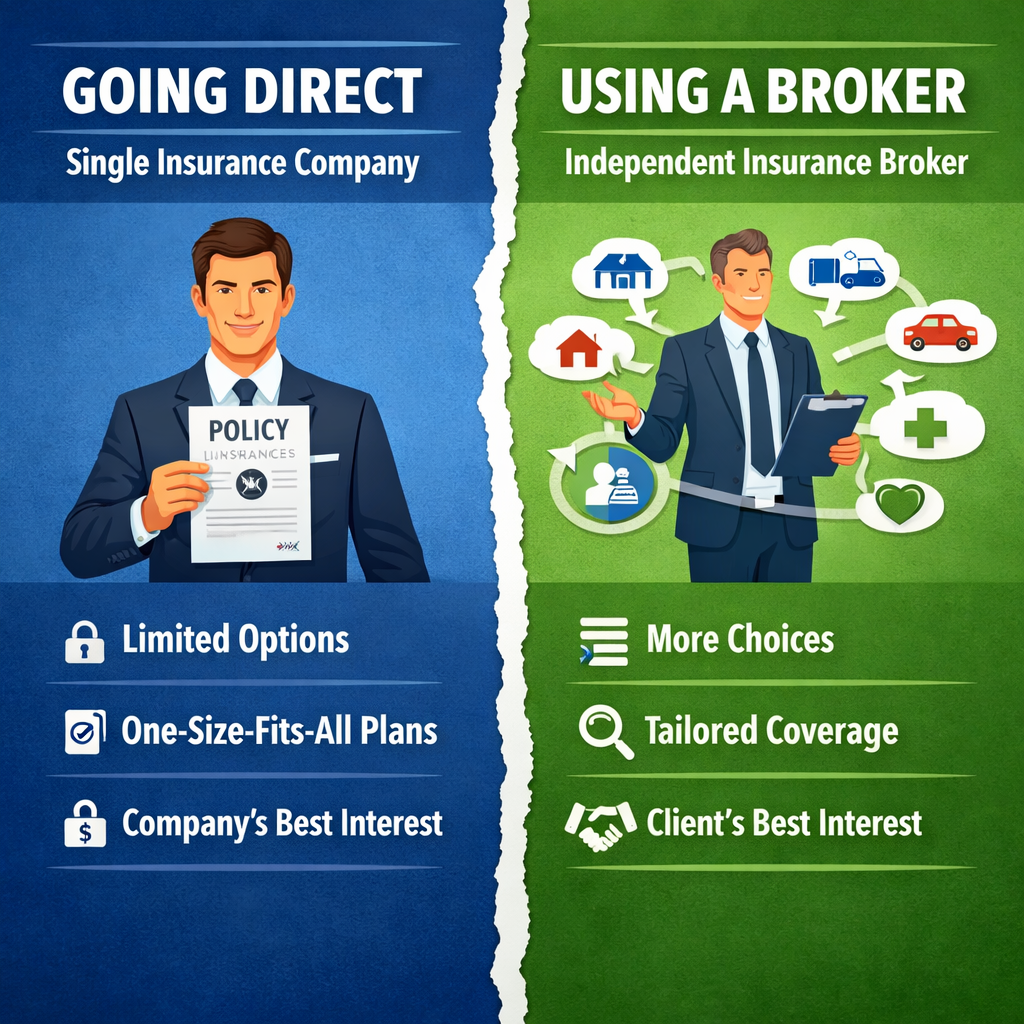
Going It Alone vs. Using a Broker
One of the biggest decisions consumers face is whether to shop for insurance independently or work with a broker or agent.
Going It Alone (Direct-to-Consumer Shopping): Shopping online or directly with carriers can be faster and sometimes cheaper on the surface. You control the process, compare quotes, and avoid intermediary commissions. However, this approach has limitations:
You may only see a subset of the market.
Policy differences can be difficult to evaluate without expertise.
It’s easy to underinsure or miss critical coverage gaps.
Using a Broker or Independent Agent: A broker represents multiple insurance companies and shops on your behalf. Their role is less about selling a single product and more about risk matching.
Pros: Access to multiple carriers, professional guidance, policy comparison expertise, and ongoing service.
Cons: Slightly less control over the process and potential bias toward certain carriers (though reputable brokers mitigate this).
For complex situations multiple vehicles, teen drivers, high-value assets a broker often provides measurable value. For simpler needs, confident consumers may find direct shopping sufficient.
The Hidden Risk of Staying With One Carrier Too Long
Loyalty in insurance doesn’t always pay. While some insurers offer retention discounts, long-term customers can experience what industry insiders call “rate creep.”
Here’s what to monitor if you’ve stayed with the same carrier for years:
Annual Premium Increases: Even without claims, rates can rise due to broader underwriting changes or inflation in repair costs.
Coverage Drift: Your life changes your policy might not. New assets, longer commutes, or lifestyle changes can leave gaps.
Discount Erosion: Introductory discounts often expire after the first policy term.
Market Competitiveness: New insurers and pricing models enter the market regularly. What was competitive three years ago may not be today.
Experts recommend reviewing your policy at least once a year or after major life events. Even if you don’t switch, understanding your options keeps your current carrier accountable.
The Bottom Line
Auto insurance pricing is not arbitrary it’s a data-driven reflection of risk. Whether you choose to shop independently or work with a broker depends on your comfort level, time investment, and complexity of needs. However, one principle holds true across the board: passive renewal is rarely the optimal strategy.
Consumers who actively review, compare, and adjust their coverage are far more likely to balance cost efficiency with proper protection, an outcome that ultimately defines the value of any insurance policy.
About the Author:
David Dandaneau is a client relations analyst that covers the insurance and financial services industry. He is known for his insightful analysis and comprehensive coverage of market trends and regulatory developments.




















 Health to Wealth Ventures