Broker vs. DIY: Best Way to Shop for Auto Insurance

Auto insurance is one of the most essential and often confusing financial protections drivers carry. Premiums can vary dramatically from one person to another, leaving many wondering what actually determines the cost and whether they’re getting the best deal. Industry professionals point to a mix of personal risk factors, market dynamics, and shopping strategy as the key drivers behind what you pay.

Car insurance policy paper with pen, car keys, toy car, calculator displaying 12345, and cash

What Determines the Cost of Auto Insurance?

At its core, auto insurance pricing is a risk calculation. Insurers assess how likely you are to file a claim and how expensive that claim might be. Several primary variables feed into that equation:

  • Driving Record: Accidents, speeding tickets, and violations increase perceived risk, raising premiums.
  • Location: Urban areas with higher traffic density and theft rates typically result in higher costs than rural regions.
  • Vehicle Type: Expensive cars, high-performance vehicles, and models prone to theft cost more to insure.
  • Coverage Levels: Higher liability limits, lower deductibles, and optional coverages (like comprehensive or uninsured motorist) all increase premiums.
  • Credit-Based Insurance Score: In many states, insurers use credit data as a predictor of claim behavior.
  • Annual Mileage and Usage: More time on the road equals higher exposure to risk.

In short, the more risk you present on paper, the more you’ll pay.

Going It Alone vs. Using a Broker

One of the biggest decisions consumers face is whether to shop for insurance independently or work with a broker or agent.
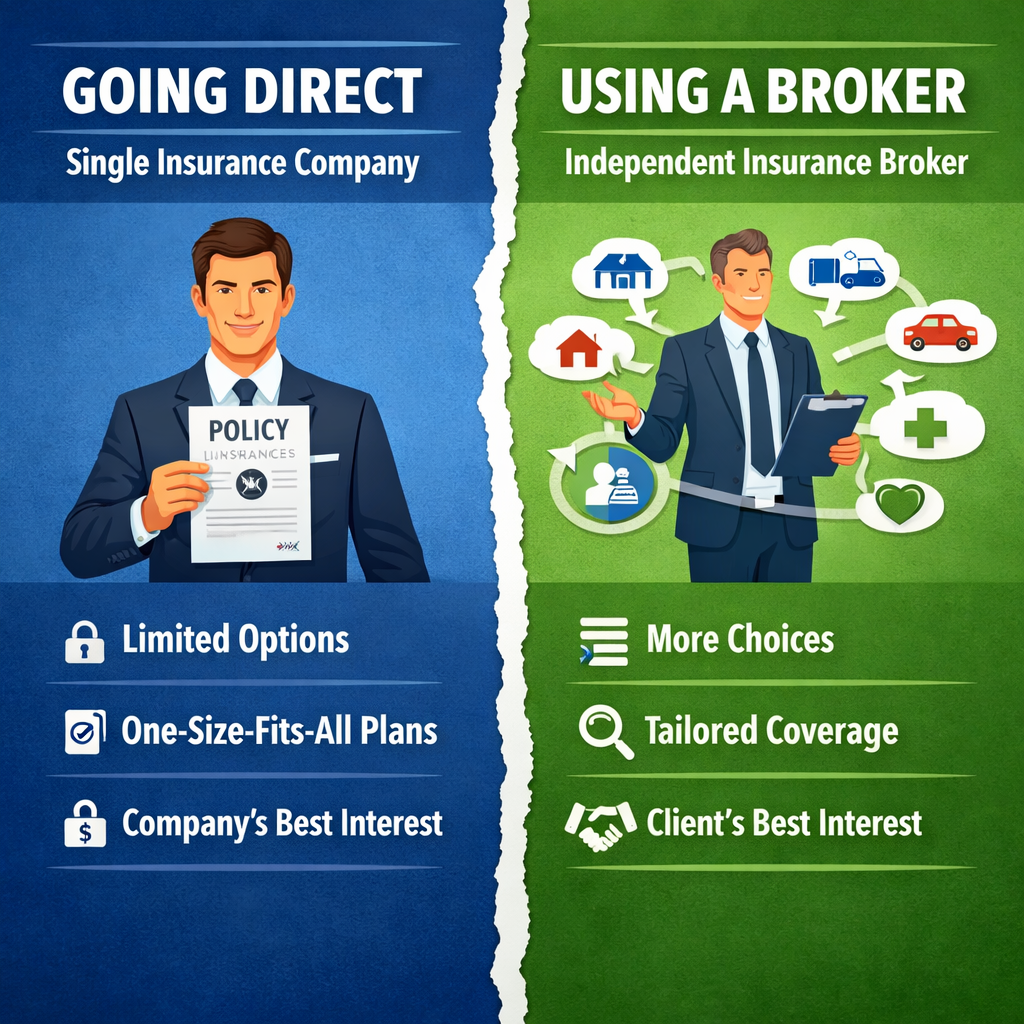
Comparison of insurance options showing a man with policy from single company versus broker offering multiple tailored coverages

Going It Alone (Direct-to-Consumer Shopping):
Shopping online or directly with carriers can be faster and sometimes cheaper on the surface. You control the process, compare quotes, and avoid intermediary commissions. However, this approach has limitations:

  • You may only see a subset of the market.
  • Policy differences can be difficult to evaluate without expertise.
  • It’s easy to underinsure or miss critical coverage gaps.

Using a Broker or Independent Agent:
A broker represents multiple insurance companies and shops on your behalf. Their role is less about selling a single product and more about risk matching.

  • Pros: Access to multiple carriers, professional guidance, policy comparison expertise, and ongoing service.
  • Cons: Slightly less control over the process and potential bias toward certain carriers (though reputable brokers mitigate this).

For complex situations multiple vehicles, teen drivers, high-value assets a broker often provides measurable value. For simpler needs, confident consumers may find direct shopping sufficient.

The Hidden Risk of Staying With One Carrier Too Long

Loyalty in insurance doesn’t always pay. While some insurers offer retention discounts, long-term customers can experience what industry insiders call “rate creep.”

Here’s what to monitor if you’ve stayed with the same carrier for years:

  • Annual Premium Increases: Even without claims, rates can rise due to broader underwriting changes or inflation in repair costs.
  • Coverage Drift: Your life changes your policy might not. New assets, longer commutes, or lifestyle changes can leave gaps.
  • Discount Erosion: Introductory discounts often expire after the first policy term.
  • Market Competitiveness: New insurers and pricing models enter the market regularly. What was competitive three years ago may not be today.

Experts recommend reviewing your policy at least once a year or after major life events. Even if you don’t switch, understanding your options keeps your current carrier accountable.

The Bottom Line

Auto insurance pricing is not arbitrary it’s a data-driven reflection of risk. Whether you choose to shop independently or work with a broker depends on your comfort level, time investment, and complexity of needs. However, one principle holds true across the board: passive renewal is rarely the optimal strategy.

Consumers who actively review, compare, and adjust their coverage are far more likely to balance cost efficiency with proper protection, an outcome that ultimately defines the value of any insurance policy.

About the Author:

David Dandaneau is a client relations analyst that covers the insurance and financial services industry. He is known for his insightful analysis and comprehensive coverage of market trends and regulatory developments.

The Baldwin Group (NASDAQ: BWIN) Strengthens Market Position Through Strategic Acquisitions and Growth Initiatives

January 15, 2026 – Tampa, FLThe Baldwin Group (NASDAQ: BWIN), a leading independent insurance brokerage and advisory firm, is making notable strides in expanding its national footprint through a series of strategic acquisitions and corporate actions, moves that have attracted investor interest and helped support recent gains in its stock price.

In the last several months, Baldwin has completed multiple significant transactions. The company finalized its acquisition of Obie, a Chicago-based embedded landlord insurance distribution platform that has delivered extraordinary revenue growth since 2021. Obie’s insurance technology and nationwide distribution capabilities are expected to strengthen Baldwin’s real estate investor solutions and support broader adoption of embedded insurance offerings. (Stock Titan)

Shortly after the Obie announcement in mid-January 2026, Baldwin’s stock experienced a noticeable uptick, with shares rising over 3.6% on acquisition news a clear sign of investor confidence in Baldwin’s growth strategy. (IndexBox)

In early 2026, Baldwin also completed the acquisition of Capstone Group, a full-service Philadelphia-area insurance brokerage firm. Capstone expands Baldwin’s regional reach and adds new capabilities in risk management, group health, and ancillary benefit lines further diversifying Baldwin’s portfolio of services. (Investing.com)

Perhaps most transformational is the company’s $1.026 billion merger with CAC Group, a specialty and middle-market insurance brokerage transaction completed in early January 2026. This strategic combination positions Baldwin among the largest independent insurance advisory platforms in the U.S., adding unparalleled specialty expertise in sectors like cyber, financial lines, construction, natural resources, and private equity. (Stock Titan+1)

Financially, Baldwin has shown consistent growth in revenue and organic expansion across reporting periods in 2025. Third-quarter results reported revenue growth of 8% and continued adjusted earnings momentum, even as the company navigates through net losses on a GAAP basis. (Business Wire)

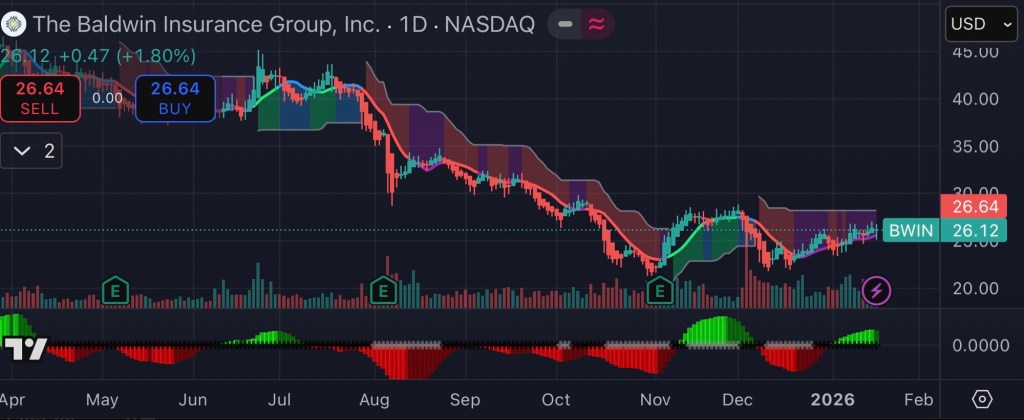
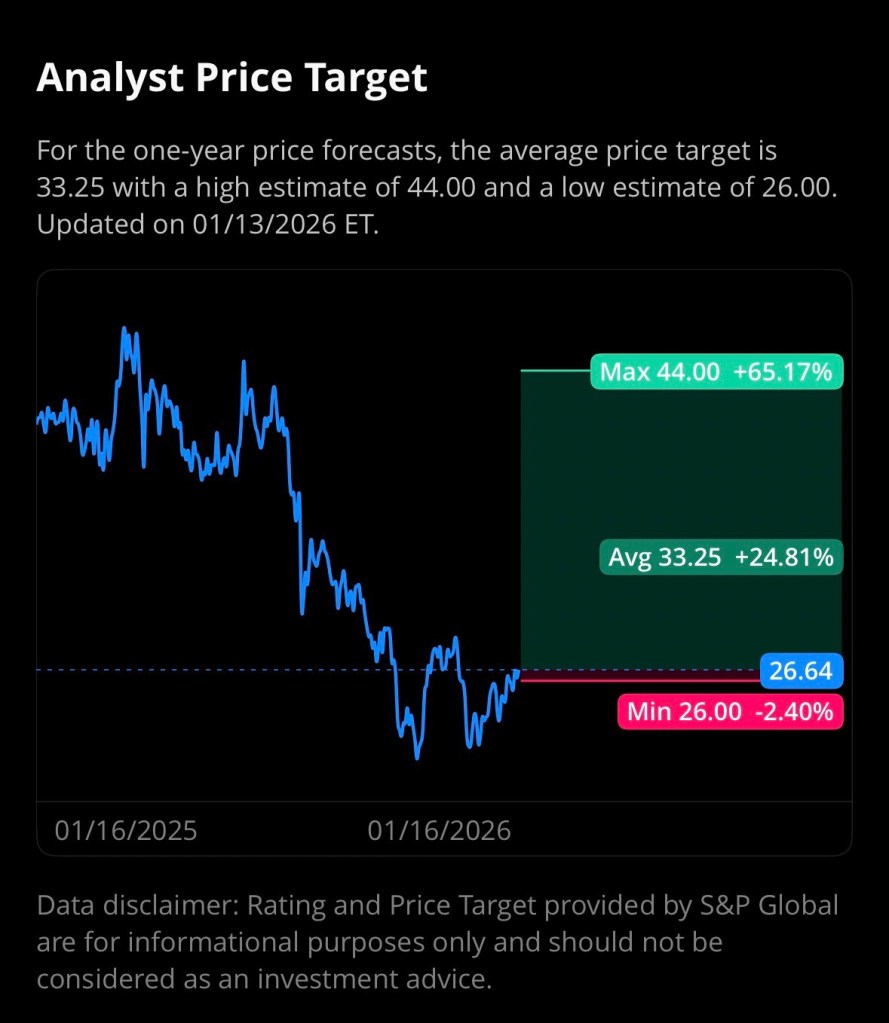
According to recent stock data, BWIN’s share price has reflected both volatility and opportunity. As of mid-January 2026, BWIN shares traded near $25.48, with a 52-week range of approximately $21.26 to $47.15. Analysts maintain a mixed outlook, with a consensus price target higher than current levels but tempered by risks related to integration and profitability challenges. (StockAnalysis)

Capital and Debt Strategy
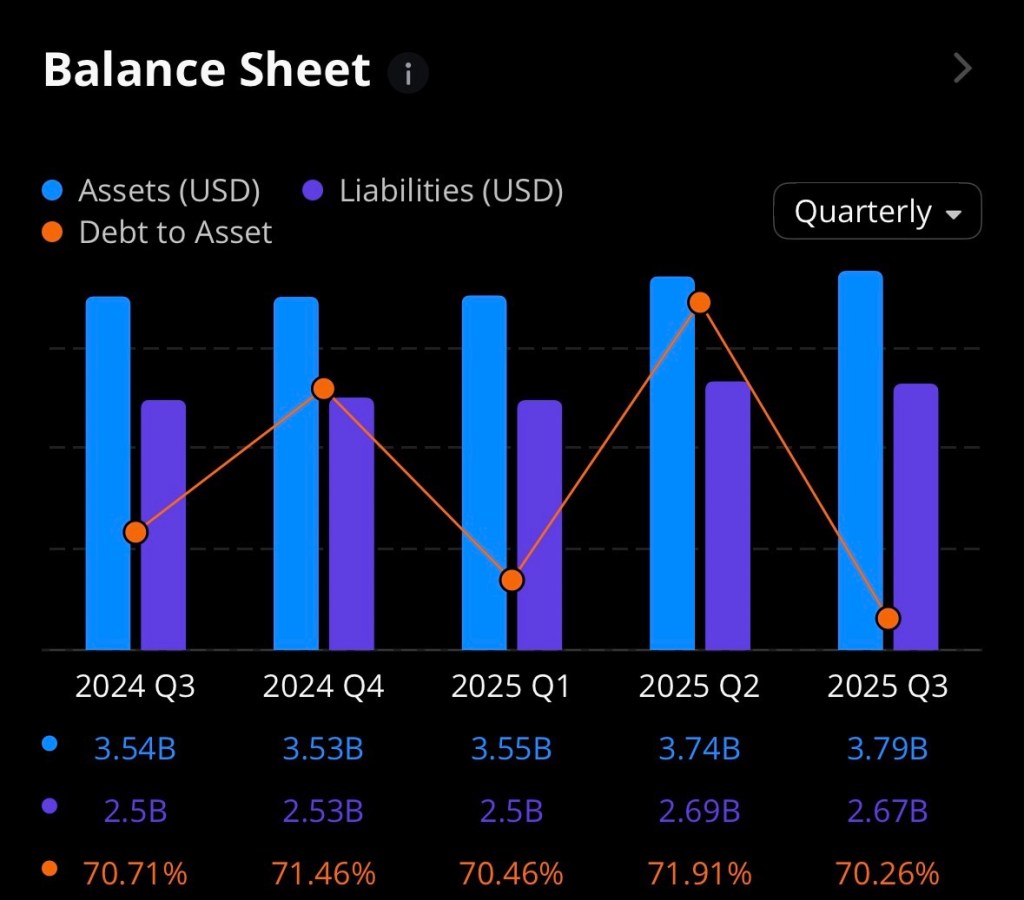
Alongside these strategic acquisitions, The Baldwin Group has successfully priced an incremental $600 million Term Loan B, which upsizes its existing credit facility and provides flexibility to fund acquisitions and refinance existing borrowings. This capital strategy supports Baldwin’s expansion while managing leverage levels that accompany rapid growth. (Stock Titan)

Investment Considerations and Risks
Investors considering exposure to BWIN should be aware that, while the company is scaling rapidly, it continues to report net losses on a GAAP basis and carries a significant debt load tied to its acquisition strategy. Meanwhile, adjusted performance metrics demonstrate improving profitability trends that could support future valuation performance if realized. (Baldwin+1)

Disclosure: I hold a position in The Baldwin Group (BWIN), and the views expressed above reflect only general observations of recent developments and publicly available data.


References

IndexBox. (2026, January 15). Baldwin Insurance Group stock rises on Obie acquisition news.
Stockanalysis.com. (2026). The Baldwin Insurance Group (BWIN) Stock Price & Overview.
Business Wire. (2025). The Baldwin Group announces fourth quarter and full year 2024 results.
Business Wire. (2025, November 4). The Baldwin Group announces third quarter 2025 results.
StockTitan. (2026, January). The Baldwin Group completes acquisition of Obie and Capstone Group.
BeyondSPX. (2026, January). Baldwin Group completes $1.026 billion merger with CAC Group.
StockTitan. (2024). The Baldwin Group announces successful pricing of $600 million incremental Term Loan B.