Understanding Auto Insurance Scores: Key Factors Impacting Rates

As auto insurance premiums continue to rise across the country, many drivers are asking the same question: What actually affects my insurance score, and why did my rate increase? While most consumers focus only on accidents and tickets, insurance companies evaluate far more data when determining premiums.

Understanding how insurers calculate risk can help drivers lower costs, avoid common mistakes, and make smarter decisions when shopping for coverage.

What Is an Auto Insurance Score?

An auto insurance score is a rating system insurers use to estimate the likelihood that a driver may file claims in the future. It is different from a traditional credit score, although credit-related factors can influence it in many states.

Insurance carriers analyze multiple variables to determine risk exposure and pricing. The higher your insurance score, the more favorable your premiums may become.

Futuristic sports car with digital speedometer and secure payment icons
A futuristic sports car speeding with digital security and payment elements

Key Factors That Impact Your Auto Insurance Score

Driving History

Your driving record remains one of the largest rating factors. Insurance companies review:

  • Speeding tickets
  • At-fault accidents
  • DUI or reckless driving violations
  • Frequency of claims
  • License suspensions

Drivers with clean records generally receive the best rates because they statistically present lower risk.

Credit-Based Insurance Factors

In many states, insurers use credit-based insurance scoring models. While controversial, studies have shown correlations between credit behavior and claims frequency.

Factors may include:

  • Payment history
  • Outstanding debt
  • Length of credit history
  • Credit utilization
  • Collection accounts

Late payments or high debt levels may negatively impact premiums even if your driving record is spotless.

Coverage Lapses

One of the most overlooked rating factors is a lapse in insurance coverage.

Drivers who allow policies to cancel due to nonpayment or gaps between companies are often viewed as higher risk. Even a short lapse can significantly increase premiums when obtaining a new policy.

Maintaining continuous coverage is one of the easiest ways to protect your insurance score.

Frequency of Insurance Shopping

Many consumers assume switching insurance companies every six months always saves money. While comparison shopping is smart, excessive switching can sometimes work against you.

Insurance companies often reward long-term policyholders with:

  • Loyalty discounts
  • Accident forgiveness
  • Lower renewal increases
  • Multi-policy savings
  • Enhanced underwriting consideration

Frequent changes may reset some of these benefits and can signal instability to insurers.

That does not mean drivers should stay with a company charging unreasonable premiums. Instead, consumers should evaluate whether savings outweigh the long-term advantages they may lose.

Vehicle Type Matters

The vehicle you drive heavily influences rates. Insurance companies analyze:

  • Repair costs
  • Theft rates
  • Safety ratings
  • Horsepower
  • Claim frequency for that model

Sports cars, luxury vehicles, and certain electric vehicles may carry higher premiums due to expensive repairs or increased accident statistics.

Location and ZIP Code

Where you live affects rates more than many realize.

Urban areas with:

  • Heavy traffic
  • Higher theft rates
  • More uninsured drivers
  • Increased accident frequency

typically experience higher premiums than rural communities.

Even moving a few miles can change insurance pricing.

Why You Should Not Change Insurance Companies Too Often

While shopping periodically is healthy, constantly jumping between carriers can create unintended consequences.

Loss of Loyalty Benefits

Some insurers reserve their best perks for customers who stay multiple years. Leaving too soon may eliminate:

  • Claim-free rewards
  • Vanishing deductibles
  • Preferred pricing tiers
  • Renewal stability

Underwriting Red Flags

Frequent switching may cause some insurers to question whether:

  • Policies lapsed previously
  • Claims history is unstable
  • Payments were inconsistent

Even if none of those issues exist, some carriers still prefer customers with longer tenure histories.

Constant Rate Fluctuations

Introductory pricing sometimes expires after the first term. Consumers who repeatedly chase teaser rates may find themselves trapped in a cycle of temporary discounts followed by unexpected increases.

When It Makes Sense to Shop for New Insurance

Drivers should still review coverage regularly, especially after:

  • Major rate increases
  • Vehicle purchases
  • Marriage or divorce
  • Moving to a new state
  • Teen drivers entering the household
  • Credit improvement
  • Accidents aging off records

Industry experts generally recommend comparing quotes every 1–3 years instead of every few months.

How to Shop Smart for Auto Insurance

Notebook with monthly growth chart and notes, smartphone showing revenue and traffic charts, calculator, keys, and a coffee mug on wooden desk
A workspace featuring charts, notes, and financial tools for monthly growth analysis

Compare Equal Coverage

One of the biggest mistakes consumers make is comparing policies with different limits.

Always compare:

  • Liability limits
  • Deductibles
  • Collision coverage
  • Comprehensive coverage
  • Rental reimbursement
  • Roadside assistance

A cheaper quote may provide significantly less protection.

Research Company Reputation

Price matters, but service quality matters too.

Look for:

  • Claims satisfaction ratings
  • Financial strength
  • Customer reviews
  • Local agent availability
  • Mobile app functionality

A low premium means little if claim handling becomes difficult after an accident.

Bundle Policies

Many insurers provide discounts when combining:

  • Auto insurance
  • Homeowners insurance
  • Renters insurance
  • Umbrella policies

Bundling can sometimes reduce total insurance costs substantially.

Ask About Discounts

Consumers are often surprised by the number of available discounts, including:

  • Safe driver programs
  • Defensive driving courses
  • Low mileage discounts
  • Good student discounts
  • Vehicle safety features
  • Automatic payment enrollment

Avoid Minimum Coverage Mistakes

State minimum coverage may not fully protect your finances after a serious accident.

Medical bills, lawsuits, and vehicle damage can easily exceed minimum liability limits. Many financial professionals recommend carrying higher liability protection if affordable.

Key Takeaways for Drivers

Your auto insurance score is influenced by far more than accidents alone. Credit behavior, coverage consistency, vehicle choice, and long-term insurance history all play important roles in determining premiums.

While shopping around occasionally can help consumers find better value, constantly changing insurance companies may cost drivers valuable loyalty benefits and long-term stability.

The smartest strategy is balancing competitive pricing with strong coverage, reliable customer service, and consistent insurance history. Drivers who understand how insurers evaluate risk are often in the best position to secure affordable protection for years to come.

About the Author:

David Dandaneau is a client relations analyst that covers the insurance and financial services industry. He is known for his insightful analysis and comprehensive coverage of market trends and regulatory developments.

Protecting Yourself Financially and Legally After the Death of a Spouse

The death of a spouse is one of life’s most difficult experiences emotionally, but it can also create immediate financial, legal, and insurance challenges. Experts say surviving spouses who take organized and timely action can avoid costly mistakes, reduce stress, and protect their family’s long-term financial future.

From estate administration to updating insurance policies and securing financial accounts, understanding the steps that should be taken after a spouse passes away is critical.

Desk with project binder labeled 'PROJECT ALANNAH - 2024', stack of papers, pen, daily notes notebook, keys, and desk lamp

The Importance of Acting Early

Many surviving spouses are unaware that insurance policies, bank accounts, mortgages, vehicle titles, and retirement accounts may need immediate attention after a death occurs. Delays can lead to denied claims, lapsed coverage, frozen accounts, missed bills, or probate complications.

Financial planners and estate professionals recommend starting with a structured checklist and keeping copies of all important documents in one secure location.

Key Areas That Need Immediate Attention

1. Obtain Multiple Certified Death Certificates

Funeral homes often assist families with ordering death certificates. Financial institutions, insurance carriers, and government agencies usually require certified copies.

Experts recommend obtaining at least 10 copies to simplify the process.

2. Contact Life Insurance Companies

If the deceased spouse had life insurance through work or an individual policy, beneficiaries should file claims as soon as possible.

Important items to gather include:

  • Policy numbers
  • Death certificate
  • Beneficiary information
  • Employer contact information

Life insurance proceeds are often paid tax-free and can help cover immediate expenses.

3. Review the Estate and Will

If a will or trust exists, the executor or trustee should begin the legal administration process promptly.

Key documents may include:

  • Last will and testament
  • Trust agreements
  • Power of attorney documents
  • Property deeds
  • Financial account information

Consulting an estate attorney may help avoid probate complications and ensure assets transfer properly.

Homeowners Insurance Should Never Be Ignored

One commonly overlooked issue is homeowners insurance. After a spouse dies, surviving family members should notify their insurance company immediately.

Why this matters:

  • The named insured may need to be updated
  • Vacant home provisions could apply
  • Coverage limits may need adjustment
  • Mortgage lender requirements could change

Failure to update a homeowners policy may create claim issues later.

Homeowners should also verify:

  • Current replacement cost coverage
  • Flood or hurricane insurance status
  • Mortgage escrow arrangements
  • Liability protection limits

Auto Insurance Updates Are Critical

Vehicle ownership and auto insurance policies often require updates after a spouse passes away.

Checklist items include:

  • Updating vehicle registration and title
  • Removing or adding drivers
  • Revising garaging address if necessary
  • Reviewing coverage levels
  • Confirming premium payment arrangements

If the deceased spouse handled finances, surviving spouses should confirm policies remain active to avoid accidental lapses in coverage.

Social Security and Government Benefits

The surviving spouse may qualify for benefits through the Social Security Administration.

Potential benefits may include:

  • Survivor benefits
  • Lump-sum death payment
  • Medicare updates
  • Dependent child benefits

Veterans and government employees may also have pension or survivor programs available.

Protecting Against Fraud and Identity Theft

Identity theft targeting deceased individuals is increasingly common.

Experts recommend:

  • Notifying credit bureaus
  • Monitoring financial statements
  • Closing unnecessary accounts
  • Reporting the death to banks and creditors
  • Securing digital accounts and passwords

Mail theft and fraudulent credit applications can occur if accounts remain open.

Emotional Decisions Should Be Avoided

Financial advisors frequently caution widows and widowers against making major financial decisions immediately after a loss.

Avoid rushing decisions involving:

  • Selling the home
  • Large investments
  • Giving money to family members
  • Cashing out retirement accounts
  • Major relocations

Taking time to evaluate options with trusted professionals may help prevent long-term financial setbacks.

Survivor Protection Checklist

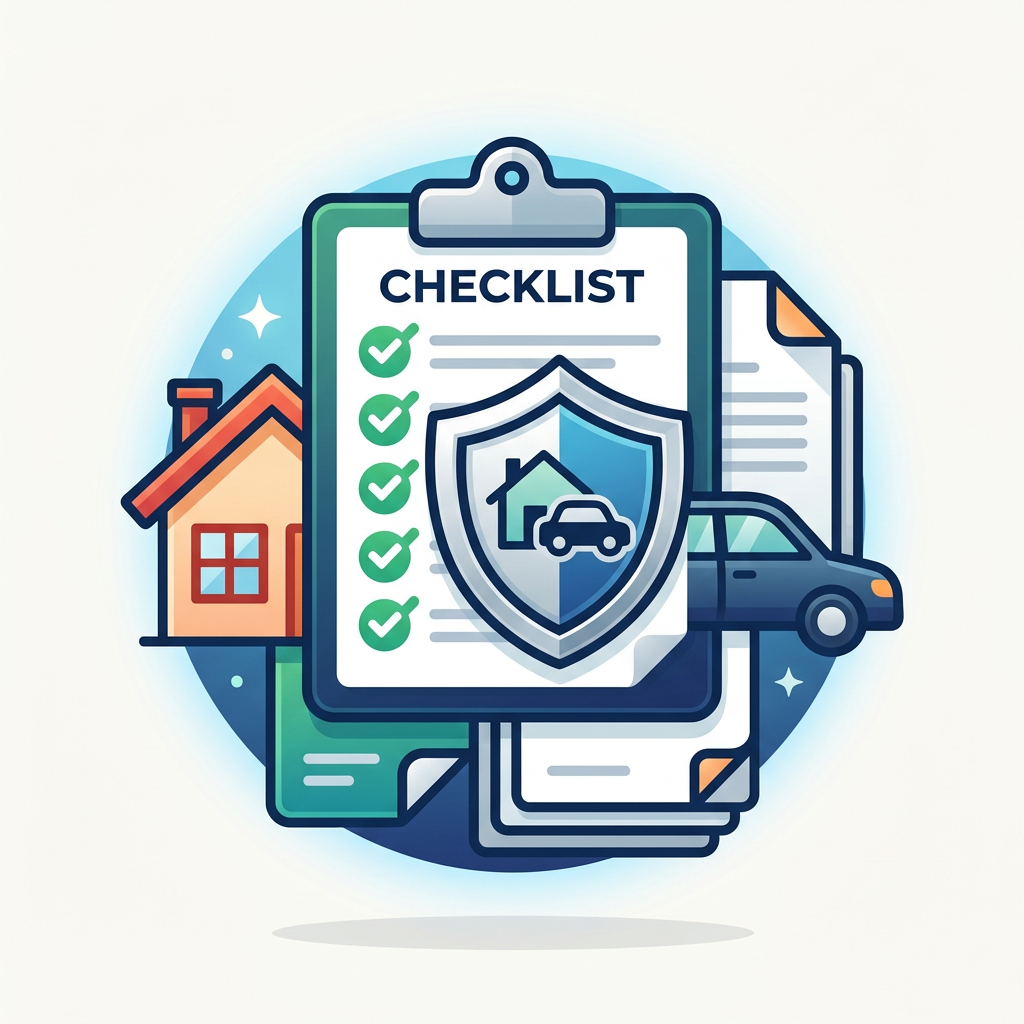
Checklist with green checkmarks, shield icon with house and car, documents, and house and car illustrations
A checklist symbolizing home and car insurance coverage and protection.

Immediate Tasks (First Few Days)

  • Obtain certified death certificates
  • Notify close family members
  • Contact funeral home and clergy
  • Secure home, vehicles, and valuables
  • Locate will, trust, and insurance documents
  • Notify employer of death

Financial & Legal Tasks

  • Contact life insurance companies
  • Meet with estate attorney if necessary
  • Notify banks and investment firms
  • Review mortgage and loan obligations
  • Update beneficiaries on accounts
  • Review retirement and pension benefits
  • Notify Social Security Administration
  • Monitor credit reports

Insurance Tasks

  • Update homeowners insurance
  • Review auto insurance policies
  • Confirm health insurance continuation
  • Review umbrella liability coverage
  • Verify flood, windstorm, or specialty coverage
  • Update named insured information

Property & Asset Tasks

  • Transfer vehicle titles if necessary
  • Update deeds and property ownership
  • Inventory valuables and collectibles
  • Secure firearms, jewelry, and important documents
  • Review safe deposit boxes

Digital & Identity Protection

  • Close unused online accounts
  • Update passwords
  • Preserve important photos and files
  • Notify credit bureaus
  • Monitor for identity theft

Family & Long-Term Planning

  • Review household budget
  • Meet with financial advisor
  • Update your own estate plan
  • Reevaluate retirement strategy
  • Review tax filing requirements
  • Create an emergency contact file

Final Thoughts

The loss of a spouse can feel overwhelming, especially when legal and financial responsibilities suddenly fall on one person. While every situation is unique, staying organized and addressing insurance, estate, and financial matters early can help protect surviving family members from unnecessary hardship.

Professionals recommend building a trusted support team that may include an estate attorney, financial advisor, accountant, and insurance professional to help navigate the transition with confidence and stability.

About the Author:

David Dandaneau is a client relations analyst that covers the insurance and financial services industry. He is known for his insightful analysis and comprehensive coverage of market trends and regulatory developments.

Broker vs. DIY: Best Way to Shop for Auto Insurance

Auto insurance is one of the most essential and often confusing financial protections drivers carry. Premiums can vary dramatically from one person to another, leaving many wondering what actually determines the cost and whether they’re getting the best deal. Industry professionals point to a mix of personal risk factors, market dynamics, and shopping strategy as the key drivers behind what you pay.

Car insurance policy paper with pen, car keys, toy car, calculator displaying 12345, and cash

What Determines the Cost of Auto Insurance?

At its core, auto insurance pricing is a risk calculation. Insurers assess how likely you are to file a claim and how expensive that claim might be. Several primary variables feed into that equation:

  • Driving Record: Accidents, speeding tickets, and violations increase perceived risk, raising premiums.
  • Location: Urban areas with higher traffic density and theft rates typically result in higher costs than rural regions.
  • Vehicle Type: Expensive cars, high-performance vehicles, and models prone to theft cost more to insure.
  • Coverage Levels: Higher liability limits, lower deductibles, and optional coverages (like comprehensive or uninsured motorist) all increase premiums.
  • Credit-Based Insurance Score: In many states, insurers use credit data as a predictor of claim behavior.
  • Annual Mileage and Usage: More time on the road equals higher exposure to risk.

In short, the more risk you present on paper, the more you’ll pay.

Going It Alone vs. Using a Broker

One of the biggest decisions consumers face is whether to shop for insurance independently or work with a broker or agent.

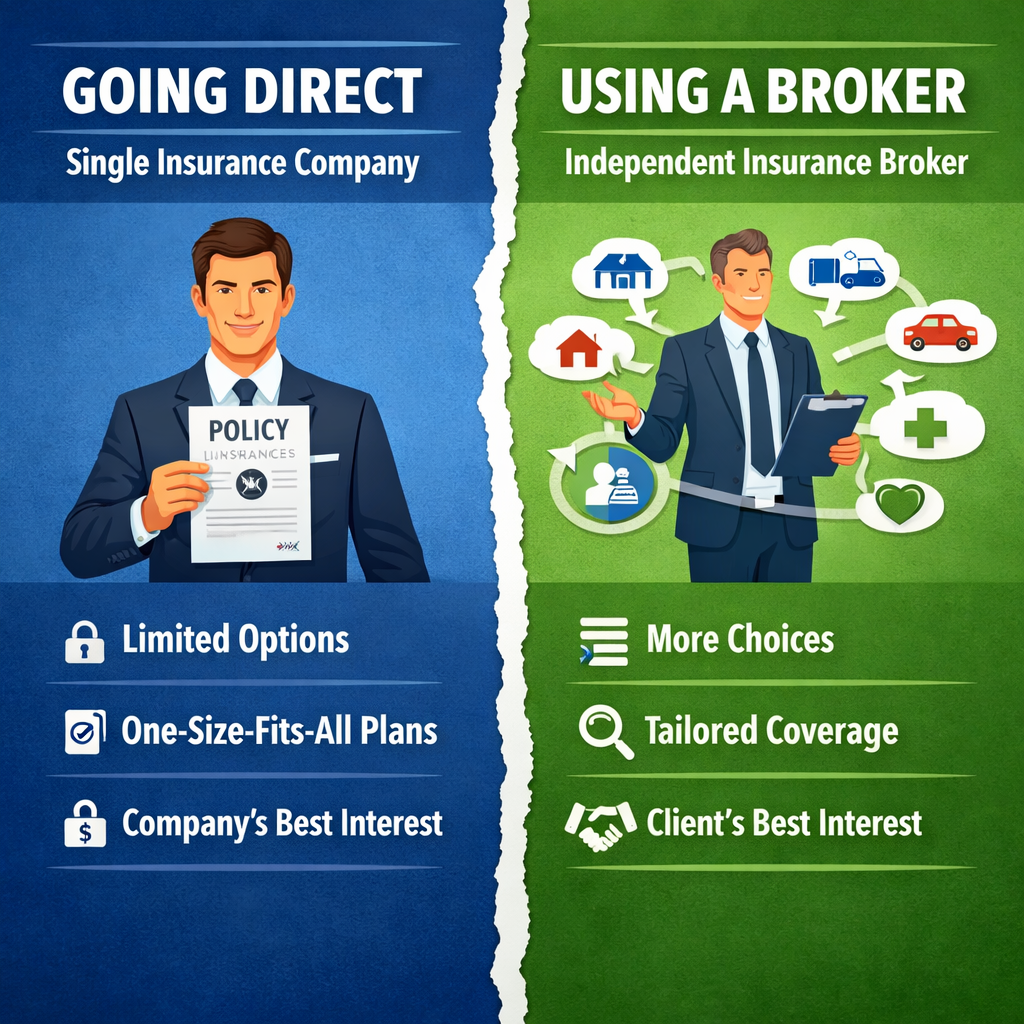
Comparison of insurance options showing a man with policy from single company versus broker offering multiple tailored coverages

Going It Alone (Direct-to-Consumer Shopping):
Shopping online or directly with carriers can be faster and sometimes cheaper on the surface. You control the process, compare quotes, and avoid intermediary commissions. However, this approach has limitations:

  • You may only see a subset of the market.
  • Policy differences can be difficult to evaluate without expertise.
  • It’s easy to underinsure or miss critical coverage gaps.

Using a Broker or Independent Agent:
A broker represents multiple insurance companies and shops on your behalf. Their role is less about selling a single product and more about risk matching.

  • Pros: Access to multiple carriers, professional guidance, policy comparison expertise, and ongoing service.
  • Cons: Slightly less control over the process and potential bias toward certain carriers (though reputable brokers mitigate this).

For complex situations multiple vehicles, teen drivers, high-value assets a broker often provides measurable value. For simpler needs, confident consumers may find direct shopping sufficient.

The Hidden Risk of Staying With One Carrier Too Long

Loyalty in insurance doesn’t always pay. While some insurers offer retention discounts, long-term customers can experience what industry insiders call “rate creep.”

Here’s what to monitor if you’ve stayed with the same carrier for years:

  • Annual Premium Increases: Even without claims, rates can rise due to broader underwriting changes or inflation in repair costs.
  • Coverage Drift: Your life changes your policy might not. New assets, longer commutes, or lifestyle changes can leave gaps.
  • Discount Erosion: Introductory discounts often expire after the first policy term.
  • Market Competitiveness: New insurers and pricing models enter the market regularly. What was competitive three years ago may not be today.

Experts recommend reviewing your policy at least once a year or after major life events. Even if you don’t switch, understanding your options keeps your current carrier accountable.

The Bottom Line

Auto insurance pricing is not arbitrary it’s a data-driven reflection of risk. Whether you choose to shop independently or work with a broker depends on your comfort level, time investment, and complexity of needs. However, one principle holds true across the board: passive renewal is rarely the optimal strategy.

Consumers who actively review, compare, and adjust their coverage are far more likely to balance cost efficiency with proper protection, an outcome that ultimately defines the value of any insurance policy.

About the Author:

David Dandaneau is a client relations analyst that covers the insurance and financial services industry. He is known for his insightful analysis and comprehensive coverage of market trends and regulatory developments.

When Is a Car Accident a “Property” Claim? Understanding the Insurance Confusion

After years of discussing auto insurance with customers, I’ve learned that one of the most common points of confusion is what actually counts as a “property claim” after a car accident. Many people assume that if property is damaged in an accident, it automatically falls under the property portion of their policy. In reality, auto insurance breaks these situations into different categories.

Understanding the difference can help drivers avoid surprises when they file a claim.


The Scenario: A Simple Car Accident

Imagine this situation.

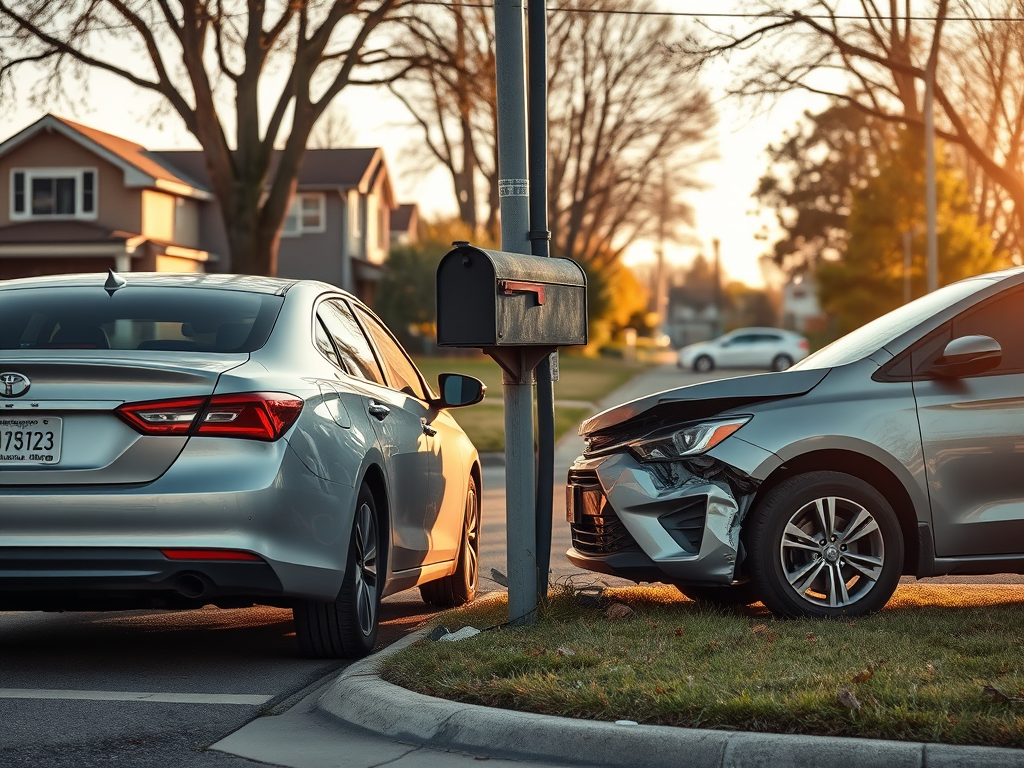
You’re driving through your neighborhood on a Saturday afternoon. As you approach a stop sign, you look down for a moment to adjust the radio. When you look back up, it’s too late you roll into the intersection and collide with another vehicle. The impact pushes the other car into a nearby mailbox and damages both vehicles.

Now there are three different types of damage involved:

  • Damage to the other driver’s car
  • Damage to the mailbox
  • Damage to your own car

At this point, many people ask the same question:

“Is this a property claim?”

The answer is yes and no, depending on which property was damaged.


Property Damage Liability: Damage to Other People’s Property

In the scenario above, your Property Damage Liability coverage would apply to the damage you caused to someone else’s property.

This includes:

  • The other driver’s vehicle
  • The mailbox you knocked over

Property Damage Liability is designed to pay for repairs or replacement of property that you damage in an accident when you are at fault.

In other words, it protects other people’s property… not your own.


Collision Coverage: Damage to Your Own Car

Your vehicle, however, is handled differently.

Damage to your car would typically fall under Collision Coverage, which helps pay to repair or replace your vehicle after an accident, regardless of who caused it.

If you don’t carry collision coverage, you may have to pay out of pocket for repairs to your own vehicle.


Why This Confuses Drivers

The confusion comes from the wording.

Many drivers hear the term “property damage” and assume it refers to any property involved in an accident, including their own car.

But in auto insurance terminology:

  • Property Damage Liability = damage you cause to someone else’s property
  • Collision Coverage = damage to your own vehicle

Understanding that distinction can make the claims process much clearer.


Why It Matters

Knowing how your policy works before an accident occurs can save both time and stress.

Drivers who understand their coverage are better prepared to answer questions like:

  • Who pays for the other car?
  • Who pays for my car?
  • What happens if property like a fence, building, or mailbox is damaged?

Insurance is ultimately about managing risk and protecting both your finances and the property around you.

And sometimes, the most important protection comes from simply understanding what your policy actually covers.

About the Author:

David Dandaneau is a client relations analyst that covers the insurance and financial services industry. He is known for his insightful analysis and comprehensive coverage of market trends and regulatory developments.

Why a Credit Report Self-Check Should Precede Changes to Your Home or Auto Insurance Policies

Your credit profile is more than a borrowing tool, it is a core risk-rating variable in property and casualty insurance. Before adjusting your homeowners or auto policy whether increasing limits, changing carriers, adding vehicles, or bundling coverage, it is strategically prudent to review your credit report. The impact can be material.

The Role of Credit in Insurance Underwriting

Most insurers use a credit-based insurance score when pricing home and auto policies. While distinct from a traditional FICO score, it is derived from similar data points contained in your credit report, payment history, outstanding balances, credit utilization, length of credit history, and types of accounts.

Insurers view credit behavior as a predictive indicator of claims frequency and severity. Statistically, lower insurance scores correlate with higher loss ratios. As a result, your credit profile can influence:

  • Premium pricing
  • Eligibility for preferred tiers
  • Qualification for discounts
  • Payment plan options
  • Even carrier acceptance in certain markets

If you are preparing to modify coverage such as raising dwelling limits, adding an umbrella policy, financing a new vehicle, or switching companies your credit profile may directly affect the quoted rate.

Why Timing Matters

Policy changes often trigger underwriting review. For example:

  • Switching carriers typically requires a fresh credit-based insurance score pull.
  • Adding a newly financed vehicle may prompt re-rating.
  • Rewriting a homeowners policy due to renovations can initiate updated underwriting.

If your credit report contains errors, late payments that were paid, accounts that are not yours, inflated balances, or identity discrepancies those inaccuracies can raise your insurance score risk tier and increase your premium unnecessarily.

Reviewing your credit report beforehand gives you an opportunity to correct discrepancies before they influence underwriting outcomes.

Common Credit Report Issues That Impact Insurance Rates

Consumers are frequently surprised at how minor inaccuracies affect pricing. Common issues include:

  • Incorrect delinquency reporting
  • Duplicate accounts
  • High reported credit utilization due to statement timing
  • Accounts that should reflect paid-in-full status
  • Fraudulent activity or identity theft

Correcting these errors before making policy changes can prevent avoidable premium increases.

Financial Planning Perspective

Insurance adjustments are often part of broader financial decisions buying a home, refinancing, purchasing a vehicle, consolidating debt, or upgrading property. In these scenarios, credit optimization creates compounding benefits:

  • Lower interest rates on loans
  • More favorable insurance premiums
  • Stronger negotiating leverage
  • Access to top-tier carriers

From a risk management standpoint, insurance is not just about coverage it is about capital efficiency. Paying more in premium due to preventable credit issues erodes financial optimization.

Strategic Steps Before Adjusting Coverage

  1. Obtain a current copy of your credit report from all three major bureaus.
  2. Review for inaccuracies, disputes, or outdated negative information.
  3. Address any discrepancies prior to requesting quotes or making policy changes.
  4. Consult with your insurance professional to understand how credit factors into your state’s rating structure.

It is important to note that some states restrict or limit the use of credit in insurance underwriting, but in most jurisdictions it remains a key rating component.

Long and Short

Before modifying your home or auto insurance policy, conduct a financial due diligence review of your credit report. In the insurance marketplace, pricing precision is data-driven. Ensuring that your credit file accurately reflects your financial behavior can protect you from overpaying and position you for optimal underwriting classification.

Insurance is a risk transfer mechanism but your credit profile is part of the risk equation. Reviewing it is not optional diligence; it is strategic financial management.

About the Author:

David Dandaneau is a client relations analyst that covers the insurance and financial services industry. He is known for his insightful analysis and comprehensive coverage of market trends and regulatory developments.
Why Minimum Auto Insurance May Leave You Vulnerable

Most drivers believe they’re “fully covered” because they carry the minimum auto insurance required by their state. It’s an understandable assumption but often a dangerous one. After speaking with accident victims, reviewing claim data, and examining common policy structures, it’s clear that some of the most important protections in auto insurance are also the most frequently overlooked.

These lesser-known coverages can be the difference between a manageable inconvenience and a long-term financial setback after an accident. The reality is simple: it’s not just about having insurance it’s about having the right insurance.

The Hidden Risk: Other Drivers

One of the biggest misconceptions drivers have is assuming everyone else on the road is properly insured. Unfortunately, that’s not always the case.

According to the Insurance Research Council, approximately 1 in 7 drivers nationwide are uninsured, and many more carry only minimum liability limits often insufficient to cover serious injuries or vehicle damage.

If you’re hit by one of these drivers, your financial protection depends heavily on whether you carry certain optional coverages.

Uninsured and Underinsured Motorist Coverage (UM/UIM): Your Safety Net

Uninsured Motorist (UM) and Underinsured Motorist (UIM) coverage protects you if you’re injured by a driver who either has no insurance or not enough insurance.

This coverage can help pay for:

  • Medical bills
  • Lost wages
  • Pain and suffering
  • Rehabilitation costs

Without UM/UIM, you may be forced to rely on your health insurance or worse, pay out of pocket.

In states like Florida, where minimum liability requirements are relatively low, this coverage becomes even more critical.

Medical Payments Coverage (MedPay): Immediate Medical Relief

Medical Payments coverage, commonly called MedPay, helps cover medical expenses for you and your passengers regardless of who caused the accident.

This includes:

  • Ambulance fees
  • Hospital visits
  • Surgery
  • X-rays
  • Follow-up care

MedPay works quickly and does not require lengthy fault investigations. It can also help cover deductibles and out-of-pocket costs your health insurance doesn’t pay.

This coverage is especially valuable for drivers with high health insurance deductibles.

Personal Injury Protection (PIP): Mandatory in Some States, Essential Everywhere

Personal Injury Protection, or PIP, is required in certain “no-fault” states like Florida.

PIP covers:

  • Medical expenses
  • Lost income
  • Essential services (such as childcare or housekeeping if you’re injured)

However, many drivers don’t realize PIP coverage limits can be exhausted quickly in a serious accident. Supplementing it with MedPay or UM/UIM provides stronger protection.

Gap Coverage: Protecting Your Loan Balance

If your vehicle is financed or leased, Gap insurance may be one of the most important coverages you can carry.

If your car is totaled, insurance typically pays only the vehicle’s actual cash value, not what you owe on the loan.

Gap coverage pays the difference between:

  • What your car is worth
  • What you still owe on your loan

Without Gap coverage, drivers may find themselves making payments on a car they no longer own.

Rental Reimbursement: Keeping Your Life Moving

After an accident, your vehicle may be in the shop for days or weeks.

Rental reimbursement helps cover the cost of a rental vehicle while repairs are being completed. Without it, transportation costs can add up quickly—and disrupt work and family routines.

Why Minimum Coverage Is Often Not Enough

State minimum coverage requirements are designed to meet legal standards not financial protection standards.

In many states, minimum property damage limits can be as low as $10,000 to $25,000. Considering the cost of modern vehicles, that amount may not even cover the damage to a single car.

Serious accidents involving injuries can result in costs reaching hundreds of thousands of dollars.

Drivers without adequate coverage may be personally responsible for these expenses.


Comparison Table: Key Overlooked Coverages and State Applicability

Coverage TypeWhat It CoversRequired in All States?Required in Some States?Optional but Recommended?Notes
Uninsured Motorist (UM)Injuries caused by uninsured driversNoYesYesCritical in states with high uninsured driver rates
Underinsured Motorist (UIM)Injuries when at-fault driver lacks sufficient coverageNoYesYesProtects against low-liability drivers
Personal Injury Protection (PIP)Medical expenses and lost wages regardless of faultNoYesYesRequired in no-fault states like Florida
Medical Payments (MedPay)Medical expenses regardless of faultNoNoYesHelps cover deductibles and gaps in health insurance
Gap CoverageDifference between loan balance and vehicle valueNoNoYesImportant for financed or leased vehicles
Rental ReimbursementCost of rental vehicle after covered accidentNoNoYesProvides transportation continuity
Bodily Injury Liability (Higher Limits)Injuries you cause to othersYes (minimum limits)YesStrongly Recommended to increase limitsMinimum limits often insufficient
Property Damage Liability (Higher Limits)Damage you cause to others’ propertyYes (minimum limits)YesStrongly Recommended to increase limitsModern vehicle costs exceed minimums

Financial Protection Is About Preparation, Not Prediction

No one expects to be involved in a serious accident. But accidents don’t ask whether you’re prepared they simply test whether you are.

Many of the most valuable auto insurance coverages are optional, inexpensive, and rarely used but when needed, they can protect your financial stability and peace of mind.

The difference between minimal coverage and proper coverage often comes down to just a few additional protections protections that can make all the difference when the unexpected happens.

Before assuming you’re fully covered, it may be worth reviewing your policy closely. The coverages you overlook today could be the ones you’re most thankful for tomorrow.

About the Author:

David Dandaneau is a client relations analyst that covers the insurance and financial services industry. He is known for his insightful analysis and comprehensive coverage of market trends and regulatory developments.
The Baldwin Group (NASDAQ: BWIN) Strengthens Market Position Through Strategic Acquisitions and Growth Initiatives

January 15, 2026 – Tampa, FLThe Baldwin Group (NASDAQ: BWIN), a leading independent insurance brokerage and advisory firm, is making notable strides in expanding its national footprint through a series of strategic acquisitions and corporate actions, moves that have attracted investor interest and helped support recent gains in its stock price.

In the last several months, Baldwin has completed multiple significant transactions. The company finalized its acquisition of Obie, a Chicago-based embedded landlord insurance distribution platform that has delivered extraordinary revenue growth since 2021. Obie’s insurance technology and nationwide distribution capabilities are expected to strengthen Baldwin’s real estate investor solutions and support broader adoption of embedded insurance offerings. (Stock Titan)

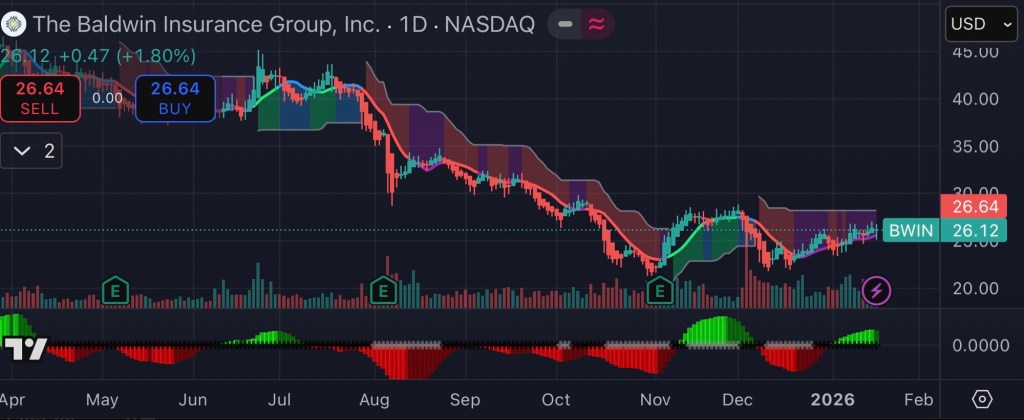
Shortly after the Obie announcement in mid-January 2026, Baldwin’s stock experienced a noticeable uptick, with shares rising over 3.6% on acquisition news a clear sign of investor confidence in Baldwin’s growth strategy. (IndexBox)

In early 2026, Baldwin also completed the acquisition of Capstone Group, a full-service Philadelphia-area insurance brokerage firm. Capstone expands Baldwin’s regional reach and adds new capabilities in risk management, group health, and ancillary benefit lines further diversifying Baldwin’s portfolio of services. (Investing.com)

Perhaps most transformational is the company’s $1.026 billion merger with CAC Group, a specialty and middle-market insurance brokerage transaction completed in early January 2026. This strategic combination positions Baldwin among the largest independent insurance advisory platforms in the U.S., adding unparalleled specialty expertise in sectors like cyber, financial lines, construction, natural resources, and private equity. (Stock Titan+1)

Financially, Baldwin has shown consistent growth in revenue and organic expansion across reporting periods in 2025. Third-quarter results reported revenue growth of 8% and continued adjusted earnings momentum, even as the company navigates through net losses on a GAAP basis. (Business Wire)

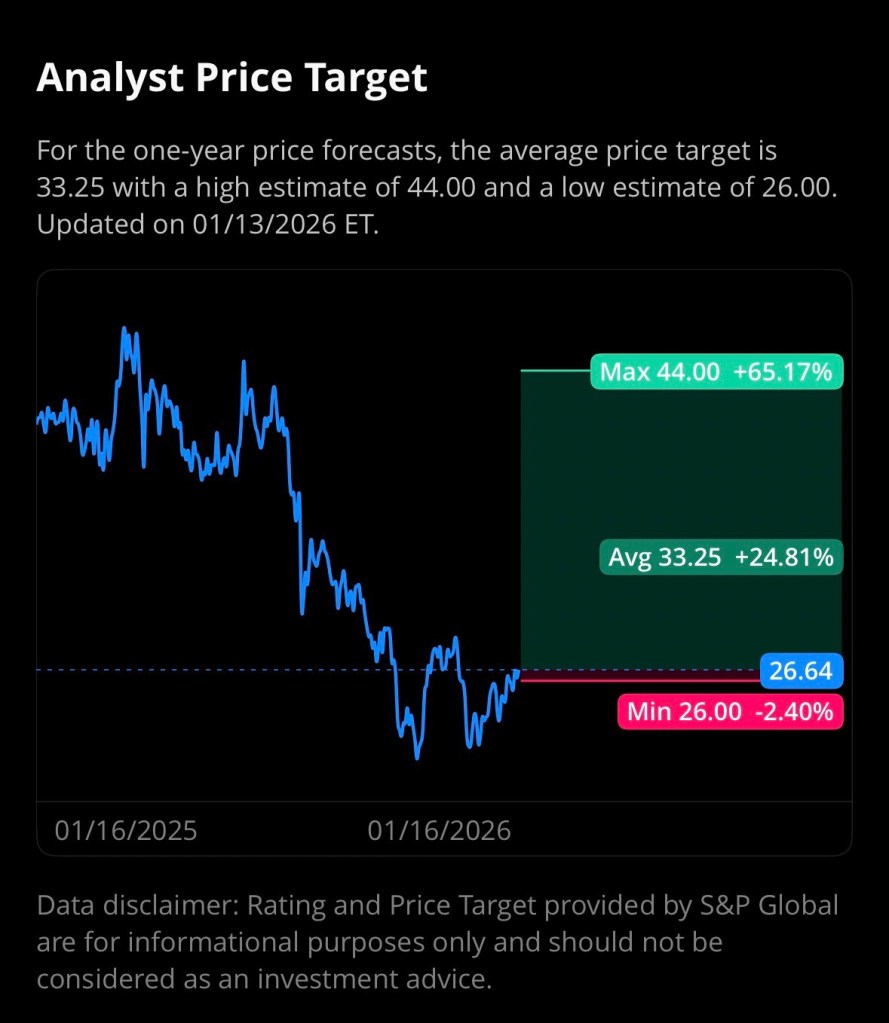
According to recent stock data, BWIN’s share price has reflected both volatility and opportunity. As of mid-January 2026, BWIN shares traded near $25.48, with a 52-week range of approximately $21.26 to $47.15. Analysts maintain a mixed outlook, with a consensus price target higher than current levels but tempered by risks related to integration and profitability challenges. (StockAnalysis)

Capital and Debt Strategy
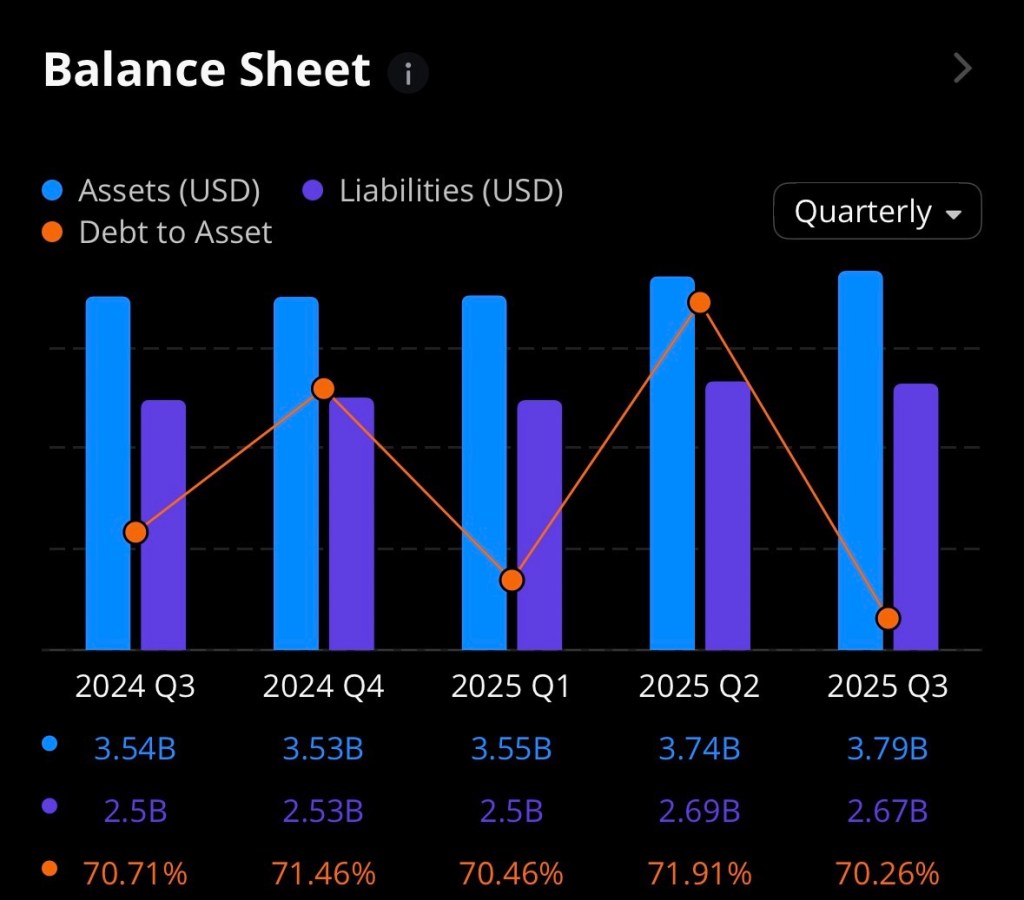
Alongside these strategic acquisitions, The Baldwin Group has successfully priced an incremental $600 million Term Loan B, which upsizes its existing credit facility and provides flexibility to fund acquisitions and refinance existing borrowings. This capital strategy supports Baldwin’s expansion while managing leverage levels that accompany rapid growth. (Stock Titan)

Investment Considerations and Risks
Investors considering exposure to BWIN should be aware that, while the company is scaling rapidly, it continues to report net losses on a GAAP basis and carries a significant debt load tied to its acquisition strategy. Meanwhile, adjusted performance metrics demonstrate improving profitability trends that could support future valuation performance if realized. (Baldwin+1)

Disclosure: I hold a position in The Baldwin Group (BWIN), and the views expressed above reflect only general observations of recent developments and publicly available data.


References

IndexBox. (2026, January 15). Baldwin Insurance Group stock rises on Obie acquisition news.
Stockanalysis.com. (2026). The Baldwin Insurance Group (BWIN) Stock Price & Overview.
Business Wire. (2025). The Baldwin Group announces fourth quarter and full year 2024 results.
Business Wire. (2025, November 4). The Baldwin Group announces third quarter 2025 results.
StockTitan. (2026, January). The Baldwin Group completes acquisition of Obie and Capstone Group.
BeyondSPX. (2026, January). Baldwin Group completes $1.026 billion merger with CAC Group.
StockTitan. (2024). The Baldwin Group announces successful pricing of $600 million incremental Term Loan B.

Why FR-44 and FS-1 Are Essential After Driving Violations

When securing an automobile insurance policy after certain driving-related incidents, some drivers are surprised to learn that a standard proof of insurance card is not always enough. In specific situations, state regulators require additional filings—most commonly an FR-44 or FS-1—to verify financial responsibility and ensure ongoing compliance with state insurance laws. Understanding what these forms are and why they matter can help drivers avoid lapses in coverage, license suspensions, or further legal complications.


Why States Require FR-44 and FS-1 Filings

Both FR-44 and FS-1 filings are tools used by Departments of Motor Vehicles (DMVs) to confirm that a driver carries the required insurance coverage following a serious violation or a lapse in compliance. These filings are not insurance policies themselves; rather, they are certifications submitted by an insurance carrier on behalf of the driver.

States use these filings to:

  • Monitor high-risk drivers
  • Enforce higher liability requirements where applicable
  • Ensure continuous coverage for a mandated period
  • Protect the public from uninsured or underinsured motorists

What Is an FR-44?

An FR-44 is a certificate of financial responsibility required after serious driving offenses, most commonly DUI or DWI convictions. It is required in certain states, such as Florida and Virginia, and mandates higher liability limits than a standard auto policy.

What an FR-44 Does for You

  • Confirms to the state that higher-than-minimum liability coverage is in force
  • Allows reinstatement or maintenance of driving privileges after a serious offense
  • Keeps the driver legally compliant during the state-mandated filing period
  • Helps avoid additional penalties, such as license suspension or fines, due to noncompliance

Key Characteristics

  • Requires increased bodily injury and property damage limits
  • Must be maintained continuously, often for several years
  • Any lapse in coverage is reported directly to the state

What Is an FS-1?

An FS-1 is a form used in some states to provide proof that a driver had valid insurance coverage at a specific point in time. It is often requested after an accident, citation, or administrative review when coverage is in question.

What an FS-1 Does for You

  • Verifies past or current insurance coverage to the state
  • Helps prevent penalties tied to alleged uninsured driving
  • Supports license or registration reinstatement
  • Resolves disputes related to insurance verification

Key Characteristics

  • Confirms insurance status for a defined date or period
  • Typically submitted directly by the insurance company
  • Often used to close compliance gaps or administrative holds

FR-44 vs. FS-1: At a Glance

FeatureFR-44FS-1
Primary PurposeHigh-risk financial responsibilityProof of insurance verification
Common TriggerDUI/DWI or serious offenseAccident, citation, or insurance lapse inquiry
Coverage RequirementHigher-than-state-minimum limitsConfirms existing or past coverage
DurationMulti-year requirementPoint-in-time or short-term verification
Filed ByInsurance carrierInsurance carrier

Why This Matters When Securing a Policy

Drivers who require an FR-44 or FS-1 cannot rely on a basic policy purchase alone. The policy must be written correctly, meet state-specific requirements, and include the proper filing. Failure to do so can delay reinstatement, increase costs, or result in additional legal consequences.

Working with an insurance professional familiar with state filings can help ensure:

  • Accurate policy structure from the start
  • Timely submission of required forms
  • Ongoing compliance throughout the filing period

Final Thought

FR-44 and FS-1 filings serve a critical role in the insurance and regulatory process. While they often follow stressful driving events, understanding what they are and how they function can make the path back to compliant, legal driving clearer and more manageable. Being properly informed—and properly insured—helps protect both the driver and everyone else on the road.

About the Author:

David Dandaneau is a client relations analyst that covers the insurance and financial services industry. He is known for his insightful analysis and comprehensive coverage of market trends and regulatory developments.
SR-22 Explained: Filing, Costs, and Requirements

When it comes to staying insured and legally compliant on the road, few documents create more confusion than the SR-22. Contrary to popular belief, an SR-22 is not an insurance policy—it’s a certificate of financial responsibility filed with your state to prove you carry the minimum required auto insurance. For drivers who have encountered serious traffic violations or insurance lapses, filing an SR-22 can be critical to regaining or maintaining driving privileges.

Why You Might Need an SR-22

States typically require an SR-22 after certain high-risk incidents, including:

  • Driving without insurance
    If you’re caught driving uninsured—even once—many states will require an SR-22 to verify you remain insured moving forward.
  • DUI or DWI convictions
    One of the most common triggers. After a DUI/DWI, drivers must often carry an SR-22 for several years.
  • Multiple traffic violations or at-fault accidents
    Repeat offenders or drivers involved in severe collisions may be labeled “high-risk,” prompting the SR-22 requirement.
  • License suspension or revocation
    To reinstate your driver’s license, an SR-22 filing may be mandatory.
  • Serious moving violations
    Excessive speeding, reckless driving, or hit-and-run incidents sometimes lead to SR-22 mandates depending on the state.

How Long You Must Carry an SR-22

Most states require drivers to maintain an SR-22 for 3 years, though this varies by location and offense. If coverage lapses at any point, your insurance company must notify the state likely resetting the clock on your compliance period.

What an SR-22 Costs

The SR-22 filing fee itself is typically small around $15–$50.
However, insurance premiums can increase based on your driving record. Working with a knowledgeable insurance agent can help reduce the financial impact by exploring policy options tailored to high-risk drivers.

The Filing Process: Getting Professional Help

The SR-22 must be filed by a licensed insurance provider on your behalf. Here’s how professionals typically assist:

  • Assess Your Situation
    An insurance professional reviews your state’s requirements and the circumstances behind your SR-22 need.
  • Secure an Eligible Policy
    Not all insurers offer SR-22 filings. Agents specializing in high-risk auto insurance can pair you with a policy that meets your state’s minimums.
  • File the SR-22 Electronically
    Most filings are sent directly to the state within 24–48 hours, speeding up reinstatement timelines.
  • Provide Guidance and Follow-Up
    Agents can help you avoid lapses, set up reminders, and secure better rates once your SR-22 period ends.

Suggestions for Drivers Facing an SR-22 Requirement

  • Act quickly to prevent extended license suspensions.
  • Compare quotes—prices vary dramatically among providers.
  • Avoid coverage lapses at all costs.
  • Consider defensive driving courses to improve your record over time.
  • Stay insured continuously to begin rebuilding your driving profile.

Referrals and When to Seek Professional Help

If you’re unsure whether you need an SR-22 or how to file one, your best first step is connecting with:

  • A licensed auto insurance agent specializing in SR-22 filings
  • A traffic attorney if your requirement stems from a DUI, reckless driving, or a serious violation
  • Your state’s Department of Motor Vehicles (DMV) for official reinstatement guidelines

These professionals can clarify requirements, ensure proper filing, and help you move forward with confidence.

About the Author:

David Dandaneau is a client relations analyst that covers the insurance and financial services industry. He is known for his insightful analysis and comprehensive coverage of market trends and regulatory developments.
Why Headlight Maintenance Could Save Your Life: The Hidden Dangers of Night Driving

As daylight fades and drivers take to the roads after sunset, the risks rise dramatically. According to the National Safety Council, the fatal crash rate at night is about three times higher than during the day. Despite making up only a small portion of total driving time, nighttime driving accounts for nearly 50% of all traffic deaths in the United States each year.

Experts point to one primary reason: reduced visibility. Even with streetlights and modern vehicle technology, the human eye struggles in low-light conditions. But what many drivers don’t realize is how much their own vehicle’s headlights can contribute to the danger.

Over time, headlight lenses become cloudy or yellowed from oxidation, cutting light output by as much as 50%. Bulbs can also dim gradually, often without the driver noticing, and misaligned headlights may shine too low or too high, limiting visibility or blinding oncoming traffic.

“Headlights are your first line of defense at night,” says a local automotive safety technician. “Keeping them clean, bright, and properly aimed can make the difference between spotting a hazard in time or not at all.”

Regular maintenance—such as cleaning lenses, checking bulb brightness, and ensuring correct alignment—can dramatically improve safety. Replacing bulbs in pairs and restoring headlight covers can also restore lost visibility and reduce glare for others.

Drivers should also be mindful of when they’re on the road. Statistics show that the hours after midnight are the most dangerous, as fatigue, alcohol impairment, and reduced alertness peak. For the safest travel, experts recommend getting home before midnight whenever possible.

In short, maintaining your headlights isn’t just about looks—it’s about safety. As nights grow longer, take a few minutes to check your car’s lights. It could be one of the simplest ways to protect yourself and everyone else on the road.

About the Author:

David Dandaneau is a client relations analyst that covers the insurance and financial services industry. He is known for his insightful analysis and comprehensive coverage of market trends and regulatory developments.