
Why Uninsured Motorist, Comprehensive, and Collision Coverage May Be Worth the Cost

Understanding the Coverages That Protect More Than Just Your Car

When shopping for auto insurance, many drivers focus on finding the lowest premium possible. While saving money is important, reducing coverage can sometimes create much larger financial risks down the road. Three coverages that often generate questions are Uninsured Motorist Coverage, Comprehensive Coverage, and Collision Coverage.

These coverages can add cost to a policy, but they may also provide critical protection when life throws an unexpected curveball.

Gray car surrounded by glowing electric blue shield in a storm with rain and lightning
A car is shielded by a glowing electric barrier during a storm.

Uninsured Motorist Coverage: Protection From Other Drivers’ Mistakes

Despite laws requiring auto insurance in most states, millions of drivers continue to operate vehicles without coverage or with limits too low to fully pay for damages they cause.

Uninsured Motorist (UM) Coverage helps protect you if you’re injured by a driver who has no insurance. In many states, Underinsured Motorist Coverage (UIM) may also help when the at-fault driver’s policy limits are insufficient to cover your losses.

Example

Imagine you’re stopped at a red light and another driver rear-ends your vehicle. You suffer injuries requiring physical therapy and miss several weeks of work. Later, you discover the other driver has no insurance.

Without Uninsured Motorist Coverage:

  • You may have to rely on your health insurance.
  • Lost wages may not be fully covered.
  • Recovering damages could require legal action against someone who may have limited assets.

With Uninsured Motorist Coverage:

  • Your own policy may help pay medical expenses, lost wages, and other covered damages.

Reasons You Might Consider Leaving It Off

  • You have substantial personal assets and alternative protection strategies.
  • You live in an area with relatively low uninsured driver rates.
  • Budget constraints make affordability the top priority.

However, many insurance professionals consider UM coverage one of the most valuable protections available because it safeguards you from risks you cannot control.

Comprehensive Coverage: Protection Against Life’s Surprises

Comprehensive Coverage protects against losses that are generally not caused by a collision.

Common examples include:

  • Theft
  • Vandalism
  • Falling objects
  • Fire
  • Flooding
  • Hail damage
  • Animal strikes

Example

You walk outside one morning and discover a large tree branch has fallen on your parked vehicle during a storm.

Without Comprehensive Coverage:

  • You pay the repair bill entirely out of pocket.

With Comprehensive Coverage:

  • Your insurance company may cover repairs after your deductible is applied.

Another Example

A vehicle owner in Florida parks overnight and wakes up to find their car submerged after a major storm causes flash flooding.

Comprehensive Coverage may help cover the damage, while basic liability insurance would not.

Reasons You Might Consider Leaving It Off

  • Your vehicle has a very low market value.
  • The annual premium approaches the value of the vehicle itself.
  • You could comfortably replace the vehicle from savings if it were totaled.

For many drivers, comprehensive coverage provides peace of mind against unpredictable events that occur when the vehicle isn’t even being driven.

Collision Coverage: Protection for Your Vehicle

Collision Coverage helps pay for damage to your vehicle when it collides with another vehicle or object, regardless of fault.

Example

You’re backing out of a parking space and accidentally strike a concrete pole.

Without Collision Coverage:

  • You are responsible for all repair costs.

With Collision Coverage:

  • Your policy may pay for repairs after your deductible.

Another Example

A driver loses control during heavy rain and slides into a guardrail. The vehicle sustains $12,000 in damage.

With Collision Coverage:

  • The policy may cover repairs, less the deductible.

Without Collision Coverage:

  • The owner must absorb the entire loss.

When It May Make Sense to Drop Collision Coverage

There are situations where removing collision coverage can be financially reasonable.

Consider:

  • The vehicle’s value has significantly declined.
  • You have sufficient savings to replace the vehicle.
  • The premium and deductible together provide little financial benefit compared to the vehicle’s actual cash value.

For example, carrying collision coverage on a vehicle worth only $2,500 may not always make economic sense if the annual premium is high.

A Simple Rule of Thumb

Many insurance professionals suggest periodically reviewing your vehicle’s value. As vehicles age, the cost-benefit analysis of comprehensive and collision coverage changes.

Ask yourself:

  • What is my vehicle worth today?
  • Could I afford to replace it tomorrow?
  • How much would a major repair affect my finances?
  • Am I comfortable assuming more risk in exchange for lower premiums?
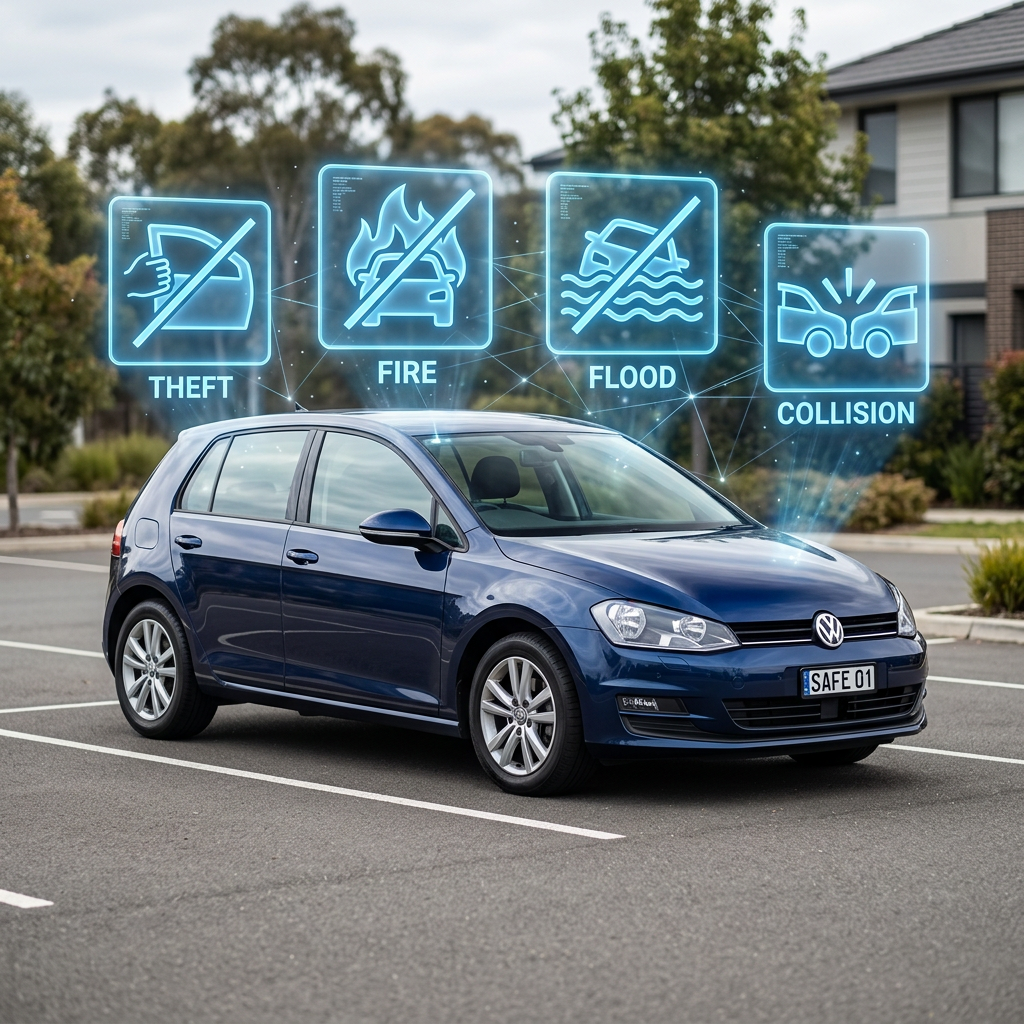
Blue car with digital icons indicating theft, fire, flood, and collision protection
A blue car parked with digital icons showing theft, fire, flood, and collision coverage

Final Perspective

Auto insurance isn’t just about satisfying state requirements, it’s about protecting your financial future. Uninsured Motorist, Comprehensive, and Collision Coverage each address different risks that can lead to significant out-of-pocket expenses.

While there are legitimate reasons to decline these coverages, drivers should carefully evaluate the potential savings against the financial consequences of a major accident, theft, storm, or uninsured driver. The cheapest policy is not always the least expensive option when an unexpected loss occurs.

As with any insurance decision, reviewing your coverage annually and discussing your needs with a licensed insurance professional can help ensure your protection keeps pace with your changing circumstances.

Disclaimer: This article is for educational purposes only and is not insurance, legal, or financial advice. Coverage availability, policy terms, exclusions, and requirements vary by state and insurance carrier. Consult a licensed insurance professional regarding your specific situation.

About the Author:

David Dandaneau is a client relations analyst that covers the insurance and financial services industry. He is known for his insightful analysis and comprehensive coverage of market trends and regulatory developments.
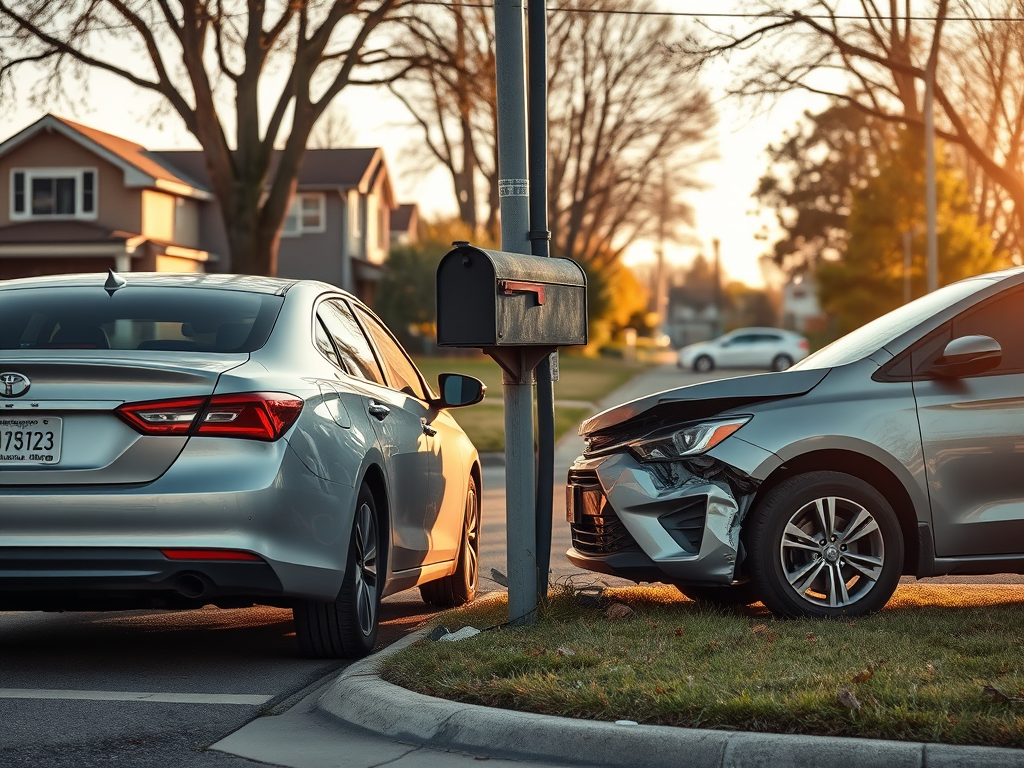
When Is a Car Accident a “Property” Claim? Understanding the Insurance Confusion

After years of discussing auto insurance with customers, I’ve learned that one of the most common points of confusion is what actually counts as a “property claim” after a car accident. Many people assume that if property is damaged in an accident, it automatically falls under the property portion of their policy. In reality, auto insurance breaks these situations into different categories.

Understanding the difference can help drivers avoid surprises when they file a claim.


The Scenario: A Simple Car Accident

Imagine this situation.

You’re driving through your neighborhood on a Saturday afternoon. As you approach a stop sign, you look down for a moment to adjust the radio. When you look back up, it’s too late you roll into the intersection and collide with another vehicle. The impact pushes the other car into a nearby mailbox and damages both vehicles.

Now there are three different types of damage involved:

  • Damage to the other driver’s car
  • Damage to the mailbox
  • Damage to your own car

At this point, many people ask the same question:

“Is this a property claim?”

The answer is yes and no, depending on which property was damaged.


Property Damage Liability: Damage to Other People’s Property

In the scenario above, your Property Damage Liability coverage would apply to the damage you caused to someone else’s property.

This includes:

  • The other driver’s vehicle
  • The mailbox you knocked over

Property Damage Liability is designed to pay for repairs or replacement of property that you damage in an accident when you are at fault.

In other words, it protects other people’s property… not your own.


Collision Coverage: Damage to Your Own Car

Your vehicle, however, is handled differently.

Damage to your car would typically fall under Collision Coverage, which helps pay to repair or replace your vehicle after an accident, regardless of who caused it.

If you don’t carry collision coverage, you may have to pay out of pocket for repairs to your own vehicle.


Why This Confuses Drivers

The confusion comes from the wording.

Many drivers hear the term “property damage” and assume it refers to any property involved in an accident, including their own car.

But in auto insurance terminology:

  • Property Damage Liability = damage you cause to someone else’s property
  • Collision Coverage = damage to your own vehicle

Understanding that distinction can make the claims process much clearer.


Why It Matters

Knowing how your policy works before an accident occurs can save both time and stress.

Drivers who understand their coverage are better prepared to answer questions like:

  • Who pays for the other car?
  • Who pays for my car?
  • What happens if property like a fence, building, or mailbox is damaged?

Insurance is ultimately about managing risk and protecting both your finances and the property around you.

And sometimes, the most important protection comes from simply understanding what your policy actually covers.

About the Author:

David Dandaneau is a client relations analyst that covers the insurance and financial services industry. He is known for his insightful analysis and comprehensive coverage of market trends and regulatory developments.

Why FR-44 and FS-1 Are Essential After Driving Violations

When securing an automobile insurance policy after certain driving-related incidents, some drivers are surprised to learn that a standard proof of insurance card is not always enough. In specific situations, state regulators require additional filings—most commonly an FR-44 or FS-1—to verify financial responsibility and ensure ongoing compliance with state insurance laws. Understanding what these forms are and why they matter can help drivers avoid lapses in coverage, license suspensions, or further legal complications.


Why States Require FR-44 and FS-1 Filings

Both FR-44 and FS-1 filings are tools used by Departments of Motor Vehicles (DMVs) to confirm that a driver carries the required insurance coverage following a serious violation or a lapse in compliance. These filings are not insurance policies themselves; rather, they are certifications submitted by an insurance carrier on behalf of the driver.

States use these filings to:

  • Monitor high-risk drivers
  • Enforce higher liability requirements where applicable
  • Ensure continuous coverage for a mandated period
  • Protect the public from uninsured or underinsured motorists

What Is an FR-44?

An FR-44 is a certificate of financial responsibility required after serious driving offenses, most commonly DUI or DWI convictions. It is required in certain states, such as Florida and Virginia, and mandates higher liability limits than a standard auto policy.

What an FR-44 Does for You

  • Confirms to the state that higher-than-minimum liability coverage is in force
  • Allows reinstatement or maintenance of driving privileges after a serious offense
  • Keeps the driver legally compliant during the state-mandated filing period
  • Helps avoid additional penalties, such as license suspension or fines, due to noncompliance

Key Characteristics

  • Requires increased bodily injury and property damage limits
  • Must be maintained continuously, often for several years
  • Any lapse in coverage is reported directly to the state

What Is an FS-1?

An FS-1 is a form used in some states to provide proof that a driver had valid insurance coverage at a specific point in time. It is often requested after an accident, citation, or administrative review when coverage is in question.

What an FS-1 Does for You

  • Verifies past or current insurance coverage to the state
  • Helps prevent penalties tied to alleged uninsured driving
  • Supports license or registration reinstatement
  • Resolves disputes related to insurance verification

Key Characteristics

  • Confirms insurance status for a defined date or period
  • Typically submitted directly by the insurance company
  • Often used to close compliance gaps or administrative holds

FR-44 vs. FS-1: At a Glance

FeatureFR-44FS-1
Primary PurposeHigh-risk financial responsibilityProof of insurance verification
Common TriggerDUI/DWI or serious offenseAccident, citation, or insurance lapse inquiry
Coverage RequirementHigher-than-state-minimum limitsConfirms existing or past coverage
DurationMulti-year requirementPoint-in-time or short-term verification
Filed ByInsurance carrierInsurance carrier

Why This Matters When Securing a Policy

Drivers who require an FR-44 or FS-1 cannot rely on a basic policy purchase alone. The policy must be written correctly, meet state-specific requirements, and include the proper filing. Failure to do so can delay reinstatement, increase costs, or result in additional legal consequences.

Working with an insurance professional familiar with state filings can help ensure:

  • Accurate policy structure from the start
  • Timely submission of required forms
  • Ongoing compliance throughout the filing period

Final Thought

FR-44 and FS-1 filings serve a critical role in the insurance and regulatory process. While they often follow stressful driving events, understanding what they are and how they function can make the path back to compliant, legal driving clearer and more manageable. Being properly informed—and properly insured—helps protect both the driver and everyone else on the road.

About the Author:

David Dandaneau is a client relations analyst that covers the insurance and financial services industry. He is known for his insightful analysis and comprehensive coverage of market trends and regulatory developments.