Rocket Lab (NASDAQ: RKLB): Long-Term Growth Opportunity Emerges Following Sharp Pullback

Rocket Lab Corporation (NASDAQ: RKLB) has grown from a niche small-satellite launch company into one of the world’s leading publicly traded space technology companies. Founded in 2006 by aerospace engineer Peter Beck, the company has successfully diversified beyond rocket launches by manufacturing satellites, spacecraft components, and providing end-to-end space systems for commercial, civil, and defense customers. Its Electron rocket has become one of the most frequently launched small orbital launch vehicles, while its next-generation Neutron rocket is expected to significantly expand the company’s capabilities in the medium-lift launch market.
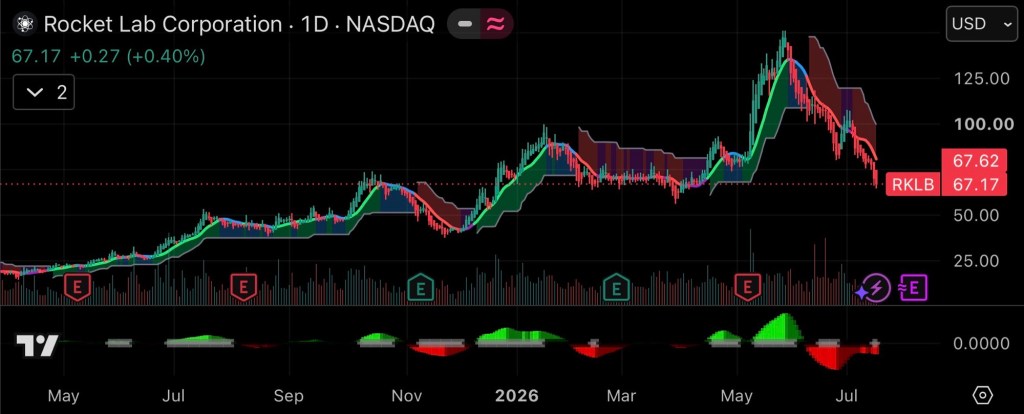
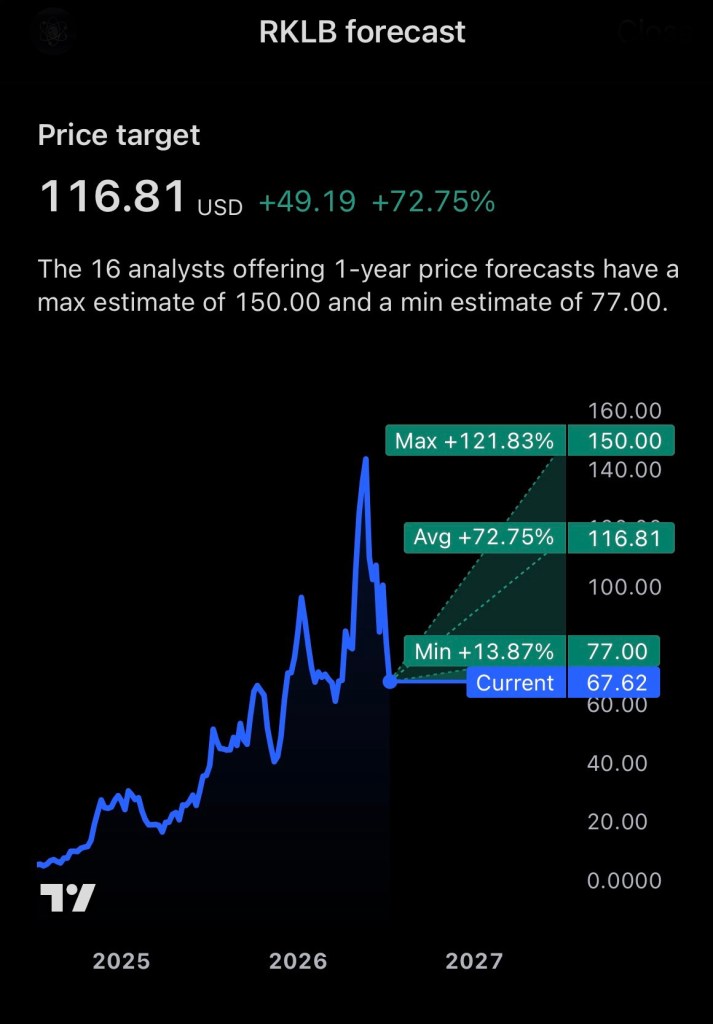
Rocket Lab shares closed at $67.62 on Friday, July 17, 2026, recovering slightly after a volatile week that saw the stock decline more than 11% on July 16. Despite the recent correction, the company remains one of the fastest-growing names in the commercial space industry, with investors closely watching several major catalysts that could influence its long-term trajectory.

Reasons for Long-Term Upside

Neutron Rocket Development

The single largest catalyst for Rocket Lab is the development of its reusable Neutron launch vehicle. Designed to compete for larger commercial, government, and national security missions, Neutron has the potential to dramatically increase Rocket Lab’s revenue opportunities while improving launch economics. Successful execution could transform Rocket Lab from a niche launch provider into a direct competitor within the medium-lift launch market.

Diversified Revenue Streams

Unlike many emerging space companies, Rocket Lab has built a diversified business model. Through its Space Systems division, the company generates revenue from satellite manufacturing, spacecraft components, solar power systems, reaction wheels, flight software, and mission operations. This diversification reduces dependence on launch revenue alone and provides more stable long-term growth.

Growing Government Business

Rocket Lab continues to strengthen relationships with NASA, the U.S. Department of Defense, and the U.S. Space Force. On July 17, the company was among several launch providers included in an expanded $17 billion National Security Space Launch Phase 3 contract ceiling, reinforcing its position as an important supplier for future government launch opportunities. While future task orders are not guaranteed, inclusion demonstrates continued confidence in Rocket Lab’s capabilities.

Expanding Commercial Space Economy

Demand for satellite deployment continues to accelerate as communications, Earth observation, defense, and scientific missions expand globally. Rocket Lab is well positioned to benefit from this long-term secular trend thanks to its vertically integrated business model.

Risks Investors Should Consider

Satellite deploying multiple small CubeSats into orbit above Earth
A satellite releases numerous small CubeSats into Earth’s orbit against a starry backdrop.

Execution Risk

Rocket Lab’s valuation assumes continued execution across multiple high-profile projects. Delays in Neutron development, unexpected engineering challenges, or launch failures could negatively affect both financial performance and investor sentiment.

Intense Competition

Rocket Lab competes against well-funded companies including SpaceX, Blue Origin, Firefly Aerospace, Relativity Space, and several emerging international launch providers. Maintaining technological leadership while preserving margins will remain a significant challenge.

Premium Valuation

Although the recent selloff has reduced some of the market’s enthusiasm, Rocket Lab still trades at a valuation that reflects considerable future growth expectations. Investors are paying for tomorrow’s potential earnings rather than today’s profitability, making the stock particularly sensitive to execution disappointments.

Market Volatility

Rocket Lab remains a high-beta growth stock. The shares have experienced substantial price swings throughout 2026 as investors rotate between growth sectors and reassess valuations across the aerospace industry. Investors should be prepared for continued volatility despite the company’s favorable long-term outlook.

Investment Outlook

Rocket Lab remains one of the most compelling growth stories in the commercial space sector. The combination of a growing launch business, expanding Space Systems division, increasing government partnerships, and the anticipated debut of Neutron provides multiple avenues for future growth.

However, investors should recognize that Rocket Lab is still an execution-driven investment. While the long-term opportunity appears significant, meaningful risks remain, particularly surrounding product development timelines, competition, and market valuation.

For investors with a long-term investment horizon and a tolerance for volatility, Rocket Lab may represent an attractive opportunity to participate in the continued expansion of the global space economy.
Disclosure

Disclosure: I currently hold a long position in Rocket Lab Corporation (NASDAQ: RKLB). The opinions expressed in this article are solely my own and are intended for informational and educational purposes only. This article does not constitute investment advice or a recommendation to buy or sell any security. Investors should conduct their own research and consult with a licensed financial professional before making any investment decisions.

References

ChartExchange. (2026). Rocket Lab Corporation (NASDAQ: RKLB) stock statistics. https://chartexchange.com/symbol/nasdaq-rklb/

Investing.com. (2026, July 18). Rocket Lab historical price data. https://www.investing.com/equities/vector-acquisition-historical-data

Rocket Lab Corporation. (2026). About Rocket Lab. https://www.rocketlabcorp.com

U.S. Department of Defense. (2026, July 17). National Security Space Launch Phase 3 contract modifications. Referenced via community discussion.

Wikipedia contributors. (2026). Rocket Lab. https://en.wikipedia.org/wiki/Rocket_Lab
Rising Homeowners Insurance Costs: What You Need to Know

Rising Costs Are Changing the Homeowners Insurance Conversation

Homeowners are facing some of the highest insurance premiums in decades for homeowner’s insurance. Inflation, severe weather events, increased construction costs, and rising litigation expenses have forced many insurers to reevaluate their risk exposure. In states such as Florida, Texas, California, and Louisiana, homeowners have experienced significant premium increases and, in some cases, reduced carrier availability.

As insurance costs continue to rise, many homeowners are asking the same question: “Am I carrying the right coverage, or am I paying for protection I may never use?”

The answer depends on your individual situation, but understanding the major components of a homeowners policy can help you make informed decisions.

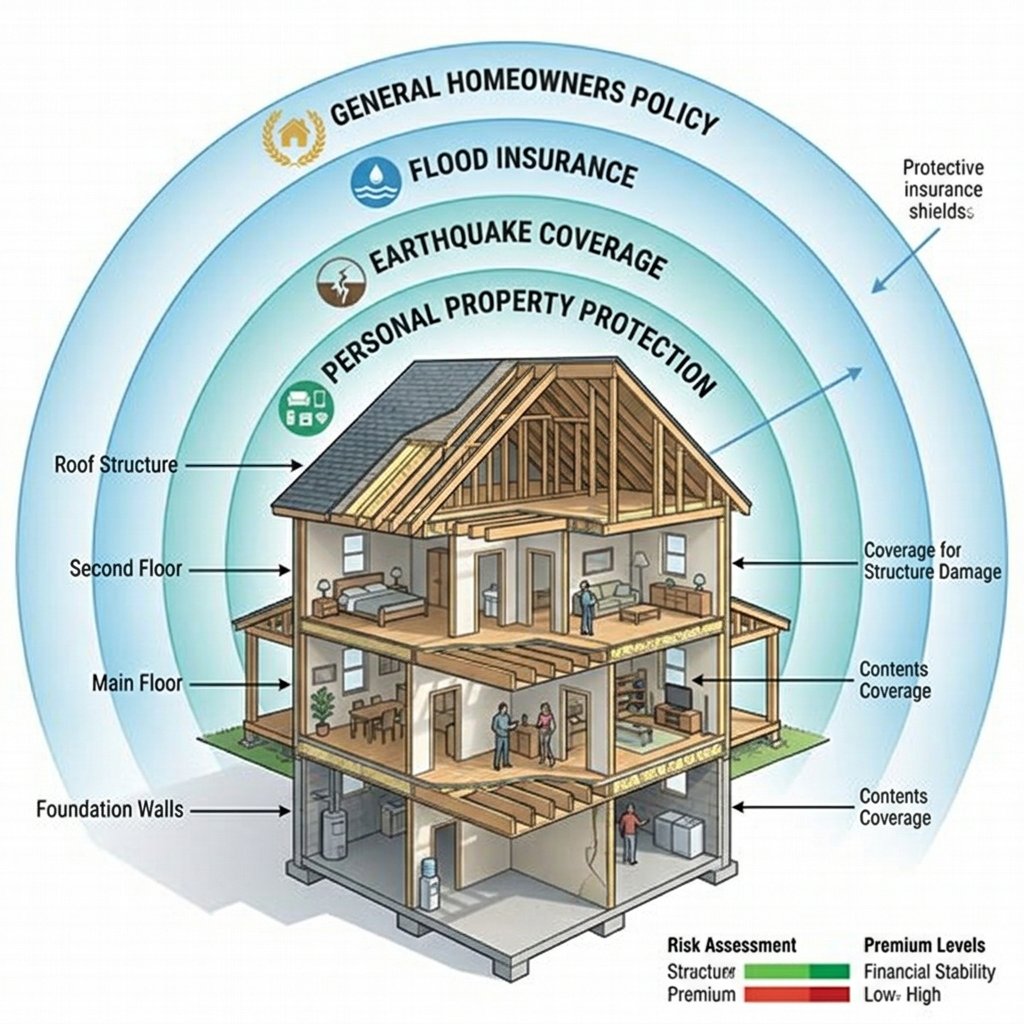
Cross-section of house with labels for roof structure, second floor, main floor, foundation walls, and insurance coverage types including general homeowners policy, flood insurance, earthquake coverage, and personal property protection.
A cross-section of a home illustrating various insurance coverage layers and protections.

Coverages Most Homeowners Should Consider Keeping

Dwelling Coverage

Dwelling coverage protects the structure of your home from covered losses such as fire, wind, hail, and other insured perils.

One of the biggest mistakes homeowners make is underinsuring their property. Construction costs have risen dramatically over the last several years, making it more expensive to rebuild a home after a total loss.

Consider: Reviewing your dwelling limit annually to ensure it reflects current rebuilding costs—not necessarily the market value of your home.

Personal Property Coverage

Furniture, electronics, clothing, appliances, and personal belongings can add up quickly. Many homeowners underestimate the value of their possessions until they experience a major loss.

Consider: Creating a home inventory and verifying that your coverage limits are sufficient.

Liability Coverage

Liability coverage protects you if someone is injured on your property or if you accidentally cause damage to another person’s property.

Medical expenses and lawsuits can quickly become expensive.

Consider: Increasing liability limits to $300,000 or $500,000 if your insurer offers affordable options.

Loss of Use Coverage

If your home becomes uninhabitable due to a covered loss, loss-of-use coverage helps pay for temporary housing and living expenses.

This coverage can be invaluable following major storms, fires, or water damage claims.

Coverages Worth Reviewing

High Deductibles vs. Low Deductibles

Many homeowners carry deductibles established years ago when premiums were much lower.

Increasing your deductible from $500 to $2,500 or even $5,000 could significantly reduce annual premiums.

Trade-Off: You’ll pay more out-of-pocket if a claim occurs.

Personal Property Limits

Some homeowners may be carrying higher limits than necessary if they have downsized or replaced expensive items.

Consider: Reviewing current belongings and adjusting coverage accordingly.

Scheduled Personal Property

Items such as jewelry, collectibles, artwork, firearms, and high-end electronics often require additional endorsements.

If you no longer own these items, removing unnecessary endorsements may reduce premium costs.

Additional Structures Coverage

Coverage for detached garages, sheds, fences, and other structures may be higher than needed if structures have been removed or reduced in value.

A periodic policy review can identify potential savings.

Important Coverages Many Homeowners Overlook

Water Backup Coverage

Standard homeowners policies typically do not cover sewer or drain backup losses.

A relatively inexpensive endorsement can help protect against costly water damage.

Flood Insurance

Many homeowners incorrectly assume flood damage is covered under a standard homeowners policy.

In reality, flood losses are generally excluded.

Even homes outside designated flood zones can experience flooding due to heavy rainfall, hurricanes, or drainage issues.

Ordinance or Law Coverage

Building codes change over time. If your home suffers significant damage, you may be required to rebuild portions of it to current code standards.

Ordinance or law coverage helps pay these additional expenses.

Equipment Breakdown Coverage

Many insurers now offer protection for HVAC systems, electrical panels, water heaters, and other major home systems.

This coverage can provide value for homeowners concerned about unexpected repair costs.

When Filing Small Claims May Cost More Than It Saves

A common misconception is that insurance should be used for every loss.

In reality, frequent claims can impact eligibility, renewal options, and future premiums.

For example, filing multiple water damage claims within a few years could make it more difficult to obtain favorable rates in the future.

Homeowners should evaluate whether a smaller loss justifies filing a claim or whether paying out-of-pocket may be the better financial decision.

Miniature house on one side of scale balanced with stacks of coins on the other side.
A scale balancing a miniature house and stacks of coins representing home value.

Final Thoughts

Homeowners insurance should not be viewed as a “set it and forget it” product. As property values, rebuilding costs, and personal circumstances change, coverage needs evolve as well.

A yearly policy review can help identify gaps in protection, uncover potential savings opportunities, and ensure your home remains adequately insured against today’s risks.

The goal is not necessarily to buy the cheapest policy available. Instead, homeowners should focus on balancing affordability with meaningful protection because saving a few dollars today could become extremely costly after a major loss.

Disclosure: This article is for informational purposes only and should not be considered insurance, legal, or financial advice. Coverage availability, exclusions, and policy terms vary by insurer and state. Consult a licensed insurance professional regarding your specific situation.

About the Author:

David Dandaneau is a client relations analyst that covers the insurance and financial services industry. He is known for his insightful analysis and comprehensive coverage of market trends and regulatory developments.

Understanding Florida Wind Mitigation Reports for Homeowners

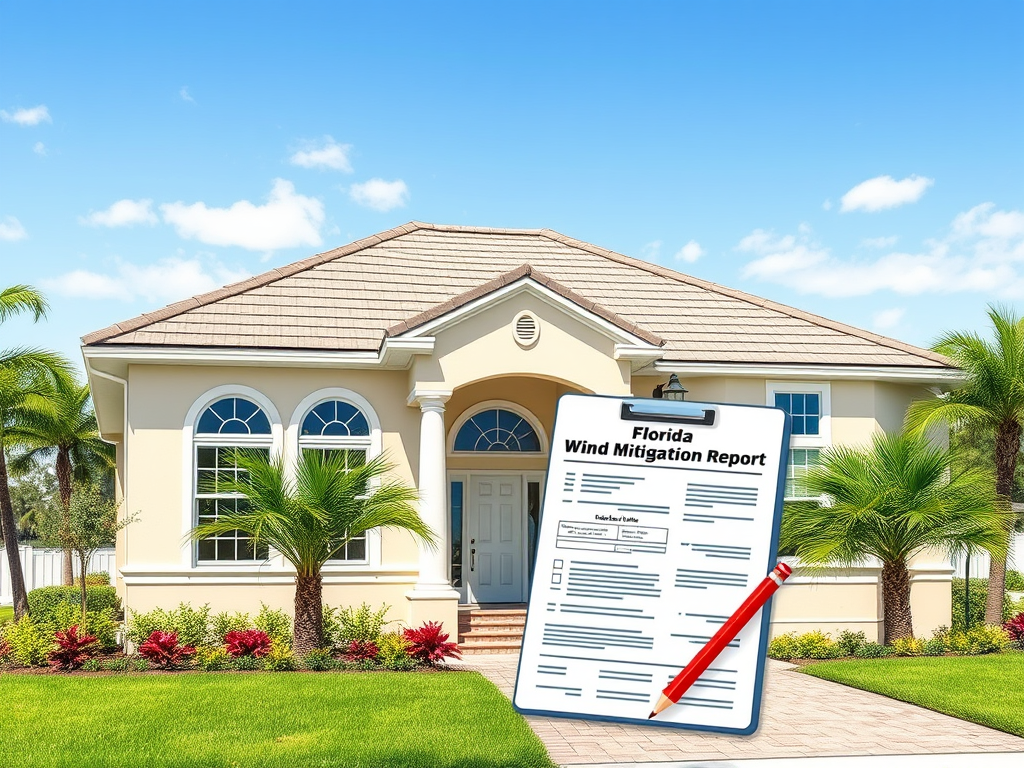
In Florida’s insurance market, few documents carry as much weight for homeowners as a wind mitigation report. Yet, despite its importance, many policyholders don’t fully understand what it is, when it’s required, or how it impacts their premiums. From my perspective in the insurance industry, this report is not just paperwork… it’s a powerful tool that can directly influence both insurability and cost.

What Is a Wind Mitigation Report?

A wind mitigation report is an inspection that evaluates how well a home can withstand high winds, particularly from hurricanes and severe storms. The inspection focuses on specific structural features that reduce wind damage risk.

Key elements assessed include:

  • Roof shape (hip vs. gable)
  • Roof covering and age
  • Roof deck attachment (nail size and spacing)
  • Roof-to-wall connections (clips, straps, etc.)
  • Secondary water resistance (SWR)
  • Opening protection (impact windows, shutters)

The findings are documented on a standardized form used across Florida, often referred to as the OIR-B1-1802 form.

Why It Matters

Insurance carriers use wind mitigation reports to determine eligibility for credits and discounts. Homes with stronger wind-resistant features present less risk, and that reduced risk is often rewarded with lower premiums.

In some cases, the difference is substantial, homeowners can see premium reductions of hundreds or even thousands of dollars annually depending on the upgrades documented.

When You Need a Wind Mitigation Report

From an underwriting standpoint, there are several common scenarios where a wind mitigation inspection is either required or strongly recommended:

1. New Policy Applications

Many insurance companies request a wind mitigation report before binding coverage, especially for homes over a certain age (often 20+ years). This helps underwriters accurately assess the property’s risk profile upfront.

Example:
A homeowner purchasing a 1998-built home applies for coverage. The carrier requires a wind mitigation report before issuing the policy to verify roof attachment and protection features.

2. Policy Renewals or Re-Underwriting

Carriers may request an updated report during renewal periods, particularly if prior documentation is outdated (typically older than 5 years) or missing.

Example:
An insurer conducts a portfolio review and notices a home insured since 2015 has no current wind mitigation on file. They request a new inspection to maintain eligibility.

3. Roof Replacement or Major Upgrades

Any time significant improvements are made such as a new roof, installation of hurricane shutters, or upgraded roof-to-wall connections, a new report should be completed.

Example:
A homeowner installs impact-resistant windows and replaces their roof. A new wind mitigation report allows the insurer to apply additional credits that weren’t previously available.

4. High-Risk Geographic Areas

Homes located in coastal or wind-borne debris regions are more likely to require a wind mitigation report due to increased exposure to hurricane-force winds.

Example:
A property located in a coastal county applies for coverage. The insurer mandates a wind mitigation inspection to ensure compliance with stricter underwriting guidelines.

5. Older Homes

Homes built prior to modern building codes (pre-2002 in Florida, when stricter codes were implemented) often require inspections to verify whether any upgrades have been made.


When You May NOT Need One

There are situations where a wind mitigation report may not be required:

  • New Construction Homes:
    Homes built under current Florida Building Code standards often already meet wind mitigation criteria. Documentation from the builder may suffice.
  • Recent Prior Inspection:
    If a valid wind mitigation report (typically less than 5 years old) is already on file, a new one may not be necessary.
  • Carrier-Specific Guidelines:
    Some insurers may not require the report for certain low-risk properties or newer homes, though this is becoming less common in Florida.

Industry Insight: Why Carriers Care

From an underwriting lens, wind is one of the most significant drivers of property losses in Florida. A properly completed wind mitigation report gives insurers measurable data to evaluate risk instead of relying on assumptions.

It also creates a more transparent relationship between the homeowner and the insurer rewarding proactive improvements and reducing uncertainty in the event of a claim.

Final Thoughts

A wind mitigation report is one of the few tools available to homeowners that can directly reduce insurance costs while improving property resilience. Whether it’s required or optional in your situation, having one completed, especially after upgrades is often a financially sound decision.

In today’s evolving insurance environment, understanding and leveraging this report isn’t just beneficial… it’s essential.

About the Author:

David Dandaneau is a client relations analyst that covers the insurance and financial services industry. He is known for his insightful analysis and comprehensive coverage of market trends and regulatory developments.

Understanding Flood Insurance: What Homeowners Need to Know

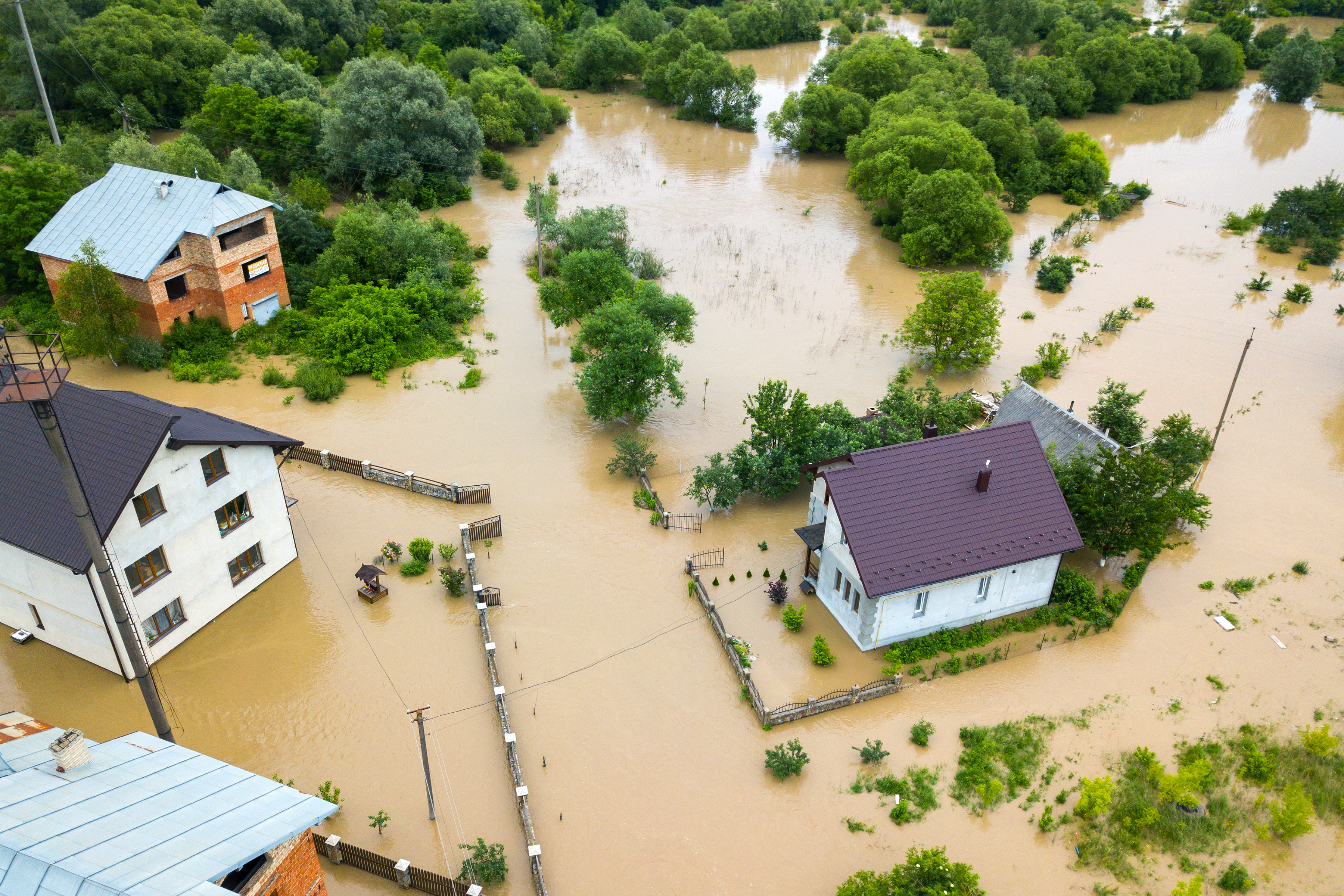
Flooding is the most common and costly natural disaster in the United States, yet millions of homeowners remain uninsured for flood damage. Standard homeowners insurance policies typically do not cover flood losses, leaving property owners vulnerable to potentially devastating financial consequences. Understanding why flood insurance exists, when it is required, and how federal programs help manage risk is essential for homeowners and property investors alike.

Flooding: A Risk Many Homeowners Underestimate

Floods can occur almost anywhere. Heavy rainfall, storm surge, overflowing rivers, blocked drainage systems, and even rapid snowmelt can lead to flooding. According to the Federal Emergency Management Agency (FEMA), more than 20% of flood insurance claims come from properties located outside of high-risk flood zones, highlighting that flood risk is not limited to coastal or riverfront communities.

The financial damage from flooding can escalate quickly. FEMA estimates that just one inch of water in a home can cause approximately $25,000 in damage. Repairing flooring, drywall, electrical systems, furniture, and appliances often costs far more than many homeowners expect.


Why Standard Homeowners Insurance Doesn’t Cover Flooding

Most homeowners carry policies designed to cover risks like fire, theft, and wind damage. However, flood damage is specifically excluded because it is considered a catastrophic and widespread event that could produce extremely high losses across large geographic areas simultaneously.

To manage this risk, flood coverage is typically purchased separately through programs backed by the federal government.

The largest provider of flood insurance in the United States is the National Flood Insurance Program (NFIP), which is administered by FEMA.


When Your Mortgage Company Requires Flood Insurance

Mortgage lenders are required by federal law to ensure flood insurance coverage on properties located in designated high-risk flood zones.

Flood zones are determined using maps created by FEMA known as Flood Insurance Rate Maps (FIRMs). These maps identify areas with varying levels of flood risk.

Properties located in Special Flood Hazard Areas (SFHAs) often labeled Zone A or Zone V on FEMA maps typically require flood insurance if the home has a federally backed mortgage.

If a homeowner fails to secure the required coverage, lenders may purchase insurance on the homeowner’s behalf through a process called force-placed flood insurance. This coverage is often more expensive and offers less flexibility than a policy purchased directly by the homeowner.


FEMA’s Role in Flood Insurance

The Federal Emergency Management Agency (FEMA) plays several key roles in the flood insurance ecosystem:

  1. Administers the National Flood Insurance Program
  2. Creates and updates flood maps used by lenders and insurers
  3. Provides disaster assistance after major flood events
  4. Promotes floodplain management standards to reduce future damage

Through the NFIP, FEMA partners with private insurance companies to sell and service policies, making flood insurance more widely accessible across the country.

However, it’s important to note that federal disaster assistance is not a substitute for insurance. FEMA aid after disasters often comes in the form of low-interest loans or limited grants and typically does not fully cover rebuilding costs.


What Flood Insurance Typically Covers

NFIP flood policies generally include two primary types of coverage:

Building Coverage

  • Structure of the home
  • Electrical and plumbing systems
  • HVAC systems
  • Water heaters
  • Permanently installed carpeting and cabinets
  • Detached garages (limited)

Contents Coverage

  • Furniture
  • Clothing
  • Electronics
  • Portable appliances

Maximum coverage limits under the NFIP currently include:

  • $250,000 for residential structures
  • $100,000 for personal property

Some private insurers also offer excess flood insurance for homeowners needing higher coverage limits.


Typical Cost of Flood Insurance

Flood insurance premiums vary widely depending on several factors:

  • Property elevation
  • Flood zone designation
  • Age and construction of the home
  • Coverage limits selected
  • Deductible chosen

Average costs nationwide fall roughly within these ranges:

Risk LevelTypical Annual Premium
Low-to-moderate risk areas$300 – $700
Moderate risk areas$700 – $1,200
High-risk flood zones$1,200 – $3,500+

Recent FEMA pricing updates under the NFIP’s Risk Rating 2.0 system now use more sophisticated modeling to determine premiums, including distance to water sources, rebuilding costs, and historical flood data.


Why Some Homeowners Choose Not to Carry Flood Insurance

Despite the risks, some homeowners opt not to purchase flood coverage. Common reasons include:

  • The property lies outside a high-risk flood zone
  • The homeowner does not have a mortgage requiring coverage
  • Premium costs are considered too high
  • The homeowner believes the flood risk is minimal

However, flooding can occur in unexpected locations, particularly as weather patterns shift and development alters natural drainage patterns.

The Bottom Line

Flood insurance represents a critical but often overlooked component of financial protection for homeowners. While it may not be required for every property, the relatively small annual cost can prevent massive financial losses in the event of a flood.

Whether coverage is required by a lender or chosen voluntarily, understanding flood risk and the protections available through programs like FEMA’s National Flood Insurance Program allows homeowners to make informed decisions about protecting their property and financial future.

About the Author:

David Dandaneau is a client relations analyst that covers the insurance and financial services industry. He is known for his insightful analysis and comprehensive coverage of market trends and regulatory developments.

When Is a Car Accident a “Property” Claim? Understanding the Insurance Confusion

After years of discussing auto insurance with customers, I’ve learned that one of the most common points of confusion is what actually counts as a “property claim” after a car accident. Many people assume that if property is damaged in an accident, it automatically falls under the property portion of their policy. In reality, auto insurance breaks these situations into different categories.

Understanding the difference can help drivers avoid surprises when they file a claim.


The Scenario: A Simple Car Accident

Imagine this situation.

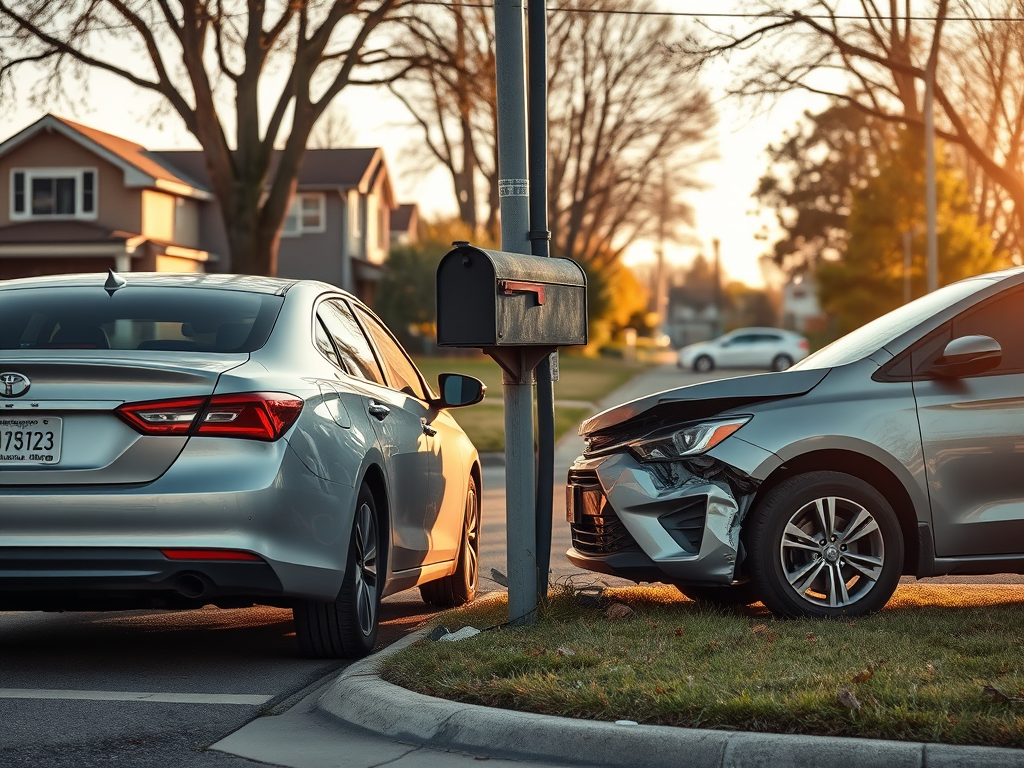
You’re driving through your neighborhood on a Saturday afternoon. As you approach a stop sign, you look down for a moment to adjust the radio. When you look back up, it’s too late you roll into the intersection and collide with another vehicle. The impact pushes the other car into a nearby mailbox and damages both vehicles.

Now there are three different types of damage involved:

  • Damage to the other driver’s car
  • Damage to the mailbox
  • Damage to your own car

At this point, many people ask the same question:

“Is this a property claim?”

The answer is yes and no, depending on which property was damaged.


Property Damage Liability: Damage to Other People’s Property

In the scenario above, your Property Damage Liability coverage would apply to the damage you caused to someone else’s property.

This includes:

  • The other driver’s vehicle
  • The mailbox you knocked over

Property Damage Liability is designed to pay for repairs or replacement of property that you damage in an accident when you are at fault.

In other words, it protects other people’s property… not your own.


Collision Coverage: Damage to Your Own Car

Your vehicle, however, is handled differently.

Damage to your car would typically fall under Collision Coverage, which helps pay to repair or replace your vehicle after an accident, regardless of who caused it.

If you don’t carry collision coverage, you may have to pay out of pocket for repairs to your own vehicle.


Why This Confuses Drivers

The confusion comes from the wording.

Many drivers hear the term “property damage” and assume it refers to any property involved in an accident, including their own car.

But in auto insurance terminology:

  • Property Damage Liability = damage you cause to someone else’s property
  • Collision Coverage = damage to your own vehicle

Understanding that distinction can make the claims process much clearer.


Why It Matters

Knowing how your policy works before an accident occurs can save both time and stress.

Drivers who understand their coverage are better prepared to answer questions like:

  • Who pays for the other car?
  • Who pays for my car?
  • What happens if property like a fence, building, or mailbox is damaged?

Insurance is ultimately about managing risk and protecting both your finances and the property around you.

And sometimes, the most important protection comes from simply understanding what your policy actually covers.

About the Author:

David Dandaneau is a client relations analyst that covers the insurance and financial services industry. He is known for his insightful analysis and comprehensive coverage of market trends and regulatory developments.

What the Olympics Have Meant to Me: A Personal Reflection on Unity, Health, and Wealth

For as long as I can remember, the Olympic Games have represented more than competition. They have symbolized possibility.

Every four years, the world pauses. Flags wave. Anthems rise. Athletes from nations that may disagree politically stand side by side in pursuit of excellence. In those moments, borders blur. Ideologies soften. Humanity takes center stage.

For me, the Olympics have always been a reminder of what is achievable individually and collectively.


A Global Stage for Unity

Organized under the stewardship of the International Olympic Committee, the Games bring together over 200 nations. In a fragmented world, that scale of participation is extraordinary.

Watching the Opening Ceremony, I’m reminded that beneath different languages and cultures, we share the same aspirations: to strive, to overcome, to belong. The Olympics showcase not just medal counts, but human stories, injury recoveries, generational dreams, lifelong discipline.

It is one of the rare platforms where excellence becomes a universal language.


The Impact on Health: Inspiration in Motion

From a health perspective, the Olympics have a measurable and emotional impact.

Watching elite performance reframes what the human body is capable of. Whether it’s a sprinter exploding off the blocks or a ice skater landing a flawless routine, the Games ignite something powerful: motivation.

Research consistently shows that major sporting events increase public engagement in physical activity. Participation spikes in youth sports programs. Gym memberships rise. Community leagues grow. Inspiration becomes action.

But the influence extends beyond physical fitness.

The Olympics also elevate mental resilience. The stories of athletes overcoming adversity reinforce principles that apply to everyday life:

  • Discipline
  • Delayed gratification
  • Strategic preparation
  • Emotional control under pressure

Those traits are as valuable in boardrooms as they are on podiums.


The Wealth Effect: Economic and Personal Prosperity

The Olympics also intersect with wealth on both macro and micro levels.

Host cities like Paris during the Paris 2024 Summer Olympics and upcoming hosts such as Los Angeles for the Los Angeles 2028 Summer Olympics experience major economic ripple effects. Infrastructure investment, tourism influx, and global exposure can reshape a region’s long-term financial trajectory.

On a personal level, the wealth connection is philosophical.

The habits that define Olympians consistency, long-term vision, incremental progress mirror the principles of financial growth. No one wins gold overnight. Similarly, wealth is rarely built through impulse. It’s the compound effect of discipline over time.

Watching the Olympics reinforces a critical truth: excellence compounds.

If we apply that same mindset to personal finance regular investing, strategic risk management, long-term thinking… the results can be transformative.


Participation: The Greatest Return on Investment

While spectating inspires, participating multiplies the impact.

Youth sports build leadership and collaboration skills. Adult fitness routines improve longevity and reduce healthcare costs. Communities that prioritize recreation often see lower crime rates and stronger social bonds.

Health is wealth… literally. Reduced medical expenses, higher productivity, improved cognitive function these outcomes carry economic value. The Olympics serve as a visible reminder that investing in the body yields measurable returns.


A Reminder of What’s Possible

At their core, the Olympic Games represent aspiration.

They show us that greatness is not accidental. It is engineered through daily habits, resilience through setbacks, and belief during uncertainty.

For me, the Olympics are a blueprint:

  • Train with purpose.
  • Compete with integrity.
  • Win with humility.
  • Lose with grace.
  • Keep going regardless.

In a divided world, the Games remind us that unity is possible. In a distracted world, they remind us that focus matters. And in a world chasing shortcuts, they reaffirm that sustainable success whether in health or wealth is built the long way.

That is what the Olympics have meant to me.

And every time the torch is lit, that lesson burns a little brighter.

Why Minimum Auto Insurance May Leave You Vulnerable

Most drivers believe they’re “fully covered” because they carry the minimum auto insurance required by their state. It’s an understandable assumption but often a dangerous one. After speaking with accident victims, reviewing claim data, and examining common policy structures, it’s clear that some of the most important protections in auto insurance are also the most frequently overlooked.

These lesser-known coverages can be the difference between a manageable inconvenience and a long-term financial setback after an accident. The reality is simple: it’s not just about having insurance it’s about having the right insurance.

The Hidden Risk: Other Drivers

One of the biggest misconceptions drivers have is assuming everyone else on the road is properly insured. Unfortunately, that’s not always the case.

According to the Insurance Research Council, approximately 1 in 7 drivers nationwide are uninsured, and many more carry only minimum liability limits often insufficient to cover serious injuries or vehicle damage.

If you’re hit by one of these drivers, your financial protection depends heavily on whether you carry certain optional coverages.

Uninsured and Underinsured Motorist Coverage (UM/UIM): Your Safety Net

Uninsured Motorist (UM) and Underinsured Motorist (UIM) coverage protects you if you’re injured by a driver who either has no insurance or not enough insurance.

This coverage can help pay for:

  • Medical bills
  • Lost wages
  • Pain and suffering
  • Rehabilitation costs

Without UM/UIM, you may be forced to rely on your health insurance or worse, pay out of pocket.

In states like Florida, where minimum liability requirements are relatively low, this coverage becomes even more critical.

Medical Payments Coverage (MedPay): Immediate Medical Relief

Medical Payments coverage, commonly called MedPay, helps cover medical expenses for you and your passengers regardless of who caused the accident.

This includes:

  • Ambulance fees
  • Hospital visits
  • Surgery
  • X-rays
  • Follow-up care

MedPay works quickly and does not require lengthy fault investigations. It can also help cover deductibles and out-of-pocket costs your health insurance doesn’t pay.

This coverage is especially valuable for drivers with high health insurance deductibles.

Personal Injury Protection (PIP): Mandatory in Some States, Essential Everywhere

Personal Injury Protection, or PIP, is required in certain “no-fault” states like Florida.

PIP covers:

  • Medical expenses
  • Lost income
  • Essential services (such as childcare or housekeeping if you’re injured)

However, many drivers don’t realize PIP coverage limits can be exhausted quickly in a serious accident. Supplementing it with MedPay or UM/UIM provides stronger protection.

Gap Coverage: Protecting Your Loan Balance

If your vehicle is financed or leased, Gap insurance may be one of the most important coverages you can carry.

If your car is totaled, insurance typically pays only the vehicle’s actual cash value, not what you owe on the loan.

Gap coverage pays the difference between:

  • What your car is worth
  • What you still owe on your loan

Without Gap coverage, drivers may find themselves making payments on a car they no longer own.

Rental Reimbursement: Keeping Your Life Moving

After an accident, your vehicle may be in the shop for days or weeks.

Rental reimbursement helps cover the cost of a rental vehicle while repairs are being completed. Without it, transportation costs can add up quickly—and disrupt work and family routines.

Why Minimum Coverage Is Often Not Enough

State minimum coverage requirements are designed to meet legal standards not financial protection standards.

In many states, minimum property damage limits can be as low as $10,000 to $25,000. Considering the cost of modern vehicles, that amount may not even cover the damage to a single car.

Serious accidents involving injuries can result in costs reaching hundreds of thousands of dollars.

Drivers without adequate coverage may be personally responsible for these expenses.


Comparison Table: Key Overlooked Coverages and State Applicability

Coverage TypeWhat It CoversRequired in All States?Required in Some States?Optional but Recommended?Notes
Uninsured Motorist (UM)Injuries caused by uninsured driversNoYesYesCritical in states with high uninsured driver rates
Underinsured Motorist (UIM)Injuries when at-fault driver lacks sufficient coverageNoYesYesProtects against low-liability drivers
Personal Injury Protection (PIP)Medical expenses and lost wages regardless of faultNoYesYesRequired in no-fault states like Florida
Medical Payments (MedPay)Medical expenses regardless of faultNoNoYesHelps cover deductibles and gaps in health insurance
Gap CoverageDifference between loan balance and vehicle valueNoNoYesImportant for financed or leased vehicles
Rental ReimbursementCost of rental vehicle after covered accidentNoNoYesProvides transportation continuity
Bodily Injury Liability (Higher Limits)Injuries you cause to othersYes (minimum limits)YesStrongly Recommended to increase limitsMinimum limits often insufficient
Property Damage Liability (Higher Limits)Damage you cause to others’ propertyYes (minimum limits)YesStrongly Recommended to increase limitsModern vehicle costs exceed minimums

Financial Protection Is About Preparation, Not Prediction

No one expects to be involved in a serious accident. But accidents don’t ask whether you’re prepared they simply test whether you are.

Many of the most valuable auto insurance coverages are optional, inexpensive, and rarely used but when needed, they can protect your financial stability and peace of mind.

The difference between minimal coverage and proper coverage often comes down to just a few additional protections protections that can make all the difference when the unexpected happens.

Before assuming you’re fully covered, it may be worth reviewing your policy closely. The coverages you overlook today could be the ones you’re most thankful for tomorrow.

About the Author:

David Dandaneau is a client relations analyst that covers the insurance and financial services industry. He is known for his insightful analysis and comprehensive coverage of market trends and regulatory developments.

Why FR-44 and FS-1 Are Essential After Driving Violations

When securing an automobile insurance policy after certain driving-related incidents, some drivers are surprised to learn that a standard proof of insurance card is not always enough. In specific situations, state regulators require additional filings—most commonly an FR-44 or FS-1—to verify financial responsibility and ensure ongoing compliance with state insurance laws. Understanding what these forms are and why they matter can help drivers avoid lapses in coverage, license suspensions, or further legal complications.


Why States Require FR-44 and FS-1 Filings

Both FR-44 and FS-1 filings are tools used by Departments of Motor Vehicles (DMVs) to confirm that a driver carries the required insurance coverage following a serious violation or a lapse in compliance. These filings are not insurance policies themselves; rather, they are certifications submitted by an insurance carrier on behalf of the driver.

States use these filings to:

  • Monitor high-risk drivers
  • Enforce higher liability requirements where applicable
  • Ensure continuous coverage for a mandated period
  • Protect the public from uninsured or underinsured motorists

What Is an FR-44?

An FR-44 is a certificate of financial responsibility required after serious driving offenses, most commonly DUI or DWI convictions. It is required in certain states, such as Florida and Virginia, and mandates higher liability limits than a standard auto policy.

What an FR-44 Does for You

  • Confirms to the state that higher-than-minimum liability coverage is in force
  • Allows reinstatement or maintenance of driving privileges after a serious offense
  • Keeps the driver legally compliant during the state-mandated filing period
  • Helps avoid additional penalties, such as license suspension or fines, due to noncompliance

Key Characteristics

  • Requires increased bodily injury and property damage limits
  • Must be maintained continuously, often for several years
  • Any lapse in coverage is reported directly to the state

What Is an FS-1?

An FS-1 is a form used in some states to provide proof that a driver had valid insurance coverage at a specific point in time. It is often requested after an accident, citation, or administrative review when coverage is in question.

What an FS-1 Does for You

  • Verifies past or current insurance coverage to the state
  • Helps prevent penalties tied to alleged uninsured driving
  • Supports license or registration reinstatement
  • Resolves disputes related to insurance verification

Key Characteristics

  • Confirms insurance status for a defined date or period
  • Typically submitted directly by the insurance company
  • Often used to close compliance gaps or administrative holds

FR-44 vs. FS-1: At a Glance

FeatureFR-44FS-1
Primary PurposeHigh-risk financial responsibilityProof of insurance verification
Common TriggerDUI/DWI or serious offenseAccident, citation, or insurance lapse inquiry
Coverage RequirementHigher-than-state-minimum limitsConfirms existing or past coverage
DurationMulti-year requirementPoint-in-time or short-term verification
Filed ByInsurance carrierInsurance carrier

Why This Matters When Securing a Policy

Drivers who require an FR-44 or FS-1 cannot rely on a basic policy purchase alone. The policy must be written correctly, meet state-specific requirements, and include the proper filing. Failure to do so can delay reinstatement, increase costs, or result in additional legal consequences.

Working with an insurance professional familiar with state filings can help ensure:

  • Accurate policy structure from the start
  • Timely submission of required forms
  • Ongoing compliance throughout the filing period

Final Thought

FR-44 and FS-1 filings serve a critical role in the insurance and regulatory process. While they often follow stressful driving events, understanding what they are and how they function can make the path back to compliant, legal driving clearer and more manageable. Being properly informed—and properly insured—helps protect both the driver and everyone else on the road.

About the Author:

David Dandaneau is a client relations analyst that covers the insurance and financial services industry. He is known for his insightful analysis and comprehensive coverage of market trends and regulatory developments.

SR-22 Explained: Filing, Costs, and Requirements

When it comes to staying insured and legally compliant on the road, few documents create more confusion than the SR-22. Contrary to popular belief, an SR-22 is not an insurance policy—it’s a certificate of financial responsibility filed with your state to prove you carry the minimum required auto insurance. For drivers who have encountered serious traffic violations or insurance lapses, filing an SR-22 can be critical to regaining or maintaining driving privileges.

Why You Might Need an SR-22

States typically require an SR-22 after certain high-risk incidents, including:

  • Driving without insurance
    If you’re caught driving uninsured—even once—many states will require an SR-22 to verify you remain insured moving forward.
  • DUI or DWI convictions
    One of the most common triggers. After a DUI/DWI, drivers must often carry an SR-22 for several years.
  • Multiple traffic violations or at-fault accidents
    Repeat offenders or drivers involved in severe collisions may be labeled “high-risk,” prompting the SR-22 requirement.
  • License suspension or revocation
    To reinstate your driver’s license, an SR-22 filing may be mandatory.
  • Serious moving violations
    Excessive speeding, reckless driving, or hit-and-run incidents sometimes lead to SR-22 mandates depending on the state.

How Long You Must Carry an SR-22

Most states require drivers to maintain an SR-22 for 3 years, though this varies by location and offense. If coverage lapses at any point, your insurance company must notify the state likely resetting the clock on your compliance period.

What an SR-22 Costs

The SR-22 filing fee itself is typically small around $15–$50.
However, insurance premiums can increase based on your driving record. Working with a knowledgeable insurance agent can help reduce the financial impact by exploring policy options tailored to high-risk drivers.

The Filing Process: Getting Professional Help

The SR-22 must be filed by a licensed insurance provider on your behalf. Here’s how professionals typically assist:

  • Assess Your Situation
    An insurance professional reviews your state’s requirements and the circumstances behind your SR-22 need.
  • Secure an Eligible Policy
    Not all insurers offer SR-22 filings. Agents specializing in high-risk auto insurance can pair you with a policy that meets your state’s minimums.
  • File the SR-22 Electronically
    Most filings are sent directly to the state within 24–48 hours, speeding up reinstatement timelines.
  • Provide Guidance and Follow-Up
    Agents can help you avoid lapses, set up reminders, and secure better rates once your SR-22 period ends.

Suggestions for Drivers Facing an SR-22 Requirement

  • Act quickly to prevent extended license suspensions.
  • Compare quotes—prices vary dramatically among providers.
  • Avoid coverage lapses at all costs.
  • Consider defensive driving courses to improve your record over time.
  • Stay insured continuously to begin rebuilding your driving profile.

Referrals and When to Seek Professional Help

If you’re unsure whether you need an SR-22 or how to file one, your best first step is connecting with:

  • A licensed auto insurance agent specializing in SR-22 filings
  • A traffic attorney if your requirement stems from a DUI, reckless driving, or a serious violation
  • Your state’s Department of Motor Vehicles (DMV) for official reinstatement guidelines

These professionals can clarify requirements, ensure proper filing, and help you move forward with confidence.

About the Author:

David Dandaneau is a client relations analyst that covers the insurance and financial services industry. He is known for his insightful analysis and comprehensive coverage of market trends and regulatory developments.

🏡 What You Need to Know About Law & Ordinance Coverage and Why It Matters More Than Ever

When most homeowners think about their insurance policies, they focus on the obvious: fire, theft, storms, and liability. But there’s a lesser-known protection that can make or break your financial recovery after a disaster Law and Ordinance Coverage, sometimes referred to as “Building Code Coverage.”

And in 2025, with stricter building codes nationwide and rising construction costs, this coverage has never been more important.


What Is Law & Ordinance Coverage?

Law and Ordinance coverage is a component of your homeowners insurance that helps cover the additional costs required to rebuild or repair your home according to current building codes after a covered loss.

Many homes especially those built 10, 20, or 50 years ago no longer meet today’s safety and construction standards. If a fire, storm, or other covered event damages your home, local regulations may require you to upgrade wiring, plumbing, insulation, roofing systems, or structural components.

Without Law & Ordinance coverage, those upgrades come straight out of your pocket.


Three Key Parts of Law & Ordinance Coverage

Most policies break this coverage into three categories:

1. Coverage A: Loss to the Undamaged Portion of the Home

If 40% of your home is destroyed but local law requires the entire house to be rebuilt to meet current code, this coverage pays for the undamaged portion.

2. Coverage B: Demolition Costs

Bringing a damaged structure down safely isn’t cheap. Demolition, debris removal, and hauling away materials can be surprisingly costly.

3. Coverage C: Increased Cost of Construction

This covers the code-required upgrades such as new electrical systems, energy-efficient windows, reinforced roofing, or accessibility requirements that weren’t part of your original home.


Why It Matters in 2025

✔️ Building Codes Change Constantly

Many communities have tightened codes after severe weather events, wildfires, and structural failures. Even small repairs often trigger mandatory upgrades.

✔️ Construction Costs Continue Rising

The price of materials and skilled labor remains elevated. Code upgrades can add tens of thousands of dollars to a reconstruction project.

✔️ Older Homes Are Especially at Risk

Homes built before 2000 often lack modern safety requirements, meaning mandatory upgrades are more likely after a partial loss.

✔️ It Can Protect Your Savings and Prevent Delays

Without Law & Ordinance coverage, homeowners often face unexpected out-of-pocket expenses that can stall rebuilding and extend displacement.


Real-World Example

A kitchen fire damages 30% of a 1980s home. The city requires:

  • New electrical wiring throughout the entire house
  • Upgraded insulation
  • A modern HVAC system with energy efficiency standards

Only the portion of the home physically damaged by fire is covered by standard insurance. All code-required upgrades to undamaged areas are not unless you have Law & Ordinance coverage.

The homeowner could face up to $40,000–$75,000 in uncovered expenses.


How Much Coverage Should You Carry?

Insurers typically offer Law & Ordinance limits as a percentage of the dwelling amount, commonly:

  • 10%
  • 25%
  • 50%
  • 100% (offered in some states)

For older homes or areas with aggressive code enforcement, higher limits may provide critical protection.


A Small Coverage That Makes a Big Difference

You can’t control when disaster strikes, but you can protect yourself from the financial shock that comes with rebuilding to today’s standards. Law and Ordinance coverage ensures your home can be rebuilt safely—and legally without draining your savings or delaying your recovery.

If you haven’t reviewed your homeowners policy lately, now is the time to check your limits and make sure this essential coverage is in place.

About the Author:

David Dandaneau is a client relations analyst that covers the insurance and financial services industry. He is known for his insightful analysis and comprehensive coverage of market trends and regulatory developments.