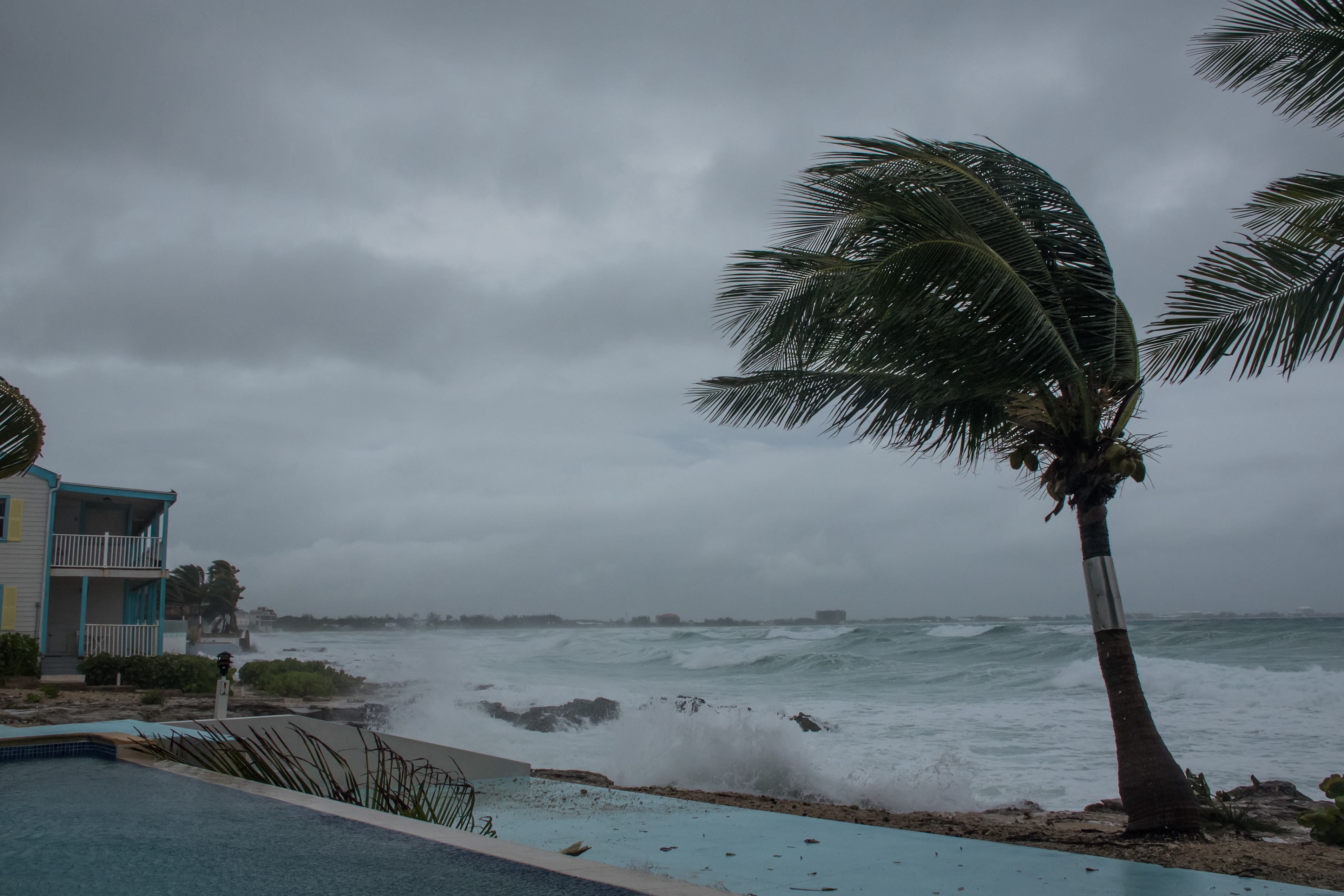
Trends to Watch as We Close Out 2025: The Property Insurance Market

As we approach the end of 2025, the property insurance marketplace is navigating a mix of change, challenge and opportunity. Here’s a look at the key trends shaping the sector — and what they might mean for insurers, brokers and property owners alike.


1. Climate-Driven Losses Are Now the New Normal

The pace and severity of natural catastrophes continue to place major pressure on the property insurance market. The Swiss Re Institute estimates that global insured losses from natural catastrophes hit roughly US $80 billion in the first half of 2025, nearly double the 10-year average. (Reuters+2Insurance Journal+2)
For insurers, that means heavier claims, tougher underwriting decisions and heightened scrutiny of exposures in high-risk zones.

What to watch:

  • Insurers will increasingly pull back or raise rates in high-catastrophe zones — e.g., coastal and wildfire-prone areas.
  • Property owners in those zones will receive stronger signals to invest in resilience (storm hardening, wildfire mitigation, flood defence).
  • Coverage gaps may grow where private insurers no longer provide adequate support, leading to more reliance on state/last-resort markets.

2. Pricing and Coverage Conditions Are Mixed — Softening in Some Segments, Hardening in Others

While recent years were characterised by sharp rate increases and tightening terms, there are signs that some parts of the market are stabilising or even softening. For example:

  • The Alera Group in its 2025 P&C update notes greater market stability, with disciplined underwriting, improving investment yields, and signs that premium growth may moderate. (Alera Group)
  • In commercial property, accounts with favourable loss history and limited catastrophe exposure may now see flat to single-digit rate increases, rather than the double-digit hikes of earlier years. (Dominion Risk+1)
  • On the flip side, in the homeowners/home-insurance space, average premiums remain elevated, and the insurers’ “combined ratio” suggests limited profitability in some segments. (Rate)

Key take-aways:

  • For well-performing risks, carriers are competing — more capacity, more flexible terms.
  • For high-risk exposures (wildfire zones, flood zones, older properties in hazard-prone states) terms remain challenging: higher deductibles, non-standard exclusions, pressured availability.
  • Brokers and agents who can help clients demonstrate strong mitigation/maintenance will be in demand.

3. Technology & Risk-Modelling Innovations Are Moving From “Nice to Have” to “Must-Have”

Insurers are rapidly expanding their use of technology — sensors, drones, satellite imagery, IoT monitoring, artificial intelligence — to refine risk assessments, improve underwriting and streamline claims. According to a recent legal-firm insight, insurers are deploying drones, satellite-imagery and IoT to track damage and property condition in real time. (Greenberg Traurig)
Meanwhile, homeowners are seeing insurers push risk-mitigation incentives (smart-home sensors, leak detectors, fire-resistant construction) as a way to differentiate risk. (Rate)

What this means:

  • Risk-differentiation will widen: properties with upgraded resilience features may enjoy better terms/discounts.
  • Older or non-mitigated properties may face fewer options or harsher terms.
  • Agents and insurers who embrace these tools will have a competitive edge, especially in emerging hazard-zones.

4. Reinsurance and Capacity Pressures Remain Real

While direct insurance pricing may be moderating for some risks, the broader ecosystem — especially reinsurance — remains under strain. The costs of reinsurance for catastrophe risk continue to climb as global natural hazard exposures grow. (Greenberg Traurig)
Also, some last-resort markets (state-backed, residual lines) are under pressure to raise rates or adjust eligibility, particularly in states with chronic exposure. (San Francisco Chronicle)

Implication:
Insurers must manage their reinsurance treaties carefully, be selective about exposures they carry, and pass through appropriate pricing and terms to stay sustainable.


5. Market Size is Growing — With Geographic and Product Gaps Emerging

From a volume perspective, the property-insurance market remains on a growth path. For example, in North America the market for property insurance was projected to reach about US $365 billion in 2025, with a five-to-seven-year compound annual growth rate (CAGR) of nearly 7%. (Statista) Globally, a report projects the property-insurance market to be around US $364.75 billion in 2025, growing toward ~US$591 billion by 2034. (Business Research Insights)

Yet, growth is uneven:

  • Regions with escalating risk (wildfire, flood, storm) may struggle with supply and affordability.
  • Specialized products (wildfire-only, flood-only, resiliency add-ons) are gaining traction.
  • Bundled products (home + auto) and value-added services (risk-engineering, smart-home upgrades) are becoming differentiators.

6. Homeowners Face Increasing Burden — Affordability, Availability and Risk

For homeowners, especially in climate-exposed states (e.g., coastal Florida, wildfire-prone California), the challenges are mounting:

  • Rising premiums and deductibles: some reports show average home-insurance premiums nationally up ~20 % year-over-year in certain markets. (Rate+1)
  • Higher deductibles and more peril-specific deductibles (wind/hail, wildfire, flood) are becoming more common. (Matic Insurance)
  • Coverage availability is still strained in many high-risk ZIP codes; the E&S (Excess & Surplus) market is filling gaps. (Matic Insurance)

For agents and homeowners:

  • Risk mitigation (roof upgrades, fire-resistant landscaping, flood mitigation) is no longer optional—it can materially affect access and cost of coverage.
  • The choice of market (traditional carrier vs. surplus market) matters more than ever; early renewal/placement is advised.
  • For homeowners in highly exposed zones, budgeting for rising insurance costs (and potential policy non-renewals) is prudent.

7. Regulatory & Geographic Regulation Shifts

Regulators in states like Hawaii, Florida and California are responding to the stability challenges in property-insurance markets. For example, in Hawaii legislators pledged efforts to stabilise the market in the face of rising rates and insurers pulling out. (AP News)
Rate filings and underwriting criteria adjustments are happening in several jurisdictions — meaning agents must stay abreast of local regulatory changes that could affect availability, coverage form, or premium.


Looking Ahead to Late 2025 and Early 2026

As we close out 2025, a few strategic themes for stakeholders:

  • For insurers and brokers: Market segmentation will deepen. Strong, well-mitigated risks will benefit from capacity and competition. Weakly mitigated risks will face greater terms and possibly coverage erosion.
  • For homeowners/property owners: Now is a contact point: review your property’s risk profile, invest in mitigation where possible, explore multiple carriers, and monitor renewal dates early.
  • For agents in your position (auto/property insurance): There’s an opportunity to advise clients on the “property side” in addition to auto — helping them understand risk exposures, mitigation, bundling opportunities, and market shifts. For example, bundling home + auto may give you more leverage.
  • For regulatory watchers: The interplay of climate risk, insurance affordability, and public policy will remain front-and-centre. Watch for state-level reforms, changes in last-resort insurers, and potential new coverage mandates or premium subsidies.

What Lies Ahead

The property-insurance market at the end of 2025 is in a state of transition. Big picture: demand is growing, but risk is mounting and not evenly distributed. Pricing and terms are moderating in some segments — yet for high-exposure zones the pressure remains acute. Technology, mitigation and geographic nuance will distinguish winners from laggards.

For you (and your clients) this means: be proactive. Know the risks. Position properties (or clients’ homes) for reward (through mitigation) rather than punishment. And stay flexible — the “next renewal” is likely to look quite different from the last.

About the Author:

David Dandaneau is a client relations analyst that covers the insurance and financial services industry. He is known for his insightful analysis and comprehensive coverage of market trends and regulatory developments.

References

Alera Group. (2025, January 15). 2025 property and casualty market update. Alera Group. https://aleragroup.com/insights/alera-groups-2025-property-and-casualty-market-update

Associated Press. (2025, March 10). Hawaii lawmakers pledge to stabilize property insurance market amid rate increases. AP News. https://apnews.com/article/9119f220251bb44eced5ffb4ddd80b15

Business Research Insights. (2025). Property insurance market size, share, growth, and forecast 2025–2034. https://www.businessresearchinsights.com/market-reports/property-insurance-market-125238

Domrisk. (2025, March 5). 2025 market outlook: Commercial property insurance. https://domrisk.com/2025/03/2025-market-outlook-commercial-property-insurance

Greenberg Traurig, LLP. (2025, March 1). Five trends to watch in the 2025 property insurance market. https://www.gtlaw.com/en/insights/2025/3/5-trends-to-watch-in-2025-property-insurance-market

Matic Insurance. (2025, April). 2025 home insurance report. https://matic.com/blog/2025-home-insurance-report

Rate.com. (2025, May 20). Consumer insights: Home insurance trends for 2025. Guaranteed Rate Insurance. https://www.rate.com/insurance/resources/consumer-insights-home-insurance-trends-for-2025

Reuters. (2025, August 6). Global insured catastrophe losses hit $80 billion in first half of 2025, report shows. Reuters. https://www.reuters.com/business/environment/global-insured-catastrophe-losses-hit-80-billion-first-half-2025-report-shows-2025-08-06

San Francisco Chronicle. (2025, August 21). California FAIR Plan seeks huge rate hike: Map shows which ZIPs hit hardest. https://www.sfchronicle.com/california-wildfires/article/fair-plan-insurance-rate-21081370.php

Statista. (2025). Property insurance market in North America — Revenue forecast 2025. https://www.statista.com/outlook/fmo/insurances/non-life-insurances/property-insurance/north-america


Why Headlight Maintenance Could Save Your Life: The Hidden Dangers of Night Driving

As daylight fades and drivers take to the roads after sunset, the risks rise dramatically. According to the National Safety Council, the fatal crash rate at night is about three times higher than during the day. Despite making up only a small portion of total driving time, nighttime driving accounts for nearly 50% of all traffic deaths in the United States each year.

Experts point to one primary reason: reduced visibility. Even with streetlights and modern vehicle technology, the human eye struggles in low-light conditions. But what many drivers don’t realize is how much their own vehicle’s headlights can contribute to the danger.

Over time, headlight lenses become cloudy or yellowed from oxidation, cutting light output by as much as 50%. Bulbs can also dim gradually, often without the driver noticing, and misaligned headlights may shine too low or too high, limiting visibility or blinding oncoming traffic.

“Headlights are your first line of defense at night,” says a local automotive safety technician. “Keeping them clean, bright, and properly aimed can make the difference between spotting a hazard in time or not at all.”

Regular maintenance—such as cleaning lenses, checking bulb brightness, and ensuring correct alignment—can dramatically improve safety. Replacing bulbs in pairs and restoring headlight covers can also restore lost visibility and reduce glare for others.

Drivers should also be mindful of when they’re on the road. Statistics show that the hours after midnight are the most dangerous, as fatigue, alcohol impairment, and reduced alertness peak. For the safest travel, experts recommend getting home before midnight whenever possible.

In short, maintaining your headlights isn’t just about looks—it’s about safety. As nights grow longer, take a few minutes to check your car’s lights. It could be one of the simplest ways to protect yourself and everyone else on the road.

About the Author:

David Dandaneau is a client relations analyst that covers the insurance and financial services industry. He is known for his insightful analysis and comprehensive coverage of market trends and regulatory developments.

FS-1 Form Explained: Your DMV Insurance Checklist

When renewing your registration or handling certain vehicle-related matters at the Department of Motor Vehicles (DMV), you may be asked to provide an FS-1. For many drivers, the request sparks confusion—but the form is a crucial part of verifying compliance with state insurance laws.

What Is an FS-1?
An FS-1, sometimes called a “Certificate of Insurance,” is an official document issued by your auto insurance company. It confirms that you currently carry liability insurance that meets or exceeds the minimum coverage required by your state. Unlike a regular insurance ID card, the FS-1 is not something you automatically receive when you buy a policy; it’s generated only when the DMV requests it.

Why the DMV Requests an FS-1
The DMV may request an FS-1 for several reasons, including:

  • Registration Renewals: To confirm your vehicle has active coverage before issuing new tags.
  • New Vehicle Registration: When adding a car to the road for the first time, proof of proper insurance is mandatory.
  • Insurance Verification Programs: States often run audits to catch lapsed or fraudulent insurance, and an FS-1 is one way to confirm coverage directly from your insurer.
  • After Accidents or Violations: If you’ve been cited for driving uninsured or been involved in a crash, the DMV may require the FS-1 to prove you now carry valid insurance.

What the FS-1 Does
The FS-1 serves as an official communication between your insurance company and the DMV. Unlike simply showing your insurance card, the FS-1 provides legal assurance that your coverage is valid, active, and issued by a licensed carrier. It protects the state and other drivers on the road by helping ensure that every registered vehicle is financially responsible in case of an accident.

The Bottom Line
If the DMV asks you for an FS-1, don’t panic. It doesn’t necessarily mean you’re in trouble—it simply means they need official verification of your insurance. Contact your insurance agent or company right away, and they can file the FS-1 directly with the DMV on your behalf.

About the Author:

David Dandaneau is a client relations analyst that covers the insurance and financial services industry. He is known for his insightful analysis and comprehensive coverage of market trends and regulatory developments.

Florida Homeowners Face Challenge After Being Dropped from State-Run Insurance Program

Florida homeowners are once again feeling the squeeze as thousands are being removed from the state-run insurer of last resort, Citizens Property Insurance Corporation, and redirected to private carriers. The move is part of an ongoing effort to reduce the size of Citizens’ policy portfolio and shift risk back into the private market.

When homeowners are “depopulated” from Citizens, they are required to accept coverage from an alternative private insurance company if the offered premium is within 20% of their Citizens rate. For many, this creates both relief and frustration: while it means they may avoid losing coverage altogether, it also leaves them with limited options and rising costs.

“I was paying $2,800 a year with Citizens, and the new carrier came in at $3,200. It’s technically within the 20% rule, so I had no choice but to move,” said one Tampa homeowner. “It feels like a forced decision at a time when the market is already tough.”

Insurance analysts note that while the depopulation program helps reduce taxpayer exposure to catastrophic hurricane losses, it places additional pressure on families already navigating skyrocketing premiums, stricter underwriting, and fewer choices. Private carriers, however, argue that they offer more sustainable long-term solutions than Citizens, which was never intended to be a permanent insurer for a large share of the market.

State regulators defend the process, emphasizing that the 20% price window is meant to strike a balance between protecting consumers from steep cost increases while encouraging participation in the private market. Without this system, they warn, Citizens could swell beyond capacity, putting all Floridians at risk of paying hefty assessments after a major storm.

Still, homeowners are left in a difficult position. With hurricane season stretching until November and reinsurance costs continuing to climb, experts say Florida’s property insurance crisis is far from over. For many, the decision isn’t whether they want to leave Citizens—it’s how they can afford to stay insured at all.

About the Author:

David Dandaneau is a client relations analyst that covers the insurance and financial services industry. He is known for his insightful analysis and comprehensive coverage of market trends and regulatory developments.

Why You Need Coverage for Your Recreational Vehicles

When it comes to motorcycles, boats, golf carts, and ATVs, most people think about the thrill of the ride, the open water, or a sunny day on the course-not the financial risks. But accidents, theft, and unexpected liabilities don’t take a holiday, and that’s why insurance for your recreational “toys” is worth serious consideration.

Required vs. Optional Coverage

The first step in understanding toy insurance is knowing what’s required by law and what’s optional.

  • Motorcycles: Like cars, most states require liability insurance if you’re taking your motorcycle on public roads. This covers injury or damage you may cause to others, but not your own bike. Collision and comprehensive coverage—protecting your motorcycle against accidents, theft, or weather damage are optional but highly recommended.
  • Boats: While boat insurance isn’t federally mandated, some states and marinas require proof of coverage. Even if it’s not required, carrying liability and property protection can shield you from costly repairs or lawsuits if an accident occurs on the water.
  • ATVs & Dirt Bikes: If you’re riding on private land, insurance is usually optional. However, many state parks, trails, and off-road areas require proof of coverage to operate. Considering the high rate of ATV accidents and theft, insuring your four-wheeler is a smart move.
  • Golf Carts: Most neighborhoods and golf courses don’t require golf cart insurance, but if you’re using the cart on public roads-or even just around your community-liability coverage can protect you if an accident happens. Some homeowners’ policies provide limited coverage, but standalone golf cart insurance can fill the gaps.

Why You Should Insure Even When It’s Optional

Just because coverage isn’t required doesn’t mean it isn’t essential. Repair costs, medical bills, or liability lawsuits can quickly outweigh the value of your toy itself. Theft is another growing concern-ATVs, motorcycles, and even boats are among the most commonly stolen recreational vehicles.

Insurance not only protects your investment but also your financial stability. For many, the peace of mind of knowing that a fun weekend won’t turn into a financial nightmare is worth the modest premium.

A Smarter Way to Protect Your Fun

Your recreational vehicles are more than just “toys”-they’re part of your lifestyle. Adding the right insurance ensures that your good times don’t come with unnecessary risks. Before the next ride, round of golf, or day on the water, check your coverage and make sure your adventures are backed by protection as strong as your passion.

About the Author:

David Dandaneau is a client relations analyst that covers the insurance and financial services industry. He is known for his insightful analysis and comprehensive coverage of market trends and regulatory developments.

The Impact of 5G on Everyday Life: Faster, Smarter, and More Connected

The rollout of 5G networks is transforming the way we live, work, and connect—ushering in a new era of speed, responsiveness, and innovation. As more cities, towns, and rural areas gain access to fifth-generation wireless technology, the effects are becoming increasingly visible in our daily routines.

Speed and Efficiency at Your Fingertips
At its core, 5G promises data speeds up to 100 times faster than 4G. For the average user, this means smoother video streaming, faster downloads, and nearly instant web page loading. But the real transformation goes far beyond entertainment. With ultra-low latency, 5G enables real-time communication between devices, opening the door to new possibilities in healthcare, transportation, and education.

Remote workers and students benefit from stronger, more stable video conferencing with fewer glitches and lags. Cloud-based tools respond almost instantly, making collaboration more efficient. Businesses, from small startups to large corporations, can operate with a level of agility and responsiveness previously unattainable.

A Smarter World
The true power of 5G lies in its ability to support billions of connected devices simultaneously. This is fueling the growth of the Internet of Things (IoT)—from smart thermostats and connected cars to wearable health monitors and automated factories.

For instance, smart homes equipped with 5G-enabled devices can respond more quickly and accurately to user commands, improving energy efficiency and security. In cities, 5G supports smart infrastructure like traffic control systems that adapt to real-time conditions, reducing congestion and improving safety.

Healthcare Revolution
Telemedicine, already on the rise, has taken a major leap forward with 5G. Doctors can now conduct remote examinations with HD video clarity and access large medical imaging files without delays. Emergency response teams benefit from real-time data sharing en route to hospitals, and remote surgeries powered by robotics and 5G are now a reality in some parts of the world.

Challenges and Considerations
Despite its promise, the transition to 5G is not without challenges. Infrastructure upgrades are costly and time-consuming, especially in rural or less-developed regions. Concerns about data privacy and cybersecurity are also growing, as more devices become interconnected and reliant on real-time data.

There are also health and environmental concerns—though no conclusive evidence has shown that 5G poses any greater risk than previous generations of wireless technology, public debate continues.

What Lies Ahead
The full potential of 5G is still unfolding, but one thing is clear: it’s reshaping everyday life in profound ways. As the technology matures and access becomes more widespread, it will serve as a backbone for innovations yet to come—fueling autonomous vehicles, augmented reality, and a more connected global economy.

For now, 5G is not just about faster smartphones. It’s about building a smarter, more efficient, and more responsive world.

Social Change: The Forces Reshaping Society in 2024

The year 2024 marks a pivotal moment in the story of social change, driven by rapid technological advances, growing environmental concerns, and evolving cultural norms. Across the globe, movements and innovations are pushing boundaries, challenging traditions, and redefining the human experience.

The Rise of Digital Activism
Social media platforms have become powerful tools for advocacy, mobilization, and education. In recent months, global campaigns like the “Green Reset” movement have rallied millions online to demand stricter climate policies and corporate accountability. With hashtags like #ActNowForTomorrow trending worldwide, digital activism is proving that virtual platforms can translate into real-world impact.

“Social media allows us to amplify voices that were once marginalized,” says digital strategist Amira Lopez. “It’s no longer about a single leader or organization. It’s about communities coming together.”

Environmental Justice Takes Center Stage
Climate change is not a distant threat; it’s a current crisis. Record-breaking heatwaves, catastrophic floods, and raging wildfires have pushed environmental justice to the forefront of public consciousness. Grassroots organizations are partnering with policymakers to address the intersection of environmental degradation and socioeconomic inequality.

One such initiative, the “Climate Equity Project,” focuses on ensuring underserved communities—often the hardest hit by climate disasters—receive the resources and support they need to adapt and thrive.

Redefining Gender and Equality
The global conversation about gender is evolving, with movements advocating for inclusivity and breaking traditional binaries. Countries are passing progressive laws to protect LGBTQ+ rights, while workplaces are adopting more inclusive policies to ensure gender equity.

“This is about more than just representation,” says activist and author Zane Patel. “It’s about creating a world where everyone feels seen, valued, and empowered to be themselves.”

The Role of Technology
From artificial intelligence to blockchain, technology is both a driver and a disruptor of social change. Innovations in healthcare are making treatments more accessible, while digital education platforms are bridging gaps in learning opportunities. However, the rapid pace of technological advancement also raises questions about privacy, ethics, and equity.

“We have to ensure that technology serves humanity, not the other way around,” warns ethicist Dr. Lina Arjun.

A Global Movement
While challenges like inequality, political polarization, and environmental degradation remain significant, the spirit of collective action offers hope. From youth-led protests to corporate commitments to sustainability, social change is becoming a shared responsibility.

As the year progresses, the question is no longer if change is possible but rather how individuals, communities, and institutions will shape the future.

Picking Up the Pieces After a Storm: What to Do and What Not to Do

In the aftermath of a severe storm, communities often face a daunting cleanup process. From fallen trees to damaged homes, the path to recovery can be overwhelming. Knowing what steps to take—and which to avoid—can make all the difference in getting back on your feet safely and efficiently.

What to Do: Essential Steps for Storm Recovery
Prioritize Safety First Before you begin any cleanup efforts, make sure it’s safe to do so. Stay informed by tuning in to local weather reports for updates. Watch out for hazards like downed power lines, damaged gas lines, and unstable structures. If you encounter any dangerous situations, avoid them and report them to emergency services immediately.

Document Damage for Insurance Purposes Take photos and videos of any damage to your property before starting the cleanup. This documentation is crucial for filing insurance claims. Make sure to capture the condition of your home, vehicles, and other valuable possessions. Contact your insurance agent as soon as possible to begin the claims process.

Use Proper Safety Gear If you plan to assist with the cleanup, wear the appropriate safety gear, such as gloves, sturdy boots, and protective eyewear. A hard hat is recommended if there are potential falling debris hazards. Wearing a mask is also advised, especially if there is dust or mold present.

Dispose of Debris Properly Follow local guidelines for debris disposal. Many communities set up special collection sites or organize pickup services after a major storm. Ensure that you separate hazardous materials like chemicals, electronics, or sharp objects, which may require special disposal methods.

Seek Professional Help When Necessary For significant damage, such as roof repairs, electrical issues, or structural concerns, hire licensed professionals. Attempting complex repairs without proper skills can be dangerous. Certified contractors can ensure that repairs meet safety standards and prevent further damage.

What Not to Do: Avoiding Common Mistakes
Don’t Enter Flooded Areas Even after the storm has passed, flooded areas can pose significant risks. Floodwaters may contain contaminants, sharp debris, or concealed electrical currents. Avoid entering these areas, and wait for authorities to declare them safe before proceeding.

Don’t Delay Filing Insurance Claims The sooner you file a claim, the faster you can access the resources you need for repairs and recovery. Procrastinating can lead to delays, especially when insurance companies experience high volumes of claims. Make contacting your insurance company a priority once it is safe to do so.

Don’t Use Damaged Appliances Flood-damaged or wet appliances can be hazardous. Before using any electrical device, have it inspected by a professional to avoid the risk of shock or fire. Unplug and avoid using anything that may have been exposed to water until it is cleared for use.

Don’t Attempt Major Repairs on Your Own While it may be tempting to save money by repairing structural damage yourself, doing so can be risky. Improper fixes can lead to further damage and put you and your family in danger. Always consult with licensed contractors or repair services for any major work.

Don’t Overexert Yourself During Cleanup Storm cleanup is physically demanding, and it’s easy to push your body too hard. Take breaks, stay hydrated, and ask for help when needed. Avoid lifting heavy objects alone, as this can lead to injuries. Pace yourself, and remember that recovery is a marathon, not a sprint.

Moving Forward with Caution
Picking up the pieces after a storm can be a long and stressful process, but staying organized and following these guidelines can make it safer and more manageable. By prioritizing safety, documenting damage, and seeking professional help when necessary, you can ensure a smoother path to recovery for you and your community.