Rising Homeowners Insurance Costs: What You Need to Know

Rising Costs Are Changing the Homeowners Insurance Conversation

Homeowners are facing some of the highest insurance premiums in decades for homeowner’s insurance. Inflation, severe weather events, increased construction costs, and rising litigation expenses have forced many insurers to reevaluate their risk exposure. In states such as Florida, Texas, California, and Louisiana, homeowners have experienced significant premium increases and, in some cases, reduced carrier availability.

As insurance costs continue to rise, many homeowners are asking the same question: “Am I carrying the right coverage, or am I paying for protection I may never use?”

The answer depends on your individual situation, but understanding the major components of a homeowners policy can help you make informed decisions.
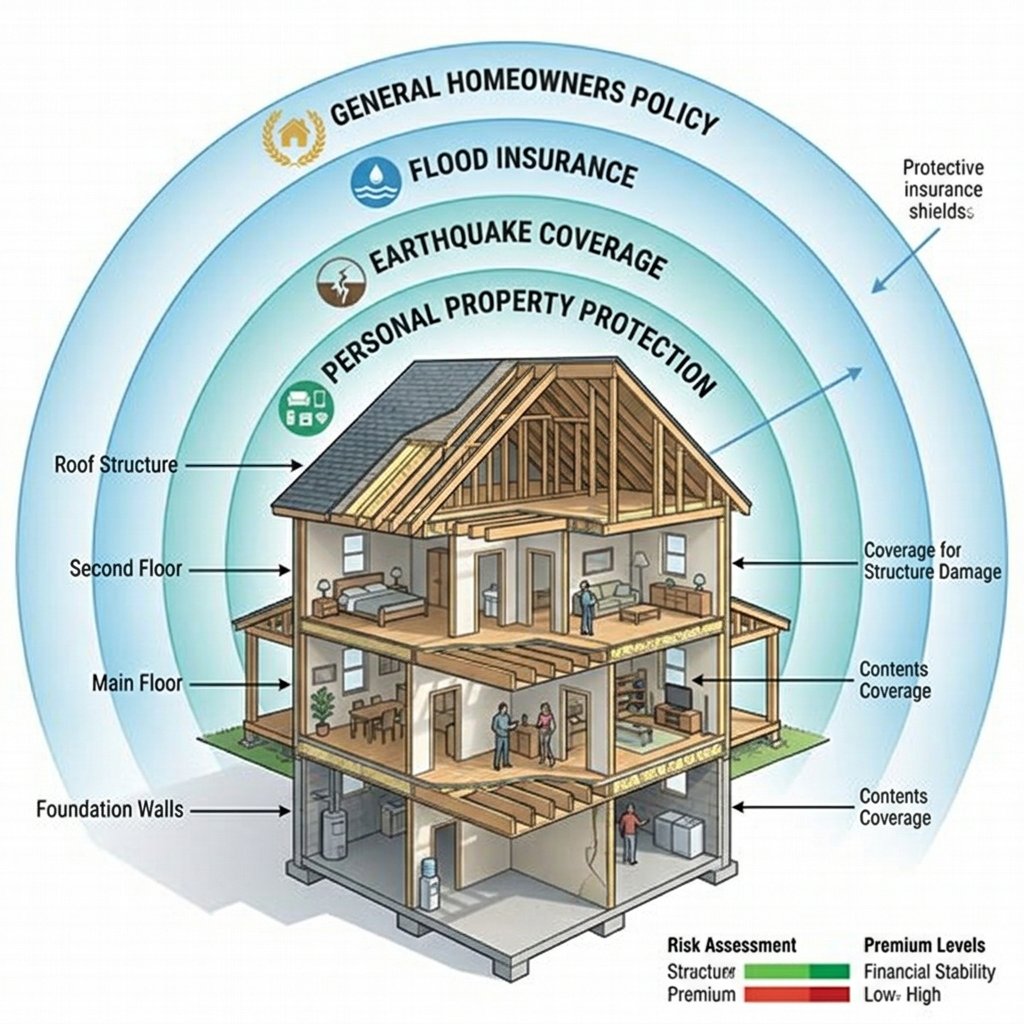
Cross-section of house with labels for roof structure, second floor, main floor, foundation walls, and insurance coverage types including general homeowners policy, flood insurance, earthquake coverage, and personal property protection.
A cross-section of a home illustrating various insurance coverage layers and protections.

Coverages Most Homeowners Should Consider Keeping

Dwelling Coverage

Dwelling coverage protects the structure of your home from covered losses such as fire, wind, hail, and other insured perils.

One of the biggest mistakes homeowners make is underinsuring their property. Construction costs have risen dramatically over the last several years, making it more expensive to rebuild a home after a total loss.

Consider: Reviewing your dwelling limit annually to ensure it reflects current rebuilding costs—not necessarily the market value of your home.

Personal Property Coverage

Furniture, electronics, clothing, appliances, and personal belongings can add up quickly. Many homeowners underestimate the value of their possessions until they experience a major loss.

Consider: Creating a home inventory and verifying that your coverage limits are sufficient.

Liability Coverage

Liability coverage protects you if someone is injured on your property or if you accidentally cause damage to another person’s property.

Medical expenses and lawsuits can quickly become expensive.

Consider: Increasing liability limits to $300,000 or $500,000 if your insurer offers affordable options.

Loss of Use Coverage

If your home becomes uninhabitable due to a covered loss, loss-of-use coverage helps pay for temporary housing and living expenses.

This coverage can be invaluable following major storms, fires, or water damage claims.

Coverages Worth Reviewing

High Deductibles vs. Low Deductibles

Many homeowners carry deductibles established years ago when premiums were much lower.

Increasing your deductible from $500 to $2,500 or even $5,000 could significantly reduce annual premiums.

Trade-Off: You’ll pay more out-of-pocket if a claim occurs.

Personal Property Limits

Some homeowners may be carrying higher limits than necessary if they have downsized or replaced expensive items.

Consider: Reviewing current belongings and adjusting coverage accordingly.

Scheduled Personal Property

Items such as jewelry, collectibles, artwork, firearms, and high-end electronics often require additional endorsements.

If you no longer own these items, removing unnecessary endorsements may reduce premium costs.

Additional Structures Coverage

Coverage for detached garages, sheds, fences, and other structures may be higher than needed if structures have been removed or reduced in value.

A periodic policy review can identify potential savings.

Important Coverages Many Homeowners Overlook

Water Backup Coverage

Standard homeowners policies typically do not cover sewer or drain backup losses.

A relatively inexpensive endorsement can help protect against costly water damage.

Flood Insurance

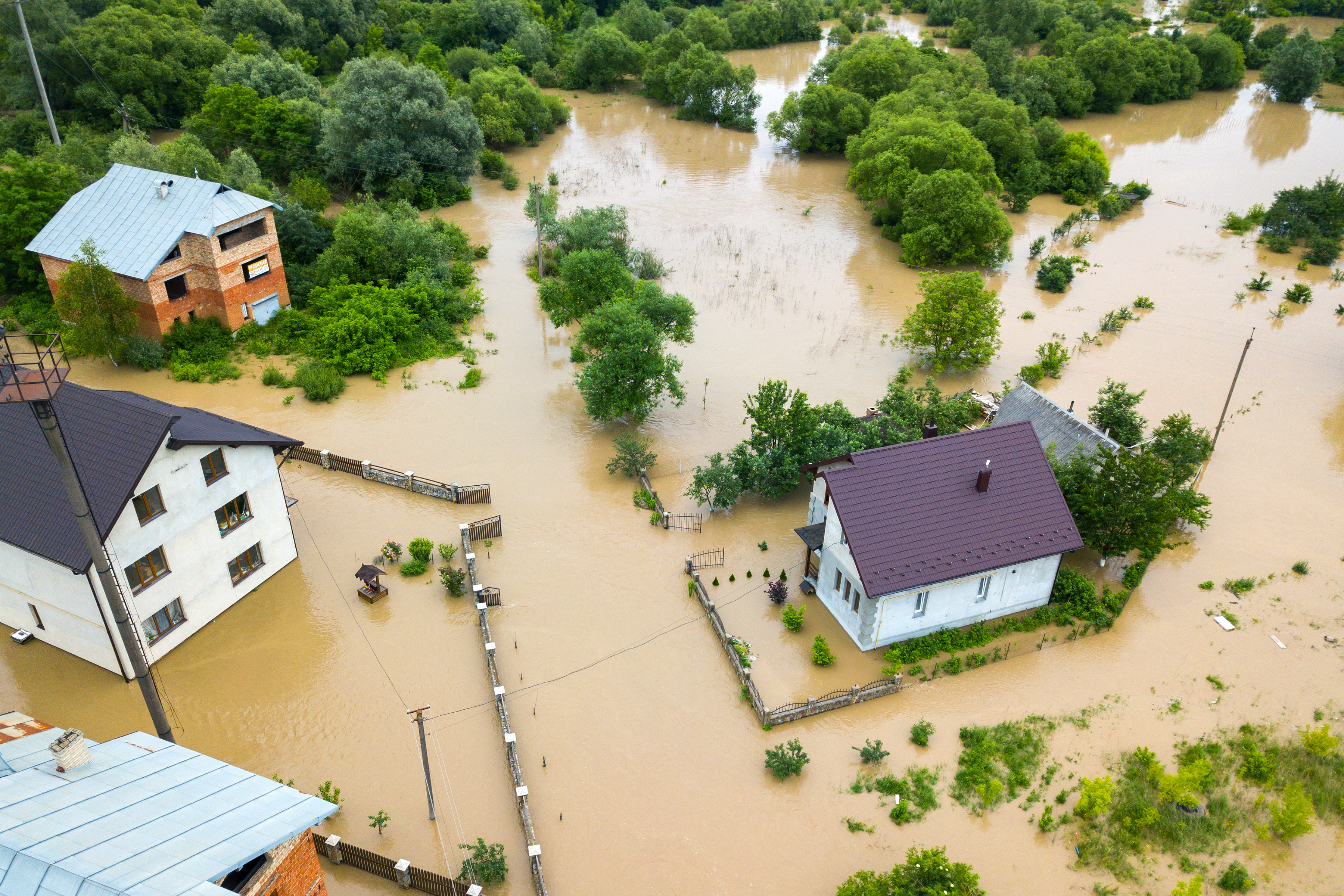
Many homeowners incorrectly assume flood damage is covered under a standard homeowners policy.

In reality, flood losses are generally excluded.

Even homes outside designated flood zones can experience flooding due to heavy rainfall, hurricanes, or drainage issues.

Ordinance or Law Coverage

Building codes change over time. If your home suffers significant damage, you may be required to rebuild portions of it to current code standards.

Ordinance or law coverage helps pay these additional expenses.

Equipment Breakdown Coverage

Many insurers now offer protection for HVAC systems, electrical panels, water heaters, and other major home systems.

This coverage can provide value for homeowners concerned about unexpected repair costs.

When Filing Small Claims May Cost More Than It Saves

A common misconception is that insurance should be used for every loss.

In reality, frequent claims can impact eligibility, renewal options, and future premiums.

For example, filing multiple water damage claims within a few years could make it more difficult to obtain favorable rates in the future.

Homeowners should evaluate whether a smaller loss justifies filing a claim or whether paying out-of-pocket may be the better financial decision.

Miniature house on one side of scale balanced with stacks of coins on the other side.
A scale balancing a miniature house and stacks of coins representing home value.

Final Thoughts

Homeowners insurance should not be viewed as a “set it and forget it” product. As property values, rebuilding costs, and personal circumstances change, coverage needs evolve as well.

A yearly policy review can help identify gaps in protection, uncover potential savings opportunities, and ensure your home remains adequately insured against today’s risks.

The goal is not necessarily to buy the cheapest policy available. Instead, homeowners should focus on balancing affordability with meaningful protection because saving a few dollars today could become extremely costly after a major loss.

Disclosure: This article is for informational purposes only and should not be considered insurance, legal, or financial advice. Coverage availability, exclusions, and policy terms vary by insurer and state. Consult a licensed insurance professional regarding your specific situation.

About the Author:

David Dandaneau is a client relations analyst that covers the insurance and financial services industry. He is known for his insightful analysis and comprehensive coverage of market trends and regulatory developments.

Homeowners Insurance Shock: Why Delaying Home Repairs Could Cost You More Than the Repair Bill

Across the country, homeowners are facing rising insurance premiums as insurance companies respond to increasing claims, inflation, severe weather events, and aging housing stock. While many homeowners focus on shopping for lower rates, one of the most overlooked factors affecting premiums is the condition of the home itself.

Insurance companies are paying closer attention than ever to property maintenance. Advances in aerial imagery, satellite technology, drones, and property inspection software allow insurers to identify potential hazards without ever stepping inside a home.

The result? A roof nearing the end of its life, deteriorating plumbing, outdated electrical systems, or neglected exterior maintenance can lead to premium increases, non-renewal notices, or even cancellation of coverage.

Hand tools including hammers, screwdrivers, wrenches, pliers, and gloves arranged on left side next to broken drywall, bricks, wood, nails, and wires on right side
Neatly arranged hand tools contrast with nearby construction rubble and damaged wall.

Why Maintenance Matters

Insurance is based on risk. The greater the likelihood that a claim will occur, the higher the premium charged to insure that risk.

For example:

  • An aging roof is more likely to leak or sustain storm damage.
  • Old plumbing systems increase the risk of water damage claims.
  • Outdated electrical systems increase fire risk.
  • Dead trees and damaged siding create additional exposure during severe weather events.

From an insurer’s perspective, a well-maintained home represents a lower probability of costly claims.

The Hidden Cost of Deferred Maintenance

Many homeowners postpone repairs to save money. Unfortunately, the long-term costs can be much greater.

Consider a roof that should have been replaced five years ago. Not only may the homeowner face higher premiums, but a future claim could be limited or denied if the damage is determined to result from wear and tear rather than a sudden covered event.

Similarly, a small plumbing leak left unaddressed can eventually lead to thousands of dollars in water damage and mold remediation expenses.

Estimated Repair Costs and Potential Insurance Benefits

The following estimates represent typical costs in today’s market. Actual costs vary based on location, home size, and materials used.

Home ImprovementEstimated CostPotential Insurance Impact
New Roof$12,000 – $30,000Lower premiums and improved eligibility for coverage
Electrical Panel Upgrade$2,000 – $6,000Reduced fire risk may qualify for credits
Whole Home Re-Plumbing$4,000 – $15,000Reduced water damage exposure
Hurricane Impact Windows$10,000 – $30,000Significant wind mitigation discounts in many states
HVAC Replacement$5,000 – $12,000Reduced risk of system-related losses
Water Leak Detection System$500 – $2,500Discounts offered by some insurers
Garage Door Wind Upgrade$1,500 – $5,000Windstorm mitigation credits
Exterior Painting and Siding Repair$3,000 – $15,000Improves insurability and property condition scores
Tree Removal Near Structure$500 – $5,000Reduces storm-related claim risk
Security System Installation$300 – $2,000Potential theft and fire protection discounts

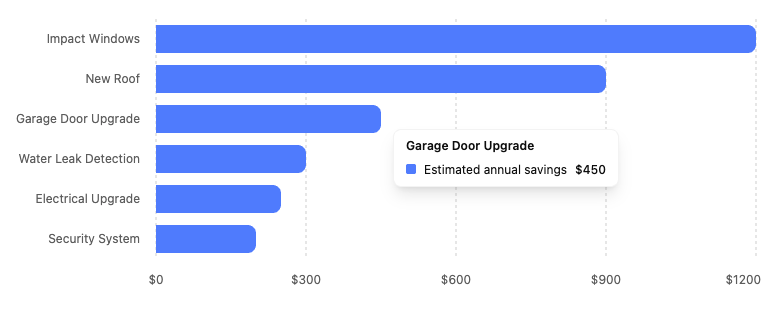
Estimated Annual Premium Savings

While every insurer is different, homeowners may see reductions ranging from modest to substantial depending on the improvement completed.

Potential annual homeowners insurance savings

Illustrative annual savings after major home improvements. Actual savings vary by insurer, location, and home characteristics.

Florida Homeowners Face Unique Challenges

Homeowners in Florida have experienced some of the nation’s largest insurance premium increases in recent years. Windstorm exposure, hurricane losses, litigation costs, and reinsurance expenses have dramatically impacted the market.

For Florida homeowners, improvements such as:

  • New roofs
  • Impact-resistant windows
  • Reinforced garage doors
  • Updated roof-to-wall connections

can often produce meaningful insurance savings through wind mitigation programs while simultaneously strengthening the home against future storms.

The Takeaway

Your home is likely your largest financial asset. Maintaining it properly not only protects its value but can also help keep insurance costs under control.

Before renewing your homeowners insurance policy, consider reviewing the age and condition of major systems throughout your home. A repair that seems expensive today may ultimately save thousands of dollars in future claims, prevent coverage issues, and reduce annual insurance premiums for years to come.

Disclosure: This article is intended for educational purposes only and should not be considered insurance, legal, or financial advice. Insurance eligibility, discounts, and premiums vary by carrier, location, and individual underwriting guidelines.

About the Author:

David Dandaneau is a client relations analyst that covers the insurance and financial services industry. He is known for his insightful analysis and comprehensive coverage of market trends and regulatory developments.
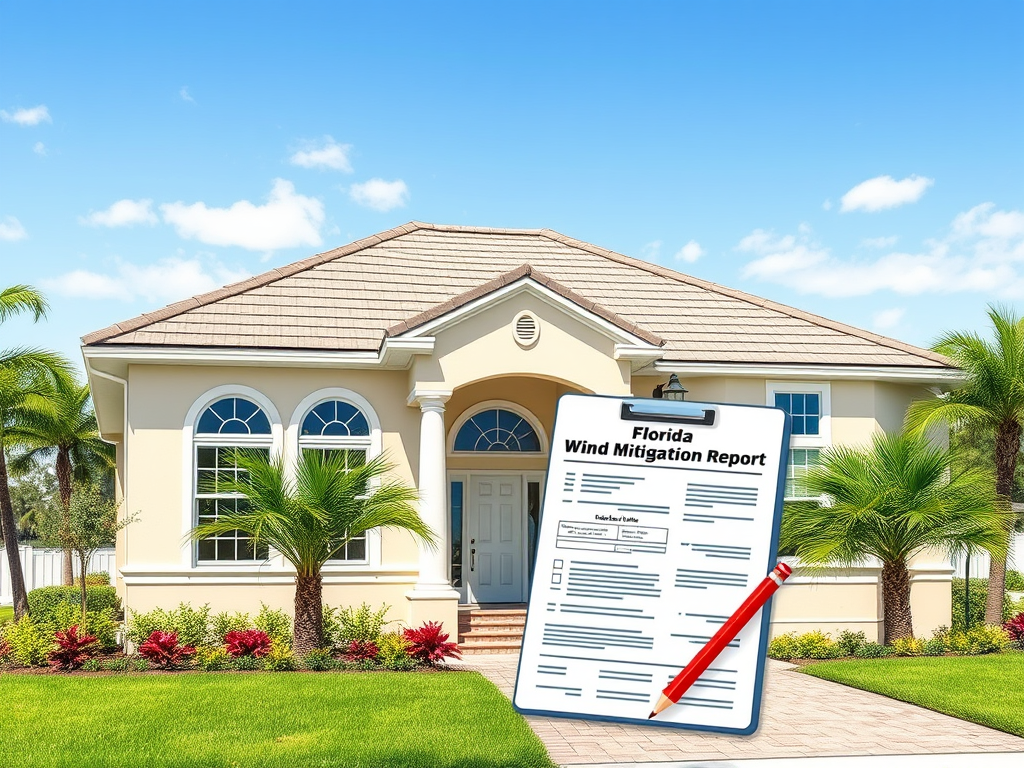
Understanding Florida Wind Mitigation Reports for Homeowners

In Florida’s insurance market, few documents carry as much weight for homeowners as a wind mitigation report. Yet, despite its importance, many policyholders don’t fully understand what it is, when it’s required, or how it impacts their premiums. From my perspective in the insurance industry, this report is not just paperwork… it’s a powerful tool that can directly influence both insurability and cost.

What Is a Wind Mitigation Report?

A wind mitigation report is an inspection that evaluates how well a home can withstand high winds, particularly from hurricanes and severe storms. The inspection focuses on specific structural features that reduce wind damage risk.

Key elements assessed include:

  • Roof shape (hip vs. gable)
  • Roof covering and age
  • Roof deck attachment (nail size and spacing)
  • Roof-to-wall connections (clips, straps, etc.)
  • Secondary water resistance (SWR)
  • Opening protection (impact windows, shutters)

The findings are documented on a standardized form used across Florida, often referred to as the OIR-B1-1802 form.

Why It Matters

Insurance carriers use wind mitigation reports to determine eligibility for credits and discounts. Homes with stronger wind-resistant features present less risk, and that reduced risk is often rewarded with lower premiums.

In some cases, the difference is substantial, homeowners can see premium reductions of hundreds or even thousands of dollars annually depending on the upgrades documented.

When You Need a Wind Mitigation Report

From an underwriting standpoint, there are several common scenarios where a wind mitigation inspection is either required or strongly recommended:

1. New Policy Applications

Many insurance companies request a wind mitigation report before binding coverage, especially for homes over a certain age (often 20+ years). This helps underwriters accurately assess the property’s risk profile upfront.

Example:
A homeowner purchasing a 1998-built home applies for coverage. The carrier requires a wind mitigation report before issuing the policy to verify roof attachment and protection features.

2. Policy Renewals or Re-Underwriting

Carriers may request an updated report during renewal periods, particularly if prior documentation is outdated (typically older than 5 years) or missing.

Example:
An insurer conducts a portfolio review and notices a home insured since 2015 has no current wind mitigation on file. They request a new inspection to maintain eligibility.

3. Roof Replacement or Major Upgrades

Any time significant improvements are made such as a new roof, installation of hurricane shutters, or upgraded roof-to-wall connections, a new report should be completed.

Example:
A homeowner installs impact-resistant windows and replaces their roof. A new wind mitigation report allows the insurer to apply additional credits that weren’t previously available.

4. High-Risk Geographic Areas

Homes located in coastal or wind-borne debris regions are more likely to require a wind mitigation report due to increased exposure to hurricane-force winds.

Example:
A property located in a coastal county applies for coverage. The insurer mandates a wind mitigation inspection to ensure compliance with stricter underwriting guidelines.

5. Older Homes

Homes built prior to modern building codes (pre-2002 in Florida, when stricter codes were implemented) often require inspections to verify whether any upgrades have been made.


When You May NOT Need One

There are situations where a wind mitigation report may not be required:

  • New Construction Homes:
    Homes built under current Florida Building Code standards often already meet wind mitigation criteria. Documentation from the builder may suffice.
  • Recent Prior Inspection:
    If a valid wind mitigation report (typically less than 5 years old) is already on file, a new one may not be necessary.
  • Carrier-Specific Guidelines:
    Some insurers may not require the report for certain low-risk properties or newer homes, though this is becoming less common in Florida.

Industry Insight: Why Carriers Care

From an underwriting lens, wind is one of the most significant drivers of property losses in Florida. A properly completed wind mitigation report gives insurers measurable data to evaluate risk instead of relying on assumptions.

It also creates a more transparent relationship between the homeowner and the insurer rewarding proactive improvements and reducing uncertainty in the event of a claim.

Final Thoughts

A wind mitigation report is one of the few tools available to homeowners that can directly reduce insurance costs while improving property resilience. Whether it’s required or optional in your situation, having one completed, especially after upgrades is often a financially sound decision.

In today’s evolving insurance environment, understanding and leveraging this report isn’t just beneficial… it’s essential.

About the Author:

David Dandaneau is a client relations analyst that covers the insurance and financial services industry. He is known for his insightful analysis and comprehensive coverage of market trends and regulatory developments.

Understanding Flood Insurance: What Homeowners Need to Know

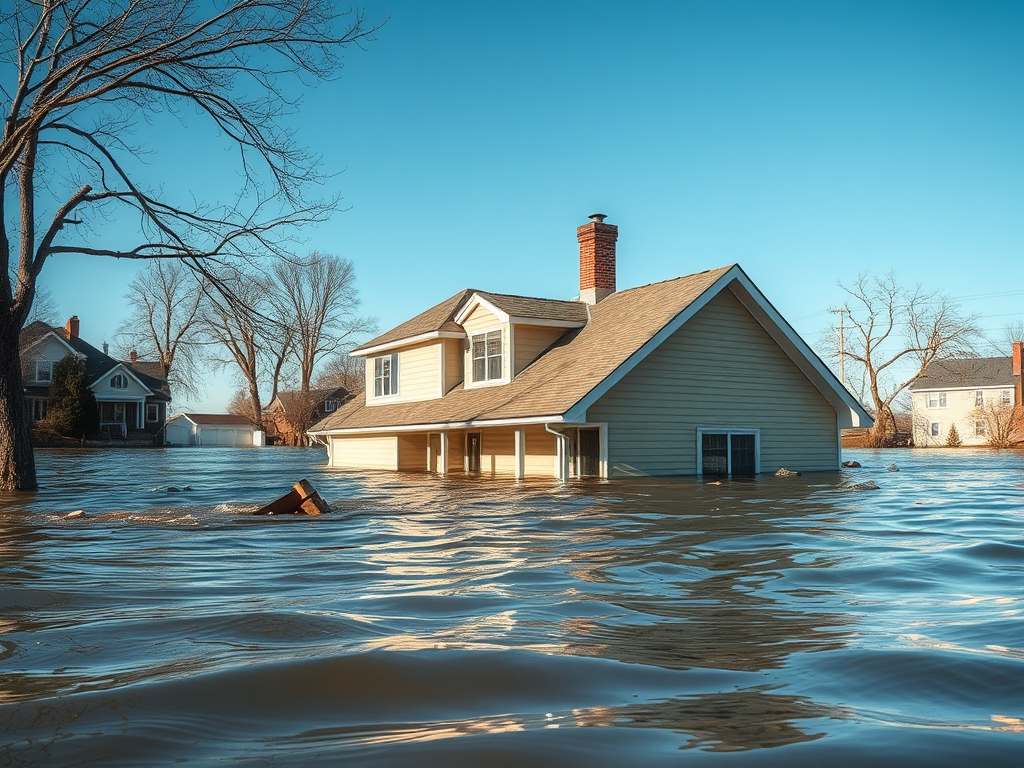
Flooding is the most common and costly natural disaster in the United States, yet millions of homeowners remain uninsured for flood damage. Standard homeowners insurance policies typically do not cover flood losses, leaving property owners vulnerable to potentially devastating financial consequences. Understanding why flood insurance exists, when it is required, and how federal programs help manage risk is essential for homeowners and property investors alike.

Flooding: A Risk Many Homeowners Underestimate

Floods can occur almost anywhere. Heavy rainfall, storm surge, overflowing rivers, blocked drainage systems, and even rapid snowmelt can lead to flooding. According to the Federal Emergency Management Agency (FEMA), more than 20% of flood insurance claims come from properties located outside of high-risk flood zones, highlighting that flood risk is not limited to coastal or riverfront communities.

The financial damage from flooding can escalate quickly. FEMA estimates that just one inch of water in a home can cause approximately $25,000 in damage. Repairing flooring, drywall, electrical systems, furniture, and appliances often costs far more than many homeowners expect.


Why Standard Homeowners Insurance Doesn’t Cover Flooding

Most homeowners carry policies designed to cover risks like fire, theft, and wind damage. However, flood damage is specifically excluded because it is considered a catastrophic and widespread event that could produce extremely high losses across large geographic areas simultaneously.

To manage this risk, flood coverage is typically purchased separately through programs backed by the federal government.

The largest provider of flood insurance in the United States is the National Flood Insurance Program (NFIP), which is administered by FEMA.


When Your Mortgage Company Requires Flood Insurance

Mortgage lenders are required by federal law to ensure flood insurance coverage on properties located in designated high-risk flood zones.

Flood zones are determined using maps created by FEMA known as Flood Insurance Rate Maps (FIRMs). These maps identify areas with varying levels of flood risk.

Properties located in Special Flood Hazard Areas (SFHAs) often labeled Zone A or Zone V on FEMA maps typically require flood insurance if the home has a federally backed mortgage.

If a homeowner fails to secure the required coverage, lenders may purchase insurance on the homeowner’s behalf through a process called force-placed flood insurance. This coverage is often more expensive and offers less flexibility than a policy purchased directly by the homeowner.


FEMA’s Role in Flood Insurance

The Federal Emergency Management Agency (FEMA) plays several key roles in the flood insurance ecosystem:

  1. Administers the National Flood Insurance Program
  2. Creates and updates flood maps used by lenders and insurers
  3. Provides disaster assistance after major flood events
  4. Promotes floodplain management standards to reduce future damage

Through the NFIP, FEMA partners with private insurance companies to sell and service policies, making flood insurance more widely accessible across the country.

However, it’s important to note that federal disaster assistance is not a substitute for insurance. FEMA aid after disasters often comes in the form of low-interest loans or limited grants and typically does not fully cover rebuilding costs.


What Flood Insurance Typically Covers

NFIP flood policies generally include two primary types of coverage:

Building Coverage

  • Structure of the home
  • Electrical and plumbing systems
  • HVAC systems
  • Water heaters
  • Permanently installed carpeting and cabinets
  • Detached garages (limited)

Contents Coverage

  • Furniture
  • Clothing
  • Electronics
  • Portable appliances

Maximum coverage limits under the NFIP currently include:

  • $250,000 for residential structures
  • $100,000 for personal property

Some private insurers also offer excess flood insurance for homeowners needing higher coverage limits.


Typical Cost of Flood Insurance

Flood insurance premiums vary widely depending on several factors:

  • Property elevation
  • Flood zone designation
  • Age and construction of the home
  • Coverage limits selected
  • Deductible chosen

Average costs nationwide fall roughly within these ranges:

Risk LevelTypical Annual Premium
Low-to-moderate risk areas$300 – $700
Moderate risk areas$700 – $1,200
High-risk flood zones$1,200 – $3,500+

Recent FEMA pricing updates under the NFIP’s Risk Rating 2.0 system now use more sophisticated modeling to determine premiums, including distance to water sources, rebuilding costs, and historical flood data.


Why Some Homeowners Choose Not to Carry Flood Insurance

Despite the risks, some homeowners opt not to purchase flood coverage. Common reasons include:

  • The property lies outside a high-risk flood zone
  • The homeowner does not have a mortgage requiring coverage
  • Premium costs are considered too high
  • The homeowner believes the flood risk is minimal

However, flooding can occur in unexpected locations, particularly as weather patterns shift and development alters natural drainage patterns.

The Bottom Line

Flood insurance represents a critical but often overlooked component of financial protection for homeowners. While it may not be required for every property, the relatively small annual cost can prevent massive financial losses in the event of a flood.

Whether coverage is required by a lender or chosen voluntarily, understanding flood risk and the protections available through programs like FEMA’s National Flood Insurance Program allows homeowners to make informed decisions about protecting their property and financial future.

About the Author:

David Dandaneau is a client relations analyst that covers the insurance and financial services industry. He is known for his insightful analysis and comprehensive coverage of market trends and regulatory developments.
Understanding the Impact of Missing Debt Payments

I’ve been paying close attention to a troubling trend in recent consumer data: more Americans now expect they may miss a debt payment in the months ahead. This isn’t just a headline meant to scare people it reflects real financial pressure building beneath the surface of the economy. Rising living costs, elevated interest rates, and depleted savings are colliding at the same time, and many households are starting to feel the strain.

What concerns me most isn’t just the missed payment itself, but what follows because the impact on your credit score can be swift, severe, and long-lasting.

Why So Many People Are Falling Behind

From what I see, this wave of financial stress is not driven by reckless spending alone. In many cases, people are doing “everything right” and still struggling. Inflation has pushed essentials like food, insurance, rent, and utilities higher. Credit card interest rates are hovering near record highs. Student loan payments have resumed. Emergency savings that once provided a cushion have been drawn down.

When budgets tighten, something eventually gives. For many Americans, that breaking point is a credit card, auto loan, or personal loan payment.

What Happens the Moment You Miss a Payment

Here’s the part many people underestimate: your credit score doesn’t wait patiently for you to catch up.

If a payment is less than 30 days late, your lender may charge a late fee, but it typically won’t be reported to the credit bureaus. Once you cross the 30-day late mark, the damage begins.

A single 30-day late payment can drop a good credit score by 60 to 100 points or more. The higher your score to begin with, the harder the fall. And it doesn’t stop there.

  • 60 days late: Additional score damage and higher risk classification
  • 90 days late: Severe credit harm; lenders view this as serious delinquency
  • 120+ days late: Accounts may be sent to collections or charged off

Each missed milestone compounds the problem.

How Long That Damage Sticks With You

One of the hardest truths I have to explain to people is this: a missed payment doesn’t disappear quickly.

Late payments can remain on your credit report for up to seven years. While their impact fades over time, the first two years are particularly damaging especially if you’re applying for a mortgage, auto loan, or even insurance.

Yes, you can rebuild. But rebuilding takes discipline, consistency, and patience. There are no shortcuts.

The Hidden Costs Beyond Your Credit Score

The credit score drop is only part of the story. Missed payments often trigger a cascade of financial consequences:

  • Higher interest rates on future loans
  • Reduced credit limits or closed accounts
  • Difficulty renting an apartment
  • Higher insurance premiums in some states
  • Increased stress and reduced financial flexibility

In other words, one missed payment can quietly make everything else more expensive.

What I Believe Matters Most Right Now

If there’s one takeaway I want people to understand, it’s this: communication beats silence.

If you believe you may miss a payment, contact your lender before it happens. Many lenders offer hardship programs, temporary payment deferrals, or modified payment plans but those options are far more accessible before your account becomes delinquent.

I also believe this moment calls for honesty with ourselves. If debt payments are becoming unmanageable, that’s not a moral failure. It’s a signal. And signals are meant to be acted on, not ignored.

The Bottom Line

More Americans expecting to miss debt payments is a warning sign not just for the economy, but for individual households. Credit scores are unforgiving, and missed payments can linger far longer than the financial hardship that caused them.

From my perspective, protecting your credit during uncertain times isn’t about perfection. It’s about awareness, early action, and making deliberate choices before the damage is done.

Your credit score is not just a number. It’s leverage. And in times like these, leverage matters more than ever.

🏡 What You Need to Know About Law & Ordinance Coverage—and Why It Matters More Than Ever

When most homeowners think about their insurance policies, they focus on the obvious: fire, theft, storms, and liability. But there’s a lesser-known protection that can make or break your financial recovery after a disaster—Law and Ordinance Coverage, sometimes referred to as “Building Code Coverage.”

And in 2025, with stricter building codes nationwide and rising construction costs, this coverage has never been more important.


What Is Law & Ordinance Coverage?

Law and Ordinance coverage is a component of your homeowners insurance that helps cover the additional costs required to rebuild or repair your home according to current building codes after a covered loss.

Many homes—especially those built 10, 20, or 50 years ago—no longer meet today’s safety and construction standards. If a fire, storm, or other covered event damages your home, local regulations may require you to upgrade wiring, plumbing, insulation, roofing systems, or structural components.

Without Law & Ordinance coverage, those upgrades come straight out of your pocket.


Three Key Parts of Law & Ordinance Coverage

Most policies break this coverage into three categories:

1. Coverage A: Loss to the Undamaged Portion of the Home

If 40% of your home is destroyed but local law requires the entire house to be rebuilt to meet current code, this coverage pays for the undamaged portion.

2. Coverage B: Demolition Costs

Bringing a damaged structure down safely isn’t cheap. Demolition, debris removal, and hauling away materials can be surprisingly costly.

3. Coverage C: Increased Cost of Construction

This covers the code-required upgrades—such as new electrical systems, energy-efficient windows, reinforced roofing, or accessibility requirements—that weren’t part of your original home.


Why It Matters in 2025

✔️ Building Codes Change Constantly

Many communities have tightened codes after severe weather events, wildfires, and structural failures. Even small repairs often trigger mandatory upgrades.

✔️ Construction Costs Continue Rising

The price of materials and skilled labor remains elevated. Code upgrades can add tens of thousands of dollars to a reconstruction project.

✔️ Older Homes Are Especially at Risk

Homes built before 2000 often lack modern safety requirements, meaning mandatory upgrades are more likely after a partial loss.

✔️ It Can Protect Your Savings and Prevent Delays

Without Law & Ordinance coverage, homeowners often face unexpected out-of-pocket expenses that can stall rebuilding and extend displacement.


Real-World Example

A kitchen fire damages 30% of a 1980s home. The city requires:

  • New electrical wiring throughout the entire house
  • Upgraded insulation
  • A modern HVAC system with energy efficiency standards

Only the portion of the home physically damaged by fire is covered by standard insurance. All code-required upgrades to undamaged areas are not — unless you have Law & Ordinance coverage.

The homeowner could face up to $40,000–$75,000 in uncovered expenses.


How Much Coverage Should You Carry?

Insurers typically offer Law & Ordinance limits as a percentage of the dwelling amount, commonly:

  • 10%
  • 25%
  • 50%
  • 100% (offered in some states)

For older homes or areas with aggressive code enforcement, higher limits may provide critical protection.


A Small Coverage That Makes a Big Difference

You can’t control when disaster strikes, but you can protect yourself from the financial shock that comes with rebuilding to today’s standards. Law and Ordinance coverage ensures your home can be rebuilt safely—and legally—without draining your savings or delaying your recovery.

If you haven’t reviewed your homeowners policy lately, now is the time to check your limits and make sure this essential coverage is in place.

About the Author:

David Dandaneau is a client relations analyst that covers the insurance and financial services industry. He is known for his insightful analysis and comprehensive coverage of market trends and regulatory developments.
Why Accurate Home Valuation Matters in Insurance

When it comes to homeowners insurance, accuracy is everything. One of the most critical tools used to protect your biggest investment is the Replacement Cost Estimator (RCE)—a system that helps determine how much it would actually cost to rebuild your home from the ground up after a covered loss. Unfortunately, many homeowners underestimate their home’s true value, leading to painful surprises when disaster strikes.

The RCE takes into account today’s construction costs, materials, labor, and local building codes to calculate an accurate rebuilding cost—not the market price of your home. With inflation in construction and fluctuating material prices, relying on outdated or ballpark figures can leave you dangerously underinsured. If your policy doesn’t reflect your home’s current replacement cost, you could end up paying tens—or even hundreds—of thousands—out of pocket after a total loss.

It’s not just the structure that matters. Personal property coverage—the protection for your belongings like furniture, electronics, and clothing—should also reflect their true replacement value. Too often, people underestimate what it would take to replace everything they own. And don’t overlook loss of use coverage, which helps pay for temporary housing and living expenses if your home becomes uninhabitable. Skimping on this area could make a tough situation even harder if you’re displaced for months during repairs.

The bottom line: an accurate RCE ensures your dwelling, personal property, and loss of use coverages keep pace with reality. Take time to review your policy annually, ask your agent to update your RCE, and avoid the false comfort of being “covered” for less than what you’d actually need. When life’s unexpected moments happen, being properly insured is what helps you rebuild—not just your home, but your peace of mind.

About the Author:

David Dandaneau is a client relations analyst that covers the insurance and financial services industry. He is known for his insightful analysis and comprehensive coverage of market trends and regulatory developments.

Mortgage vs. Cash: Best Strategy for Retirees

As retirement approaches, one of the biggest financial questions homeowners face is whether to pay off their mortgage early or hold on to the cash for flexibility and investments. Both paths have strong arguments, and the right choice often depends on your personal goals, financial stability, and tolerance for risk.


🔹 The Case for Paying Off Your Mortgage

1. Peace of Mind and Lower Expenses
Eliminating your mortgage before retirement means you’ll enter your golden years without one of your biggest monthly bills. This can bring enormous peace of mind—especially for retirees living on a fixed income. Without a mortgage, your monthly expenses drop dramatically, making it easier to stretch your retirement savings further.

2. Guaranteed Return on Investment
Paying off your mortgage is like earning a “risk-free” return equal to your interest rate. For example, if your mortgage rate is 6%, you’re effectively earning a guaranteed 6% return by eliminating that debt—a tough benchmark for low-risk investments to match.

3. Emotional and Financial Freedom
Many homeowners simply like the feeling of owning their home outright. It provides a sense of security knowing that, no matter what happens to the market or the economy, you have a paid-off place to live.


🔸 The Case for Keeping the Mortgage and Saving the Cash

1. Liquidity and Flexibility
Once you pay off your mortgage, that cash is locked into your home’s equity. While you can access it through a home equity line or reverse mortgage, those options can be costly or hard to qualify for in retirement. Keeping cash in savings or investments gives you flexibility for emergencies, healthcare costs, or opportunities.

2. Potential for Higher Returns
If your mortgage rate is relatively low—say, under 4%—you might earn more by investing your money instead of paying off the loan. Historically, diversified portfolios have returned more than typical mortgage rates over the long term, allowing your wealth to grow faster while you continue making manageable payments.

3. Tax and Inflation Advantages
For some retirees, mortgage interest may still be tax-deductible, reducing overall borrowing costs. Additionally, with inflation, the real value of your fixed mortgage payments decreases over time—meaning you’re repaying the loan with “cheaper” dollars in the future.


⚖️ Finding the Right Balance

Many experts suggest a hybrid strategy:

  • Pay down your mortgage enough to feel comfortable with the lower balance and payments.
  • Keep a healthy cash reserve or investment portfolio for flexibility.

Ultimately, the best choice depends on your individual circumstances—your mortgage rate, your savings, your risk tolerance, and how much you value financial security versus potential growth.


🧭 Final Thought

There’s no one-size-fits-all answer. The “right” move is the one that helps you sleep well at night, knowing your finances are positioned to support your lifestyle and goals. Whether that means living debt-free or keeping your investments working, it’s about creating a retirement plan that gives you confidence, comfort, and control.

Essential Guide to Homeowners Liability Coverage

When it comes to homeowners insurance, most people focus on protecting their property from fire, theft, or storm damage. But one of the most overlooked—and most important—aspects of your policy is liability coverage. This protection kicks in when someone is injured on your property or if you accidentally cause damage to someone else’s property. And if you’re hiring contractors to work on your home, ensuring they’re properly insured could save you from financial disaster.

Understanding Liability Limits

Every homeowners insurance policy includes personal liability coverage, typically starting around $100,000 but often ranging up to $500,000 or more. This coverage helps pay for medical bills, legal fees, and settlements if you’re found responsible for an injury or property damage.

For example, if a guest slips on your icy driveway or a tree from your yard damages your neighbor’s fence, your liability coverage helps cover those costs. But here’s the catch—if damages exceed your policy limit, you’re personally responsible for the rest.

That’s why many insurance professionals recommend reviewing your limits regularly and considering an umbrella policy for extra protection. An umbrella policy can provide an additional $1 million or more in liability coverage for a relatively small cost each year.

The Hidden Risk of Uninsured Contractors

Home improvement projects often involve hiring outside help—roofers, electricians, painters, or landscapers. But before you hand over the keys or cut that first check, it’s critical to make sure any contractor working on your property carries their own liability and workers’ compensation insurance.

If a contractor is uninsured and one of their workers gets hurt on your property, you could be held liable for medical expenses, lost wages, or even lawsuits. Similarly, if they accidentally damage your home or a neighbor’s property, and they’re not covered, your own insurance might have to step in—potentially driving up your premiums or leaving you with out-of-pocket costs.

Protecting Yourself and Your Investment

Your homeowners insurance does more than protect your house—it protects your financial future. By maintaining sufficient liability limits and ensuring contractors are properly insured, you can avoid costly surprises if something goes wrong. A few minutes of due diligence today can save you thousands—and a lot of stress—tomorrow.

About the Author:

David Dandaneau is a client relations analyst that covers the insurance and financial services industry. He is known for his insightful analysis and comprehensive coverage of market trends and regulatory developments.

Using Home Equity to Pay Off Debt or Improve Your Home — What You Need to Know Before You Borrow

For many homeowners, rising home values have created an opportunity to tap into their property’s equity — the difference between what you owe on your mortgage and what your home is worth. Using home equity can be a smart financial move, especially if you’re looking to pay off high-interest debt or fund major home improvements. But it’s not without risk.

Turning Equity Into Opportunity

Home equity loans and home equity lines of credit (HELOCs) allow you to borrow against the value of your home, often at lower interest rates than credit cards or personal loans. This can make them an appealing tool for consolidating high-interest debt, such as credit card balances that can quickly spiral out of control.

For example, replacing 25% interest credit card debt with a 7% home equity loan can save thousands in interest payments. Others use their home’s equity to finance renovations that can increase property value — like updating kitchens, adding energy-efficient systems, or finishing basements.

Understanding the Risks

While the benefits are clear, borrowing against your home’s equity comes with significant responsibilities. If you can’t make payments, you risk losing your home through foreclosure.

Home equity loans also increase your overall debt load, and if home prices fall, you could owe more than your property is worth — a situation known as being “underwater.” It’s also easy to fall into a debt cycle: paying off high-interest credit cards with a home loan only to run up balances again.

When It Makes Sense — and When It Doesn’t

Experts suggest using home equity strategically — for investments that add long-term value, like home improvements or education, not for short-term expenses or vacations. If you’re consolidating debt, make sure to address the spending habits that created it in the first place.

Before borrowing, compare rates, fees, and terms from multiple lenders, and consider talking to a financial advisor.

Key Takeaway

Home equity can be a valuable financial tool when used wisely — but it’s not “free money.” Every dollar you borrow is secured by the roof over your head. The best strategy is to borrow with purpose, have a clear repayment plan, and ensure the benefits outweigh the long-term costs.