The Economic Benefits of Property Transformation Projects

November 2, 2024 – As cities grow and populations shift, an exciting trend is emerging in the real estate market: property transformations. Homeowners, investors, and architects are working together to breathe new life into older buildings, turning underutilized spaces into functional and appealing properties that fit modern needs.

The Rise of Adaptive Reuse and Sustainable Remodeling
As more people seek eco-friendly lifestyles, adaptive reuse—repurposing old structures rather than building from scratch—has gained popularity. By converting old factories, warehouses, and historic buildings into homes, offices, or co-working spaces, property transformations not only retain the character of communities but also reduce the environmental impact of construction.

“Adaptive reuse is one of the most sustainable approaches to property development,” said architect Laura Mendoza, who has led several transformation projects in New York City. “It allows us to cut down on materials while creating something functional and unique.”

This trend also extends to smaller, residential projects. Homeowners are turning unused attics, basements, and even garages into additional living spaces. With the right design, these spaces can be transformed into home offices, rental units, or cozy retreats that add both value and versatility to properties.

The Economic Impact of Property Transformations
For urban and suburban areas facing housing shortages, transforming existing properties has proven to be an efficient way to meet demand without urban sprawl. Municipalities, in turn, benefit from an increased tax base and revitalized neighborhoods.

“Property transformation is a win-win for both developers and the community,” says Jordan Lee, a real estate developer in Seattle. “It allows us to create affordable, high-quality spaces without needing to clear new land, which can be a lengthy and costly process.”

In some cases, transformation projects have stimulated local economies, attracting new residents and businesses. For instance, the renovation of old industrial districts in places like Detroit has led to a wave of new businesses, boosting local economies and creating jobs.

Trends in Property Transformations: What to Expect
While repurposing old buildings and creating versatile living spaces remains a core aspect of property transformations, several other trends are influencing the market:

Mixed-Use Spaces: Property owners are designing buildings that offer residential, commercial, and recreational spaces under one roof, creating a vibrant community hub.
Smart Renovations: Incorporating smart technology, from energy-efficient appliances to security systems, is becoming a priority in transformed properties.
Art and Design Integration: Many transformations now incorporate art and design elements from the building’s original history. This can include restoring architectural details or featuring art pieces that reflect the area’s cultural background.


Challenges in Property Transformations
While property transformations offer exciting possibilities, they also come with challenges. Renovating old buildings can require careful planning and creativity to meet modern building codes. Additionally, costs can quickly escalate if unexpected structural issues arise.

“Finding a balance between preserving historical integrity and meeting contemporary standards is challenging,” Mendoza noted. “But when done right, the results are truly remarkable.”

The Future of Property Transformations
As cities continue to adapt to population growth, climate change, and evolving community needs, property transformations will likely remain a cornerstone of urban development. With both economic and environmental benefits, it’s a trend that has redefined how people live, work, and interact within urban spaces.

As more communities embrace these innovative solutions, property transformations are not only preserving the past but also building a sustainable, interconnected future.

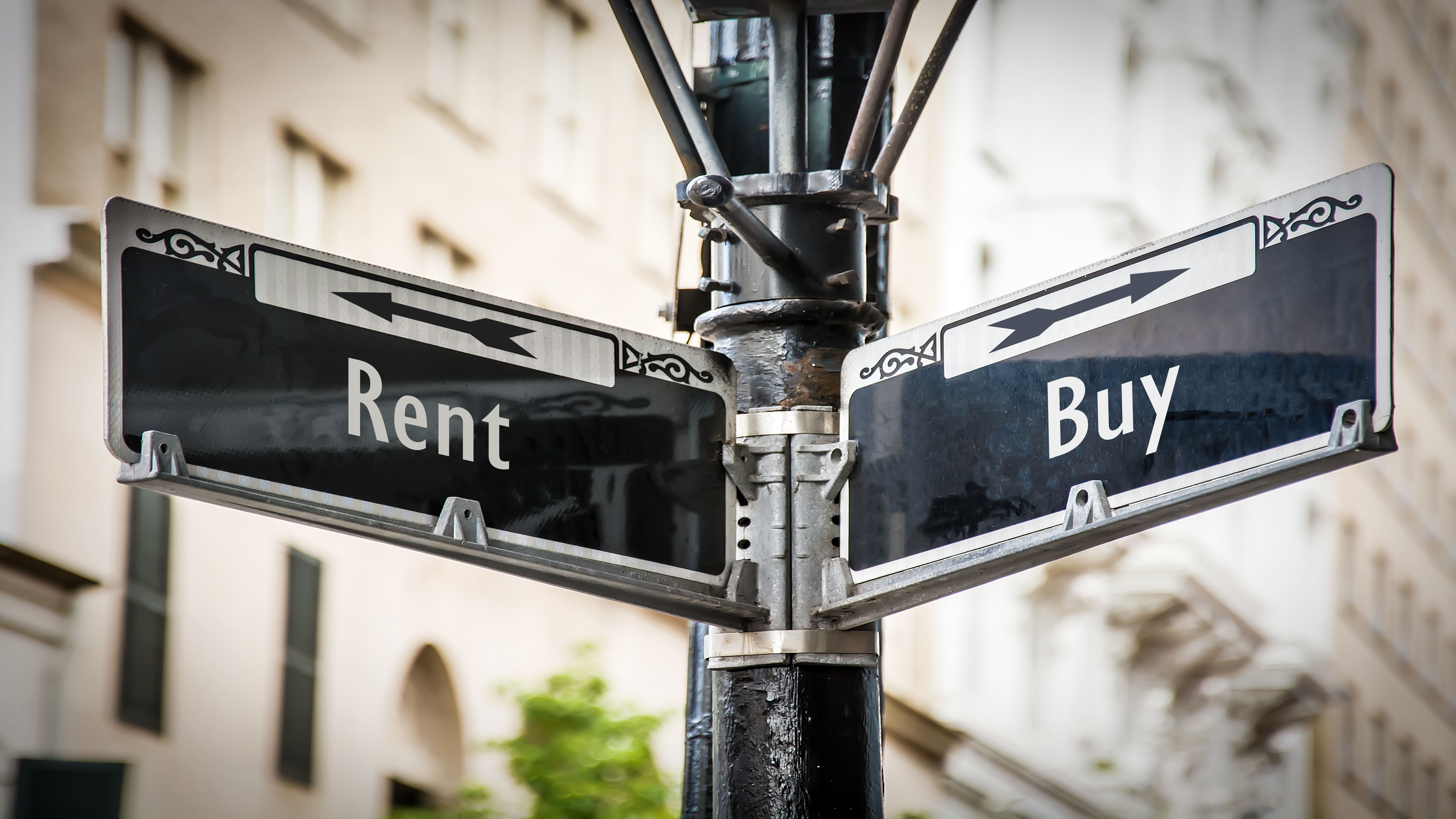
Pros and Cons of Renting vs. Owning in Retirement

As retirement approaches, many individuals face a critical decision about where and how they’ll live: should they continue owning a home or switch to renting? Both options offer advantages and challenges, and the right choice depends on personal financial circumstances, lifestyle preferences, and long-term goals.

The Case for Owning a Home
Owning a home has long been considered a key pillar of financial security, especially in retirement. For those who own their home outright, this can mean living without the burden of monthly mortgage payments and the ability to build equity over time. Here are a few reasons why many retirees choose to own:

Stability and Predictability: Owning a home provides stability and protection from rising rents, which can be especially valuable on a fixed income. Property taxes, insurance, and maintenance costs may fluctuate, but they’re often more predictable than rent increases.

Equity and Investment Potential: For those who have paid off their mortgage, a home is a valuable asset. It can be sold or leveraged as equity for a reverse mortgage, providing financial flexibility. Additionally, property values may appreciate over time, offering the potential for profit if the home is eventually sold.

Freedom and Personalization: Homeowners have the freedom to modify their living space without landlord restrictions. They can make accessibility modifications, renovate, or create the perfect environment for their retirement lifestyle.

However, owning a home also comes with responsibilities. Property taxes, maintenance, and repairs can be costly and time-consuming. For retirees who want a more carefree lifestyle, these ongoing expenses and duties may be burdensome.

The Benefits of Renting in Retirement
Renting offers a different set of advantages that can appeal to retirees looking for flexibility and less financial commitment. Here’s why renting may be the preferred option for some:

Flexibility and Mobility: Renting allows retirees to move easily without the complications of selling a home. For those who want to spend their retirement traveling, downsizing, or relocating to be closer to family or better weather, renting offers the freedom to do so without the constraints of homeownership.

Reduced Maintenance Responsibilities: With renting, landlords typically handle property upkeep and repairs, relieving retirees from the hassle and expense of home maintenance. This can be particularly appealing for those who want to avoid physical labor or unpredictable repair costs.

Access to Amenities: Many rental communities cater to retirees, offering amenities like pools, fitness centers, social activities, and transportation services. These can enhance quality of life without the added cost or responsibility of owning such amenities.

However, renting also has its downsides. Renters may face annual rent increases, which can strain a fixed income, and there is no opportunity to build equity or benefit from property value appreciation. Additionally, renters are subject to the rules and restrictions set by landlords, which may limit personalization or changes to the living space.

Financial Considerations
The financial aspect of renting versus owning is often the deciding factor for many retirees. For those with a paid-off home, staying put can be more cost-effective. However, for retirees who still carry a mortgage or have high property taxes, selling and renting might free up capital and reduce monthly expenses.

It’s also important to consider healthcare needs and long-term planning. Renting may be beneficial for those who anticipate needing assisted living or other senior services that are often available in rental communities.

Making the Right Choice
There is no one-size-fits-all answer when it comes to deciding between renting and owning in retirement. It’s essential for retirees to evaluate their financial situation, health, and lifestyle preferences. Consulting with a financial advisor or retirement planner can provide clarity and help make an informed decision.

Whether choosing to rent or own, the key is to ensure that the living arrangement aligns with one’s financial stability, comfort, and long-term happiness in retirement.

About the Author:

David Dandaneau is a insurance agent that covers the insurance and financial services industry. He is known for his insightful analysis and comprehensive coverage of market trends and regulatory developments.

Picking Up the Pieces After a Storm: What to Do and What Not to Do

In the aftermath of a severe storm, communities often face a daunting cleanup process. From fallen trees to damaged homes, the path to recovery can be overwhelming. Knowing what steps to take—and which to avoid—can make all the difference in getting back on your feet safely and efficiently.

What to Do: Essential Steps for Storm Recovery
Prioritize Safety First Before you begin any cleanup efforts, make sure it’s safe to do so. Stay informed by tuning in to local weather reports for updates. Watch out for hazards like downed power lines, damaged gas lines, and unstable structures. If you encounter any dangerous situations, avoid them and report them to emergency services immediately.

Document Damage for Insurance Purposes Take photos and videos of any damage to your property before starting the cleanup. This documentation is crucial for filing insurance claims. Make sure to capture the condition of your home, vehicles, and other valuable possessions. Contact your insurance agent as soon as possible to begin the claims process.

Use Proper Safety Gear If you plan to assist with the cleanup, wear the appropriate safety gear, such as gloves, sturdy boots, and protective eyewear. A hard hat is recommended if there are potential falling debris hazards. Wearing a mask is also advised, especially if there is dust or mold present.

Dispose of Debris Properly Follow local guidelines for debris disposal. Many communities set up special collection sites or organize pickup services after a major storm. Ensure that you separate hazardous materials like chemicals, electronics, or sharp objects, which may require special disposal methods.

Seek Professional Help When Necessary For significant damage, such as roof repairs, electrical issues, or structural concerns, hire licensed professionals. Attempting complex repairs without proper skills can be dangerous. Certified contractors can ensure that repairs meet safety standards and prevent further damage.

What Not to Do: Avoiding Common Mistakes
Don’t Enter Flooded Areas Even after the storm has passed, flooded areas can pose significant risks. Floodwaters may contain contaminants, sharp debris, or concealed electrical currents. Avoid entering these areas, and wait for authorities to declare them safe before proceeding.

Don’t Delay Filing Insurance Claims The sooner you file a claim, the faster you can access the resources you need for repairs and recovery. Procrastinating can lead to delays, especially when insurance companies experience high volumes of claims. Make contacting your insurance company a priority once it is safe to do so.

Don’t Use Damaged Appliances Flood-damaged or wet appliances can be hazardous. Before using any electrical device, have it inspected by a professional to avoid the risk of shock or fire. Unplug and avoid using anything that may have been exposed to water until it is cleared for use.

Don’t Attempt Major Repairs on Your Own While it may be tempting to save money by repairing structural damage yourself, doing so can be risky. Improper fixes can lead to further damage and put you and your family in danger. Always consult with licensed contractors or repair services for any major work.

Don’t Overexert Yourself During Cleanup Storm cleanup is physically demanding, and it’s easy to push your body too hard. Take breaks, stay hydrated, and ask for help when needed. Avoid lifting heavy objects alone, as this can lead to injuries. Pace yourself, and remember that recovery is a marathon, not a sprint.

Moving Forward with Caution
Picking up the pieces after a storm can be a long and stressful process, but staying organized and following these guidelines can make it safer and more manageable. By prioritizing safety, documenting damage, and seeking professional help when necessary, you can ensure a smoother path to recovery for you and your community.