Rising Homeowners Insurance Costs: What You Need to Know

Rising Costs Are Changing the Homeowners Insurance Conversation

Homeowners are facing some of the highest insurance premiums in decades for homeowner’s insurance. Inflation, severe weather events, increased construction costs, and rising litigation expenses have forced many insurers to reevaluate their risk exposure. In states such as Florida, Texas, California, and Louisiana, homeowners have experienced significant premium increases and, in some cases, reduced carrier availability.

As insurance costs continue to rise, many homeowners are asking the same question: “Am I carrying the right coverage, or am I paying for protection I may never use?”

The answer depends on your individual situation, but understanding the major components of a homeowners policy can help you make informed decisions.
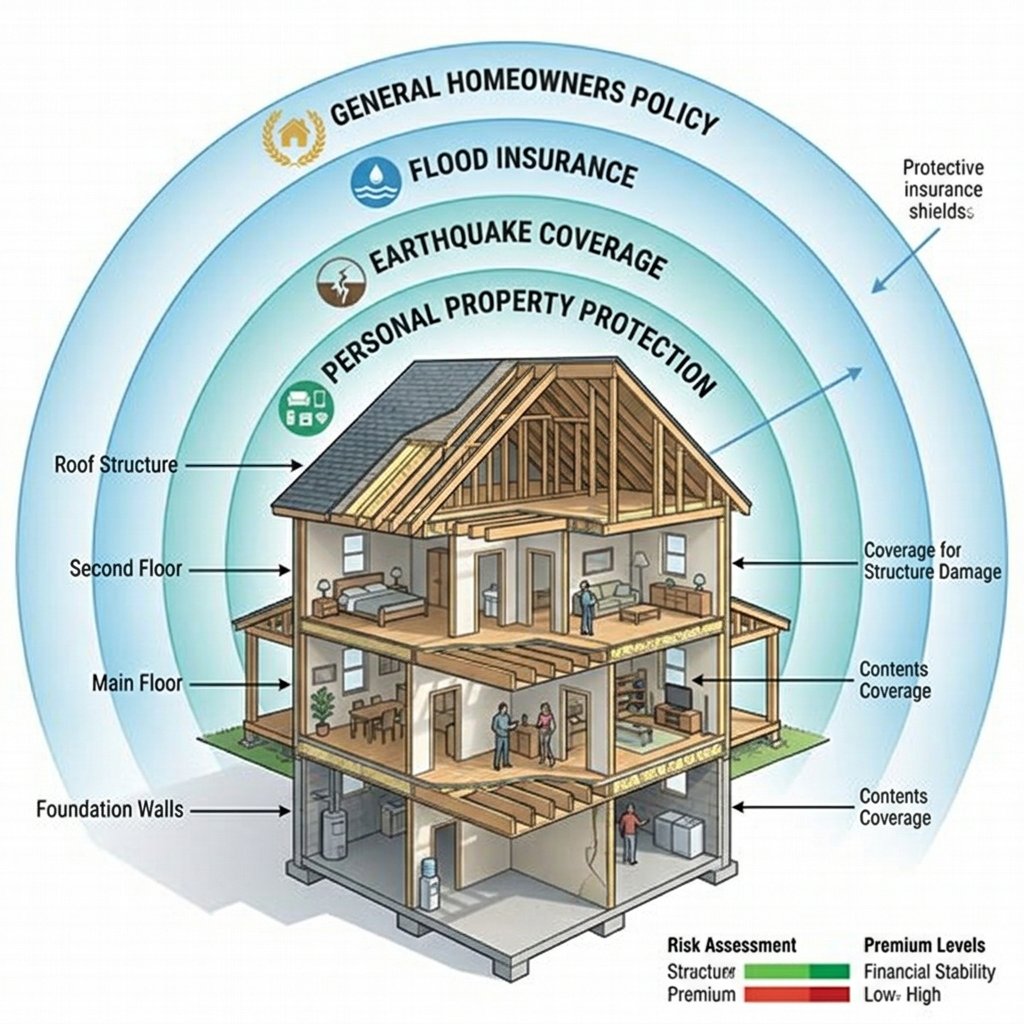
Cross-section of house with labels for roof structure, second floor, main floor, foundation walls, and insurance coverage types including general homeowners policy, flood insurance, earthquake coverage, and personal property protection.
A cross-section of a home illustrating various insurance coverage layers and protections.

Coverages Most Homeowners Should Consider Keeping

Dwelling Coverage

Dwelling coverage protects the structure of your home from covered losses such as fire, wind, hail, and other insured perils.

One of the biggest mistakes homeowners make is underinsuring their property. Construction costs have risen dramatically over the last several years, making it more expensive to rebuild a home after a total loss.

Consider: Reviewing your dwelling limit annually to ensure it reflects current rebuilding costs—not necessarily the market value of your home.

Personal Property Coverage

Furniture, electronics, clothing, appliances, and personal belongings can add up quickly. Many homeowners underestimate the value of their possessions until they experience a major loss.

Consider: Creating a home inventory and verifying that your coverage limits are sufficient.

Liability Coverage

Liability coverage protects you if someone is injured on your property or if you accidentally cause damage to another person’s property.

Medical expenses and lawsuits can quickly become expensive.

Consider: Increasing liability limits to $300,000 or $500,000 if your insurer offers affordable options.

Loss of Use Coverage

If your home becomes uninhabitable due to a covered loss, loss-of-use coverage helps pay for temporary housing and living expenses.

This coverage can be invaluable following major storms, fires, or water damage claims.

Coverages Worth Reviewing

High Deductibles vs. Low Deductibles

Many homeowners carry deductibles established years ago when premiums were much lower.

Increasing your deductible from $500 to $2,500 or even $5,000 could significantly reduce annual premiums.

Trade-Off: You’ll pay more out-of-pocket if a claim occurs.

Personal Property Limits

Some homeowners may be carrying higher limits than necessary if they have downsized or replaced expensive items.

Consider: Reviewing current belongings and adjusting coverage accordingly.

Scheduled Personal Property

Items such as jewelry, collectibles, artwork, firearms, and high-end electronics often require additional endorsements.

If you no longer own these items, removing unnecessary endorsements may reduce premium costs.

Additional Structures Coverage

Coverage for detached garages, sheds, fences, and other structures may be higher than needed if structures have been removed or reduced in value.

A periodic policy review can identify potential savings.

Important Coverages Many Homeowners Overlook

Water Backup Coverage

Standard homeowners policies typically do not cover sewer or drain backup losses.

A relatively inexpensive endorsement can help protect against costly water damage.

Flood Insurance

Many homeowners incorrectly assume flood damage is covered under a standard homeowners policy.

In reality, flood losses are generally excluded.

Even homes outside designated flood zones can experience flooding due to heavy rainfall, hurricanes, or drainage issues.

Ordinance or Law Coverage

Building codes change over time. If your home suffers significant damage, you may be required to rebuild portions of it to current code standards.

Ordinance or law coverage helps pay these additional expenses.

Equipment Breakdown Coverage

Many insurers now offer protection for HVAC systems, electrical panels, water heaters, and other major home systems.

This coverage can provide value for homeowners concerned about unexpected repair costs.

When Filing Small Claims May Cost More Than It Saves

A common misconception is that insurance should be used for every loss.

In reality, frequent claims can impact eligibility, renewal options, and future premiums.

For example, filing multiple water damage claims within a few years could make it more difficult to obtain favorable rates in the future.

Homeowners should evaluate whether a smaller loss justifies filing a claim or whether paying out-of-pocket may be the better financial decision.

Miniature house on one side of scale balanced with stacks of coins on the other side.
A scale balancing a miniature house and stacks of coins representing home value.

Final Thoughts

Homeowners insurance should not be viewed as a “set it and forget it” product. As property values, rebuilding costs, and personal circumstances change, coverage needs evolve as well.

A yearly policy review can help identify gaps in protection, uncover potential savings opportunities, and ensure your home remains adequately insured against today’s risks.

The goal is not necessarily to buy the cheapest policy available. Instead, homeowners should focus on balancing affordability with meaningful protection because saving a few dollars today could become extremely costly after a major loss.

Disclosure: This article is for informational purposes only and should not be considered insurance, legal, or financial advice. Coverage availability, exclusions, and policy terms vary by insurer and state. Consult a licensed insurance professional regarding your specific situation.

About the Author:

David Dandaneau is a client relations analyst that covers the insurance and financial services industry. He is known for his insightful analysis and comprehensive coverage of market trends and regulatory developments.


Understanding Flood Insurance: What Homeowners Need to Know

Flooding is the most common and costly natural disaster in the United States, yet millions of homeowners remain uninsured for flood damage. Standard homeowners insurance policies typically do not cover flood losses, leaving property owners vulnerable to potentially devastating financial consequences. Understanding why flood insurance exists, when it is required, and how federal programs help manage risk is essential for homeowners and property investors alike.

Flooding: A Risk Many Homeowners Underestimate

Floods can occur almost anywhere. Heavy rainfall, storm surge, overflowing rivers, blocked drainage systems, and even rapid snowmelt can lead to flooding. According to the Federal Emergency Management Agency (FEMA), more than 20% of flood insurance claims come from properties located outside of high-risk flood zones, highlighting that flood risk is not limited to coastal or riverfront communities.

The financial damage from flooding can escalate quickly. FEMA estimates that just one inch of water in a home can cause approximately $25,000 in damage. Repairing flooring, drywall, electrical systems, furniture, and appliances often costs far more than many homeowners expect.


Why Standard Homeowners Insurance Doesn’t Cover Flooding

Most homeowners carry policies designed to cover risks like fire, theft, and wind damage. However, flood damage is specifically excluded because it is considered a catastrophic and widespread event that could produce extremely high losses across large geographic areas simultaneously.

To manage this risk, flood coverage is typically purchased separately through programs backed by the federal government.

The largest provider of flood insurance in the United States is the National Flood Insurance Program (NFIP), which is administered by FEMA.


When Your Mortgage Company Requires Flood Insurance

Mortgage lenders are required by federal law to ensure flood insurance coverage on properties located in designated high-risk flood zones.

Flood zones are determined using maps created by FEMA known as Flood Insurance Rate Maps (FIRMs). These maps identify areas with varying levels of flood risk.

Properties located in Special Flood Hazard Areas (SFHAs) often labeled Zone A or Zone V on FEMA maps typically require flood insurance if the home has a federally backed mortgage.

If a homeowner fails to secure the required coverage, lenders may purchase insurance on the homeowner’s behalf through a process called force-placed flood insurance. This coverage is often more expensive and offers less flexibility than a policy purchased directly by the homeowner.


FEMA’s Role in Flood Insurance

The Federal Emergency Management Agency (FEMA) plays several key roles in the flood insurance ecosystem:

  1. Administers the National Flood Insurance Program
  2. Creates and updates flood maps used by lenders and insurers
  3. Provides disaster assistance after major flood events
  4. Promotes floodplain management standards to reduce future damage

Through the NFIP, FEMA partners with private insurance companies to sell and service policies, making flood insurance more widely accessible across the country.

However, it’s important to note that federal disaster assistance is not a substitute for insurance. FEMA aid after disasters often comes in the form of low-interest loans or limited grants and typically does not fully cover rebuilding costs.


What Flood Insurance Typically Covers

NFIP flood policies generally include two primary types of coverage:

Building Coverage

  • Structure of the home
  • Electrical and plumbing systems
  • HVAC systems
  • Water heaters
  • Permanently installed carpeting and cabinets
  • Detached garages (limited)

Contents Coverage

  • Furniture
  • Clothing
  • Electronics
  • Portable appliances

Maximum coverage limits under the NFIP currently include:

  • $250,000 for residential structures
  • $100,000 for personal property

Some private insurers also offer excess flood insurance for homeowners needing higher coverage limits.


Typical Cost of Flood Insurance

Flood insurance premiums vary widely depending on several factors:

  • Property elevation
  • Flood zone designation
  • Age and construction of the home
  • Coverage limits selected
  • Deductible chosen

Average costs nationwide fall roughly within these ranges:

Risk LevelTypical Annual Premium
Low-to-moderate risk areas$300 – $700
Moderate risk areas$700 – $1,200
High-risk flood zones$1,200 – $3,500+

Recent FEMA pricing updates under the NFIP’s Risk Rating 2.0 system now use more sophisticated modeling to determine premiums, including distance to water sources, rebuilding costs, and historical flood data.


Why Some Homeowners Choose Not to Carry Flood Insurance

Despite the risks, some homeowners opt not to purchase flood coverage. Common reasons include:

  • The property lies outside a high-risk flood zone
  • The homeowner does not have a mortgage requiring coverage
  • Premium costs are considered too high
  • The homeowner believes the flood risk is minimal

However, flooding can occur in unexpected locations, particularly as weather patterns shift and development alters natural drainage patterns.

The Bottom Line

Flood insurance represents a critical but often overlooked component of financial protection for homeowners. While it may not be required for every property, the relatively small annual cost can prevent massive financial losses in the event of a flood.

Whether coverage is required by a lender or chosen voluntarily, understanding flood risk and the protections available through programs like FEMA’s National Flood Insurance Program allows homeowners to make informed decisions about protecting their property and financial future.

About the Author:

David Dandaneau is a client relations analyst that covers the insurance and financial services industry. He is known for his insightful analysis and comprehensive coverage of market trends and regulatory developments.

The Baldwin Group (NASDAQ: BWIN) Strengthens Market Position Through Strategic Acquisitions and Growth Initiatives

January 15, 2026 – Tampa, FLThe Baldwin Group (NASDAQ: BWIN), a leading independent insurance brokerage and advisory firm, is making notable strides in expanding its national footprint through a series of strategic acquisitions and corporate actions, moves that have attracted investor interest and helped support recent gains in its stock price.

In the last several months, Baldwin has completed multiple significant transactions. The company finalized its acquisition of Obie, a Chicago-based embedded landlord insurance distribution platform that has delivered extraordinary revenue growth since 2021. Obie’s insurance technology and nationwide distribution capabilities are expected to strengthen Baldwin’s real estate investor solutions and support broader adoption of embedded insurance offerings. (Stock Titan)

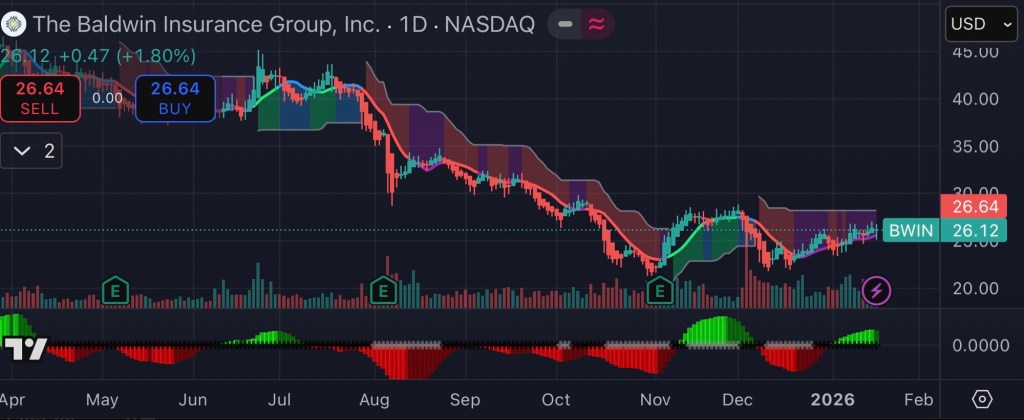
Shortly after the Obie announcement in mid-January 2026, Baldwin’s stock experienced a noticeable uptick, with shares rising over 3.6% on acquisition news a clear sign of investor confidence in Baldwin’s growth strategy. (IndexBox)

In early 2026, Baldwin also completed the acquisition of Capstone Group, a full-service Philadelphia-area insurance brokerage firm. Capstone expands Baldwin’s regional reach and adds new capabilities in risk management, group health, and ancillary benefit lines further diversifying Baldwin’s portfolio of services. (Investing.com)

Perhaps most transformational is the company’s $1.026 billion merger with CAC Group, a specialty and middle-market insurance brokerage transaction completed in early January 2026. This strategic combination positions Baldwin among the largest independent insurance advisory platforms in the U.S., adding unparalleled specialty expertise in sectors like cyber, financial lines, construction, natural resources, and private equity. (Stock Titan+1)

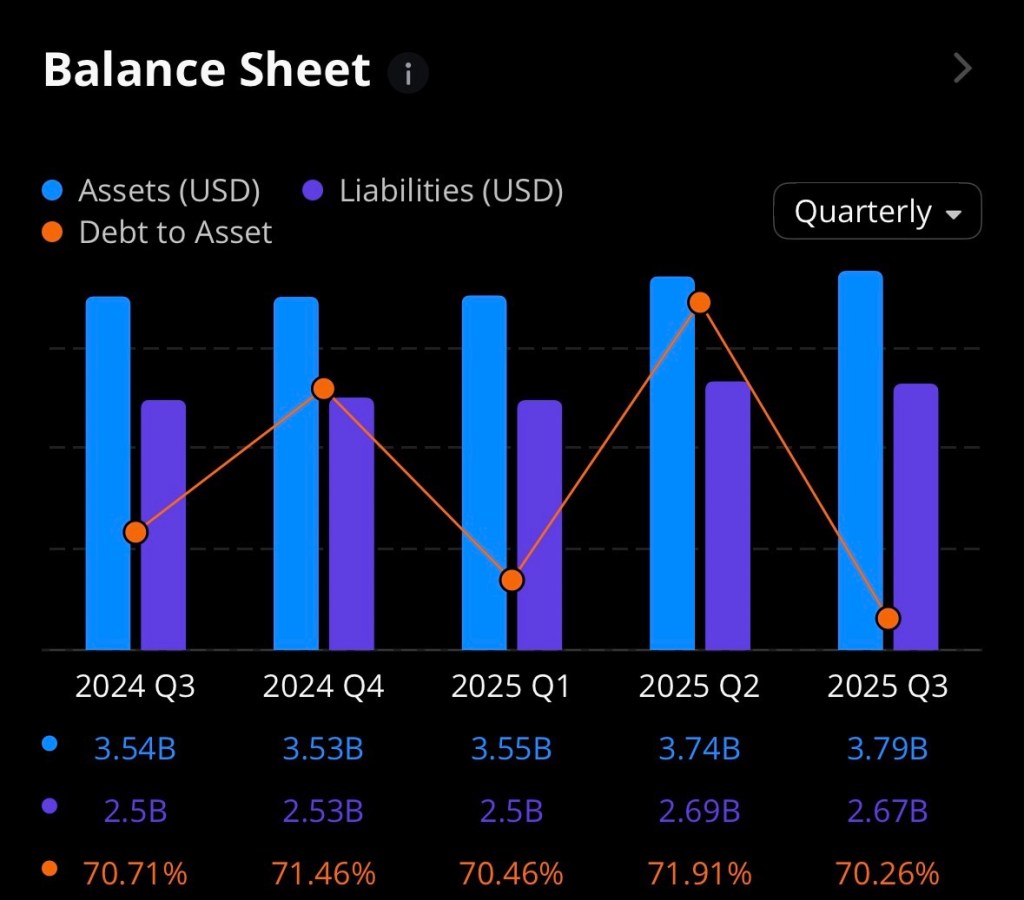
Financially, Baldwin has shown consistent growth in revenue and organic expansion across reporting periods in 2025. Third-quarter results reported revenue growth of 8% and continued adjusted earnings momentum, even as the company navigates through net losses on a GAAP basis. (Business Wire)

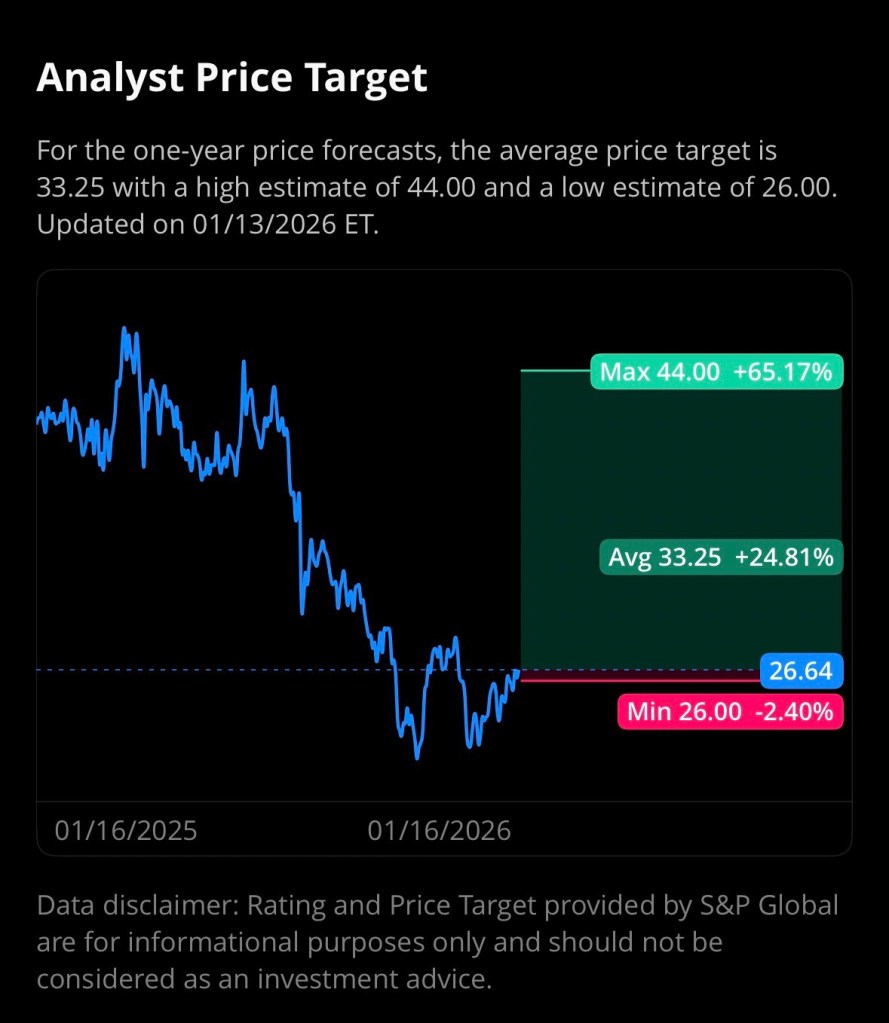
According to recent stock data, BWIN’s share price has reflected both volatility and opportunity. As of mid-January 2026, BWIN shares traded near $25.48, with a 52-week range of approximately $21.26 to $47.15. Analysts maintain a mixed outlook, with a consensus price target higher than current levels but tempered by risks related to integration and profitability challenges. (StockAnalysis)

Capital and Debt Strategy
Alongside these strategic acquisitions, The Baldwin Group has successfully priced an incremental $600 million Term Loan B, which upsizes its existing credit facility and provides flexibility to fund acquisitions and refinance existing borrowings. This capital strategy supports Baldwin’s expansion while managing leverage levels that accompany rapid growth. (Stock Titan)

Investment Considerations and Risks
Investors considering exposure to BWIN should be aware that, while the company is scaling rapidly, it continues to report net losses on a GAAP basis and carries a significant debt load tied to its acquisition strategy. Meanwhile, adjusted performance metrics demonstrate improving profitability trends that could support future valuation performance if realized. (Baldwin+1)

Disclosure: I hold a position in The Baldwin Group (BWIN), and the views expressed above reflect only general observations of recent developments and publicly available data.


References

IndexBox. (2026, January 15). Baldwin Insurance Group stock rises on Obie acquisition news.
Stockanalysis.com. (2026). The Baldwin Insurance Group (BWIN) Stock Price & Overview.
Business Wire. (2025). The Baldwin Group announces fourth quarter and full year 2024 results.
Business Wire. (2025, November 4). The Baldwin Group announces third quarter 2025 results.
StockTitan. (2026, January). The Baldwin Group completes acquisition of Obie and Capstone Group.
BeyondSPX. (2026, January). Baldwin Group completes $1.026 billion merger with CAC Group.
StockTitan. (2024). The Baldwin Group announces successful pricing of $600 million incremental Term Loan B.