Homeowners Insurance Shock: Why Delaying Home Repairs Could Cost You More Than the Repair Bill

Across the country, homeowners are facing rising insurance premiums as insurance companies respond to increasing claims, inflation, severe weather events, and aging housing stock. While many homeowners focus on shopping for lower rates, one of the most overlooked factors affecting premiums is the condition of the home itself.

Insurance companies are paying closer attention than ever to property maintenance. Advances in aerial imagery, satellite technology, drones, and property inspection software allow insurers to identify potential hazards without ever stepping inside a home.

The result? A roof nearing the end of its life, deteriorating plumbing, outdated electrical systems, or neglected exterior maintenance can lead to premium increases, non-renewal notices, or even cancellation of coverage.

Hand tools including hammers, screwdrivers, wrenches, pliers, and gloves arranged on left side next to broken drywall, bricks, wood, nails, and wires on right side
Neatly arranged hand tools contrast with nearby construction rubble and damaged wall.

Why Maintenance Matters

Insurance is based on risk. The greater the likelihood that a claim will occur, the higher the premium charged to insure that risk.

For example:

  • An aging roof is more likely to leak or sustain storm damage.
  • Old plumbing systems increase the risk of water damage claims.
  • Outdated electrical systems increase fire risk.
  • Dead trees and damaged siding create additional exposure during severe weather events.

From an insurer’s perspective, a well-maintained home represents a lower probability of costly claims.

The Hidden Cost of Deferred Maintenance

Many homeowners postpone repairs to save money. Unfortunately, the long-term costs can be much greater.

Consider a roof that should have been replaced five years ago. Not only may the homeowner face higher premiums, but a future claim could be limited or denied if the damage is determined to result from wear and tear rather than a sudden covered event.

Similarly, a small plumbing leak left unaddressed can eventually lead to thousands of dollars in water damage and mold remediation expenses.

Estimated Repair Costs and Potential Insurance Benefits

The following estimates represent typical costs in today’s market. Actual costs vary based on location, home size, and materials used.

Home ImprovementEstimated CostPotential Insurance Impact
New Roof$12,000 – $30,000Lower premiums and improved eligibility for coverage
Electrical Panel Upgrade$2,000 – $6,000Reduced fire risk may qualify for credits
Whole Home Re-Plumbing$4,000 – $15,000Reduced water damage exposure
Hurricane Impact Windows$10,000 – $30,000Significant wind mitigation discounts in many states
HVAC Replacement$5,000 – $12,000Reduced risk of system-related losses
Water Leak Detection System$500 – $2,500Discounts offered by some insurers
Garage Door Wind Upgrade$1,500 – $5,000Windstorm mitigation credits
Exterior Painting and Siding Repair$3,000 – $15,000Improves insurability and property condition scores
Tree Removal Near Structure$500 – $5,000Reduces storm-related claim risk
Security System Installation$300 – $2,000Potential theft and fire protection discounts

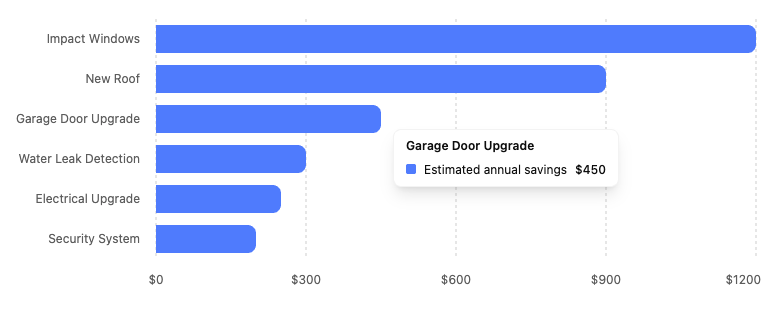
Estimated Annual Premium Savings

While every insurer is different, homeowners may see reductions ranging from modest to substantial depending on the improvement completed.

Potential annual homeowners insurance savings

Illustrative annual savings after major home improvements. Actual savings vary by insurer, location, and home characteristics.

Florida Homeowners Face Unique Challenges

Homeowners in Florida have experienced some of the nation’s largest insurance premium increases in recent years. Windstorm exposure, hurricane losses, litigation costs, and reinsurance expenses have dramatically impacted the market.

For Florida homeowners, improvements such as:

  • New roofs
  • Impact-resistant windows
  • Reinforced garage doors
  • Updated roof-to-wall connections

can often produce meaningful insurance savings through wind mitigation programs while simultaneously strengthening the home against future storms.

The Takeaway

Your home is likely your largest financial asset. Maintaining it properly not only protects its value but can also help keep insurance costs under control.

Before renewing your homeowners insurance policy, consider reviewing the age and condition of major systems throughout your home. A repair that seems expensive today may ultimately save thousands of dollars in future claims, prevent coverage issues, and reduce annual insurance premiums for years to come.

Disclosure: This article is intended for educational purposes only and should not be considered insurance, legal, or financial advice. Insurance eligibility, discounts, and premiums vary by carrier, location, and individual underwriting guidelines.

About the Author:

David Dandaneau is a client relations analyst that covers the insurance and financial services industry. He is known for his insightful analysis and comprehensive coverage of market trends and regulatory developments.

High-Functioning Depression: What to Look For?

Depression is often portrayed as visible sadness, emotional breakdowns, or an inability to function. In reality, many people experiencing depression continue to show up to work, care for their families, and meet daily obligations, while silently struggling. These “high-functioning” or subtle forms of depression frequently go unnoticed by others and, just as often, by the individuals experiencing them.

Mental health professionals emphasize that depression does not always announce itself clearly. It can surface through physical symptoms, behavioral changes, or shifts in thinking that are easy to dismiss as stress, burnout, or personality traits. Recognizing these overlooked signals is a critical first step toward seeking support and preventing symptoms from worsening.

Below is a practical reference list of commonly missed signs of depression. Experiencing one or two does not automatically indicate depression, but persistent patterns especially over several weeks should not be ignored.


Commonly Missed Signs of Depression

  1. Chronic Fatigue Despite Adequate Rest
    Feeling consistently drained, even after sleeping, can be a sign of emotional exhaustion rather than physical tiredness.
  2. Loss of Interest in Previously Enjoyable Activities
    Hobbies, social events, or passions may begin to feel like obligations rather than sources of enjoyment.
  3. Increased Irritability or Short Temper
    Depression does not always appear as sadness; it can manifest as frustration, impatience, or anger.
  4. Changes in Appetite or Weight
    Eating significantly more or less than usual without a conscious goal can signal emotional distress.
  5. Difficulty Concentrating or Making Decisions
    Persistent “brain fog,” forgetfulness, or indecisiveness may reflect cognitive effects of depression.
  6. Withdrawing Socially While Remaining Busy
    Staying productive but avoiding meaningful conversations or relationships can be a coping mechanism.
  7. Physical Complaints With No Clear Medical Cause
    Headaches, stomach issues, or unexplained aches are frequently linked to untreated depression.
  8. Overworking or Constant Busyness
    Using work or productivity to avoid emotions is a common but often overlooked warning sign.
  9. Feelings of Hopelessness or Emotional Numbness
    A sense that things will not improve or feeling nothing at all can be more concerning than sadness itself.
  10. Sleep Changes
    Insomnia, frequent waking, or sleeping excessively are among the most common symptoms of depression.
  11. Persistent Self-Criticism or Guilt
    An ongoing internal narrative of failure or inadequacy can quietly erode mental well-being.
  12. Relying More Heavily on Alcohol or Substances
    Increased use to relax, sleep, or cope emotionally may indicate underlying distress.

When to Seek Support

If several of these signs resonate and have been present most days for two weeks or longer, it may be time to reach out for help. Depression is not a personal weakness or a failure of resilience, it is a medical condition that responds to treatment, support, and understanding.

Talking with a trusted person, scheduling an appointment with a healthcare provider, or contacting a mental health professional can be meaningful first steps. Early recognition often leads to better outcomes and prevents prolonged suffering.

Mental health challenges are common, but suffering in silence does not have to be. Awareness both personal and collective remains one of the most powerful tools for improving mental well-being.

Delicious Alternatives to Summer Comfort Foods

As temperatures rise and backyard grills fire up, summer is often synonymous with indulgent foods from ice cream cones and cheeseburgers to sugary cocktails and deep-fried fair treats. But this year, health-conscious eaters are proving that you don’t have to sacrifice flavor to stay on track with your wellness goals.

Nutritionists and chefs alike are championing simple food swaps that cut down on calories and saturated fat, boost nutrients, and still deliver the mouthwatering taste people crave during the sunny season.

  1. Frozen Yogurt Over Ice Cream
    Swap out sugar-laden ice cream for creamy Greek frozen yogurt. It satisfies that sweet tooth while packing in protein and probiotics that aid digestion — a win-win after a heavy BBQ meal.
  2. Grilled Veggies Instead of Chips
    Potato chips are a picnic staple, but grilled veggies like zucchini, bell peppers, and eggplant are quickly taking over summer spreads. Tossed with olive oil and herbs, they’re crisp, colorful, and bursting with flavor — minus the trans fats and sodium overload.
  3. Turkey or Veggie Burgers in Place of Beef
    Summer cookouts and burgers go hand in hand, but swapping a fatty beef patty for a lean turkey or plant-based burger reduces saturated fat without skimping on the smoky taste. Pile it high with fresh greens and tomatoes for added crunch and nutrients.
  4. Infused Water Beats Soda
    Sugary sodas and sweet teas can derail a healthy summer day fast. Instead, stay hydrated with naturally flavored water. Add fresh berries, cucumber slices, or mint to your pitcher — it’s refreshing, festive, and free of empty calories.
  5. Nice Cream for Dessert
    Banana “nice cream” is trending for good reason: blend frozen bananas with a splash of almond milk, and you’ve got a creamy, dairy-free dessert that rivals traditional soft serve — without the sugar crash.
  6. Fresh Fruit Kabobs Instead of Candy
    Summer means peak season for juicy fruits like watermelon, pineapple, and strawberries. Thread them onto skewers for colorful, fun-to-eat kabobs that beat processed sweets and satisfy a sugar craving naturally.
  7. Whole-Wheat Buns and Wraps
    For those summer sandwiches and hot dogs, opt for whole-wheat buns or lettuce wraps. You’ll up your fiber intake and avoid the blood sugar spikes that come with refined white bread.

These swaps aren’t about deprivation they’re about finding creative ways to celebrate the season’s best flavors while giving your body what it needs to feel its best.

So, whether you’re hosting a backyard barbecue or packing a picnic for the beach, try one (or all) of these healthy swaps and taste how satisfying smart choices can be.

What’s your favorite healthy summer swap? Let us know in the comments!

Discover the Benefits of Summer Travel for Your Well-Being

As the days grow longer and the sun warms both skin and spirit, summer quietly unfolds its magic—inviting us to break free from routines and rediscover the world beyond our doorstep. Whether it’s a road trip through scenic backroads, a spontaneous weekend escape, or a long-awaited overseas adventure, there’s something uniquely transformative about summer travel that no other season can quite replicate.

The Season of Possibility
Summer sparks a sense of possibility. School’s out, schedules are looser, and nature itself seems to conspire to draw us outside—into forests, onto beaches, up mountains, and through charming small towns. The warm weather opens doors to festivals, outdoor dining, late sunsets, and cool morning hikes. With fewer constraints, people feel more inspired to explore, try something new, and create lasting memories.

Wellness for the Soul
Travel in the summer isn’t just a leisure activity—it’s good for your mental health. Studies show that taking a break from daily pressures boosts mood, reduces stress, and can even improve productivity upon return. Being in new environments enhances creativity and strengthens personal relationships, whether you’re traveling solo or with loved ones.

Connecting with the World—and Yourself
When you step out of your comfort zone and into unfamiliar territory, you engage more deeply with the world around you. From discovering hidden gems in your own state to immersing yourself in a different culture, travel encourages mindfulness, presence, and curiosity. Summer’s slower pace gives us time to reflect, recharge, and reconnect—with nature, with others, and with ourselves.

Your Adventure Awaits
So, whether you’re craving ocean air, mountain trails, bustling city streets, or quiet countryside mornings—don’t let this summer pass you by. Pack a bag, make a plan (or don’t), and see where the road takes you. Because summer isn’t just a season—it’s an invitation. And the world is ready when you are.

How to Cut Costs and Save Money Everyday

When inflation continues to chip away at household budgets, finding ways to save on daily expenses can have a big impact over time. Fortunately, a few small changes to your routine can lead to significant savings without drastically altering your lifestyle.

Here are some practical strategies to cut costs on common daily expenses:

  1. Cut the Coffee Shop Habit
    If you’re stopping by your local café every day, you’re likely spending more than you think. Brewing your coffee at home can save hundreds per year, and with so many quality at-home brewers on the market, the taste doesn’t have to suffer.
  2. Switch to Generic Brands
    From groceries to medicine, store-brand products often offer the same quality as name brands at a fraction of the price. A weekly grocery trip can be trimmed by 20–30% just by switching brands.
  3. Reduce Energy Use
    Turn off lights when you leave the room, unplug electronics not in use, and consider upgrading to energy-efficient bulbs and appliances. Small efforts add up on your utility bill.
  4. Use Public Transportation or Carpool
    Gas, maintenance, and parking costs can eat into your budget. Using public transit or sharing a ride just a few times per week can make a noticeable difference.
  5. Cook at Home More Often
    Dining out “even fast food” can cost two to three times more than a home-cooked meal. Planning meals and prepping ingredients ahead of time can save both money and stress.
  6. Shop Smarter
    Use cashback apps, look for sales, and take advantage of store loyalty programs. Planning your shopping trips and making a list can prevent impulse buys.
Expense CategoryStrategyEstimated Monthly Savings
Coffee/DrinksBrew at home\$60
GroceriesSwitch to generic/store brands\$50
ElectricityUse LED bulbs, unplug devices\$30
TransportationCarpool/public transport\$80
Dining OutCook at home more frequently\$100
ShoppingUse discounts, avoid impulse buys\$40
Total Potential Savings\$360/month

While saving $360 per month may not sound dramatic at first glance, it adds up to $4,320 per year enough for a vacation, a healthy emergency fund, or investing in long-term financial goals.

Bottom line: Small, mindful changes to your daily routine can make a big difference. By identifying where your money goes and being proactive, you can take control of your finances one dollar at a time.

Why Aging Leads to Greater Happiness and Wisdom

Aging is often seen as a daunting process, but research and real-life experiences suggest that growing older comes with a wealth of benefits. While youth is often idealized, many people find that life improves as they age, bringing greater happiness, confidence, and contentment.

The Science of Happiness and Aging
Contrary to popular belief, studies show that happiness tends to increase with age. A 2023 study published in the Journal of Psychological Science found that people in their 50s and beyond reported higher life satisfaction than their younger counterparts. Experts believe this is due to increased emotional intelligence, a stronger sense of self, and a shift in priorities toward meaningful relationships and experiences.

“As we age, we become more focused on what truly matters,” says Dr. Emily Carter, a psychologist specializing in aging and well-being. “Older adults tend to let go of unnecessary stressors, focus on personal growth, and appreciate life’s simple joys.”

Wisdom, Confidence, and Emotional Strength
One of the greatest advantages of aging is the accumulation of wisdom. Life experiences shape people into more resilient, knowledgeable, and self-assured individuals. Many report feeling more confident and less concerned with societal pressures or unrealistic expectations.

“I used to worry about what others thought of me,” says 62-year-old entrepreneur Maria Lopez. “But with age, I’ve learned to embrace who I am. There’s freedom in not needing to impress anyone but yourself.”

Stronger Relationships and Better Decision-Making
Age often brings deeper and more meaningful connections. Older adults prioritize relationships that bring joy and fulfillment, letting go of toxic or superficial bonds. They also tend to make better decisions, thanks to years of learning from past mistakes.

“Experience teaches us how to navigate life’s challenges with more grace,” says Dr. Carter. “Older individuals are less impulsive and more thoughtful in their choices, leading to greater life satisfaction.”

New Opportunities and Pursuits
Retirement is no longer seen as the end of an era but rather the beginning of new adventures. Many older adults start new hobbies, travel, volunteer, or even launch second careers. With advances in healthcare and longer life expectancy, people in their 60s, 70s, and beyond are embracing active and fulfilling lifestyles.

Embracing the Beauty of Aging
While aging comes with its challenges, it also brings a sense of gratitude, purpose, and peace. By focusing on personal growth, nurturing relationships, and embracing change, life can indeed get better with age.

So, instead of dreading the passage of time, let’s celebrate it—because the best years might just be ahead.

The Fitness Connection: How Exercise Builds Friendships

Staying active is essential not just for physical health but for overall well-being. Regular exercise strengthens the body, sharpens the mind, and enhances emotional resilience. However, beyond its physical and mental benefits, fitness also serves as a powerful tool for building friendships and social connections.

The Social Side of Fitness
Whether it’s joining a gym, participating in a local running club, or attending a group yoga session, exercising with others fosters a sense of community. Studies have shown that social interactions during physical activities can increase motivation, accountability, and long-term commitment to fitness goals.

“When people exercise together, they encourage one another, share progress, and build friendships that extend beyond the gym or track,” says Dr. Emily Carter, a health and wellness expert. “It’s an excellent way to stay committed while also enjoying the support of a like-minded community.”

Breaking Isolation Through Movement
For many, social isolation has become a growing concern, especially in the wake of increased remote work and digital communication. Group fitness activities provide an opportunity to break out of solitude, fostering genuine face-to-face interactions. From recreational sports leagues to dance classes, these activities create an environment where people bond over shared interests.

John Reynolds, a 42-year-old marathon runner, shares his experience: “When I started running, I was just looking for a way to stay in shape. What I didn’t expect was finding a community that felt like family. We train together, support each other during races, and even celebrate milestones in our personal lives.”

The Mental Health Boost
Engaging in physical activities with others has been linked to improved mental health. Exercise releases endorphins, the body’s natural mood boosters, while social interactions help reduce stress and anxiety. Group workouts can also provide a sense of belonging, improving self-esteem and emotional resilience.

A recent study by the American Psychological Association found that people who engage in regular group exercises report lower levels of stress and higher overall happiness compared to those who exercise alone.

How to Get Started
For those looking to incorporate fitness and socialization into their routine, here are a few simple ways to begin:

Join a fitness class: From spin sessions to Pilates, structured group workouts provide a built-in support system.
Try team sports: Basketball, soccer, and volleyball leagues offer both physical benefits and opportunities to connect.
Sign up for community events: Charity runs, hiking meetups, and yoga in the park bring people together while promoting wellness.
Find a workout buddy: Having a partner can increase accountability and make exercising more enjoyable.

Staying active isn’t just about improving one’s physical health—it’s also a gateway to forming meaningful connections. Whether through shared goals, friendly competition, or simply the joy of movement, fitness has the power to strengthen both the body and the bonds between people.

So, the next time you lace up your running shoes or roll out your yoga mat, remember: you’re not just working out—you’re opening the door to new friendships and a healthier, happier life.

The Realities of Running a Business

By David Dandaneau

Running a business is often portrayed as a glamorous pursuit—a life of freedom, creativity, and endless opportunity. However, beneath the surface lies a complex journey filled with triumphs and challenges that test the resilience and adaptability of entrepreneurs.

The Thrill of Success
Every business owner knows the unparalleled joy of achieving a goal, whether it’s securing a major client, hitting revenue milestones, or simply surviving the first year. These wins serve as validation for the sleepless nights, financial risks, and relentless effort.

Take the example of local café owner Sarah Patel, who saw her business thrive after introducing a unique farm-to-table menu. “The response was overwhelming,” she says. “It felt like all the hard work finally paid off.” Such moments can rejuvenate an entrepreneur’s passion and motivate them to push even further.

The Pressure of Challenges
But the journey is far from smooth. From navigating cash flow issues and employee turnover to adapting to market changes, business owners face a litany of obstacles. Economic downturns or unexpected global events, such as the COVID-19 pandemic, have also forced many businesses to pivot their strategies overnight.

“During the pandemic, we had to shift to online sales almost immediately,” recalls tech store owner Marcus Lee. “It was a sink-or-swim moment, and not every business had the resources to make it work.”

The Emotional Toll
The mental and emotional challenges of entrepreneurship are often underestimated. Long hours, financial strain, and the pressure to succeed can lead to burnout. Studies have shown that business owners are more likely to experience anxiety and depression compared to those in traditional jobs.

Despite this, many entrepreneurs find ways to cope. Networking groups, mentorship programs, and therapy have become valuable tools for maintaining mental health and fostering resilience.

Adaptability Is Key
One constant in the world of business is change. Consumer preferences, technological advancements, and market trends can shift rapidly, requiring business owners to stay agile and innovative. Those who can anticipate change and adapt quickly are often the ones who thrive.

For example, fashion retailer Mia Gonzalez shifted her business model to focus on sustainable clothing as consumer demand for eco-friendly products grew. “You have to evolve with your customers,” she explains.

The Bigger Picture
For many, the ultimate reward of running a business goes beyond profits. It’s about creating something meaningful, contributing to the community, and building a legacy. These factors often keep entrepreneurs going, even when times get tough.

“Seeing how my business impacts people’s lives gives me purpose,” says John Whitaker, who runs a nonprofit consulting firm. “It’s not just about me—it’s about making a difference.”


Running a business is not for the faint of heart. It’s a journey filled with highs and lows, requiring persistence, adaptability, and an unwavering belief in one’s vision. While the road may be challenging, for those who dare to take the leap, the rewards—both tangible and intangible—can make the journey worthwhile.

For aspiring entrepreneurs, the message is clear: Be prepared for the rollercoaster, but don’t forget to enjoy the ride.

Transform Your Health with Balanced Eating

With increasing awareness of the importance of nutrition, more individuals and communities are embracing wholesome diets as the foundation for long-term health and wellness. The benefits of healthy eating are profound, impacting everything from heart health to mental clarity, and laying the groundwork for a healthier society.

The Science Behind Healthy Eating
At its core, healthy eating is about nourishing the body with the right balance of nutrients—vitamins, minerals, proteins, healthy fats, and carbohydrates—required for optimal function. According to the World Health Organization (WHO), a balanced diet can prevent malnutrition, obesity, and diseases such as diabetes, heart disease, and cancer. In fact, studies show that populations with diets rich in fruits, vegetables, lean proteins, and whole grains experience significantly lower rates of chronic illness.

One of the key recommendations from nutritionists is to eat a variety of colorful fruits and vegetables. “These foods are packed with antioxidants, which help combat inflammation in the body,” says Dr. Amanda Rivers, a dietitian based in New York. “They also provide essential fiber, which promotes digestive health and can reduce the risk of heart disease.”

Mindful Eating in a Fast-Paced World
The challenge many people face is the busy pace of modern life, which often leads to unhealthy food choices. Fast food chains offer convenience, but the trade-off is often high-calorie meals laden with unhealthy fats, sugar, and salt. However, experts are increasingly advocating for “mindful eating,” a practice that emphasizes being aware of what you consume, savoring each bite, and making more intentional choices.

“A little planning can go a long way in maintaining a nutritious diet,” says Rivers. “Prepping meals at home and carrying healthy snacks like nuts or fruit can help you avoid the temptation of unhealthy foods when you’re on the go.”

In addition, many experts recommend reducing consumption of processed and sugary foods, which are linked to weight gain and increased risk of diseases like diabetes. Instead, whole foods—those that are minimally processed and closer to their natural state—should be the cornerstone of every meal.

The Role of Hydration
Water is another critical component of healthy eating. Staying well-hydrated aids digestion, supports the immune system, and maintains skin health. The Institute of Medicine recommends about 9 to 13 cups of water a day for adults, depending on factors like climate and activity level.

For those who struggle to drink enough water, adding slices of citrus fruit or fresh herbs like mint can make it more enjoyable.

Community and Policy Initiatives
The growing movement toward healthy eating isn’t limited to individual households. Schools and governments are also getting involved. Many school districts across the U.S. are revising their lunch menus to include more nutritious options, while campaigns like “Meatless Monday” encourage families to explore plant-based meals one day a week.

On a larger scale, governments are implementing policies aimed at improving public health through better nutrition. For example, some countries have introduced taxes on sugary drinks or implemented stricter regulations on food labeling to help consumers make healthier choices.

The Future of Healthy Eating
As the conversation around nutrition evolves, so does our understanding of what constitutes a healthy diet. With new studies exploring the gut microbiome, plant-based diets, and the benefits of intermittent fasting, the future of healthy eating promises to bring even more insights into how we can live longer, healthier lives.

In the end, the secret to a healthy diet isn’t just in what we eat but how we approach food. By prioritizing nutritious, whole foods and making thoughtful decisions about our meals, we can build a foundation for wellness that lasts a lifetime.


As the movement for healthy eating continues to grow, it’s clear that this is more than just a trend. It’s a vital step toward improving public health, reducing healthcare costs, and enhancing quality of life for individuals around the globe. Whether it’s making small changes to your daily meals or supporting broader policy initiatives, healthy eating is a choice that benefits everyone.

The Rising Importance of Critical Illness Insurance in the Face of Heart Disease, Stroke, and Cancer

As the prevalence of major health conditions such as heart disease, stroke, and cancer continues to rise, the importance of critical illness insurance has become increasingly apparent. These life-threatening diseases not only pose significant health risks but also bring substantial financial burdens that can overwhelm individuals and families. Understanding the impact of these illnesses and the benefits of having a critical illness policy can provide crucial protection and peace of mind.

The Burden of Heart Disease, Stroke, and Cancer

Heart disease remains the leading cause of death globally, responsible for nearly 18 million deaths each year. It encompasses a range of conditions, including coronary artery disease, heart attacks, and congestive heart failure. The treatment and recovery processes for heart disease are often long and costly, requiring significant medical intervention and lifestyle adjustments.

Similarly, stroke is a major health concern, with approximately 15 million people worldwide suffering from strokes annually. Of these, around 5 million die, and another 5 million are left permanently disabled. Stroke treatment typically involves emergency care, rehabilitation, and long-term therapy, which can lead to substantial medical expenses and loss of income due to disability.

Cancer, the second leading cause of death globally, affects millions of people each year. Advances in medical technology have improved survival rates, but cancer treatment remains expensive and often involves surgery, chemotherapy, radiation therapy, and ongoing medication. The financial strain can be exacerbated by the need for time off work and additional support during recovery.

The Role of Critical Illness Insurance

Critical illness insurance is designed to provide financial support upon the diagnosis of a serious illness, such as heart disease, stroke, or cancer. Unlike traditional health insurance, which typically covers medical expenses, critical illness policies provide a lump-sum payment that can be used at the policyholder’s discretion. This flexibility allows individuals to address various financial needs, such as:

  1. Medical Expenses: Covering out-of-pocket costs not fully paid by health insurance, including specialist consultations, advanced treatments, and alternative therapies.
  2. Income Replacement: Compensating for lost wages if the policyholder is unable to work during treatment and recovery, ensuring financial stability for their family.
  3. Home Modifications: Funding necessary changes to the home to accommodate new physical limitations, such as installing ramps, stairlifts, or accessible bathrooms.
  4. Support Services: Paying for additional care services, such as in-home nursing, rehabilitation, or even psychological support, to aid in recovery.
  5. Debt Repayment: Reducing or eliminating outstanding debts, such as mortgages, car loans, or credit card balances, to alleviate financial stress.

Why Critical Illness Insurance is Essential

In the absence of a critical illness policy, individuals facing heart disease, stroke, or cancer may find themselves dipping into savings, accruing debt, or relying on family and friends for financial support. This added financial pressure can hinder recovery and diminish the quality of life.

Moreover, critical illness insurance offers peace of mind. Knowing that there is a financial safety net allows patients and their families to focus on what truly matters: recovery and well-being. With a lump-sum payout, they have the flexibility to make choices that best suit their unique circumstances without the constraints of financial limitations.

As heart disease, stroke, and cancer continue to affect millions of lives worldwide, the importance of critical illness insurance cannot be overstated. By providing financial support during one of the most challenging times, these policies offer a crucial lifeline that can help individuals navigate the complexities of serious illnesses. Ensuring adequate coverage through a critical illness policy is a proactive step towards safeguarding one’s financial future and securing peace of mind in the face of life’s uncertainties. If you need help securing a critical illness policy give me a call, shoot me an email or drop a comment and we can work together so you can live your life to the fullest without the extra worries.

About the Author:

David Dandaneau is a insurance agent that covers the insurance and financial services industry. He is known for his insightful analysis and comprehensive coverage of market trends and regulatory developments.