From Insurance Insights to Everyday Life: A Look Back at Conversations That Matter

Over the past few years here, one thing has become clear: the topics that matter most are the ones that impact everyday people in real life. From protecting families financially to improving personal health and building long-term wealth, the conversations shared across social media have focused on practical advice, real experiences, and personal growth.

Here’s a look back at some of the biggest themes that resonated with readers and followers alike.

Dirt path winding through grassy hills toward a city skyline at sunset with glowing navigation icons.
A scenic dirt path leads to a city skyline at sunset, with glowing navigation and connectivity icons along the trail.

Insurance Isn’t Just a Bill… It’s a Financial Safety Net

One recurring topic has been the importance of understanding insurance beyond the monthly premium. Conversations around auto insurance scores, homeowner protection, life changes, and shopping for coverage highlighted how important it is to make informed decisions.

Many drivers don’t realize that constantly switching insurance companies can sometimes hurt their long-term pricing and stability. Insurance history, payment consistency, claim frequency, and credit-related factors often play a role in how rates are calculated. The key message shared over time has been simple:

✅ Shop smart
✅ Compare coverage… not just price
✅ Understand what you’re buying
✅ Protect yourself before problems happen

There were also important discussions about protecting families after the loss of a spouse. Topics included updating estate documents, reviewing beneficiaries, adjusting homeowners and auto insurance policies, and making sure financial accounts are organized during difficult times.

Health and Sleep Matter More Than We Admit

Another major focus centered around health and quality of life, especially sleep.

Personal experiences discussing CPAP therapy opened conversations for many people struggling silently with exhaustion, poor sleep quality, and untreated sleep apnea. The message was relatable because it focused on real-life improvements instead of medical jargon.

Many readers connected with the idea that better sleep can improve:

  • Energy levels
  • Mood and mental clarity
  • Blood pressure
  • Productivity
  • Overall quality of life

The discussions also honestly addressed the adjustment period that comes with CPAP use, reminding people that long-term health improvements often require patience and consistency.

Mental Health Conversations Continue to Break Stigma

Mental health awareness became another important topic throughout the years. Rather than focusing only on diagnoses or labels, the message centered around perseverance, growth, and finding purpose despite difficult seasons.

The overall tone remained encouraging:

Every day is another opportunity to keep moving forward.

Readers responded positively to honest conversations about stress, emotional struggles, and the importance of seeking support while continuing to pursue productive and meaningful lives.

Investing Conversations Focused on Long-Term Thinking

Investment-related discussions also attracted strong engagement, especially around dividend-paying companies and emerging growth opportunities.

Articles and commentary involving companies like General Mills (GIS) and Ondas Holdings (ONDS) explored the balance between stability and growth potential.

Topics included:

  • Dividend investing
  • Market volatility
  • Long-term portfolio strategy
  • Risk management
  • Emerging technology opportunities

One consistent theme stood out:

📈 Investing is not about chasing hype every day it’s about building disciplined habits over time.

Transparency also remained important, with disclosures shared whenever positions in discussed companies were personally owned.

Vintage balance scale weighing health symbols, money, tech devices, and family icons.
A vintage scale balancing symbols of health, money, technology, and family.

Technology, Sustainability, and Everyday Innovation

Discussions around sustainability and technology showed how rapidly the world is changing. Topics ranged from electric vehicles and smart homes to how innovation is reshaping the insurance industry itself.

As more households adopt connected devices and cleaner technologies, conversations emphasized how these changes may impact:

  • Insurance pricing
  • Risk assessment
  • Home safety
  • Driving habits
  • Long-term financial savings

The growing overlap between technology and personal finance continues to create opportunities for consumers willing to stay informed.

Why These Conversations Connected With People

The reason these topics gained attention is because they were grounded in real life.

They weren’t just about headlines or trends they focused on:

✔ Protecting families
✔ Improving health
✔ Building financial stability
✔ Encouraging personal growth
✔ Preparing for the unexpected

In a social media environment often dominated by negativity and noise, practical conversations that educate, encourage, and empower people continue to stand out.

Key Takeaway

Over the years, these discussions have shown that everyday decisions can have a lasting impact. Whether it’s reviewing an insurance policy, improving sleep, investing for the future, or simply finding ways to stay positive during difficult times, small steps often create meaningful long-term results.

The conversations will continue because life keeps evolving, and staying informed matters more than ever.

How CPAP Changed My Sleep and Why Others Should Consider It

For years, sleep felt more like survival than recovery. Waking up exhausted, struggling through the day with fatigue, headaches, irritability, and brain fog became normal. Like many people dealing with sleep issues, I thought poor sleep was simply part of getting older, stress, or working too much. What I did not realize was that the quality of sleep matters just as much as the number of hours spent in bed.

That changed after beginning therapy with a Continuous Positive Airway Pressure device, more commonly known as a CPAP machine.

Today, CPAP therapy continues to improve my sleep, energy levels, and overall quality of life. While the adjustment was not always easy, the long-term benefits have made the experience worthwhile and could help many others who struggle with chronic fatigue, loud snoring, or interrupted sleep.

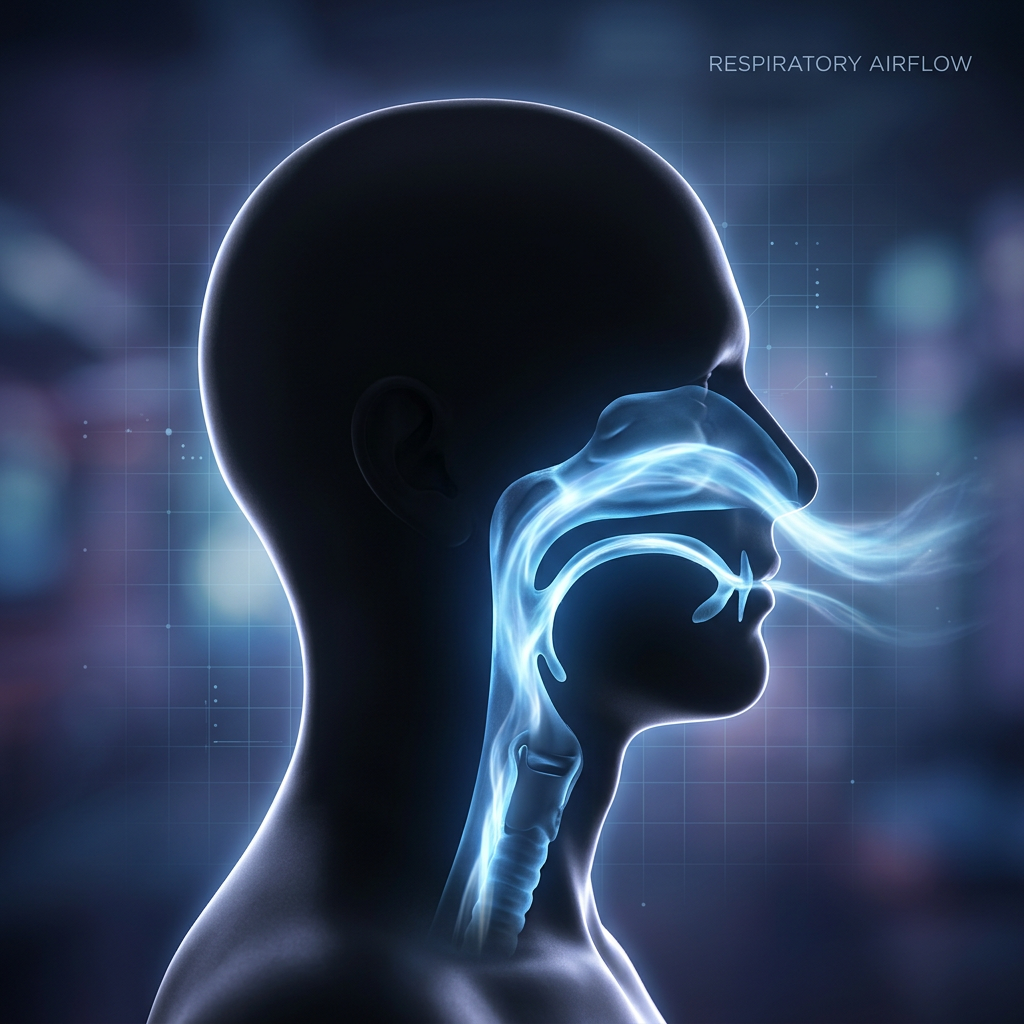
Side profile of a human head with airflow moving through nasal and oral passages into the throat.
Illustration showing the flow of air through the human respiratory tract.

Understanding CPAP Therapy

A CPAP machine is commonly prescribed for people suffering from Obstructive Sleep Apnea, a condition where breathing repeatedly stops and starts during sleep. The machine delivers steady air pressure through a mask to help keep the airway open throughout the night.

For many people, untreated sleep apnea can lead to serious health risks including high blood pressure, heart problems, diabetes complications, daytime exhaustion, and poor concentration.

In my experience, I did not fully understand how often my sleep was being interrupted until treatment began.

The Difference CPAP Made

One of the first noticeable changes was waking up feeling more alert. Before CPAP therapy, even a full night of sleep could leave me drained. After consistent use, mornings became easier and daytime fatigue gradually improved.

Other benefits became noticeable over time:

  • Improved focus and mental clarity
  • Reduced daytime sleepiness
  • Better mood and patience
  • Fewer morning headaches
  • More consistent energy throughout the day
  • Improved breathing during sleep
  • Less tossing and turning at night

Perhaps one of the biggest improvements was realizing what restful sleep actually feels like. Many people with untreated sleep apnea adapt to exhaustion without realizing how much it affects daily life.

Why Others Should Consider a CPAP Machine

Millions of people live with undiagnosed sleep disorders. Someone who snores heavily, wakes up gasping, feels constantly tired, or struggles to stay awake during the day may benefit from speaking with a healthcare provider or sleep specialist.

Common signs that may indicate sleep apnea include:

  • Loud or chronic snoring
  • Waking up choking or gasping
  • Morning headaches
  • Poor concentration
  • Excessive daytime fatigue
  • Irritability or mood swings
  • Difficulty staying asleep
  • High blood pressure
  • Feeling unrested after a full night’s sleep

Sleep studies have become more accessible in recent years, with many providers offering at-home testing options in addition to traditional sleep labs.

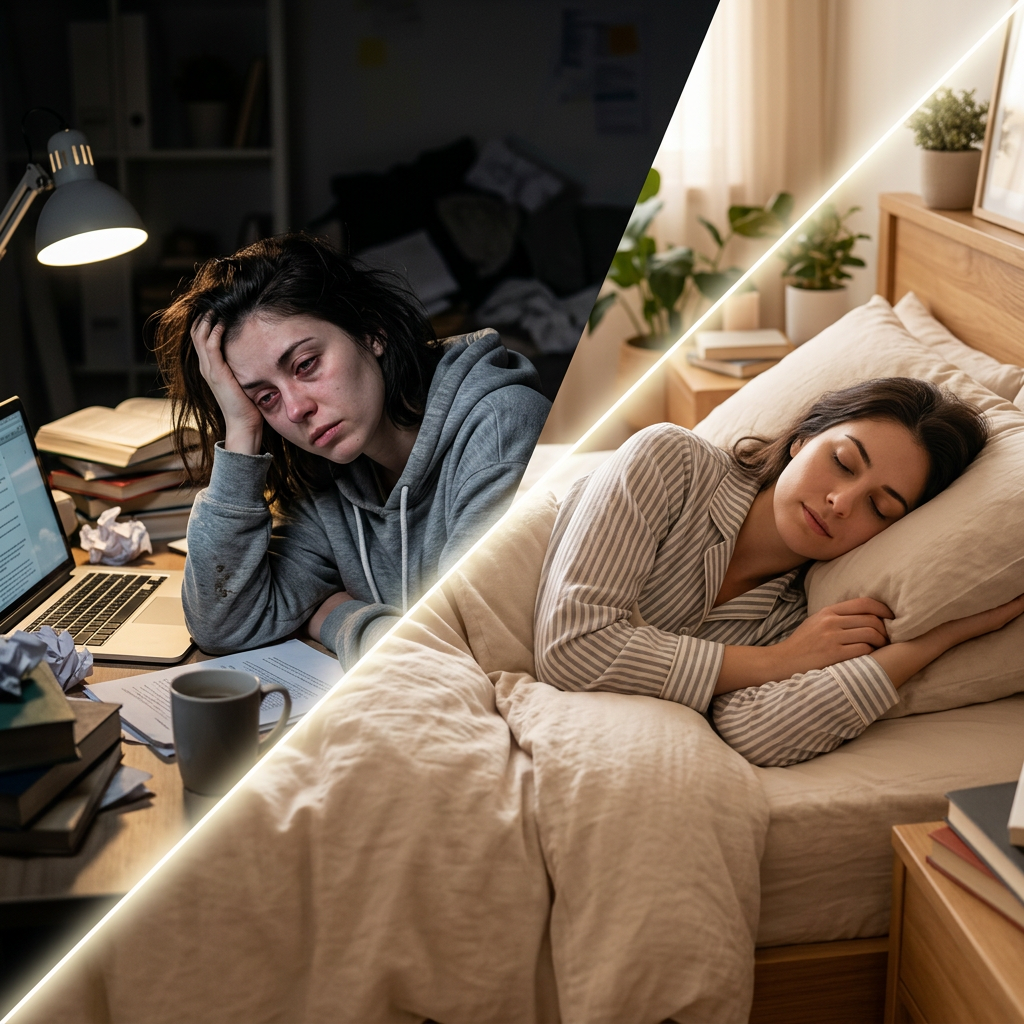
Split image showing a stressed woman working late and the same woman sleeping peacefully
A woman stressed while working contrasts with her peaceful sleeping self.

The Benefits of CPAP Therapy

For people diagnosed with sleep apnea, CPAP therapy can provide significant health benefits when used consistently.

Better Sleep Quality

CPAP therapy helps reduce breathing interruptions, allowing deeper and more restorative sleep cycles.

Improved Cardiovascular Health

Treating sleep apnea may help reduce strain on the heart and lower risks associated with untreated breathing interruptions during sleep.

Increased Energy Levels

Many users report improved daytime energy and reduced fatigue after adapting to therapy.

Enhanced Mental Health

Consistent sleep can positively impact mood, anxiety levels, memory, and concentration.

Reduced Snoring

For many households, CPAP therapy also improves sleep quality for partners affected by loud snoring.

The Drawbacks and Challenges

While CPAP therapy offers many benefits, it is not perfect and does require adjustment.

Initial Discomfort

Wearing a mask during sleep can feel awkward or uncomfortable at first. Some users may experience claustrophobia or irritation.

Dryness and Congestion

Dry mouth, nasal congestion, or skin irritation can occur, especially during the adjustment period.

Noise and Maintenance

Although modern CPAP devices are quieter than older models, the machine still requires regular cleaning and maintenance.

Travel Challenges

Traveling with a CPAP machine can be inconvenient, especially during flights or overnight trips.

Adjustment Period

Some people adapt quickly while others may need weeks or months to become fully comfortable using the device nightly.

Despite these challenges, many long-term users believe the health benefits far outweigh the drawbacks once the routine becomes established.

The Importance of Taking Sleep Seriously

Sleep is not a luxury. It is one of the most important foundations of physical and mental health. Poor sleep impacts nearly every aspect of daily life, from work performance and mood to heart health and overall longevity.

For anyone struggling with constant fatigue, loud snoring, or restless nights, seeking medical advice may be one of the most important health decisions they can make.

Using a CPAP machine may not be glamorous, but for many people, it can be life-changing.

Mental Health Month: Every Day Is a Blessing

During Mental Health Awareness Month, millions of people across the country take time to reflect on the importance of emotional well-being, support, and healing. For me, this month is deeply personal because I suffer from mental illness. While my struggles may not always be visible to others, they are battles I face every single day. Still, through the challenges, I have learned something incredibly important: every day is a blessing.

Stone wall with wildflowers and moss growing in the cracks
Colorful wildflowers bloom on a moss-covered stone wall in a forest

Living with mental illness can feel overwhelming at times. Some mornings are harder than others. There are moments when exhaustion, fear, sadness, or uncertainty try to take control. It can affect relationships, work, motivation, and even the ability to enjoy life’s simplest moments. But despite those challenges, I continue to remind myself that waking up each morning is another opportunity to grow, heal, and keep moving forward.

For a long time, I thought struggling with mental health meant I was weak. I tried to hide my emotions and carry the weight alone. Over time, I realized that asking for help is not weakness… it is courage. Seeking support, talking openly, and taking care of your mental health are some of the strongest things a person can do.

One of the biggest lessons I have learned is that healing does not happen overnight. Recovery is a journey filled with good days, difficult days, setbacks, and victories. Sometimes progress looks like accomplishing major goals. Other times, progress simply means making it through the day without giving up. Both matter.

What keeps me hopeful is knowing that mental illness does not have to define a person’s future. A meaningful, productive, and fulfilling life is still possible. There is still room for happiness, success, friendships, love, and purpose. I truly believe that even in our darkest moments, there is always hope for brighter days ahead.

Every day I continue fighting is proof that resilience exists. Every challenge I overcome reminds me that I am stronger than I once believed. Life may not always be easy, but it is valuable, and it is worth living.

Winding dirt path through golden grassy fields with cloudy sky and sun rays
Golden sunlight breaks through clouds over a winding path in rural fields

To anyone else silently struggling with mental illness, I want you to know this: you are not alone. Your story matters. Your life matters. There is no shame in seeking help or taking time to heal. Keep going, even on the days when it feels difficult. Better moments can still come.

This Mental Health Awareness Month, let us continue breaking the stigma surrounding mental health and encourage more compassion, understanding, and support for those who are struggling. Mental illness may be part of many people’s stories, including mine, but it does not have to be the ending.

Every day is a blessing, and every new day is another chance to keep fighting for a better tomorrow.

Healing Through Tattoos: Exploring Mental Health Benefits

Tattoos, once considered fringe expressions of rebellion, have become a mainstream form of self-identity and personal storytelling. From commemorating loved ones to marking life milestones, body art is increasingly intertwined with emotional expression. But as tattoos grow in popularity, mental health professionals are examining a deeper question: can tattoos positively or negatively impact psychological well-being?

Forearm tattoo of a colorful phoenix with red, blue, and orange feathers.

Tattoos as a Tool for Healing

For many individuals, tattoos serve as a powerful form of emotional processing. Therapists have observed that people often use tattoos to reclaim control over their bodies, particularly after trauma. Survivors of abuse, illness, or significant loss may find empowerment in choosing how to permanently mark their skin.

Memorial tattoos, for example, can help individuals cope with grief by creating a lasting tribute. Similarly, people recovering from self-harm sometimes cover scars with meaningful artwork, transforming painful reminders into symbols of resilience.

In these contexts, tattoos can:

  • Reinforce a sense of identity
  • Provide closure or emotional release
  • Act as daily affirmations or reminders of strength

The Psychological Risks

However, experts caution that tattoos are not a substitute for professional mental health care. While they may offer temporary relief or symbolic meaning, they do not address underlying psychological conditions such as depression, anxiety, or trauma.

In some cases, impulsive tattoo decisions especially during periods of emotional distress can lead to regret. This regret may exacerbate negative feelings, particularly if the tattoo is tied to a painful memory or a phase of life the individual wishes to move past.

Potential downsides include:

  • Regret leading to lowered self-esteem
  • Financial strain from removal or cover-up procedures
  • Reinforcement of unresolved emotional issues

The Role of Intent and Timing

Mental health professionals emphasize that the impact of a tattoo often depends on the individual’s mindset and motivation. Thoughtful, intentional tattoos planned over time and tied to meaningful experiences tend to have more positive psychological outcomes.

Conversely, tattoos acquired impulsively or as a coping mechanism during acute emotional distress may signal a need for deeper support.

“Body art can be therapeutic,” one clinician notes, “but it should complement not replace healthy coping strategies like therapy, social support, and self-reflection.”

Silhouette of a standing figure with one half brightly decorated with colorful tattoos including dragons, flowers, and symbols.

A Personal Decision with Lasting Implications

Ultimately, tattoos occupy a unique intersection between art, identity, and mental health. For some, they are empowering symbols of survival and growth. For others, they may become reminders of difficult periods or impulsive choices.

Before getting a tattoo, individuals are encouraged to reflect on their motivations, consider the permanence of the decision, and assess their emotional state. Consulting with a mental health professional can also provide clarity, especially if the tattoo is tied to deeper psychological experiences.

Final Thought

Tattoos can be meaningful tools for self-expression and even healing but they are not a cure-all. Like any personal decision, their impact on mental health depends on intention, timing, and context. When approached thoughtfully, tattoos can tell powerful stories. When used as a substitute for deeper healing, however, they may fall short of providing lasting emotional relief.

As the conversation around mental health continues to evolve, so too does our understanding of how the marks we choose to wear on our skin reflect and affect the mind beneath.

Understanding IRMAA: How It Affects Your Medicare Costs

For many retirees, enrolling in Medicare feels straightforward—until they encounter IRMAA. The Income-Related Monthly Adjustment Amount (IRMAA) is a surcharge added to your Medicare Part B and Medicare Part D premiums if your income exceeds certain thresholds. While Medicare premiums are standardized for most beneficiaries, IRMAA introduces income-based pricing that can materially increase healthcare costs for higher earners.

Here is what you need to know.


What Is IRMAA?

IRMAA stands for Income-Related Monthly Adjustment Amount. It is not a separate policy or optional coverage it is an additional premium surcharge applied to:

  • Medicare Part B (medical insurance)
  • Medicare Part D (prescription drug coverage)

The surcharge is determined by the Social Security Administration (SSA) using your Modified Adjusted Gross Income (MAGI) from two years prior. For example, your 2026 premiums are generally based on your 2024 tax return.


How Income Affects Your Medicare Premiums

IRMAA applies once your income crosses specific annual thresholds. These thresholds are tiered. The higher your income, the higher your surcharge.

Key factors include:

  • Filing status (single vs. married filing jointly)
  • MAGI (Adjusted Gross Income + tax-exempt interest)
  • Two-year lookback period

This means a one-time spike in income such as selling a business, converting a large IRA to a Roth, or realizing significant capital gains can temporarily increase your Medicare premiums two years later.


How Much Can IRMAA Increase Your Costs?

While standard Part B and Part D premiums are set annually, IRMAA can substantially increase your total healthcare expenses.

The surcharge:

  • Increases Part B monthly premiums incrementally based on income tier.
  • Adds an additional amount to your Part D premium, paid directly to Medicare (separate from your plan’s base premium).

For higher-income retirees, IRMAA can add several thousand dollars per year in additional premiums.


Common Triggers for IRMAA

Many retirees are surprised by IRMAA because the income event occurred years earlier. Common triggers include:

  • Large Required Minimum Distributions (RMDs)
  • Roth IRA conversions
  • Sale of appreciated assets
  • Business sale or deferred compensation payouts
  • Real estate transactions
  • Capital gains from portfolio rebalancing

Strategic income planning can help mitigate these impacts.


Can You Appeal IRMAA?

Yes. If your income has decreased due to a qualifying life event, you can request a reassessment from the SSA.

Qualifying life-changing events include:

  • Retirement or reduction in work hours
  • Divorce or death of a spouse
  • Loss of income-producing property
  • Employer settlement payment

You must file Form SSA-44 to request a reduction.


Planning Strategies to Manage IRMAA

Because IRMAA is tied to taxable income, proactive tax planning is essential. Strategies may include:

  • Managing the timing of Roth conversions
  • Coordinating capital gains realization
  • Strategic withdrawal sequencing from retirement accounts
  • Utilizing tax-efficient investment vehicles
  • Charitable giving strategies such as Qualified Charitable Distributions (QCDs)

For retirees with sizable portfolios, IRMAA becomes part of broader retirement income engineering not just healthcare planning.


Lastly

IRMAA is effectively a means-tested premium adjustment built into Medicare. It is not a penalty, but it can feel like one if you are unprepared.

Understanding how your income today affects your Medicare premiums two years from now is critical. With thoughtful planning, retirees can reduce surprises and potentially minimize unnecessary surcharges.

As healthcare costs continue to rise, integrating Medicare premium planning into your tax and retirement strategy is no longer optional… it is prudent financial management.

Why Choosing Kindness Over Anger May Be One of the Healthiest Decisions I Ever Made

I used to think anger was a form of strength.

When something didn’t go my way whether it was a business deal falling apart, someone cutting me off in traffic, or even a careless comment I felt justified in holding onto that anger. It gave me a sense of control, a sense that I was standing my ground. But over time, I began to notice something unsettling: anger wasn’t making my life better. It was making it heavier.

What I didn’t realize then but understand now is that choosing kindness over anger isn’t just a moral decision. It’s a health decision. And it’s one that can profoundly shape how we age, how we feel, and how we live.

The Hidden Physical Cost of Anger

Anger isn’t just an emotion. It’s a full-body stress response.

When I get angry, my body releases stress hormones like cortisol and adrenaline. My heart rate increases. My blood pressure rises. My muscles tense. In the short term, this response is useful it’s designed to protect me. But when anger becomes frequent or habitual, that stress response never fully shuts off.

Over time, chronic anger has been linked to:

  • High blood pressure
  • Increased risk of heart disease
  • Weakened immune function
  • Poor sleep quality
  • Chronic inflammation

I started to realize that every time I held onto anger, I wasn’t hurting the other person. I was hurting myself.

Kindness as a Long-Term Investment in Health

Kindness, on the other hand, produces the opposite physiological effect.

When I choose kindness even when it’s difficult my body begins to calm. My breathing slows. My muscles relax. My nervous system shifts out of “fight-or-flight” and into what scientists call the “rest-and-digest” state.

This state is where healing happens.

Research has shown that people who regularly practice kindness and compassion tend to have:

  • Lower blood pressure
  • Reduced stress hormone levels
  • Better cardiovascular health
  • Stronger immune systems
  • Longer life expectancy

I began to see kindness not as weakness, but as discipline. It’s the ability to control my internal state rather than letting external circumstances control me.

The Compounding Effect Over Time

What surprised me most is how kindness compounds over time.

Every time I respond with patience instead of anger, I strengthen relationships rather than damage them. People trust me more. Conversations improve. Opportunities open. Life becomes smoother, not harder.

Anger isolates. Kindness connects.

And those connections matter more than we often realize. Studies consistently show that strong social relationships are one of the most powerful predictors of long-term health and longevity. People who feel connected and supported live longer, healthier lives.

In contrast, chronic anger and hostility have been linked to loneliness, which carries health risks comparable to smoking.

Mental Health Benefits That Shape the Future

I’ve also noticed the mental clarity that comes with choosing kindness.

Anger clouds judgment. It narrows perspective. It makes small problems feel larger than they really are.

Kindness does the opposite. It creates emotional space. It allows me to think clearly and respond intentionally rather than react impulsively.

Over time, this leads to:

  • Lower anxiety
  • Reduced depression risk
  • Greater emotional stability
  • Improved overall life satisfaction

In a sense, kindness protects not only my body, but my mind.

Kindness Toward Others and Toward Myself

Perhaps the most important lesson I’ve learned is that kindness isn’t only about how I treat others. It’s about how I treat myself.

Holding onto anger often meant holding onto past mistakes, regrets, and frustrations. Choosing kindness meant learning to let go. It meant accepting that I’m human, that others are human, and that perfection was never the goal.

Peace was.

A Choice That Shapes Who I Become

I still feel anger. That hasn’t changed. But what has changed is what I do with it.

I’ve learned that anger is a signal, not a destination. I can acknowledge it without living in it. I can choose patience instead of reaction. Understanding instead of resentment.

Each time I choose kindness, I feel lighter. Calmer. Healthier.

And when I think about the future about the kind of person I want to become and the kind of life I want to live it’s clear to me that kindness isn’t just the better choice.

It’s the healthier one.

Cold Weather and Your Health: Why I Chose the Sunshine State

Every time the temperature drops, my body reminds me that cold weather isn’t just uncomfortable it can genuinely affect your health. I’ve felt it in my stiff joints, my dry skin, my sluggish energy, and even my mood. And honestly, that’s a big reason why I live in Florida.

Cold weather puts real stress on the body. When temperatures fall, blood vessels constrict to preserve heat, which can raise blood pressure and strain the heart. I’ve noticed that during colder stretches, even simple activities feel harder. My hands feel tight, my knees ache more, and everything seems to move a little slower. For people with arthritis or chronic pain, cold air can amplify inflammation and make daily life more uncomfortable.

Then there’s the immune system. Cold weather often forces us indoors, where germs spread more easily. Dry winter air can irritate nasal passages and weaken the body’s first line of defense against viruses. I’ve always felt more run down in colder climates… more sniffles, more sore throats, more days where I just don’t feel like myself.

Mental health takes a hit too. Shorter days and less sunlight can disrupt sleep patterns and lower serotonin levels, contributing to seasonal depression. I know that when the skies are gray and the days are short, my motivation drops. Sunshine matters more than we like to admit. Light affects our circadian rhythm, our energy, and our overall outlook on life.

Cold weather can also discourage movement. When it’s freezing outside, I’m far less likely to go for a walk, stretch, or stay active. That lack of movement compounds other health issues weight gain, stiffness, and lower cardiovascular fitness. In contrast, warm weather makes it easier to stay consistent with healthy habits.

That’s why I live in Florida. The warmth keeps my body loose, my mood brighter, and my routine intact. Sunshine makes it easier to move, easier to breathe, and easier to feel good. I’m not pretending Florida is perfect, but from a health standpoint, the benefits of warm weather are real for me.

Cold weather may be unavoidable for many people, but its effects shouldn’t be ignored. Our environment plays a larger role in our health than we often realize. For me, choosing warmth wasn’t just a lifestyle decision, it was a health decision. And every time I step outside into the Florida sun, I’m reminded I made the right one.

Low Testosterone: What I’ve Learned About Men’s Health & What We Can Do About It

For a long time, I thought feeling tired all the time was just part of getting older. I blamed stress, work, poor sleep… anything except the possibility that something deeper was going on. Like many men, I didn’t grow up hearing much about hormones, let alone testosterone. But low testosterone, often called “low T,” is a real and increasingly common issue, and it affects far more than just energy levels.

What Low Testosterone Feels Like

From what I’ve experienced and what I’ve learned low testosterone doesn’t usually announce itself loudly. It creeps in quietly. Fatigue becomes constant. Motivation drops. Muscle mass seems harder to maintain, even with regular exercise. Fat gain becomes easier, especially around the midsection. Mood changes follow irritability, brain fog, even a low-grade sense of depression.

For some men, libido drops and confidence takes a hit. For others, sleep worsens or recovery after workouts takes longer. The most frustrating part? Many of these symptoms are brushed off as “normal aging,” which means men often don’t address the root cause.

Why It’s Happening More Often

According to my doctor, testosterone levels naturally decline with age, but lifestyle plays a massive role. Chronic stress, poor sleep, excess body fat, sedentary habits, and ultra-processed diets all work against healthy hormone production. Add in environmental factors like endocrine-disrupting chemicals and it’s no surprise more men are struggling.

What stood out to me is that low testosterone isn’t just about sex drive or gym performance. It’s closely tied to long-term health, including bone density, cardiovascular health, insulin sensitivity, and mental clarity.

What I’ve Learned You Can Do About It

The good news is that low testosterone isn’t always a life sentence and it’s not always solved with a prescription right away. There are practical steps men can take to improve their levels naturally.

1. Prioritize Sleep
This one surprised me the most. Poor sleep can tank testosterone faster than almost anything else. Consistent, high-quality sleep between 7 to 9 hours supports hormone production and recovery.

2. Lift Heavy Things
Resistance training, especially compound movements like squats, deadlifts, and presses, signals the body to produce more testosterone. Long cardio sessions without strength work, on the other hand, can sometimes work against it.

3. Clean Up Nutrition
Adequate protein, healthy fats, and micro-nutrients like zinc and vitamin D matter. Crash dieting and ultra-low-fat diets can suppress testosterone. Eating enough and eating well makes a difference.

4. Manage Stress Ruthlessly
Chronic stress raises cortisol, and cortisol and testosterone do not coexist peacefully. Whether it’s walking, breathing exercises, or simply unplugging, stress management isn’t optional, it’s hormonal self-defense.

5. Reduce Excess Body Fat
Higher body fat increases estrogen conversion in men. Even modest fat loss can improve testosterone levels and overall metabolic health.

6. Get Tested and Be Honest
This may be the most important step. Blood work provides clarity. If lifestyle changes aren’t enough, medical guidance matters. Testosterone replacement therapy (TRT) can be life-changing for some men when appropriately prescribed and monitored but it should be a decision made with a qualified healthcare professional.

A Bigger Conversation Men Need to Have

What I’ve come to realize is that men’s health is often reactive instead of proactive. We wait until something is “really wrong.” Low testosterone sits in that gray area where symptoms are real, but easy to ignore.

Talking about it openly matters. Taking action early matters more. Feeling strong, focused, and engaged in life isn’t a luxury it’s a baseline we should expect and work to maintain.

Low testosterone doesn’t define a man, but ignoring it can quietly shape his quality of life. From my perspective, paying attention to the signals your body sends is one of the most responsible things a man can do for himself and for the people who rely on him.

High-Functioning Depression: What to Look For?

Depression is often portrayed as visible sadness, emotional breakdowns, or an inability to function. In reality, many people experiencing depression continue to show up to work, care for their families, and meet daily obligations, while silently struggling. These “high-functioning” or subtle forms of depression frequently go unnoticed by others and, just as often, by the individuals experiencing them.

Mental health professionals emphasize that depression does not always announce itself clearly. It can surface through physical symptoms, behavioral changes, or shifts in thinking that are easy to dismiss as stress, burnout, or personality traits. Recognizing these overlooked signals is a critical first step toward seeking support and preventing symptoms from worsening.

Below is a practical reference list of commonly missed signs of depression. Experiencing one or two does not automatically indicate depression, but persistent patterns especially over several weeks should not be ignored.


Commonly Missed Signs of Depression

  1. Chronic Fatigue Despite Adequate Rest
    Feeling consistently drained, even after sleeping, can be a sign of emotional exhaustion rather than physical tiredness.
  2. Loss of Interest in Previously Enjoyable Activities
    Hobbies, social events, or passions may begin to feel like obligations rather than sources of enjoyment.
  3. Increased Irritability or Short Temper
    Depression does not always appear as sadness; it can manifest as frustration, impatience, or anger.
  4. Changes in Appetite or Weight
    Eating significantly more or less than usual without a conscious goal can signal emotional distress.
  5. Difficulty Concentrating or Making Decisions
    Persistent “brain fog,” forgetfulness, or indecisiveness may reflect cognitive effects of depression.
  6. Withdrawing Socially While Remaining Busy
    Staying productive but avoiding meaningful conversations or relationships can be a coping mechanism.
  7. Physical Complaints With No Clear Medical Cause
    Headaches, stomach issues, or unexplained aches are frequently linked to untreated depression.
  8. Overworking or Constant Busyness
    Using work or productivity to avoid emotions is a common but often overlooked warning sign.
  9. Feelings of Hopelessness or Emotional Numbness
    A sense that things will not improve or feeling nothing at all can be more concerning than sadness itself.
  10. Sleep Changes
    Insomnia, frequent waking, or sleeping excessively are among the most common symptoms of depression.
  11. Persistent Self-Criticism or Guilt
    An ongoing internal narrative of failure or inadequacy can quietly erode mental well-being.
  12. Relying More Heavily on Alcohol or Substances
    Increased use to relax, sleep, or cope emotionally may indicate underlying distress.

When to Seek Support

If several of these signs resonate and have been present most days for two weeks or longer, it may be time to reach out for help. Depression is not a personal weakness or a failure of resilience, it is a medical condition that responds to treatment, support, and understanding.

Talking with a trusted person, scheduling an appointment with a healthcare provider, or contacting a mental health professional can be meaningful first steps. Early recognition often leads to better outcomes and prevents prolonged suffering.

Mental health challenges are common, but suffering in silence does not have to be. Awareness both personal and collective remains one of the most powerful tools for improving mental well-being.

Boost Productivity Without Stress: 7 Essential Strategies

In today’s always-connected world, many people believe productivity comes at the cost of mental well-being. Long hours, constant notifications, and unrealistic expectations often lead to burnout rather than better results. However, growing evidence and real-world experience shows that productivity and peace of mind are not opposing goals. When approached intentionally, it is possible to increase output while simultaneously reducing stress and anxiety.

The key lies in working smarter, not longer, and prioritizing habits that support both focus and emotional resilience.

Clarify Priorities Before Starting the Day
One of the largest contributors to stress is mental clutter. When everything feels urgent, nothing truly is. Readers should begin each day by identifying their top three priorities or tasks that will create the most meaningful progress if completed. This approach reduces decision fatigue and provides clarity, allowing attention to be directed where it matters most.

Adopt Time-Blocking Instead of Multitasking
Multitasking is often mistaken for efficiency, yet it significantly increases cognitive strain and anxiety. Time-blocking or assigning specific periods to single tasks encourages deeper focus and fewer distractions. By working in concentrated intervals, such as 25–50 minutes followed by short breaks, readers can maintain momentum without overwhelming their nervous system.

Set Boundaries With Technology
Constant notifications keep the brain in a reactive state, elevating stress levels and fragmenting attention. Readers should try silencing non-essential alerts, scheduling email checks, and keeping phones out of reach during focused work. These small boundaries can dramatically improve concentration and create a sense of control over the workday.

Build Recovery Into the Routine
Productivity does not come from nonstop effort; it comes from balanced energy management. Short walks, stretching, deep breathing, or stepping outside for fresh air can reset the mind and reduce anxiety. Regular recovery periods help prevent burnout and improve long-term performance.

Practice Realistic Goal-Setting
Overcommitting is a common driver of stress. Readers should aim to set achievable, clearly defined goals rather than overly ambitious to-do lists. Completing fewer tasks with intention often delivers better results and greater satisfaction than attempting to do everything at once.

Protect Sleep, Nutrition, and Movement
No productivity strategy can compensate for chronic exhaustion. Adequate sleep, balanced nutrition, and regular physical activity directly influence focus, mood, and stress regulation. Readers who prioritize these fundamentals often find they accomplish more in less time, with fewer feelings of anxiety.

Redefine What “Productive” Means
Finally, readers should challenge the idea that productivity equals constant busyness. True productivity is measured by progress, clarity, and sustainability not by how overwhelmed someone feels. When expectations shift from “doing more” to “doing what matters,” stress naturally declines.

Increasing productivity while lowering stress and anxiety is not about drastic life changes. It is about intentional adjustments creating structure, protecting focus, and honoring personal well-being. By trying these strategies, people can work more effectively while maintaining the calm and clarity needed for long-term success.