Healing Through Tattoos: Exploring Mental Health Benefits

Tattoos, once considered fringe expressions of rebellion, have become a mainstream form of self-identity and personal storytelling. From commemorating loved ones to marking life milestones, body art is increasingly intertwined with emotional expression. But as tattoos grow in popularity, mental health professionals are examining a deeper question: can tattoos positively or negatively impact psychological well-being?
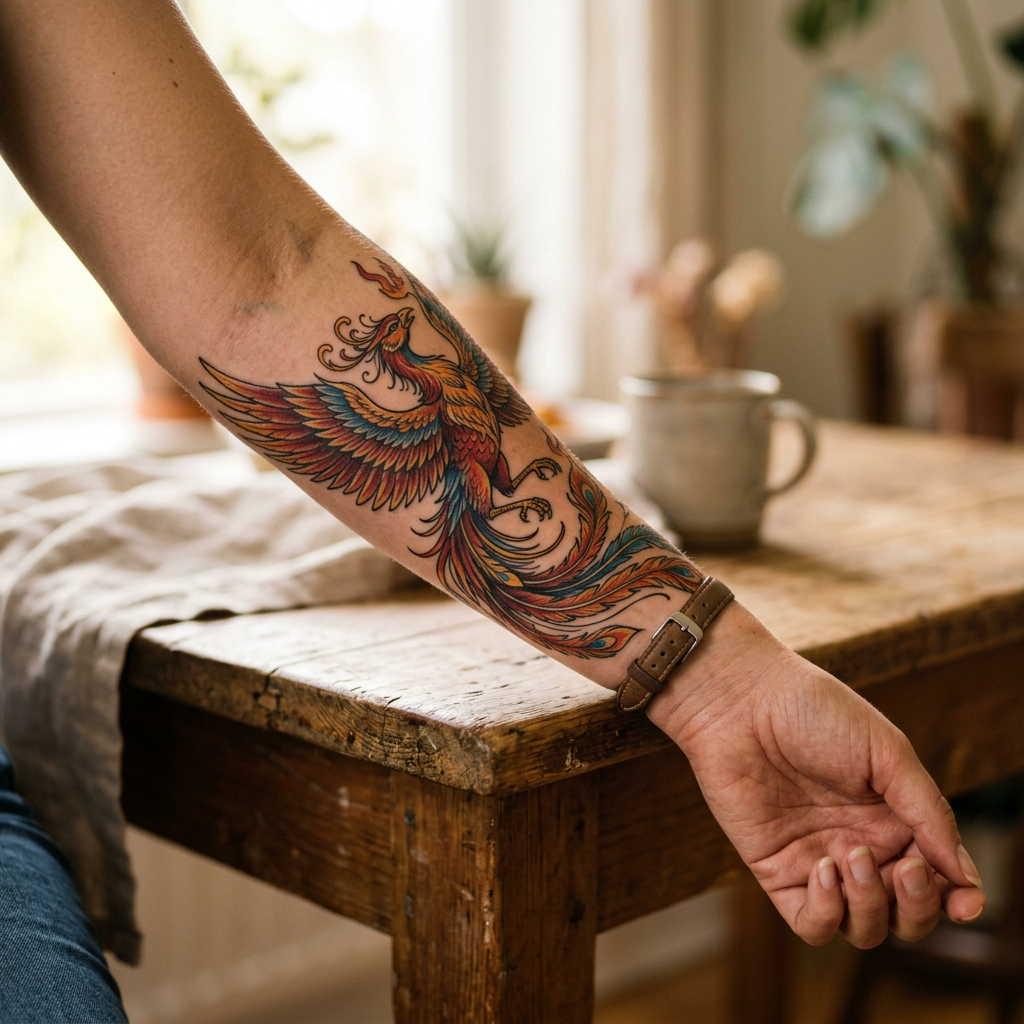
Forearm tattoo of a colorful phoenix with red, blue, and orange feathers.

Tattoos as a Tool for Healing

For many individuals, tattoos serve as a powerful form of emotional processing. Therapists have observed that people often use tattoos to reclaim control over their bodies, particularly after trauma. Survivors of abuse, illness, or significant loss may find empowerment in choosing how to permanently mark their skin.

Memorial tattoos, for example, can help individuals cope with grief by creating a lasting tribute. Similarly, people recovering from self-harm sometimes cover scars with meaningful artwork, transforming painful reminders into symbols of resilience.

In these contexts, tattoos can:

  • Reinforce a sense of identity
  • Provide closure or emotional release
  • Act as daily affirmations or reminders of strength

The Psychological Risks

However, experts caution that tattoos are not a substitute for professional mental health care. While they may offer temporary relief or symbolic meaning, they do not address underlying psychological conditions such as depression, anxiety, or trauma.

In some cases, impulsive tattoo decisions especially during periods of emotional distress can lead to regret. This regret may exacerbate negative feelings, particularly if the tattoo is tied to a painful memory or a phase of life the individual wishes to move past.

Potential downsides include:

  • Regret leading to lowered self-esteem
  • Financial strain from removal or cover-up procedures
  • Reinforcement of unresolved emotional issues

The Role of Intent and Timing

Mental health professionals emphasize that the impact of a tattoo often depends on the individual’s mindset and motivation. Thoughtful, intentional tattoos planned over time and tied to meaningful experiences tend to have more positive psychological outcomes.

Conversely, tattoos acquired impulsively or as a coping mechanism during acute emotional distress may signal a need for deeper support.

“Body art can be therapeutic,” one clinician notes, “but it should complement not replace healthy coping strategies like therapy, social support, and self-reflection.”

Silhouette of a standing figure with one half brightly decorated with colorful tattoos including dragons, flowers, and symbols.

A Personal Decision with Lasting Implications

Ultimately, tattoos occupy a unique intersection between art, identity, and mental health. For some, they are empowering symbols of survival and growth. For others, they may become reminders of difficult periods or impulsive choices.

Before getting a tattoo, individuals are encouraged to reflect on their motivations, consider the permanence of the decision, and assess their emotional state. Consulting with a mental health professional can also provide clarity, especially if the tattoo is tied to deeper psychological experiences.

Final Thought

Tattoos can be meaningful tools for self-expression and even healing but they are not a cure-all. Like any personal decision, their impact on mental health depends on intention, timing, and context. When approached thoughtfully, tattoos can tell powerful stories. When used as a substitute for deeper healing, however, they may fall short of providing lasting emotional relief.

As the conversation around mental health continues to evolve, so too does our understanding of how the marks we choose to wear on our skin reflect and affect the mind beneath.

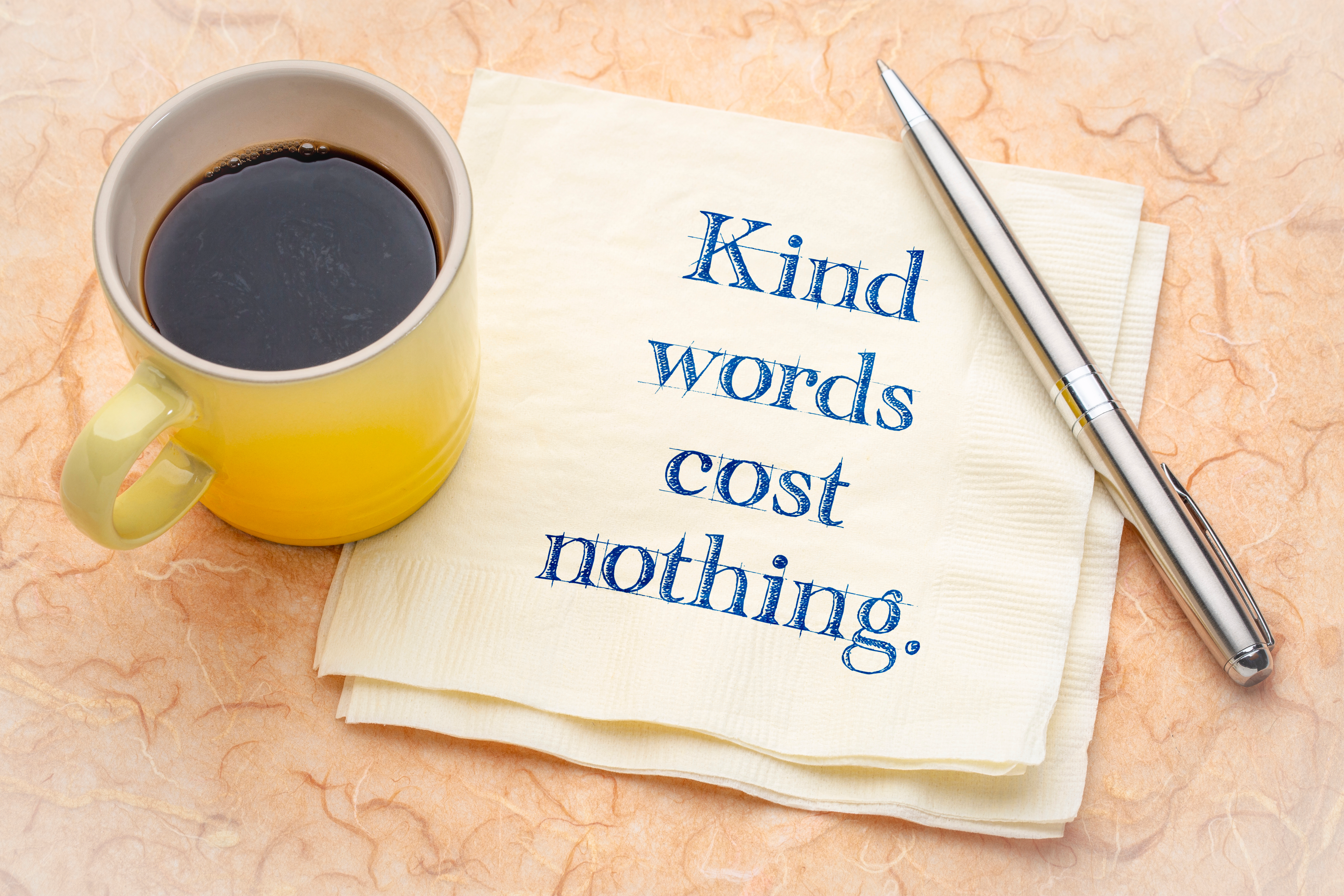
Why Choosing Kindness Over Anger May Be One of the Healthiest Decisions I Ever Made

I used to think anger was a form of strength.

When something didn’t go my way whether it was a business deal falling apart, someone cutting me off in traffic, or even a careless comment I felt justified in holding onto that anger. It gave me a sense of control, a sense that I was standing my ground. But over time, I began to notice something unsettling: anger wasn’t making my life better. It was making it heavier.

What I didn’t realize then but understand now is that choosing kindness over anger isn’t just a moral decision. It’s a health decision. And it’s one that can profoundly shape how we age, how we feel, and how we live.

The Hidden Physical Cost of Anger

Anger isn’t just an emotion. It’s a full-body stress response.

When I get angry, my body releases stress hormones like cortisol and adrenaline. My heart rate increases. My blood pressure rises. My muscles tense. In the short term, this response is useful it’s designed to protect me. But when anger becomes frequent or habitual, that stress response never fully shuts off.

Over time, chronic anger has been linked to:

  • High blood pressure
  • Increased risk of heart disease
  • Weakened immune function
  • Poor sleep quality
  • Chronic inflammation

I started to realize that every time I held onto anger, I wasn’t hurting the other person. I was hurting myself.

Kindness as a Long-Term Investment in Health

Kindness, on the other hand, produces the opposite physiological effect.

When I choose kindness even when it’s difficult my body begins to calm. My breathing slows. My muscles relax. My nervous system shifts out of “fight-or-flight” and into what scientists call the “rest-and-digest” state.

This state is where healing happens.

Research has shown that people who regularly practice kindness and compassion tend to have:

  • Lower blood pressure
  • Reduced stress hormone levels
  • Better cardiovascular health
  • Stronger immune systems
  • Longer life expectancy

I began to see kindness not as weakness, but as discipline. It’s the ability to control my internal state rather than letting external circumstances control me.

The Compounding Effect Over Time

What surprised me most is how kindness compounds over time.

Every time I respond with patience instead of anger, I strengthen relationships rather than damage them. People trust me more. Conversations improve. Opportunities open. Life becomes smoother, not harder.

Anger isolates. Kindness connects.

And those connections matter more than we often realize. Studies consistently show that strong social relationships are one of the most powerful predictors of long-term health and longevity. People who feel connected and supported live longer, healthier lives.

In contrast, chronic anger and hostility have been linked to loneliness, which carries health risks comparable to smoking.

Mental Health Benefits That Shape the Future

I’ve also noticed the mental clarity that comes with choosing kindness.

Anger clouds judgment. It narrows perspective. It makes small problems feel larger than they really are.

Kindness does the opposite. It creates emotional space. It allows me to think clearly and respond intentionally rather than react impulsively.

Over time, this leads to:

  • Lower anxiety
  • Reduced depression risk
  • Greater emotional stability
  • Improved overall life satisfaction

In a sense, kindness protects not only my body, but my mind.

Kindness Toward Others and Toward Myself

Perhaps the most important lesson I’ve learned is that kindness isn’t only about how I treat others. It’s about how I treat myself.

Holding onto anger often meant holding onto past mistakes, regrets, and frustrations. Choosing kindness meant learning to let go. It meant accepting that I’m human, that others are human, and that perfection was never the goal.

Peace was.

A Choice That Shapes Who I Become

I still feel anger. That hasn’t changed. But what has changed is what I do with it.

I’ve learned that anger is a signal, not a destination. I can acknowledge it without living in it. I can choose patience instead of reaction. Understanding instead of resentment.

Each time I choose kindness, I feel lighter. Calmer. Healthier.

And when I think about the future about the kind of person I want to become and the kind of life I want to live it’s clear to me that kindness isn’t just the better choice.

It’s the healthier one.