At Health to Wealth Ventures, I’ve always believed that true wealth begins with good health. That’s why I’ve made the decision to openly document my experience with Transcranial Magnetic Stimulation (TMS) as I work toward recovery from depression and reclaiming the best version of myself.
A hiker walks along a rocky mountain trail at sunrise with a stunning mountain range ahead.
This week marked the completion of another week of treatment.
The journey hasn’t been easy, but it has been worthwhile. Like many people beginning TMS, I’ve experienced moments of hope, fatigue, mental fog, and emotional ups and downs. While I’m still early in the process and not expecting overnight results, I’ve already noticed small signs that encourage me to keep moving forward.
One lesson this experience has reinforced is that recovery is rarely linear. Healing takes patience, consistency, and the willingness to trust the process even on the difficult days.
Outside of treatment, I’ve remained committed to healthy habits that support both my physical and mental well-being. Daily walks, exercise, preparing healthy meals, maintaining routines, and leaning on family and friends have all become important pieces of my recovery. TMS is one tool, but lasting wellness comes from caring for the whole person.
By sharing this journey, my hope is that others battling depression realize they are not alone. Mental health deserves the same attention and compassion as physical health, and seeking treatment is a sign of strength not weakness.
A glowing, ethereal river winds through lush green hills under a twilight sky.
As Dwayne “The Rock” Johnson once said, “Depression never discriminates.” Those simple words remind us that mental illness can affect anyone, regardless of success, background, or circumstance.
I’m optimistic about the weeks ahead and committed to seeing this treatment through. Once I complete my full course of TMS, I’ll publish a comprehensive update sharing my experience, what I’ve learned, and whether the treatment helped me achieve the recovery I’ve been working toward.
Thank you for following along and for your continued encouragement. If sharing my story helps even one person take the first step toward getting help, then this journey will have an impact far beyond my own recovery.
Remember: Your health is your greatest investment, and investing in your mental health is one of the most valuable decisions you can make.
Mental health is often a topic that families struggle to talk about. We may know about physical illnesses that run in our families heart disease, diabetes, cancer but we don’t always discuss depression, anxiety, trauma, or other mental health challenges with the same openness.
Recently, I found myself reflecting on my father’s story and how family experiences can shape the way we understand mental health.
A large tree with roots naturally forming a heart shape in a sunlit forest
My father suffered a heart attack at a relatively young age. He was a heavy smoker, and his heart health was something that impacted our family. After that heart attack, he told me he had taken lithium, explaining that it was for his heart. Looking back, I now understand that lithium is not typically used as a heart medication. It is most commonly associated with mood stabilization, particularly for conditions such as bipolar disorder and certain forms of treatment-resistant depression.
The truth is, I may never know exactly why he took it. Medical records are not always available, and sometimes family members remember medications or diagnoses differently than they were documented. But the conversation made me think about something deeper: the connection between trauma, mental health, and family history.
My father experienced a devastating loss when his brother was shot and killed by his wife. They were extremely close, and a tragedy like that can leave a lasting emotional impact. Severe trauma and grief can contribute to depression, anxiety, PTSD, and other mental health struggles. While we cannot assume exactly what my father experienced or what treatment he needed, it reminds me that emotional wounds can be just as real as physical ones.
That realization has also caused me to reflect on my own mental health journey.
I have been working through depression and other challenges, and I am now beginning a new chapter by starting Transcranial Magnetic Stimulation (TMS) therapy. TMS is a noninvasive treatment that uses magnetic pulses to stimulate specific areas of the brain involved in mood regulation. For many people who have not found enough relief through medication alone, TMS can provide another option.
Starting TMS is not about giving up on previous treatments it is about continuing to search for what works. Mental health treatment is often a process of finding the right combination of therapies, medications, lifestyle changes, support systems, and self-awareness.
A glowing brain surrounded by radiant light beams breaking through darkness
As I begin this journey, I want to share a few lessons I have learned:
1. Family history matters. Understanding the experiences, struggles, and challenges within our families can provide important context for our own health journeys.
2. Trauma can affect generations. Painful events do not always end when the event is over. Grief, loss, and trauma can influence how people cope, communicate, and seek help.
3. Mental health deserves the same attention as physical health. We would never tell someone with heart disease to simply “push through it.” Depression and other mental health conditions deserve compassion, treatment, and support.
4. Healing is not always a straight line. Sometimes progress comes from trying something new, adjusting course, and being willing to ask for help.
At Health to Wealth Ventures, the goal has always been to look at the complete picture of health, mind, body, finances, safety, and quality of life. True wealth is not just measured by what we own; it is also measured by our ability to enjoy life, maintain relationships, and take care of ourselves.
My TMS journey is just beginning. I don’t know exactly what the outcome will be, but I do know this: seeking help is a sign of strength, not weakness.
By sharing our stories, we can help remove the stigma around mental health and remind others that they are not alone in their journey toward healing.
Health is the foundation. Wealth is the opportunity. Together, they create a life worth living.
Over the past few years here, one thing has become clear: the topics that matter most are the ones that impact everyday people in real life. From protecting families financially to improving personal health and building long-term wealth, the conversations shared across social media have focused on practical advice, real experiences, and personal growth.
Here’s a look back at some of the biggest themes that resonated with readers and followers alike.
A scenic dirt path leads to a city skyline at sunset, with glowing navigation and connectivity icons along the trail.
Insurance Isn’t Just a Bill… It’s a Financial Safety Net
One recurring topic has been the importance of understanding insurance beyond the monthly premium. Conversations around auto insurance scores, homeowner protection, life changes, and shopping for coverage highlighted how important it is to make informed decisions.
Many drivers don’t realize that constantly switching insurance companies can sometimes hurt their long-term pricing and stability. Insurance history, payment consistency, claim frequency, and credit-related factors often play a role in how rates are calculated. The key message shared over time has been simple:
✅ Shop smart ✅ Compare coverage… not just price ✅ Understand what you’re buying ✅ Protect yourself before problems happen
There were also important discussions about protecting families after the loss of a spouse. Topics included updating estate documents, reviewing beneficiaries, adjusting homeowners and auto insurance policies, and making sure financial accounts are organized during difficult times.
Health and Sleep Matter More Than We Admit
Another major focus centered around health and quality of life, especially sleep.
Personal experiences discussing CPAP therapy opened conversations for many people struggling silently with exhaustion, poor sleep quality, and untreated sleep apnea. The message was relatable because it focused on real-life improvements instead of medical jargon.
Many readers connected with the idea that better sleep can improve:
Energy levels
Mood and mental clarity
Blood pressure
Productivity
Overall quality of life
The discussions also honestly addressed the adjustment period that comes with CPAP use, reminding people that long-term health improvements often require patience and consistency.
Mental Health Conversations Continue to Break Stigma
Mental health awareness became another important topic throughout the years. Rather than focusing only on diagnoses or labels, the message centered around perseverance, growth, and finding purpose despite difficult seasons.
The overall tone remained encouraging:
Every day is another opportunity to keep moving forward.
Readers responded positively to honest conversations about stress, emotional struggles, and the importance of seeking support while continuing to pursue productive and meaningful lives.
Investing Conversations Focused on Long-Term Thinking
Investment-related discussions also attracted strong engagement, especially around dividend-paying companies and emerging growth opportunities.
Articles and commentary involving companies like General Mills (GIS) and Ondas Holdings (ONDS) explored the balance between stability and growth potential.
Topics included:
Dividend investing
Market volatility
Long-term portfolio strategy
Risk management
Emerging technology opportunities
One consistent theme stood out:
📈 Investing is not about chasing hype every day it’s about building disciplined habits over time.
Transparency also remained important, with disclosures shared whenever positions in discussed companies were personally owned.
A vintage scale balancing symbols of health, money, technology, and family.
Technology, Sustainability, and Everyday Innovation
Discussions around sustainability and technology showed how rapidly the world is changing. Topics ranged from electric vehicles and smart homes to how innovation is reshaping the insurance industry itself.
As more households adopt connected devices and cleaner technologies, conversations emphasized how these changes may impact:
Insurance pricing
Risk assessment
Home safety
Driving habits
Long-term financial savings
The growing overlap between technology and personal finance continues to create opportunities for consumers willing to stay informed.
Why These Conversations Connected With People
The reason these topics gained attention is because they were grounded in real life.
They weren’t just about headlines or trends they focused on:
✔ Protecting families ✔ Improving health ✔ Building financial stability ✔ Encouraging personal growth ✔ Preparing for the unexpected
In a social media environment often dominated by negativity and noise, practical conversations that educate, encourage, and empower people continue to stand out.
Key Takeaway
Over the years, these discussions have shown that everyday decisions can have a lasting impact. Whether it’s reviewing an insurance policy, improving sleep, investing for the future, or simply finding ways to stay positive during difficult times, small steps often create meaningful long-term results.
The conversations will continue because life keeps evolving, and staying informed matters more than ever.
For years, sleep felt more like survival than recovery. Waking up exhausted, struggling through the day with fatigue, headaches, irritability, and brain fog became normal. Like many people dealing with sleep issues, I thought poor sleep was simply part of getting older, stress, or working too much. What I did not realize was that the quality of sleep matters just as much as the number of hours spent in bed.
That changed after beginning therapy with a Continuous Positive Airway Pressure device, more commonly known as a CPAP machine.
Today, CPAP therapy continues to improve my sleep, energy levels, and overall quality of life. While the adjustment was not always easy, the long-term benefits have made the experience worthwhile and could help many others who struggle with chronic fatigue, loud snoring, or interrupted sleep.
Illustration showing the flow of air through the human respiratory tract.
Understanding CPAP Therapy
A CPAP machine is commonly prescribed for people suffering from Obstructive Sleep Apnea, a condition where breathing repeatedly stops and starts during sleep. The machine delivers steady air pressure through a mask to help keep the airway open throughout the night.
For many people, untreated sleep apnea can lead to serious health risks including high blood pressure, heart problems, diabetes complications, daytime exhaustion, and poor concentration.
In my experience, I did not fully understand how often my sleep was being interrupted until treatment began.
The Difference CPAP Made
One of the first noticeable changes was waking up feeling more alert. Before CPAP therapy, even a full night of sleep could leave me drained. After consistent use, mornings became easier and daytime fatigue gradually improved.
Other benefits became noticeable over time:
Improved focus and mental clarity
Reduced daytime sleepiness
Better mood and patience
Fewer morning headaches
More consistent energy throughout the day
Improved breathing during sleep
Less tossing and turning at night
Perhaps one of the biggest improvements was realizing what restful sleep actually feels like. Many people with untreated sleep apnea adapt to exhaustion without realizing how much it affects daily life.
Why Others Should Consider a CPAP Machine
Millions of people live with undiagnosed sleep disorders. Someone who snores heavily, wakes up gasping, feels constantly tired, or struggles to stay awake during the day may benefit from speaking with a healthcare provider or sleep specialist.
Common signs that may indicate sleep apnea include:
Loud or chronic snoring
Waking up choking or gasping
Morning headaches
Poor concentration
Excessive daytime fatigue
Irritability or mood swings
Difficulty staying asleep
High blood pressure
Feeling unrested after a full night’s sleep
Sleep studies have become more accessible in recent years, with many providers offering at-home testing options in addition to traditional sleep labs.
A woman stressed while working contrasts with her peaceful sleeping self.
The Benefits of CPAP Therapy
For people diagnosed with sleep apnea, CPAP therapy can provide significant health benefits when used consistently.
Better Sleep Quality
CPAP therapy helps reduce breathing interruptions, allowing deeper and more restorative sleep cycles.
Improved Cardiovascular Health
Treating sleep apnea may help reduce strain on the heart and lower risks associated with untreated breathing interruptions during sleep.
Increased Energy Levels
Many users report improved daytime energy and reduced fatigue after adapting to therapy.
Enhanced Mental Health
Consistent sleep can positively impact mood, anxiety levels, memory, and concentration.
Reduced Snoring
For many households, CPAP therapy also improves sleep quality for partners affected by loud snoring.
The Drawbacks and Challenges
While CPAP therapy offers many benefits, it is not perfect and does require adjustment.
Initial Discomfort
Wearing a mask during sleep can feel awkward or uncomfortable at first. Some users may experience claustrophobia or irritation.
Dryness and Congestion
Dry mouth, nasal congestion, or skin irritation can occur, especially during the adjustment period.
Noise and Maintenance
Although modern CPAP devices are quieter than older models, the machine still requires regular cleaning and maintenance.
Travel Challenges
Traveling with a CPAP machine can be inconvenient, especially during flights or overnight trips.
Adjustment Period
Some people adapt quickly while others may need weeks or months to become fully comfortable using the device nightly.
Despite these challenges, many long-term users believe the health benefits far outweigh the drawbacks once the routine becomes established.
The Importance of Taking Sleep Seriously
Sleep is not a luxury. It is one of the most important foundations of physical and mental health. Poor sleep impacts nearly every aspect of daily life, from work performance and mood to heart health and overall longevity.
For anyone struggling with constant fatigue, loud snoring, or restless nights, seeking medical advice may be one of the most important health decisions they can make.
Using a CPAP machine may not be glamorous, but for many people, it can be life-changing.
During Mental Health Awareness Month, millions of people across the country take time to reflect on the importance of emotional well-being, support, and healing. For me, this month is deeply personal because I suffer from mental illness. While my struggles may not always be visible to others, they are battles I face every single day. Still, through the challenges, I have learned something incredibly important: every day is a blessing.
Colorful wildflowers bloom on a moss-covered stone wall in a forest
Living with mental illness can feel overwhelming at times. Some mornings are harder than others. There are moments when exhaustion, fear, sadness, or uncertainty try to take control. It can affect relationships, work, motivation, and even the ability to enjoy life’s simplest moments. But despite those challenges, I continue to remind myself that waking up each morning is another opportunity to grow, heal, and keep moving forward.
For a long time, I thought struggling with mental health meant I was weak. I tried to hide my emotions and carry the weight alone. Over time, I realized that asking for help is not weakness… it is courage. Seeking support, talking openly, and taking care of your mental health are some of the strongest things a person can do.
One of the biggest lessons I have learned is that healing does not happen overnight. Recovery is a journey filled with good days, difficult days, setbacks, and victories. Sometimes progress looks like accomplishing major goals. Other times, progress simply means making it through the day without giving up. Both matter.
What keeps me hopeful is knowing that mental illness does not have to define a person’s future. A meaningful, productive, and fulfilling life is still possible. There is still room for happiness, success, friendships, love, and purpose. I truly believe that even in our darkest moments, there is always hope for brighter days ahead.
Every day I continue fighting is proof that resilience exists. Every challenge I overcome reminds me that I am stronger than I once believed. Life may not always be easy, but it is valuable, and it is worth living.
Golden sunlight breaks through clouds over a winding path in rural fields
To anyone else silently struggling with mental illness, I want you to know this: you are not alone. Your story matters. Your life matters. There is no shame in seeking help or taking time to heal. Keep going, even on the days when it feels difficult. Better moments can still come.
This Mental Health Awareness Month, let us continue breaking the stigma surrounding mental health and encourage more compassion, understanding, and support for those who are struggling. Mental illness may be part of many people’s stories, including mine, but it does not have to be the ending.
Every day is a blessing, and every new day is another chance to keep fighting for a better tomorrow.
A growing number of professionals and behavioral economists are challenging the narrative: what if the real key to fulfillment isn’t how much you earn, but how you think about what you have?
This shift in perspective often referred to as a “wealth mindset reset” is gaining traction across industries, from finance to mental health. The premise is straightforward: when individuals focus less on income comparisons and more on positive drivers like stability, growth, and purpose, they tend to experience higher levels of satisfaction and long-term success.
The Problem with Income Obsession
For decades, income has been the most visible and measurable indicator of success. Promotions, bonuses, and salary benchmarks are easy to quantify. But that clarity comes with a downside.
“Constantly measuring yourself against others financially creates a moving target,” says one financial wellness expert. “There’s always someone earning more, which can lead to chronic dissatisfaction even when you’re objectively doing well.”
This phenomenon is closely tied to relative income theory, where happiness is influenced less by absolute earnings and more by how one stacks up against peers. The result? Even high earners can feel financially insecure.
Reframing Success
Instead of anchoring self-worth to income, experts recommend shifting focus toward controllable and meaningful metrics:
Financial Stability – Are your essential needs covered? Do you have a safety net?
Progress – Are you improving your skills, growing your career, or expanding your opportunities?
Autonomy – Do you have control over your time and decisions?
Purpose – Does your work align with your values or provide a sense of contribution?
These factors, while less tangible than a paycheck, have a stronger correlation with long-term well-being.
The Psychology of Positive Focus
Research in positive psychology suggests that gratitude and forward-looking thinking can significantly improve both mental health and productivity. When individuals focus on what’s working rather than what’s lacking they’re more likely to make better decisions, take calculated risks, and build sustainable habits.
In practical terms, this could mean recognizing consistent income instead of chasing sporadic spikes, or valuing flexibility in a job over a marginal salary increase.
A Financial Strategy Hidden in Plain Sight
Interestingly, this mindset isn’t just about feeling better it can also lead to smarter financial behavior.
People who aren’t fixated on income alone are more likely to:
Save consistently rather than spend to “keep up”
Invest with a long-term perspective
Avoid high-risk decisions driven by short-term gain
Build diversified income streams over time
In essence, focusing on positives creates a more disciplined and resilient financial strategy.
Real-World Application
Consider two individuals earning the same salary. One constantly compares themselves to higher earners, feels behind, and takes on unnecessary financial risks. The other focuses on steady growth, appreciates their progress, and makes calculated decisions.
Over time, the second individual is more likely to build sustainable wealth not necessarily because they earn more, but because they think differently.
In the End
Income will always matter it’s a fundamental part of financial security. But it’s not the full picture. By shifting attention away from “how much” and toward “how well,” individuals can unlock a more balanced, productive, and ultimately rewarding financial life.
In a world obsessed with numbers, the real advantage may belong to those who learn to look beyond them.
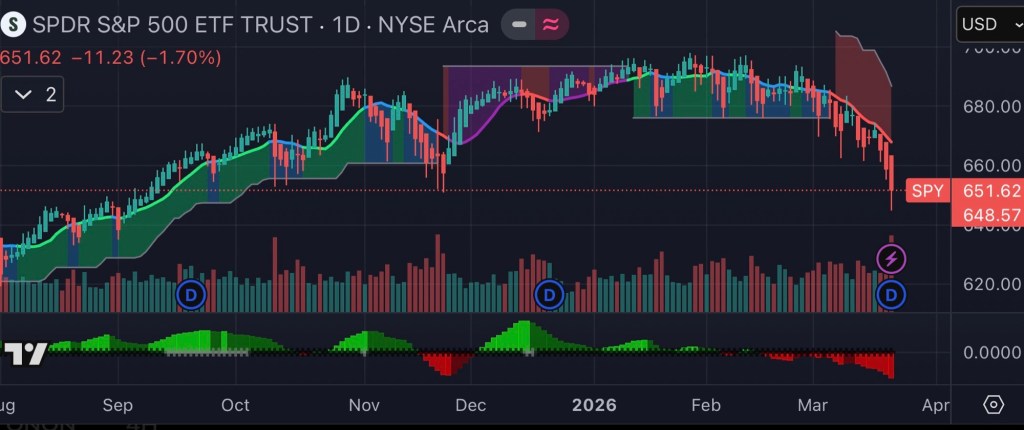
State Street SPDR S&P 500 ETF Trust (SPY) $648.57 -$11.81 (1.79%) • Today $653.51+$4.94 (0.76%) After Hours
By Industry Perspective
The relationship between financial strength and personal health is no longer theoretical, it’s measurable, observable, and, in many cases, predictable. Whether you’re analyzing the volatility of the market through vehicles like the SPDR S&P 500 ETF Trust or underwriting a homeowner’s policy, the same principle applies: risk management drives outcomes both financially and physically.
Market Volatility and Mental Health: The Silent Correlation
As illustrated in the market activity above, even broad-based investments can experience short-term declines. While seasoned investors understand this as normal market behavior, the psychological response is often anything but rational.
Periods of drawdown like recent fluctuations in the S&P 500 can trigger stress responses similar to those seen in high-risk professions. Elevated cortisol levels, poor sleep, and impulsive decision-making (panic selling, overtrading) are common. In financial terms, this is known as behavioral risk and it can erode long-term returns faster than market downturns themselves.
From a health standpoint, chronic stress is linked to:
Cardiovascular disease
Weakened immune response
Reduced cognitive performance
Translation: Poor financial discipline doesn’t just hurt your portfolio it can degrade your physical health.
Insurance: The Health Buffer You Don’t Think About
In the insurance industry, we view risk through a different but parallel lens. Policies aren’t just financial tools; they are health preservation mechanisms.
Consider this:
A homeowner without proper coverage facing a catastrophic loss (fire, hurricane, liability claim) doesn’t just experience financial strain it often leads to anxiety, depression, and long-term instability.
Conversely, a properly insured individual has risk transferred, which significantly reduces stress exposure.
This is especially relevant in markets like Florida, where environmental risk is high. Strategic coverage wind mitigation credits, flood insurance, liability umbrellas does more than protect assets. It protects peace of mind, which is directly tied to long-term health outcomes.
Wealth Building as a Health Strategy
There’s a growing body of thought especially among financial planners and risk professionals that wealth is a form of preventative medicine.
Here’s how:
Liquidity Reduces Stress Emergency funds and accessible capital eliminate the “fight-or-flight” response during crises.
Diversification Mirrors Healthy Living Just as a balanced diet prevents overexposure to one risk factor, diversified portfolios reduce systemic financial risk.
Long-Term Planning Promotes Stability Retirement accounts, life insurance, and asset protection strategies create predictability one of the most powerful contributors to mental well-being.
The Discipline Overlap: Investors vs. Insureds
The most successful individuals in both investing and insurance share identical behavioral traits:
Consistency over intensity (dollar-cost averaging vs. regular policy reviews)
Risk awareness without fear-based decisions
Long-term thinking over short-term reactions
This overlap is not coincidental it’s structural. Both disciplines reward those who understand that risk isn’t something to avoid it’s something to manage intelligently.
Final Analysis: Health and Wealth Are Not Separate Systems
The traditional view separates financial planning and personal health into different domains. That view is outdated.
Poor financial decisions → Increased stress → Negative health outcomes
Lack of protection (insurance gaps) → Catastrophic loss → Long-term instability
Bottom line: The same habits that build wealth discipline, planning, risk management are the exact habits that sustain long-term health.
Closing Thought
Whether you’re reviewing your investment portfolio or evaluating your insurance coverage, you’re not just making financial decisions you’re making lifestyle decisions that will compound over time.
Because in the end, the real ROI isn’t just measured in dollars… it’s measured in how well and how peacefully you live.
About the Author:
David Dandaneau is a client relations analyst that covers the insurance and financial services industry. He is known for his insightful analysis and comprehensive coverage of market trends and regulatory developments.
A brother’s perspective on how saying no protects your health and builds your wealth
There’s a word we don’t use enough.
More.
Not more stuff. Not more noise. More standards. More discipline. More self-respect.
This is a story about my sister and what I’ve learned watching her struggle to say “no.”
The Sister Who Never Turned Anyone Down
My sister has always been the dependable one. If someone needed help, she showed up. If work needed extra hours, she volunteered. If family needed support, she rearranged her life.
From the outside, it looked admirable.
From the inside, it was exhausting.
She confused availability with value. She believed being needed meant being important. So she kept saying yes… to everyone except herself.
Chronic stress is not just emotional, it’s physiological.
When you consistently override your own limits:
Cortisol remains elevated.
Sleep quality declines.
Decision-making weakens.
Immune resilience drops.
Burnout accelerates.
Saying yes to everything keeps your nervous system in a low-grade fight-or-flight state. Over time, that becomes inflammation, fatigue, and mental fog.
When my sister finally starts saying no to unnecessary commitments, to draining conversations, to work that hasn’t aligned her body will respond.
She will sleep better. She will exercise consistently. She will eat with intention instead of convenience. She will regain mental clarity.
Saying no isn’t selfish. It is preventative medicine.
Boundaries are a health strategy.
The Wealth Cost of Always Being Available
Time is capital.
If you treat it like it’s unlimited, you’ll spend it on low-return activities.
My sister would give hours to tasks that didn’t move her forward professionally or financially. She postponed higher education. Delayed business ideas. Ignored investment planning. All because she was too busy solving other people’s problems.
When she starts saying no, something will shift.
She will reclaim hours.
Those hours will become:
Skill development.
Career positioning.
Financial planning.
Strategic rest (which improves performance).
High performers understand something simple: Opportunity cost is real.
Every unnecessary yes is a withdrawal from your future earning potential.
When she protects her time, her income will follow. Not magically… strategically. Focus creates leverage. Leverage builds wealth.
Saying “More” to Yourself
I once told her, “You don’t need to give less. You need to require more.”
More respect for your schedule. More intentional use of your energy. More clarity about your goals. More return on your time investment.
And sometimes that starts with a clean, confident:
“No.”
Not defensive. Not apologetic. Just decisive.
Why Saying No Creates Health and Wealth
Saying no does three critical things:
It reduces stress load, which improves long-term health outcomes.
It preserves cognitive bandwidth, improving decision quality.
It protects your highest-value asset… your time.
And when your time aligns with your priorities, both health and wealth compound.
Well-rested people make better financial decisions. Focused people create higher-value output. Disciplined people build long-term assets.
Boundaries aren’t barriers. They’re filters.
They filter out what drains you so you can invest in what builds you.
A Brother’s Reflection
Watching my sister over the years hasn’t made her colder.
It has made her stronger.
She hasn’t stopped caring. She will stop overextending.
She won’t become unavailable. She will become intentional.
And the result? Better health. Clearer thinking. Stronger finances. Greater confidence.
We’re taught that success requires sacrifice.
But sometimes success requires subtraction.
Say more to what matters. Say no to what doesn’t.
Because when you protect your time and your energy, you protect your future.
And that future if guarded wisely can be both healthy and wealthy.
There’s a moment in life that doesn’t arrive with fireworks or a parade. It arrives quietly. A door opens that was once locked. A problem that lingered finally resolves. An opportunity appears after years of waiting. And when it happens, the first reaction is often disbelief.
“Why now?”
But perhaps the better question is: Why not now?
Because life, despite its detours and delays, has a way of working out especially for those who refuse to lose hope.
The Illusion of Permanent Setbacks
When you’re in the middle of a difficult season, it feels permanent. That’s the illusion hardship creates. It convinces you that today’s conditions will last forever. Careers stall. Investments underperform. Personal goals slip further away. You start to wonder if the momentum you once had is gone for good.
But life rarely moves in straight lines. It moves in cycles.
What feels like stagnation is often preparation. Skills are building beneath the surface. Perspective is sharpening. Resilience is forming. These invisible gains rarely get credit but they are often the foundation of future breakthroughs.
The truth is, many successes arrive long after the effort that made them possible.
Progress Is Happening Even When You Can’t See It
One of the most dangerous moments in any journey is the point just before progress becomes visible. This is when most people quit. Not because they lack ability but because they lack evidence.
Progress often works quietly before it works visibly.
Consider how investments grow. For years, the gains appear modest. Then suddenly, compounding takes over, and growth accelerates. Life operates the same way. Effort compounds. Discipline compounds. Persistence compounds.
And eventually, outcomes compound.
What once seemed impossible becomes inevitable.
Resilience Is the Ultimate Advantage
Hope is not blind optimism. It’s a strategic advantage.
People who maintain hope continue taking action. They continue showing up. They continue positioning themselves where opportunity can find them.
Those who lose hope withdraw. They stop trying. They unintentionally remove themselves from the path of possibility.
Over time, the difference becomes enormous.
The individuals who succeed are rarely the ones who never faced setbacks. They’re the ones who stayed in the game long enough for things to turn in their favor.
Timing Often Matters More Than Talent
Many people underestimate the role timing plays in success. You can do everything right and still have to wait. Markets shift. Industries evolve. Relationships develop. Circumstances align.
What feels like delay is often alignment.
You’re not starting over you’re starting from experience.
And experience has value that can’t be rushed.
When Things Finally Turn, It Feels Sudden But It Wasn’t
To outsiders, success often appears sudden. But to the person experiencing it, it’s anything but sudden. It’s the result of countless days when nothing seemed to change. Days when effort felt invisible. Days when quitting would have been easier.
The breakthrough isn’t the beginning of success. It’s the visible confirmation of work that’s been happening all along.
That’s why you shouldn’t be surprised when things finally work out.
You’ve been building toward it longer than you realize.
The Key Is Simple: Be Resilient and Don’t Lose Hope
Hope keeps you moving. It keeps your mind open. It keeps your effort consistent.
Hope doesn’t guarantee immediate results but it guarantees you remain in position for future ones.
Life has a remarkable tendency to reward persistence.
Not always on your timeline.
Not always in the way you expected.
But often in ways that make the journey worthwhile.
So if things haven’t worked out yet, it doesn’t mean they won’t.
It may simply mean the story isn’t finished.
And the people who see things work out in the end are almost always the ones who refused to lose hope along the way.
When something didn’t go my way whether it was a business deal falling apart, someone cutting me off in traffic, or even a careless comment I felt justified in holding onto that anger. It gave me a sense of control, a sense that I was standing my ground. But over time, I began to notice something unsettling: anger wasn’t making my life better. It was making it heavier.
What I didn’t realize then but understand now is that choosing kindness over anger isn’t just a moral decision. It’s a health decision. And it’s one that can profoundly shape how we age, how we feel, and how we live.
The Hidden Physical Cost of Anger
Anger isn’t just an emotion. It’s a full-body stress response.
When I get angry, my body releases stress hormones like cortisol and adrenaline. My heart rate increases. My blood pressure rises. My muscles tense. In the short term, this response is useful it’s designed to protect me. But when anger becomes frequent or habitual, that stress response never fully shuts off.
Over time, chronic anger has been linked to:
High blood pressure
Increased risk of heart disease
Weakened immune function
Poor sleep quality
Chronic inflammation
I started to realize that every time I held onto anger, I wasn’t hurting the other person. I was hurting myself.
Kindness as a Long-Term Investment in Health
Kindness, on the other hand, produces the opposite physiological effect.
When I choose kindness even when it’s difficult my body begins to calm. My breathing slows. My muscles relax. My nervous system shifts out of “fight-or-flight” and into what scientists call the “rest-and-digest” state.
This state is where healing happens.
Research has shown that people who regularly practice kindness and compassion tend to have:
Lower blood pressure
Reduced stress hormone levels
Better cardiovascular health
Stronger immune systems
Longer life expectancy
I began to see kindness not as weakness, but as discipline. It’s the ability to control my internal state rather than letting external circumstances control me.
The Compounding Effect Over Time
What surprised me most is how kindness compounds over time.
Every time I respond with patience instead of anger, I strengthen relationships rather than damage them. People trust me more. Conversations improve. Opportunities open. Life becomes smoother, not harder.
Anger isolates. Kindness connects.
And those connections matter more than we often realize. Studies consistently show that strong social relationships are one of the most powerful predictors of long-term health and longevity. People who feel connected and supported live longer, healthier lives.
In contrast, chronic anger and hostility have been linked to loneliness, which carries health risks comparable to smoking.
Mental Health Benefits That Shape the Future
I’ve also noticed the mental clarity that comes with choosing kindness.
Anger clouds judgment. It narrows perspective. It makes small problems feel larger than they really are.
Kindness does the opposite. It creates emotional space. It allows me to think clearly and respond intentionally rather than react impulsively.
Over time, this leads to:
Lower anxiety
Reduced depression risk
Greater emotional stability
Improved overall life satisfaction
In a sense, kindness protects not only my body, but my mind.
Kindness Toward Others and Toward Myself
Perhaps the most important lesson I’ve learned is that kindness isn’t only about how I treat others. It’s about how I treat myself.
Holding onto anger often meant holding onto past mistakes, regrets, and frustrations. Choosing kindness meant learning to let go. It meant accepting that I’m human, that others are human, and that perfection was never the goal.
Peace was.
A Choice That Shapes Who I Become
I still feel anger. That hasn’t changed. But what has changed is what I do with it.
I’ve learned that anger is a signal, not a destination. I can acknowledge it without living in it. I can choose patience instead of reaction. Understanding instead of resentment.
Each time I choose kindness, I feel lighter. Calmer. Healthier.
And when I think about the future about the kind of person I want to become and the kind of life I want to live it’s clear to me that kindness isn’t just the better choice.