Mental Health Month: Every Day Is a Blessing

During Mental Health Awareness Month, millions of people across the country take time to reflect on the importance of emotional well-being, support, and healing. For me, this month is deeply personal because I suffer from mental illness. While my struggles may not always be visible to others, they are battles I face every single day. Still, through the challenges, I have learned something incredibly important: every day is a blessing.

Stone wall with wildflowers and moss growing in the cracks
Colorful wildflowers bloom on a moss-covered stone wall in a forest

Living with mental illness can feel overwhelming at times. Some mornings are harder than others. There are moments when exhaustion, fear, sadness, or uncertainty try to take control. It can affect relationships, work, motivation, and even the ability to enjoy life’s simplest moments. But despite those challenges, I continue to remind myself that waking up each morning is another opportunity to grow, heal, and keep moving forward.

For a long time, I thought struggling with mental health meant I was weak. I tried to hide my emotions and carry the weight alone. Over time, I realized that asking for help is not weakness… it is courage. Seeking support, talking openly, and taking care of your mental health are some of the strongest things a person can do.

One of the biggest lessons I have learned is that healing does not happen overnight. Recovery is a journey filled with good days, difficult days, setbacks, and victories. Sometimes progress looks like accomplishing major goals. Other times, progress simply means making it through the day without giving up. Both matter.

What keeps me hopeful is knowing that mental illness does not have to define a person’s future. A meaningful, productive, and fulfilling life is still possible. There is still room for happiness, success, friendships, love, and purpose. I truly believe that even in our darkest moments, there is always hope for brighter days ahead.

Every day I continue fighting is proof that resilience exists. Every challenge I overcome reminds me that I am stronger than I once believed. Life may not always be easy, but it is valuable, and it is worth living.

Winding dirt path through golden grassy fields with cloudy sky and sun rays
Golden sunlight breaks through clouds over a winding path in rural fields

To anyone else silently struggling with mental illness, I want you to know this: you are not alone. Your story matters. Your life matters. There is no shame in seeking help or taking time to heal. Keep going, even on the days when it feels difficult. Better moments can still come.

This Mental Health Awareness Month, let us continue breaking the stigma surrounding mental health and encourage more compassion, understanding, and support for those who are struggling. Mental illness may be part of many people’s stories, including mine, but it does not have to be the ending.

Every day is a blessing, and every new day is another chance to keep fighting for a better tomorrow.

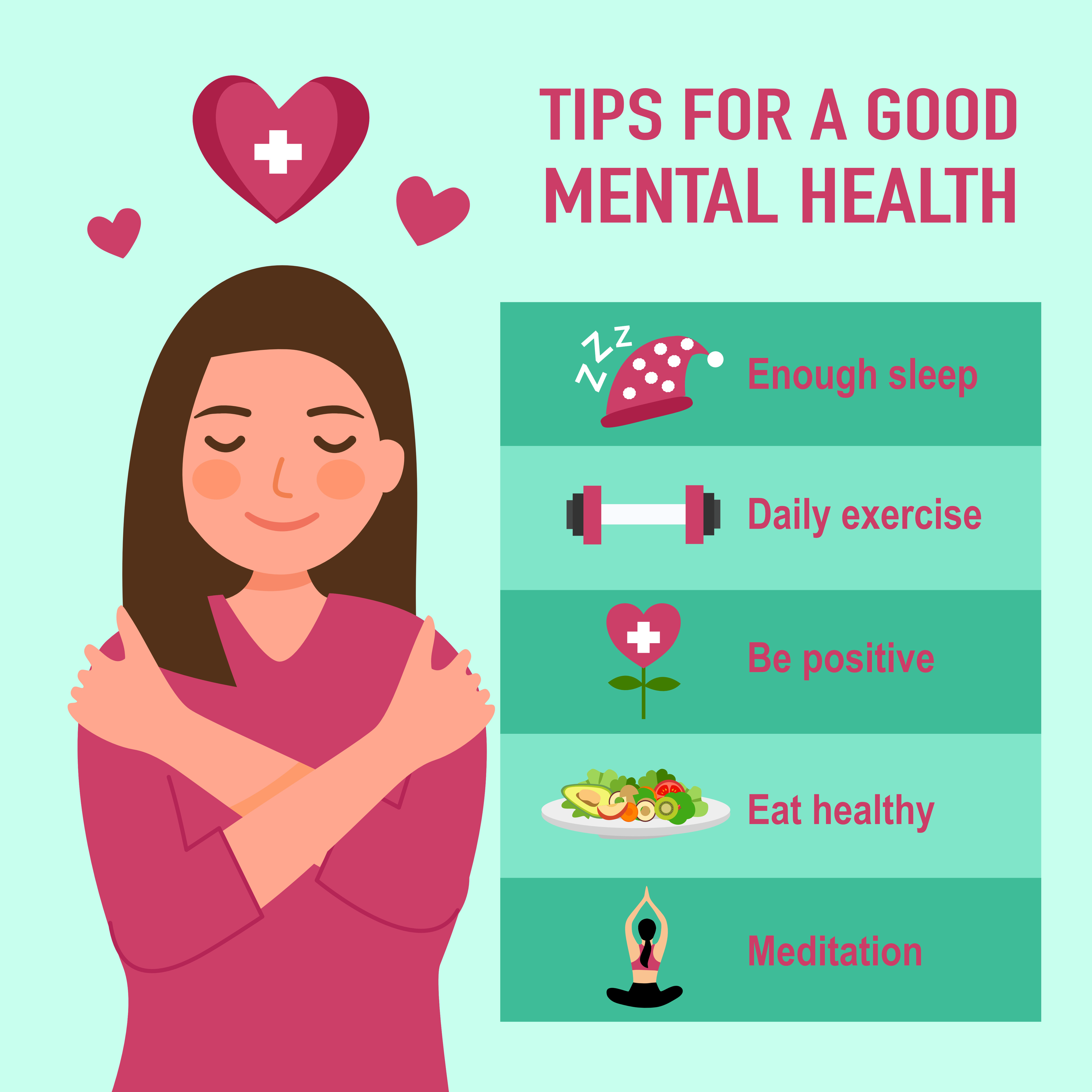
Research Highlights Multifaceted Benefits of Regular Physical Activity

In a study published in the Journal of Health and Exercise Science, researchers unveil compelling evidence of the profound effects exercise has on both the body and mind. The findings shed light on the multifaceted benefits of regular physical activity, reaffirming its pivotal role in promoting overall well-being.

The study, conducted over a span of two years, involved a diverse cohort of participants ranging from various age groups and fitness levels. Researchers meticulously tracked participants’ exercise routines while closely monitoring changes in their physical health and mental well-being.

The results were striking, demonstrating a myriad of positive outcomes associated with consistent exercise. Notably, participants exhibited significant improvements in cardiovascular health, with lowered blood pressure and improved cholesterol levels observed across the board. Furthermore, regular physical activity was linked to enhanced muscular strength and endurance, contributing to better overall physical fitness and resilience.

Beyond the tangible benefits to physical health, the study also underscored the profound impact of exercise on mental well-being. Participants reported reduced levels of stress and anxiety, attributing their newfound sense of calm and clarity to their exercise regimens. Moreover, regular physical activity was associated with improved mood and enhanced cognitive function, suggesting a powerful correlation between exercise and mental acuity.

Dr. Emily Watson, lead researcher on the study, emphasized the holistic nature of the findings, stating, “Our research unequivocally demonstrates that exercise is not only beneficial for physical health but also plays a pivotal role in promoting mental well-being. From reducing stress and anxiety to enhancing cognitive function, the benefits of regular physical activity are truly multifaceted.”

The study’s findings hold significant implications for public health initiatives, advocating for the integration of exercise as a cornerstone of preventive medicine. With sedentary lifestyles on the rise and mental health concerns reaching alarming levels, the importance of prioritizing regular physical activity cannot be overstated.

In light of these findings, health experts urge individuals of all ages to incorporate exercise into their daily routines, emphasizing the importance of finding activities that are enjoyable and sustainable. Whether it’s brisk walking, swimming, or yoga, the key lies in consistency and finding activities that align with one’s interests and preferences.

As the world grapples with ongoing health challenges, from the obesity epidemic to rising mental health concerns, the prescription for a healthier, happier life may lie in something as simple as taking a walk or going for a jog. With each step, individuals not only strengthen their bodies but also nurture their minds, unlocking the transformative power of exercise for a brighter, more vibrant future.

References

  1. Watson, Emily et al. “The Impact of Regular Exercise on Physical and Mental Health: A Two-Year Longitudinal Study.” Journal of Health and Exercise Science, vol. 27, no. 2, 2024, pp. 45-68.
  2. American Heart Association. “Physical Activity Improves Quality of Life.” American Heart Association, http://www.heart.org/en/healthy-living/fitness/fitness-basics/physical-activity-improves-quality-of-life. Accessed 19 March 2024.
  3. Harvard Health Publishing. “Regular Exercise Releases Brain Chemicals Key for Memory, Concentration, and Mental Sharpness.” Harvard Health Publishing, www.health.harvard.edu/blog/regular-exercise-changes-brain-improve-memory-thinking-skills-201404097110. Accessed 19 March 2024.
  4. Centers for Disease Control and Prevention. “Physical Activity and Health.” Centers for Disease Control and Prevention, www.cdc.gov/physicalactivity/basics/pa-health/index.htm. Accessed 19 March 2024.
  5. National Institute of Mental Health. “Physical Activity and Mental Health.” National Institute of Mental Health, www.nimh.nih.gov/health/publications/physical-activity-and-mental-health/index.shtml. Accessed 19 March 2024.

Unveiling the Power of Sharp Minds: Seniors Defy Stereotypes with Surprising Mental Alertness

In a society that often underestimates the cognitive prowess of seniors, a growing body of research is challenging age-related stereotypes by showcasing the remarkable mental alertness exhibited by older individuals. Far from the conventional belief that aging inevitably leads to cognitive decline, recent studies are shedding light on the resilience and vitality of senior minds.

The Myth of Cognitive Decline

For years, the prevailing narrative has been that aging is synonymous with a decline in mental acuity. However, groundbreaking research in gerontology is challenging this notion, revealing that many seniors maintain and even enhance their mental alertness well into their golden years. Cognitive abilities such as memory, problem-solving, and decision-making are proving to be more adaptable and robust than previously thought.

Lifestyle Factors and Mental Sharpness

Experts point to various lifestyle factors that contribute to the sustained mental alertness observed in seniors. Regular physical exercise, a balanced diet rich in nutrients, and engaging in intellectually stimulating activities have emerged as key contributors to maintaining cognitive function. Social interaction and strong community ties also play a vital role in keeping seniors mentally agile.

Technology as a Catalyst

Contrary to the assumption that seniors struggle with technology, many are embracing digital tools to stimulate their minds. From online courses and brain-training apps to social media and video calls, seniors are leveraging technology to stay connected, learn new skills, and keep their brains active.

Community Initiatives Supporting Senior Mental Wellness

Communities are recognizing the importance of promoting mental alertness among seniors and are implementing various initiatives to support their cognitive health. Senior centers are offering a diverse range of activities, from chess tournaments to book clubs, fostering an environment that encourages mental stimulation and social interaction.

Personal Stories of Resilience

Interviews with seniors from different walks of life highlight inspiring stories of resilience and determination. Many are pursuing new hobbies, learning new languages, or even going back to school to acquire new knowledge. These personal narratives challenge stereotypes and serve as powerful testimonials to the potential for continuous mental growth in later life.

Looking Ahead

As our understanding of aging continues to evolve, it is becoming clear that mental alertness in seniors is not only achievable but often exceeds expectations. The shift in perspective challenges societal norms and encourages a more inclusive view of aging—one that embraces the potential for lifelong learning and mental vitality.

In a world where age is often associated with limitations, these findings serve as a beacon of hope, emphasizing the importance of fostering an environment that supports the mental well-being and potential of seniors. The journey toward challenging stereotypes and promoting a positive narrative on aging has only just begun, and the stories of resilient seniors are paving the way for a brighter, more inclusive future.

Championing a life well-lived: Prioritize Health, Accumulate Wealth, and Safeguard Every Moment

In the pursuit of a fulfilling and well-rounded life, the triumvirate of Health, Wealth, and Safety stands as pillars of paramount importance. Managing these three facets with diligence and balance is not just a choice but a necessity for a resilient and prosperous journey.

Health: The Foundation of Prosperity

A sound body and mind lay the foundation for any successful endeavor. Prioritizing health involves adopting a holistic approach, encompassing physical fitness, mental well-being, and wholesome nutrition. Regular exercise, adequate sleep, and stress management contribute to a robust health regimen. Remember, a healthy individual is better equipped to tackle life’s challenges and capitalize on opportunities.

Wealth: Fueling Aspirations

Wealth, in its various forms, serves as the fuel that propels our ambitions forward. Financial well-being allows us to meet our basic needs, pursue passions, and plan for the future. Effective wealth management involves budgeting, saving, and investing wisely. It’s not just about accumulating assets but creating a sustainable financial ecosystem that aligns with one’s goals and values.

Safety: The Guardian of Progress

Amidst the pursuit of health and wealth, safety emerges as the guardian that ensures the preservation of our achievements and the safeguarding of our well-being. This encompasses personal safety, workplace security, and measures to protect against unforeseen risks. A comprehensive safety net provides the confidence to take calculated risks, knowing that there is a resilient foundation to fall back on if needed.

Harmonizing the Trio

Balancing health, wealth, and safety requires a harmonious integration of these elements into our daily lives. It involves making conscious choices that contribute to overall well-being. For instance, combining physical activities that enhance health with financial decisions that promote wealth, all while being mindful of safety considerations, creates a synergy that amplifies the benefits of each.

Strategies for Success:

  1. Create Holistic Habits: Cultivate habits that support health, wealth, and safety simultaneously. For example, walking or biking to work not only promotes physical health but also reduces transportation costs and contributes to environmental safety.
  2. Educate Yourself: Stay informed about advancements in health, financial strategies, and safety measures. Knowledge empowers individuals to make informed decisions that align with their well-being goals.
  3. Emergency Preparedness: Develop contingency plans for unexpected events. This includes having financial reserves, health insurance, and safety protocols in place. Preparedness is a key component of resilience.
  4. Regular Assessments: Periodically evaluate your progress in managing health, wealth, and safety. Adjust your strategies as needed, ensuring that your approach remains relevant and effective.

The synergy of Health, Wealth, and Safety forms the essence of a truly prosperous and meaningful life. By consciously integrating these elements into our daily routines and decision-making processes, we create a robust framework that not only withstands the tests of time but also propels us toward greater heights of well-being and success.

The Transformative Power of Daily Exercise: A Prescription for a Healthier Life

In a world filled with sedentary lifestyles and the conveniences of modern technology, the importance of daily exercise cannot be overstated. Beyond the pursuit of a sculpted physique, regular physical activity offers a myriad of health benefits that extend far beyond the confines of the gym. From improved mental well-being to enhanced cardiovascular health, embracing a routine of daily exercise is akin to investing in a longer, healthier, and more fulfilling life.

  1. Physical Health:

One of the most immediate and tangible benefits of daily exercise is the positive impact on physical health. Regular physical activity helps maintain a healthy weight, reduce the risk of chronic diseases such as diabetes and cardiovascular issues, and strengthen the immune system. Engaging in activities like brisk walking, jogging, or cycling stimulates the cardiovascular system, promoting better circulation and oxygenation of the body’s tissues and organs.

  1. Mental Well-being:

Exercise is a powerful antidote to the stresses of daily life. The release of endorphins during physical activity acts as a natural mood enhancer, reducing symptoms of anxiety and depression. Moreover, regular exercise has been linked to improved cognitive function, enhanced memory, and a reduced risk of neurodegenerative diseases. Whether it’s a high-intensity workout or a calming yoga session, daily exercise is a holistic approach to mental well-being.

  1. Increased Energy Levels:

Contrary to the misconception that exercise depletes energy, incorporating daily physical activity into your routine can significantly boost your energy levels. Regular exercise improves the efficiency of the cardiovascular and respiratory systems, leading to increased stamina and endurance. As your body becomes more adept at using oxygen and nutrients, you’ll find yourself more alert, focused, and ready to tackle the challenges of the day.

  1. Better Sleep Quality:

Struggling with insomnia or restless nights? Daily exercise might be the solution. Physical activity helps regulate sleep patterns by promoting a more restful and deeper sleep. The body’s temperature rhythm, which plays a crucial role in sleep, is positively influenced by regular exercise. However, it’s essential to complete your workout at least a few hours before bedtime to allow your body to wind down for a peaceful night’s sleep.

  1. Social Connection:

Exercise provides an excellent opportunity to foster social connections and build a sense of community. Whether it’s joining a fitness class, participating in team sports, or going for a group hike, shared physical activities create bonds and a support system. Social interaction is a vital aspect of overall well-being, contributing to a sense of belonging and reducing feelings of isolation.

The benefits of daily exercise extend far beyond the physical, encompassing mental, emotional, and social well-being. As we navigate the demands of modern life, prioritizing a daily exercise routine is a powerful investment in our health and longevity. Whether it’s a morning jog, a yoga session, or a strength training workout, finding a form of exercise that brings joy and fulfillment can be the key to unlocking a healthier and more vibrant life. So, lace up those sneakers, embrace the endorphin rush, and embark on the journey to a better you.