How CPAP Changed My Sleep and Why Others Should Consider It

For years, sleep felt more like survival than recovery. Waking up exhausted, struggling through the day with fatigue, headaches, irritability, and brain fog became normal. Like many people dealing with sleep issues, I thought poor sleep was simply part of getting older, stress, or working too much. What I did not realize was that the quality of sleep matters just as much as the number of hours spent in bed.

That changed after beginning therapy with a Continuous Positive Airway Pressure device, more commonly known as a CPAP machine.

Today, CPAP therapy continues to improve my sleep, energy levels, and overall quality of life. While the adjustment was not always easy, the long-term benefits have made the experience worthwhile and could help many others who struggle with chronic fatigue, loud snoring, or interrupted sleep.

Side profile of a human head with airflow moving through nasal and oral passages into the throat.
Illustration showing the flow of air through the human respiratory tract.

Understanding CPAP Therapy

A CPAP machine is commonly prescribed for people suffering from Obstructive Sleep Apnea, a condition where breathing repeatedly stops and starts during sleep. The machine delivers steady air pressure through a mask to help keep the airway open throughout the night.

For many people, untreated sleep apnea can lead to serious health risks including high blood pressure, heart problems, diabetes complications, daytime exhaustion, and poor concentration.

In my experience, I did not fully understand how often my sleep was being interrupted until treatment began.

The Difference CPAP Made

One of the first noticeable changes was waking up feeling more alert. Before CPAP therapy, even a full night of sleep could leave me drained. After consistent use, mornings became easier and daytime fatigue gradually improved.

Other benefits became noticeable over time:

  • Improved focus and mental clarity
  • Reduced daytime sleepiness
  • Better mood and patience
  • Fewer morning headaches
  • More consistent energy throughout the day
  • Improved breathing during sleep
  • Less tossing and turning at night

Perhaps one of the biggest improvements was realizing what restful sleep actually feels like. Many people with untreated sleep apnea adapt to exhaustion without realizing how much it affects daily life.

Why Others Should Consider a CPAP Machine

Millions of people live with undiagnosed sleep disorders. Someone who snores heavily, wakes up gasping, feels constantly tired, or struggles to stay awake during the day may benefit from speaking with a healthcare provider or sleep specialist.

Common signs that may indicate sleep apnea include:

  • Loud or chronic snoring
  • Waking up choking or gasping
  • Morning headaches
  • Poor concentration
  • Excessive daytime fatigue
  • Irritability or mood swings
  • Difficulty staying asleep
  • High blood pressure
  • Feeling unrested after a full night’s sleep

Sleep studies have become more accessible in recent years, with many providers offering at-home testing options in addition to traditional sleep labs.
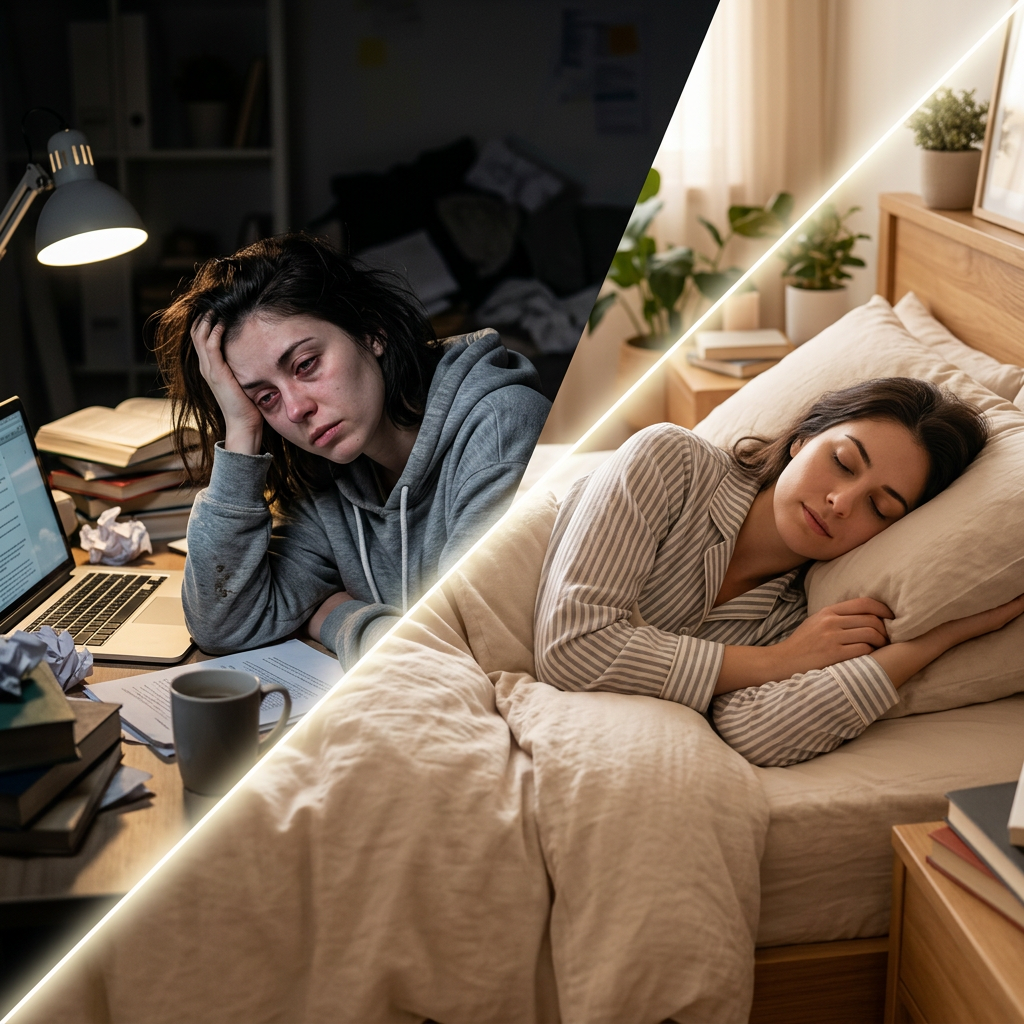
Split image showing a stressed woman working late and the same woman sleeping peacefully
A woman stressed while working contrasts with her peaceful sleeping self.

The Benefits of CPAP Therapy

For people diagnosed with sleep apnea, CPAP therapy can provide significant health benefits when used consistently.

Better Sleep Quality

CPAP therapy helps reduce breathing interruptions, allowing deeper and more restorative sleep cycles.

Improved Cardiovascular Health

Treating sleep apnea may help reduce strain on the heart and lower risks associated with untreated breathing interruptions during sleep.

Increased Energy Levels

Many users report improved daytime energy and reduced fatigue after adapting to therapy.

Enhanced Mental Health

Consistent sleep can positively impact mood, anxiety levels, memory, and concentration.

Reduced Snoring

For many households, CPAP therapy also improves sleep quality for partners affected by loud snoring.

The Drawbacks and Challenges

While CPAP therapy offers many benefits, it is not perfect and does require adjustment.

Initial Discomfort

Wearing a mask during sleep can feel awkward or uncomfortable at first. Some users may experience claustrophobia or irritation.

Dryness and Congestion

Dry mouth, nasal congestion, or skin irritation can occur, especially during the adjustment period.

Noise and Maintenance

Although modern CPAP devices are quieter than older models, the machine still requires regular cleaning and maintenance.

Travel Challenges

Traveling with a CPAP machine can be inconvenient, especially during flights or overnight trips.

Adjustment Period

Some people adapt quickly while others may need weeks or months to become fully comfortable using the device nightly.

Despite these challenges, many long-term users believe the health benefits far outweigh the drawbacks once the routine becomes established.

The Importance of Taking Sleep Seriously

Sleep is not a luxury. It is one of the most important foundations of physical and mental health. Poor sleep impacts nearly every aspect of daily life, from work performance and mood to heart health and overall longevity.

For anyone struggling with constant fatigue, loud snoring, or restless nights, seeking medical advice may be one of the most important health decisions they can make.

Using a CPAP machine may not be glamorous, but for many people, it can be life-changing.

The Surprising Link Between Sleep and Wealth

Sleep: it’s something we all do, but many of us underestimate its power. New research continues to confirm that good sleep is not just a luxury—it’s a critical pillar of overall health. But beyond feeling well-rested, there’s a surprising link between sleep and financial stability. Yes, getting good sleep may help protect your wealth just as much as your health.

The Science of Sleep: More Than Just Rest
Scientists have long studied the stages of sleep—light, deep, and REM (rapid eye movement)—to understand how rest affects the brain and body. During sleep, your body undergoes essential maintenance: the brain clears waste products, muscles repair, hormones rebalance, and memories consolidate. Sleep also helps regulate mood, immune function, and even appetite.

According to the National Sleep Foundation, adults need between 7 and 9 hours of sleep per night for optimal function. Chronic sleep deprivation has been linked to a wide range of health problems, including:

  • Heart disease
  • Obesity
  • Type 2 diabetes
  • Depression and anxiety
  • Impaired cognitive function and memory

But the ripple effects of poor sleep go beyond biology—they can reach into your bank account.

Sleep and Wealth: What’s the Connection?
It turns out that sleep can affect financial well-being in both direct and indirect ways.

  1. Better Decision-Making
    A well-rested brain makes better choices. Sleep deprivation impairs judgment, increases risk-taking behavior, and clouds your ability to process information. Whether you’re making a major purchase, investing, or negotiating a raise, sleep can be the secret weapon behind smarter financial decisions.
  2. Increased Productivity and Career Success
    Sleep is closely tied to performance. Employees who get enough rest tend to be more focused, creative, and efficient. On the other hand, chronic sleep issues are associated with absenteeism, burnout, and job loss—factors that can threaten income and career growth.
  3. Fewer Health Costs
    Lack of sleep raises your risk of chronic illnesses, which can mean higher medical bills, more missed workdays, and increased insurance premiums. By supporting immune health and reducing the risk of disease, good sleep may help keep medical expenses—and related financial stress—at bay.
  4. Reduced Risk of Accidents
    Fatigue is a leading cause of car accidents and workplace injuries. A single lapse in attention due to poor sleep can have expensive—and even tragic—consequences. The Centers for Disease Control and Prevention (CDC) estimates that drowsy driving causes thousands of crashes every year. Protecting your sleep may also mean protecting your assets, your car, and your insurance premiums.

Final Thoughts: Sleep is a Smart Investment
While good sleep won’t directly deposit money into your bank account, it strengthens the foundation of a healthy, focused, and financially stable life. In a world obsessed with productivity and hustle, rest might feel like a compromise. But science shows it’s the opposite—sleep is an investment that pays off in better health, wiser choices, and greater financial resilience.

So, does good sleep help protect your wealth?
Absolutely. Rested minds make better choices, lead healthier lives, and build stronger financial futures.

Tips for Better Sleep:

  • Stick to a consistent sleep schedule—even on weekends
  • Limit caffeine and alcohol in the evening
  • Avoid screens an hour before bedtime
  • Create a calm, dark, and cool sleeping environment
  • Incorporate relaxation techniques like deep breathing or meditation

By prioritizing your sleep, you’re not just boosting your health—you’re safeguarding your wealth.

Tips to Ease the Transition of Daylight Saving Time

As daylight saving time approaches, many individuals are gearing up to set their clocks forward, signaling the onset of longer, brighter evenings. While this change brings the promise of warmer weather and extended daylight hours, it also disrupts our internal body clocks, potentially leading to feelings of fatigue and grogginess. To help navigate this biannual transition smoothly, experts recommend several strategies to cope with the upcoming time change.

1. Gradually Adjust Sleep Schedule: Begin adjusting your sleep schedule a few days before the time change by going to bed and waking up 15-30 minutes earlier each day. This gradual shift can help your body adapt more easily to the new time.

2. Prioritize Sleep Hygiene: Create a sleep-friendly environment by dimming the lights, reducing screen time before bed, and maintaining a comfortable room temperature. Establishing a calming bedtime routine can signal to your body that it’s time to wind down and prepare for rest.

3. Exposure to Natural Light: Take advantage of the extended daylight hours by spending time outdoors during the day, especially in the morning. Natural light exposure helps regulate your internal clock, making it easier to adjust to the time change.

4. Limit Caffeine and Alcohol Intake: Avoid consuming caffeine and alcohol close to bedtime, as they can interfere with your sleep quality and make it harder to fall asleep or stay asleep during the night.

5. Stay Active: Engage in regular physical activity, but try to avoid vigorous exercise close to bedtime, as it may interfere with your ability to fall asleep. Instead, aim for moderate-intensity activities earlier in the day to promote better sleep at night.

6. Nap Strategically: If you feel excessively tired during the transition period, taking short, 20-30 minute naps earlier in the day can help alleviate fatigue without disrupting your nighttime sleep schedule.

7. Be Patient: Recognize that it may take your body some time to adjust to the new time schedule, so be patient with yourself and prioritize self-care during this transition period.

8. Maintain Consistency: Stick to a consistent sleep schedule, even on weekends, to help regulate your body’s internal clock. Consistency is key to minimizing the impact of the time change on your sleep patterns.

9. Consider Light Therapy: For individuals who continue to struggle with adjusting to the time change, light therapy can be beneficial. Light therapy involves exposure to bright artificial light during specific times of the day to help regulate sleep-wake cycles.

By implementing these strategies, individuals can ease the transition of daylight saving time and mitigate the potential negative effects on sleep and overall well-being. Remember, small adjustments and a proactive approach can make a significant difference in how smoothly you adapt to the changing season. Until next time, and for heavens sake don’t forget to keep smiling cause it really does look good on you!

The Transformative Power of Daily Exercise: A Prescription for a Healthier Life

In a world filled with sedentary lifestyles and the conveniences of modern technology, the importance of daily exercise cannot be overstated. Beyond the pursuit of a sculpted physique, regular physical activity offers a myriad of health benefits that extend far beyond the confines of the gym. From improved mental well-being to enhanced cardiovascular health, embracing a routine of daily exercise is akin to investing in a longer, healthier, and more fulfilling life.

  1. Physical Health:

One of the most immediate and tangible benefits of daily exercise is the positive impact on physical health. Regular physical activity helps maintain a healthy weight, reduce the risk of chronic diseases such as diabetes and cardiovascular issues, and strengthen the immune system. Engaging in activities like brisk walking, jogging, or cycling stimulates the cardiovascular system, promoting better circulation and oxygenation of the body’s tissues and organs.

  1. Mental Well-being:

Exercise is a powerful antidote to the stresses of daily life. The release of endorphins during physical activity acts as a natural mood enhancer, reducing symptoms of anxiety and depression. Moreover, regular exercise has been linked to improved cognitive function, enhanced memory, and a reduced risk of neurodegenerative diseases. Whether it’s a high-intensity workout or a calming yoga session, daily exercise is a holistic approach to mental well-being.

  1. Increased Energy Levels:

Contrary to the misconception that exercise depletes energy, incorporating daily physical activity into your routine can significantly boost your energy levels. Regular exercise improves the efficiency of the cardiovascular and respiratory systems, leading to increased stamina and endurance. As your body becomes more adept at using oxygen and nutrients, you’ll find yourself more alert, focused, and ready to tackle the challenges of the day.

  1. Better Sleep Quality:

Struggling with insomnia or restless nights? Daily exercise might be the solution. Physical activity helps regulate sleep patterns by promoting a more restful and deeper sleep. The body’s temperature rhythm, which plays a crucial role in sleep, is positively influenced by regular exercise. However, it’s essential to complete your workout at least a few hours before bedtime to allow your body to wind down for a peaceful night’s sleep.

  1. Social Connection:

Exercise provides an excellent opportunity to foster social connections and build a sense of community. Whether it’s joining a fitness class, participating in team sports, or going for a group hike, shared physical activities create bonds and a support system. Social interaction is a vital aspect of overall well-being, contributing to a sense of belonging and reducing feelings of isolation.

The benefits of daily exercise extend far beyond the physical, encompassing mental, emotional, and social well-being. As we navigate the demands of modern life, prioritizing a daily exercise routine is a powerful investment in our health and longevity. Whether it’s a morning jog, a yoga session, or a strength training workout, finding a form of exercise that brings joy and fulfillment can be the key to unlocking a healthier and more vibrant life. So, lace up those sneakers, embrace the endorphin rush, and embark on the journey to a better you.