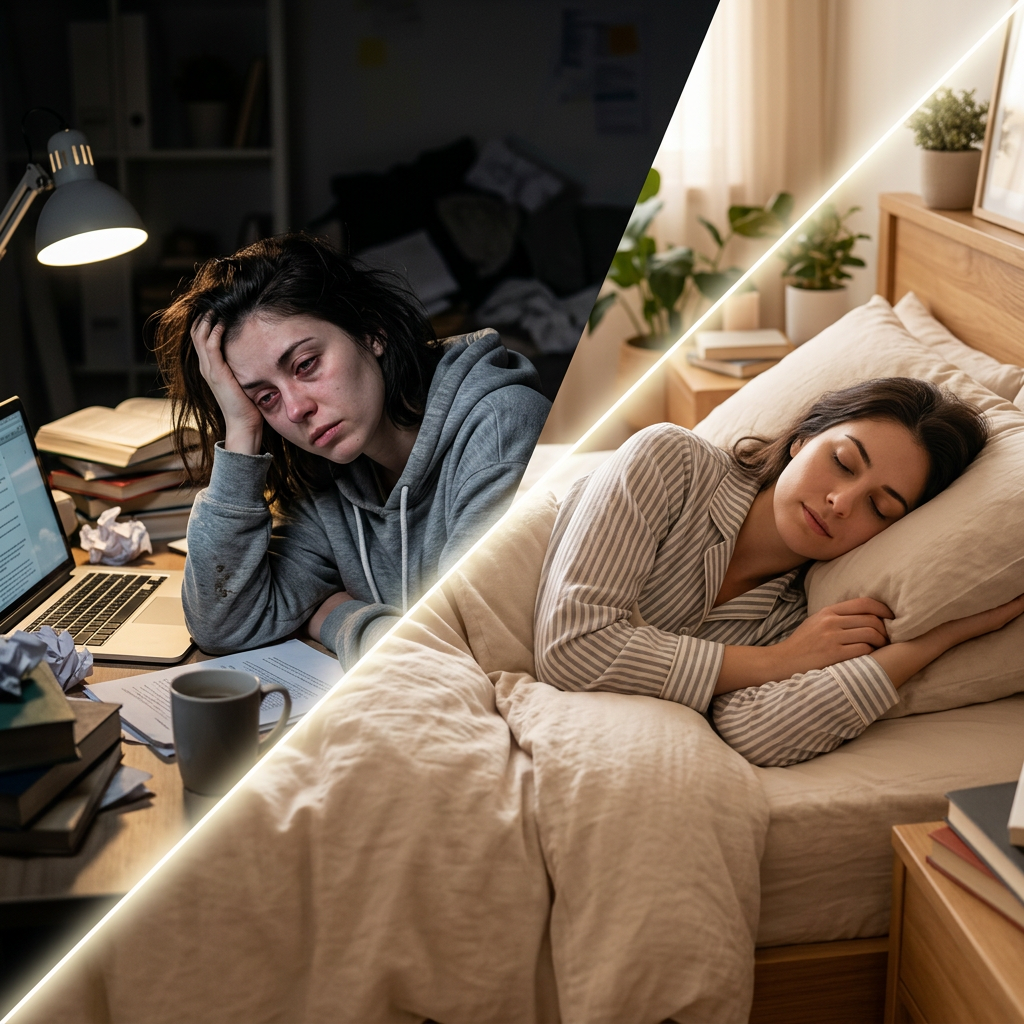
For years, sleep felt more like survival than recovery. Waking up exhausted, struggling through the day with fatigue, headaches, irritability, and brain fog became normal. Like many people dealing with sleep issues, I thought poor sleep was simply part of getting older, stress, or working too much. What I did not realize was that the quality of sleep matters just as much as the number of hours spent in bed.
That changed after beginning therapy with a Continuous Positive Airway Pressure device, more commonly known as a CPAP machine.
Today, CPAP therapy continues to improve my sleep, energy levels, and overall quality of life. While the adjustment was not always easy, the long-term benefits have made the experience worthwhile and could help many others who struggle with chronic fatigue, loud snoring, or interrupted sleep.
Understanding CPAP Therapy
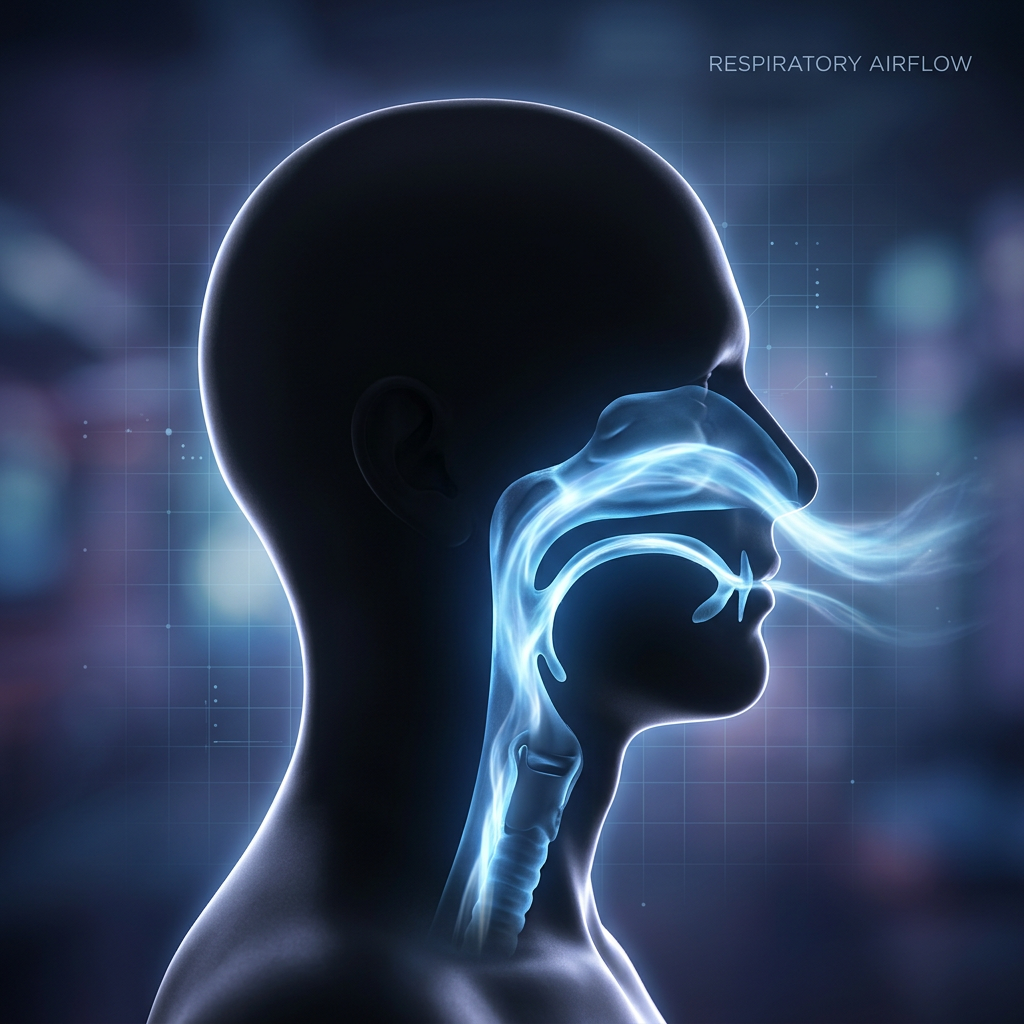
A CPAP machine is commonly prescribed for people suffering from Obstructive Sleep Apnea, a condition where breathing repeatedly stops and starts during sleep. The machine delivers steady air pressure through a mask to help keep the airway open throughout the night.
For many people, untreated sleep apnea can lead to serious health risks including high blood pressure, heart problems, diabetes complications, daytime exhaustion, and poor concentration.
In my experience, I did not fully understand how often my sleep was being interrupted until treatment began.
The Difference CPAP Made
One of the first noticeable changes was waking up feeling more alert. Before CPAP therapy, even a full night of sleep could leave me drained. After consistent use, mornings became easier and daytime fatigue gradually improved.
Other benefits became noticeable over time:
- Improved focus and mental clarity
- Reduced daytime sleepiness
- Better mood and patience
- Fewer morning headaches
- More consistent energy throughout the day
- Improved breathing during sleep
- Less tossing and turning at night
Perhaps one of the biggest improvements was realizing what restful sleep actually feels like. Many people with untreated sleep apnea adapt to exhaustion without realizing how much it affects daily life.
Why Others Should Consider a CPAP Machine
Millions of people live with undiagnosed sleep disorders. Someone who snores heavily, wakes up gasping, feels constantly tired, or struggles to stay awake during the day may benefit from speaking with a healthcare provider or sleep specialist.
Common signs that may indicate sleep apnea include:
- Loud or chronic snoring
- Waking up choking or gasping
- Morning headaches
- Poor concentration
- Excessive daytime fatigue
- Irritability or mood swings
- Difficulty staying asleep
- High blood pressure
- Feeling unrested after a full night’s sleep
Sleep studies have become more accessible in recent years, with many providers offering at-home testing options in addition to traditional sleep labs.
The Benefits of CPAP Therapy
For people diagnosed with sleep apnea, CPAP therapy can provide significant health benefits when used consistently.
Better Sleep Quality
CPAP therapy helps reduce breathing interruptions, allowing deeper and more restorative sleep cycles.
Improved Cardiovascular Health
Treating sleep apnea may help reduce strain on the heart and lower risks associated with untreated breathing interruptions during sleep.
Increased Energy Levels
Many users report improved daytime energy and reduced fatigue after adapting to therapy.
Enhanced Mental Health
Consistent sleep can positively impact mood, anxiety levels, memory, and concentration.
Reduced Snoring
For many households, CPAP therapy also improves sleep quality for partners affected by loud snoring.
The Drawbacks and Challenges
While CPAP therapy offers many benefits, it is not perfect and does require adjustment.
Initial Discomfort
Wearing a mask during sleep can feel awkward or uncomfortable at first. Some users may experience claustrophobia or irritation.
Dryness and Congestion
Dry mouth, nasal congestion, or skin irritation can occur, especially during the adjustment period.
Noise and Maintenance
Although modern CPAP devices are quieter than older models, the machine still requires regular cleaning and maintenance.
Travel Challenges
Traveling with a CPAP machine can be inconvenient, especially during flights or overnight trips.
Adjustment Period
Some people adapt quickly while others may need weeks or months to become fully comfortable using the device nightly.
Despite these challenges, many long-term users believe the health benefits far outweigh the drawbacks once the routine becomes established.
The Importance of Taking Sleep Seriously
Sleep is not a luxury. It is one of the most important foundations of physical and mental health. Poor sleep impacts nearly every aspect of daily life, from work performance and mood to heart health and overall longevity.
For anyone struggling with constant fatigue, loud snoring, or restless nights, seeking medical advice may be one of the most important health decisions they can make.
Using a CPAP machine may not be glamorous, but for many people, it can be life-changing.