At Health to Wealth Ventures, I’ve always believed that true wealth begins with good health. That’s why I’ve made the decision to openly document my experience with Transcranial Magnetic Stimulation (TMS) as I work toward recovery from depression and reclaiming the best version of myself.
A hiker walks along a rocky mountain trail at sunrise with a stunning mountain range ahead.
This week marked the completion of another week of treatment.
The journey hasn’t been easy, but it has been worthwhile. Like many people beginning TMS, I’ve experienced moments of hope, fatigue, mental fog, and emotional ups and downs. While I’m still early in the process and not expecting overnight results, I’ve already noticed small signs that encourage me to keep moving forward.
One lesson this experience has reinforced is that recovery is rarely linear. Healing takes patience, consistency, and the willingness to trust the process even on the difficult days.
Outside of treatment, I’ve remained committed to healthy habits that support both my physical and mental well-being. Daily walks, exercise, preparing healthy meals, maintaining routines, and leaning on family and friends have all become important pieces of my recovery. TMS is one tool, but lasting wellness comes from caring for the whole person.
By sharing this journey, my hope is that others battling depression realize they are not alone. Mental health deserves the same attention and compassion as physical health, and seeking treatment is a sign of strength not weakness.
A glowing, ethereal river winds through lush green hills under a twilight sky.
As Dwayne “The Rock” Johnson once said, “Depression never discriminates.” Those simple words remind us that mental illness can affect anyone, regardless of success, background, or circumstance.
I’m optimistic about the weeks ahead and committed to seeing this treatment through. Once I complete my full course of TMS, I’ll publish a comprehensive update sharing my experience, what I’ve learned, and whether the treatment helped me achieve the recovery I’ve been working toward.
Thank you for following along and for your continued encouragement. If sharing my story helps even one person take the first step toward getting help, then this journey will have an impact far beyond my own recovery.
Remember: Your health is your greatest investment, and investing in your mental health is one of the most valuable decisions you can make.
During Mental Health Awareness Month, millions of people across the country take time to reflect on the importance of emotional well-being, support, and healing. For me, this month is deeply personal because I suffer from mental illness. While my struggles may not always be visible to others, they are battles I face every single day. Still, through the challenges, I have learned something incredibly important: every day is a blessing.
Colorful wildflowers bloom on a moss-covered stone wall in a forest
Living with mental illness can feel overwhelming at times. Some mornings are harder than others. There are moments when exhaustion, fear, sadness, or uncertainty try to take control. It can affect relationships, work, motivation, and even the ability to enjoy life’s simplest moments. But despite those challenges, I continue to remind myself that waking up each morning is another opportunity to grow, heal, and keep moving forward.
For a long time, I thought struggling with mental health meant I was weak. I tried to hide my emotions and carry the weight alone. Over time, I realized that asking for help is not weakness… it is courage. Seeking support, talking openly, and taking care of your mental health are some of the strongest things a person can do.
One of the biggest lessons I have learned is that healing does not happen overnight. Recovery is a journey filled with good days, difficult days, setbacks, and victories. Sometimes progress looks like accomplishing major goals. Other times, progress simply means making it through the day without giving up. Both matter.
What keeps me hopeful is knowing that mental illness does not have to define a person’s future. A meaningful, productive, and fulfilling life is still possible. There is still room for happiness, success, friendships, love, and purpose. I truly believe that even in our darkest moments, there is always hope for brighter days ahead.
Every day I continue fighting is proof that resilience exists. Every challenge I overcome reminds me that I am stronger than I once believed. Life may not always be easy, but it is valuable, and it is worth living.
Golden sunlight breaks through clouds over a winding path in rural fields
To anyone else silently struggling with mental illness, I want you to know this: you are not alone. Your story matters. Your life matters. There is no shame in seeking help or taking time to heal. Keep going, even on the days when it feels difficult. Better moments can still come.
This Mental Health Awareness Month, let us continue breaking the stigma surrounding mental health and encourage more compassion, understanding, and support for those who are struggling. Mental illness may be part of many people’s stories, including mine, but it does not have to be the ending.
Every day is a blessing, and every new day is another chance to keep fighting for a better tomorrow.
Mental health is finally receiving the attention it deserves. Millions rely on therapy, lifestyle changes, support systems and for many, medication to help manage conditions such as anxiety, depression, ADHD, and mood disorders. While medication can be life-changing, understanding both its benefits and drawbacks is essential. And in a time of rising drug shortages and pharmacy delays, knowing what to do when your prescription isn’t filled can make a real difference.
The Benefits of Mental Health Medication
1. Symptom Relief
For many, medication provides meaningful relief from overwhelming symptoms. Antidepressants can help stabilize mood, anti-anxiety medications can reduce panic, and ADHD medications can improve focus and daily functioning. For some individuals, the improvement can be dramatic and fast-acting.
2. Better Daily Functioning
When symptoms ease, everyday responsibilities work, school, family life become more manageable. Medication often helps people regain a sense of control and stability.
3. Improved Quality of Life
Mental health medications can enhance sleep, energy levels, motivation, and emotional well-being. Many patients report feeling “themselves again” after the right treatment plan is established.
4. Works Well With Therapy
Medication often enhances the results of therapy. When intrusive thoughts or overwhelming emotions are reduced, individuals can better engage in cognitive-behavioral therapy, mindfulness, or other therapeutic approaches.
The Drawbacks and Challenges
1. Side Effects
All medications carry risks including weight changes, sleep disturbances, jitters, sexual side effects, nausea, emotional blunting, or headaches. Some side effects fade; others require adjusting dosage or switching prescriptions.
2. Trial-and-Error Period
Finding the right medication often takes time. Some people need several adjustments before achieving the right balance, which can be frustrating.
3. Dependence or Tolerance Risks
Certain medications especially benzodiazepines or stimulant-based prescriptions may carry dependency risks. These must be monitored closely by a healthcare provider.
4. Stigma
Despite progress, some still face judgment or self-doubt when taking prescription mental health medications. This can discourage people from seeking help or staying consistent with their treatment plan.
When the Pharmacy Doesn’t Fill Your Prescription
Unfortunately, delays happen more often than people realize. Reasons include:
Medication shortages
Insurance approval issues
Pharmacy stocking errors
Miscommunication between doctor and pharmacy
Technical problems with e-prescriptions
When this happens, it can create anxiety especially if your medication is essential for daily functioning. But there are steps you can take.
What You Should Do If You’re Waiting on an Unfilled Prescription
1. Call the Pharmacy Directly
Don’t wait for an automated message. Speak to a pharmacist or technician to find out what the issue is. Sometimes it’s a quick fix like updating insurance information or transferring your script.
2. Ask If They Can Transfer to Another Pharmacy
If your medication is in short supply locally, another pharmacy may have it in stock. You don’t have to wait days if you can fill it somewhere else.
3. Contact Your Prescribing Provider
If the shortage is long-term or your insurance denies coverage, your provider may:
Suggest an alternative medication
Adjust your dosage temporarily
Submit a prior authorization
Call in an emergency supply
4. Ask About Partial Fills
Some pharmacies can give you a few days’ worth of medication while they wait for the rest. This isn’t available for every drug, but it’s worth asking.
5. Use Coping Strategies While Waiting
While not a substitute for medication, these can help reduce symptoms:
Breathing exercises and grounding techniques
Journaling your thoughts or worries
Light exercise or stretching
Meditation or short mindfulness practices
Talking to someone you trust
Limiting caffeine, alcohol, and high-stress activities
These strategies support your mind and body while you wait, helping you stay anchored.
6. Monitor Your Symptoms
If you begin to feel worse or unsafe, call your provider immediately. For extreme distress, call emergency services or your local crisis hotline.
Whats the Point
Mental health medication can be a crucial tool helping millions regain balance, clarity, and stability. But like any treatment, it comes with challenges. Pharmacy delays can be discouraging, but with the right steps, you can advocate for yourself and stay supported while waiting.
Taking care of your mental health is a journey and knowing what to do during setbacks helps you stay in control every step of the way.
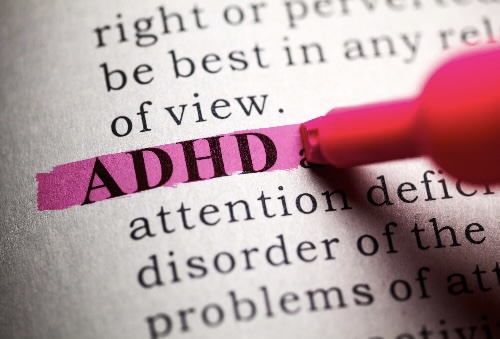
October is more than just the month of falling leaves and pumpkin spice; it’s also ADHD Awareness Month. A time when we turn our attention to a neurodevelopmental disorder that affects millions of lives around the world. Attention Deficit Hyperactivity Disorder (ADHD) isn’t just about being easily distracted or hyperactive—it’s a complex and nuanced condition that deserves our understanding and empathy.
Attention Deficit Hyperactivity Disorder
Understanding ADHD: Beyond the Stereotypes
ADHD is often misunderstood, and its stereotypes can perpetuate misconceptions. To truly grasp its impact, it’s essential to go beyond the surface. Dr. Russell A. Barkley, a renowned expert on ADHD, provides a profound insight: “ADHD isn’t a deficit of attention; it’s a self-regulation problem. It’s about managing arousal levels to be self-aware enough to do what’s necessary.”
These words challenge the common perception of ADHD as a mere attention issue. Instead, they invite us to explore the multifaceted nature of the disorder, recognizing the challenges individuals face in regulating their attention, emotions, and behavior.
ADHD in the Real World: Navigating Challenges
Living with ADHD means navigating a labyrinth of challenges, from difficulties in concentration to impulsivity. Dr. Edward M. Hallowell, a psychiatrist and author, captures the essence of ADHD by saying, “ADHD is like having a race car brain with bicycle brakes.” This analogy vividly illustrates the incongruence between the rapid flow of thoughts and the struggle to apply the brakes when necessary.
For those with ADHD, daily tasks that others may find routine can feel like monumental feats. Simple activities such as staying organized, managing time, and completing tasks become hurdles to overcome. ADHD Awareness Month serves as a reminder that these challenges are not a result of laziness or lack of effort but rather a manifestation of the underlying neurobiological differences associated with the disorder.
Breaking Stigmas: Embracing Neurodiversity
In our journey to promote ADHD awareness, it is crucial to break down stigmas and embrace neurodiversity. Dr. Temple Grandin, a prominent advocate for individuals with autism, wisely notes, “The world needs different kinds of minds to work together.” This sentiment extends beyond autism to encompass all neurodivergent individuals, including those with ADHD.
By recognizing and celebrating neurodiversity, we foster a culture of inclusion where the unique strengths and perspectives of individuals with ADHD can thrive. Rather than viewing ADHD as a limitation, let’s appreciate it as a unique way of experiencing the world.
Moving Forward: Advocacy and Support
ADHD Awareness Month is not only about understanding the challenges but also about advocating for support and resources. Dr. Ned Hallowell, co-author of “Driven to Distraction,” emphasizes the importance of intervention: “The more you can do to understand ADHD and get proper treatment, the better you can do in managing your symptoms.”
Advocacy involves promoting access to appropriate accommodations, educational support, and mental health resources. It’s a collective effort to create an environment where individuals with ADHD can thrive, leveraging their strengths while receiving the necessary assistance to overcome challenges.
ADHD Awareness Month is an opportunity for all of us to deepen our understanding, challenge stereotypes, and advocate for a more inclusive and supportive society. As we reflect on the quotes from experts in the field, let us carry their wisdom into action, fostering a world where everyone, regardless of their neurodivergence, can flourish. As a person who has suffered with ADHD his whole life remember it’s not often what you see that you know the most. Give those around you the benefit of the doubt if they seem to be a little outside the ordinary. Besides who wants ordinary anyway? As always, I would love to hear if you or you know someone that suffers from ADHD? Drop me a line or comment and remember to be kind to your neighbors while smiling cause it really does look good on you. Until next time… Cheers!