From Insurance Insights to Everyday Life: A Look Back at Conversations That Matter

Over the past few years here, one thing has become clear: the topics that matter most are the ones that impact everyday people in real life. From protecting families financially to improving personal health and building long-term wealth, the conversations shared across social media have focused on practical advice, real experiences, and personal growth.

Here’s a look back at some of the biggest themes that resonated with readers and followers alike.

Dirt path winding through grassy hills toward a city skyline at sunset with glowing navigation icons.
A scenic dirt path leads to a city skyline at sunset, with glowing navigation and connectivity icons along the trail.

Insurance Isn’t Just a Bill… It’s a Financial Safety Net

One recurring topic has been the importance of understanding insurance beyond the monthly premium. Conversations around auto insurance scores, homeowner protection, life changes, and shopping for coverage highlighted how important it is to make informed decisions.

Many drivers don’t realize that constantly switching insurance companies can sometimes hurt their long-term pricing and stability. Insurance history, payment consistency, claim frequency, and credit-related factors often play a role in how rates are calculated. The key message shared over time has been simple:

✅ Shop smart
✅ Compare coverage… not just price
✅ Understand what you’re buying
✅ Protect yourself before problems happen

There were also important discussions about protecting families after the loss of a spouse. Topics included updating estate documents, reviewing beneficiaries, adjusting homeowners and auto insurance policies, and making sure financial accounts are organized during difficult times.

Health and Sleep Matter More Than We Admit

Another major focus centered around health and quality of life, especially sleep.

Personal experiences discussing CPAP therapy opened conversations for many people struggling silently with exhaustion, poor sleep quality, and untreated sleep apnea. The message was relatable because it focused on real-life improvements instead of medical jargon.

Many readers connected with the idea that better sleep can improve:

  • Energy levels
  • Mood and mental clarity
  • Blood pressure
  • Productivity
  • Overall quality of life

The discussions also honestly addressed the adjustment period that comes with CPAP use, reminding people that long-term health improvements often require patience and consistency.

Mental Health Conversations Continue to Break Stigma

Mental health awareness became another important topic throughout the years. Rather than focusing only on diagnoses or labels, the message centered around perseverance, growth, and finding purpose despite difficult seasons.

The overall tone remained encouraging:

Every day is another opportunity to keep moving forward.

Readers responded positively to honest conversations about stress, emotional struggles, and the importance of seeking support while continuing to pursue productive and meaningful lives.

Investing Conversations Focused on Long-Term Thinking

Investment-related discussions also attracted strong engagement, especially around dividend-paying companies and emerging growth opportunities.

Articles and commentary involving companies like General Mills (GIS) and Ondas Holdings (ONDS) explored the balance between stability and growth potential.

Topics included:

  • Dividend investing
  • Market volatility
  • Long-term portfolio strategy
  • Risk management
  • Emerging technology opportunities

One consistent theme stood out:

📈 Investing is not about chasing hype every day it’s about building disciplined habits over time.

Transparency also remained important, with disclosures shared whenever positions in discussed companies were personally owned.

Vintage balance scale weighing health symbols, money, tech devices, and family icons.
A vintage scale balancing symbols of health, money, technology, and family.

Technology, Sustainability, and Everyday Innovation

Discussions around sustainability and technology showed how rapidly the world is changing. Topics ranged from electric vehicles and smart homes to how innovation is reshaping the insurance industry itself.

As more households adopt connected devices and cleaner technologies, conversations emphasized how these changes may impact:

  • Insurance pricing
  • Risk assessment
  • Home safety
  • Driving habits
  • Long-term financial savings

The growing overlap between technology and personal finance continues to create opportunities for consumers willing to stay informed.

Why These Conversations Connected With People

The reason these topics gained attention is because they were grounded in real life.

They weren’t just about headlines or trends they focused on:

✔ Protecting families
✔ Improving health
✔ Building financial stability
✔ Encouraging personal growth
✔ Preparing for the unexpected

In a social media environment often dominated by negativity and noise, practical conversations that educate, encourage, and empower people continue to stand out.

Key Takeaway

Over the years, these discussions have shown that everyday decisions can have a lasting impact. Whether it’s reviewing an insurance policy, improving sleep, investing for the future, or simply finding ways to stay positive during difficult times, small steps often create meaningful long-term results.

The conversations will continue because life keeps evolving, and staying informed matters more than ever.

The Hidden Connection Between Health and Wealth – From Wall Street to Main Street

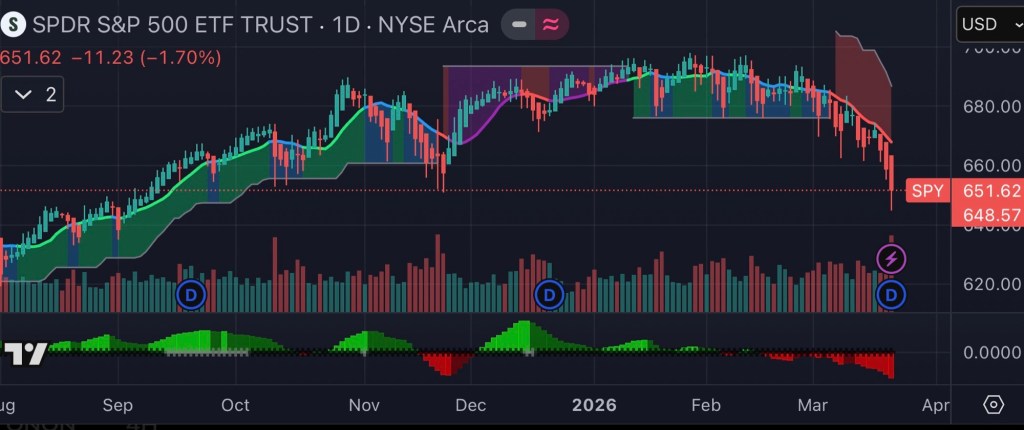
State Street SPDR S&P 500 ETF Trust (SPY) $648.57 -$11.81 (1.79%) • Today $653.51+$4.94 (0.76%) After Hours

By Industry Perspective

The relationship between financial strength and personal health is no longer theoretical, it’s measurable, observable, and, in many cases, predictable. Whether you’re analyzing the volatility of the market through vehicles like the SPDR S&P 500 ETF Trust or underwriting a homeowner’s policy, the same principle applies: risk management drives outcomes both financially and physically.

Market Volatility and Mental Health: The Silent Correlation

As illustrated in the market activity above, even broad-based investments can experience short-term declines. While seasoned investors understand this as normal market behavior, the psychological response is often anything but rational.

Periods of drawdown like recent fluctuations in the S&P 500 can trigger stress responses similar to those seen in high-risk professions. Elevated cortisol levels, poor sleep, and impulsive decision-making (panic selling, overtrading) are common. In financial terms, this is known as behavioral risk and it can erode long-term returns faster than market downturns themselves.

From a health standpoint, chronic stress is linked to:

  • Cardiovascular disease
  • Weakened immune response
  • Reduced cognitive performance

Translation: Poor financial discipline doesn’t just hurt your portfolio it can degrade your physical health.

Insurance: The Health Buffer You Don’t Think About

In the insurance industry, we view risk through a different but parallel lens. Policies aren’t just financial tools; they are health preservation mechanisms.

Consider this:

  • A homeowner without proper coverage facing a catastrophic loss (fire, hurricane, liability claim) doesn’t just experience financial strain it often leads to anxiety, depression, and long-term instability.
  • Conversely, a properly insured individual has risk transferred, which significantly reduces stress exposure.

This is especially relevant in markets like Florida, where environmental risk is high. Strategic coverage wind mitigation credits, flood insurance, liability umbrellas does more than protect assets. It protects peace of mind, which is directly tied to long-term health outcomes.

Wealth Building as a Health Strategy

There’s a growing body of thought especially among financial planners and risk professionals that wealth is a form of preventative medicine.

Here’s how:

  1. Liquidity Reduces Stress
    Emergency funds and accessible capital eliminate the “fight-or-flight” response during crises.
  2. Diversification Mirrors Healthy Living
    Just as a balanced diet prevents overexposure to one risk factor, diversified portfolios reduce systemic financial risk.
  3. Long-Term Planning Promotes Stability
    Retirement accounts, life insurance, and asset protection strategies create predictability one of the most powerful contributors to mental well-being.

The Discipline Overlap: Investors vs. Insureds

The most successful individuals in both investing and insurance share identical behavioral traits:

  • Consistency over intensity (dollar-cost averaging vs. regular policy reviews)
  • Risk awareness without fear-based decisions
  • Long-term thinking over short-term reactions

This overlap is not coincidental it’s structural. Both disciplines reward those who understand that risk isn’t something to avoid it’s something to manage intelligently.

Final Analysis: Health and Wealth Are Not Separate Systems

The traditional view separates financial planning and personal health into different domains. That view is outdated.

  • Poor financial decisions → Increased stress → Negative health outcomes
  • Lack of protection (insurance gaps) → Catastrophic loss → Long-term instability
  • Disciplined investing + proper coverage → Reduced stress → Improved overall well-being

Bottom line:
The same habits that build wealth discipline, planning, risk management are the exact habits that sustain long-term health.

Closing Thought

Whether you’re reviewing your investment portfolio or evaluating your insurance coverage, you’re not just making financial decisions you’re making lifestyle decisions that will compound over time.

Because in the end, the real ROI isn’t just measured in dollars… it’s measured in how well and how peacefully you live.

About the Author:

David Dandaneau is a client relations analyst that covers the insurance and financial services industry. He is known for his insightful analysis and comprehensive coverage of market trends and regulatory developments.

Effective Money Management for Couples

Financial experts consistently emphasize that couples who treat money as a shared responsibility rather than an individual burden are better positioned to build wealth, reduce stress, and achieve long-term stability.

Research and guidance from organizations like the Consumer Financial Protection Bureau and the Federal Reserve suggest that transparency, planning, and shared accountability are among the strongest predictors of financial success in households.

Why Teamwork Matters in Financial Management

Money represents more than numbers it reflects priorities, values, and long-term aspirations. When couples align financially, they can:

  • Pool income to accelerate savings and investments
  • Share expenses, reducing individual financial strain
  • Build accountability through mutual oversight
  • Plan effectively for major milestones like homeownership, retirement, or raising children

Conversely, when partners operate independently without coordination, misunderstandings and inefficiencies can arise, often slowing progress toward shared goals.

Practical Tips for Managing Money Together

1. Establish Complete Financial Transparency

Each partner should disclose income, debts, assets, and credit obligations. Full transparency builds trust and allows for accurate planning.

2. Define Shared Financial Goals

Successful couples identify both short-term and long-term objectives, such as:

  • Emergency fund targets
  • Vacation savings
  • Retirement timelines
  • Major purchases (home, vehicle, education)

When goals are mutual, financial decisions become easier and more purposeful.

3. Create a Joint Budget Strategy

Couples may choose from several structures:

  • Fully joint accounts
  • Separate accounts with shared expense contributions
  • Hybrid approach (joint bills account plus individual discretionary accounts)

There is no single correct model—the key is consistency and agreement.

4. Assign Financial Roles Based on Strengths

One partner may excel at budgeting while the other focuses on investing or bill management. Dividing responsibilities improves efficiency while maintaining shared oversight.

5. Schedule Regular Financial Check-Ins

Monthly or quarterly discussions help ensure progress, address concerns, and adjust plans as circumstances evolve.

The Psychological Advantage of Financial Partnership

Couples who work together financially often experience reduced stress and improved emotional security. Shared financial clarity reduces uncertainty, one of the most significant drivers of financial anxiety.

Financial partnership also creates resilience. Unexpected events such as job loss or medical expenses are easier to manage when supported by combined resources and coordinated planning.

Comparing Financial Advantages: Couples vs. Singles

Financial FactorBenefits as a CoupleBenefits as Single
Income PotentialCombined income increases earning power and savings capacityFull control over personal income decisions
Living ExpensesShared housing, utilities, and insurance reduce per-person costsNo obligation to support another person financially
Risk ManagementDual income provides safety if one partner loses employmentGreater flexibility to adjust lifestyle quickly
Investment GrowthLarger combined contributions accelerate compounding returnsIndependent investment strategy without compromise
Financial AccountabilityMutual oversight reduces impulsive spendingComplete autonomy over financial decisions
Major PurchasesEasier qualification for mortgages and loans due to combined incomeSimpler approval process based solely on individual credit
Financial FlexibilityShared planning enables long-term stability and goal alignmentGreater freedom to relocate or change careers quickly

The Key to Success: Alignment, Not Perfection

Managing money as a couple does not require identical spending habits or financial philosophies. Instead, success depends on communication, mutual respect, and consistent planning.

Financial partnership is ultimately about alignment. Couples who approach money as a team rather than as individuals sharing expenses position themselves to build stronger financial foundations, navigate economic uncertainty, and achieve long-term goals more efficiently.

In an increasingly complex financial world, teamwork remains one of the most powerful wealth-building strategies available.