Healing Through Tattoos: Exploring Mental Health Benefits

Tattoos, once considered fringe expressions of rebellion, have become a mainstream form of self-identity and personal storytelling. From commemorating loved ones to marking life milestones, body art is increasingly intertwined with emotional expression. But as tattoos grow in popularity, mental health professionals are examining a deeper question: can tattoos positively or negatively impact psychological well-being?
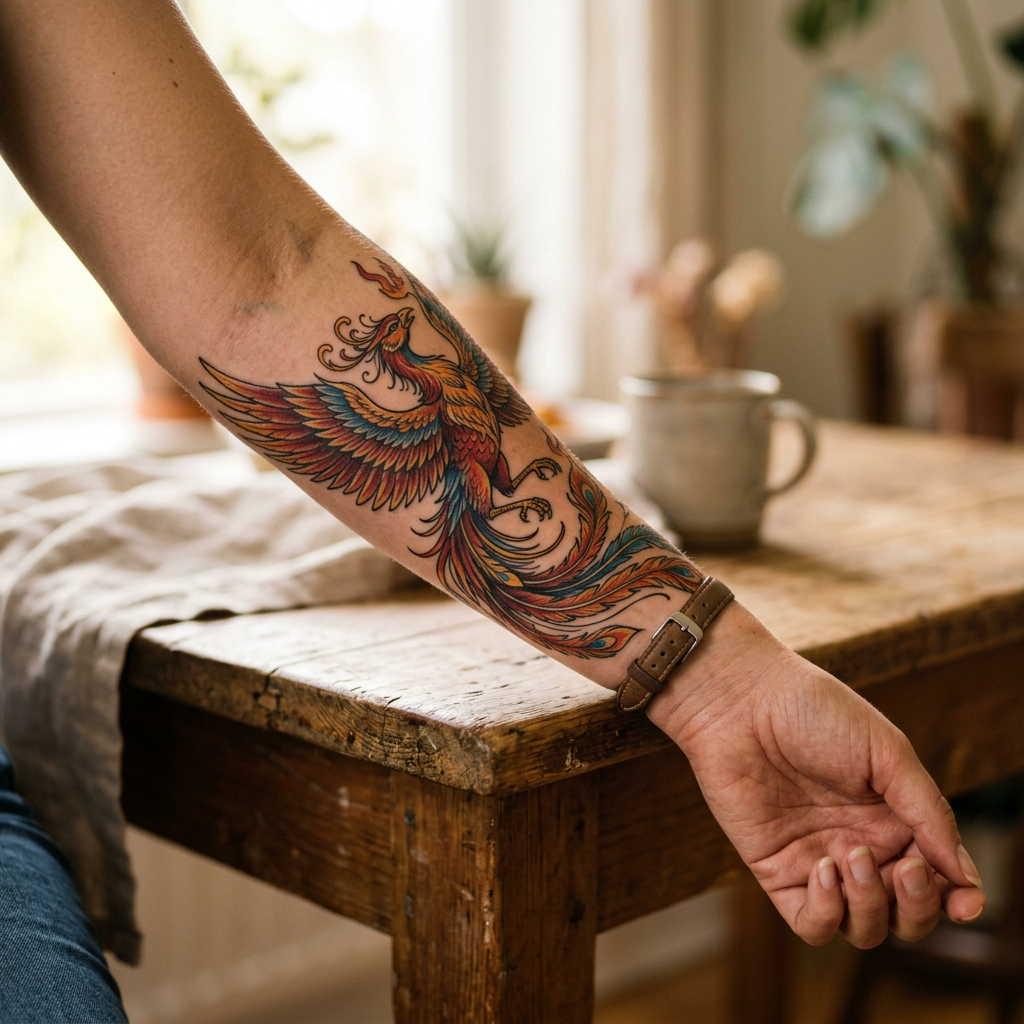
Forearm tattoo of a colorful phoenix with red, blue, and orange feathers.

Tattoos as a Tool for Healing

For many individuals, tattoos serve as a powerful form of emotional processing. Therapists have observed that people often use tattoos to reclaim control over their bodies, particularly after trauma. Survivors of abuse, illness, or significant loss may find empowerment in choosing how to permanently mark their skin.

Memorial tattoos, for example, can help individuals cope with grief by creating a lasting tribute. Similarly, people recovering from self-harm sometimes cover scars with meaningful artwork, transforming painful reminders into symbols of resilience.

In these contexts, tattoos can:

  • Reinforce a sense of identity
  • Provide closure or emotional release
  • Act as daily affirmations or reminders of strength

The Psychological Risks

However, experts caution that tattoos are not a substitute for professional mental health care. While they may offer temporary relief or symbolic meaning, they do not address underlying psychological conditions such as depression, anxiety, or trauma.

In some cases, impulsive tattoo decisions especially during periods of emotional distress can lead to regret. This regret may exacerbate negative feelings, particularly if the tattoo is tied to a painful memory or a phase of life the individual wishes to move past.

Potential downsides include:

  • Regret leading to lowered self-esteem
  • Financial strain from removal or cover-up procedures
  • Reinforcement of unresolved emotional issues

The Role of Intent and Timing

Mental health professionals emphasize that the impact of a tattoo often depends on the individual’s mindset and motivation. Thoughtful, intentional tattoos planned over time and tied to meaningful experiences tend to have more positive psychological outcomes.

Conversely, tattoos acquired impulsively or as a coping mechanism during acute emotional distress may signal a need for deeper support.

“Body art can be therapeutic,” one clinician notes, “but it should complement not replace healthy coping strategies like therapy, social support, and self-reflection.”

Silhouette of a standing figure with one half brightly decorated with colorful tattoos including dragons, flowers, and symbols.

A Personal Decision with Lasting Implications

Ultimately, tattoos occupy a unique intersection between art, identity, and mental health. For some, they are empowering symbols of survival and growth. For others, they may become reminders of difficult periods or impulsive choices.

Before getting a tattoo, individuals are encouraged to reflect on their motivations, consider the permanence of the decision, and assess their emotional state. Consulting with a mental health professional can also provide clarity, especially if the tattoo is tied to deeper psychological experiences.

Final Thought

Tattoos can be meaningful tools for self-expression and even healing but they are not a cure-all. Like any personal decision, their impact on mental health depends on intention, timing, and context. When approached thoughtfully, tattoos can tell powerful stories. When used as a substitute for deeper healing, however, they may fall short of providing lasting emotional relief.

As the conversation around mental health continues to evolve, so too does our understanding of how the marks we choose to wear on our skin reflect and affect the mind beneath.

Strengthening Relationships: The Power of Weekend Rituals

I used to think strong relationships were built on grand gestures such as vacations, expensive dinners, and anniversary surprises. Over time, I realized something far more practical and far more powerful:

The strongest couples don’t rely on occasional fireworks.
They rely on consistent weekends.

After observing couples I admire and evaluating what has worked in my own life I’ve noticed a couple behaviors that show up again and again. They’re not complicated. They’re intentional.

Here’s what I’ve learned.


1. We Reset: Together

Weekdays are operational. Work, obligations, responsibilities.

Weekends are relational.

Every Saturday morning, before the noise starts, we check in. Not logistics. Not bills. Not errands.

We ask:

  • How are you really doing?
  • What felt heavy this week?
  • What felt good?

This ritual prevents emotional backlog. In relationship psychology, unresolved micro-tensions accumulate into macro-conflict. Strong couples clear the emotional ledger weekly.

We don’t let small things compound.


2. We Protect Unstructured Time

High-performing couples schedule everything… except presence.

One of the most stabilizing habits we’ve built is blocking out time with no agenda. A walk around the pool. Coffee on the porch. Sitting in silence.

Research from the Gottman Institute shows that couples who build “love maps” detailed knowledge of each other’s inner worlds have higher long-term satisfaction. You don’t build love maps in rushed 10-minute conversations.

You build them in unstructured time.

So we slow down on purpose.


3. We Do Something Hard Together

Shared adversity strengthens bonds.

Whether it’s a workout, tackling a home project, or having a difficult conversation, strong couples lean into productive discomfort side by side.

There’s neuroscience behind this. Oxytocin (bonding hormone) and dopamine (reward pathway) are both activated when partners overcome challenges together. The shared win rewires the relationship positively.

When we sweat together, build together, or solve together, we trust more together.


4. We Disconnect From the World to Reconnect With Each Other

Phones are relationship disruptors.

According to research published in the American Psychological Association journals, perceived partner distraction by devices (often called “technoference”) correlates with lower relationship satisfaction.

So one thing I wish we did every weekend and something more people should consider:
Put your devices away during meals and conversations.

No scrolling. No divided attention.

Attention is the most valuable currency in a relationship.
What I focus on grows.


5. We Reaffirm the Vision

The strongest couples aren’t just surviving the present they are building a shared future.

At least once each weekend, we talk about:

  • Goals
  • Finances
  • Health
  • Travel
  • What kind of life we’re designing

This habit aligns with principles highlighted in positive psychology research from institutions like Harvard University, where shared meaning and future orientation are strongly correlated with life satisfaction.

We don’t drift.
We design together.


The Bigger Truth

Strong relationships aren’t built in dramatic moments.
They’re built in repeated, deliberate weekends.

I’ve learned that love isn’t sustained by intensity… it’s sustained by consistency.

Every weekend is an opportunity:

  • To reconnect
  • To repair
  • To realign
  • To recommit

The couples who thrive aren’t lucky.
They’re disciplined.

And the discipline isn’t complicated.

It’s these small things… repeated every single weekend.