This week delivered a useful reminder that health and wealth rarely move on separate tracks. Interest rates, energy prices, public-health concerns, and advances in mental-health treatment can all affect the same household… sometimes simultaneously.
The larger lesson is not to predict every headline. It is to build enough margin into our health, finances, and daily routines that one difficult week does not knock us completely off course.
The Federal Reserve Raises Rates Again
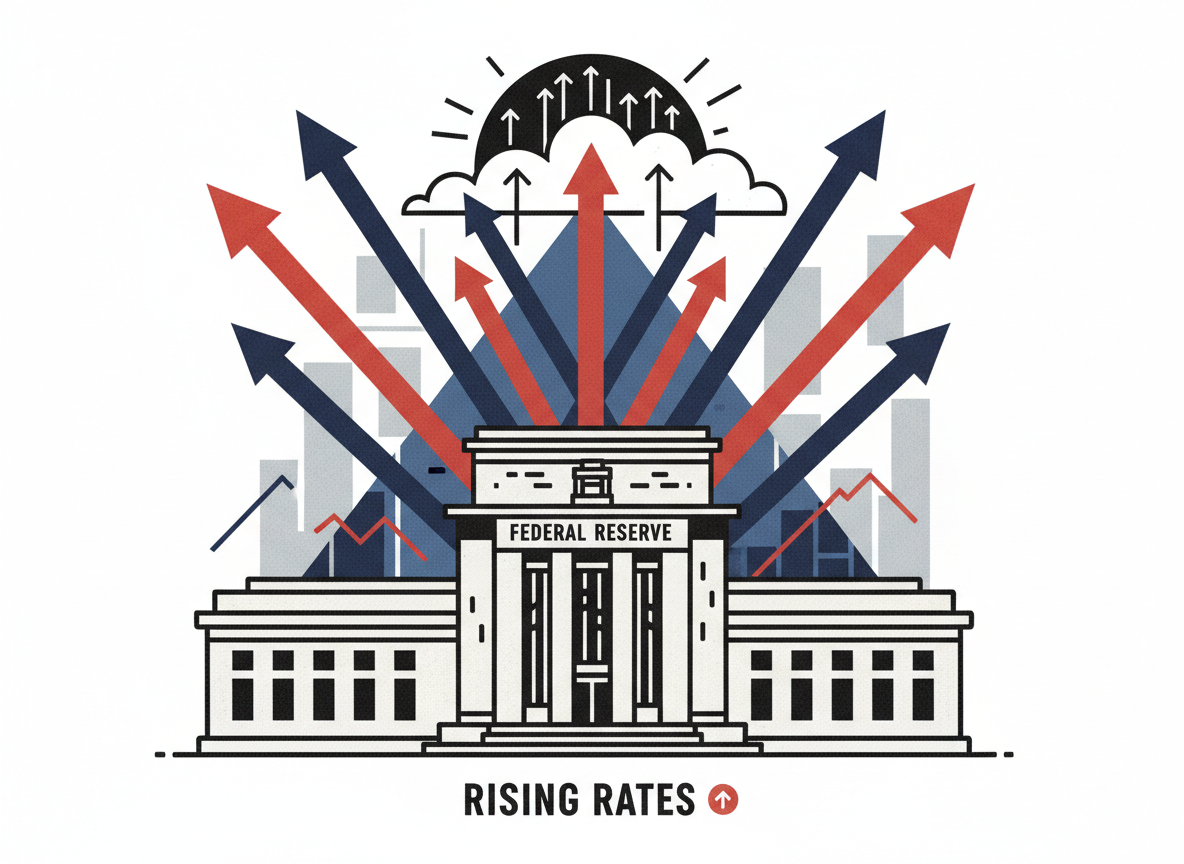
The biggest financial story came from the Federal Reserve. On September 16, the Fed raised its target range for the federal funds rate by a quarter percentage point, bringing it to 3.75%–4.00%. The vote was unanimous.
For consumers, another rate increase can translate into higher borrowing costs on credit cards, variable-rate debt, auto loans, and eventually some mortgages. Savers may benefit if banks and money-market funds pass along higher yields, but that benefit can be offset when household expenses rise at the same time.
Investors should resist making an all-or-nothing move based on one Fed meeting. Higher rates can pressure richly valued growth stocks, real estate, and other rate-sensitive assets. However, they can also create opportunities in cash-equivalent investments, short-term Treasuries, and financially strong companies that generate dependable cash flow.
My approach remains simple: stay diversified, keep some cash available, dollar-cost average into high-conviction positions, and avoid chasing whatever moved the most this week. Volatility is uncomfortable, but it can also reward patience and preparation.
Energy Costs Are Becoming a Household Issue Again
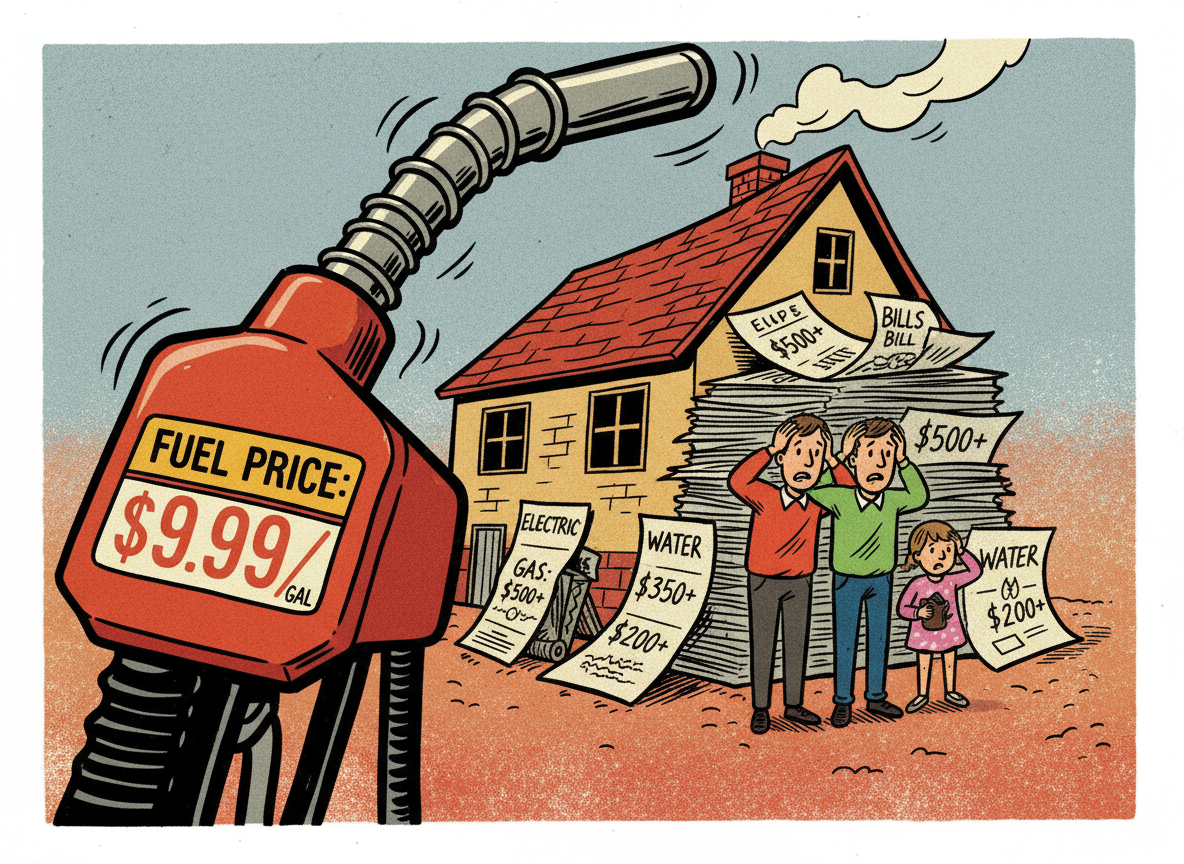
Rising gasoline and diesel prices are more than a transportation story. Diesel powers the trucks, equipment, and supply chains that move much of what Americans buy. When those costs increase, businesses often pass at least part of the expense to consumers.
That means higher energy prices can appear in grocery bills, delivery fees, airfare, household goods, and corporate profit margins. They can also complicate the Fed’s inflation fight because energy touches nearly every part of the economy.
For households, this is a good week to review spending rather than panic. Small adjustments combining errands, checking insurance and subscription costs, using fuel rewards wisely, and directing extra cash toward high-interest debt can help absorb rising prices without abandoning long-term investing goals.
Investors should watch companies with heavy transportation, manufacturing, or distribution costs. Revenue growth may look healthy while margins quietly weaken. In this environment, balance-sheet strength and pricing power matter.
Mental-Health Treatment Continues to Evolve
On September 14, the FDA held a public hearing on the potential future therapeutic use of psychedelic drug products in supervised and supportive settings. The agency gathered perspectives on possible benefits, risks, clinical standards, patient protections, and the evidence that would be required.
This does not mean psychedelic treatments have received broad approval. It does show that federal regulators are seriously examining how emerging therapies might fit into a safe, evidence-based medical framework.
That matters to me personally. After completing TMS and reaching remission from depression, I understand how meaningful it can be when a treatment finally helps after a long struggle.
Innovation deserves hope but also discipline. New mental-health therapies require careful research, qualified medical supervision, honest discussions about risk, and strong protections for vulnerable patients.
The encouraging trend is that mental health is increasingly being treated like health: something worthy of scientific investment, open conversation, and individualized care.

Public-Health Awareness: Rare Does Not Mean Ignorable
Rabies concerns also received attention this week following several unusual animal-exposure incidents. Human rabies remains rare in the United States, but it is almost always fatal after symptoms appear. The good news is that prompt wound cleaning, medical evaluation, and post-exposure vaccination can prevent the disease when treatment begins in time.
The practical takeaway is straightforward: never dismiss a bite, scratch, or possible saliva exposure involving a bat or an unfamiliar wild or domestic animal. Wash the area thoroughly and contact a healthcare professional or local health department promptly. Pet owners should also keep their animals’ vaccinations current.
Preparedness is not fear. It is knowing what deserves immediate action.
One Step Forward
This week’s health and wealth stories point toward the same principle: protect your margin.
Financial margin means maintaining emergency savings, controlling expensive debt, diversifying investments, and leaving room to take advantage of opportunities.
Health margin means keeping appointments, following treatment plans, remaining active, sleeping as well as possible, and responding promptly when something feels wrong.
My one step forward this week is to review one area of vulnerability instead of trying to fix everything at once. That could mean checking the interest rate on a credit card, adding a little to an emergency fund, scheduling a delayed medical appointment, or simply getting outside for a daily walk.
Progress is rarely one giant decision. More often, it is a series of small choices that make us harder to knock down.

References
- Federal Reserve: September 16 FOMC statement
- FDA: Hearing on potential therapeutic use of psychedelic drugs
- CDC: Rabies information and prevention
- CDC: Rabies vaccine and post-exposure guidance
Disclaimer: This article is for educational and informational purposes only. It is not medical, investment, tax, or financial advice. Consult qualified professionals regarding your individual circumstances.
About the Author:
David Dandaneau is a client relations analyst that covers the insurance and financial services industry. He is known for his insightful analysis and comprehensive coverage of market trends and regulatory developments.