Protecting Yourself Financially and Legally After the Death of a Spouse

The death of a spouse is one of life’s most difficult experiences emotionally, but it can also create immediate financial, legal, and insurance challenges. Experts say surviving spouses who take organized and timely action can avoid costly mistakes, reduce stress, and protect their family’s long-term financial future.

From estate administration to updating insurance policies and securing financial accounts, understanding the steps that should be taken after a spouse passes away is critical.

Desk with project binder labeled 'PROJECT ALANNAH - 2024', stack of papers, pen, daily notes notebook, keys, and desk lamp

The Importance of Acting Early

Many surviving spouses are unaware that insurance policies, bank accounts, mortgages, vehicle titles, and retirement accounts may need immediate attention after a death occurs. Delays can lead to denied claims, lapsed coverage, frozen accounts, missed bills, or probate complications.

Financial planners and estate professionals recommend starting with a structured checklist and keeping copies of all important documents in one secure location.

Key Areas That Need Immediate Attention

1. Obtain Multiple Certified Death Certificates

Funeral homes often assist families with ordering death certificates. Financial institutions, insurance carriers, and government agencies usually require certified copies.

Experts recommend obtaining at least 10 copies to simplify the process.

2. Contact Life Insurance Companies

If the deceased spouse had life insurance through work or an individual policy, beneficiaries should file claims as soon as possible.

Important items to gather include:

  • Policy numbers
  • Death certificate
  • Beneficiary information
  • Employer contact information

Life insurance proceeds are often paid tax-free and can help cover immediate expenses.

3. Review the Estate and Will

If a will or trust exists, the executor or trustee should begin the legal administration process promptly.

Key documents may include:

  • Last will and testament
  • Trust agreements
  • Power of attorney documents
  • Property deeds
  • Financial account information

Consulting an estate attorney may help avoid probate complications and ensure assets transfer properly.

Homeowners Insurance Should Never Be Ignored

One commonly overlooked issue is homeowners insurance. After a spouse dies, surviving family members should notify their insurance company immediately.

Why this matters:

  • The named insured may need to be updated
  • Vacant home provisions could apply
  • Coverage limits may need adjustment
  • Mortgage lender requirements could change

Failure to update a homeowners policy may create claim issues later.

Homeowners should also verify:

  • Current replacement cost coverage
  • Flood or hurricane insurance status
  • Mortgage escrow arrangements
  • Liability protection limits

Auto Insurance Updates Are Critical

Vehicle ownership and auto insurance policies often require updates after a spouse passes away.

Checklist items include:

  • Updating vehicle registration and title
  • Removing or adding drivers
  • Revising garaging address if necessary
  • Reviewing coverage levels
  • Confirming premium payment arrangements

If the deceased spouse handled finances, surviving spouses should confirm policies remain active to avoid accidental lapses in coverage.

Social Security and Government Benefits

The surviving spouse may qualify for benefits through the Social Security Administration.

Potential benefits may include:

  • Survivor benefits
  • Lump-sum death payment
  • Medicare updates
  • Dependent child benefits

Veterans and government employees may also have pension or survivor programs available.

Protecting Against Fraud and Identity Theft

Identity theft targeting deceased individuals is increasingly common.

Experts recommend:

  • Notifying credit bureaus
  • Monitoring financial statements
  • Closing unnecessary accounts
  • Reporting the death to banks and creditors
  • Securing digital accounts and passwords

Mail theft and fraudulent credit applications can occur if accounts remain open.

Emotional Decisions Should Be Avoided

Financial advisors frequently caution widows and widowers against making major financial decisions immediately after a loss.

Avoid rushing decisions involving:

  • Selling the home
  • Large investments
  • Giving money to family members
  • Cashing out retirement accounts
  • Major relocations

Taking time to evaluate options with trusted professionals may help prevent long-term financial setbacks.

Survivor Protection Checklist

Checklist with green checkmarks, shield icon with house and car, documents, and house and car illustrations
A checklist symbolizing home and car insurance coverage and protection.

Immediate Tasks (First Few Days)

  • Obtain certified death certificates
  • Notify close family members
  • Contact funeral home and clergy
  • Secure home, vehicles, and valuables
  • Locate will, trust, and insurance documents
  • Notify employer of death

Financial & Legal Tasks

  • Contact life insurance companies
  • Meet with estate attorney if necessary
  • Notify banks and investment firms
  • Review mortgage and loan obligations
  • Update beneficiaries on accounts
  • Review retirement and pension benefits
  • Notify Social Security Administration
  • Monitor credit reports

Insurance Tasks

  • Update homeowners insurance
  • Review auto insurance policies
  • Confirm health insurance continuation
  • Review umbrella liability coverage
  • Verify flood, windstorm, or specialty coverage
  • Update named insured information

Property & Asset Tasks

  • Transfer vehicle titles if necessary
  • Update deeds and property ownership
  • Inventory valuables and collectibles
  • Secure firearms, jewelry, and important documents
  • Review safe deposit boxes

Digital & Identity Protection

  • Close unused online accounts
  • Update passwords
  • Preserve important photos and files
  • Notify credit bureaus
  • Monitor for identity theft

Family & Long-Term Planning

  • Review household budget
  • Meet with financial advisor
  • Update your own estate plan
  • Reevaluate retirement strategy
  • Review tax filing requirements
  • Create an emergency contact file

Final Thoughts

The loss of a spouse can feel overwhelming, especially when legal and financial responsibilities suddenly fall on one person. While every situation is unique, staying organized and addressing insurance, estate, and financial matters early can help protect surviving family members from unnecessary hardship.

Professionals recommend building a trusted support team that may include an estate attorney, financial advisor, accountant, and insurance professional to help navigate the transition with confidence and stability.

About the Author:

David Dandaneau is a client relations analyst that covers the insurance and financial services industry. He is known for his insightful analysis and comprehensive coverage of market trends and regulatory developments.


Mental Health Month: Every Day Is a Blessing

During Mental Health Awareness Month, millions of people across the country take time to reflect on the importance of emotional well-being, support, and healing. For me, this month is deeply personal because I suffer from mental illness. While my struggles may not always be visible to others, they are battles I face every single day. Still, through the challenges, I have learned something incredibly important: every day is a blessing.

Stone wall with wildflowers and moss growing in the cracks
Colorful wildflowers bloom on a moss-covered stone wall in a forest

Living with mental illness can feel overwhelming at times. Some mornings are harder than others. There are moments when exhaustion, fear, sadness, or uncertainty try to take control. It can affect relationships, work, motivation, and even the ability to enjoy life’s simplest moments. But despite those challenges, I continue to remind myself that waking up each morning is another opportunity to grow, heal, and keep moving forward.

For a long time, I thought struggling with mental health meant I was weak. I tried to hide my emotions and carry the weight alone. Over time, I realized that asking for help is not weakness… it is courage. Seeking support, talking openly, and taking care of your mental health are some of the strongest things a person can do.

One of the biggest lessons I have learned is that healing does not happen overnight. Recovery is a journey filled with good days, difficult days, setbacks, and victories. Sometimes progress looks like accomplishing major goals. Other times, progress simply means making it through the day without giving up. Both matter.

What keeps me hopeful is knowing that mental illness does not have to define a person’s future. A meaningful, productive, and fulfilling life is still possible. There is still room for happiness, success, friendships, love, and purpose. I truly believe that even in our darkest moments, there is always hope for brighter days ahead.

Every day I continue fighting is proof that resilience exists. Every challenge I overcome reminds me that I am stronger than I once believed. Life may not always be easy, but it is valuable, and it is worth living.

Winding dirt path through golden grassy fields with cloudy sky and sun rays
Golden sunlight breaks through clouds over a winding path in rural fields

To anyone else silently struggling with mental illness, I want you to know this: you are not alone. Your story matters. Your life matters. There is no shame in seeking help or taking time to heal. Keep going, even on the days when it feels difficult. Better moments can still come.

This Mental Health Awareness Month, let us continue breaking the stigma surrounding mental health and encourage more compassion, understanding, and support for those who are struggling. Mental illness may be part of many people’s stories, including mine, but it does not have to be the ending.

Every day is a blessing, and every new day is another chance to keep fighting for a better tomorrow.

Healing Through Tattoos: Exploring Mental Health Benefits

Tattoos, once considered fringe expressions of rebellion, have become a mainstream form of self-identity and personal storytelling. From commemorating loved ones to marking life milestones, body art is increasingly intertwined with emotional expression. But as tattoos grow in popularity, mental health professionals are examining a deeper question: can tattoos positively or negatively impact psychological well-being?

Forearm tattoo of a colorful phoenix with red, blue, and orange feathers.

Tattoos as a Tool for Healing

For many individuals, tattoos serve as a powerful form of emotional processing. Therapists have observed that people often use tattoos to reclaim control over their bodies, particularly after trauma. Survivors of abuse, illness, or significant loss may find empowerment in choosing how to permanently mark their skin.

Memorial tattoos, for example, can help individuals cope with grief by creating a lasting tribute. Similarly, people recovering from self-harm sometimes cover scars with meaningful artwork, transforming painful reminders into symbols of resilience.

In these contexts, tattoos can:

  • Reinforce a sense of identity
  • Provide closure or emotional release
  • Act as daily affirmations or reminders of strength

The Psychological Risks

However, experts caution that tattoos are not a substitute for professional mental health care. While they may offer temporary relief or symbolic meaning, they do not address underlying psychological conditions such as depression, anxiety, or trauma.

In some cases, impulsive tattoo decisions especially during periods of emotional distress can lead to regret. This regret may exacerbate negative feelings, particularly if the tattoo is tied to a painful memory or a phase of life the individual wishes to move past.

Potential downsides include:

  • Regret leading to lowered self-esteem
  • Financial strain from removal or cover-up procedures
  • Reinforcement of unresolved emotional issues

The Role of Intent and Timing

Mental health professionals emphasize that the impact of a tattoo often depends on the individual’s mindset and motivation. Thoughtful, intentional tattoos planned over time and tied to meaningful experiences tend to have more positive psychological outcomes.

Conversely, tattoos acquired impulsively or as a coping mechanism during acute emotional distress may signal a need for deeper support.

“Body art can be therapeutic,” one clinician notes, “but it should complement not replace healthy coping strategies like therapy, social support, and self-reflection.”

Silhouette of a standing figure with one half brightly decorated with colorful tattoos including dragons, flowers, and symbols.

A Personal Decision with Lasting Implications

Ultimately, tattoos occupy a unique intersection between art, identity, and mental health. For some, they are empowering symbols of survival and growth. For others, they may become reminders of difficult periods or impulsive choices.

Before getting a tattoo, individuals are encouraged to reflect on their motivations, consider the permanence of the decision, and assess their emotional state. Consulting with a mental health professional can also provide clarity, especially if the tattoo is tied to deeper psychological experiences.

Final Thought

Tattoos can be meaningful tools for self-expression and even healing but they are not a cure-all. Like any personal decision, their impact on mental health depends on intention, timing, and context. When approached thoughtfully, tattoos can tell powerful stories. When used as a substitute for deeper healing, however, they may fall short of providing lasting emotional relief.

As the conversation around mental health continues to evolve, so too does our understanding of how the marks we choose to wear on our skin reflect and affect the mind beneath.

Broker vs. DIY: Best Way to Shop for Auto Insurance

Auto insurance is one of the most essential and often confusing financial protections drivers carry. Premiums can vary dramatically from one person to another, leaving many wondering what actually determines the cost and whether they’re getting the best deal. Industry professionals point to a mix of personal risk factors, market dynamics, and shopping strategy as the key drivers behind what you pay.

Car insurance policy paper with pen, car keys, toy car, calculator displaying 12345, and cash

What Determines the Cost of Auto Insurance?

At its core, auto insurance pricing is a risk calculation. Insurers assess how likely you are to file a claim and how expensive that claim might be. Several primary variables feed into that equation:

  • Driving Record: Accidents, speeding tickets, and violations increase perceived risk, raising premiums.
  • Location: Urban areas with higher traffic density and theft rates typically result in higher costs than rural regions.
  • Vehicle Type: Expensive cars, high-performance vehicles, and models prone to theft cost more to insure.
  • Coverage Levels: Higher liability limits, lower deductibles, and optional coverages (like comprehensive or uninsured motorist) all increase premiums.
  • Credit-Based Insurance Score: In many states, insurers use credit data as a predictor of claim behavior.
  • Annual Mileage and Usage: More time on the road equals higher exposure to risk.

In short, the more risk you present on paper, the more you’ll pay.

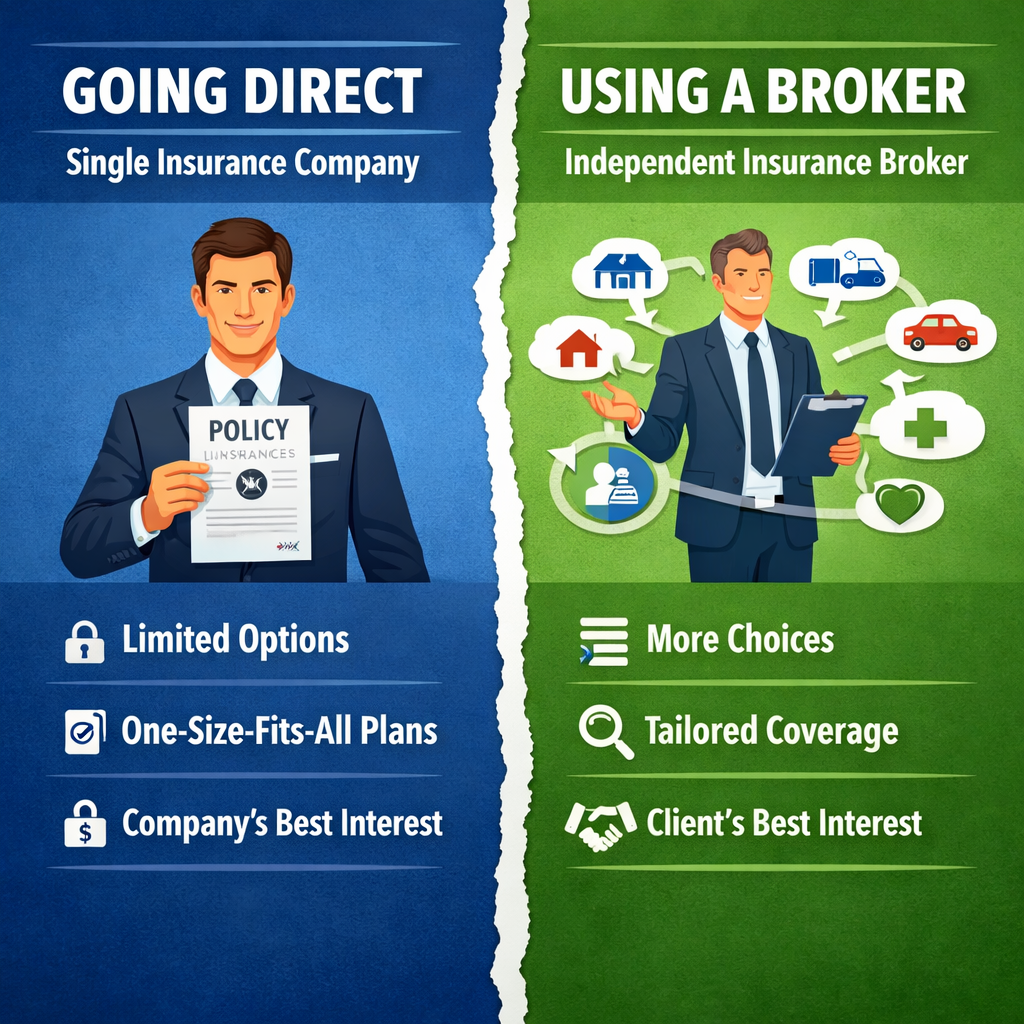
Going It Alone vs. Using a Broker

One of the biggest decisions consumers face is whether to shop for insurance independently or work with a broker or agent.

Comparison of insurance options showing a man with policy from single company versus broker offering multiple tailored coverages

Going It Alone (Direct-to-Consumer Shopping):
Shopping online or directly with carriers can be faster and sometimes cheaper on the surface. You control the process, compare quotes, and avoid intermediary commissions. However, this approach has limitations:

  • You may only see a subset of the market.
  • Policy differences can be difficult to evaluate without expertise.
  • It’s easy to underinsure or miss critical coverage gaps.

Using a Broker or Independent Agent:
A broker represents multiple insurance companies and shops on your behalf. Their role is less about selling a single product and more about risk matching.

  • Pros: Access to multiple carriers, professional guidance, policy comparison expertise, and ongoing service.
  • Cons: Slightly less control over the process and potential bias toward certain carriers (though reputable brokers mitigate this).

For complex situations multiple vehicles, teen drivers, high-value assets a broker often provides measurable value. For simpler needs, confident consumers may find direct shopping sufficient.

The Hidden Risk of Staying With One Carrier Too Long

Loyalty in insurance doesn’t always pay. While some insurers offer retention discounts, long-term customers can experience what industry insiders call “rate creep.”

Here’s what to monitor if you’ve stayed with the same carrier for years:

  • Annual Premium Increases: Even without claims, rates can rise due to broader underwriting changes or inflation in repair costs.
  • Coverage Drift: Your life changes your policy might not. New assets, longer commutes, or lifestyle changes can leave gaps.
  • Discount Erosion: Introductory discounts often expire after the first policy term.
  • Market Competitiveness: New insurers and pricing models enter the market regularly. What was competitive three years ago may not be today.

Experts recommend reviewing your policy at least once a year or after major life events. Even if you don’t switch, understanding your options keeps your current carrier accountable.

The Bottom Line

Auto insurance pricing is not arbitrary it’s a data-driven reflection of risk. Whether you choose to shop independently or work with a broker depends on your comfort level, time investment, and complexity of needs. However, one principle holds true across the board: passive renewal is rarely the optimal strategy.

Consumers who actively review, compare, and adjust their coverage are far more likely to balance cost efficiency with proper protection, an outcome that ultimately defines the value of any insurance policy.

About the Author:

David Dandaneau is a client relations analyst that covers the insurance and financial services industry. He is known for his insightful analysis and comprehensive coverage of market trends and regulatory developments.

The Wealth Mindset Shift: Why Focusing on Positives Beats Fixating on Income

A growing number of professionals and behavioral economists are challenging the narrative: what if the real key to fulfillment isn’t how much you earn, but how you think about what you have?

This shift in perspective often referred to as a “wealth mindset reset” is gaining traction across industries, from finance to mental health. The premise is straightforward: when individuals focus less on income comparisons and more on positive drivers like stability, growth, and purpose, they tend to experience higher levels of satisfaction and long-term success.

The Problem with Income Obsession

For decades, income has been the most visible and measurable indicator of success. Promotions, bonuses, and salary benchmarks are easy to quantify. But that clarity comes with a downside.

“Constantly measuring yourself against others financially creates a moving target,” says one financial wellness expert. “There’s always someone earning more, which can lead to chronic dissatisfaction even when you’re objectively doing well.”

This phenomenon is closely tied to relative income theory, where happiness is influenced less by absolute earnings and more by how one stacks up against peers. The result? Even high earners can feel financially insecure.

Reframing Success

Instead of anchoring self-worth to income, experts recommend shifting focus toward controllable and meaningful metrics:

  • Financial Stability – Are your essential needs covered? Do you have a safety net?
  • Progress – Are you improving your skills, growing your career, or expanding your opportunities?
  • Autonomy – Do you have control over your time and decisions?
  • Purpose – Does your work align with your values or provide a sense of contribution?

These factors, while less tangible than a paycheck, have a stronger correlation with long-term well-being.

The Psychology of Positive Focus

Research in positive psychology suggests that gratitude and forward-looking thinking can significantly improve both mental health and productivity. When individuals focus on what’s working rather than what’s lacking they’re more likely to make better decisions, take calculated risks, and build sustainable habits.

In practical terms, this could mean recognizing consistent income instead of chasing sporadic spikes, or valuing flexibility in a job over a marginal salary increase.

A Financial Strategy Hidden in Plain Sight

Interestingly, this mindset isn’t just about feeling better it can also lead to smarter financial behavior.

People who aren’t fixated on income alone are more likely to:

  • Save consistently rather than spend to “keep up”
  • Invest with a long-term perspective
  • Avoid high-risk decisions driven by short-term gain
  • Build diversified income streams over time

In essence, focusing on positives creates a more disciplined and resilient financial strategy.

Real-World Application

Consider two individuals earning the same salary. One constantly compares themselves to higher earners, feels behind, and takes on unnecessary financial risks. The other focuses on steady growth, appreciates their progress, and makes calculated decisions.

Over time, the second individual is more likely to build sustainable wealth not necessarily because they earn more, but because they think differently.

In the End

Income will always matter it’s a fundamental part of financial security. But it’s not the full picture. By shifting attention away from “how much” and toward “how well,” individuals can unlock a more balanced, productive, and ultimately rewarding financial life.

In a world obsessed with numbers, the real advantage may belong to those who learn to look beyond them.

The Hidden Connection Between Health and Wealth – From Wall Street to Main Street

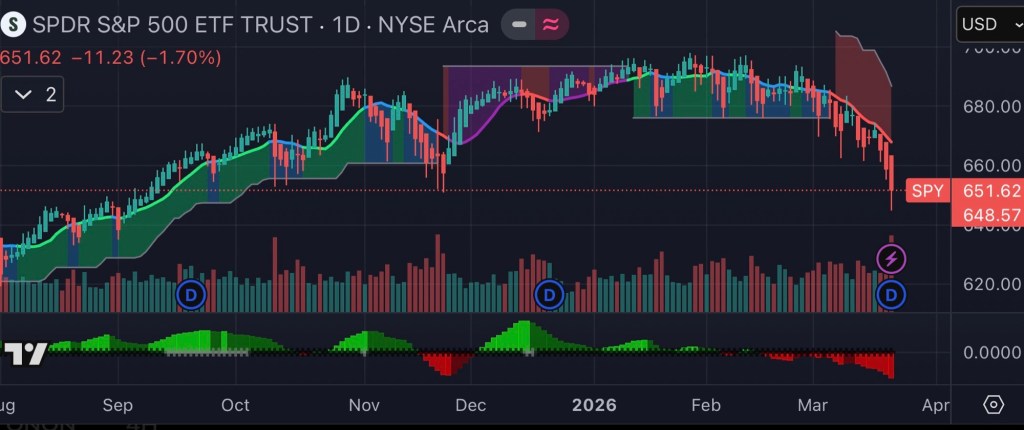
State Street SPDR S&P 500 ETF Trust (SPY) $648.57 -$11.81 (1.79%) • Today $653.51+$4.94 (0.76%) After Hours

By Industry Perspective

The relationship between financial strength and personal health is no longer theoretical, it’s measurable, observable, and, in many cases, predictable. Whether you’re analyzing the volatility of the market through vehicles like the SPDR S&P 500 ETF Trust or underwriting a homeowner’s policy, the same principle applies: risk management drives outcomes both financially and physically.

Market Volatility and Mental Health: The Silent Correlation

As illustrated in the market activity above, even broad-based investments can experience short-term declines. While seasoned investors understand this as normal market behavior, the psychological response is often anything but rational.

Periods of drawdown like recent fluctuations in the S&P 500 can trigger stress responses similar to those seen in high-risk professions. Elevated cortisol levels, poor sleep, and impulsive decision-making (panic selling, overtrading) are common. In financial terms, this is known as behavioral risk and it can erode long-term returns faster than market downturns themselves.

From a health standpoint, chronic stress is linked to:

  • Cardiovascular disease
  • Weakened immune response
  • Reduced cognitive performance

Translation: Poor financial discipline doesn’t just hurt your portfolio it can degrade your physical health.

Insurance: The Health Buffer You Don’t Think About

In the insurance industry, we view risk through a different but parallel lens. Policies aren’t just financial tools; they are health preservation mechanisms.

Consider this:

  • A homeowner without proper coverage facing a catastrophic loss (fire, hurricane, liability claim) doesn’t just experience financial strain it often leads to anxiety, depression, and long-term instability.
  • Conversely, a properly insured individual has risk transferred, which significantly reduces stress exposure.

This is especially relevant in markets like Florida, where environmental risk is high. Strategic coverage wind mitigation credits, flood insurance, liability umbrellas does more than protect assets. It protects peace of mind, which is directly tied to long-term health outcomes.

Wealth Building as a Health Strategy

There’s a growing body of thought especially among financial planners and risk professionals that wealth is a form of preventative medicine.

Here’s how:

  1. Liquidity Reduces Stress
    Emergency funds and accessible capital eliminate the “fight-or-flight” response during crises.
  2. Diversification Mirrors Healthy Living
    Just as a balanced diet prevents overexposure to one risk factor, diversified portfolios reduce systemic financial risk.
  3. Long-Term Planning Promotes Stability
    Retirement accounts, life insurance, and asset protection strategies create predictability one of the most powerful contributors to mental well-being.

The Discipline Overlap: Investors vs. Insureds

The most successful individuals in both investing and insurance share identical behavioral traits:

  • Consistency over intensity (dollar-cost averaging vs. regular policy reviews)
  • Risk awareness without fear-based decisions
  • Long-term thinking over short-term reactions

This overlap is not coincidental it’s structural. Both disciplines reward those who understand that risk isn’t something to avoid it’s something to manage intelligently.

Final Analysis: Health and Wealth Are Not Separate Systems

The traditional view separates financial planning and personal health into different domains. That view is outdated.

  • Poor financial decisions → Increased stress → Negative health outcomes
  • Lack of protection (insurance gaps) → Catastrophic loss → Long-term instability
  • Disciplined investing + proper coverage → Reduced stress → Improved overall well-being

Bottom line:
The same habits that build wealth discipline, planning, risk management are the exact habits that sustain long-term health.

Closing Thought

Whether you’re reviewing your investment portfolio or evaluating your insurance coverage, you’re not just making financial decisions you’re making lifestyle decisions that will compound over time.

Because in the end, the real ROI isn’t just measured in dollars… it’s measured in how well and how peacefully you live.

About the Author:

David Dandaneau is a client relations analyst that covers the insurance and financial services industry. He is known for his insightful analysis and comprehensive coverage of market trends and regulatory developments.

Strengthening Relationships: The Power of Weekend Rituals

I used to think strong relationships were built on grand gestures such as vacations, expensive dinners, and anniversary surprises. Over time, I realized something far more practical and far more powerful:

The strongest couples don’t rely on occasional fireworks.
They rely on consistent weekends.

After observing couples I admire and evaluating what has worked in my own life I’ve noticed a couple behaviors that show up again and again. They’re not complicated. They’re intentional.

Here’s what I’ve learned.


1. We Reset: Together

Weekdays are operational. Work, obligations, responsibilities.

Weekends are relational.

Every Saturday morning, before the noise starts, we check in. Not logistics. Not bills. Not errands.

We ask:

  • How are you really doing?
  • What felt heavy this week?
  • What felt good?

This ritual prevents emotional backlog. In relationship psychology, unresolved micro-tensions accumulate into macro-conflict. Strong couples clear the emotional ledger weekly.

We don’t let small things compound.


2. We Protect Unstructured Time

High-performing couples schedule everything… except presence.

One of the most stabilizing habits we’ve built is blocking out time with no agenda. A walk around the pool. Coffee on the porch. Sitting in silence.

Research from the Gottman Institute shows that couples who build “love maps” detailed knowledge of each other’s inner worlds have higher long-term satisfaction. You don’t build love maps in rushed 10-minute conversations.

You build them in unstructured time.

So we slow down on purpose.


3. We Do Something Hard Together

Shared adversity strengthens bonds.

Whether it’s a workout, tackling a home project, or having a difficult conversation, strong couples lean into productive discomfort side by side.

There’s neuroscience behind this. Oxytocin (bonding hormone) and dopamine (reward pathway) are both activated when partners overcome challenges together. The shared win rewires the relationship positively.

When we sweat together, build together, or solve together, we trust more together.


4. We Disconnect From the World to Reconnect With Each Other

Phones are relationship disruptors.

According to research published in the American Psychological Association journals, perceived partner distraction by devices (often called “technoference”) correlates with lower relationship satisfaction.

So one thing I wish we did every weekend and something more people should consider:
Put your devices away during meals and conversations.

No scrolling. No divided attention.

Attention is the most valuable currency in a relationship.
What I focus on grows.


5. We Reaffirm the Vision

The strongest couples aren’t just surviving the present they are building a shared future.

At least once each weekend, we talk about:

  • Goals
  • Finances
  • Health
  • Travel
  • What kind of life we’re designing

This habit aligns with principles highlighted in positive psychology research from institutions like Harvard University, where shared meaning and future orientation are strongly correlated with life satisfaction.

We don’t drift.
We design together.


The Bigger Truth

Strong relationships aren’t built in dramatic moments.
They’re built in repeated, deliberate weekends.

I’ve learned that love isn’t sustained by intensity… it’s sustained by consistency.

Every weekend is an opportunity:

  • To reconnect
  • To repair
  • To realign
  • To recommit

The couples who thrive aren’t lucky.
They’re disciplined.

And the discipline isn’t complicated.

It’s these small things… repeated every single weekend.

The Surprising Health Benefits of Daily Coffee

An evidence-based look at the health benefits and risks of daily coffee consumption

By any measurable standard, coffee is more than a beverage it is a ritual, a productivity tool, and for millions, a non-negotiable part of daily life. For me, it is the ignition switch to clarity. The aroma signals focus. The first sip triggers momentum. But beyond personal preference, there is a substantial body of scientific literature explaining why coffee holds such a powerful place in modern health and culture.

Coffee, derived from roasted beans of the Coffea plant, contains hundreds of bioactive compounds. The most studied is caffeine, a central nervous system stimulant. However, chlorogenic acids, polyphenols, diterpenes (cafestol and kahweol), and antioxidants contribute significantly to its physiological effects.

The real question is not whether coffee feels essential it’s whether daily consumption is beneficial, harmful, or both.


The Health Benefits of Drinking Coffee Daily

1. Enhanced Cognitive Performance

Caffeine receptors are in the brain, reducing fatigue and increasing alertness. Research consistently shows improved reaction time, memory consolidation, and executive function with moderate caffeine intake.

2. Reduced Risk of Neurodegenerative Disease

Large cohort studies suggest habitual coffee consumption is associated with a lower risk of Parkinson’s disease and Alzheimer’s disease. The protective mechanism is believed to involve antioxidant activity and dopaminergic modulation.

3. Metabolic and Liver Protection

Coffee consumption has been linked to reduced risk of type 2 diabetes and improved insulin sensitivity. Additionally, strong epidemiological evidence associates coffee intake with lower incidence of liver cirrhosis, non-alcoholic fatty liver disease (NAFLD), and hepatocellular carcinoma.

4. Cardiovascular Outcomes

Contrary to earlier concerns, moderate coffee consumption (3–5 cups per day) is associated with a reduced risk of cardiovascular disease and all-cause mortality in many populations.

5. Antioxidant Intake

For many Americans, coffee is the single largest dietary source of antioxidants, which combat oxidative stress and inflammation.


The Potential Drawbacks of Drinking Coffee Every Day

Despite its benefits, coffee is pharmacologically active and not universally benign.

1. Sleep Disruption

Caffeine’s half-life ranges from 5–7 hours in most adults. Late-day consumption can impair sleep onset and reduce slow-wave sleep, impacting recovery and hormonal regulation.

2. Increased Anxiety and Heart Rate

In sensitive individuals, caffeine may exacerbate anxiety disorders, increase heart palpitations, and elevate blood pressure transiently.

3. Dependence and Withdrawal

Regular consumption can lead to caffeine dependence. Withdrawal symptoms headache, irritability, fatigue typically emerge within 12–24 hours of cessation.

4. Gastrointestinal Irritation

Coffee stimulates gastric acid secretion, which may aggravate reflux (GERD) or gastritis in predisposed individuals.

5. Pregnancy Considerations

High caffeine intake during pregnancy has been associated with increased risk of miscarriage and low birth weight. Most medical bodies recommend limiting intake to ≤200 mg per day for pregnant individuals.


Health Benefits vs. Drawbacks of Daily Coffee Consumption

CategoryHealth BenefitsPotential Drawbacks
Cognitive FunctionImproved alertness, focus, reaction timeAnxiety, jitteriness in high doses
Neurological HealthLower risk of Parkinson’s and Alzheimer’sSleep disruption if consumed late
Metabolic EffectsReduced risk of type 2 diabetesTemporary insulin sensitivity fluctuations in some individuals
Liver HealthLower risk of cirrhosis and fatty liver diseasePossible GI irritation
Cardiovascular ImpactReduced all-cause mortality (moderate intake)Short-term increase in heart rate and blood pressure
Dependency ProfileHabit formation linked to routine productivityWithdrawal headaches and fatigue

So, Why Can’t I Live Without Coffee?

Because for most healthy adults, moderate coffee intake (approximately 200–400 mg of caffeine per day, or 2–4 cups) is not only safe, it is associated with measurable long-term health benefits.

It sharpens cognition, supports metabolic health, and may extend longevity. The key variable is dose and timing. Coffee transitions from therapeutic to problematic when it interferes with sleep, exacerbates anxiety, or replaces foundational health habits like hydration and balanced nutrition.

Coffee is not a substitute for discipline, sleep, or exercise. But when integrated responsibly into a healthy lifestyle, it is far more ally than adversary.

For me, it’s not just about staying awake… it’s about operating at full capacity.


References

Cornelis, M. C. (2019). The impact of caffeine and coffee on human health. Nutrients, 11(2), 416. https://doi.org/10.3390/nu11020416

Ding, M., Bhupathiraju, S. N., Chen, M., van Dam, R. M., & Hu, F. B. (2014). Caffeinated and decaffeinated coffee consumption and risk of type 2 diabetes: A systematic review and meta-analysis. Diabetes Care, 37(2), 569–586. https://doi.org/10.2337/dc13-1203

Freedman, N. D., Park, Y., Abnet, C. C., Hollenbeck, A. R., & Sinha, R. (2012). Association of coffee drinking with total and cause-specific mortality. New England Journal of Medicine, 366(20), 1891–1904. https://doi.org/10.1056/NEJMoa1112010

Poole, R., Kennedy, O. J., Roderick, P., Fallowfield, J. A., Hayes, P. C., & Parkes, J. (2017). Coffee consumption and health: Umbrella review of meta-analyses of multiple health outcomes. BMJ, 359, j5024. https://doi.org/10.1136/bmj.j5024

Temple, J. L., Bernard, C., Lipshultz, S. E., Czachor, J. D., Westphal, J. A., & Mestre, M. A. (2017). The safety of ingested caffeine: A comprehensive review. Frontiers in Psychiatry, 8, 80. https://doi.org/10.3389/fpsyt.2017.00080

The Power of Saying No for Health and Wealth

A brother’s perspective on how saying no protects your health and builds your wealth

There’s a word we don’t use enough.

More.

Not more stuff. Not more noise.
More standards. More discipline. More self-respect.

This is a story about my sister and what I’ve learned watching her struggle to say “no.”


The Sister Who Never Turned Anyone Down

My sister has always been the dependable one. If someone needed help, she showed up. If work needed extra hours, she volunteered. If family needed support, she rearranged her life.

From the outside, it looked admirable.

From the inside, it was exhausting.

She confused availability with value. She believed being needed meant being important. So she kept saying yes… to everyone except herself.

And slowly, the cost showed up.

Fatigue. Stress. Irritability. Neglected goals. Delayed plans. Financial stagnation.

That’s when I realized something powerful:

Every “yes” has a price tag.


The Health Cost of Not Saying No

Chronic stress is not just emotional, it’s physiological.

When you consistently override your own limits:

  • Cortisol remains elevated.
  • Sleep quality declines.
  • Decision-making weakens.
  • Immune resilience drops.
  • Burnout accelerates.

Saying yes to everything keeps your nervous system in a low-grade fight-or-flight state. Over time, that becomes inflammation, fatigue, and mental fog.

When my sister finally starts saying no to unnecessary commitments, to draining conversations, to work that hasn’t aligned her body will respond.

She will sleep better.
She will exercise consistently.
She will eat with intention instead of convenience.
She will regain mental clarity.

Saying no isn’t selfish. It is preventative medicine.

Boundaries are a health strategy.


The Wealth Cost of Always Being Available

Time is capital.

If you treat it like it’s unlimited, you’ll spend it on low-return activities.

My sister would give hours to tasks that didn’t move her forward professionally or financially. She postponed higher education. Delayed business ideas. Ignored investment planning. All because she was too busy solving other people’s problems.

When she starts saying no, something will shift.

She will reclaim hours.

Those hours will become:

  • Skill development.
  • Career positioning.
  • Financial planning.
  • Strategic rest (which improves performance).

High performers understand something simple:
Opportunity cost is real.

Every unnecessary yes is a withdrawal from your future earning potential.

When she protects her time, her income will follow. Not magically… strategically. Focus creates leverage. Leverage builds wealth.


Saying “More” to Yourself

I once told her, “You don’t need to give less. You need to require more.”

More respect for your schedule.
More intentional use of your energy.
More clarity about your goals.
More return on your time investment.

And sometimes that starts with a clean, confident:

“No.”

Not defensive.
Not apologetic.
Just decisive.


Why Saying No Creates Health and Wealth

Saying no does three critical things:

  1. It reduces stress load, which improves long-term health outcomes.
  2. It preserves cognitive bandwidth, improving decision quality.
  3. It protects your highest-value asset… your time.

And when your time aligns with your priorities, both health and wealth compound.

Well-rested people make better financial decisions.
Focused people create higher-value output.
Disciplined people build long-term assets.

Boundaries aren’t barriers. They’re filters.

They filter out what drains you so you can invest in what builds you.


A Brother’s Reflection

Watching my sister over the years hasn’t made her colder.

It has made her stronger.

She hasn’t stopped caring.
She will stop overextending.

She won’t become unavailable.
She will become intentional.

And the result?
Better health. Clearer thinking. Stronger finances. Greater confidence.

We’re taught that success requires sacrifice.

But sometimes success requires subtraction.

Say more to what matters.
Say no to what doesn’t.

Because when you protect your time and your energy, you protect your future.

And that future if guarded wisely can be both healthy and wealthy.

What the Olympics Have Meant to Me: A Personal Reflection on Unity, Health, and Wealth

For as long as I can remember, the Olympic Games have represented more than competition. They have symbolized possibility.

Every four years, the world pauses. Flags wave. Anthems rise. Athletes from nations that may disagree politically stand side by side in pursuit of excellence. In those moments, borders blur. Ideologies soften. Humanity takes center stage.

For me, the Olympics have always been a reminder of what is achievable individually and collectively.


A Global Stage for Unity

Organized under the stewardship of the International Olympic Committee, the Games bring together over 200 nations. In a fragmented world, that scale of participation is extraordinary.

Watching the Opening Ceremony, I’m reminded that beneath different languages and cultures, we share the same aspirations: to strive, to overcome, to belong. The Olympics showcase not just medal counts, but human stories, injury recoveries, generational dreams, lifelong discipline.

It is one of the rare platforms where excellence becomes a universal language.


The Impact on Health: Inspiration in Motion

From a health perspective, the Olympics have a measurable and emotional impact.

Watching elite performance reframes what the human body is capable of. Whether it’s a sprinter exploding off the blocks or a ice skater landing a flawless routine, the Games ignite something powerful: motivation.

Research consistently shows that major sporting events increase public engagement in physical activity. Participation spikes in youth sports programs. Gym memberships rise. Community leagues grow. Inspiration becomes action.

But the influence extends beyond physical fitness.

The Olympics also elevate mental resilience. The stories of athletes overcoming adversity reinforce principles that apply to everyday life:

  • Discipline
  • Delayed gratification
  • Strategic preparation
  • Emotional control under pressure

Those traits are as valuable in boardrooms as they are on podiums.


The Wealth Effect: Economic and Personal Prosperity

The Olympics also intersect with wealth on both macro and micro levels.

Host cities like Paris during the Paris 2024 Summer Olympics and upcoming hosts such as Los Angeles for the Los Angeles 2028 Summer Olympics experience major economic ripple effects. Infrastructure investment, tourism influx, and global exposure can reshape a region’s long-term financial trajectory.

On a personal level, the wealth connection is philosophical.

The habits that define Olympians consistency, long-term vision, incremental progress mirror the principles of financial growth. No one wins gold overnight. Similarly, wealth is rarely built through impulse. It’s the compound effect of discipline over time.

Watching the Olympics reinforces a critical truth: excellence compounds.

If we apply that same mindset to personal finance regular investing, strategic risk management, long-term thinking… the results can be transformative.


Participation: The Greatest Return on Investment

While spectating inspires, participating multiplies the impact.

Youth sports build leadership and collaboration skills. Adult fitness routines improve longevity and reduce healthcare costs. Communities that prioritize recreation often see lower crime rates and stronger social bonds.

Health is wealth… literally. Reduced medical expenses, higher productivity, improved cognitive function these outcomes carry economic value. The Olympics serve as a visible reminder that investing in the body yields measurable returns.


A Reminder of What’s Possible

At their core, the Olympic Games represent aspiration.

They show us that greatness is not accidental. It is engineered through daily habits, resilience through setbacks, and belief during uncertainty.

For me, the Olympics are a blueprint:

  • Train with purpose.
  • Compete with integrity.
  • Win with humility.
  • Lose with grace.
  • Keep going regardless.

In a divided world, the Games remind us that unity is possible. In a distracted world, they remind us that focus matters. And in a world chasing shortcuts, they reaffirm that sustainable success whether in health or wealth is built the long way.

That is what the Olympics have meant to me.

And every time the torch is lit, that lesson burns a little brighter.