Celsius $CELH — A sip, a chart, and why traders/investors are watching

You try a new drink and — boom — the product tastes great. That’s exactly what happened when I tried a CELSIUS energy beverage and then went to check the stock. Celsius Holdings (ticker CELH) has been one of the market’s high-profile consumer names this year: rapid top-line growth, headline M&A and distribution moves, and a volatile but elevated share price. Here’s a concise news-style breakdown of what the company is doing, where the stock sits now, why some investors think it’s attractive, and what risks to keep in mind.


Where the stock sits right now

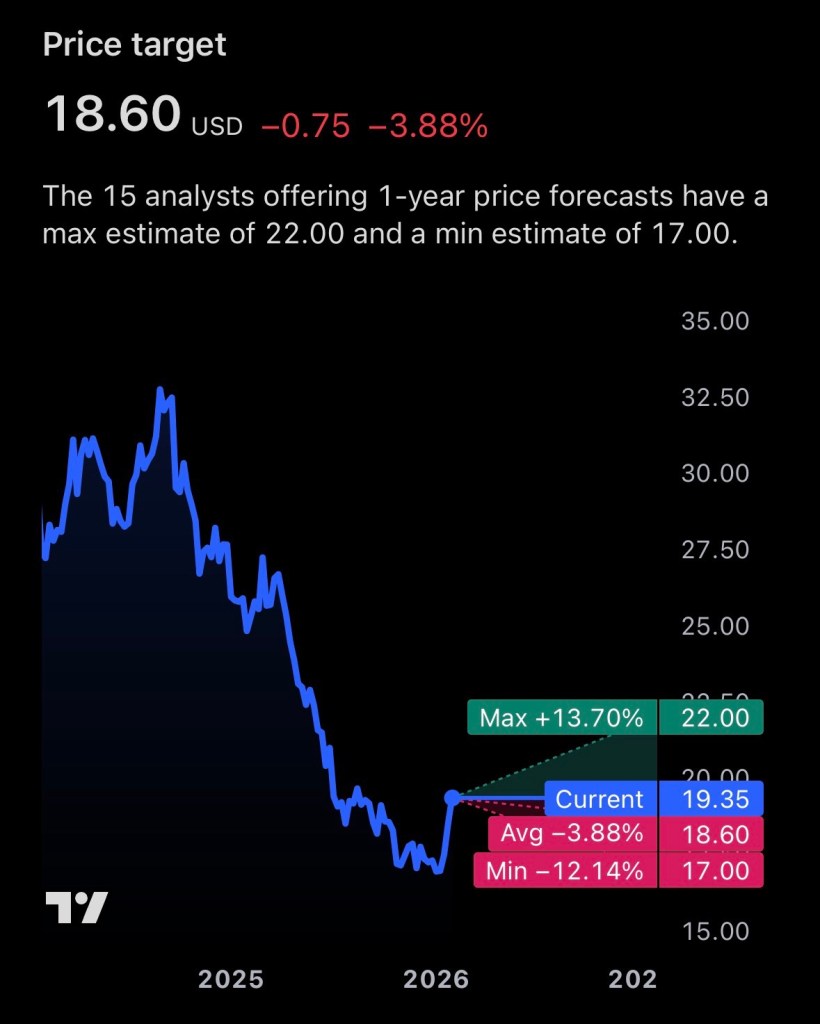
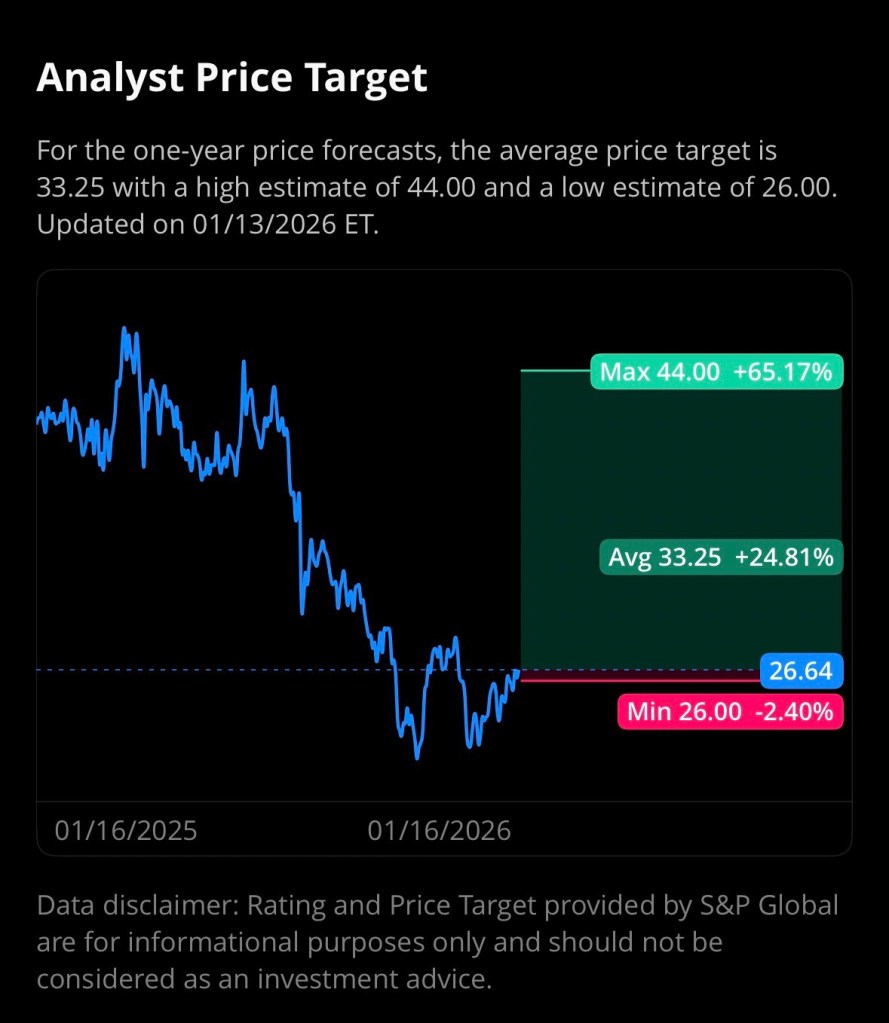
As of November 22, 2025, CELH is trading in the ~$39 range after a pullback from summer highs. Recent intraday and close prints in mid–late November show the stock around $38–$44 depending on the day and data feed. (Investing.com+1)

(See the chart below for an illustrative monthly price run from Oct 2022 → Nov 2025.)

The chart — price context

(Illustrative monthly closes Oct 2022 → Nov 2025; compiled show how the stock ran from low-$20s into the $50–$60 range in mid-2025, then pulled back into the high-$30s in November.) The chart below uses monthly close data gathered from public historical-price sources (illustrative).


Quick company snapshot

Celsius Holdings is a challenger in the energy and “fitness” drink space, known for zero-sugar, functional energy beverages marketed toward active consumers. Over the past 18 months the company has accelerated growth through product line extensions, international distribution deals, and material M&A — most notably the purchase of Alani Nu earlier in 2025 and the addition of Rockstar’s U.S. rights to its portfolio (with PepsiCo retaining international Rockstar ownership). The company says combined brands have been growing well above the U.S. energy category. (Celsius Holdings+1)

Revenue has moved from hundreds of millions to more than $1.3 billion in 2024 and showed continued expansion into 2025, reflecting distribution gains and the Alani Nu contribution. (Macrotrends)


Major recent catalysts (what moved the stock)

  • PepsiCo strategic expansion & stake: In August 2025 PepsiCo increased its position via convertible preferred shares and agreed to deepen distribution cooperation — PepsiCo’s ownership rose to ~11% and PepsiCo will lead distribution for the combined U.S./Canada energy portfolio. That strategic tie (and a PepsiCo board nomination) materially de-risked parts of Celsius’s distribution story and boosted investor sentiment. (Reuters+1)
  • Acquisitions & brand consolidation: Celsius acquired Alani Nu (female-focused, strong social media presence) and obtained U.S. rights to Rockstar Energy — building a “total energy portfolio.” Those moves give Celsius scale, broader consumer reach, and leverage in retailer negotiations. (Celsius Holdings+1)
  • International expansion & flavors: New distribution agreements (e.g., Suntory in the Netherlands) and new flavor launches support deeper retail penetration outside the U.S. and product innovation. (Celsius Holdings)

Investment thesis — why some investors like CELH now

  1. Distribution muscle via PepsiCo — having PepsiCo handle distribution in major channels materially increases shelf placement potential and reduces execution risk versus trying to scale purely on indie distribution. The partnership also sends a validation signal from a major CPG player. (Reuters+1)
  2. Brand roll-up strategy — combining CELSIUS, Alani Nu and the U.S. Rockstar rights creates cross-sell and SKU strategies, economies of scale on procurement/marketing, and more negotiating power with retailers and foodservice. If integration succeeds, revenue and margin expansion are plausible. (Celsius Holdings)
  3. Strong top-line momentum — year-over-year revenue growth has been large over prior years as the product reached mass retail and new channels; that revenue base makes future earnings expansion possible if margins recover. (Macrotrends)
  4. Growth + trading volatility = alpha opportunity — for traders, CELH’s pronounced swings around news (earnings, deals, distribution announcements) create short-term setups — momentum squeezes, event trades around earnings, and pullback buys after headline consolidation.

Where it might be headed — simple scenario sketch (not investment advice)

Below are illustrative, hypothetical scenarios to frame risk/reward. They are not price targets from an analyst — they are scenario examples based on company catalysts and typical valuation ranges for high-growth consumer names.

  • Bull case (successful integration & continued distribution lift): If combined brands scale and margins improve, revenue multiples could re-rate and push CELH back toward its summer highs in the $55–$75 range over 6–12 months (driven by multiple expansion + execution). Key drivers: faster retail rollouts via PepsiCo, international growth, margin leverage. (Celsius Holdings+1)
  • Base case (steady growth, some margin pressure): Continued revenue growth but slower margin recovery; stock trades in a midrange band around $35–$55 as investors balance growth with execution risk. (Macrotrends)
  • Bear case (integration/competition trouble, macro slowdown): Execution issues, weaker retail sell-through, or broader consumer pullback could push the stock below $25–$30 if growth disappoints or if the market de-rates high-growth consumer names. (FullRatio)

Sources for price and history: market feeds and historical pages (Investing.com, Yahoo Finance and similar). I(nvesting.com+1)


Risks — what could go wrong

  • Integration risk: acquisitions (Alani Nu, Rockstar U.S. rights) need careful integration; cultural or distribution missteps can sap margin and distract management. (Celsius Holdings)
  • Valuation & volatility: CELH has been a volatile, headline-driven name — sharp moves up and down occur on news. Short-term traders may profit, long-term investors must stomach drawdowns. (Investing.com)
  • Competition & category dynamics: energy and functional beverages are crowded (PepsiCo, Monster, Red Bull, private labels); sustained share gains aren’t guaranteed.
  • Profitability swings: EPS over recent trailing periods has been uneven; margins can be pressured by promotional activity and integration costs. (FullRatio)

Bottom line

Celsius is no longer a small niche brand — by revenue and deal activity it has scaled into a major, fast-moving name in energy drinks. The PepsiCo strategic tie and brand acquisitions give a clear pathway for distribution and scale, which is why many investors view CELH as an interesting growth play. That said, the stock’s rapid move higher earlier in 2025 and recent pullbacks underline both the upside and the volatility. For traders, event-driven setups and momentum plays can work; for investors, the key questions are whether integration lifts margins and whether PepsiCo’s distribution materially accelerates sustainable growth.

If you liked the drink and are thinking about buying shares, consider: (1) define whether you’re trading or investing, (2) size the position relative to the volatility, and (3) track integration and distribution KPIs (retail placements, foodservice uptake, international rollouts) as the real operational signs that the thesis is working. Official company releases, earnings calls and retail-level data will be the best evidence to watch. (Celsius Holdings+1)


Disclosure: I’m not a licensed financial advisor. This is market commentary and not personalized investment advice. Do your own research (DYOR) — check the latest filings and the company’s next earnings release — and consider speaking with a licensed professional before trading or investing.


References

Celsius Holdings. (2025). Celsius Holdings reports third quarter 2025 results [Press release]. https://www.celsiusholdingsinc.com/

Investing.com. (2025). Celsius Holdings Inc. (CELH) historical data. Retrieved November 2025, from https://www.investing.com/
(Note: Replace with direct historical-data link if desired.)

Macrotrends. (2025). Celsius Holdings revenue 2015–2025. Retrieved November 2025, from https://www.macrotrends.net/

Reuters. (2025, August 29). PepsiCo boosts stake in energy drink maker Celsius. https://www.reuters.com/

Reuters. (2025). Celsius to buy Alani Nu and combine U.S. rights to Rockstar Energy. https://www.reuters.com/

Yahoo Finance. (2025). Celsius Holdings, Inc. (CELH) stock price & historical data. Retrieved November 2025, from https://finance.yahoo.com/

Why We Always Find Ourselves Waiting: The Hidden Cost of Life’s Slowdowns

Waiting might be one of the few universal human experiences that transcends age, background, income, geography, and even personality. Whether we’re stuck in a doctor’s office long past our appointment time, refreshing a stock chart hoping for a green candle, or watching an insurance claim crawl its way through the system, waiting is a constant companion. And while it can be frustrating, it also reveals a lot about how modern life actually works.

The Doctor Will Be With You… Eventually

Anyone who has ever dealt with healthcare knows that time moves differently in a medical office. You check in early, only to wait 20 minutes to be called, 10 more in the exam room, and maybe another week to get your test results.

Doctors aren’t slow because they want to be; they’re slow because they must be. Every patient brings unpredictability. A quick check-up can instantly turn into a crisis, care requires paperwork, and healthcare systems are overloaded. But as patients, it doesn’t feel like logistics—it feels like we’re just waiting… and waiting.

Many people walk out feeling like they spent more time sitting than being seen. And that’s because they have.

Waiting on the Markets: The Slow Burn of Investing

If there’s any arena that tests patience like a doctor’s office, it’s the stock market. You can research the perfect company, run the numbers, time your entry… and still spend weeks or months waiting for the payoff.

Stocks rarely move on our schedule. Bull markets take time to build, bear markets linger longer than anyone likes, and sideways trading can feel like a cosmic joke designed to test your discipline. You watch your screen, refresh your app, maybe check the news again—just in case something changed in the last 45 seconds.

But over the long run, waiting is the strategy. The real returns historically come not from timing the market, but time in the market. Yet even knowing that, we still find ourselves impatient, hoping our future arrives faster.

Insurance: The Art of Hurry Up and Wait

Insurance is another world where waiting feels baked into the design. You file a claim and expect progress. Instead, you’re asked for more documentation, another photo, a follow-up call, a review, an inspection… and then another review.

Insurance companies aren’t trying to delay—they’re trying to verify. Risk assessment requires accuracy, and accuracy takes time. But when it’s your car, your home, your medical bill, or your livelihood on the line, the process can feel like a slow-motion movie you can’t fast-forward.

Ironically, we pay for insurance to create peace of mind, but the waiting period is often when we feel the least at peace.

Everyday Waiting: The Silent Theme of Modern Life

Outside those big moments, waiting quietly follows us everywhere:

  • Waiting for a package that says “Out for delivery” for eight hours
  • Waiting for traffic to move
  • Waiting for approval, promotion, or a simple call-back
  • Waiting for the next phase of life—marriage, career change, retirement
  • Waiting for things to “finally calm down” (which never seems to happen)

Humans weren’t built to sit in uncertainty. Psychologically, waiting triggers the same stress response as danger. Our brains want clarity and control—two things waiting rarely provides.

The Hidden Reason We Wait: Progress Takes Time

Whether it’s the doctor, the market, insurance, or our daily errands, waiting is ultimately a byproduct of systems in motion. Progress doesn’t happen in a straight line or on a schedule we set.

In many ways, waiting is proof that something is happening:

  • The doctor is giving someone else the attention you’ll soon get
  • The stock market is adjusting, recalibrating, and preparing for the next move
  • The insurance company is verifying everything you need to protect your future
  • Life is unfolding in real time—not rushed, not delayed, simply moving at its own pace

We wait because the world is constantly working behind the scenes, even when we can’t see it.

Turning Waiting Into Something Useful

While we can’t eliminate waiting, we can change what it means to us. Waiting offers a rare chance to pause—a moment to reflect, reset, or simply breathe. It forces us to surrender a little control and trust the process, uncomfortable as that may be.

Because when the moment finally comes—whether it’s the doctor walking in, your stock finally breaking out, or the insurance claim resolving—waiting reminds us that good things often take time.

And maybe, just maybe, learning to wait is one of the most valuable skills we’ll ever develop.

🏡 What You Need to Know About Law & Ordinance Coverage—and Why It Matters More Than Ever

When most homeowners think about their insurance policies, they focus on the obvious: fire, theft, storms, and liability. But there’s a lesser-known protection that can make or break your financial recovery after a disaster—Law and Ordinance Coverage, sometimes referred to as “Building Code Coverage.”

And in 2025, with stricter building codes nationwide and rising construction costs, this coverage has never been more important.


What Is Law & Ordinance Coverage?

Law and Ordinance coverage is a component of your homeowners insurance that helps cover the additional costs required to rebuild or repair your home according to current building codes after a covered loss.

Many homes—especially those built 10, 20, or 50 years ago—no longer meet today’s safety and construction standards. If a fire, storm, or other covered event damages your home, local regulations may require you to upgrade wiring, plumbing, insulation, roofing systems, or structural components.

Without Law & Ordinance coverage, those upgrades come straight out of your pocket.


Three Key Parts of Law & Ordinance Coverage

Most policies break this coverage into three categories:

1. Coverage A: Loss to the Undamaged Portion of the Home

If 40% of your home is destroyed but local law requires the entire house to be rebuilt to meet current code, this coverage pays for the undamaged portion.

2. Coverage B: Demolition Costs

Bringing a damaged structure down safely isn’t cheap. Demolition, debris removal, and hauling away materials can be surprisingly costly.

3. Coverage C: Increased Cost of Construction

This covers the code-required upgrades—such as new electrical systems, energy-efficient windows, reinforced roofing, or accessibility requirements—that weren’t part of your original home.


Why It Matters in 2025

✔️ Building Codes Change Constantly

Many communities have tightened codes after severe weather events, wildfires, and structural failures. Even small repairs often trigger mandatory upgrades.

✔️ Construction Costs Continue Rising

The price of materials and skilled labor remains elevated. Code upgrades can add tens of thousands of dollars to a reconstruction project.

✔️ Older Homes Are Especially at Risk

Homes built before 2000 often lack modern safety requirements, meaning mandatory upgrades are more likely after a partial loss.

✔️ It Can Protect Your Savings and Prevent Delays

Without Law & Ordinance coverage, homeowners often face unexpected out-of-pocket expenses that can stall rebuilding and extend displacement.


Real-World Example

A kitchen fire damages 30% of a 1980s home. The city requires:

  • New electrical wiring throughout the entire house
  • Upgraded insulation
  • A modern HVAC system with energy efficiency standards

Only the portion of the home physically damaged by fire is covered by standard insurance. All code-required upgrades to undamaged areas are not — unless you have Law & Ordinance coverage.

The homeowner could face up to $40,000–$75,000 in uncovered expenses.


How Much Coverage Should You Carry?

Insurers typically offer Law & Ordinance limits as a percentage of the dwelling amount, commonly:

  • 10%
  • 25%
  • 50%
  • 100% (offered in some states)

For older homes or areas with aggressive code enforcement, higher limits may provide critical protection.


A Small Coverage That Makes a Big Difference

You can’t control when disaster strikes, but you can protect yourself from the financial shock that comes with rebuilding to today’s standards. Law and Ordinance coverage ensures your home can be rebuilt safely—and legally—without draining your savings or delaying your recovery.

If you haven’t reviewed your homeowners policy lately, now is the time to check your limits and make sure this essential coverage is in place.

About the Author:

David Dandaneau is a client relations analyst that covers the insurance and financial services industry. He is known for his insightful analysis and comprehensive coverage of market trends and regulatory developments.

Top Retirement Mistakes and How to Avoid Them

As more Americans approach retirement, many are finding that the path to a secure and fulfilling post-work life is more complex than they expected. While saving money is an important first step, a successful retirement hinges on avoiding common pitfalls that can derail even the most carefully built plans. Here are some of the most frequent retirement traps—and smarter strategies to consider instead.


Trap 1: Relying Too Heavily on Social Security

Many retirees assume Social Security will replace most of their income, only to discover their benefits cover far less than expected. With the average monthly benefit hovering around modest levels, relying on Social Security alone can put retirees at risk of falling behind rising costs of living and healthcare expenses.

A smarter alternative:
Build a layered income plan that includes Social Security, retirement accounts like 401(k)s or IRAs, pensions (if available), and supplemental income sources. Consider part-time work or consulting if feasible. The key is diversifying your income streams so one isn’t carrying the entire load.


Trap 2: Underestimating Healthcare Costs

Healthcare is one of the biggest retirement expenses, and Medicare doesn’t cover everything. Many retirees are shocked by premiums, deductibles, dental costs, and long-term care needs.

A smarter alternative:
Plan early. Look into long-term care insurance or hybrid life-insurance policies with LTC riders. Create a dedicated healthcare fund within your retirement savings. And don’t overlook supplemental Medicare plans that can greatly reduce out-of-pocket expenses.


Trap 3: Cashing Out Retirement Accounts Too Early

Taking large withdrawals early in retirement—especially before age 59½—can trigger steep taxes and penalties, diminishing your long-term nest egg. Even after that age, withdrawing too aggressively can make savings run out sooner than expected.

A smarter alternative:
Use a structured withdrawal plan, such as the 4% rule or dynamic withdrawal strategies that adjust based on market performance. Pair withdrawals with tax-efficient strategies like Roth conversions before RMD age to reduce future tax burdens.


Trap 4: Failing to Account for Inflation

Inflation has made a fierce comeback in recent years. Retirees with fixed incomes or overly conservative portfolios risk losing purchasing power over time.

A smarter alternative:
Include growth investments—like diversified stock funds—even in retirement, to stay ahead of inflation. Treasury Inflation-Protected Securities (TIPS) and annuities that offer inflation adjustments can also provide peace of mind.


Trap 5: Overlooking Housing Costs

Many retirees assume their housing expenses will drop once the mortgage is gone, but property taxes, insurance, and maintenance continue—and often increase.

A smarter alternative:
Evaluate your housing situation realistically. Downsizing, relocating to a lower-cost area, or exploring 55+ communities may reduce expenses. Some retirees also use a portion of home equity strategically through downsizing or a Home Equity Conversion Mortgage (HECM) as part of their financial plan.


Trap 6: Not Preparing Emotionally for Retirement

Retirement isn’t just a financial transition—it’s a lifestyle change. Without structure, purpose, or social engagement, many retirees face loneliness, boredom, or even depression.

A smarter alternative:
Design your retirement life as intentionally as your financial strategy. Volunteer, join clubs, take classes, or explore part-time work in a field you enjoy. Staying mentally and socially active is essential for long-term well-being.


Smart Alternatives for Soon-to-Be and Current Retirees

Beyond avoiding traps, here are simple, proactive steps that make retirement more stable and satisfying:

  • Create a retirement income roadmap that outlines exactly where your money will come from and how long it should last.
  • Meet with a financial professional to stress-test your plan against inflation, market downturns, and health surprises.
  • Diversify income, including predictable sources like annuities, rental income, dividends, or guaranteed pension payouts.
  • Stay flexible—your retirement plan should evolve as life, health, and markets change.
  • Review your insurance coverage, including life, home, auto, and long-term care, to ensure you’re protected.
  • Stay active and engaged, both socially and physically, to support overall happiness and health.

Long and Short

Retirement doesn’t have to be uncertain. By steering clear of common traps and embracing a well-rounded financial and lifestyle strategy, retirees can build a future that’s not only secure—but rewarding. With thoughtful planning and the right support, this next chapter can be the best one yet.

About the Author:

David Dandaneau is a client relations analyst that covers the insurance and financial services industry. He is known for his insightful analysis and comprehensive coverage of market trends and regulatory developments.

Why Invest in Cohen & Steers $UTF During Market Downturns

Cohen & Steers Infrastructure Fund, Inc. (ticker: UTF) is a closed-end fund that invests primarily in listed infrastructure companies utilities, pipelines, toll roads, telecoms and similar businesses with an emphasis on income and total return. The fund targets at least 80% exposure to infrastructure securities and is permitted to hold preferreds and fixed-income as well. (Cohen & Steers+1)

The case for UTF in a downturn

  1. High and steady monthly distribution. UTF pays a monthly cash distribution (recently about $0.155 per share) that translates to a forward annualized dividend around the high-single to mid-single digits (roughly a 7–8% yield at current market prices). That regular payout can make UTF attractive to income-seeking investors during equity market weakness. (Cohen & Steers Resources+1)
  2. Defensive underlying exposure. Infrastructure companies often provide essential services (power, water, roads, telecom) with relatively stable cash flows and regulatory protections that can soften downside in economic contractions compared with cyclical sectors. UTF’s strategy explicitly focuses on these companies and includes income-oriented holdings (common equity plus a portion in preferreds/fixed income). (SEC+1)
  3. Closed-end structure can add opportunity. As a closed-end fund, UTF can trade at a premium or discount to net asset value (NAV) and use leverage or share repurchases to enhance returns. In downturns, discounts can widen and create potential buying opportunities for investors seeking yield and income—though discounts can also persist. Recent fund documents show management tools (repurchase programs, rights offerings) are in use when needed. (Cohen & Steers+1)
  4. Relative price stability historically. While all market securities fall in tough selloffs, UTF’s share price history shows less extreme volatility than many small-cap or tech names because of its income focus and infrastructure holdings. (See sources below for historical price and distribution history.) (Yahoo Finance+1)
  5. Total-return potential from dividends + capital. In a downturn the regular dividend cushions total returns. If the portfolio’s underlying cash flows remain intact, the dividend can provide an attractive yield while capital recoveries occur — particularly for buy-and-hold income investors.

Risks you must weigh

  • Discount/premium risk: CEFs can trade at large, persistent discounts to NAV; the market price might not reflect NAV recovery quickly. (CEF Connect)
  • Leverage and interest-rate sensitivity: Some closed-end funds use leverage that can magnify losses when markets fall and can increase sensitivity to rising rates. UTF’s prospectus and factsheet discuss leverage and fixed-income exposure. (Cohen & Steers Resources+1)
  • Concentration risk: Heavy exposure to infrastructure and related subsectors means sector-specific shocks (regulatory, energy shocks, etc.) can hit performance. (SEC)

Current snapshot (load-bearing facts)

  • Market price (recent close): roughly $24.20. (Yahoo Finance)
  • Forward annualized dividend / distribution: roughly $1.86 per share (monthly payments ≈ $0.155) — forward yield around 7–8% at current prices. (StockAnalysis+1)
  • Investment objective: total return with emphasis on income; invests at least 80% in infrastructure securities. (SEC+1)

12-month stock-price projection (company/analyst estimates-style scenarios)

Analysts don’t always publish a single consensus price target for closed-end funds like UTF; where a consensus target isn’t available, a scenario approach is often more informative. Below I created three plausible projected price scenarios for the next 12 months — Bear (–15% y), Baseline (+4% y) and Bull (+25% y) — starting from the recent market close (~$24.20). These are illustrative projections (not predictions or investment advice), intended to show how price paths and total return dynamics might look under different macro/backdrop outcomes.

Key assumptions used for the chart: start price $24.20, monthly compounding equivalent to the annual scenario rates listed above. These scenarios do not include dividends — they show market-price outcomes only (adding dividends would materially improve total returns, especially at a ~7–8% yield).


Quick takeaways

  • UTF’s monthly dividend and exposure to essential infrastructure make it a reasonable consideration for income-focused investors during market downturns; the dividend can provide cashflow support while equity markets recover. (Cohen & Steers Resources+1)
  • However, because UTF is a closed-end fund, price movements can diverge from underlying NAV and be influenced by fund-specific factors (discounts, leverage, corporate actions). That tradeoff (high yield vs. structural CEF risks) is central to whether UTF is appropriate for any individual portfolio. (Cohen & Steers+1)

Disclosure

I currently hold a position in the Cohen & Steers Infrastructure Fund (UTF). This information is provided for educational and informational purposes only and should not be considered financial advice. Always conduct your own research and consult with a qualified financial professional before making any investment decisions.

References

Cohen & Steers. (n.d.). Cohen & Steers Infrastructure Fund (UTF). Retrieved from https://www.cohenandsteers.com/

Cohen & Steers. (n.d.). UTF: Cohen & Steers Infrastructure Fund—Fact sheet. Cohen & Steers. (Original fund literature.)

Dividend.com. (n.d.). UTF dividend history: Cohen & Steers Infrastructure Fund. Retrieved from https://www.dividend.com/

DividendMax. (n.d.). Cohen & Steers Infrastructure Fund dividend information. Retrieved from https://www.dividendmax.com/

SEC. (n.d.). Cohen & Steers Infrastructure Fund, Inc. (UTF) — Prospectus & filings. U.S. Securities and Exchange Commission. Retrieved from https://www.sec.gov/

StockAnalysis.com. (n.d.). UTF: Cohen & Steers Infrastructure Fund stock dividend & history. Retrieved from https://stockanalysis.com/

Yahoo Finance. (n.d.). UTF — Cohen & Steers Infrastructure Fund price & chart data. Retrieved from https://finance.yahoo.com/

Avoiding Common Mistakes in Inheritance Planning

When it comes to building wealth, most families focus on earning, saving, and investing. Yet one of the most overlooked parts of financial planning happens at the end of the journey: preparing the next generation to handle what’s left behind. Experts warn that simply passing down money—without communication or financial education—can lead to confusion, conflict, and costly mistakes.

A recent study by multiple wealth-management groups found that nearly 70% of inherited wealth is lost by the second generation, and 90% is gone by the third. The cause isn’t the financial markets—it’s a lack of preparation. When heirs are suddenly handed assets, properties, or cash with little context, they may mismanage the money, disagree with each other, or unintentionally make tax-heavy decisions.

Why Preparation Matters

Inheritance isn’t just about money—it’s about clarity and continuity. When families don’t talk about what’s being passed down, heirs often must make high-pressure decisions during periods of grief. Without a roadmap, even well-intentioned children or beneficiaries may disagree on how to handle a home, manage investments, or split proceeds.

And the stakes are rising. As Baby Boomers pass on an estimated $84 trillion over the next two decades, families who fail to prepare run the risk of watching generational wealth disappear.

Communication Is the First Step

Open dialogue ensures everyone understands what exists, where it is, who gets what, and—equally important—why. These conversations take the mystery out of money and help heirs feel responsible, not overwhelmed.

Good communication also reduces legal challenges, sibling tension, and last-minute surprises. Beneficiaries who know the plan ahead of time make smarter choices because they’re not operating in the dark.

Teach Financial Know-How Before It’s Needed

Even the best inheritance plan can fall apart if heirs don’t know how to manage money. Families should consider sharing basic financial skills: how taxes on inheritance work, the risks of cashing out investments too quickly, how to evaluate insurance needs, and how to make a long-term plan.

Working with a financial advisor, estate attorney, or tax professional can also give heirs a clear framework to manage their new responsibilities confidently.


Table: Smart Ways to Pass Down Inheritance

MethodWhat It IsBest Use CaseKey BenefitsPotential Pitfalls
WillLegal document stating who receives assetsStraightforward asset distributionSimple, inexpensive, widely recognizedCan go through probate; may be challenged
Revocable Living TrustA trust you control during your lifetimeAvoiding probate and ensuring smooth transferFaster distribution, more privacy, flexibleRequires proper funding; setup cost
Beneficiary DesignationsNamed beneficiaries on accounts (401k, life insurance, IRAs)Retirement and insurance assetsBypasses probate, easy to updateConflicts with wills if not aligned
Gifting During LifetimeGiving money or assets while aliveReducing estate taxes; preparing heirs earlyLets heirs learn with guidance; tax advantagesAnnual gift limits; may impact your retirement
Family MeetingsRegular discussions about assets and plansMulti-heir families; complex estatesReduces conflict, sets expectationsRequires openness; emotional topics
Financial Education for HeirsTeaching heirs money skills before they inheritAny family wanting generational wealthBuilds confidence and reduces mistakesTime investment; requires ongoing support
Insurance PoliciesUsing life insurance to create liquidityWhen heirs need cash to pay taxes or debtsPredictable payout; avoids asset liquidationPremium costs; needs proper planning
Professional AdvisorsAttorneys, financial planners, tax prosSignificant or complex estatesExpert guidance, reduced errorsCosts vary; choose reputable advisors

To Sum Up

In the end, passing down wealth isn’t just about assets—it’s about equipping the next generation to use those assets wisely. By communicating openly, planning thoughtfully, and preparing heirs with real financial understanding, families can protect their legacy and ensure their hard work continues to make a positive impact for years to come.

About the Author:

David Dandaneau is a client relations analyst that covers the insurance and financial services industry. He is known for his insightful analysis and comprehensive coverage of market trends and regulatory developments.

Navigating Major Life Transitions with Confidence

Life is full of transitions—whether it’s buying your first home, changing careers, starting a family, or preparing for retirement. While these moments bring opportunity and excitement, they can also create uncertainty and stress. The good news: with proactive planning and professional guidance, individuals can navigate these turning points with greater confidence and clarity.

“Transitions can feel overwhelming because they often involve financial, emotional, and lifestyle changes all at once,” says certified financial planner Jenna Morales. “Having a plan and a professional partner to guide you helps you make informed decisions rather than emotional ones.”

The Power of Planning Ahead

Proactive planning means thinking ahead—mapping out potential outcomes and creating strategies that align with your long-term goals. It’s not about predicting the future but preparing for it. Whether you’re moving to a new city, managing an inheritance, or downsizing in retirement, foresight helps reduce risk and stress.

Professional advisors, from financial planners to insurance agents and career coaches, can offer valuable expertise to help identify blind spots and opportunities. They can also act as objective voices when emotions run high, ensuring you stay focused on your priorities.


Top Tips for Navigating Major Life Transitions

  1. Start Early: Begin planning before the change happens. The earlier you prepare, the more control you’ll have over your options.
  2. Clarify Your Goals: Define what success looks like for you—financially, emotionally, and personally.
  3. Seek Professional Advice: Don’t go it alone. Certified experts can provide insights and structure your plan for maximum benefit.
  4. Review Your Insurance and Finances: Major changes often affect your coverage needs and cash flow. Make sure your policies and budget reflect your new circumstances.
  5. Build a Safety Net: Set aside emergency savings to cushion unexpected costs during transitions.
  6. Stay Organized: Keep key documents—such as wills, policies, and financial records—accessible and updated.
  7. Adjust as You Go: Life plans are not one-size-fits-all. Revisit and revise your strategy regularly as your needs evolve.
  8. Focus on Mental Well-Being: Change can be stressful. Prioritize self-care and seek support when needed.

Moving Forward with Confidence

While no one can avoid life’s major transitions, being proactive and seeking professional guidance can transform uncertainty into opportunity. It’s about taking control of what you can—and having trusted experts help you navigate what you can’t.

“Confidence comes from preparation,” Morales adds. “When you plan ahead and surround yourself with knowledgeable support, you move forward not with fear—but with clarity.”

Trends to Watch as We Close Out 2025: The Property Insurance Market

As we approach the end of 2025, the property insurance marketplace is navigating a mix of change, challenge and opportunity. Here’s a look at the key trends shaping the sector — and what they might mean for insurers, brokers and property owners alike.


1. Climate-Driven Losses Are Now the New Normal

The pace and severity of natural catastrophes continue to place major pressure on the property insurance market. The Swiss Re Institute estimates that global insured losses from natural catastrophes hit roughly US $80 billion in the first half of 2025, nearly double the 10-year average. (Reuters+2Insurance Journal+2)
For insurers, that means heavier claims, tougher underwriting decisions and heightened scrutiny of exposures in high-risk zones.

What to watch:

  • Insurers will increasingly pull back or raise rates in high-catastrophe zones — e.g., coastal and wildfire-prone areas.
  • Property owners in those zones will receive stronger signals to invest in resilience (storm hardening, wildfire mitigation, flood defence).
  • Coverage gaps may grow where private insurers no longer provide adequate support, leading to more reliance on state/last-resort markets.

2. Pricing and Coverage Conditions Are Mixed — Softening in Some Segments, Hardening in Others

While recent years were characterised by sharp rate increases and tightening terms, there are signs that some parts of the market are stabilising or even softening. For example:

  • The Alera Group in its 2025 P&C update notes greater market stability, with disciplined underwriting, improving investment yields, and signs that premium growth may moderate. (Alera Group)
  • In commercial property, accounts with favourable loss history and limited catastrophe exposure may now see flat to single-digit rate increases, rather than the double-digit hikes of earlier years. (Dominion Risk+1)
  • On the flip side, in the homeowners/home-insurance space, average premiums remain elevated, and the insurers’ “combined ratio” suggests limited profitability in some segments. (Rate)

Key take-aways:

  • For well-performing risks, carriers are competing — more capacity, more flexible terms.
  • For high-risk exposures (wildfire zones, flood zones, older properties in hazard-prone states) terms remain challenging: higher deductibles, non-standard exclusions, pressured availability.
  • Brokers and agents who can help clients demonstrate strong mitigation/maintenance will be in demand.

3. Technology & Risk-Modelling Innovations Are Moving From “Nice to Have” to “Must-Have”

Insurers are rapidly expanding their use of technology — sensors, drones, satellite imagery, IoT monitoring, artificial intelligence — to refine risk assessments, improve underwriting and streamline claims. According to a recent legal-firm insight, insurers are deploying drones, satellite-imagery and IoT to track damage and property condition in real time. (Greenberg Traurig)
Meanwhile, homeowners are seeing insurers push risk-mitigation incentives (smart-home sensors, leak detectors, fire-resistant construction) as a way to differentiate risk. (Rate)

What this means:

  • Risk-differentiation will widen: properties with upgraded resilience features may enjoy better terms/discounts.
  • Older or non-mitigated properties may face fewer options or harsher terms.
  • Agents and insurers who embrace these tools will have a competitive edge, especially in emerging hazard-zones.

4. Reinsurance and Capacity Pressures Remain Real

While direct insurance pricing may be moderating for some risks, the broader ecosystem — especially reinsurance — remains under strain. The costs of reinsurance for catastrophe risk continue to climb as global natural hazard exposures grow. (Greenberg Traurig)
Also, some last-resort markets (state-backed, residual lines) are under pressure to raise rates or adjust eligibility, particularly in states with chronic exposure. (San Francisco Chronicle)

Implication:
Insurers must manage their reinsurance treaties carefully, be selective about exposures they carry, and pass through appropriate pricing and terms to stay sustainable.


5. Market Size is Growing — With Geographic and Product Gaps Emerging

From a volume perspective, the property-insurance market remains on a growth path. For example, in North America the market for property insurance was projected to reach about US $365 billion in 2025, with a five-to-seven-year compound annual growth rate (CAGR) of nearly 7%. (Statista) Globally, a report projects the property-insurance market to be around US $364.75 billion in 2025, growing toward ~US$591 billion by 2034. (Business Research Insights)

Yet, growth is uneven:

  • Regions with escalating risk (wildfire, flood, storm) may struggle with supply and affordability.
  • Specialized products (wildfire-only, flood-only, resiliency add-ons) are gaining traction.
  • Bundled products (home + auto) and value-added services (risk-engineering, smart-home upgrades) are becoming differentiators.

6. Homeowners Face Increasing Burden — Affordability, Availability and Risk

For homeowners, especially in climate-exposed states (e.g., coastal Florida, wildfire-prone California), the challenges are mounting:

  • Rising premiums and deductibles: some reports show average home-insurance premiums nationally up ~20 % year-over-year in certain markets. (Rate+1)
  • Higher deductibles and more peril-specific deductibles (wind/hail, wildfire, flood) are becoming more common. (Matic Insurance)
  • Coverage availability is still strained in many high-risk ZIP codes; the E&S (Excess & Surplus) market is filling gaps. (Matic Insurance)

For agents and homeowners:

  • Risk mitigation (roof upgrades, fire-resistant landscaping, flood mitigation) is no longer optional—it can materially affect access and cost of coverage.
  • The choice of market (traditional carrier vs. surplus market) matters more than ever; early renewal/placement is advised.
  • For homeowners in highly exposed zones, budgeting for rising insurance costs (and potential policy non-renewals) is prudent.

7. Regulatory & Geographic Regulation Shifts

Regulators in states like Hawaii, Florida and California are responding to the stability challenges in property-insurance markets. For example, in Hawaii legislators pledged efforts to stabilise the market in the face of rising rates and insurers pulling out. (AP News)
Rate filings and underwriting criteria adjustments are happening in several jurisdictions — meaning agents must stay abreast of local regulatory changes that could affect availability, coverage form, or premium.


Looking Ahead to Late 2025 and Early 2026

As we close out 2025, a few strategic themes for stakeholders:

  • For insurers and brokers: Market segmentation will deepen. Strong, well-mitigated risks will benefit from capacity and competition. Weakly mitigated risks will face greater terms and possibly coverage erosion.
  • For homeowners/property owners: Now is a contact point: review your property’s risk profile, invest in mitigation where possible, explore multiple carriers, and monitor renewal dates early.
  • For agents in your position (auto/property insurance): There’s an opportunity to advise clients on the “property side” in addition to auto — helping them understand risk exposures, mitigation, bundling opportunities, and market shifts. For example, bundling home + auto may give you more leverage.
  • For regulatory watchers: The interplay of climate risk, insurance affordability, and public policy will remain front-and-centre. Watch for state-level reforms, changes in last-resort insurers, and potential new coverage mandates or premium subsidies.

What Lies Ahead

The property-insurance market at the end of 2025 is in a state of transition. Big picture: demand is growing, but risk is mounting and not evenly distributed. Pricing and terms are moderating in some segments — yet for high-exposure zones the pressure remains acute. Technology, mitigation and geographic nuance will distinguish winners from laggards.

For you (and your clients) this means: be proactive. Know the risks. Position properties (or clients’ homes) for reward (through mitigation) rather than punishment. And stay flexible — the “next renewal” is likely to look quite different from the last.

About the Author:

David Dandaneau is a client relations analyst that covers the insurance and financial services industry. He is known for his insightful analysis and comprehensive coverage of market trends and regulatory developments.

References

Alera Group. (2025, January 15). 2025 property and casualty market update. Alera Group. https://aleragroup.com/insights/alera-groups-2025-property-and-casualty-market-update

Associated Press. (2025, March 10). Hawaii lawmakers pledge to stabilize property insurance market amid rate increases. AP News. https://apnews.com/article/9119f220251bb44eced5ffb4ddd80b15

Business Research Insights. (2025). Property insurance market size, share, growth, and forecast 2025–2034. https://www.businessresearchinsights.com/market-reports/property-insurance-market-125238

Domrisk. (2025, March 5). 2025 market outlook: Commercial property insurance. https://domrisk.com/2025/03/2025-market-outlook-commercial-property-insurance

Greenberg Traurig, LLP. (2025, March 1). Five trends to watch in the 2025 property insurance market. https://www.gtlaw.com/en/insights/2025/3/5-trends-to-watch-in-2025-property-insurance-market

Matic Insurance. (2025, April). 2025 home insurance report. https://matic.com/blog/2025-home-insurance-report

Rate.com. (2025, May 20). Consumer insights: Home insurance trends for 2025. Guaranteed Rate Insurance. https://www.rate.com/insurance/resources/consumer-insights-home-insurance-trends-for-2025

Reuters. (2025, August 6). Global insured catastrophe losses hit $80 billion in first half of 2025, report shows. Reuters. https://www.reuters.com/business/environment/global-insured-catastrophe-losses-hit-80-billion-first-half-2025-report-shows-2025-08-06

San Francisco Chronicle. (2025, August 21). California FAIR Plan seeks huge rate hike: Map shows which ZIPs hit hardest. https://www.sfchronicle.com/california-wildfires/article/fair-plan-insurance-rate-21081370.php

Statista. (2025). Property insurance market in North America — Revenue forecast 2025. https://www.statista.com/outlook/fmo/insurances/non-life-insurances/property-insurance/north-america

Understanding MINA: Risks and Rewards in the Crypto Market

Mina Protocol markets itself as the “lightest blockchain” — a layer-1 that stays tiny by using recursive zero-knowledge proofs (zk-SNARKs) so the entire chain remains a succinct ~22KB snapshot instead of a growing ledger. That design promises a blockchain any device can verify, lowering node requirements and enabling on-device privacy-aware dApps (zkApps). Those technical foundations are Mina’s headline differentiator and the core reason some investors treat MINA as a long-term hold. (Mina Protocol+1)

Where MINA stands right now

As of early November 2025, MINA trades in the low-to-mid $0.17–$0.19 range with a market cap in the low hundreds of millions of dollars and roughly 1.26 billion MINA circulating. Price and ranking vary by source and exchange, but major market trackers show MINA as a mid-to-low market-cap altcoin. (CoinMarketCap+1)

Why investors like MINA — the bullish case

  1. Truly lightweight chain: Mina’s constant-sized blockchain (~22KB) lowers the hardware and bandwidth needed to run a full node, which could help decentralize participation and boost mobile/edge use cases. This is fundamental to Mina’s pitch as a “blockchain for everyone.” (Nansen Research+1)
  2. Zero-knowledge programmability (zkApps): Mina’s zkApp framework enables privacy-preserving smart contracts and verifiable off-chain computation. If ZK tech becomes central to mainstream Web3 privacy and scaling, Mina could capture unique developer interest. (Mina Protocol)
  3. Staking yields / network rewards: MINA supports staking and many exchanges and platforms offer competitive staking APRs (examples reporting 6–12% or higher on various platforms), which attracts yield-seeking holders who prefer passive income while they wait for price appreciation. (Kraken+1)
  4. Active roadmap and ecosystem work: Core development groups and community initiatives continue evolving Mina (roadmaps and upgrades in 2024–25 aim at tooling, zk developer onboarding, and greater interoperability). Continued protocol development can improve utility and adoption. (Mina Protocol+1)
  5. Relatively small market cap = upside if narrative wins: Compared with top L1s, Mina’s market cap is modest, so positive adoption or a crypto risk-on rotation could produce outsized percentage gains (classic “small-cap upside” dynamic).

Risks and why caution is warranted

  1. Adoption & TVL remain low vs major L1s: For MINA to move materially higher, it needs more apps, users, and locked value. Today it’s still a niche stack versus giants like Ethereum, Solana, or new ZK-focused rivals. Low TVL limits organic utility demand for the token. (CoinGecko+1)
  2. Strong competition: Other projects are pursuing ZK tech, rollups, and lightweight verification. If larger ecosystems integrate similar ZK capabilities (or if Ethereum rollups dominate the ZK narrative), Mina’s unique edge could shrink. (o1Labs)
  3. Tokenomics & supply dynamics: A large circulating supply (~1.26B MINA) and ongoing issuance/staking rewards can dilute price upside unless demand grows to absorb supply. Coin trackers list circulating supply but no fixed “max” supply, so inflation mechanics matter to holders. (CoinMarketCap)
  4. Price volatility & market risk: As a mid/low-cap crypto, MINA is susceptible to broad market moves, liquidity shocks, and volatility — factors that can erase gains quickly. Historical price charts show sharp swings that should caution risk-sensitive investors. (Yahoo Finance)
  5. Technology / centralization risk: While Mina’s research teams (o1 Labs, Mina Foundation, community contributors) are active, concentrated development or coordination risks exist — and any delays or setbacks to roadmap items could temper market enthusiasm. (o1Labs)

Potential upside in an “altcoin season”

Altcoin seasons reward narratives — smaller caps with clear, differentiated value propositions often run hardest. Mina’s narrative (real ZK programmability + tiny chain size) fits a neat theme: privacy, edge verification, and on-device dApps. If the ZK narrative accelerates — through developer tool improvements, interoperability wins (projects like Aligned working on ZK verification integrations), or a wave of zkApps adoption — MINA could outpace larger, less nimble chains. Several mid-2024–25 developments and roadmap items indicate the team remains focused on ZK tooling and ecosystem funding, which would be the necessary fuel for such a move. (o1Labs+1)

How an investor might position (not financial advice)

  • Long-term speculative hold: If you believe ZK tech and ultra-light clients matter, a small allocation to MINA (size depending on risk tolerance) could be reasonable — especially if you stake to capture yield while waiting for adoption. (Kraken)
  • Event-driven trade: Watch roadmap milestones, zkApp launches, partnerships (e.g., Aligned/Ecosystem announcements), and listings/staking product rollouts. Positive, repeated dev activity and growing on-chain usage are bullish triggers. (Mina Protocol+1)
  • Risk management: Given volatility and competition, position sizing, stop levels, and a clear thesis (what adoption metric would make you add more vs cut losses) are essential.

End Result

Mina’s technology is interesting and differentiated: a truly succinct chain with ZK programmability that theoretically lowers barriers to running full nodes and enables privacy-preserving dApps. That technical moat gives MINA a plausible role in a future Web3 where ZK proofs are central. However, adoption, TVL, competition, tokenomics, and market volatility remain the main hurdles. For investors, MINA looks like a classic higher-risk, higher-optional-upside altcoin: attractive to those who believe in ZK-native dApps and willing to stomach swings; less attractive to conservative crypto investors who prefer larger, more established L1 ecosystems. (Mina Protocol+2CoinMarketCap+2)

Disclaimer

I currently hold a position in MINA. The views and opinions expressed in this article are my own and are provided for informational purposes only. This content should not be construed as financial, investment, or trading advice. Always conduct your own research or consult with a licensed financial advisor before making investment decisions.

References

CoinMarketCap. (2025, November 8). Mina (MINA) price, charts, and market cap. Retrieved from https://coinmarketcap.com/currencies/mina-protocol/

Mina Foundation. (2025). Mina Protocol documentation and roadmap. Retrieved from https://docs.minaprotocol.com/

o(1) Labs. (2024). Mina Protocol: The world’s lightest blockchain powered by zero knowledge. Retrieved from https://o1labs.org/

Messari. (2024, December). Mina Protocol research profile. Retrieved from https://messari.io/asset/mina

CoinGecko. (2025, November 8). Mina (MINA) price and market data. Retrieved from https://www.coingecko.com/en/coins/mina-protocol

Binance Research. (2024). Understanding Mina Protocol: Lightweight blockchain and zkApps. Retrieved from https://research.binance.com/en/projects/mina

Aligned Layer. (2025). Mina zkApp integrations and ecosystem collaborations. Retrieved from https://www.alignedlayer.com/blog/mina-zkapps-integration

Decrypt. (2024, July 14). What is Mina Protocol and how does it use zero-knowledge proofs? Retrieved from https://decrypt.co/resources/what-is-mina-protocol

Staking Rewards. (2025). Mina staking overview and yields. Retrieved from https://stakingrewards.com/crypto-assets/mina/

Why Accurate Home Valuation Matters in Insurance

When it comes to homeowners insurance, accuracy is everything. One of the most critical tools used to protect your biggest investment is the Replacement Cost Estimator (RCE)—a system that helps determine how much it would actually cost to rebuild your home from the ground up after a covered loss. Unfortunately, many homeowners underestimate their home’s true value, leading to painful surprises when disaster strikes.

The RCE takes into account today’s construction costs, materials, labor, and local building codes to calculate an accurate rebuilding cost—not the market price of your home. With inflation in construction and fluctuating material prices, relying on outdated or ballpark figures can leave you dangerously underinsured. If your policy doesn’t reflect your home’s current replacement cost, you could end up paying tens—or even hundreds—of thousands—out of pocket after a total loss.

It’s not just the structure that matters. Personal property coverage—the protection for your belongings like furniture, electronics, and clothing—should also reflect their true replacement value. Too often, people underestimate what it would take to replace everything they own. And don’t overlook loss of use coverage, which helps pay for temporary housing and living expenses if your home becomes uninhabitable. Skimping on this area could make a tough situation even harder if you’re displaced for months during repairs.

The bottom line: an accurate RCE ensures your dwelling, personal property, and loss of use coverages keep pace with reality. Take time to review your policy annually, ask your agent to update your RCE, and avoid the false comfort of being “covered” for less than what you’d actually need. When life’s unexpected moments happen, being properly insured is what helps you rebuild—not just your home, but your peace of mind.

About the Author:

David Dandaneau is a client relations analyst that covers the insurance and financial services industry. He is known for his insightful analysis and comprehensive coverage of market trends and regulatory developments.