Pfizer’s Dividend Strengthens Case for Long-Term Investors

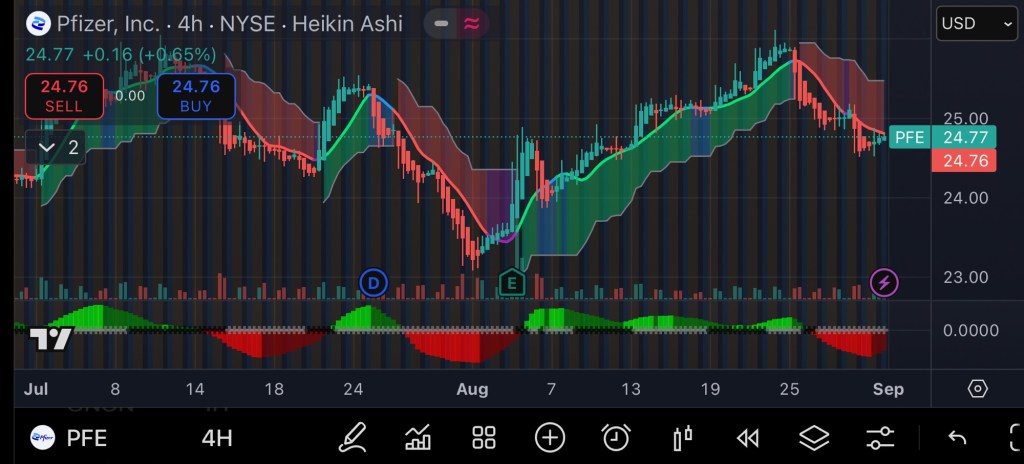
Pfizer Inc. ($PFE), one of the world’s largest pharmaceutical companies, continues to make a strong case for long-term investors seeking both stability and income. While the stock has faced recent volatility due to a decline in COVID-19 vaccine sales, its solid fundamentals, diversified pipeline, and consistent dividend payouts remain key reasons why investors may want to hold shares for the long haul.

Pfizer currently offers an attractive dividend yield—well above the S&P 500 average—making it a compelling choice for income-focused portfolios. The company has a long track record of reliable dividend payments and has shown commitment to rewarding shareholders even during periods of industry and market uncertainty. With a payout ratio supported by its robust cash flow, Pfizer’s dividend looks sustainable in the years ahead.

Beyond dividends, Pfizer’s pipeline of treatments in oncology, immunology, and rare diseases provides investors with growth opportunities outside of its COVID-19 products. Recent strategic acquisitions, such as the purchase of Seagen to bolster its oncology portfolio, reinforce the company’s long-term vision. These moves are designed to balance near-term headwinds with future revenue expansion.


Financial Snapshot: Strengths and Weaknesses

Strengths

  • Dividend Yield & Stability: Pfizer’s dividend yield is significantly higher than the S&P 500 average, appealing to income-focused investors.
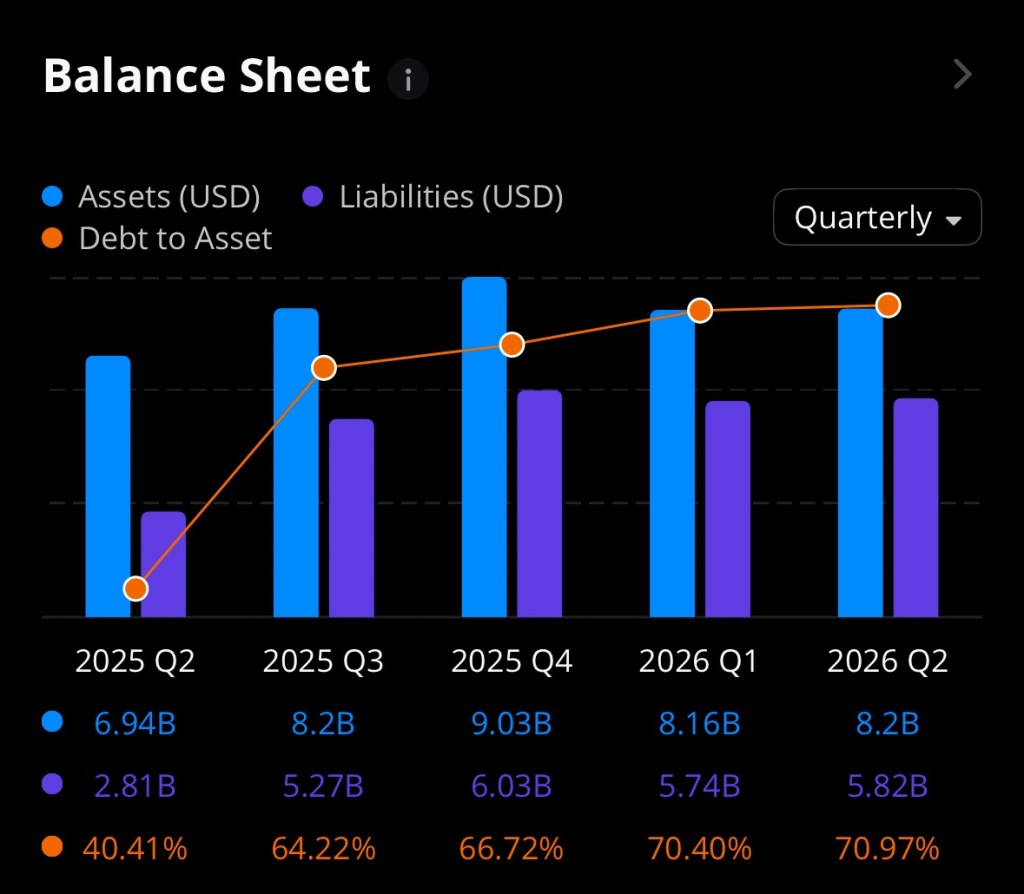
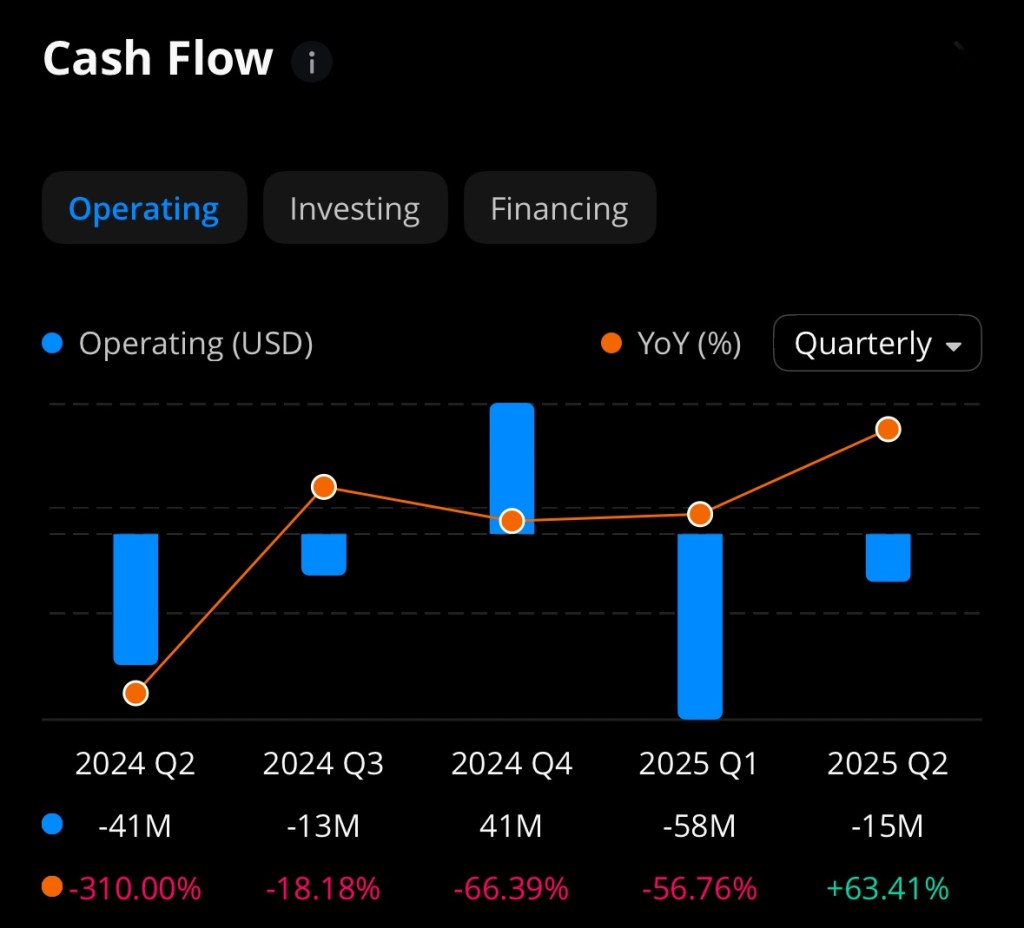
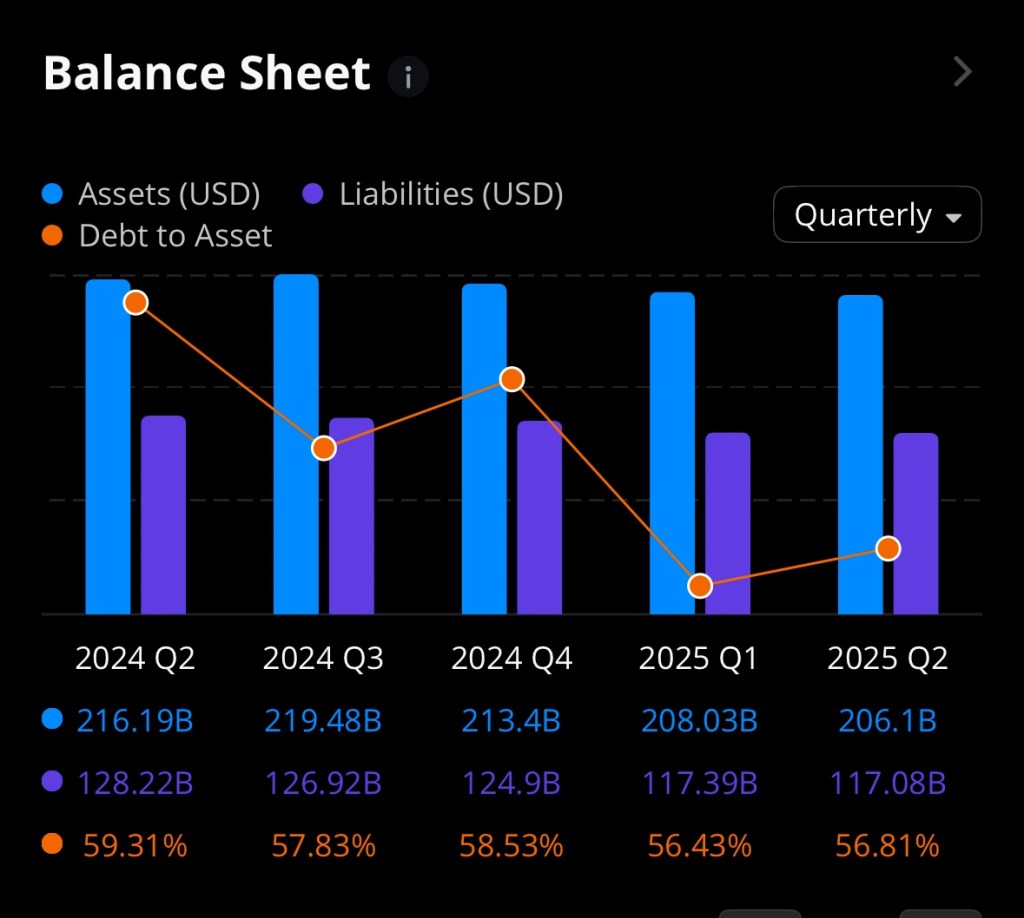
  • Strong Balance Sheet: Despite recent revenue declines, Pfizer maintains healthy cash reserves and strong operating cash flow, supporting its dividend and acquisition strategy.
  • Attractive Valuation: Shares are trading at a discount compared to peers in the pharmaceutical sector, offering a margin of safety for value investors.
  • Diversified Revenue Base: Expansion in oncology, vaccines, and rare diseases provides multiple future growth drivers beyond COVID-19.

Weaknesses

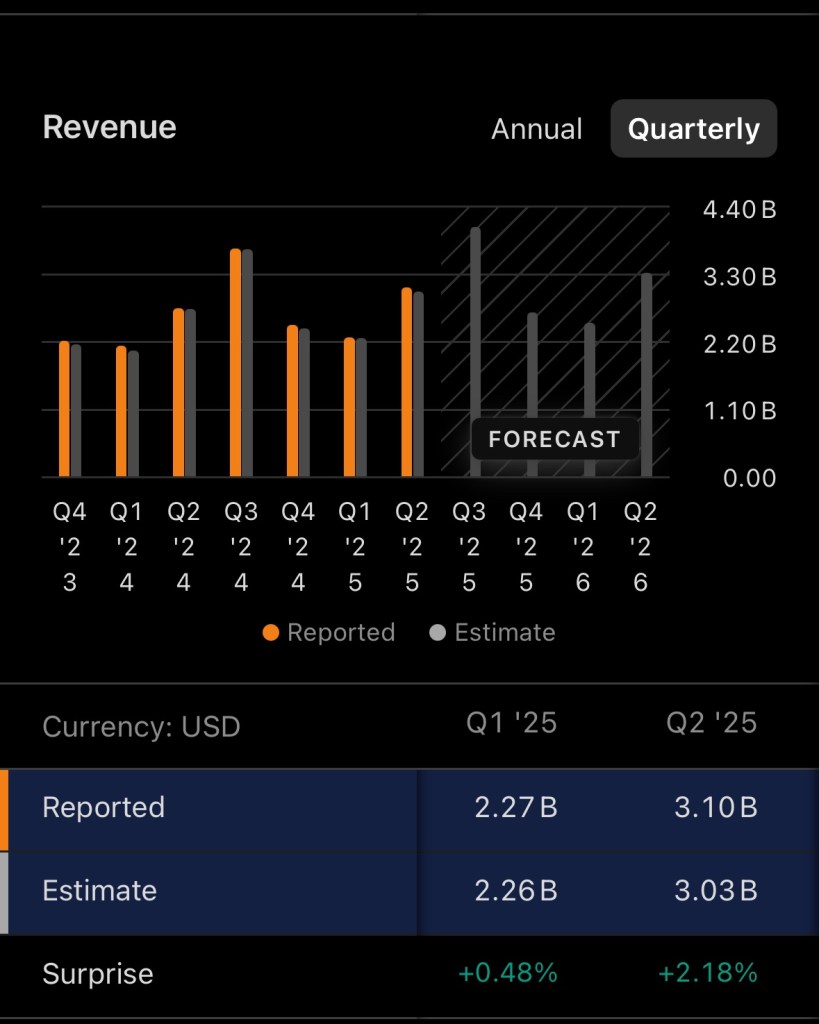
  • COVID-19 Dependency Hangover: A sharp decline in vaccine and antiviral demand has pressured revenue, highlighting reliance on pandemic-era products.
  • R&D Risk: Heavy investment in research and development may not always lead to successful approvals, leaving earnings vulnerable.
  • Debt from Acquisitions: The Seagen deal adds to Pfizer’s debt load, which, while manageable, could strain resources if integration challenges arise.
  • Patent Expirations: Like many pharmaceutical giants, Pfizer faces long-term risks from patent cliffs that could erode future revenue streams.

Stock Price Outlook: 1 to 5 Years

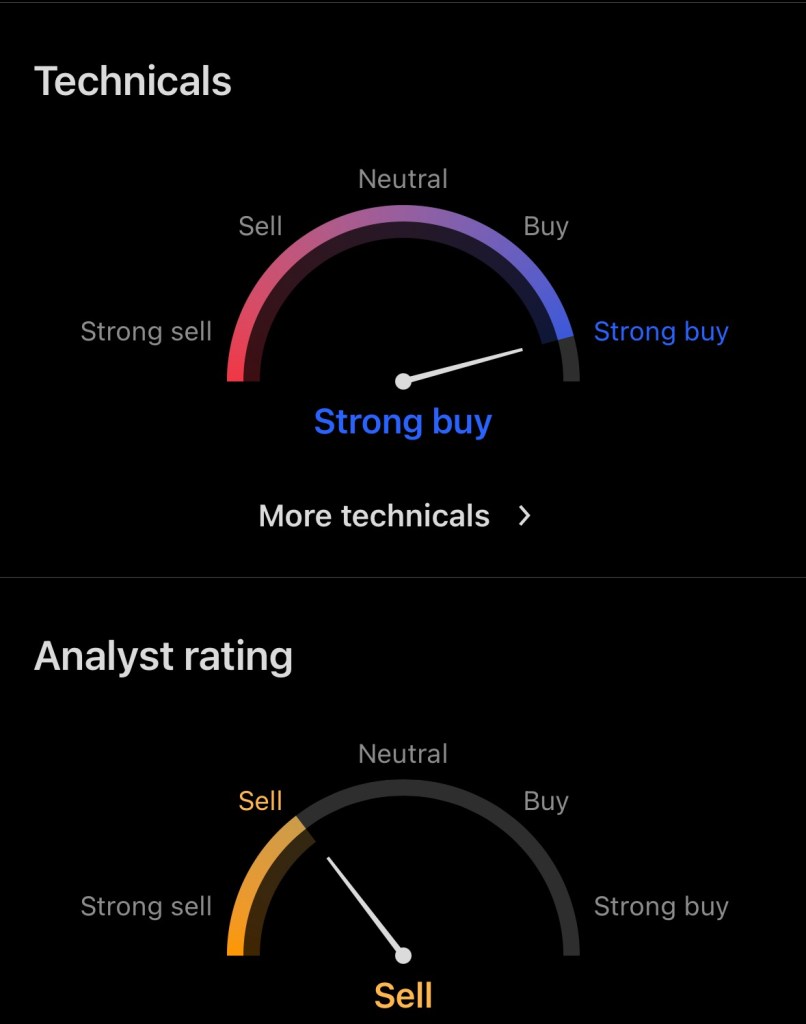
Pfizer’s current share price reflects market concerns over post-COVID revenue declines, but its fundamentals suggest room for recovery.

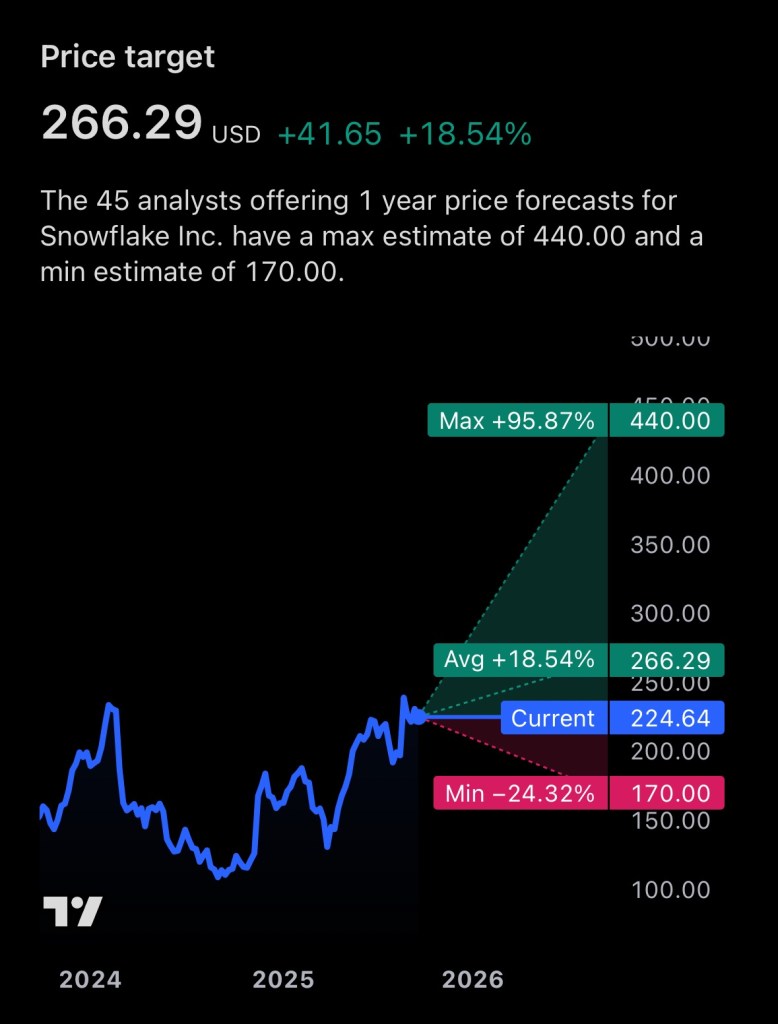
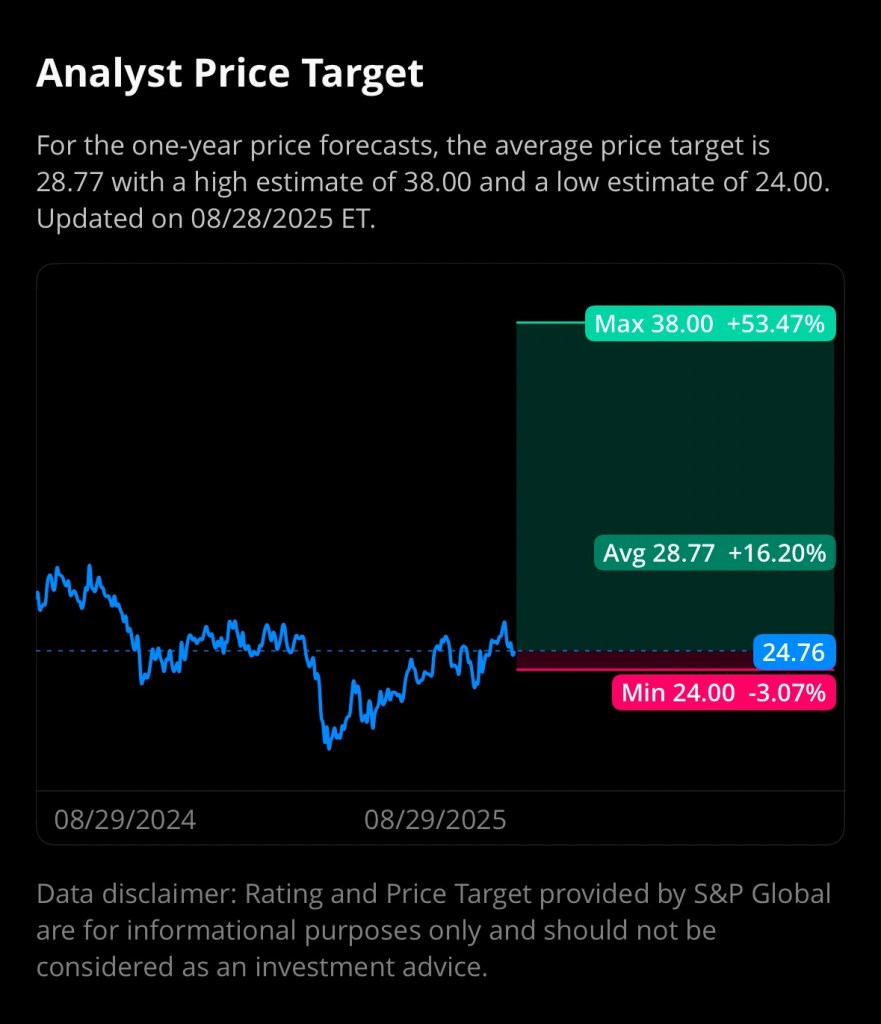
  • 12-Month View (2025–2026): Analysts see potential for modest gains, with shares trading in the $32–$38 range as the market digests lower vaccine revenues but begins to price in oncology and pipeline growth. The dividend will continue to anchor returns even if share price growth is muted.
  • 3-Year View (2027): As new oncology therapies, rare-disease drugs, and vaccine innovations mature, Pfizer could see revenue stabilize and return to growth. A reasonable target range could be $40–$48 per share, supported by mid-single-digit revenue growth and steady dividends.
  • 5-Year View (2029–2030): If Pfizer successfully integrates Seagen, brings key drugs to market, and manages upcoming patent expirations, long-term investors could see shares trading in the $50–$60 range. Dividend reinvestment along the way would enhance total returns, making Pfizer a solid long-term hold for income plus growth.

While uncertainty remains in the short term, Pfizer’s combination of a reliable dividend, undervaluation relative to peers, and a promising pipeline suggests patient investors may be rewarded over a 5-year horizon.

Disclosure: I currently hold a position in Pifzer (NASDAQ: $PFE). This article reflects my personal opinions and analysis, and is not intended as financial advice. Please conduct your own research or consult a financial advisor before making any investment decisions.

A Brighter Outlook (Despite Skepticism): Could OSCR Reach $40 by Christmas 2025?

1. Highly Bullish Long-Term Forecasts

Some quantitative models project a steep upward trajectory. One forecasting service estimates an average December 2025 price of $34.67, with a low of $32.18 and a high of $35.72—implying over 100% upside from current levels (StockScan). If investor sentiment catches up with this model, the stock could indeed flirt with $40 before year-end.

2. Financing Strength and Cash Position

As of March 31, 2025, Oscar Health reported a fortified balance sheet: $4.86 billion in cash, equivalents, and investments, up from $3.97 billion at the end of 2024. Total assets rose 21% YoY, while operating cash flow increased 38% (Michael Burry’s Insights). This cash cushion gives Oscar flexibility to invest in growth, navigate regulatory headwinds, and drive further value.

3. Strategic Expansion Through New Partnerships

Oscar’s deal with Hy-Vee to launch “Hy-Vee Health with Oscar” in Des Moines, covering about 400,000 employees in the individual marketplace starting Jan 1, 2026, signals a bold move into employer-backed coverage. The ICHRA model aims to save businesses 20–30% and deliver substantial cost-savings to employees-this could create significant scale and margin tailwinds (Benzinga).

4. Accelerating Revenue Growth

While Q2 revenue of $2.86 billion fell slightly short of the $2.91 billion estimate, it still marked a 29% increase YoY. The company reaffirmed its full-year 2025 revenue guidance at $12–12.2 billion (versus Wall Street’s $11.32 billion estimate), underscoring underlying growth momentum (BenzingaYahoo FinanceStockAnalysis).

5. Valuation Appears Undervalued for Growth Potential

Oscar trades at over 101x forward EV/EBITDA, a lofty multiple—but some analysts argue this valuation is justified by its “quality characteristics” and disruptive business model (StockStory). Others see it as deeply undervalued despite near-term uncertainty tied to ACA policy risks (Seeking Alpha+1).


Why Analysts Are Still Cautious

  • Low Analyst Price Targets: Consensus 12-month forecasts range between $8 and $14, with averages clustered around $11–$12—well below the $40 mark (ZacksThe Wall Street JournalPriceTargetsInvesting.com).
  • Skeptical Market Sentiment: Many brokerages hold “Sell,” “Hold,” or “Neutral” ratings. Notably, Piper Sandler cut its target from $14 to $13, citing uncertainties around risk adjustments and path to profitability (Benzinga). MarketBeat’s consensus is “Strong Sell,” and TipRanks flags a “Downside potential” of ~30% (MarketBeat).
  • Profitability Still Out of Reach in 2025: OSCR is expected to operate at a loss—losses projected around $200–300 million for the year (Yahoo Finance). Its Q2 GAAP loss was $0.89/share, and medical loss ratio (MLR) swelled from 79% in 2024 to 91.1% in Q2 2025 (BenzingaStockAnalysis). These factors dampen bullish expectations.

Headlines-Style Article: “Oscar Health: Can It Make the Leap to $40 by Christmas 2025?”

New York, August 23, 2025 – Oscar Health Inc. (NYSE: OSCR) currently trades near $16.98, buoyed by stellar revenue growth, robust liquidity, and a landmark new partnership but Wall Street’s confidence remains tepid.

Why $40 isn’t implausible:

  • Long-term algorithmic forecasts place December 2025 prices in the low-$30s, including a possible high of $35.72 (StockScan).
  • Strengthened cash position of $4.86 billion, coupled with rising operating cash flows, enhances the company’s financial flexibility (Michael Burry’s Insights).
  • Innovative ventures like the Hy-Vee collaboration, targeting 400,000 employees, position Oscar to disrupt cost structures and tap new revenue streams (Benzinga).
  • A confirmed revenue guidance of $12–12.2 billion highlights strong underlying demand despite macro-healthcare headwinds (Yahoo FinanceStockAnalysis).

But hurdles remain:

  • Analyst targets remain pessimistic, ranging mostly between $8 and $14, with an average nearer $11–12 (ZacksThe Wall Street JournalPriceTargetsInvesting.com).
  • Profitability is still elusive: projected operational losses of up to $300 million in 2025, and increased medical loss ratios (MLR) eroding margins (BenzingaYahoo FinanceStockAnalysis).
  • Sentiment skews negative, with ratings from “Hold” to “Strong Sell” prevailing, reflecting elevated policy-related and insurance-market risks (MarketBeat).

Final Thoughts: While consensus targets place Oscar Health under $15, a confluence of strong cash reserves, growth initiatives, and bullish long-term models could propel the stock into the low $30s by Christmas-though doing so would require sustained execution and favorable market sentiment in the face of continued near-term challenges.

Disclaimer: The author holds a position in $OSCR Oscar Healthcare and this article should not be considered financial advice. Always conduct your own research before making any investment decisions.

References

Benzinga. (2025, August 20). Oscar Health faces analyst questions on path to profitability. Benzinga. https://www.benzinga.com/analyst-stock-ratings/analyst-color/25/08/47133490/oscar-health-faces-analyst-questions-on-path-to-profitability

Benzinga. (2025, August 21). What’s going on with Oscar Health stock on Wednesday? Benzinga. https://www.benzinga.com/news/health-care/25/08/47240234/whats-going-on-with-oscar-health-stock-on-wednesday

Finance Yahoo. (2025, August 19). Oscar Health (OSCR) updates 2025 revenue guidance. Yahoo! Finance. https://finance.yahoo.com/news/oscar-health-oscr-updates-2025-174216635.html

MarketBeat. (2025). Oscar Health analyst ratings and price targets. MarketBeat. https://www.marketbeat.com/stocks/NYSE/OSCR/

Michael-Burry.com. (2025, August). Oscar Health stock analysis. Michael-Burry.com. https://www.michael-burry.com/oscr-stock-analysis/

Seeking Alpha. (2025, July 30). Oscar Health stock: Undervalued, but not without risk. Seeking Alpha. https://seekingalpha.com/article/4814520-oscar-health-stock-undervalued-but-not-without-risk

Stockanalysis.com. (2025). Oscar Health (OSCR) financials and stock data. Stock Analysis. https://stockanalysis.com/stocks/oscr/

Stockscan.io. (2025). Oscar Health stock forecast. StockScan. https://stockscan.io/stocks/OSCR/forecast

StockStory.org. (2025). Oscar Health stock insights. StockStory. https://stockstory.org/us/stocks/nyse/oscr

The Wall Street Journal. (2025). Oscar Health Inc. research ratings & reports. WSJ. https://www.wsj.com/market-data/quotes/OSCR/research-ratings

Zacks Investment Research. (2025). Oscar Health (OSCR) price targets & forecasts. Zacks. https://www.zacks.com/stock/research/OSCR/price-target-stock-forecast

Why Airbnb (ABNB) Might Be a Strong Long-Term Investment

1. Robust Financials & Market Leadership

Airbnb delivered $11.1 billion in revenue for 2024, marking a 12% year-over-year increase, driven by higher booking volume and sustained average daily rates. Gross booking value surged to $81.8 billion (+10.6% YoY), while free cash flow hit $458 million in Q4 (18% margin) (AInvest).

Moreover, Airbnb’s global market share in short-term rentals climbed to 44% in 2024, up from 28% in 2019—far ahead of Booking.com (18%) and Expedia/Vrbo (9%) (AInvest).

2. Efficient Asset-Light Business Model

Airbnb’s strategy avoids owning properties, enabling high-margin operations. Their gross margin soared to approximately 83% in early 2024 (The Motley Fool), and their asset utilization metrics demonstrate tightening efficiency. Notably, the net fixed-asset turnover leaped from 12.5 in 2020 to 75.5 in 2024, reflecting strong revenue delivery with minimal asset base (Stock Analysis on Net).

3. Strategic Diversification into Services & Experiences

In recent quarters, Airbnb has repositioned itself beyond homestays into an integrated travel ecosystem-offering localized experiences, services like spa treatments, personal training, and lodging alternatives-all within its revamped app ecosystem (AInvestMarketWatch).

This diversification is not trivial: management projects that the “Services & Experiences” vertical could generate $1 billion in annual revenue within 3–5 years, backed by a $200–250 million investment earmarked for 2025 (AInvestMarketWatch).

4. Recent Strong Earnings Momentum

Airbnb outperformed expectations in Q2 2025:

  • Earnings per share: $1.03 (+99% YoY vs. $0.94 expected)
  • Revenue: $3.1 billion (+13% YoY)
  • Gross bookings: $23.5 billion (+11% YoY)

Despite these strong results, caution around margin trajectory and investment pace weighed on sentiment, causing a ~7% dip in premarket trading Investors.

Simultaneously, long-term confidence remains steady-Akre Capital boosted its Airbnb allocation by 10%, signaling belief in the company’s growth trajectory (AInvest).

5. Favorable Industry Trends

In the broader travel space, analysts remain positive. A recent Barron’s feature highlights secular travel growth outpacing GDP and the rising demand for experiences. Although other travel players like hotels and airlines benefit, OTAs and platforms like Airbnb must adapt and diversify to stay competitive-something Airbnb is actively doing (Barron’s).


Industry Positioning: How Airbnb Compares

Here’s a snapshot comparing Airbnb to its main competitors in the travel lodging and experiences sector:

CompanyMarket Share (2024)Business ModelKey Differentiator
Airbnb44%Asset-light platformLarge host network, high margins, diversified services
Booking.com18%Hybrid (hotels + rentals)Strong hotel partnerships, AI integration
Expedia/Vrbo9%Hybrid OTABundle offerings, traditional OTA presence

Airbnb leads clearly in short-term rental share and continues to build stronger differentiation through vertical integration and digital enhancements (AInvest+1MarketWatchBarron’s).


Points of Caution

  • Valuation: Forward P/E sits above 30x (e.g., ~34.5x), relatively high compared to peers like Expedia (~10x) or Booking (~18x) (The Motley FooleToro).
  • Regulatory Headwinds: Local restrictions (e.g., New York City) and evolving laws could curtail growth in certain markets (eToroMarketWatch).
  • Execution Risk: Scaling new offerings and achieving the $1 billion services target will take time—short-term margins may remain under pressure (AInvestInvestorsMarketWatch).

Final Take

Airbnb demonstrates the hallmarks of a high-upside, long-term growth stock:

  • Strong financials, efficient operations, and leading share in a growing market.
  • Expanding revenue streams beyond traditional listings.
  • Strategic execution evidenced by earnings beats and fund manager conviction.

That said, elevated valuation and near-term execution risks suggest that patient investors may benefit from disciplined entry points or staged allocation.

Disclaimer: The author holds a position in $ABNB AIR BNB and this article should not be considered financial advice. Always conduct your own research before making any investment decisions.

References

Ainvest. (2025, February 8). Airbnb resilient growth: Deep dive into profitability, market share, and long-term competitive positioning. Ainvest. https://www.ainvest.com/news/airbnb-resilient-growth-deep-dive-profitability-market-share-long-term-competitive-positioning-2508

Ainvest. (2025, February 8). Airbnb’s strategic shift: Competing with hotels and expanding into services. Ainvest. https://www.ainvest.com/news/airbnb-strategic-shift-competing-hotels-expanding-services-2508

Ainvest. (2025, February 8). Akre Capital’s sudden 53% cut in American Tower: A signal or a slip? Ainvest. https://www.ainvest.com/news/akre-capital-sudden-53-cut-american-tower-signal-slip-2508

Barron’s. (2025, February 10). Travel stocks are surging. United, Delta, Hyatt, and more stand out. Barron’s. https://www.barrons.com/articles/travel-stocks-united-delta-hyatt-cb139268

EToro. (2024, August 12). Analyzing Airbnb’s Q2 2024 earnings report. eToro. https://www.etoro.com/news-and-analysis/market-insights/analyzing-airbnbs-q2-2024

Fool.com. (2025, January 26). I just bought Airbnb stock for the 1st time since the IPO. Here’s why. The Motley Fool. https://www.fool.com/investing/2025/01/26/i-just-bought-airbnb-stock-for-the-1st-time-since

Fool.com. (2025, February 27). 3 must-know reasons to buy Airbnb—and 1 reason to be cautious. The Motley Fool. https://www.fool.com/investing/2025/02/27/3-must-know-reasons-to-buy-airbnb-and-1-reason

Investors.com. (2025, August 13). Airbnb growth accelerates as Q2 earnings beat. Why the stock is falling anyway. Investor’s Business Daily. https://www.investors.com/news/technology/airbnb-stock-abnb-q2-2025-earnings-news

MarketWatch. (2025, February 5). Airbnb wants to be an “anything” app. The debate for investors hinges on these issues. MarketWatch. https://www.marketwatch.com/story/airbnb-wants-to-be-an-anything-app-the-debate-for-investors-hinges-on-these-issues-ca692140

Stock-Analysis-On.net. (2025). Airbnb Inc. long-term investment activity ratios. Stock Analysis On. https://www.stock-analysis-on.net/NASDAQ/Company/Airbnb-Inc/Ratios/Long-term-Investment-Activity

Why Apple Stock Remains a Strong Buy in 2025

Apple remains a compelling long-term investment, thanks to its robust ecosystem, accelerating AI strategy, and disciplined capital returns.


🏛️ Reliable Business Model & Ecosystem Moat

Apple now supports over 2.3 billion active devices, forming one of the most durable customer ecosystems in tech. This massive footprint reinforces high switching costs and recurring revenue streams via services like the App Store, Apple Pay, and suite of subscriptions (now over 38% of gross profit) (Forbes). Its strategy of integrating hardware, software, and services creates a differentiation moat that’s hard to replicate.


🚀 Catalysts Behind Future Growth

▪ Apple Intelligence: A Privacy-First AI Pivot

At WWDC 2025, Apple unveiled its “Apple Intelligence” initiative—20+ AI-powered features like real-time translation and email summarization designed for on-device performance and privacy. A major upgrade to Siri is expected in 2026. While it’s lagging peers in sheer AI spend, Apple is now investing aggressively and open to strategic M&A, having acquired at least seven AI startups in 2025..

▪ iPhone Refresh Cycles & Hardware Upside

Morgan Stanley projects a 12% rebound in iPhone shipments by fiscal 2026 as AI features boost upgrade demand. The favorable reception to new iPhone 16 models ahead of the holiday season supports this optimistic view (marketwatch.com).


🌍 Strategic Resilience Amid Geopolitical Risks

Apple’s architecture strategy includes over $500 billion in U.S. investment over four years—from expanding chip-making capacity to creating manufacturing academies and AI server production facilities to help offset tariff risks. At the same time, it has shifted much iPhone production for U.S. markets to India, diversifying supply chain risk away from China.


💰 Financial Strength & Shareholder Returns

Apple posted $94 billion in Q3 2025 revenue—a 10% year-over-year gain—and services revenue reached a record $27.4 billion. EPS came in above expectations, and despite $800 million+ in tariff impacts, Apple demonstrated operational resilience.

It continues to return capital aggressively, with $15.2 billion paid in dividends in 2025 and a long-term track record of dividend increases and share repurchases. Analysts expect this capital discipline to endure, offering downside protection and steady income (The Motley FoolForbes).


📉 Valuation: Discount with Upside Potential

Despite its strengths, Apple is currently down roughly 20% year-to-date, underperforming other major tech names amid tariff fears, AI lags, and macro uncertainty (Business Insider). Its forward P/E sits at around 33.6×, above the S&P 500 average (~23×), making valuation relative to its growth prospects a mixed story (Forbes). Still, analysts at BofA, Goldman Sachs, Wedbush, and others issue “Buy” ratings with 12–18 month targets of $235–300, implying double-digit upside from today’s ~$200 price levels.


🧭 Risks to Watch

While Apple’s fundamentals remain solid, investors should monitor:

  • Delays or execution risk in AI deployment or acquisitions
  • Regulatory scrutiny around antitrust, App Store rules, and global expansion
  • U.S.–China relations and implications for supply chain resilience

📈 Final Verdict: Long-Term Buy, Tactical Caution

Apple’s dominant ecosystem, balanced growth from hardware and high-margin services, disciplined capital returns, and accelerated AI pivot position it as a long-term winner. While near-term volatility and tariff uncertainty add caution, the current valuation discount provides an attractive entry point for investors with a multiyear horizon.

Disclosure:

I do not own any stock or have any financial interest in Apple Inc. (NYSE: AAPL). This article is for informational purposes only and should not be considered financial or investment advice. Investing in stocks carries risks, and past performance is not indicative of future results. Always conduct your own research and consult with a qualified financial professional before making any investment decisions.

📚 References

Apple Inc. (2025, February 24). Apple will spend more than $500 billion USD in the US over the next four years. Apple Newsroom. https://www.apple.com/newsroom/2025/02/apple-will-spend-more-than-500-billion-usd-in-the-us-over-the-next-four-years/

Barrons. (2025, August 1). Apple stock has ‘significant,’ long-term opportunities. The case for buying now. Barrons. https://www.barrons.com/articles/apple-stock-ai-value-buy-6a2ee154

Business Insider. (2025, May 1). Apple is the worst-performing Mag 7 stock this year. Here’s what analysts and investors say about whether you should buy the dip. Business Insider. https://www.businessinsider.com/apple-stock-price-outlook-aapl-mag-7-buy-the-dip-2025-5

Business Insider. (2025, July 31). Apple Q3 earnings: iPhone demand, AI, and tariffs. Business Insider. https://www.businessinsider.com/apple-q3-earnings-aapl-stock-price-iphone-demand-ai-tariffs-2025-7

Cinco Días. (2025, August 1). Apple aumenta su inversión en IA y compras estratégicas. Cinco Días. https://cincodias.elpais.com/smartlife/lifestyle/2025-08-01/apple-ia-aumento-inversion-compras.html

Forbes. (2025, July 12). Where will Apple (AAPL) stock be in 5 years? Forbes. https://www.forbes.com/sites/investor-hub/article/where-will-apple-aapl-stock-be-in-5-years/

Lens LunarTech. (2025). Apple’s 2025 playbook: Navigating tariffs, expanding manufacturing, and sustaining growth. LunarTech Lens. https://lens.lunartech.ai/post/apples-2025-playbook-navigating-tariffs-expanding-manufacturing-and-sustaining-growth

MarketWatch. (2025). Apple bears have missed out on more than $1 trillion of stock gains, says this bull. MarketWatch. https://www.marketwatch.com/story/apple-bears-have-missed-out-on-more-than-1-trillion-of-stock-gains-says-this-bull-41116074

Panmore Institute. (n.d.). Apple Inc.’s generic strategy & intensive growth strategies. Panmore Institute. https://panmore.com/apple-inc-generic-strategy-intensive-growth-strategies

Mastering Work-Life Balance in a Digital Age

The boundaries between work and personal life have become increasingly blurred. Smartphones, laptops, and collaboration tools make it easier than ever to stay connected to work—sometimes too connected. While this digital connectivity has its advantages, it also presents new challenges to maintaining a healthy work-life balance.

The Double-Edged Sword of Connectivity
Technology has transformed the modern workplace, enabling remote work, flexible schedules, and real-time collaboration across time zones. For many, this has opened up opportunities to balance personal responsibilities with professional demands more effectively. However, the same tools that provide freedom also tether employees to their jobs around the clock.

The expectation to be constantly available can lead to burnout, stress, and reduced productivity. Emails after dinner, Slack messages on weekends, and Zoom calls outside of regular hours can erode the boundary that once clearly separated work from life.

Understanding the Importance of Work-Life Balance
Work-life balance isn’t just a trendy phrase; it’s a vital component of mental and physical health. Research shows that employees who maintain a healthy balance are more engaged, creative, and resilient. They also tend to have better relationships, sleep quality, and overall well-being.

Without balance, overworking can lead to anxiety, depression, and even serious health problems like cardiovascular disease. For employers, an imbalanced workforce can result in higher turnover rates, lower morale, and decreased performance.

Strategies for Achieving Balance

  1. Set Clear Boundaries
    Create a defined start and end to your workday. Turn off work notifications during personal time and use tools like calendar blocking to separate work tasks from personal obligations.
  2. Embrace Flexibility—Wisely
    Flexibility is a benefit, but it should serve you, not control you. Use flexible schedules to accommodate your life, but be cautious not to let work bleed into every free moment.
  3. Prioritize and Delegate
    Focus on high-impact tasks and delegate where possible. Not every task needs your immediate attention or direct involvement. Learn to say “no” or “not right now” to non-essential demands.
  4. Take Regular Breaks
    Stepping away from your screen helps reset your brain. Incorporate short breaks during the day and make time for longer stretches away from work, such as weekend unplugging or vacations.
  5. Communicate Openly
    Whether you’re an employee or a leader, talk openly about work-life balance. Set realistic expectations and encourage a culture where taking personal time is respected.
  6. Use Technology Intentionally
    Use digital tools to enhance, not hinder, balance. Apps that promote mindfulness, track screen time, or automate tasks can be powerful allies in managing digital overload.

The Role of Employers
Employers have a crucial role in promoting work-life balance. Forward-thinking companies offer wellness programs, flexible work arrangements, and support systems for mental health. Encouraging regular time off, discouraging after-hours communications, and recognizing efforts to maintain balance can create a healthier work culture.

Balance Is a Moving Target
In the digital age, achieving work-life balance isn’t about perfect symmetry—it’s about creating harmony between work and personal priorities. It requires intention, discipline, and adaptability. As technology continues to evolve, so too must our strategies for staying grounded. By being mindful of how we engage with digital tools and setting healthy boundaries, we can reclaim balance and build more fulfilling lives—both at work and at home.

Mastering Team Building for Organizational Success

Effective team building is essential for organizational success. Whether in startups or multinational corporations, high-performing teams drive innovation, enhance productivity, and cultivate a culture of collaboration. But what does it take to build such teams? Experts agree that it goes far beyond icebreakers and team outings.

  1. Define Clear Goals and Roles
    One of the cornerstones of effective team building is clarity. Teams function best when each member understands the group’s objectives and their individual responsibilities. Setting measurable goals ensures alignment and provides a shared sense of purpose. Leaders should also communicate how each role contributes to the bigger picture, which fosters accountability and motivation.
  2. Foster Open Communication
    Creating a safe space for honest dialogue is vital. Open communication builds trust, helps resolve conflicts quickly, and allows for the free exchange of ideas. Techniques such as regular team check-ins, one-on-one meetings, and anonymous feedback tools can promote transparency and inclusivity. Active listening is equally important—leaders should not only speak clearly but also make a concerted effort to hear and respond to team concerns.
  3. Encourage Diversity and Inclusion
    Diverse teams bring a wealth of perspectives, leading to more creative and effective problem-solving. Inclusion ensures that every team member feels valued and empowered to contribute. Organizations should strive to hire for diversity and then create systems that support equitable collaboration, such as mentorship programs and bias training.
  4. Invest in Professional Development
    Great teams are made of individuals who are constantly learning and growing. Offering training opportunities, workshops, and access to online learning platforms helps employees develop both hard and soft skills. This investment not only strengthens the team’s capabilities but also boosts morale and retention.
  5. Celebrate Success and Learn from Failure
    Recognizing achievements—both big and small—reinforces positive behaviors and builds team morale. Whether through formal awards or informal shout-outs, appreciation goes a long way. At the same time, addressing failures with a growth mindset encourages resilience and innovation. Post-project reviews and lessons-learned sessions can turn setbacks into stepping stones.
  6. Leverage Team-Building Activities Thoughtfully
    While traditional team-building exercises like retreats or trust falls have their place, the most effective activities are those that align with the team’s culture and objectives. Activities that require collaboration and problem-solving—such as escape rooms, hackathons, or volunteer projects—can strengthen interpersonal bonds and mirror real workplace dynamics.
  7. Lead by Example
    Ultimately, team culture is shaped by leadership. Managers who demonstrate empathy, integrity, and a commitment to teamwork set the tone for the entire group. Authentic leadership inspires loyalty and fosters a sense of psychological safety, which is essential for risk-taking and innovation.


Team building is a continuous process that requires intention, strategy, and adaptability. As the workplace continues to evolve—driven by remote work, AI integration, and generational shifts—organizations that prioritize strong team dynamics will be better positioned to thrive.

As management consultant Patrick Lencioni famously said, “Not finance. Not strategy. Not technology. It is teamwork that remains the ultimate competitive advantage.”

The Evolution of Remote Work: Benefits and Challenges

In just a few short years, remote work has evolved from a niche perk to a mainstream model of employment. What began as an emergency response to the pandemic has reshaped industries, lifestyles, and even entire economies. Now, as companies refine their long-term strategies, the future of remote work remains a hotly debated topic.

The Advantages: Flexibility, Savings, and Global Talent
Remote work offers undeniable benefits for both employees and employers. Workers enjoy greater flexibility, allowing them to better balance professional and personal responsibilities. For many, ditching the daily commute saves not only time but also significant expenses on transportation and meals.

Businesses, too, reap rewards. By shifting to remote or hybrid models, companies can dramatically reduce overhead costs tied to office space. Additionally, they gain access to a broader talent pool unrestricted by geographic boundaries, opening doors to diverse perspectives and specialized skills from around the world.

“Remote work has enabled us to hire talent we would never have found otherwise,” said Angela Torres, Chief Operating Officer of a tech startup based in Austin, Texas. “It’s not just about filling positions — it’s about finding the right fit, no matter where they live.”

The Drawbacks: Isolation, Burnout, and Collaboration Challenges
However, remote work is not without its drawbacks. Feelings of isolation have increased among workers who miss the camaraderie of in-person offices. Without the spontaneous interactions that come from hallway conversations or shared lunches, building company culture has become more challenging.

Burnout is another growing concern. Without clear boundaries between work and home life, some employees find it difficult to “switch off,” leading to longer working hours and higher stress levels.

“There’s a misconception that remote workers have it easy,” said Dr. Lena Kim, a workplace psychologist. “In reality, many are working more hours than ever before, with fewer social supports.”

Moreover, collaboration and innovation sometimes suffer when teams are distributed. While video calls and digital project management tools offer solutions, they often cannot fully replicate the energy and creativity sparked during in-person brainstorming sessions.

What Lies Ahead
Looking forward, experts predict a continued rise in hybrid models — a mix of in-office and remote work — as companies strive to balance flexibility with the need for collaboration and team cohesion. Advances in virtual reality, AI-driven collaboration tools, and asynchronous workflows may further redefine how we view the traditional workday.

Ultimately, the future of remote work will likely be diverse, reflecting the different needs of industries, companies, and individual workers. As organizations adapt, success will depend on their ability to balance technology, human connection, and well-being.

One thing is certain: the 9-to-5 office model is no longer the default, and the future promises a more customizable approach to how, when, and where we work.

Why Protecting Your Business Against Cybersecurity Threats is Essential

Cybersecurity threats have become a major concern for businesses of all sizes. With cyberattacks on the rise, failing to safeguard sensitive data can result in devastating consequences, including financial losses, reputational damage, and legal repercussions.

The Growing Threat of Cybercrime

Cybercriminals are constantly developing new tactics to exploit vulnerabilities in business networks. From ransomware attacks to data breaches and phishing scams, organizations face a variety of risks that can compromise customer information, trade secrets, and financial records. According to cybersecurity reports, cybercrime is projected to cost the global economy trillions of dollars annually, highlighting the urgent need for proactive security measures.

Financial and Reputational Risks

A successful cyberattack can have severe financial implications, including loss of revenue, regulatory fines, and the high costs of recovering compromised systems. Beyond monetary losses, businesses may suffer reputational harm, leading to decreased customer trust and lost business opportunities. A single security breach can permanently damage a company’s brand and credibility.

Compliance and Legal Consequences

Businesses that handle sensitive customer data are often subject to strict regulatory requirements. Failing to implement proper cybersecurity measures can result in non-compliance with laws such as the General Data Protection Regulation (GDPR) and the California Consumer Privacy Act (CCPA). Non-compliance can lead to hefty fines and legal action, further impacting a company’s bottom line.

Best Practices for Cybersecurity Protection

To mitigate cybersecurity threats, businesses should adopt a multi-layered security approach that includes:

  • Regular software updates to patch vulnerabilities and enhance security.
  • Employee training programs to educate staff on recognizing phishing scams and security best practices.
  • Strong password policies and multi-factor authentication to secure accounts.
  • Data encryption and backups to protect sensitive information and ensure quick recovery in case of an attack.
  • Network security measures such as firewalls, antivirus software, and intrusion detection systems.
Portrait of tired programer rubbing eyes while typing on laptop sitting at desk with multiple screens parsing code in software agency. Coder losing focus while working on user interface.

Stay Protected – Contact Me Today

Investing in cybersecurity is not just an option—it is a necessity for businesses that want to protect their assets, customers, and reputation. By implementing robust security measures and staying informed about emerging threats, companies can minimize risks and ensure long-term success in an increasingly digital world. If you want to learn more about how to safeguard your company’s data and infrastructure, don’t hesitate to reach out. Contact me today to discuss the best cybersecurity insurance solutions tailored to your business needs.

Key Components of Effective Risk Assessment in Organizations

In today’s unpredictable business landscape, risk assessment has become a critical component of effective business management. Organizations across industries are recognizing the importance of identifying, evaluating, and mitigating risks to ensure sustainability and growth.

The Role of Risk Assessment in Business

Risk assessment is the systematic process of identifying potential hazards, analyzing their impact, and implementing measures to minimize threats. From financial uncertainties to cybersecurity threats and operational challenges, businesses face a myriad of risks that can disrupt their operations.

Effective risk assessment enables companies to anticipate challenges and make informed decisions. It fosters resilience by preparing organizations for adverse events, allowing them to respond proactively rather than reactively.

Key Components of Risk Assessment

Identification of Risks: Businesses must first pinpoint possible risks, whether they stem from market volatility, regulatory changes, technological disruptions, or internal inefficiencies.

Risk Analysis and Evaluation: Once identified, these risks must be analyzed based on their likelihood and potential impact. High-risk areas require immediate attention, while lower-risk concerns may need monitoring.

Implementation of Risk Mitigation Strategies: Companies must develop strategies to either eliminate, mitigate, transfer, or accept risks. These strategies can include diversifying investments, enhancing cybersecurity measures, or creating contingency plans.

Continuous Monitoring and Review: Risk assessment is an ongoing process. Businesses must regularly review and update their risk management strategies to adapt to evolving threats.

The Business Benefits of Risk Assessment

A robust risk assessment framework enhances business management in several ways:

Improved Decision-Making: With a clear understanding of risks, businesses can make data-driven decisions and allocate resources effectively.

Regulatory Compliance: Many industries have strict regulatory requirements. Risk assessment helps organizations adhere to legal and compliance standards, avoiding penalties.

Financial Stability: Identifying and mitigating financial risks protect businesses from unexpected losses and economic downturns.

Enhanced Reputation: Companies that proactively manage risks build trust among customers, investors, and stakeholders, fostering long-term growth.

The Future of Risk Assessment

With advancements in technology, businesses are leveraging artificial intelligence (AI) and data analytics to enhance risk assessment processes. Predictive analytics, machine learning, and real-time monitoring tools are revolutionizing how organizations assess and respond to risks.

As business environments continue to evolve, integrating risk assessment into business management strategies will remain crucial for success. Organizations that prioritize risk management will be better positioned to navigate uncertainties and achieve sustainable growth in the competitive marketplace.

Business continuity management concept. “Business Continuity” with icons strategy, risk assessment, and operational planning. business continuity planning and resilience in managing disruptions.

Risk assessment is no longer optional but a necessity for businesses aiming for longevity and profitability. By embedding risk assessment into their core management strategies, businesses can ensure resilience, maintain operational efficiency, and drive long-term success.

About the Author:

David Dandaneau is a insurance agent that covers the insurance and financial services industry. He is known for his insightful analysis and comprehensive coverage of market trends and regulatory developments.

UPS Stock Drops 16%: What’s Next for Investors?

United Parcel Service (UPS) has recently experienced a significant decline in its stock value, with shares dropping over 16% following the announcement of a strategic shift to reduce its business with Amazon by more than 50% by the second half of 2026. This decision is part of UPS’s broader strategy to focus on more profitable segments, such as healthcare logistics and business-to-business deliveries, aiming to improve profit margins and reduce dependency on Amazon.

Despite the immediate negative market reaction, some analysts view this move as a positive step for UPS’s long-term profitability. By decreasing reliance on high-volume, low-margin shipments from Amazon, UPS plans to enhance operational efficiency and focus on higher-margin businesses. This strategic pivot is expected to save the company approximately $1 billion annually.

Additionally, UPS’s decision to insource operations previously handled by the U.S. Postal Service, such as the SurePost product, is aimed at optimizing service and reducing costs. While these changes may present short-term challenges, they are designed to position the company for sustainable growth and improved profitability in the future.

For long-term investors, UPS’s current stock decline may present a buying opportunity. The company’s strategic initiatives to focus on higher-margin segments and reduce operational dependencies are expected to strengthen its market position over time. While the transition may involve near-term uncertainties, UPS’s efforts to enhance profitability and operational efficiency could lead to substantial long-term gains for patient investors.

Disclosure: I currently hold a position in United Parcel Service ($UPS). This article reflects my personal opinions and analysis, and is not intended as financial advice. Please conduct your own research or consult a financial advisor before making any investment decisions.


References

Barron’s. (2024, January 30). UPS and Amazon may be headed for a split—and the stock is paying the price. Retrieved from https://www.barrons.com/articles/ups-earnings-stock-price-amazon-1a32be4f

Business Insider. (2025, January 30). UPS plunged after saying it would deliver fewer Amazon packages. Its CEO says it’s about ‘taking control of our destiny.’ Retrieved from https://www.businessinsider.com/ups-ship-fewer-amazon-packages-shares-drop-2025-1

Investopedia. (2024, January 30). UPS Q4 earnings report FY2024. Retrieved from https://www.investopedia.com/ups-earnings-q4-fy2024-8780982

MarketWatch. (2024, January 30). UPS’s stock falls after a revenue miss, deal with largest customer to cut volume. Retrieved from https://www.marketwatch.com/story/upss-stock-falls-after-a-revenue-miss-deal-with-largest-customer-to-cut-volume-1984fcb7

The Motley Fool. (2025, January 30). Why UPS stock is plunging today. Retrieved from https://www.fool.com/investing/2025/01/30/why-ups-stock-is-plunging-today

The Wall Street Journal. (2024, January 30). UPS’s boss is under pressure from unhappy investors—its own retirees. Retrieved from https://www.wsj.com/business/logistics/upss-boss-is-under-pressure-from-unhappy-investorsits-own-retirees-f01a8dd3