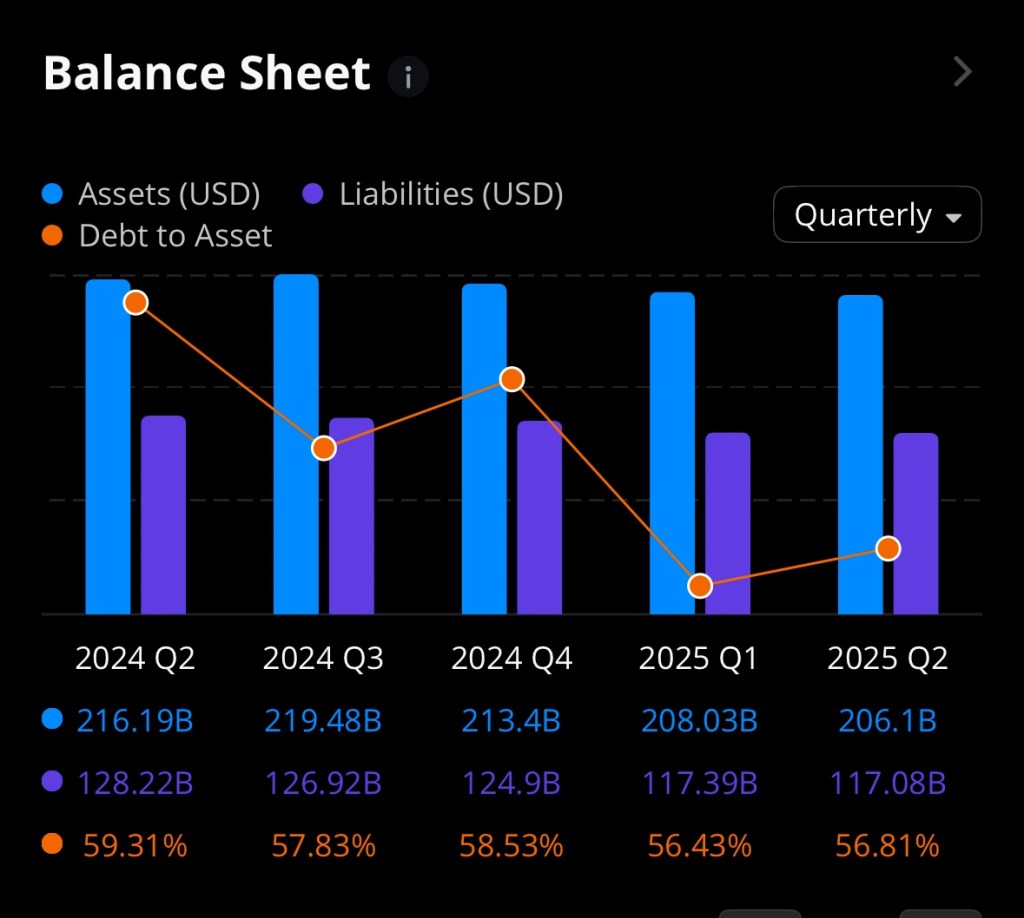
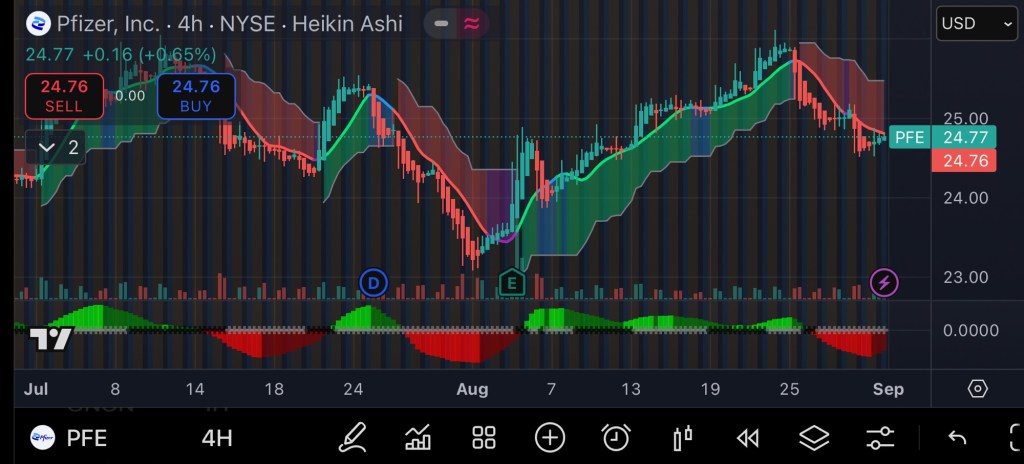
General Mills ($GIS): High Dividend Yield and Value Potential Draw Investor Attention

GIS, one of the most recognizable consumer staples companies in the United States, has increasingly attracted income-focused investors as its stock price has declined significantly from recent highs. Known for household brands such as Cheerios, Pillsbury, Häagen-Dazs, Betty Crocker, and Blue Buffalo, General Mills now offers one of the highest dividend yields in the packaged food sector.

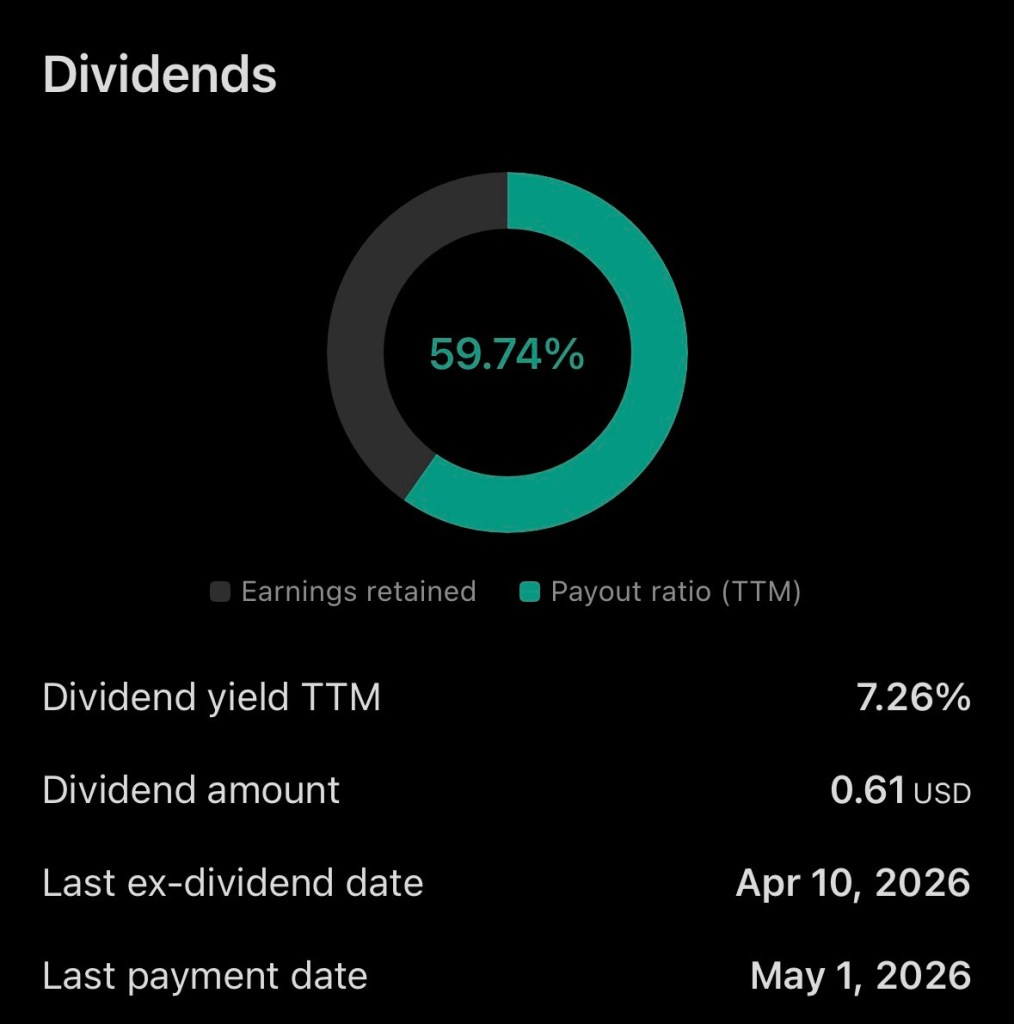
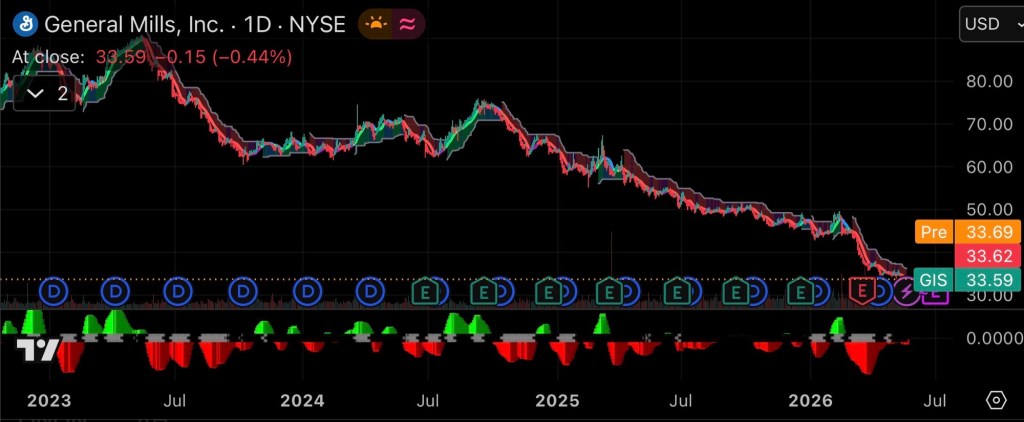
As of May 2026, shares of General Mills are trading near multi-year lows around the mid-$30 range after previously trading above $55 within the past year. The decline has pushed the company’s dividend yield above 7%, a level rarely seen for a mature consumer staples company with decades of dividend history.
Line and bar chart depicting financial growth trends from January to December
A vibrant chart showing fluctuating financial growth trends over a year

Strong Dividend Remains a Key Attraction

General Mills currently pays an annual dividend of approximately $2.44 per share, translating to a dividend yield above 7%. The company has maintained consistent quarterly dividend payments and has modestly increased its payout in recent years. The payout ratio remains near 60%, which many analysts still consider manageable for a stable consumer products company.

For income investors, the yield alone may make GIS an attractive defensive holding during periods of market volatility and economic uncertainty. Consumer staples companies historically perform better during slower economic periods because consumers continue purchasing essential food products regardless of broader market conditions.
Financial Performance Shows Both Strengths and Challenges

While the dividend remains attractive, General Mills has faced operational headwinds over the past year. Revenue has declined modestly, with trailing twelve-month revenue around $18.4 billion, down more than 6% year-over-year. Earnings and profit margins have also softened as consumers increasingly seek lower-cost alternatives amid inflationary pressures.

The company recently reduced portions of its fiscal 2026 guidance, citing weaker consumer demand and increasing competition from private-label food brands. Management has acknowledged that shoppers are becoming increasingly price sensitive and are prioritizing value-based purchases.

Despite these challenges, General Mills continues to generate substantial cash flow and maintains strong brand recognition across multiple product categories. The company is also investing heavily in innovation, protein-focused products, pet food expansion, and operational efficiencies aimed at improving long-term growth.

Why Some Investors See Upside Potential

Although sentiment surrounding GIS has weakened, several valuation metrics suggest the stock could offer upside potential at current levels.

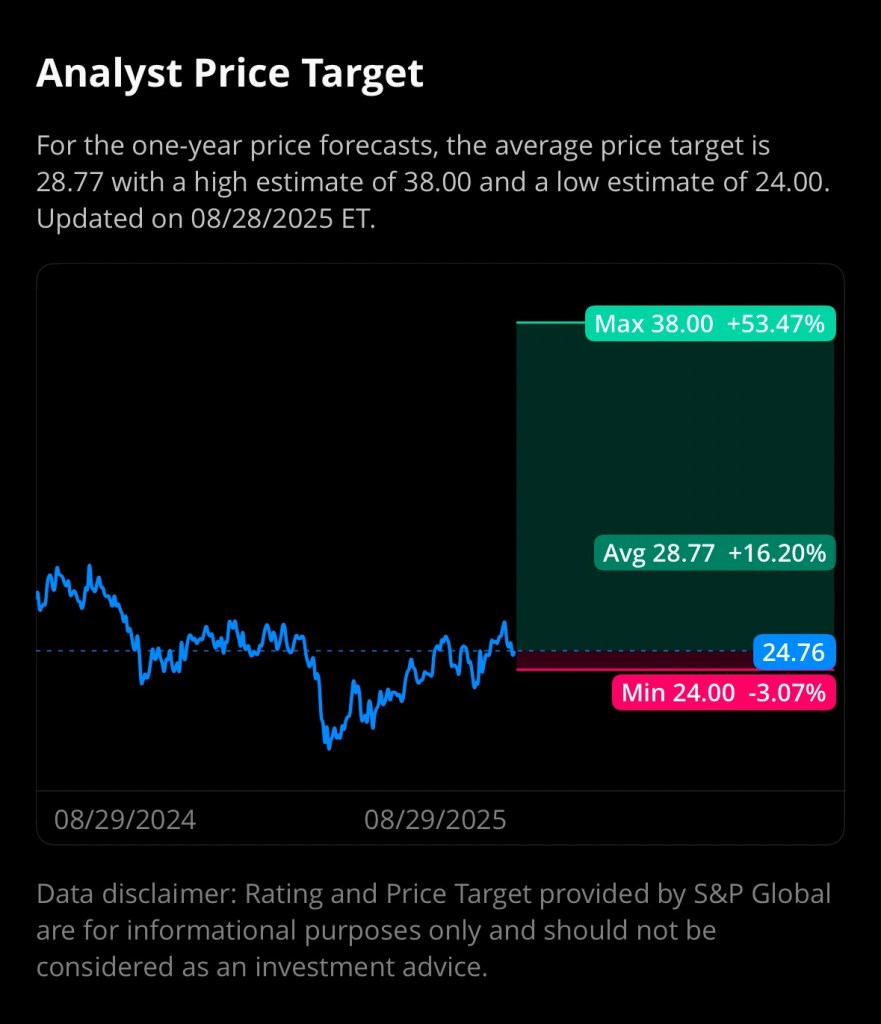
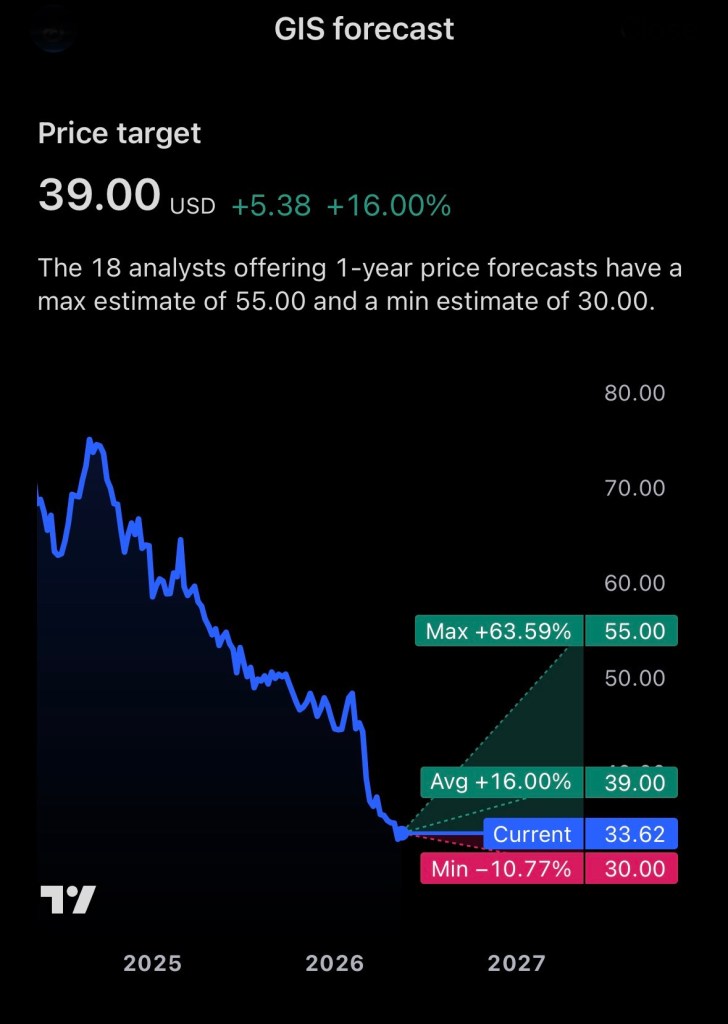
General Mills currently trades at a price-to-earnings ratio below 9, substantially lower than many competitors in the consumer staples sector. Analyst price targets average around $42 per share, implying potential upside of nearly 18% from recent trading levels.

Bullish investors argue that much of the negative outlook may already be reflected in the current stock price. If inflation moderates, consumer spending stabilizes, and management successfully executes its growth initiatives, GIS could potentially see both earnings stabilization and multiple expansion over the next 12 to 24 months.

Additionally, the combination of a high dividend yield and possible capital appreciation may appeal to long-term dividend growth investors seeking total return opportunities.
Risks Investors Should Monitor

Despite the attractive valuation and dividend yield, risks remain. Persistent inflation, changing consumer habits, private-label competition, and margin compression could continue pressuring earnings. The packaged food industry also faces ongoing challenges from shifting dietary preferences and increased competition from health-focused brands.

Investors should also monitor debt levels, input cost inflation, and whether the company can successfully restore organic sales growth over upcoming quarters.
Final Thoughts

General Mills appears to represent a classic value-versus-growth debate. The company is no longer viewed as a high-growth stock, but its depressed valuation, established global brands, and substantial dividend yield could present an opportunity for patient investors willing to accept slower growth and near-term volatility.

For dividend-focused portfolios, GIS may warrant consideration as a high-income consumer staples holding, particularly if management can stabilize sales trends and maintain strong free cash flow generation.

Disclosure

The author currently owns a position in General Mills ($GIS). This article is for informational purposes only and should not be considered financial advice. Investors should conduct their own research before making investment decisions.

References (APA Format)

MacroTrends. (2026). General Mills revenue 2012–2026. Retrieved May 21, 2026, from MacroTrends

Reuters. (2026, February 17). General Mills’ forecast cut from demand hit rattles packaged-food stocks. Retrieved May 21, 2026, from Reuters

Stock Analysis. (2026). General Mills (GIS) dividend history, dates & yield. Retrieved May 21, 2026, from Stock Analysis Dividend Page

Stock Analysis. (2026). General Mills (GIS) financials & income statement. Retrieved May 21, 2026, from Stock Analysis Financials

Stock Analysis. (2026). General Mills (GIS) stock price & overview. Retrieved May 21, 2026, from Stock Analysis Overview

MarketWatch. (2026). Cheerios parent General Mills says it will sacrifice some profit to drive sales amid cautious consumers. Retrieved May 21, 2026, from MarketWatch Article
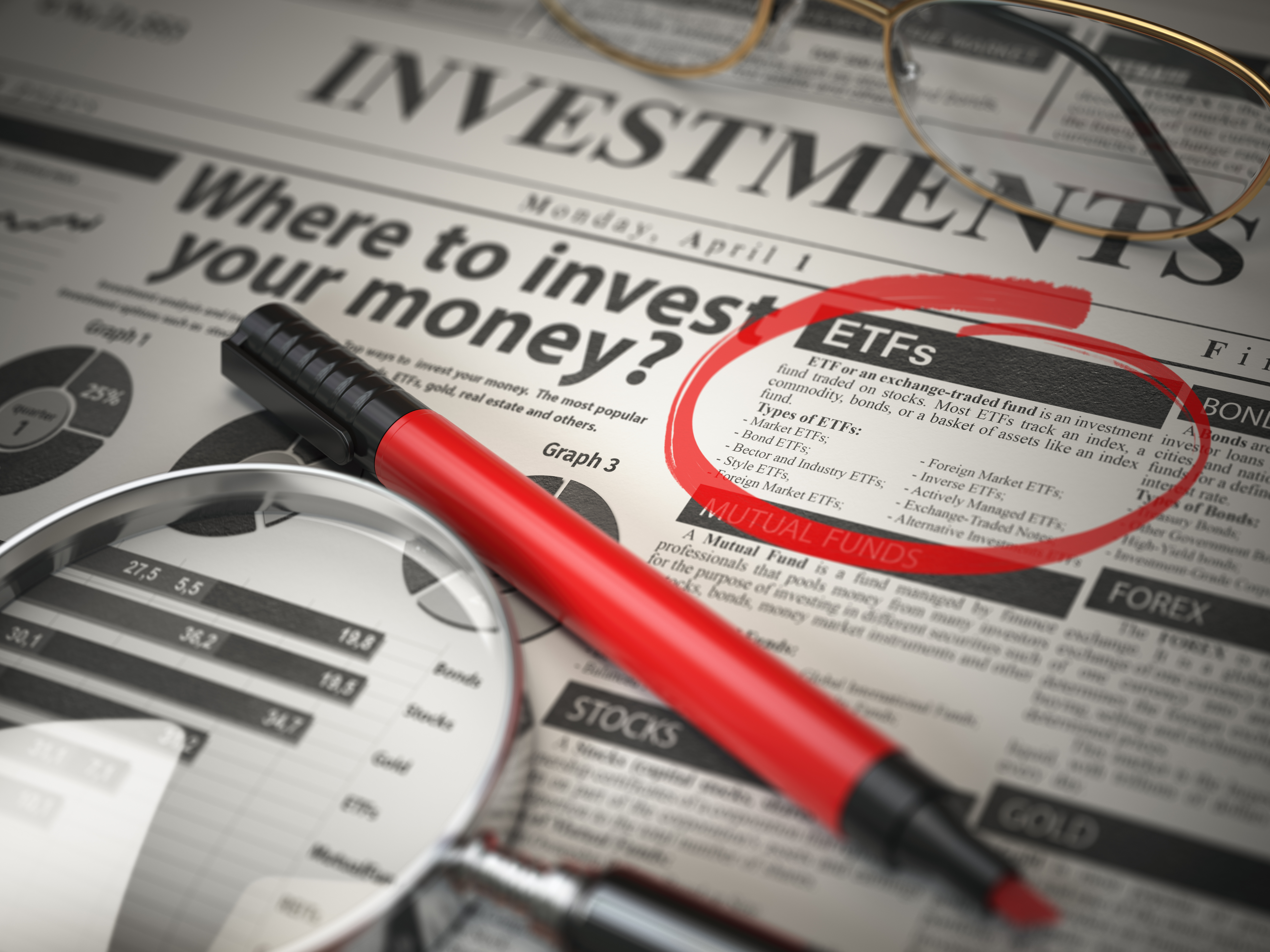
Getting Started with ETFs: The Ideal Investment for Beginners

For individuals entering the investment world, the sheer volume of choices like individual stocks, bonds, options, commodities, and more can feel overwhelming. Exchange-Traded Funds, commonly known as ETFs, have emerged as one of the most practical and efficient starting points for new investors. By combining diversification, accessibility, and flexibility, ETFs offer exposure to broad segments of the market while minimizing many of the risks associated with selecting individual securities.

Yet while ETFs are powerful tools, they are not a cure-all. Understanding both their capabilities and limitations is essential before incorporating them into a long-term investment strategy.


What Is an ETF?

An Exchange-Traded Fund is a pooled investment vehicle that trades on a stock exchange, much like an individual stock. Each ETF holds a basket of underlying assets such as stocks, bonds, commodities, or other securities. When you purchase one share of an ETF, you are effectively purchasing partial ownership in all the assets within that fund.

For example:

  • An S&P 500 ETF provides exposure to 500 of the largest U.S. companies.
  • A bond ETF provides exposure to government or corporate debt.
  • A sector ETF might focus solely on technology, healthcare, or energy.

This structure allows investors to diversify their portfolio instantly with a single transaction.


Why ETFs Are an Ideal Starting Point for Beginners

1. Instant Diversification

One of the biggest risks new investors face is concentration risk putting too much money into a single stock. ETFs mitigate this by spreading investments across dozens, hundreds, or even thousands of securities.

Instead of betting on one company, you can invest in an entire market segment.

2. Lower Costs Compared to Mutual Funds

Most ETFs are passively managed, meaning they track an index rather than relying on expensive active management. As a result, expense ratios are typically very low—often under 0.10% annually.

Lower fees translate into higher long-term returns, as fees compound negatively over time.

3. Ease of Trading

ETFs trade throughout the day on stock exchanges, just like individual stocks. Investors can buy or sell at any time during market hours, providing flexibility and liquidity.

4. Transparency

Most ETFs disclose their holdings daily, allowing investors to see exactly what they own. This transparency helps investors make informed decisions.

5. Accessibility

Many brokerage platforms allow investors to purchase ETFs with no commissions and relatively small amounts of capital.


Chart: Trade Opportunities Available Through ETFs

Trade OpportunityETF Example TypeRisk LevelPotential RewardBest For
Broad Market ExposureS&P 500 ETFModerateSteady long-term growthBeginners, retirement investors
Sector InvestingTechnology or Healthcare ETFModerate-HighHigher growth potentialInvestors targeting specific industries
Dividend IncomeDividend ETFLow-ModeratePassive income + growthIncome-focused investors
Bond ExposureTreasury or Corporate Bond ETFLowStability and incomeConservative investors
International MarketsEmerging Markets ETFHighHigh growth potentialDiversification seekers
Commodity ExposureGold or Oil ETFHighInflation hedgeAdvanced diversification
Thematic InvestingAI, Clean Energy ETFHighSignificant upside potentialGrowth-oriented investors
Defensive InvestingConsumer Staples ETFLow-ModerateStability during downturnsRisk-averse investors

What ETFs Can Do for You

Provide Diversification Efficiently

ETFs allow investors to spread risk across multiple companies and sectors without needing large amounts of capital.

Reduce Emotional Decision-Making

Instead of worrying about individual company performance, ETFs allow investors to focus on broader economic trends.

Build a Strong Long-Term Foundation

Many retirement portfolios are built primarily using broad-market ETFs due to their consistency and reliability.

Offer Exposure to Specialized Markets

ETFs make it possible to invest in areas that would otherwise be difficult to access, such as foreign markets, commodities, or niche sectors.


What ETFs Cannot Do for You

Guarantee Profits

ETFs follow the market. If the overall market declines, ETFs will decline as well.

Eliminate Risk

While diversification reduces risk, it does not eliminate it. Market downturns affect most ETFs.

Outperform the Market Consistently

Most ETFs are designed to match market performance, not exceed it.

Protect Against Poor Investment Timing

Buying during market highs can still lead to temporary losses, even with diversified ETFs.


ETFs vs Individual Stocks: Risk Comparison

FeatureETFsIndividual Stocks
DiversificationHighLow
Risk LevelModerateHigh
VolatilityLowerHigher
Research RequiredModerateHigh
Potential RewardModerate-HighHigh
Loss PotentialReducedSignificant

Why Many Professionals Recommend ETFs First

Warren Buffett, one of the most successful investors in history, has repeatedly recommended low-cost index ETFs for most investors. His reasoning is simple: consistently beating the market is extremely difficult, even for professionals.

ETFs allow investors to participate in overall economic growth without needing to predict which individual companies will succeed.


The Bottom Line

Exchange-Traded Funds represent one of the most efficient and accessible tools available to new investors. They offer instant diversification, low costs, transparency, and flexibility—making them an ideal starting point for building wealth.

However, investors must understand that ETFs are not risk-free. They reflect the performance of the underlying markets, meaning patience, discipline, and long-term thinking remain essential.

For those beginning their investment journey, ETFs provide something invaluable: a balanced and intelligent way to participate in the market while learning and growing as an investor.

Over time, they can serve not just as a starting point but as the foundation of a successful financial future.

References

Buffett, W. E. (2017). The essays of Warren Buffett: Lessons for corporate America (5th ed.). Carolina Academic Press.

Investment Company Institute. (2024). 2024 investment company fact book. https://www.ici.org

Morningstar, Inc. (2025). ETF investing guide: Understanding exchange-traded funds. https://www.morningstar.com

Securities and Exchange Commission. (2023). Exchange-traded funds (ETFs). U.S. Securities and Exchange Commission. https://www.sec.gov

U.S. Securities and Exchange Commission. (2024). Beginner’s guide to asset allocation, diversification, and rebalancing. https://www.investor.gov

Vanguard Group. (2024). Understanding ETFs: Benefits and risks. Vanguard. https://www.vanguard.com

BlackRock. (2025). ETF basics: What is an ETF? iShares by BlackRock. https://www.ishares.com

Pfizer’s Dividend Strengthens Case for Long-Term Investors

Pfizer Inc. ($PFE), one of the world’s largest pharmaceutical companies, continues to make a strong case for long-term investors seeking both stability and income. While the stock has faced recent volatility due to a decline in COVID-19 vaccine sales, its solid fundamentals, diversified pipeline, and consistent dividend payouts remain key reasons why investors may want to hold shares for the long haul.

Pfizer currently offers an attractive dividend yield—well above the S&P 500 average—making it a compelling choice for income-focused portfolios. The company has a long track record of reliable dividend payments and has shown commitment to rewarding shareholders even during periods of industry and market uncertainty. With a payout ratio supported by its robust cash flow, Pfizer’s dividend looks sustainable in the years ahead.

Beyond dividends, Pfizer’s pipeline of treatments in oncology, immunology, and rare diseases provides investors with growth opportunities outside of its COVID-19 products. Recent strategic acquisitions, such as the purchase of Seagen to bolster its oncology portfolio, reinforce the company’s long-term vision. These moves are designed to balance near-term headwinds with future revenue expansion.


Financial Snapshot: Strengths and Weaknesses

Strengths

  • Dividend Yield & Stability: Pfizer’s dividend yield is significantly higher than the S&P 500 average, appealing to income-focused investors.
  • Strong Balance Sheet: Despite recent revenue declines, Pfizer maintains healthy cash reserves and strong operating cash flow, supporting its dividend and acquisition strategy.
  • Attractive Valuation: Shares are trading at a discount compared to peers in the pharmaceutical sector, offering a margin of safety for value investors.
  • Diversified Revenue Base: Expansion in oncology, vaccines, and rare diseases provides multiple future growth drivers beyond COVID-19.

Weaknesses

  • COVID-19 Dependency Hangover: A sharp decline in vaccine and antiviral demand has pressured revenue, highlighting reliance on pandemic-era products.
  • R&D Risk: Heavy investment in research and development may not always lead to successful approvals, leaving earnings vulnerable.
  • Debt from Acquisitions: The Seagen deal adds to Pfizer’s debt load, which, while manageable, could strain resources if integration challenges arise.
  • Patent Expirations: Like many pharmaceutical giants, Pfizer faces long-term risks from patent cliffs that could erode future revenue streams.

Stock Price Outlook: 1 to 5 Years

Pfizer’s current share price reflects market concerns over post-COVID revenue declines, but its fundamentals suggest room for recovery.

  • 12-Month View (2025–2026): Analysts see potential for modest gains, with shares trading in the $32–$38 range as the market digests lower vaccine revenues but begins to price in oncology and pipeline growth. The dividend will continue to anchor returns even if share price growth is muted.
  • 3-Year View (2027): As new oncology therapies, rare-disease drugs, and vaccine innovations mature, Pfizer could see revenue stabilize and return to growth. A reasonable target range could be $40–$48 per share, supported by mid-single-digit revenue growth and steady dividends.
  • 5-Year View (2029–2030): If Pfizer successfully integrates Seagen, brings key drugs to market, and manages upcoming patent expirations, long-term investors could see shares trading in the $50–$60 range. Dividend reinvestment along the way would enhance total returns, making Pfizer a solid long-term hold for income plus growth.

While uncertainty remains in the short term, Pfizer’s combination of a reliable dividend, undervaluation relative to peers, and a promising pipeline suggests patient investors may be rewarded over a 5-year horizon.

Disclosure: I currently hold a position in Pifzer (NASDAQ: $PFE). This article reflects my personal opinions and analysis, and is not intended as financial advice. Please conduct your own research or consult a financial advisor before making any investment decisions.

The Investment Outlook: Equities vs. Cryptocurrency

In the ever-evolving world of finance, investors are faced with a multitude of options, each offering unique opportunities and risks. Among the most debated choices are traditional equities and the relatively new player in the game, cryptocurrency. Let’s explore the key factors that investors should consider when deciding where to allocate their funds.

Equities: A Time-Tested Classic

Equities, or stocks, represent ownership in a company and a claim to its assets and earnings. Historically, equities have been a cornerstone of investment portfolios, providing investors with the potential for capital appreciation and dividend income. The stock market has a long track record of delivering solid returns over the long term, albeit with occasional periods of volatility.

One of the primary advantages of investing in equities is the opportunity for diversification. With thousands of publicly traded companies across various sectors, investors can build a well-rounded portfolio to mitigate risk. Additionally, stocks offer the possibility of receiving dividends, providing a regular income stream for income-focused investors.

Cryptocurrency: The Digital Frontier

On the flip side, cryptocurrencies like Bitcoin and Ethereum have gained prominence as alternative investments, particularly among those seeking high-risk, high-reward opportunities. These digital assets operate on decentralized blockchain technology, offering transparency and security. The appeal of cryptocurrencies lies in their potential for rapid and substantial price appreciation, often outpacing traditional markets.

However, the volatile nature of cryptocurrencies is a double-edged sword. While some investors have reaped significant profits during bull markets, others have experienced sharp losses during market downturns. The lack of regulatory oversight and the relatively short history of cryptocurrencies also contribute to the uncertainty surrounding their long-term viability.

Considerations for Investors

When deciding between equities and cryptocurrencies, investors must assess their risk tolerance, investment goals, and time horizon. Equities generally appeal to those seeking a more stable and established market, while cryptocurrencies may attract risk-tolerant individuals seeking exponential returns.

Diversification remains a key principle for any investor, and a balanced approach that includes both equities and cryptocurrencies could provide a middle ground. However, it’s crucial to conduct thorough research and stay informed about the dynamics of each market.

Ultimately, the decision between equities and cryptocurrencies should align with an investor’s individual financial objectives and risk appetite. While equities offer a proven track record and stability, cryptocurrencies present an exciting frontier with the potential for substantial gains. As the investment landscape continues to evolve, staying informed and adapting to changing market conditions will be paramount for success. Never put all your eggs in one basket and remember diversification is key to long term investing. Have a plan and stick to it! or as I like to say plan the work and work the plan!