Why We Always Find Ourselves Waiting: The Hidden Cost of Life’s Slowdowns

Waiting might be one of the few universal human experiences that transcends age, background, income, geography, and even personality. Whether we’re stuck in a doctor’s office long past our appointment time, refreshing a stock chart hoping for a green candle, or watching an insurance claim crawl its way through the system, waiting is a constant companion. And while it can be frustrating, it also reveals a lot about how modern life actually works.

The Doctor Will Be With You… Eventually

Anyone who has ever dealt with healthcare knows that time moves differently in a medical office. You check in early, only to wait 20 minutes to be called, 10 more in the exam room, and maybe another week to get your test results.

Doctors aren’t slow because they want to be; they’re slow because they must be. Every patient brings unpredictability. A quick check-up can instantly turn into a crisis, care requires paperwork, and healthcare systems are overloaded. But as patients, it doesn’t feel like logistics—it feels like we’re just waiting… and waiting.

Many people walk out feeling like they spent more time sitting than being seen. And that’s because they have.

Waiting on the Markets: The Slow Burn of Investing

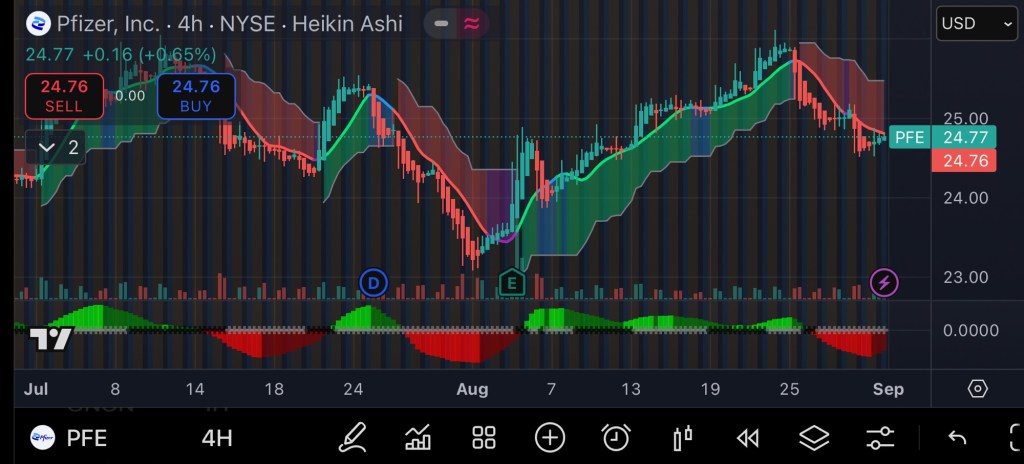
If there’s any arena that tests patience like a doctor’s office, it’s the stock market. You can research the perfect company, run the numbers, time your entry… and still spend weeks or months waiting for the payoff.

Stocks rarely move on our schedule. Bull markets take time to build, bear markets linger longer than anyone likes, and sideways trading can feel like a cosmic joke designed to test your discipline. You watch your screen, refresh your app, maybe check the news again—just in case something changed in the last 45 seconds.

But over the long run, waiting is the strategy. The real returns historically come not from timing the market, but time in the market. Yet even knowing that, we still find ourselves impatient, hoping our future arrives faster.

Insurance: The Art of Hurry Up and Wait

Insurance is another world where waiting feels baked into the design. You file a claim and expect progress. Instead, you’re asked for more documentation, another photo, a follow-up call, a review, an inspection… and then another review.

Insurance companies aren’t trying to delay—they’re trying to verify. Risk assessment requires accuracy, and accuracy takes time. But when it’s your car, your home, your medical bill, or your livelihood on the line, the process can feel like a slow-motion movie you can’t fast-forward.

Ironically, we pay for insurance to create peace of mind, but the waiting period is often when we feel the least at peace.

Everyday Waiting: The Silent Theme of Modern Life

Outside those big moments, waiting quietly follows us everywhere:

  • Waiting for a package that says “Out for delivery” for eight hours
  • Waiting for traffic to move
  • Waiting for approval, promotion, or a simple call-back
  • Waiting for the next phase of life—marriage, career change, retirement
  • Waiting for things to “finally calm down” (which never seems to happen)

Humans weren’t built to sit in uncertainty. Psychologically, waiting triggers the same stress response as danger. Our brains want clarity and control—two things waiting rarely provides.

The Hidden Reason We Wait: Progress Takes Time

Whether it’s the doctor, the market, insurance, or our daily errands, waiting is ultimately a byproduct of systems in motion. Progress doesn’t happen in a straight line or on a schedule we set.

In many ways, waiting is proof that something is happening:

  • The doctor is giving someone else the attention you’ll soon get
  • The stock market is adjusting, recalibrating, and preparing for the next move
  • The insurance company is verifying everything you need to protect your future
  • Life is unfolding in real time—not rushed, not delayed, simply moving at its own pace

We wait because the world is constantly working behind the scenes, even when we can’t see it.

Turning Waiting Into Something Useful

While we can’t eliminate waiting, we can change what it means to us. Waiting offers a rare chance to pause—a moment to reflect, reset, or simply breathe. It forces us to surrender a little control and trust the process, uncomfortable as that may be.

Because when the moment finally comes—whether it’s the doctor walking in, your stock finally breaking out, or the insurance claim resolving—waiting reminds us that good things often take time.

And maybe, just maybe, learning to wait is one of the most valuable skills we’ll ever develop.

Top Retirement Mistakes and How to Avoid Them

As more Americans approach retirement, many are finding that the path to a secure and fulfilling post-work life is more complex than they expected. While saving money is an important first step, a successful retirement hinges on avoiding common pitfalls that can derail even the most carefully built plans. Here are some of the most frequent retirement traps—and smarter strategies to consider instead.


Trap 1: Relying Too Heavily on Social Security

Many retirees assume Social Security will replace most of their income, only to discover their benefits cover far less than expected. With the average monthly benefit hovering around modest levels, relying on Social Security alone can put retirees at risk of falling behind rising costs of living and healthcare expenses.

A smarter alternative:
Build a layered income plan that includes Social Security, retirement accounts like 401(k)s or IRAs, pensions (if available), and supplemental income sources. Consider part-time work or consulting if feasible. The key is diversifying your income streams so one isn’t carrying the entire load.


Trap 2: Underestimating Healthcare Costs

Healthcare is one of the biggest retirement expenses, and Medicare doesn’t cover everything. Many retirees are shocked by premiums, deductibles, dental costs, and long-term care needs.

A smarter alternative:
Plan early. Look into long-term care insurance or hybrid life-insurance policies with LTC riders. Create a dedicated healthcare fund within your retirement savings. And don’t overlook supplemental Medicare plans that can greatly reduce out-of-pocket expenses.


Trap 3: Cashing Out Retirement Accounts Too Early

Taking large withdrawals early in retirement—especially before age 59½—can trigger steep taxes and penalties, diminishing your long-term nest egg. Even after that age, withdrawing too aggressively can make savings run out sooner than expected.

A smarter alternative:
Use a structured withdrawal plan, such as the 4% rule or dynamic withdrawal strategies that adjust based on market performance. Pair withdrawals with tax-efficient strategies like Roth conversions before RMD age to reduce future tax burdens.


Trap 4: Failing to Account for Inflation

Inflation has made a fierce comeback in recent years. Retirees with fixed incomes or overly conservative portfolios risk losing purchasing power over time.

A smarter alternative:
Include growth investments—like diversified stock funds—even in retirement, to stay ahead of inflation. Treasury Inflation-Protected Securities (TIPS) and annuities that offer inflation adjustments can also provide peace of mind.


Trap 5: Overlooking Housing Costs

Many retirees assume their housing expenses will drop once the mortgage is gone, but property taxes, insurance, and maintenance continue—and often increase.

A smarter alternative:
Evaluate your housing situation realistically. Downsizing, relocating to a lower-cost area, or exploring 55+ communities may reduce expenses. Some retirees also use a portion of home equity strategically through downsizing or a Home Equity Conversion Mortgage (HECM) as part of their financial plan.


Trap 6: Not Preparing Emotionally for Retirement

Retirement isn’t just a financial transition—it’s a lifestyle change. Without structure, purpose, or social engagement, many retirees face loneliness, boredom, or even depression.

A smarter alternative:
Design your retirement life as intentionally as your financial strategy. Volunteer, join clubs, take classes, or explore part-time work in a field you enjoy. Staying mentally and socially active is essential for long-term well-being.


Smart Alternatives for Soon-to-Be and Current Retirees

Beyond avoiding traps, here are simple, proactive steps that make retirement more stable and satisfying:

  • Create a retirement income roadmap that outlines exactly where your money will come from and how long it should last.
  • Meet with a financial professional to stress-test your plan against inflation, market downturns, and health surprises.
  • Diversify income, including predictable sources like annuities, rental income, dividends, or guaranteed pension payouts.
  • Stay flexible—your retirement plan should evolve as life, health, and markets change.
  • Review your insurance coverage, including life, home, auto, and long-term care, to ensure you’re protected.
  • Stay active and engaged, both socially and physically, to support overall happiness and health.

Long and Short

Retirement doesn’t have to be uncertain. By steering clear of common traps and embracing a well-rounded financial and lifestyle strategy, retirees can build a future that’s not only secure—but rewarding. With thoughtful planning and the right support, this next chapter can be the best one yet.

About the Author:

David Dandaneau is a client relations analyst that covers the insurance and financial services industry. He is known for his insightful analysis and comprehensive coverage of market trends and regulatory developments.

Pfizer’s Dividend Strengthens Case for Long-Term Investors

Pfizer Inc. ($PFE), one of the world’s largest pharmaceutical companies, continues to make a strong case for long-term investors seeking both stability and income. While the stock has faced recent volatility due to a decline in COVID-19 vaccine sales, its solid fundamentals, diversified pipeline, and consistent dividend payouts remain key reasons why investors may want to hold shares for the long haul.

Pfizer currently offers an attractive dividend yield—well above the S&P 500 average—making it a compelling choice for income-focused portfolios. The company has a long track record of reliable dividend payments and has shown commitment to rewarding shareholders even during periods of industry and market uncertainty. With a payout ratio supported by its robust cash flow, Pfizer’s dividend looks sustainable in the years ahead.

Beyond dividends, Pfizer’s pipeline of treatments in oncology, immunology, and rare diseases provides investors with growth opportunities outside of its COVID-19 products. Recent strategic acquisitions, such as the purchase of Seagen to bolster its oncology portfolio, reinforce the company’s long-term vision. These moves are designed to balance near-term headwinds with future revenue expansion.


Financial Snapshot: Strengths and Weaknesses

Strengths

  • Dividend Yield & Stability: Pfizer’s dividend yield is significantly higher than the S&P 500 average, appealing to income-focused investors.
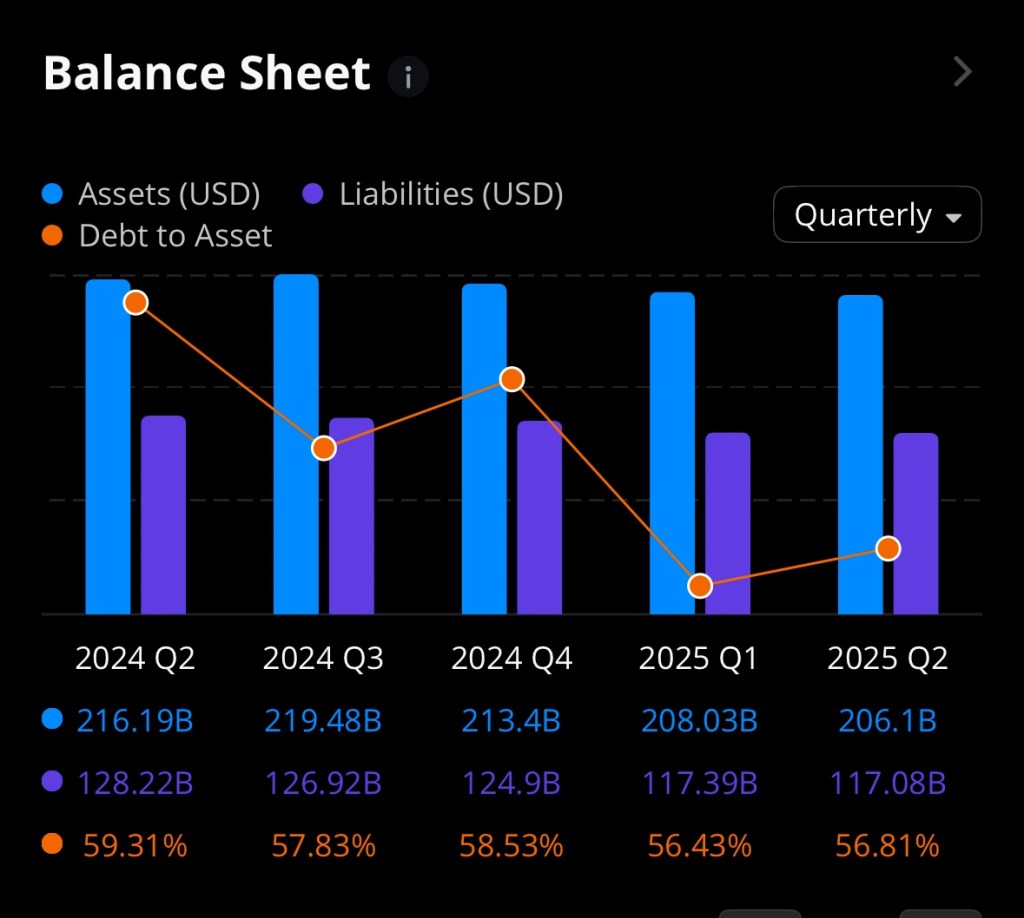
  • Strong Balance Sheet: Despite recent revenue declines, Pfizer maintains healthy cash reserves and strong operating cash flow, supporting its dividend and acquisition strategy.
  • Attractive Valuation: Shares are trading at a discount compared to peers in the pharmaceutical sector, offering a margin of safety for value investors.
  • Diversified Revenue Base: Expansion in oncology, vaccines, and rare diseases provides multiple future growth drivers beyond COVID-19.

Weaknesses

  • COVID-19 Dependency Hangover: A sharp decline in vaccine and antiviral demand has pressured revenue, highlighting reliance on pandemic-era products.
  • R&D Risk: Heavy investment in research and development may not always lead to successful approvals, leaving earnings vulnerable.
  • Debt from Acquisitions: The Seagen deal adds to Pfizer’s debt load, which, while manageable, could strain resources if integration challenges arise.
  • Patent Expirations: Like many pharmaceutical giants, Pfizer faces long-term risks from patent cliffs that could erode future revenue streams.

Stock Price Outlook: 1 to 5 Years

Pfizer’s current share price reflects market concerns over post-COVID revenue declines, but its fundamentals suggest room for recovery.

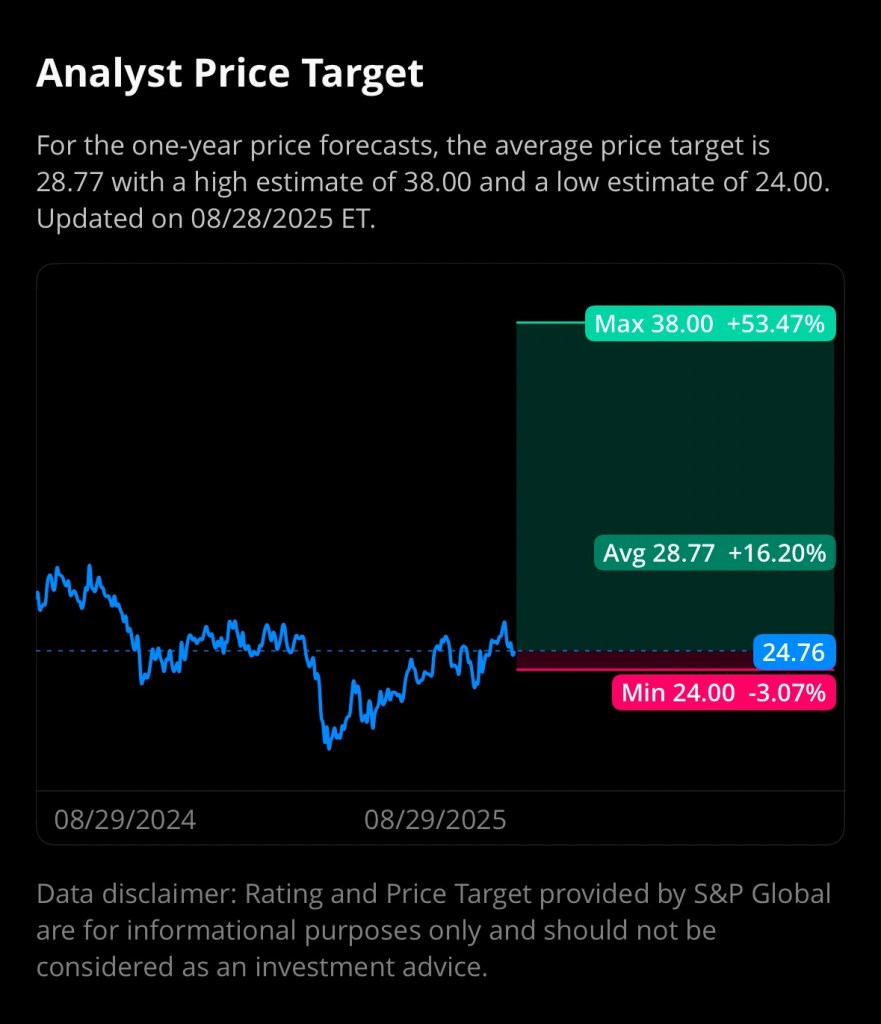
  • 12-Month View (2025–2026): Analysts see potential for modest gains, with shares trading in the $32–$38 range as the market digests lower vaccine revenues but begins to price in oncology and pipeline growth. The dividend will continue to anchor returns even if share price growth is muted.
  • 3-Year View (2027): As new oncology therapies, rare-disease drugs, and vaccine innovations mature, Pfizer could see revenue stabilize and return to growth. A reasonable target range could be $40–$48 per share, supported by mid-single-digit revenue growth and steady dividends.
  • 5-Year View (2029–2030): If Pfizer successfully integrates Seagen, brings key drugs to market, and manages upcoming patent expirations, long-term investors could see shares trading in the $50–$60 range. Dividend reinvestment along the way would enhance total returns, making Pfizer a solid long-term hold for income plus growth.

While uncertainty remains in the short term, Pfizer’s combination of a reliable dividend, undervaluation relative to peers, and a promising pipeline suggests patient investors may be rewarded over a 5-year horizon.

Disclosure: I currently hold a position in Pifzer (NASDAQ: $PFE). This article reflects my personal opinions and analysis, and is not intended as financial advice. Please conduct your own research or consult a financial advisor before making any investment decisions.

Why More Families Are Turning to Trusts to Protect Their Assets

When it comes to protecting wealth and passing it on to loved ones, many families are discovering that a simple will may not be enough. Increasingly, individuals are turning to trusts as a more effective way to manage their assets and provide security for beneficiaries. While wills remain common, trusts offer unique advantages that make them an essential tool in modern estate planning.

A trust is a legal arrangement in which a trustee manages assets on behalf of beneficiaries. Unlike a will, which becomes public during probate, a trust can keep family financial matters private while ensuring assets are distributed according to the grantor’s wishes.

Avoiding Probate Delays and Costs
One of the main reasons individuals choose a trust is to avoid probate—the court-supervised process of distributing an estate after death. Probate can take months or even years, and legal fees can significantly reduce what heirs actually receive. With a trust, assets are transferred more quickly and with fewer administrative costs.

Tax Efficiency and Asset Protection
Certain types of trusts can also provide tax advantages. For high-net-worth individuals, this can mean minimizing estate taxes, while others use trusts to shield assets from creditors or lawsuits. Parents of minor children often create trusts to ensure their children’s financial needs are met in the event of an untimely death.

Control Over Distribution
Unlike a will, which typically results in a lump-sum transfer of assets, a trust allows for customized distribution. For example, beneficiaries can receive funds at certain ages, in installments, or for specific purposes such as education or healthcare. This level of control provides peace of mind for those worried about heirs’ financial responsibility.

Peace of Mind for Families
“Trusts aren’t just for the wealthy,” says estate planning attorney Sarah Mitchell. “They’re tools that provide structure, protection, and clarity—things every family can benefit from. For many clients, it’s about peace of mind knowing their loved ones are taken care of.”

As life expectancy increases and wealth is passed down through generations, experts predict that more families will explore trusts as part of their financial planning. Whether it’s avoiding probate, protecting assets, or ensuring responsible inheritance, trusts are becoming a cornerstone of modern estate planning.

About the Author:

David Dandaneau is a client relations analyst that covers the insurance and financial services industry. He is known for his insightful analysis and comprehensive coverage of market trends and regulatory developments.

The Surprising Link Between Fruits, Vegetables, and Better Sleep

A growing body of research suggests that what you eat doesn’t just affect your waistline—it also plays a crucial role in how well you sleep. Among the most impactful dietary components for a good night’s rest? Fruits and vegetables.

Nutrients That Nurture Sleep
Fruits and vegetables are rich in essential vitamins, minerals, and antioxidants that support the body’s natural sleep-wake cycle. For instance, bananas and kiwis contain serotonin precursors that help regulate melatonin, the hormone responsible for sleep timing. Leafy greens, like spinach and kale, are packed with magnesium—a mineral shown to promote relaxation and deeper sleep.

Cherries, particularly tart cherries, have also earned a reputation as a sleep superfood. They are one of the few natural sources of melatonin, and several studies have found that drinking tart cherry juice can modestly improve both sleep quality and duration.

The Fiber Factor
Dietary fiber, abundant in vegetables like broccoli and carrots and fruits like apples and pears, has also been linked to more restorative sleep. A study published in the Journal of Clinical Sleep Medicine found that higher fiber intake was associated with more time spent in slow-wave sleep—the deepest, most physically restorative stage of the sleep cycle.

Timing and Portion Matter
While increasing fruit and vegetable intake is beneficial, experts advise against late-night snacking, even on healthy produce. High-sugar fruits close to bedtime—like grapes or mangoes—can spike blood sugar levels and delay sleep onset for some individuals. Instead, a small serving of low-sugar fruits like berries or a banana with peanut butter may provide just enough of a serotonin boost to ease you into slumber.

What This Means for You
Sleep specialists and dietitians alike recommend incorporating a variety of fruits and vegetables throughout the day—not just for overall health, but to improve sleep hygiene. Consistency is key, and the benefits are cumulative. As registered dietitian Dr. Leena Patel notes, “A balanced, plant-rich diet creates the foundation for stable energy during the day and restorative sleep at night.”

So if you’re struggling to fall or stay asleep, your dinner plate might be part of the problem—and the solution. Skipping processed foods in favor of more colorful, plant-based choices could be a simple yet powerful step toward better shut-eye.

Did You Know?

  • Kiwis have been shown to improve sleep onset and duration due to their serotonin and folate content.
  • Magnesium-rich foods like avocados and leafy greens help calm the nervous system.
  • Eating at regular mealtimes helps synchronize your circadian rhythm.

Bottom Line: Want better sleep? Eat more plants.

The Impact of 5G on Everyday Life: Faster, Smarter, and More Connected

The rollout of 5G networks is transforming the way we live, work, and connect—ushering in a new era of speed, responsiveness, and innovation. As more cities, towns, and rural areas gain access to fifth-generation wireless technology, the effects are becoming increasingly visible in our daily routines.

Speed and Efficiency at Your Fingertips
At its core, 5G promises data speeds up to 100 times faster than 4G. For the average user, this means smoother video streaming, faster downloads, and nearly instant web page loading. But the real transformation goes far beyond entertainment. With ultra-low latency, 5G enables real-time communication between devices, opening the door to new possibilities in healthcare, transportation, and education.

Remote workers and students benefit from stronger, more stable video conferencing with fewer glitches and lags. Cloud-based tools respond almost instantly, making collaboration more efficient. Businesses, from small startups to large corporations, can operate with a level of agility and responsiveness previously unattainable.

A Smarter World
The true power of 5G lies in its ability to support billions of connected devices simultaneously. This is fueling the growth of the Internet of Things (IoT)—from smart thermostats and connected cars to wearable health monitors and automated factories.

For instance, smart homes equipped with 5G-enabled devices can respond more quickly and accurately to user commands, improving energy efficiency and security. In cities, 5G supports smart infrastructure like traffic control systems that adapt to real-time conditions, reducing congestion and improving safety.

Healthcare Revolution
Telemedicine, already on the rise, has taken a major leap forward with 5G. Doctors can now conduct remote examinations with HD video clarity and access large medical imaging files without delays. Emergency response teams benefit from real-time data sharing en route to hospitals, and remote surgeries powered by robotics and 5G are now a reality in some parts of the world.

Challenges and Considerations
Despite its promise, the transition to 5G is not without challenges. Infrastructure upgrades are costly and time-consuming, especially in rural or less-developed regions. Concerns about data privacy and cybersecurity are also growing, as more devices become interconnected and reliant on real-time data.

There are also health and environmental concerns—though no conclusive evidence has shown that 5G poses any greater risk than previous generations of wireless technology, public debate continues.

What Lies Ahead
The full potential of 5G is still unfolding, but one thing is clear: it’s reshaping everyday life in profound ways. As the technology matures and access becomes more widespread, it will serve as a backbone for innovations yet to come—fueling autonomous vehicles, augmented reality, and a more connected global economy.

For now, 5G is not just about faster smartphones. It’s about building a smarter, more efficient, and more responsive world.

Uninsured Motorist Coverage: Essential or Unnecessary?

When shopping for car insurance, most drivers focus on the basics—liability, collision, and comprehensive coverage. But one part of your policy that often gets overlooked could end up being your financial lifeline in an accident: Uninsured Motorist (UM) coverage. At the same time, some drivers question whether it’s necessary. So, should you add it to your policy? The answer depends on several factors.

The Case For Uninsured Motorist Coverage
Despite mandatory insurance laws in most states, millions of drivers remain uninsured. According to the Insurance Research Council, about 1 in 8 drivers in the U.S. is uninsured. That means if you’re hit by one of them, you could be left paying out-of-pocket for injuries and damages—unless you have UM coverage.

Uninsured Motorist Bodily Injury (UMBI) covers your medical expenses, lost wages, and even pain and suffering if you’re injured by an at-fault driver who doesn’t have insurance. Uninsured Motorist Property Damage (UMPD), where available, helps pay for repairs to your vehicle.

“Uninsured motorist coverage acts like a safety net,” says Karen Simmons, a claims manager at Midwest Auto Insurance. “It protects you and your passengers when someone else’s irresponsibility puts you at risk.”

It can also protect you in hit-and-run accidents, which are legally treated as if the other driver is uninsured in many states. Given rising medical costs, even a minor accident could leave you with thousands in bills.

The Case Against Uninsured Motorist Coverage
On the other hand, some argue that UM coverage may not be essential—particularly if you already have strong health and collision coverage.

If your health insurance plan is comprehensive and has low deductibles, you might already be covered for medical treatment resulting from an accident. Likewise, if you carry collision coverage, your car repairs could be handled without relying on UMPD.

“In some situations, uninsured motorist coverage may duplicate benefits you already have,” explains Joseph Martinez, a financial advisor in Houston. “If you’re budget-conscious and have overlapping protection, it might be an area to consider trimming.”

In states where no-fault laws apply, your own insurance pays for injury-related expenses regardless of who caused the accident—making UM coverage less critical.

Additionally, if you rarely drive, live in a state with low uninsured rates, or have a well-funded emergency savings account, the risk of going without may seem acceptable.

Ultimately, the decision to carry uninsured motorist coverage comes down to your personal risk tolerance, financial situation, and existing insurance portfolio.

It tends to be one of the more affordable add-ons to a policy, offering valuable peace of mind. But for others with overlapping coverage, it may be a redundant cost.

Before making a decision, it’s smart to consult with a licensed insurance agent who can help you evaluate your exposure and craft a policy that works for you.

About the Author:

David Dandaneau is a insurance agent that covers the insurance and financial services industry. He is known for his insightful analysis and comprehensive coverage of market trends and regulatory developments.

How Eating Right Can Help You Sleep Better

Struggling to get a good night’s sleep? The solution might be on your plate. Research shows that diet plays a significant role in sleep quality, with certain foods promoting restful sleep while others disrupt it. By making better nutritional choices, you can improve both the duration and quality of your sleep.

The Connection Between Diet and Sleep

Nutrition plays a crucial role in regulating the body’s sleep-wake cycle. Certain foods contain sleep-promoting nutrients like magnesium, melatonin, and tryptophan, which can help improve both the quality and duration of sleep. Meanwhile, consuming excessive caffeine, sugar, or heavy meals before bedtime can lead to restlessness and insomnia.

Foods That Promote Better Sleep

  1. Nuts and Seeds – Almonds and walnuts contain melatonin and magnesium, which help regulate sleep patterns.
  2. Fatty Fish – Salmon and tuna are rich in omega-3 fatty acids and vitamin D, which aid in serotonin production, a key sleep hormone.
  3. Dairy Products – Milk, yogurt, and cheese are great sources of tryptophan, which the body converts into serotonin and then melatonin.
  4. Whole Grains – Oatmeal and whole wheat bread help stabilize blood sugar levels and promote relaxation.
  5. Fruits – Bananas, kiwis, and cherries contain natural compounds that support restful sleep.

Foods to Avoid Before Bed

  1. Caffeine and Energy Drinks – These stimulants can keep you awake longer and reduce deep sleep.
  2. Spicy and Acidic Foods – These can trigger acid reflux and discomfort, making it harder to sleep.
  3. High-Sugar Foods – Excess sugar can cause blood sugar spikes, leading to restlessness.
  4. Heavy or Greasy Meals – These take longer to digest, which can lead to discomfort and disrupted sleep.

Tips for a Sleep-Friendly Diet

  • Eat dinner at least two to three hours before bed to allow proper digestion.
  • Limit caffeine intake in the afternoon and evening.
  • Drink herbal teas like chamomile or valerian root to promote relaxation.
  • Maintain a balanced diet with lean proteins, whole grains, and healthy fats to support overall sleep health.

By making mindful choices about what you eat, you can significantly improve your sleep quality. A nutritious diet not only enhances overall health but also ensures you wake up feeling refreshed and energized. So next time you’re struggling to get a good night’s rest, take a look at what’s on your plate!

Why You Need to Update Your Life Insurance Regularly

Life is constantly changing, and your life insurance policy should keep up with those changes. While purchasing a policy is a great step toward financial security, it’s not a “set it and forget it” decision. Experts recommend reviewing your life insurance coverage every couple of years to ensure it still meets your needs.

  1. Life Changes, So Should Your Coverage
    Major life events such as getting married, having children, buying a home, or starting a business can significantly impact your financial responsibilities. If your coverage is outdated, your family may not have the necessary financial protection in case the unexpected happens.
  2. Income and Expenses Fluctuate
    As your salary increases or your financial obligations shift, your coverage should reflect those changes. A higher income might mean more assets to protect, while increased debt could require more coverage to avoid leaving loved ones with financial burdens.
  3. Policy Benefits May Have Improved
    Life insurance policies evolve over time, and newer options may offer better benefits or lower premiums. Reviewing your policy allows you to compare offerings and potentially switch to a more favorable plan.
  4. Health Changes Can Affect Your Options
    If your health improves due to lifestyle changes or medical advancements, you might qualify for lower premiums. On the other hand, if your health declines, ensuring you have adequate coverage becomes even more critical.
  5. Inflation Impacts Your Policy’s Value
    Over time, inflation reduces the purchasing power of your insurance payout. What seemed like enough coverage a decade ago may not be sufficient today. Regular reviews help ensure your policy keeps pace with economic changes.
  6. Beneficiary Updates Are Essential
    Life circumstances can change relationships. Whether through marriage, divorce, or other family adjustments, it’s crucial to ensure the right beneficiaries are named on your policy.

How to Review Your Policy
Set a reminder to review your coverage every two to three years or whenever a major life event occurs. Work with your insurance agent to assess whether adjustments are needed. A quick check-up could make all the difference in securing your family’s financial future.

Bottom Line: Life insurance is a crucial part of financial planning, but its effectiveness depends on keeping it updated. By regularly reviewing your policy, you can ensure that your loved ones are adequately protected no matter what life brings.

Schedule a Free Life Insurance Review
If it’s been a while since you last reviewed your life insurance policy, now is the perfect time to do so. I can help you assess your current coverage and make sure it aligns with your current needs and future goals. Contact me today for a free, no-obligation policy review—your peace of mind is worth it!

About the Author:

David Dandaneau is a insurance agent that covers the insurance and financial services industry. He is known for his insightful analysis and comprehensive coverage of market trends and regulatory developments.

Clover Health ($CLOV): Key Growth and Profitability Insights

Clover Health Investments Corp. (NASDAQ: $CLOV), a physician enablement company focused on improving healthcare for Medicare beneficiaries, has recently demonstrated significant growth and strategic initiatives that may appeal to investors.

Robust Membership Growth

As of January 2025, Clover Health reported a 27% increase in Medicare Advantage membership, surpassing 100,000 members. Notably, approximately 95% of these members are enrolled in the company’s flagship 4-Star Preferred Provider Organization (PPO) plan, reflecting Clover’s commitment to delivering high-quality care.

Strategic Focus on Profitability

In December 2023, Clover Health announced its decision to exit the Centers for Medicare and Medicaid Services’ (CMS) ACO REACH program. This move allows the company to concentrate resources on its core Medicare Advantage insurance business and the Clover Assistant platform, aiming to achieve profitability on an Adjusted EBITDA basis for the full year 2024.

Financial Performance and Outlook

The company’s financial trajectory shows promise, with earnings expected to improve from a loss of $0.12 per share to $0.07 per share in the coming year. Analysts have set a 12-month price target of $5.00 for Clover Health’s stock, suggesting potential upside from its current trading price of $4.46 as of February 16, 2025.

Investment Considerations

While Clover Health’s recent membership growth and strategic refocusing are positive indicators, potential investors should be mindful of market volatility. The stock has experienced fluctuations, and with a significant portion of retail ownership, there is a risk of profit-taking following earnings reports. Therefore, a cautious approach is advisable, possibly awaiting the upcoming Q4 2024 earnings release for more clarity on the company’s financial health.

Clover Health’s strategic initiatives and growth in the Medicare Advantage sector position it as a noteworthy contender in the healthcare market. However, investors should conduct thorough research and consider market dynamics before making investment decisions.

Disclosure: I currently hold a position in Clover Health Investments Corp. (NASDAQ: $CLOV). This article reflects my personal opinions and analysis, and is not intended as financial advice. Please conduct your own research or consult a financial advisor before making any investment decisions.

References

Clover Health. (2023, December 15). Clover Health exits ACO REACH to accelerate path to profitability. Clover Health Investors. https://investors.cloverhealth.com/news-releases/news-release-details/clover-health-exits-aco-reach-accelerate-path-profitability

Finance Yahoo. (2025, January 10). Clover Health reports 27% growth in Medicare Advantage membership. Yahoo Finance. https://finance.yahoo.com/news/clover-health-reports-27-growth-140000713.html

Seeking Alpha. (2025, February 10). Clover Health: Watch out for volatility following Q4 earnings results. Seeking Alpha. https://seekingalpha.com/article/4756994-clover-health-watch-out-for-volatility-following-q4-earnings-results

Stock Analysis. (2025, February 15). Clover Health (CLOV) stock forecast and price target. Stock Analysis. https://stockanalysis.com/stocks/clov/forecast