The Impact of Mental Health on Physical Well-being

A growing body of research has confirmed what many have long suspected: your mental health has a profound effect on your physical health. The relationship between the mind and body is not just metaphorical—it’s biological, chemical, and very real.

The Hidden Toll of Stress and Anxiety
Stress, anxiety, and depression can do more than cloud your thoughts—they can literally wear down your body. Chronic stress triggers the release of hormones like cortisol and adrenaline, which are helpful in short bursts but harmful when sustained. Elevated cortisol levels over time have been linked to high blood pressure, weakened immune function, and increased risk of heart disease.

“When someone experiences chronic anxiety or depression, the brain’s constant state of alert can keep the body in a low-level fight-or-flight mode,” explains Dr. Tara Simmons, a clinical psychologist. “This state contributes to inflammation, sleep disruption, and poor digestion—conditions that can lead to more serious physical illnesses.”

Mental Health and Chronic Conditions
There’s a strong correlation between mental health disorders and chronic physical illnesses. People suffering from depression, for instance, are more likely to develop conditions like diabetes, arthritis, and cardiovascular disease. At the same time, those living with chronic illnesses are more prone to experiencing anxiety or depression, creating a cycle that can be difficult to break.

One study published in the Journal of the American Heart Association found that patients with heart disease who also suffer from depression were twice as likely to die from cardiac-related causes compared to those without depression.

Immune Function and Inflammation
Mental health also plays a crucial role in immune system performance. Depression and chronic stress can suppress the immune response, making the body more vulnerable to infections and slowing down recovery times. On the other hand, positive mental health is associated with a stronger immune system and better resilience in the face of illness.

In particular, inflammation—the body’s natural response to injury or illness—can be exacerbated by poor mental health. Long-term inflammation is a key contributor to diseases such as cancer, Alzheimer’s, and autoimmune disorders.

The Path Forward: Treating the Whole Person
Fortunately, this connection also offers a path to better health. Taking care of your mental well-being—through therapy, medication, mindfulness, exercise, or social support—can directly improve your physical health.

Healthcare providers are increasingly embracing integrative approaches that address both mental and physical health. Routine screenings for depression and anxiety are becoming more common in primary care settings, and many insurance plans now include mental health services as part of holistic wellness programs.

“It’s time we stop treating the body and mind as separate entities,” says Dr. Simmons. “Whole-person care is the future of medicine.”

Takeaway:
Mental health isn’t just about feeling good emotionally—it’s foundational to your overall health. By investing in your mental well-being, you’re also protecting your heart, your immune system, and your long-term quality of life.

If you’re struggling, you’re not alone—and help is out there. A healthier mind leads to a healthier body.

The Surprising Link Between Sleep and Wealth

Sleep: it’s something we all do, but many of us underestimate its power. New research continues to confirm that good sleep is not just a luxury—it’s a critical pillar of overall health. But beyond feeling well-rested, there’s a surprising link between sleep and financial stability. Yes, getting good sleep may help protect your wealth just as much as your health.

The Science of Sleep: More Than Just Rest
Scientists have long studied the stages of sleep—light, deep, and REM (rapid eye movement)—to understand how rest affects the brain and body. During sleep, your body undergoes essential maintenance: the brain clears waste products, muscles repair, hormones rebalance, and memories consolidate. Sleep also helps regulate mood, immune function, and even appetite.

According to the National Sleep Foundation, adults need between 7 and 9 hours of sleep per night for optimal function. Chronic sleep deprivation has been linked to a wide range of health problems, including:

  • Heart disease
  • Obesity
  • Type 2 diabetes
  • Depression and anxiety
  • Impaired cognitive function and memory

But the ripple effects of poor sleep go beyond biology—they can reach into your bank account.

Sleep and Wealth: What’s the Connection?
It turns out that sleep can affect financial well-being in both direct and indirect ways.

  1. Better Decision-Making
    A well-rested brain makes better choices. Sleep deprivation impairs judgment, increases risk-taking behavior, and clouds your ability to process information. Whether you’re making a major purchase, investing, or negotiating a raise, sleep can be the secret weapon behind smarter financial decisions.
  2. Increased Productivity and Career Success
    Sleep is closely tied to performance. Employees who get enough rest tend to be more focused, creative, and efficient. On the other hand, chronic sleep issues are associated with absenteeism, burnout, and job loss—factors that can threaten income and career growth.
  3. Fewer Health Costs
    Lack of sleep raises your risk of chronic illnesses, which can mean higher medical bills, more missed workdays, and increased insurance premiums. By supporting immune health and reducing the risk of disease, good sleep may help keep medical expenses—and related financial stress—at bay.
  4. Reduced Risk of Accidents
    Fatigue is a leading cause of car accidents and workplace injuries. A single lapse in attention due to poor sleep can have expensive—and even tragic—consequences. The Centers for Disease Control and Prevention (CDC) estimates that drowsy driving causes thousands of crashes every year. Protecting your sleep may also mean protecting your assets, your car, and your insurance premiums.

Final Thoughts: Sleep is a Smart Investment
While good sleep won’t directly deposit money into your bank account, it strengthens the foundation of a healthy, focused, and financially stable life. In a world obsessed with productivity and hustle, rest might feel like a compromise. But science shows it’s the opposite—sleep is an investment that pays off in better health, wiser choices, and greater financial resilience.

So, does good sleep help protect your wealth?
Absolutely. Rested minds make better choices, lead healthier lives, and build stronger financial futures.

Tips for Better Sleep:

  • Stick to a consistent sleep schedule—even on weekends
  • Limit caffeine and alcohol in the evening
  • Avoid screens an hour before bedtime
  • Create a calm, dark, and cool sleeping environment
  • Incorporate relaxation techniques like deep breathing or meditation

By prioritizing your sleep, you’re not just boosting your health—you’re safeguarding your wealth.

How to Cut Costs and Save Money Everyday

When inflation continues to chip away at household budgets, finding ways to save on daily expenses can have a big impact over time. Fortunately, a few small changes to your routine can lead to significant savings without drastically altering your lifestyle.

Here are some practical strategies to cut costs on common daily expenses:

  1. Cut the Coffee Shop Habit
    If you’re stopping by your local café every day, you’re likely spending more than you think. Brewing your coffee at home can save hundreds per year, and with so many quality at-home brewers on the market, the taste doesn’t have to suffer.
  2. Switch to Generic Brands
    From groceries to medicine, store-brand products often offer the same quality as name brands at a fraction of the price. A weekly grocery trip can be trimmed by 20–30% just by switching brands.
  3. Reduce Energy Use
    Turn off lights when you leave the room, unplug electronics not in use, and consider upgrading to energy-efficient bulbs and appliances. Small efforts add up on your utility bill.
  4. Use Public Transportation or Carpool
    Gas, maintenance, and parking costs can eat into your budget. Using public transit or sharing a ride just a few times per week can make a noticeable difference.
  5. Cook at Home More Often
    Dining out “even fast food” can cost two to three times more than a home-cooked meal. Planning meals and prepping ingredients ahead of time can save both money and stress.
  6. Shop Smarter
    Use cashback apps, look for sales, and take advantage of store loyalty programs. Planning your shopping trips and making a list can prevent impulse buys.
Expense CategoryStrategyEstimated Monthly Savings
Coffee/DrinksBrew at home\$60
GroceriesSwitch to generic/store brands\$50
ElectricityUse LED bulbs, unplug devices\$30
TransportationCarpool/public transport\$80
Dining OutCook at home more frequently\$100
ShoppingUse discounts, avoid impulse buys\$40
Total Potential Savings\$360/month

While saving $360 per month may not sound dramatic at first glance, it adds up to $4,320 per year enough for a vacation, a healthy emergency fund, or investing in long-term financial goals.

Bottom line: Small, mindful changes to your daily routine can make a big difference. By identifying where your money goes and being proactive, you can take control of your finances one dollar at a time.

Mastering Work-Life Balance in a Digital Age

The boundaries between work and personal life have become increasingly blurred. Smartphones, laptops, and collaboration tools make it easier than ever to stay connected to work—sometimes too connected. While this digital connectivity has its advantages, it also presents new challenges to maintaining a healthy work-life balance.

The Double-Edged Sword of Connectivity
Technology has transformed the modern workplace, enabling remote work, flexible schedules, and real-time collaboration across time zones. For many, this has opened up opportunities to balance personal responsibilities with professional demands more effectively. However, the same tools that provide freedom also tether employees to their jobs around the clock.

The expectation to be constantly available can lead to burnout, stress, and reduced productivity. Emails after dinner, Slack messages on weekends, and Zoom calls outside of regular hours can erode the boundary that once clearly separated work from life.

Understanding the Importance of Work-Life Balance
Work-life balance isn’t just a trendy phrase; it’s a vital component of mental and physical health. Research shows that employees who maintain a healthy balance are more engaged, creative, and resilient. They also tend to have better relationships, sleep quality, and overall well-being.

Without balance, overworking can lead to anxiety, depression, and even serious health problems like cardiovascular disease. For employers, an imbalanced workforce can result in higher turnover rates, lower morale, and decreased performance.

Strategies for Achieving Balance

  1. Set Clear Boundaries
    Create a defined start and end to your workday. Turn off work notifications during personal time and use tools like calendar blocking to separate work tasks from personal obligations.
  2. Embrace Flexibility—Wisely
    Flexibility is a benefit, but it should serve you, not control you. Use flexible schedules to accommodate your life, but be cautious not to let work bleed into every free moment.
  3. Prioritize and Delegate
    Focus on high-impact tasks and delegate where possible. Not every task needs your immediate attention or direct involvement. Learn to say “no” or “not right now” to non-essential demands.
  4. Take Regular Breaks
    Stepping away from your screen helps reset your brain. Incorporate short breaks during the day and make time for longer stretches away from work, such as weekend unplugging or vacations.
  5. Communicate Openly
    Whether you’re an employee or a leader, talk openly about work-life balance. Set realistic expectations and encourage a culture where taking personal time is respected.
  6. Use Technology Intentionally
    Use digital tools to enhance, not hinder, balance. Apps that promote mindfulness, track screen time, or automate tasks can be powerful allies in managing digital overload.

The Role of Employers
Employers have a crucial role in promoting work-life balance. Forward-thinking companies offer wellness programs, flexible work arrangements, and support systems for mental health. Encouraging regular time off, discouraging after-hours communications, and recognizing efforts to maintain balance can create a healthier work culture.

Balance Is a Moving Target
In the digital age, achieving work-life balance isn’t about perfect symmetry—it’s about creating harmony between work and personal priorities. It requires intention, discipline, and adaptability. As technology continues to evolve, so too must our strategies for staying grounded. By being mindful of how we engage with digital tools and setting healthy boundaries, we can reclaim balance and build more fulfilling lives—both at work and at home.

Mastering Team Building for Organizational Success

Effective team building is essential for organizational success. Whether in startups or multinational corporations, high-performing teams drive innovation, enhance productivity, and cultivate a culture of collaboration. But what does it take to build such teams? Experts agree that it goes far beyond icebreakers and team outings.

  1. Define Clear Goals and Roles
    One of the cornerstones of effective team building is clarity. Teams function best when each member understands the group’s objectives and their individual responsibilities. Setting measurable goals ensures alignment and provides a shared sense of purpose. Leaders should also communicate how each role contributes to the bigger picture, which fosters accountability and motivation.
  2. Foster Open Communication
    Creating a safe space for honest dialogue is vital. Open communication builds trust, helps resolve conflicts quickly, and allows for the free exchange of ideas. Techniques such as regular team check-ins, one-on-one meetings, and anonymous feedback tools can promote transparency and inclusivity. Active listening is equally important leaders should not only speak clearly but also make a concerted effort to hear and respond to team concerns.
  3. Encourage Diversity and Inclusion
    Diverse teams bring a wealth of perspectives, leading to more creative and effective problem-solving. Inclusion ensures that every team member feels valued and empowered to contribute. Organizations should strive to hire for diversity and then create systems that support equitable collaboration, such as mentorship programs and bias training.
  4. Invest in Professional Development
    Great teams are made of individuals who are constantly learning and growing. Offering training opportunities, workshops, and access to online learning platforms helps employees develop both hard and soft skills. This investment not only strengthens the team’s capabilities but also boosts morale and retention.
  5. Celebrate Success and Learn from Failure
    Recognizing achievements both big and small reinforces positive behaviors and builds team morale. Whether through formal awards or informal shout-outs, appreciation goes a long way. At the same time, addressing failures with a growth mindset encourages resilience and innovation. Post-project reviews and lessons-learned sessions can turn setbacks into stepping stones.
  6. Leverage Team-Building Activities Thoughtfully
    While traditional team-building exercises like retreats or trust falls have their place, the most effective activities are those that align with the team’s culture and objectives. Activities that require collaboration and problem-solving such as escape rooms, hackathons, or volunteer projects can strengthen interpersonal bonds and mirror real workplace dynamics.
  7. Lead by Example
    Ultimately, team culture is shaped by leadership. Managers who demonstrate empathy, integrity, and a commitment to teamwork set the tone for the entire group. Authentic leadership inspires loyalty and fosters a sense of psychological safety, which is essential for risk-taking and innovation.


Team building is a continuous process that requires intention, strategy, and adaptability. As the workplace continues to evolve driven by remote work, AI integration, and generational shifts organizations that prioritize strong team dynamics will be better positioned to thrive.

As management consultant Patrick Lencioni famously said, “Not finance. Not strategy. Not technology. It is teamwork that remains the ultimate competitive advantage.”

HBAR Hedera Makes Gains Amid Bullish Market: Can It Hit $1 in 2025?

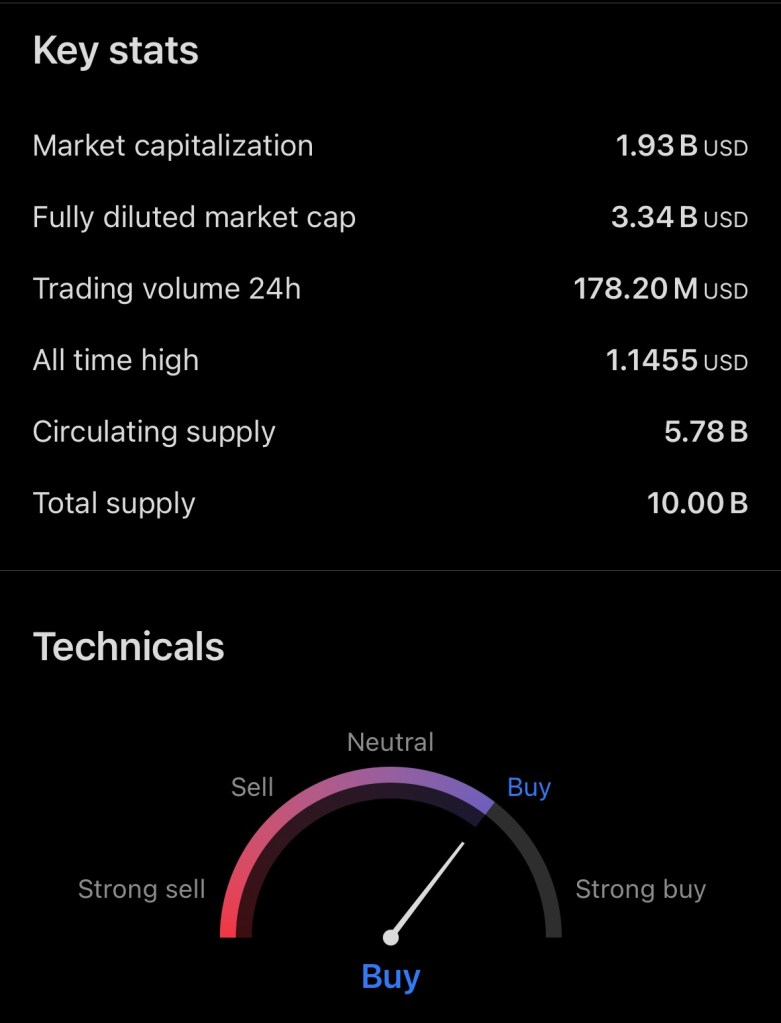
May 13, 2025 — Hedera Hashgraph ($HBAR), the native cryptocurrency of the Hedera network, is drawing renewed attention as it experiences a resurgence in price and market confidence. As of today, HBAR is trading at $0.2098, down slightly by 1.88% over the last 24 hours. This comes after a strong performance earlier in the week, where the token climbed over 24%, breaking the psychological barrier of $0.20 and signaling potential bullish momentum.

Current Market Snapshot

  • Price: $0.2098
  • 24H Change: -1.88%
  • Day High / Low: $0.2266 / $0.2015
  • Market Sentiment: Cautiously optimistic

HBAR has been trading within a broad range but recently found support near the $0.20 level, which analysts say could serve as a foundation for further gains—assuming favorable market conditions persist.

Bullish Outlook & Price Predictions
Several crypto analysts and financial platforms forecast a promising future for HBAR in the ongoing bull cycle. According to analysts at Crypto News and Bankless Times, Hedera could surge toward $1, particularly if it breaks key resistance levels near $0.30 and $0.58—the latter being its all-time high.

One analyst noted: “If the current upward momentum sustains, and with growing enterprise adoption—including partnerships with tech giants like Google and IBM—HBAR could challenge the $1 mark by late 2025.” (Crypto News, 2025)

Others remain more conservative, citing continued challenges in breaking out of the long-term descending channel as a key risk. Technical indicators such as the Relative Strength Index (RSI) and Chaikin Money Flow show strong market inflows, but overbought conditions may spark a short-term pullback.

Fundamentals Supporting Growth
Several factors bolster HBAR’s long-term appeal:

  • Enterprise Integrations: Use by Fortune 500 companies.
  • Sustainability: Hedera’s consensus mechanism is significantly energy-efficient compared to traditional blockchains.
  • Tokenization and DeFi Growth: Hedera’s total value locked (TVL) in stablecoins has recently surged to $130 million, up from just $37 million at the start of the year (Crypto News, 2025).

Hedera’s price trajectory appears increasingly bullish, but market watchers remain wary of resistance zones and macroeconomic headwinds. Whether HBAR reaches $1 this year depends largely on continued investor sentiment, enterprise adoption, and overall crypto market dynamics.

Disclaimer: The author holds a position in HBAR Hedera Hashgraph and this article should not be considered financial advice. Always conduct your own research before making any investment decisions.

References

BeInCrypto. (2025, May 12). Hedera HBAR price secures $0.20 support as funding rate hits 5-month high. https://beincrypto.com/hedera-hbar-price-secures-support-funding-rate-rises/

Bankless Times. (2025, January 29). Top 3 reasons the Hedera HBAR price may surge to $2.50 in 2025. https://www.banklesstimes.com/articles/2025/01/29/top-3-reasons-the-hedera-hbar-price-may-surge-to-2-50-in-2025/

CCN. (2025, May). Hedera HBAR price prediction. https://www.ccn.com/analysis/crypto/hedera-hbar-price-prediction/

CoinMarketCap. (2025, May). HBAR price forecast by Cheeky Crypto. https://coinmarketcap.com/academy/article/9b874a2f-5038-49e0-aee8-a75b150d6b99

Crypto News. (2025, May). HBAR price prediction: Can Hedera hit $1 in this bull market? https://crypto.news/hbar-price-prediction-can-hedera-hit-in-this-bull-market/

Crypto News. (2025, May). HBAR stablecoin market cap surges. https://crypto.news/hbar-crypto-price-prediction-as-hedera-stablecoin-market-cap-surges/

The Crypto Basic. (2025, January 20). Hedera price prediction: Analysts forecast $5 HBAR by 2025. https://thecryptobasic.com/2025/01/20/hedera-price-prediction-analysts-forecast-5-hbar-by-2025/

How Smart Tech is Redefining Insurance Practices

As climate risks intensify and sustainability becomes a central concern across industries, technology is playing a crucial role in promoting sustainable living—and it’s transforming the insurance landscape along the way. From smart home devices to renewable energy systems and eco-friendly vehicles, technological innovations are not only reducing environmental impact but also reshaping how insurers assess risk, price policies, and engage with customers.

Smart Technology and Risk Reduction

Smart home devices like water leak detectors, fire sensors, and energy-efficient thermostats do more than cut down utility bills—they reduce the frequency and severity of claims. Insurance providers are increasingly offering discounts to homeowners who install these technologies, recognizing their value in loss prevention.

Additionally, insurers are leveraging IoT data to develop more accurate underwriting models. A home equipped with real-time monitoring systems provides actionable data that allows insurers to assess property risk more precisely, tailor coverage, and even proactively alert customers to potential hazards.

Green Energy and Policy Innovation

The rapid adoption of solar panels, electric vehicles (EVs), and battery storage systems has introduced new underwriting considerations—and opportunities. For instance, solar panels may increase property values but also require specialized coverage due to unique fire or weather-related risks.

Auto insurers are also adapting to the growing EV market. As electric cars become more common, insurers are developing products that account for different repair costs, battery performance, and usage patterns. Furthermore, many companies are offering incentives for insuring low-emission vehicles, aligning with sustainability goals.

Sustainable Infrastructure and Catastrophe Modeling

Climate-related catastrophes like floods, wildfires, and hurricanes are becoming more frequent and severe. Technological advances in predictive analytics and climate modeling are helping insurers better understand and anticipate these events. By incorporating data from smart city infrastructure and satellite imagery, insurers can improve catastrophe risk assessments, inform policy pricing, and enhance resilience strategies.

Sustainable construction methods and materials—such as energy-efficient roofing and fire-resistant siding—are also being factored into underwriting decisions. Insurers are starting to reward property owners who invest in these technologies with favorable rates or coverage options.

Waste Reduction and Digital Transformation

Paperless policies, digital claims processing, and virtual inspections are part of a broader move toward sustainability within the insurance industry itself. These practices not only reduce environmental impact but also streamline operations and improve customer experience.

Furthermore, insurers are exploring the role of blockchain in verifying sustainable practices and green certifications, especially in commercial property and corporate liability insurance.

Positioning for the Future

As technology continues to drive sustainable living, insurers must adapt to both the risks and opportunities it presents. Forward-thinking companies are:

  • Partnering with tech providers and clean energy companies
  • Developing products that reward eco-conscious behavior
  • Investing in analytics to model emerging environmental and technological risks
  • Educating clients on how sustainable living choices can reduce premiums and prevent losses

Sustainability is no longer a side initiative—it’s central to risk management in the 21st century. By embracing technology and promoting sustainable practices, the insurance industry can not only protect its bottom line but also play a key role in building a more resilient and environmentally responsible future.

Beginner’s Guide to Stock Market Investing

Investing in the stock market has long been a cornerstone of personal finance and wealth building. Yet, for many beginners, the world of stocks can seem intimidating and complex. Understanding the fundamentals of how the stock market works is the first step toward making informed, confident investment decisions.

What Is the Stock Market?
The stock market is a platform where investors buy and sell shares of publicly traded companies. These shares represent ownership in a company, and their prices fluctuate based on factors such as company performance, industry trends, and broader economic indicators.

Major stock exchanges, such as the New York Stock Exchange (NYSE) and the Nasdaq, serve as centralized marketplaces where these transactions occur. Investors can participate through brokerage firms or online trading platforms, many of which now offer user-friendly apps and educational tools for beginners.

Why Do People Invest in Stocks?
Stocks are a popular investment vehicle because they offer the potential for significant long-term returns. When you invest in a stock, you’re essentially betting on a company’s future success. If the company grows and becomes more profitable, the value of its shares typically increases, allowing investors to sell at a profit. Additionally, some stocks pay dividends—regular cash payments to shareholders—which can be a source of passive income.

Key Concepts for Beginners
To navigate the stock market successfully, new investors should become familiar with several essential concepts:

  • Diversification: This strategy involves spreading your investments across different sectors or asset classes to reduce risk. Rather than putting all your money into a single stock, a diversified portfolio can help weather market volatility.
  • Risk and Return: All investments carry some degree of risk. Generally, higher potential returns come with higher risk. Understanding your risk tolerance is crucial in shaping your investment strategy.
  • Time Horizon: The length of time you plan to hold an investment affects your strategy. Long-term investors often ride out short-term market fluctuations in pursuit of steady growth over years or decades.
  • Market Orders vs. Limit Orders: A market order buys or sells a stock immediately at the best available price, while a limit order sets a specific price at which you’re willing to buy or sell. Understanding these order types helps manage how you enter or exit investments.

Getting Started
Starting with investing doesn’t require large sums of money. Many platforms allow users to begin with as little as $10, and some offer fractional shares, letting you invest in expensive stocks like Amazon or Tesla with a small budget.

Experts recommend starting with index funds or exchange-traded funds (ETFs) for beginners. These funds track a market index, such as the S&P 500, and offer built-in diversification.

Stock market investing can be a powerful tool for building long-term wealth. While there are risks involved, gaining a solid understanding of the basics, maintaining realistic expectations, and staying informed can help investors make wise decisions. As with any financial decision, it’s also wise to consult a financial advisor to tailor a strategy that fits your personal goals and situation.

Whether you’re saving for retirement, a home, or future education expenses, learning how to invest smartly in the stock market is a valuable skill that pays dividends over time.

Retirement Planning: Starting Early vs. Starting Late – The Financial Fork in the Road

As Americans continue to grapple with economic uncertainty, rising living costs, and increasing life expectancy, the importance of retirement planning has never been more pressing. One of the biggest debates among financial experts and everyday workers alike is this: Is it better to start saving early, or can a late start still lead to a secure retirement?

The Power of Starting Early
Financial advisors almost universally agree—when it comes to retirement, time is your greatest asset. Starting in your 20s or early 30s allows compound interest to work its magic.

Take, for example, a 25-year-old who invests $300 a month in a retirement account with an average annual return of 7%. By the time they turn 65, they could accumulate nearly $725,000. On the other hand, someone who begins investing the same amount at age 40 would end up with just over $225,000 at retirement.

“Starting early doesn’t just mean you’ll have more saved—it also means you can afford to take less risk, contribute less monthly, and still enjoy financial freedom later,” says Michelle Harris, a certified financial planner in Chicago.

Early starters also have the advantage of weathering market volatility. They have decades to recover from downturns, allowing for a more aggressive, growth-oriented investment approach early on.

The Challenges—and Hope—of Starting Late
Still, not everyone has the means or knowledge to begin saving in their 20s. Life events such as student debt, low-paying jobs, or unexpected medical expenses can push retirement planning to the back burner.

“If you’re starting in your 40s or even 50s, the hill is steeper, but it’s not insurmountable,” says Tony Kim, a retirement strategist based in San Diego. “The key is discipline, increased contributions, and possibly working a bit longer.”

Late starters are often advised to max out retirement accounts like 401(k)s and IRAs, take advantage of catch-up contributions (available to those 50 and older), and consider delaying Social Security benefits to increase monthly payouts.

Financial experts also emphasize the importance of budgeting, eliminating debt, and making intentional lifestyle choices to accelerate savings.

A Matter of Mindset
Whether you start at 25 or 55, the most important step is simply to start. Procrastination is often the biggest enemy of retirement planning.

“Too many people think they have time or that it’s too late,” says Harris. “Both beliefs are harmful. The sooner you face your financial future, the better your options will be.”


Retirement planning is not a one-size-fits-all journey. Starting early gives investors more flexibility and freedom, but starting late doesn’t mean the game is over. With the right strategy, discipline, and mindset, it’s possible to secure a comfortable retirement at any age.

About the Author:

David Dandaneau is a insurance agent that covers the insurance and financial services industry. He is known for his insightful analysis and comprehensive coverage of market trends and regulatory developments.

Captive Agents vs Brokers: Which is Right for You?

Choosing the right auto insurance is more than just comparing prices — it’s also about choosing the right person to help you. When shopping for coverage, you’ll often hear two terms: insurance broker and captive agent. Understanding the difference can help you save money, find the right coverage, and enjoy better service.

What’s the Difference?

A captive agent works for one insurance company. Think of them as specialists. They know their company’s products inside and out and can offer tailored advice based on what their company offers. State Farm, Allstate, GEICO and Farmers Insurance are examples of companies that typically use captive agents.

An insurance broker, on the other hand, works independently and represents multiple companies. They shop around for you, comparing quotes from a range of insurers to find the best match for your needs and budget.

When Should You Use a Captive Agent?

  • Captive agents are a great choice if:
  • You value a personal relationship and consistent service.
  • You already like a specific insurance brand and want all your policies under one roof (auto, home, life, etc.).
  • You have complex needs that require detailed attention — for example, if you have several vehicles, need commercial auto insurance, or want policy customization.
  • You’re looking for ongoing advice about your insurance as your life changes.

“Captive agents often provide a higher level of personal service because they’re deeply tied to one company,” says David Turner, a State Farm agent in Austin, Texas. “It allows us to advocate for our clients directly within the system.”

When Should You Use a Broker?

Brokers are ideal if:

  • Price shopping is your top priority.
  • You have unique circumstances that make finding coverage more difficult — like a recent accident history, a sports car, or a high-risk profile.
  • You’re not loyal to any one brand and just want the best deal or most flexible options.
  • You want to explore specialized insurers that don’t sell directly to the public.

“Brokers have access to a wide range of policies, which can be incredibly helpful if you have a tricky driving record or specific coverage needs,” says Maria Lopez, an independent insurance broker based in Chicago.

Bottom Line

There’s no one-size-fits-all answer. If you prefer personalized service and brand loyalty, a captive agent may be your best bet. If you want lots of options and a competitive quote, a broker could be the way to go.

Whichever path you choose, the most important step is talking to a professional who listens to your needs — and makes sure you’re properly protected when you hit the road.

About the Author:

David Dandaneau is a insurance agent that covers the insurance and financial services industry. He is known for his insightful analysis and comprehensive coverage of market trends and regulatory developments.