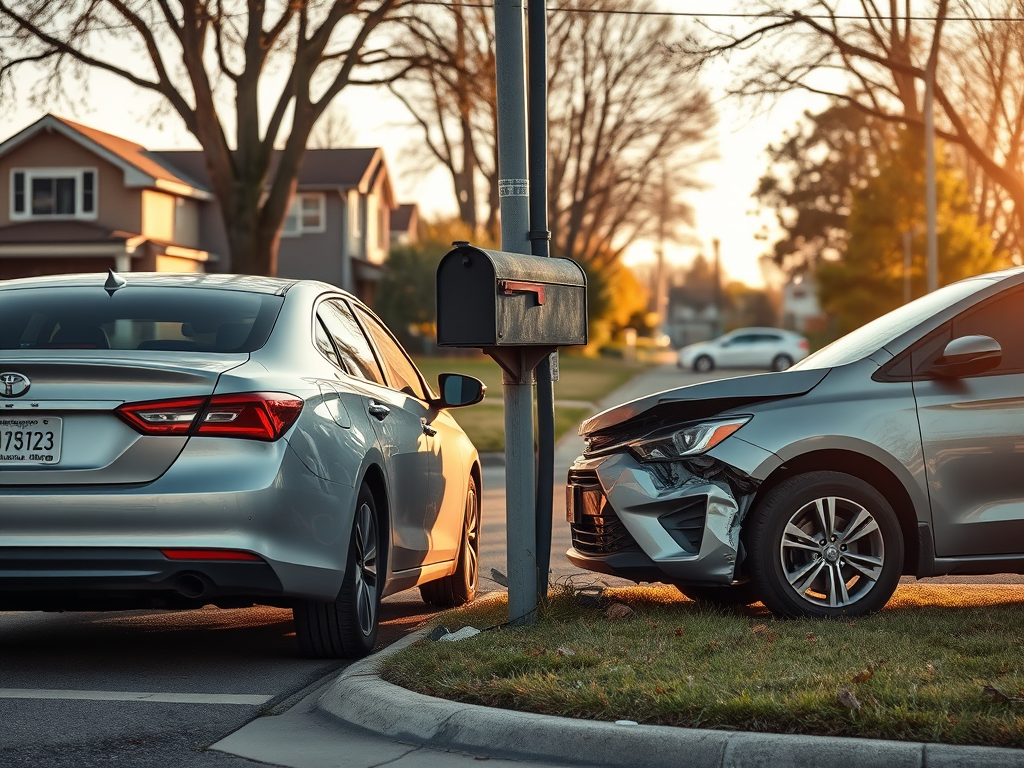
Why FR-44 and FS-1 Are Essential After Driving Violations

When securing an automobile insurance policy after certain driving-related incidents, some drivers are surprised to learn that a standard proof of insurance card is not always enough. In specific situations, state regulators require additional filings—most commonly an FR-44 or FS-1—to verify financial responsibility and ensure ongoing compliance with state insurance laws. Understanding what these forms are and why they matter can help drivers avoid lapses in coverage, license suspensions, or further legal complications.


Why States Require FR-44 and FS-1 Filings

Both FR-44 and FS-1 filings are tools used by Departments of Motor Vehicles (DMVs) to confirm that a driver carries the required insurance coverage following a serious violation or a lapse in compliance. These filings are not insurance policies themselves; rather, they are certifications submitted by an insurance carrier on behalf of the driver.

States use these filings to:

  • Monitor high-risk drivers
  • Enforce higher liability requirements where applicable
  • Ensure continuous coverage for a mandated period
  • Protect the public from uninsured or underinsured motorists

What Is an FR-44?

An FR-44 is a certificate of financial responsibility required after serious driving offenses, most commonly DUI or DWI convictions. It is required in certain states, such as Florida and Virginia, and mandates higher liability limits than a standard auto policy.

What an FR-44 Does for You

  • Confirms to the state that higher-than-minimum liability coverage is in force
  • Allows reinstatement or maintenance of driving privileges after a serious offense
  • Keeps the driver legally compliant during the state-mandated filing period
  • Helps avoid additional penalties, such as license suspension or fines, due to noncompliance

Key Characteristics

  • Requires increased bodily injury and property damage limits
  • Must be maintained continuously, often for several years
  • Any lapse in coverage is reported directly to the state

What Is an FS-1?

An FS-1 is a form used in some states to provide proof that a driver had valid insurance coverage at a specific point in time. It is often requested after an accident, citation, or administrative review when coverage is in question.

What an FS-1 Does for You

  • Verifies past or current insurance coverage to the state
  • Helps prevent penalties tied to alleged uninsured driving
  • Supports license or registration reinstatement
  • Resolves disputes related to insurance verification

Key Characteristics

  • Confirms insurance status for a defined date or period
  • Typically submitted directly by the insurance company
  • Often used to close compliance gaps or administrative holds

FR-44 vs. FS-1: At a Glance

FeatureFR-44FS-1
Primary PurposeHigh-risk financial responsibilityProof of insurance verification
Common TriggerDUI/DWI or serious offenseAccident, citation, or insurance lapse inquiry
Coverage RequirementHigher-than-state-minimum limitsConfirms existing or past coverage
DurationMulti-year requirementPoint-in-time or short-term verification
Filed ByInsurance carrierInsurance carrier

Why This Matters When Securing a Policy

Drivers who require an FR-44 or FS-1 cannot rely on a basic policy purchase alone. The policy must be written correctly, meet state-specific requirements, and include the proper filing. Failure to do so can delay reinstatement, increase costs, or result in additional legal consequences.

Working with an insurance professional familiar with state filings can help ensure:

  • Accurate policy structure from the start
  • Timely submission of required forms
  • Ongoing compliance throughout the filing period

Final Thought

FR-44 and FS-1 filings serve a critical role in the insurance and regulatory process. While they often follow stressful driving events, understanding what they are and how they function can make the path back to compliant, legal driving clearer and more manageable. Being properly informed—and properly insured—helps protect both the driver and everyone else on the road.

About the Author:

David Dandaneau is a client relations analyst that covers the insurance and financial services industry. He is known for his insightful analysis and comprehensive coverage of market trends and regulatory developments.

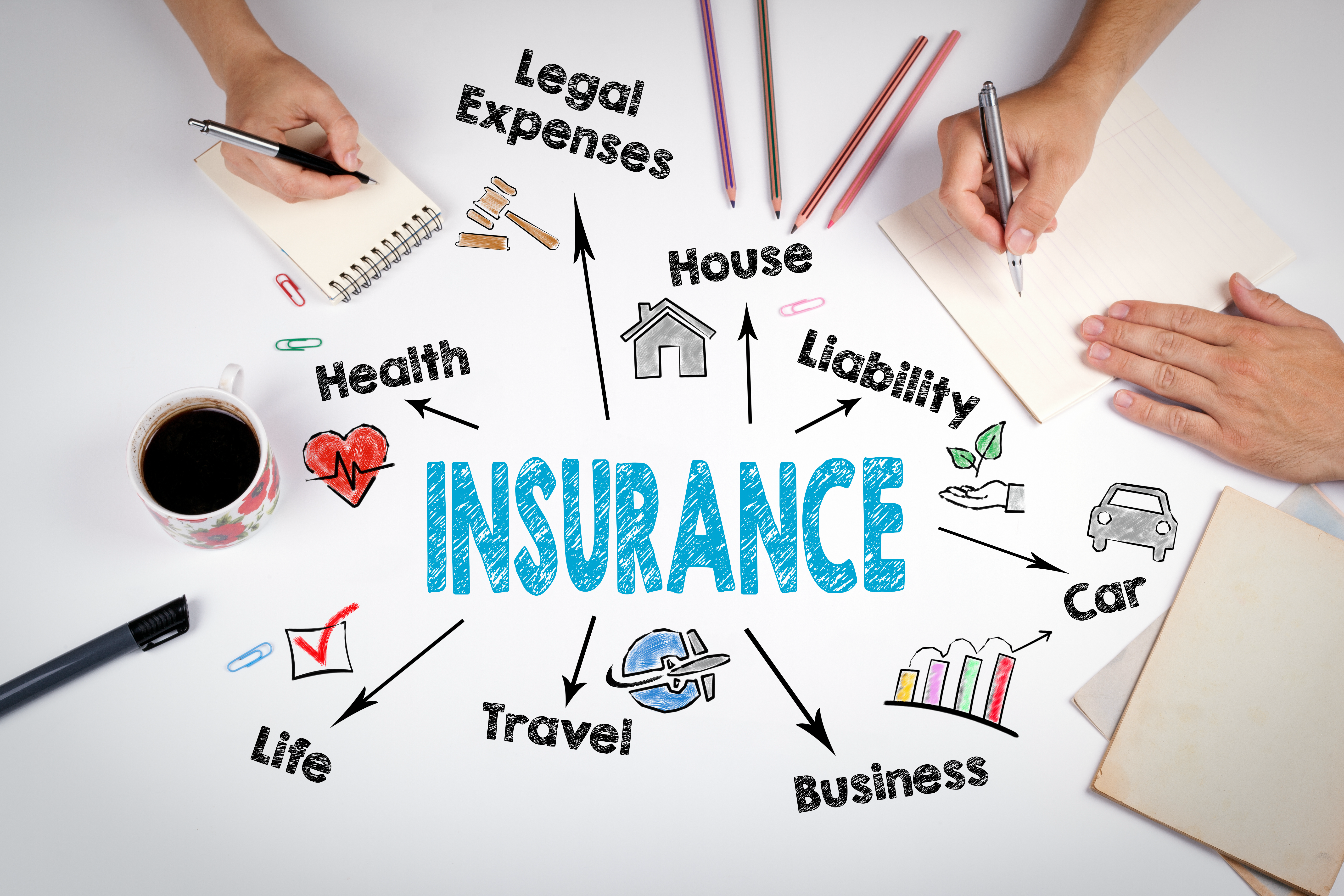
SR-22 Explained: Filing, Costs, and Requirements

When it comes to staying insured and legally compliant on the road, few documents create more confusion than the SR-22. Contrary to popular belief, an SR-22 is not an insurance policy—it’s a certificate of financial responsibility filed with your state to prove you carry the minimum required auto insurance. For drivers who have encountered serious traffic violations or insurance lapses, filing an SR-22 can be critical to regaining or maintaining driving privileges.

Why You Might Need an SR-22

States typically require an SR-22 after certain high-risk incidents, including:

  • Driving without insurance
    If you’re caught driving uninsured—even once—many states will require an SR-22 to verify you remain insured moving forward.
  • DUI or DWI convictions
    One of the most common triggers. After a DUI/DWI, drivers must often carry an SR-22 for several years.
  • Multiple traffic violations or at-fault accidents
    Repeat offenders or drivers involved in severe collisions may be labeled “high-risk,” prompting the SR-22 requirement.
  • License suspension or revocation
    To reinstate your driver’s license, an SR-22 filing may be mandatory.
  • Serious moving violations
    Excessive speeding, reckless driving, or hit-and-run incidents sometimes lead to SR-22 mandates depending on the state.

How Long You Must Carry an SR-22

Most states require drivers to maintain an SR-22 for 3 years, though this varies by location and offense. If coverage lapses at any point, your insurance company must notify the state—likely resetting the clock on your compliance period.

What an SR-22 Costs

The SR-22 filing fee itself is typically small—around $15–$50.
However, insurance premiums can increase based on your driving record. Working with a knowledgeable insurance agent can help reduce the financial impact by exploring policy options tailored to high-risk drivers.

The Filing Process: Getting Professional Help

The SR-22 must be filed by a licensed insurance provider on your behalf. Here’s how professionals typically assist:

  • Assess Your Situation
    An insurance professional reviews your state’s requirements and the circumstances behind your SR-22 need.
  • Secure an Eligible Policy
    Not all insurers offer SR-22 filings. Agents specializing in high-risk auto insurance can pair you with a policy that meets your state’s minimums.
  • File the SR-22 Electronically
    Most filings are sent directly to the state within 24–48 hours, speeding up reinstatement timelines.
  • Provide Guidance and Follow-Up
    Agents can help you avoid lapses, set up reminders, and secure better rates once your SR-22 period ends.

Suggestions for Drivers Facing an SR-22 Requirement

  • Act quickly to prevent extended license suspensions.
  • Compare quotes—prices vary dramatically among providers.
  • Avoid coverage lapses at all costs.
  • Consider defensive driving courses to improve your record over time.
  • Stay insured continuously to begin rebuilding your driving profile.

Referrals and When to Seek Professional Help

If you’re unsure whether you need an SR-22 or how to file one, your best first step is connecting with:

  • A licensed auto insurance agent specializing in SR-22 filings
  • A traffic attorney if your requirement stems from a DUI, reckless driving, or a serious violation
  • Your state’s Department of Motor Vehicles (DMV) for official reinstatement guidelines

These professionals can clarify requirements, ensure proper filing, and help you move forward with confidence.

About the Author:

David Dandaneau is a client relations analyst that covers the insurance and financial services industry. He is known for his insightful analysis and comprehensive coverage of market trends and regulatory developments.

Why We Always Find Ourselves Waiting: The Hidden Cost of Life’s Slowdowns

Waiting might be one of the few universal human experiences that transcends age, background, income, geography, and even personality. Whether we’re stuck in a doctor’s office long past our appointment time, refreshing a stock chart hoping for a green candle, or watching an insurance claim crawl its way through the system, waiting is a constant companion. And while it can be frustrating, it also reveals a lot about how modern life actually works.

The Doctor Will Be With You… Eventually

Anyone who has ever dealt with healthcare knows that time moves differently in a medical office. You check in early, only to wait 20 minutes to be called, 10 more in the exam room, and maybe another week to get your test results.

Doctors aren’t slow because they want to be; they’re slow because they must be. Every patient brings unpredictability. A quick check-up can instantly turn into a crisis, care requires paperwork, and healthcare systems are overloaded. But as patients, it doesn’t feel like logistics—it feels like we’re just waiting… and waiting.

Many people walk out feeling like they spent more time sitting than being seen. And that’s because they have.

Waiting on the Markets: The Slow Burn of Investing

If there’s any arena that tests patience like a doctor’s office, it’s the stock market. You can research the perfect company, run the numbers, time your entry… and still spend weeks or months waiting for the payoff.

Stocks rarely move on our schedule. Bull markets take time to build, bear markets linger longer than anyone likes, and sideways trading can feel like a cosmic joke designed to test your discipline. You watch your screen, refresh your app, maybe check the news again—just in case something changed in the last 45 seconds.

But over the long run, waiting is the strategy. The real returns historically come not from timing the market, but time in the market. Yet even knowing that, we still find ourselves impatient, hoping our future arrives faster.

Insurance: The Art of Hurry Up and Wait

Insurance is another world where waiting feels baked into the design. You file a claim and expect progress. Instead, you’re asked for more documentation, another photo, a follow-up call, a review, an inspection… and then another review.

Insurance companies aren’t trying to delay—they’re trying to verify. Risk assessment requires accuracy, and accuracy takes time. But when it’s your car, your home, your medical bill, or your livelihood on the line, the process can feel like a slow-motion movie you can’t fast-forward.

Ironically, we pay for insurance to create peace of mind, but the waiting period is often when we feel the least at peace.

Everyday Waiting: The Silent Theme of Modern Life

Outside those big moments, waiting quietly follows us everywhere:

  • Waiting for a package that says “Out for delivery” for eight hours
  • Waiting for traffic to move
  • Waiting for approval, promotion, or a simple call-back
  • Waiting for the next phase of life—marriage, career change, retirement
  • Waiting for things to “finally calm down” (which never seems to happen)

Humans weren’t built to sit in uncertainty. Psychologically, waiting triggers the same stress response as danger. Our brains want clarity and control—two things waiting rarely provides.

The Hidden Reason We Wait: Progress Takes Time

Whether it’s the doctor, the market, insurance, or our daily errands, waiting is ultimately a byproduct of systems in motion. Progress doesn’t happen in a straight line or on a schedule we set.

In many ways, waiting is proof that something is happening:

  • The doctor is giving someone else the attention you’ll soon get
  • The stock market is adjusting, recalibrating, and preparing for the next move
  • The insurance company is verifying everything you need to protect your future
  • Life is unfolding in real time—not rushed, not delayed, simply moving at its own pace

We wait because the world is constantly working behind the scenes, even when we can’t see it.

Turning Waiting Into Something Useful

While we can’t eliminate waiting, we can change what it means to us. Waiting offers a rare chance to pause—a moment to reflect, reset, or simply breathe. It forces us to surrender a little control and trust the process, uncomfortable as that may be.

Because when the moment finally comes—whether it’s the doctor walking in, your stock finally breaking out, or the insurance claim resolving—waiting reminds us that good things often take time.

And maybe, just maybe, learning to wait is one of the most valuable skills we’ll ever develop.

Why Headlight Maintenance Could Save Your Life: The Hidden Dangers of Night Driving

As daylight fades and drivers take to the roads after sunset, the risks rise dramatically. According to the National Safety Council, the fatal crash rate at night is about three times higher than during the day. Despite making up only a small portion of total driving time, nighttime driving accounts for nearly 50% of all traffic deaths in the United States each year.

Experts point to one primary reason: reduced visibility. Even with streetlights and modern vehicle technology, the human eye struggles in low-light conditions. But what many drivers don’t realize is how much their own vehicle’s headlights can contribute to the danger.

Over time, headlight lenses become cloudy or yellowed from oxidation, cutting light output by as much as 50%. Bulbs can also dim gradually, often without the driver noticing, and misaligned headlights may shine too low or too high, limiting visibility or blinding oncoming traffic.

“Headlights are your first line of defense at night,” says a local automotive safety technician. “Keeping them clean, bright, and properly aimed can make the difference between spotting a hazard in time or not at all.”

Regular maintenance—such as cleaning lenses, checking bulb brightness, and ensuring correct alignment—can dramatically improve safety. Replacing bulbs in pairs and restoring headlight covers can also restore lost visibility and reduce glare for others.

Drivers should also be mindful of when they’re on the road. Statistics show that the hours after midnight are the most dangerous, as fatigue, alcohol impairment, and reduced alertness peak. For the safest travel, experts recommend getting home before midnight whenever possible.

In short, maintaining your headlights isn’t just about looks—it’s about safety. As nights grow longer, take a few minutes to check your car’s lights. It could be one of the simplest ways to protect yourself and everyone else on the road.

About the Author:

David Dandaneau is a client relations analyst that covers the insurance and financial services industry. He is known for his insightful analysis and comprehensive coverage of market trends and regulatory developments.

FS-1 Form Explained: Your DMV Insurance Checklist

When renewing your registration or handling certain vehicle-related matters at the Department of Motor Vehicles (DMV), you may be asked to provide an FS-1. For many drivers, the request sparks confusion—but the form is a crucial part of verifying compliance with state insurance laws.

What Is an FS-1?
An FS-1, sometimes called a “Certificate of Insurance,” is an official document issued by your auto insurance company. It confirms that you currently carry liability insurance that meets or exceeds the minimum coverage required by your state. Unlike a regular insurance ID card, the FS-1 is not something you automatically receive when you buy a policy; it’s generated only when the DMV requests it.

Why the DMV Requests an FS-1
The DMV may request an FS-1 for several reasons, including:

  • Registration Renewals: To confirm your vehicle has active coverage before issuing new tags.
  • New Vehicle Registration: When adding a car to the road for the first time, proof of proper insurance is mandatory.
  • Insurance Verification Programs: States often run audits to catch lapsed or fraudulent insurance, and an FS-1 is one way to confirm coverage directly from your insurer.
  • After Accidents or Violations: If you’ve been cited for driving uninsured or been involved in a crash, the DMV may require the FS-1 to prove you now carry valid insurance.

What the FS-1 Does
The FS-1 serves as an official communication between your insurance company and the DMV. Unlike simply showing your insurance card, the FS-1 provides legal assurance that your coverage is valid, active, and issued by a licensed carrier. It protects the state—and other drivers on the road—by helping ensure that every registered vehicle is financially responsible in case of an accident.

The Bottom Line
If the DMV asks you for an FS-1, don’t panic. It doesn’t necessarily mean you’re in trouble—it simply means they need official verification of your insurance. Contact your insurance agent or company right away, and they can file the FS-1 directly with the DMV on your behalf.

About the Author:

David Dandaneau is a client relations analyst that covers the insurance and financial services industry. He is known for his insightful analysis and comprehensive coverage of market trends and regulatory developments.

Why You Need Coverage for Your Recreational Vehicles

When it comes to motorcycles, boats, golf carts, and ATVs, most people think about the thrill of the ride, the open water, or a sunny day on the course-not the financial risks. But accidents, theft, and unexpected liabilities don’t take a holiday, and that’s why insurance for your recreational “toys” is worth serious consideration.

Required vs. Optional Coverage

The first step in understanding toy insurance is knowing what’s required by law and what’s optional.

  • Motorcycles: Like cars, most states require liability insurance if you’re taking your motorcycle on public roads. This covers injury or damage you may cause to others, but not your own bike. Collision and comprehensive coverage—protecting your motorcycle against accidents, theft, or weather damage are optional but highly recommended.
  • Boats: While boat insurance isn’t federally mandated, some states and marinas require proof of coverage. Even if it’s not required, carrying liability and property protection can shield you from costly repairs or lawsuits if an accident occurs on the water.
  • ATVs & Dirt Bikes: If you’re riding on private land, insurance is usually optional. However, many state parks, trails, and off-road areas require proof of coverage to operate. Considering the high rate of ATV accidents and theft, insuring your four-wheeler is a smart move.
  • Golf Carts: Most neighborhoods and golf courses don’t require golf cart insurance, but if you’re using the cart on public roads-or even just around your community-liability coverage can protect you if an accident happens. Some homeowners’ policies provide limited coverage, but standalone golf cart insurance can fill the gaps.

Why You Should Insure Even When It’s Optional

Just because coverage isn’t required doesn’t mean it isn’t essential. Repair costs, medical bills, or liability lawsuits can quickly outweigh the value of your toy itself. Theft is another growing concern-ATVs, motorcycles, and even boats are among the most commonly stolen recreational vehicles.

Insurance not only protects your investment but also your financial stability. For many, the peace of mind of knowing that a fun weekend won’t turn into a financial nightmare is worth the modest premium.

A Smarter Way to Protect Your Fun

Your recreational vehicles are more than just “toys”-they’re part of your lifestyle. Adding the right insurance ensures that your good times don’t come with unnecessary risks. Before the next ride, round of golf, or day on the water, check your coverage and make sure your adventures are backed by protection as strong as your passion.

About the Author:

David Dandaneau is a client relations analyst that covers the insurance and financial services industry. He is known for his insightful analysis and comprehensive coverage of market trends and regulatory developments.
Permissive Use of a Vehicle: What It Means and Why You Should Understand It

When you hand over your car keys to a friend or family member, you might not think twice. But in the world of auto insurance, that moment is about more than just trust-it’s about something called permissive use.

What Is Permissive Use?

Permissive use simply means you’ve allowed someone else to drive your vehicle with your permission. That permission can be:

  • Express – You clearly told them they could drive your car.
  • Implied – It’s understood based on your relationship or past behavior (e.g., your spouse or roommate regularly uses your car without asking each time).

In most standard auto insurance policies, permissive users are covered under the vehicle owner’s liability coverage. That means if the driver gets into an accident while using your car with your consent, your policy can help pay for damages or injuries to others.


Why Understanding Permissive Use Matters

  1. You Could Be Financially Responsible
    Even if you weren’t behind the wheel, your insurance may still be the first to pay if a permissive user causes an accident. If damages exceed your policy limits, you could be responsible for the difference.
  2. Coverage Isn’t Always Unlimited
    Some insurance companies provide reduced coverage limits for permissive drivers-especially if they’re not listed on your policy. Others might exclude certain drivers altogether.
  3. Not All Situations Are Covered
    If the person using your car is engaging in excluded activities-like delivering food for a rideshare app, racing, or using the vehicle without permission—your insurance might not apply.
  4. Claims Can Affect Your Record
    An accident caused by a permissive user can still appear on your insurance history and may impact your premiums.

How to Protect Yourself When Sharing Your Vehicle

  • Know Your Policy – Check your policy documents or talk to your agent to understand how your insurer handles permissive use.
  • Be Selective – Only allow responsible, licensed drivers to use your vehicle.
  • Clarify Restrictions – If you don’t want someone driving for certain purposes (like work deliveries), make that clear.
  • List Regular Drivers – If someone uses your car often, consider adding them to your policy to avoid coverage gaps.

Key Takeaway for Drivers

Permissive use may feel like a small favor, but it carries big insurance implications. By knowing the rules, choosing drivers wisely, and keeping your policy updated, you can avoid unpleasant surprises and keep both your car and your finances protected.

About the Author:

David Dandaneau is a client relations analyst that covers the insurance and financial services industry. He is known for his insightful analysis and comprehensive coverage of market trends and regulatory developments.
How Bundling Home and Auto Insurance Saves You Money

In today’s economy, every dollar saved counts — and when it comes to insurance, combining your policies could be one of the easiest ways to keep more money in your pocket.

Many Americans carry multiple insurance policies — auto, home, renters, sometimes even umbrella coverage — but fewer realize that bundling these policies with the same provider can unlock significant discounts. According to industry studies, customers who bundle their car and home insurance can often save anywhere from 5% to 25% on their total premium.

Why do insurance companies offer bundling discounts?
Insurance providers like it when customers keep multiple policies under one roof. Bundled customers are more likely to stick around long-term, which reduces the company’s costs to acquire and retain new business. Insurers pass some of those savings on to customers as an incentive to bundle.

How much can you really save?
The exact amount varies by state, provider, and individual circumstances. For example, homeowners generally see larger discounts than renters, and those with good credit and safe driving records may qualify for the biggest savings. In some cases, discounts can total hundreds of dollars a year — money that can be redirected toward other household expenses or savings.

Other perks beyond the discount
Bundling often makes life simpler, too. Instead of juggling different renewal dates, agents, and billing statements, you can manage your policies through one account. Some companies even offer a single deductible option for claims involving both home and auto — for example, if a storm damages your garage and your car at the same time.

A real-life savings story
I saw the benefits firsthand when I decided to bundle my own home and auto insurance. Before bundling, I was paying separate premiums with two different companies and never really thought much about it. After one quick conversation, I switched both policies to the same provider and ended up saving nearly $4500 a year. Not only did it cut my costs, but it made managing my insurance so much easier — one company, one bill, one renewal date.

Smart coverage, smart savings
Insurance might not be the most exciting thing on your to-do list, but spending a few minutes reviewing your policies could pay off. Ask your insurance agent about bundling options, compare quotes, and see if consolidating your coverage could drive down your costs — without compromising the protection you and your family need.

About the Author:

David Dandaneau is a client relations analyst that covers the insurance and financial services industry. He is known for his insightful analysis and comprehensive coverage of market trends and regulatory developments.
Essential Auto Insurance Coverages Explained

Auto insurance is a necessity for drivers across the U.S., not only because it’s legally required in most states, but also because it provides vital financial protection in the event of an accident. However, understanding the different parts of an auto insurance policy—and knowing which coverages are essential versus optional—can save drivers hundreds of dollars a year.

Here’s a breakdown of the key components of a typical auto insurance policy and expert insight into which ones you really need—and which you might consider skipping.

  1. Liability Coverage (Required)
    What it covers: Bodily injury and property damage you cause to others in an accident.
    Do you need it? Yes. This is the foundation of any auto policy and is required in nearly every state. Minimum limits vary, but experts recommend opting for higher coverage than the legal minimum to protect your assets in case of a serious accident.
  2. Collision Coverage (Optional, but often essential)
    What it covers: Repairs to your vehicle after a crash, regardless of who’s at fault.
    Do you need it? It depends. If your car is financed or leased, the lender will require it. If you own your car outright, consider the vehicle’s value. For newer or high-value cars, it’s worth it. But for older vehicles, the premium may not justify the potential payout.
  3. Comprehensive Coverage (Optional)
    What it covers: Non-collision events like theft, vandalism, natural disasters, or hitting an animal.
    Do you need it? Probably. Comprehensive coverage is relatively inexpensive and offers peace of mind for unpredictable losses. Like collision, it may not be worth it for low-value vehicles.
  4. Uninsured/Underinsured Motorist Coverage (Highly Recommended)
    What it covers: Your injuries and property damage caused by a driver with insufficient or no insurance.
    Do you need it? Yes. With nearly 1 in 8 drivers uninsured in the U.S., this coverage can be a lifesaver—literally and financially.
  5. Personal Injury Protection (PIP) or Medical Payments (MedPay)
    What it covers: Medical expenses for you and your passengers, regardless of fault.
    Do you need it? Depends on your state and health coverage. PIP is mandatory in no-fault states. If you have good health insurance, you might skip this or opt for the minimum.
  6. Roadside Assistance & Rental Reimbursement (Optional)
    What they cover: Towing, lockouts, flat tires (roadside), and rental costs while your car is being repaired (rental reimbursement).
    Do you need them? Maybe. If your car is new and still under warranty, or you have AAA or another provider, you can skip these. Otherwise, they’re convenient and affordable add-ons.
  7. Gap Insurance (Optional but Critical for New Cars)
    What it covers: The difference between your car’s value and what you owe on it if it’s totaled.
    Do you need it? Yes—if you’re leasing or have a loan. Without gap insurance, you could owe thousands on a car you can’t drive.

How to Decide What to Keep or Cut
Evaluate your vehicle’s age, your financial situation, and how much risk you’re willing to take on personally. While saving money by dropping coverage can be tempting, going bare-bones can backfire if you’re ever in a serious accident.

“Think of insurance as a financial safety net,” says David Dandaneau, a licensed agent with Health to Wealth Ventures. “You don’t want to find out it’s full of holes when you need it most.”

Bottom Line: Not every auto insurance coverage is essential for every driver. Focus on meeting your state’s legal requirements, protecting your financial well-being, and balancing cost with coverage. A quick policy review with your insurance agent can help you trim the fat—without leaving you exposed.

About the Author:

David Dandaneau is a insurance agent that covers the insurance and financial services industry. He is known for his insightful analysis and comprehensive coverage of market trends and regulatory developments.

How Smart Tech is Redefining Insurance Practices

As climate risks intensify and sustainability becomes a central concern across industries, technology is playing a crucial role in promoting sustainable living—and it’s transforming the insurance landscape along the way. From smart home devices to renewable energy systems and eco-friendly vehicles, technological innovations are not only reducing environmental impact but also reshaping how insurers assess risk, price policies, and engage with customers.

Smart Technology and Risk Reduction

Smart home devices like water leak detectors, fire sensors, and energy-efficient thermostats do more than cut down utility bills—they reduce the frequency and severity of claims. Insurance providers are increasingly offering discounts to homeowners who install these technologies, recognizing their value in loss prevention.

Additionally, insurers are leveraging IoT data to develop more accurate underwriting models. A home equipped with real-time monitoring systems provides actionable data that allows insurers to assess property risk more precisely, tailor coverage, and even proactively alert customers to potential hazards.

Green Energy and Policy Innovation

The rapid adoption of solar panels, electric vehicles (EVs), and battery storage systems has introduced new underwriting considerations—and opportunities. For instance, solar panels may increase property values but also require specialized coverage due to unique fire or weather-related risks.

Auto insurers are also adapting to the growing EV market. As electric cars become more common, insurers are developing products that account for different repair costs, battery performance, and usage patterns. Furthermore, many companies are offering incentives for insuring low-emission vehicles, aligning with sustainability goals.

Sustainable Infrastructure and Catastrophe Modeling

Climate-related catastrophes like floods, wildfires, and hurricanes are becoming more frequent and severe. Technological advances in predictive analytics and climate modeling are helping insurers better understand and anticipate these events. By incorporating data from smart city infrastructure and satellite imagery, insurers can improve catastrophe risk assessments, inform policy pricing, and enhance resilience strategies.

Sustainable construction methods and materials—such as energy-efficient roofing and fire-resistant siding—are also being factored into underwriting decisions. Insurers are starting to reward property owners who invest in these technologies with favorable rates or coverage options.

Waste Reduction and Digital Transformation

Paperless policies, digital claims processing, and virtual inspections are part of a broader move toward sustainability within the insurance industry itself. These practices not only reduce environmental impact but also streamline operations and improve customer experience.

Furthermore, insurers are exploring the role of blockchain in verifying sustainable practices and green certifications, especially in commercial property and corporate liability insurance.

Positioning for the Future

As technology continues to drive sustainable living, insurers must adapt to both the risks and opportunities it presents. Forward-thinking companies are:

  • Partnering with tech providers and clean energy companies
  • Developing products that reward eco-conscious behavior
  • Investing in analytics to model emerging environmental and technological risks
  • Educating clients on how sustainable living choices can reduce premiums and prevent losses

Sustainability is no longer a side initiative—it’s central to risk management in the 21st century. By embracing technology and promoting sustainable practices, the insurance industry can not only protect its bottom line but also play a key role in building a more resilient and environmentally responsible future.