Understanding Short and Long-Term Disability Insurance

When considering insurance policies, most people think about health, auto, and homeowners’ coverage. However, one critical form of protection often overlooked is disability insurance. Whether due to an illness, injury, or unforeseen medical condition, being unable to work can significantly impact your financial stability. This is where short- and long-term disability insurance can provide a vital safety net.

Understanding Short-Term Disability Insurance

Short-term disability (STD) insurance is designed to provide income replacement for a limited period when an individual cannot work due to a temporary illness or injury. This type of policy typically covers a percentage of the insured’s salary—usually between 40% and 70%—for a period ranging from a few weeks to several months, depending on the policy.

Common conditions that may qualify for short-term disability include:

  • Recovery from surgery
  • Pregnancy and childbirth
  • Severe illness (e.g., pneumonia)
  • Injuries from accidents

The Benefits of Long-Term Disability Insurance

Long-term disability (LTD) insurance kicks in when short-term benefits expire. This coverage is crucial for individuals who face extended periods away from work due to severe medical conditions. LTD policies generally cover 50% to 70% of an individual’s income and can last for years—sometimes until retirement age, depending on the plan.

Typical conditions that may qualify for long-term disability benefits include:

  • Cancer treatments
  • Chronic diseases (e.g., multiple sclerosis, lupus)
  • Major injuries (e.g., spinal cord damage, paralysis)
  • Mental health conditions (e.g., severe depression, PTSD)

Why You Should Consider Disability Insurance

Financial Security – Without a steady paycheck, managing everyday expenses such as rent, mortgage, and medical bills can become overwhelming. Disability insurance ensures that you have a financial buffer in place.

Peace of Mind – Knowing that you have coverage in case of an unexpected disability allows you to focus on recovery rather than worrying about finances.

Employer Benefits May Not Be Enough – While some employers offer disability coverage, these policies may have limitations in terms of payout percentage and duration. Having your own policy ensures comprehensive coverage tailored to your needs.

Protects Your Future Earnings – A long-term illness or injury can derail your financial plans. Disability insurance helps preserve your ability to maintain financial independence even when you cannot work.

Disability insurance is an essential component of a well-rounded financial plan. Whether you opt for short-term, long-term, or both, these policies provide invaluable protection in case life takes an unexpected turn. If you haven’t yet considered adding disability insurance to your coverage, now may be the time to evaluate your options and secure your financial future. If you have questions or would like a quote contact me directly and we will get you started.

Florida’s Personal Injury Protection (PIP) Insurance: What Policyholders Need to Know

Florida — Personal Injury Protection (PIP) insurance is a critical component of auto insurance coverage for Florida drivers. As a no-fault state, Florida law requires motorists to carry PIP coverage to ensure swift access to medical treatment and other essential benefits after an accident, regardless of who is at fault.

What Is PIP Insurance?

PIP, also known as “no-fault insurance,” is designed to cover medical expenses, lost wages, and other costs associated with an accident. Florida law mandates that all vehicle owners carry a minimum of $10,000 in PIP coverage as part of their auto insurance policy.

What Does PIP Cover?

PIP provides a variety of benefits to policyholders, including:

Medical Expenses – Covers up to 80% of necessary medical costs, such as hospital visits, surgeries, rehabilitation, and diagnostic services, up to the policy limit.

Lost Wages – Compensates injured policyholders for lost income, covering up to 60% of wages if the injuries prevent them from working.

Death Benefits – Provides up to $5,000 in benefits to the family of a policyholder who dies as a result of an accident.

Replacement Services – Covers essential services such as childcare, housekeeping, or transportation if the injured person is unable to perform them due to the accident.

Key Limitations and Considerations

While PIP provides crucial financial relief, it does have limitations:

Coverage Limits – The $10,000 coverage may not be sufficient for severe injuries requiring long-term treatment.

Emergency Medical Condition (EMC) Requirement – Florida law requires policyholders to receive initial medical treatment within 14 days of an accident. If an injury is not deemed an EMC, PIP coverage may be limited to $2,500 instead of the full $10,000.

Exclusions – PIP does not cover property damage, and certain medical treatments may not be fully reimbursed.

Why PIP Matters in Florida

Florida’s PIP system ensures that drivers and passengers receive immediate medical care after an accident without waiting for fault to be determined. This reduces legal disputes and allows for faster claim processing. However, due to high fraud rates and rising insurance costs, there have been ongoing debates about potential reforms to Florida’s no-fault system.

For Florida drivers, understanding PIP coverage is essential for financial protection in the event of an accident. Policyholders should review their policies carefully and consider additional coverage options, such as Bodily Injury Liability (BIL) or MedPay, to enhance their protection. If you have questions about your auto insurance coverage, consulting with an experienced insurance agent can help you make informed decisions.

About the Author:

David Dandaneau is a insurance agent that covers the insurance and financial services industry. He is known for his insightful analysis and comprehensive coverage of market trends and regulatory developments.

UPS Stock Drops 16%: What’s Next for Investors?

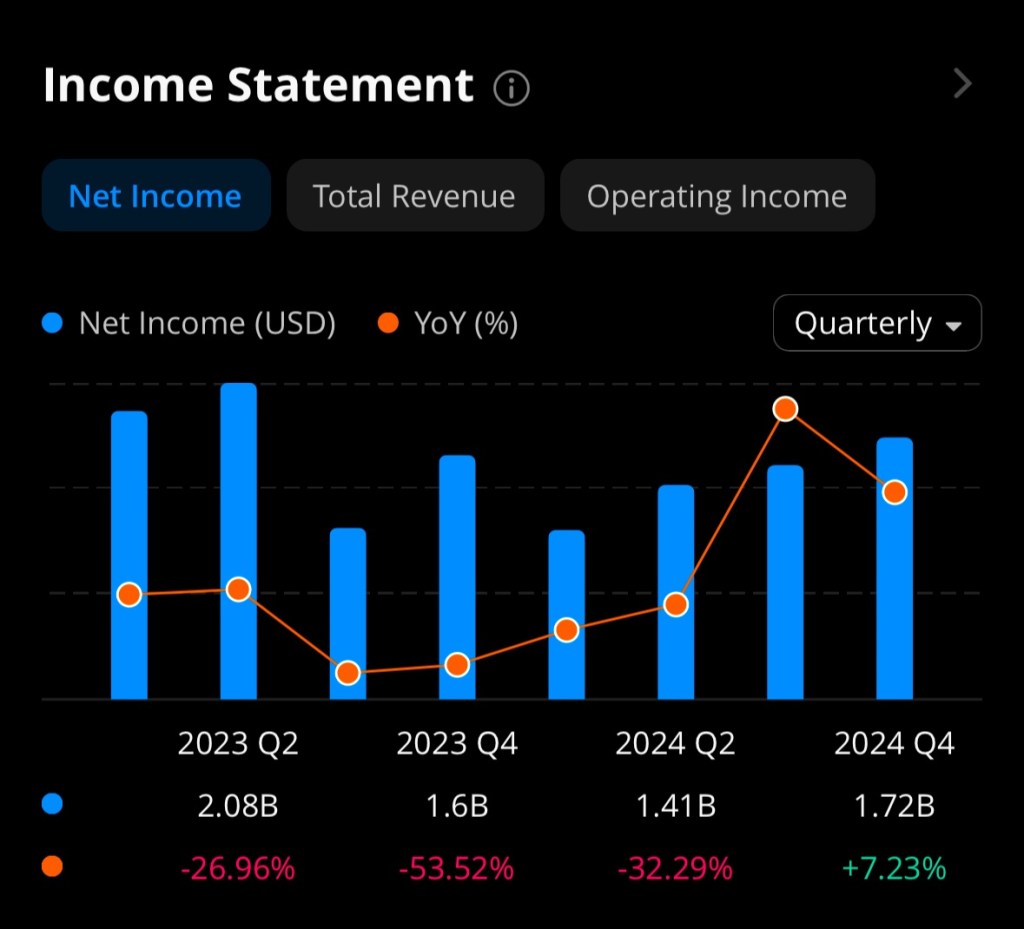
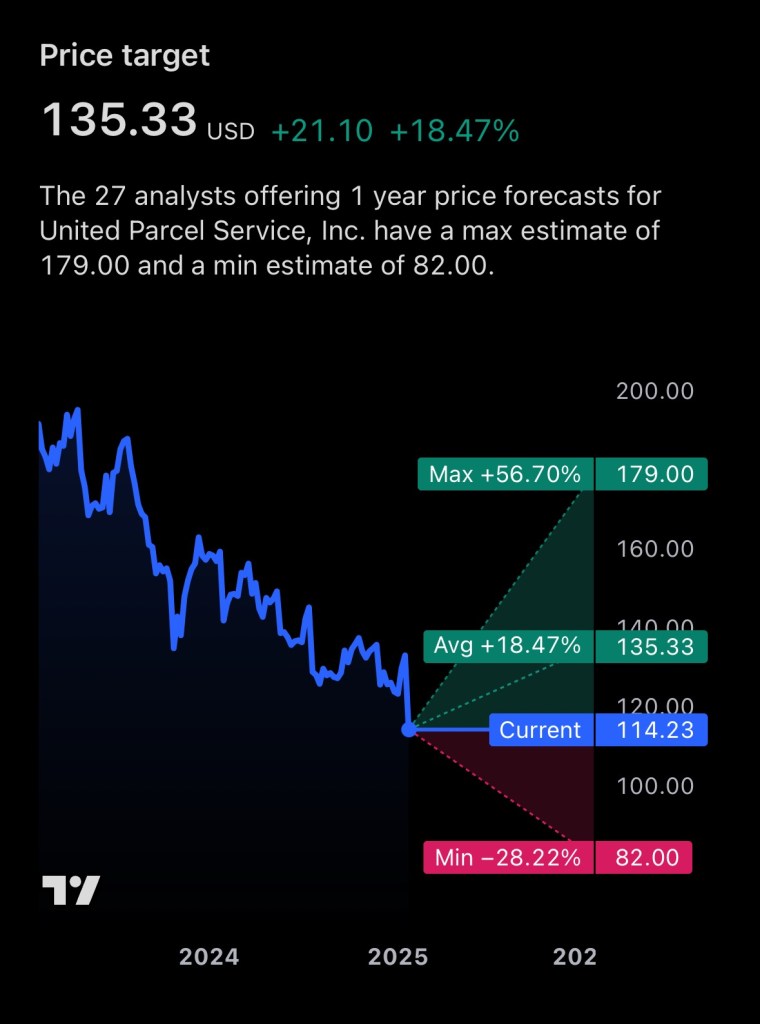
United Parcel Service (UPS) has recently experienced a significant decline in its stock value, with shares dropping over 16% following the announcement of a strategic shift to reduce its business with Amazon by more than 50% by the second half of 2026. This decision is part of UPS’s broader strategy to focus on more profitable segments, such as healthcare logistics and business-to-business deliveries, aiming to improve profit margins and reduce dependency on Amazon.

Despite the immediate negative market reaction, some analysts view this move as a positive step for UPS’s long-term profitability. By decreasing reliance on high-volume, low-margin shipments from Amazon, UPS plans to enhance operational efficiency and focus on higher-margin businesses. This strategic pivot is expected to save the company approximately $1 billion annually.

Additionally, UPS’s decision to insource operations previously handled by the U.S. Postal Service, such as the SurePost product, is aimed at optimizing service and reducing costs. While these changes may present short-term challenges, they are designed to position the company for sustainable growth and improved profitability in the future.

For long-term investors, UPS’s current stock decline may present a buying opportunity. The company’s strategic initiatives to focus on higher-margin segments and reduce operational dependencies are expected to strengthen its market position over time. While the transition may involve near-term uncertainties, UPS’s efforts to enhance profitability and operational efficiency could lead to substantial long-term gains for patient investors.

Disclosure: I currently hold a position in United Parcel Service ($UPS). This article reflects my personal opinions and analysis, and is not intended as financial advice. Please conduct your own research or consult a financial advisor before making any investment decisions.


References

Barron’s. (2024, January 30). UPS and Amazon may be headed for a split—and the stock is paying the price. Retrieved from https://www.barrons.com/articles/ups-earnings-stock-price-amazon-1a32be4f

Business Insider. (2025, January 30). UPS plunged after saying it would deliver fewer Amazon packages. Its CEO says it’s about ‘taking control of our destiny.’ Retrieved from https://www.businessinsider.com/ups-ship-fewer-amazon-packages-shares-drop-2025-1

Investopedia. (2024, January 30). UPS Q4 earnings report FY2024. Retrieved from https://www.investopedia.com/ups-earnings-q4-fy2024-8780982

MarketWatch. (2024, January 30). UPS’s stock falls after a revenue miss, deal with largest customer to cut volume. Retrieved from https://www.marketwatch.com/story/upss-stock-falls-after-a-revenue-miss-deal-with-largest-customer-to-cut-volume-1984fcb7

The Motley Fool. (2025, January 30). Why UPS stock is plunging today. Retrieved from https://www.fool.com/investing/2025/01/30/why-ups-stock-is-plunging-today

The Wall Street Journal. (2024, January 30). UPS’s boss is under pressure from unhappy investors—its own retirees. Retrieved from https://www.wsj.com/business/logistics/upss-boss-is-under-pressure-from-unhappy-investorsits-own-retirees-f01a8dd3

Nike Stock Decline: Key Factors and Recovery Strategies

Nike’s stock has experienced a significant decline over the past year, with shares dropping from a high of $175 to approximately $77, marking a decrease of over 55%.

Factors Contributing to the Decline

  1. Overvaluation Concerns: In 2021, Nike’s stock reached an all-time peak at over $170 per share, a valuation some experts considered overhyped. The market is now adjusting to more realistic valuations. sneakerfreaker.com
  2. Increased Competition: Brands like Hoka and On have gained popularity, capturing market share from Nike. sneakerfreaker.com
  3. Sales and Revenue Challenges: In its fiscal Q4 2024, Nike reported a 2% year-over-year revenue decline to $12.6 billion, missing analyst expectations. The company also projected a 10% sales decline for the current quarter, attributing it to aggressive management of classic footwear lines and challenges in digital sales. Fast Company

Strategic Initiatives for Recovery

Under the leadership of new CEO Elliott Hill, Nike is implementing a turnaround plan focusing on:

  • Refocusing on Sports: Hill emphasizes a return to Nike’s roots by prioritizing athlete-centered product innovation and storytelling, targeting key categories such as running, basketball, and training. Business Insider
  • Reducing Discounting: To protect brand integrity, Nike plans to limit promotional sales and focus on full-price, premium products. Business Insider
  • Rebuilding Retail Partnerships: The company aims to strengthen relationships with wholesale partners, recognizing that previous strategies may have strained these collaborations. Business Insider

Investment Considerations

Despite recent challenges, several factors may make Nike an attractive investment opportunity:

  • Strong Brand Equity: Nike remains a globally recognized brand with a loyal customer base.
  • Strategic Leadership: The new CEO’s initiatives are designed to address current issues and position the company for long-term growth.
  • Market Position: Nike’s extensive distribution network and innovative product lines provide a solid foundation for recovery.

While the turnaround strategy may impact short-term results, the focus on core strengths and strategic realignment could enhance long-term shareholder value. Investors should monitor the company’s progress and consider the potential for future growth when evaluating Nike as an investment.

Disclosure: The author of this article may hold a position in Nike, Inc. ($NKE) stock at the time of publication. This article is for informational purposes only and should not be construed as investment advice. Readers are encouraged to conduct their own research or consult with a financial advisor before making any investment decisions.

References

Barrons. (n.d.). Nike unveils its new CEO’s turnaround plan. Can it get its mojo back? Retrieved January 25, 2025, from https://www.barrons.com/articles/nike-earnings-new-ceo-turnaround-plan-0dba83f3

Business Insider. (2024). Nike’s new CEO said the company messed up 3 key areas that he’s trying to fix — and it’s bad news for customers who like cheap stuff. Retrieved January 25, 2025, from https://www.businessinsider.com/nike-new-ceo-elliott-hill-change-sport-sales-wholesalers-turnaround-2024-12

MarketWatch. (n.d.). Nike just laid out an ambitious turnaround plan. But it will come at a cost. Retrieved January 25, 2025, from https://www.marketwatch.com/story/nikes-ceo-touts-immediate-action-to-please-shareholders-shares-are-rallying-after-earnings-e22764a8

Sneaker Freaker. (n.d.). Why is Nike stock down? Revenue loss explained. Retrieved January 25, 2025, from https://www.sneakerfreaker.com/features/why-nike-stock-down-revenue-loss-explainer

Fast Company. (2025). Nike stock price drops after earnings miss and new CEO’s challenges. Retrieved January 25, 2025, from https://www.fastcompany.com/91148691/nike-stock-price-today-shares-decline-reason-2025-outlook

AMD’s Strategic Rise in the Semiconductor Market

Advanced Micro Devices (AMD) has emerged as a formidable player in the semiconductor industry, showcasing significant growth and strategic initiatives that position it as a compelling investment opportunity.

Financial Performance and Market Position

As of January 19, 2025, AMD’s stock is trading at $121.46, reflecting a 2.54% increase from the previous close. This upward trend underscores investor confidence in AMD’s market strategies and financial health. Notably, AMD’s market valuation surpassed $300 billion in March 2024, highlighting its substantial growth trajectory.

Strategic Acquisitions and AI Expansion

AMD has made significant strides in the artificial intelligence (AI) sector through strategic acquisitions. In July 2024, the company acquired Finnish AI startup Silo AI for $665 million, aiming to enhance its AI capabilities and compete more effectively with industry leader Nvidia. Additionally, AMD’s $4.9 billion acquisition of ZT Systems in August 2024 bolstered its AI infrastructure, providing access to a team of 1,000 design engineers to strengthen its AI system designs.

Leadership and Innovation

Under the leadership of CEO Lisa Su, AMD has transformed from a struggling entity into a semiconductor powerhouse. Since she took charge in 2014, AMD’s stock price has surged from $3 to approximately $140, with the company’s market value surpassing that of Intel. Su’s strategic focus on product redesign, customer relationships, and capitalizing on the AI boom has been instrumental in this turnaround.

Analyst Perspectives

Wall Street analysts have shown optimism regarding AMD’s prospects. UBS identified AMD as a top semiconductor pick, citing its competitive pricing and performance in AI chips compared to Nvidia. Despite a 5.8% drop in shares earlier in the year, UBS analysts remain positive about AMD’s future in the AI market. However, some analysts urge caution, noting that while AMD’s AI accelerator chips show promise, the company faces challenges in closing the performance gap with Nvidia. Following announcements about AI chip revenue forecasts, AMD shares experienced a nearly 8% decline, reflecting market skepticism about its competitive positioning.

AMD’s robust financial performance, strategic acquisitions, and visionary leadership under Lisa Su position it as a strong contender in the semiconductor industry. While the company faces challenges, particularly in the competitive AI sector dominated by Nvidia, its proactive strategies and market responsiveness suggest a promising outlook for investors considering AMD as part of their portfolio.

Disclosure: I currently hold a position in Advanced Micro Devices ($AMD). This article reflects my personal opinions and analysis, and is not intended as financial advice. Please conduct your own research or consult a financial advisor before making any investment decisions.

References

MarketWatch. (2024, August 15). AMD to make $4.9 billion AI acquisition as it steps up race against Nvidia. MarketWatch. https://www.marketwatch.com/story/amd-to-make-4-9-billion-ai-acquisition-as-it-steps-up-race-against-nvidia-7c2d4d34

Cunningham, A. (2024, August 18). AMD deal shows AI chip business isn’t just about chips. The Wall Street Journal. https://www.wsj.com/tech/ai/amd-deal-shows-ai-chip-business-isnt-just-about-chips-81fb46d9

Toh, M. (2024, December 7). Lisa Su: TIME’s CEO of the year 2024. TIME. https://time.com/7200909/ceo-of-the-year-2024-lisa-su

10 Strategies to Boost Productivity and Stay Focused

Staying productive and maintaining focus can be a challenge for many. With endless distractions and competing priorities, finding ways to maximize efficiency is more important than ever. Here are ten research-backed strategies to help you stay on track and achieve your goals.

  1. Start with a Morning Routine
    The way you start your day sets the tone for everything that follows. Experts suggest creating a consistent morning routine that includes activities like exercise, meditation, or journaling. A well-structured morning can help you feel energized and mentally prepared for the day ahead.
  2. Prioritize Tasks with the Eisenhower Matrix
    One of the most effective ways to manage your time is by categorizing tasks based on urgency and importance. The Eisenhower Matrix helps you focus on what truly matters, enabling you to delegate or defer less critical tasks.
  3. Use the Pomodoro Technique
    This time-management method involves working for 25-minute intervals followed by short breaks. Studies show that breaking tasks into manageable chunks improves focus and reduces burnout.
  4. Eliminate Distractions
    Distractions are productivity’s worst enemy. Whether it’s turning off notifications, creating a clutter-free workspace, or setting boundaries with colleagues, removing distractions can significantly boost your focus.
  5. Leverage Technology
    Productivity apps like Todoist, Notion, and Trello can help you organize tasks, set reminders, and track progress. Additionally, tools like Focus@Will provide curated music designed to enhance concentration.
  6. Practice Mindfulness
    Mindfulness techniques, such as deep breathing and meditation, help reduce stress and improve cognitive function. Taking even five minutes to center yourself can make a world of difference.
  7. Stay Hydrated and Eat Brain-Boosting Foods
    Proper hydration and nutrition play a vital role in maintaining focus. Foods like blueberries, nuts, and green tea are known to enhance cognitive performance and memory.
  8. Get Regular Exercise
    Exercise isn’t just good for your body; it’s essential for your brain. Physical activity increases blood flow and releases endorphins, which improve mood and focus. Even a quick walk can help clear your mind.
  9. Adopt a Growth Mindset
    A positive attitude towards challenges and setbacks can keep you motivated. Viewing failures as opportunities to learn rather than as obstacles can help you maintain momentum.
  10. Reflect and Adjust
    At the end of each day, take a few moments to evaluate your accomplishments and areas for improvement. Regular self-reflection allows you to adjust strategies and refine your approach to productivity.

Staying productive and focused is an ongoing process that requires intentional effort. By incorporating these strategies into your daily routine, you can cultivate habits that lead to sustained success, no matter your goals. Remember to work smarter not harder.

The Realities of Running a Business

By David Dandaneau

Running a business is often portrayed as a glamorous pursuit—a life of freedom, creativity, and endless opportunity. However, beneath the surface lies a complex journey filled with triumphs and challenges that test the resilience and adaptability of entrepreneurs.

The Thrill of Success
Every business owner knows the unparalleled joy of achieving a goal, whether it’s securing a major client, hitting revenue milestones, or simply surviving the first year. These wins serve as validation for the sleepless nights, financial risks, and relentless effort.

Take the example of local café owner Sarah Patel, who saw her business thrive after introducing a unique farm-to-table menu. “The response was overwhelming,” she says. “It felt like all the hard work finally paid off.” Such moments can rejuvenate an entrepreneur’s passion and motivate them to push even further.

The Pressure of Challenges
But the journey is far from smooth. From navigating cash flow issues and employee turnover to adapting to market changes, business owners face a litany of obstacles. Economic downturns or unexpected global events, such as the COVID-19 pandemic, have also forced many businesses to pivot their strategies overnight.

“During the pandemic, we had to shift to online sales almost immediately,” recalls tech store owner Marcus Lee. “It was a sink-or-swim moment, and not every business had the resources to make it work.”

The Emotional Toll
The mental and emotional challenges of entrepreneurship are often underestimated. Long hours, financial strain, and the pressure to succeed can lead to burnout. Studies have shown that business owners are more likely to experience anxiety and depression compared to those in traditional jobs.

Despite this, many entrepreneurs find ways to cope. Networking groups, mentorship programs, and therapy have become valuable tools for maintaining mental health and fostering resilience.

Adaptability Is Key
One constant in the world of business is change. Consumer preferences, technological advancements, and market trends can shift rapidly, requiring business owners to stay agile and innovative. Those who can anticipate change and adapt quickly are often the ones who thrive.

For example, fashion retailer Mia Gonzalez shifted her business model to focus on sustainable clothing as consumer demand for eco-friendly products grew. “You have to evolve with your customers,” she explains.

The Bigger Picture
For many, the ultimate reward of running a business goes beyond profits. It’s about creating something meaningful, contributing to the community, and building a legacy. These factors often keep entrepreneurs going, even when times get tough.

“Seeing how my business impacts people’s lives gives me purpose,” says John Whitaker, who runs a nonprofit consulting firm. “It’s not just about me—it’s about making a difference.”


Running a business is not for the faint of heart. It’s a journey filled with highs and lows, requiring persistence, adaptability, and an unwavering belief in one’s vision. While the road may be challenging, for those who dare to take the leap, the rewards—both tangible and intangible—can make the journey worthwhile.

For aspiring entrepreneurs, the message is clear: Be prepared for the rollercoaster, but don’t forget to enjoy the ride.

Quantum Computing in 2025: Transforming the Future of Technology

As we officially enter 2025, the quantum computing revolution is accelerating, promising to reshape industries and solve problems once thought intractable. This transformative technology is no longer confined to research labs; it is becoming a cornerstone of technological innovation.

Quantum Leap in Computing Power

Quantum computers operate fundamentally differently from classical computers by leveraging quantum bits, or qubits, which can exist in multiple states simultaneously. This property, known as superposition, combined with entanglement and quantum interference, allows quantum computers to perform complex calculations exponentially faster than their classical counterparts.

In 2025, major breakthroughs are expected in hardware stability and error correction, two of the most significant hurdles in quantum computing. Companies like IBM, Google, and Intel are racing to increase qubit counts and coherence times. IBM recently announced its 1,000-qubit “Condor” processor, and industry experts anticipate that 2025 could see quantum processors surpassing 2,000 qubits, a milestone that might signal the onset of quantum advantage for certain applications.

Applications on the Horizon

Quantum computing is poised to revolutionize numerous fields:

  1. Drug Discovery and Healthcare: Simulating molecular structures and interactions, a task infeasible for classical supercomputers, could lead to breakthroughs in medicine and personalized treatment plans.
  2. Cryptography: While quantum computing poses threats to current encryption methods, it also offers opportunities for developing quantum-resistant cryptographic algorithms.
  3. Supply Chain Optimization: Quantum algorithms can process vast amounts of data to optimize logistics and reduce costs across global supply chains.
  4. Climate Modeling: Advanced quantum simulations could help model complex climate systems with greater accuracy, aiding in the fight against climate change.

Challenges and Ethical Considerations

Despite its promise, quantum computing faces significant challenges. Scalability, error correction, and the need for extremely low-temperature environments are technical obstacles that researchers are striving to overcome. Additionally, the disruptive potential of quantum computing raises ethical and security concerns, particularly regarding data privacy and the potential for technological inequality.

Governments and organizations worldwide are investing heavily in quantum research and workforce development to address these issues. In 2025, collaborations between academia, industry, and government are expected to intensify, fostering innovation while ensuring ethical governance.

Looking Ahead

The quantum computing race is entering a pivotal phase. By 2030, experts predict that quantum computers could become commercially viable for specialized tasks, with far-reaching implications for industries ranging from finance to artificial intelligence.

As we move through 2025, the world will witness quantum computing shifting from a futuristic concept to a practical tool with transformative capabilities. While challenges remain, the momentum building around this technology signals an era of unprecedented possibilities and innovation.

New Year, New Attitude: Embracing Change and Opportunity in 2025

As the calendar turns to 2025, people worldwide are reflecting on the past year and preparing for a fresh start. The new year is more than just a date—it’s a symbol of hope, renewal, and the promise of untapped potential.

For many, January 1st is a chance to leave behind old habits, embrace new challenges, and cultivate a positive mindset. The slogan “New Year, New Attitude” captures the spirit of this transitional time, urging individuals to take bold steps toward self-improvement and growth.

Reflecting on the Past
The past year brought its share of challenges, triumphs, and lessons. Whether it was navigating personal struggles, adapting to a changing world, or celebrating milestones, 2024 reminded us all of the importance of resilience and adaptability. As the clock struck midnight, people worldwide joined in celebration—not just of the new year, but of the opportunities that lie ahead.

Setting Intentions for 2025
Instead of fleeting resolutions, many are focusing on setting intentions that align with long-term goals. Experts suggest that cultivating a new attitude starts with small, manageable changes:

Practice Gratitude: Reflect on the positives in life and make a habit of expressing appreciation.
Embrace Challenges: View setbacks as opportunities for growth rather than obstacles.
Prioritize Wellness: Physical and mental health remain central to sustaining a positive outlook.
Be Open to Change: A flexible mindset is crucial for embracing new opportunities and perspectives.

Social media is buzzing with individuals sharing their plans to make 2025 a transformative year. From starting new careers to pursuing creative passions, the possibilities are endless.

A Time for Community
The new year is also a time to strengthen bonds with family, friends, and the community. In cities across the globe, initiatives are underway to bring people together—whether through volunteering, local events, or virtual gatherings. A collective sense of optimism is in the air, as people work together to create positive change.

Looking Ahead
While the road ahead may hold uncertainties, one thing is clear: 2025 is a year of potential. By adopting a new attitude and focusing on growth, individuals can turn challenges into stepping stones and dreams into realities.

As we step into the new year, let’s embrace the mantra of “New Year, New Attitude” and take each day as an opportunity to move closer to the best versions of ourselves. After all, every great journey starts with a single, intentional step.

Happy New Year! May 2025 be a year of joy, growth, and endless possibilities.

SOFI Stock: A Promising Investment Opportunity for the Future

SoFi Technologies Inc. (NASDAQ: $SOFI) has been making waves in the financial services industry with its innovative approach to digital banking and lending. As a disruptor in the fintech space, SoFi is well-positioned to capitalize on the evolving preferences of tech-savvy consumers and investors alike. Here’s why SOFI stock could be a strong addition to your portfolio for the future.

  1. Expanding Product Ecosystem

SoFi offers a comprehensive range of financial products and services, including student loan refinancing, personal loans, mortgages, investment management, and checking and savings accounts. This diversified product suite not only caters to various customer needs but also promotes cross-selling opportunities within its ecosystem. The company’s “SoFi Relay” and “SoFi Invest” platforms have particularly gained traction among younger consumers who seek a seamless, all-in-one financial solution.

  1. Strong Growth Metrics

SoFi has reported impressive growth in recent quarters, driven by its increasing customer base and expanding revenue streams. The company’s membership count recently surpassed the 10 million mark, reflecting a year-over-year growth of over 40%. Such robust growth metrics highlight the effectiveness of SoFi’s business strategy and its ability to scale operations efficiently.

  1. The Digital Banking Revolution

The global banking landscape is undergoing a significant transformation, with digital-first platforms gaining popularity over traditional brick-and-mortar institutions. SoFi’s fully digital infrastructure and user-friendly mobile app place it at the forefront of this revolution. As more consumers shift to digital banking, SoFi’s market share is expected to grow, further solidifying its position in the fintech industry.

  1. Unique Competitive Advantages

One of SoFi’s standout features is its recently acquired banking charter. This allows the company to offer banking services without relying on third-party partnerships, reducing costs and improving profit margins. Moreover, SoFi’s proprietary technology and data-driven insights give it a competitive edge in delivering personalized financial solutions.

  1. Tailwinds from Student Loan Refinancing

With the federal student loan moratorium ending, SoFi’s student loan refinancing segment is expected to see a surge in demand. This development could significantly boost the company’s revenue in the near term, adding to its already strong growth trajectory.

  1. Analyst Optimism

Many analysts remain bullish on SOFI stock, citing its growth potential and strategic initiatives. The company’s focus on profitability, coupled with its expanding market reach, has garnered positive sentiment from Wall Street. Some analysts have even raised their price targets, suggesting substantial upside potential for the stock.

Risks to Consider

While SoFi’s growth story is compelling, investors should be mindful of potential risks, such as regulatory changes, competition from other fintech players, and macroeconomic factors that could impact consumer borrowing trends. Additionally, the company’s path to sustained profitability remains a critical factor to monitor.

SoFi Technologies is revolutionizing the financial services industry with its innovative products and customer-centric approach. Its strong growth metrics, expanding product ecosystem, and strategic advantages make SOFI stock a promising investment for the future. While risks exist, the company’s long-term growth potential and market leadership position offer an attractive opportunity for investors seeking exposure to the burgeoning fintech sector.

Disclosure: I currently hold a position in SoFi Technologies, Inc. ($SOFI). This article reflects my personal opinions and analysis, and is not intended as financial advice. Please conduct your own research or consult a financial advisor before making any investment decisions.