Getting Ready for the New Year: A Practical Reset for Health and Wealth After Christmas

As the Christmas decorations come down and routines begin to normalize, the period between the holidays and the New Year offers a valuable opportunity for reflection and preparation. Rather than rushing into resolutions on January 1, many individuals are using this quieter window to assess their priorities and make intentional plans for the year ahead. With 2026 approaching, two areas stand out as especially important: personal health and financial stability.

The end of the holiday season often brings extra spending, disrupted sleep schedules, and indulgent eating. Resetting now allows people to enter the New Year with clarity, momentum, and realistic goals. Experts across healthcare and financial planning consistently emphasize that small, proactive steps taken early can compound into meaningful long-term benefits.

Health Considerations to Prioritize Going Into 2026

Maintaining health is not about drastic changes, but about sustainable habits that support longevity and quality of life. As the New Year approaches, individuals may want to focus on the following:

  • Routine medical checkups: Scheduling annual physicals, dental visits, and vision exams early in the year helps catch issues before they become costly or serious.
  • Nutrition reset: Transitioning from holiday eating to balanced, nutrient-dense meals supports energy levels and metabolic health.
  • Consistent physical activity: Establishing a realistic exercise routine—whether walking, strength training, or flexibility work—improves both physical and mental well-being.
  • Sleep discipline: Returning to regular sleep and wake times can significantly improve focus, immune function, and stress management.
  • Stress management: Incorporating practices such as mindfulness, time blocking, or regular downtime can reduce burnout and improve overall resilience.

Wealth Considerations to Strengthen Financial Stability

The New Year is also an ideal time to reassess financial health and prepare for future opportunities and risks. Key areas to consider include:

  • Budget review: Evaluating holiday spending and updating monthly budgets helps prevent financial drift early in the year.
  • Emergency savings: Ensuring an emergency fund covers at least three to six months of expenses remains a foundational financial safeguard.
  • Debt strategy: Creating or refining a plan to reduce high-interest debt can free up cash flow and reduce long-term financial stress.
  • Retirement contributions: Reviewing contribution levels to retirement accounts and adjusting for income changes or new limits can significantly impact long-term outcomes.
  • Insurance coverage check: Confirming that auto, home, health, and life insurance policies remain appropriate for current circumstances helps protect against unexpected setbacks.
  • Investment alignment: Rebalancing portfolios to reflect updated goals, risk tolerance, and time horizons supports disciplined wealth-building.

Entering the New Year With Intention

Getting ready for the New Year does not require sweeping changes or unrealistic resolutions. Instead, it is about thoughtful preparation and alignment. By addressing health and wealth proactively, before January begins, individuals position themselves to move into 2026 with greater confidence, stability, and focus.

The days after Christmas are not just a cooldown from the holidays; they are a strategic pause. How that pause is used can make a measurable difference in the year ahead.

The Importance of Christmas Eve: A Time for Connection

From my viewpoint, Christmas Eve is not simply a date on the calendar or a prelude to Christmas Day, it is an event in its own right. It holds a distinct importance because it brings people together in a way few other moments during the year can. In the rush of modern life, Christmas Eve creates a pause, an intentional slowing down that allows friends and family to reconnect, reflect, and be present with one another.

Christmas Eve carries a sense of anticipation that is both nostalgic and grounding. It reminds me of traditions passed down through generations, shared meals, familiar stories, music playing softly in the background, and conversations that stretch late into the evening. These rituals may look different in every household, but their purpose is the same: to create a shared experience that strengthens bonds and reinforces a sense of belonging.

What makes Christmas Eve especially meaningful is its emphasis on togetherness rather than excess. Unlike Christmas Day, which can sometimes feel hurried or transactional, Christmas Eve is about connection. It is a time when friends become family, when differences are set aside, and when people make a conscious effort to show up for one another. Sitting around a table, exchanging laughter, or simply enjoying quiet company becomes the real celebration.

From my perspective, Christmas Eve also serves as a moment of reflection. It offers an opportunity to look back on the year, its challenges, its victories, and the lessons learned along the way. Sharing these reflections with loved ones brings perspective and gratitude, reminding me that no matter how unpredictable life can be, relationships remain the most valuable constant.

In a world increasingly dominated by screens and schedules, Christmas Eve stands out as a reminder of what truly matters. It encourages meaningful conversations, strengthens family ties, and renews friendships that may have been neglected during the year. The importance of the evening is not found in how it is decorated or how elaborately it is planned, but in the intentional choice to be together.

Ultimately, Christmas Eve matters because it brings people home physically, emotionally, and relationally. It is a shared pause before the holiday rush resumes, a chance to celebrate connection, and a reminder that time spent with friends and family is not just meaningful, but essential.

Failing Forward: How Setbacks Became the Most Reliable Path to My Success

By any traditional definition, failure is something to avoid. We are taught “explicitly and implicitly” that success follows a straight line: set a goal, execute the plan, achieve the outcome. My experience has been the opposite. The most meaningful progress in my career and personal life has come not from flawless execution, but from failing forward using missteps as leverage rather than liabilities.

Failing forward is not about celebrating mistakes or lowering standards. It is about extracting value from outcomes that did not go as planned and deliberately using that information to adjust direction. Over time, I have learned that failure is often the most honest form of feedback available.

Failure as a Strategic Asset

When something does not work, it exposes assumptions. It highlights gaps in skill, timing, or judgment that success often masks. Early in my career, I took paths that looked right on paper but failed in practice. Projects stalled. Ideas fell flat. Opportunities closed unexpectedly. Each time, the initial reaction was frustration. The longer-term result, however, was clarity.

Failure forced me to reassess what I was actually good at, what I merely tolerated, and what I needed to stop doing altogether. It shortened learning curves that would have taken years through incremental success alone. In that sense, failure became efficient.

Unwritten Paths That Emerge After Failure

What rarely gets discussed are the alternative routes that only become visible after something goes wrong. These unwritten paths are not found in job descriptions, career ladders, or long-term plans, but they often lead to more sustainable success.

1. The Pivot Path
Failure often reveals misalignment rather than incompetence. When a role, business model, or strategy fails, it can signal the need to pivot rather than quit. I have found that lateral moves into adjacent skills, industries, or responsibilities, often create more momentum than doubling down on a failing approach.

2. The Skill-Stacking Path
Some failures expose missing capabilities. Instead of abandoning the goal, the better move is often to acquire complementary skills. Learning sales after failing in operations, or communication after failing in leadership, creates a broader, more resilient professional profile that traditional linear paths do not encourage.

3. The Network Path
Failure has a way of humbling people, and humility opens doors. Asking for help, advice, or perspective after a setback often leads to relationships that would not exist otherwise. Several of my most valuable professional connections came from conversations that started with, “Here’s what didn’t work, what would you do differently?”

4. The Redefinition Path
Not all failures are meant to be corrected. Some are signals to redefine success entirely. Walking away from a goal that no longer fits can feel like failure in the moment, but it often leads to better alignment with long-term values, health, and purpose.

Why Failing Forward Works

Failing forward shifts the focus from ego to execution. It replaces fear of mistakes with curiosity about outcomes. Over time, this mindset builds resilience, adaptability, and better decision-making. It also reduces the paralysis that comes from trying to get everything right the first time.

From my perspective, success is not the absence of failure it is the ability to recover faster, learn deeper, and move smarter after each one.

The unwritten truth is this: most people who succeed did not follow a clean path. They followed a responsive one. And more often than not, that path only revealed itself after something went wrong.

Five9, Inc. (NASDAQ: FIVN): Evaluating a Cloud Communications Leader Heading Into 2026

Five9, Inc. is a leading provider of cloud-based contact center software, operating within the rapidly expanding Contact Center as a Service (CCaaS) market. As enterprises continue to modernize customer engagement through artificial intelligence and cloud infrastructure, Five9’s platform positions the company at the intersection of digital transformation and customer experience optimization (Five9, Inc., 2025).


Company Overview

Founded in 2001, Five9 delivers cloud-native contact center solutions that integrate voice, digital channels, workforce optimization, and AI-powered automation. The company’s offerings are designed to help enterprises improve customer satisfaction while reducing operational complexity and costs. Five9 primarily serves mid-market and large enterprise customers, with a business model heavily weighted toward recurring subscription revenue (Trefis, 2025).

The CCaaS market continues to benefit from long-term secular tailwinds, including remote work adoption, omnichannel customer engagement, and enterprise investment in AI-driven customer support solutions (Seeking Alpha, 2025).


Financial Performance and Health Snapshot

Revenue and Growth

Five9 reported record full-year revenue exceeding $1 billion, reflecting consistent double-digit growth driven by enterprise adoption and expanding AI-enabled services (Five9, Inc., 2024). Recent quarterly results show revenue growth in the low double-digit range, signaling moderation from prior hypergrowth years but still outperforming many legacy contact center competitors (Investing.com, 2025a).

Profitability and Margins

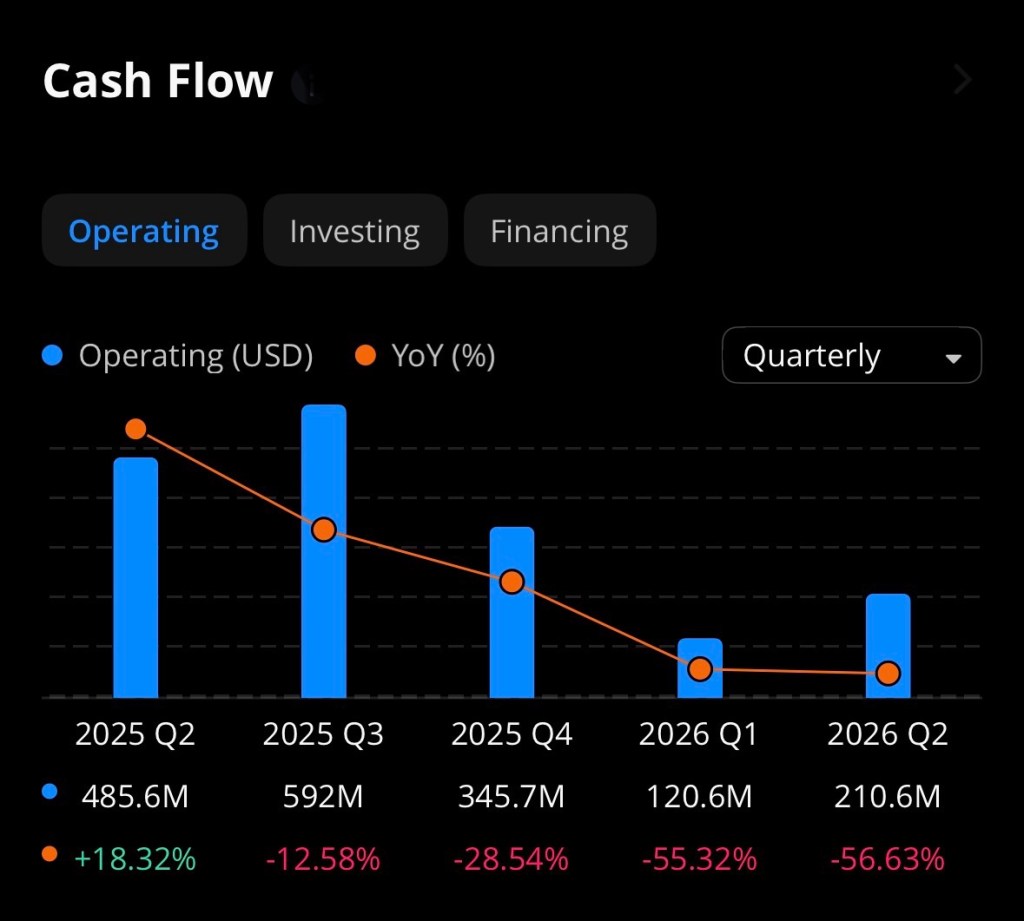
Operational efficiency has improved as the company scales. Adjusted EBITDA margins have expanded into the low-to-mid 20% range, supported by higher software margins and disciplined cost management (Seeking Alpha, 2025). While GAAP profitability remains pressured by stock-based compensation, non-GAAP earnings and free cash flow generation have shown steady improvement (NASDAQ, 2025).

Balance Sheet Strength

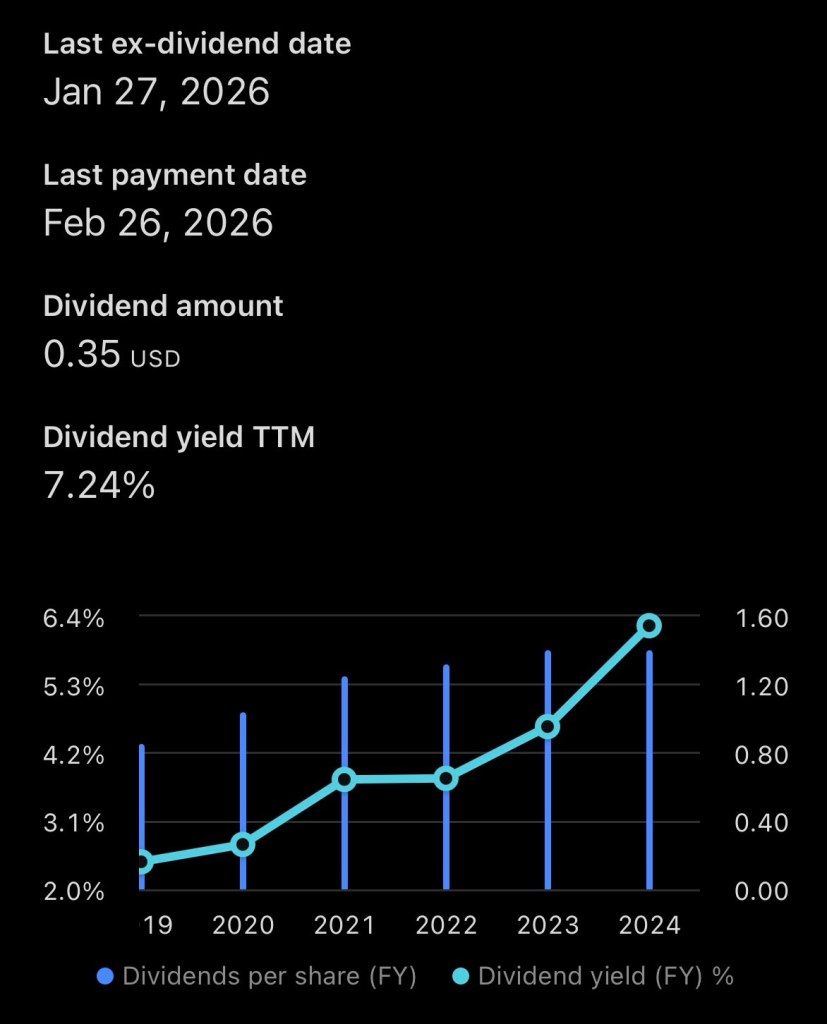
Five9 maintains a solid liquidity position, supported by cash reserves and manageable debt levels. The company has also authorized share repurchase activity, signaling management confidence in long-term value creation despite near-term stock volatility (Investing.com, 2025b).


Stock Price and Market Performance

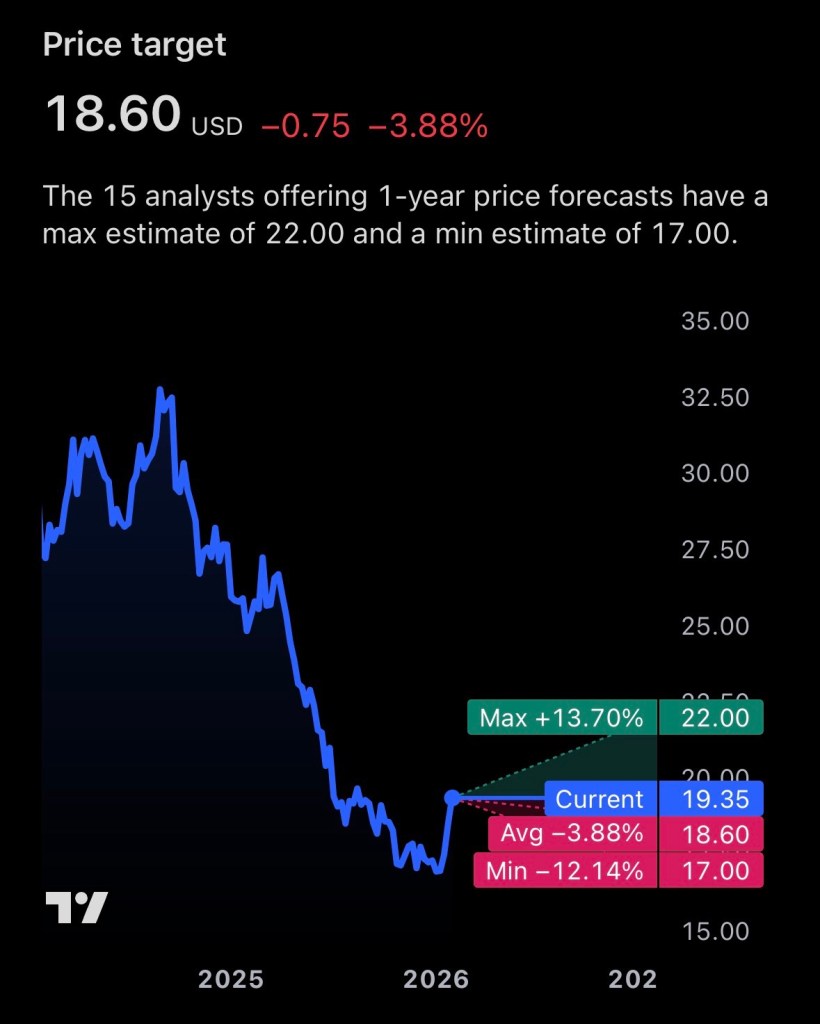
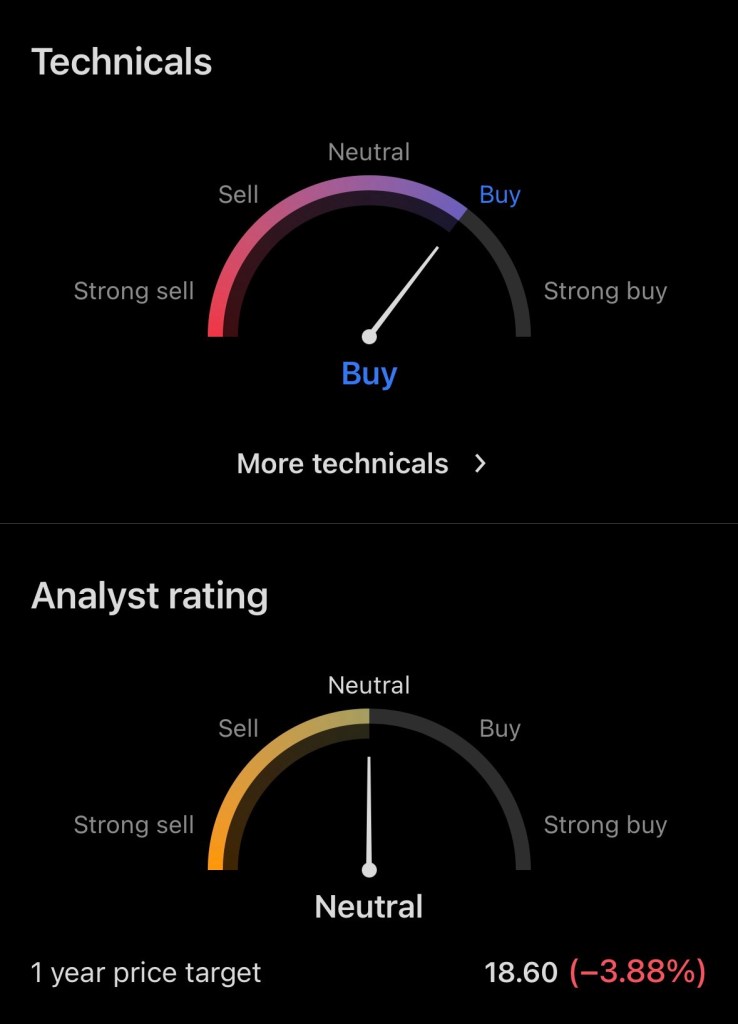
As of late 2025, Five9 shares have experienced significant price compression, trading well below prior cycle highs. The stock recently touched a 52-week low, reflecting broader SaaS sector multiple contraction, investor caution around growth deceleration, and macroeconomic uncertainty (Investing.com, 2025c).

Despite the decline, valuation metrics such as price-to-sales and enterprise-value-to-revenue ratios now sit below historical averages for high-quality SaaS peers, suggesting the market may be discounting future growth more aggressively than current fundamentals justify (NASDAQ, 2025).


Why Five9 May Be an Attractive Investment Heading Into 2026

1. AI-Driven Product Expansion

Five9 continues to embed artificial intelligence across its platform, including intelligent virtual agents, real-time analytics, and automation tools. AI-related revenue has grown faster than the company’s core business, positioning Five9 to benefit from rising enterprise demand for scalable, automated customer engagement (Seeking Alpha, 2025).

2. Recurring Revenue Visibility

A substantial majority of Five9’s revenue is derived from subscriptions, providing predictable cash flows and improved earnings visibility. This recurring model is a key attribute investors seek in mature SaaS companies navigating economic cycles (Trefis, 2025).

3. Margin Expansion Potential

As growth stabilizes and operating leverage improves, Five9 has the potential to further expand margins, particularly if AI-driven products command premium pricing and reduce customer churn (NASDAQ, 2025).

4. Strategic Optionality

Ongoing consolidation within the cloud communications and enterprise software space creates potential upside through partnerships, acquisitions, or strategic interest from larger technology firms seeking to expand their customer experience portfolios (Investing.com, 2025b).


Risks and Considerations

While the long-term outlook remains constructive, investors should remain mindful of several risks. These include intensified competition from well-capitalized rivals, potential delays in enterprise spending, and the possibility that revenue growth continues to decelerate more rapidly than expected (Investing.com, 2025a). Additionally, broader market sentiment toward technology stocks could continue to influence valuation multiples independent of company performance.


Conclusion

Five9 enters 2026 as a financially stable, AI-focused SaaS company operating in a structurally growing market. Although near-term growth has moderated and share price volatility remains elevated, improving margins, recurring revenue strength, and expanding AI capabilities provide a foundation for potential long-term value creation. For investors willing to tolerate short-term uncertainty, Five9 represents a company where fundamentals and market valuation may diverge heading into the next phase of the cloud communications cycle (Five9, Inc., 2025; Seeking Alpha, 2025).

Disclosure:
I do not hold, directly or indirectly, any equity position in Five9, Inc. (NASDAQ: FIVN) at the time of writing. This article is provided for informational and educational purposes only and should not be construed as investment advice, a recommendation to buy or sell securities, or a solicitation of any investment strategy. Readers should conduct their own due diligence and consult a qualified financial professional before making any investment decisions.


References (APA Format)

Five9, Inc. (2024). Five9 reports record full-year revenue exceeding $1 billion. Five9 Investor Relations.
https://investors.five9.com

Five9, Inc. (2025). Quarterly earnings and financial results. Five9 Investor Relations.
https://investors.five9.com/financials

Investing.com. (2025). Five9 stock hits 52-week low amid market volatility.
https://www.investing.com

Investing.com. (2025). Cantor Fitzgerald lowers Five9 price target citing growth moderation.
https://www.investing.com

NASDAQ. (2025). Five9, Inc. (FIVN) stock quote, financials, and performance data.
https://www.nasdaq.com

Seeking Alpha. (2025). Five9: AI-driven contact center growth and margin expansion.
https://www.seekingalpha.com

Trefis. (2025). Five9 business model, revenue mix, and valuation analysis.
https://www.trefis.com

Healthy Eating on a Budget: Top Tips to Save

As grocery prices stay elevated, many households are looking for practical ways to stretch their food budgets without sacrificing nutrition. The good news is that eating healthy does not have to be expensive. With thoughtful planning and informed choices, shoppers can significantly reduce costs while still filling their carts with nutritious options.

Plan Before You Shop

One of the most effective cost-saving strategies begins before stepping into the store. Creating a weekly meal plan and shopping list helps reduce impulse purchases and food waste. Planning meals around ingredients that can be used multiple times such as beans, rice, or vegetables—maximizes value and efficiency.

Shop the Perimeter of the Store

Healthier, less-processed foods are often located around the perimeter of grocery stores. This includes fresh produce, dairy, meats, and frozen fruits and vegetables. While processed foods in the center aisles may appear convenient, they often carry higher prices per serving and less nutritional value.

Choose Store Brands and Buy in Season

Store-brand products frequently offer the same quality as national brands at a lower cost. Additionally, buying fruits and vegetables that are in season can lead to substantial savings. Seasonal produce is often more abundant, fresher, and less expensive than out-of-season alternatives.

Embrace Frozen and Canned Options

Frozen fruits and vegetables are often more affordable than fresh options and retain much of their nutritional value. Canned foods can also be budget-friendly, especially when choosing low-sodium or no-added-sugar varieties. These options reduce spoilage and help keep grocery bills predictable.

Compare Prices by Unit, Not Package

Larger packaging can be misleading. Checking unit prices, cost per ounce or pound, allows shoppers to make accurate comparisons and identify the best deals. This habit alone can lead to noticeable long-term savings.


Budget-Friendly Healthy Foods Chart

Food CategoryHealthy OptionWhy It’s AffordableNutritional Benefit
GrainsBrown riceLow cost per servingFiber, sustained energy
ProteinsDry beans & lentilsInexpensive bulk optionsPlant-based protein, fiber
ProteinsEggsHigh nutrition for low costProtein, vitamins B12 & D
ProduceBananasWidely available year-roundPotassium, energy
ProduceCarrotsLong shelf life, low priceVitamin A, antioxidants
Frozen FoodsFrozen mixed vegetablesLess waste, frequent salesVitamins and minerals
DairyPlain yogurt (store brand)Cheaper than flavored varietiesProtein, probiotics
Canned FoodsTuna (in water)Budget-friendly proteinOmega-3 fatty acids
ProduceCabbageLow cost, versatileVitamin C, fiber
SnacksOatsInexpensive in bulkHeart-healthy fiber

A Healthier Cart, A Healthier Budget

Saving money at the grocery store does not require extreme sacrifices, just smarter choices. By focusing on whole foods, comparing prices carefully, and remaining flexible with seasonal and store-brand options, shoppers can protect both their health and their finances. Over time, these habits can lead to meaningful savings and a more sustainable approach to everyday nutrition.

How a Positive Mindset Enhances Lifespan

I choose to maintain a positive outlook because I believe it directly impacts how long and how well I live. Positivity is not about denying challenges or pretending life is easy; it is about managing stress, protecting mental health, and giving my body and mind the best chance to function at their highest level over time.

Stress, negativity, and constant worry take a measurable toll on the body. I’ve learned that when I focus on optimism, perspective, and emotional balance, I recover faster, think more clearly, and make healthier decisions. A positive mindset encourages better habits, more movement, better sleep, stronger relationships, and greater consistency in self-care… all of which contribute to longevity and life expectancy.

Maintaining a positive outlook also strengthens resilience. Life will always present obstacles, but optimism helps me respond rather than react. That emotional stability reduces chronic stress, which research consistently links to inflammation, heart disease, and shortened lifespan. Choosing positivity becomes a form of preventive care, not just a mental exercise.

Equally important, positivity improves connection. Strong social relationships are one of the most significant predictors of long life, and optimism makes it easier to build and maintain them. Showing up with patience, gratitude, and emotional steadiness strengthens bonds that support both mental and physical health over the long term.

I remind myself daily that positivity is a discipline, not a personality trait. It requires intention, self-awareness, and practice. Some days it means reframing a setback; other days it means simply choosing calm over frustration. Over time, those small decisions compound.

By committing to a positive outlook, I am investing in more than a good mood, I am investing in energy, resilience, and longevity. My goal is not just to add years to my life, but to add life to those years.

The Power of Perseverance: Why You Should Never Give Up

History, business, and everyday life repeatedly prove the same truth: progress belongs to those who refuse to quit. Drive, quiet, relentless determination is what separates those who merely participate from those who endure and ultimately prevail.

Giving up is often disguised as being “practical.” When obstacles appear, the easier option is to step back, lower expectations, or rationalize retreat. But difficulty is not a signal to stop; it is a signal that the work matters. The presence of resistance confirms that something meaningful is at stake. Without challenge, growth would be unnecessary and excellence impossible.

Drive matters because it compounds. Talent may open a door, but persistence is what keeps it open. Skills can be learned, strategies refined, and mistakes corrected—but only by those willing to stay in the game long enough to learn from failure. The most respected leaders, innovators, and professionals are rarely the most gifted at the start; they are the ones who continued when results were slow and recognition was absent.

There is also a deeper question that exposes the value of perseverance: if everyone could do it, why bother? The answer is simple… because not everyone will. Most people stop when progress becomes uncomfortable. They disengage when the outcome is uncertain. The willingness to push forward when others step aside is precisely what creates distinction. Effort loses its value only when it is common; perseverance remains rare.

Drive is not loud or glamorous. It shows up early, stays late, and keeps moving forward after setbacks. It is choosing consistency over comfort, discipline over excuses, and long-term purpose over short-term relief. It is understanding that success is not a straight line, but a series of recoveries.

The bottom line is clear: never give up. Not because the path is easy, but because quitting guarantees nothing changes. Progress, fulfillment, and meaning all require endurance. Those who keep going, especially when it would be easier not to, are the ones who ultimately shape their outcomes.

In the end, drive is not just about achieving a goal. It is about proving, day after day, that adversity does not get the final word.

Why FR-44 and FS-1 Are Essential After Driving Violations

When securing an automobile insurance policy after certain driving-related incidents, some drivers are surprised to learn that a standard proof of insurance card is not always enough. In specific situations, state regulators require additional filings—most commonly an FR-44 or FS-1—to verify financial responsibility and ensure ongoing compliance with state insurance laws. Understanding what these forms are and why they matter can help drivers avoid lapses in coverage, license suspensions, or further legal complications.


Why States Require FR-44 and FS-1 Filings

Both FR-44 and FS-1 filings are tools used by Departments of Motor Vehicles (DMVs) to confirm that a driver carries the required insurance coverage following a serious violation or a lapse in compliance. These filings are not insurance policies themselves; rather, they are certifications submitted by an insurance carrier on behalf of the driver.

States use these filings to:

  • Monitor high-risk drivers
  • Enforce higher liability requirements where applicable
  • Ensure continuous coverage for a mandated period
  • Protect the public from uninsured or underinsured motorists

What Is an FR-44?

An FR-44 is a certificate of financial responsibility required after serious driving offenses, most commonly DUI or DWI convictions. It is required in certain states, such as Florida and Virginia, and mandates higher liability limits than a standard auto policy.

What an FR-44 Does for You

  • Confirms to the state that higher-than-minimum liability coverage is in force
  • Allows reinstatement or maintenance of driving privileges after a serious offense
  • Keeps the driver legally compliant during the state-mandated filing period
  • Helps avoid additional penalties, such as license suspension or fines, due to noncompliance

Key Characteristics

  • Requires increased bodily injury and property damage limits
  • Must be maintained continuously, often for several years
  • Any lapse in coverage is reported directly to the state

What Is an FS-1?

An FS-1 is a form used in some states to provide proof that a driver had valid insurance coverage at a specific point in time. It is often requested after an accident, citation, or administrative review when coverage is in question.

What an FS-1 Does for You

  • Verifies past or current insurance coverage to the state
  • Helps prevent penalties tied to alleged uninsured driving
  • Supports license or registration reinstatement
  • Resolves disputes related to insurance verification

Key Characteristics

  • Confirms insurance status for a defined date or period
  • Typically submitted directly by the insurance company
  • Often used to close compliance gaps or administrative holds

FR-44 vs. FS-1: At a Glance

FeatureFR-44FS-1
Primary PurposeHigh-risk financial responsibilityProof of insurance verification
Common TriggerDUI/DWI or serious offenseAccident, citation, or insurance lapse inquiry
Coverage RequirementHigher-than-state-minimum limitsConfirms existing or past coverage
DurationMulti-year requirementPoint-in-time or short-term verification
Filed ByInsurance carrierInsurance carrier

Why This Matters When Securing a Policy

Drivers who require an FR-44 or FS-1 cannot rely on a basic policy purchase alone. The policy must be written correctly, meet state-specific requirements, and include the proper filing. Failure to do so can delay reinstatement, increase costs, or result in additional legal consequences.

Working with an insurance professional familiar with state filings can help ensure:

  • Accurate policy structure from the start
  • Timely submission of required forms
  • Ongoing compliance throughout the filing period

Final Thought

FR-44 and FS-1 filings serve a critical role in the insurance and regulatory process. While they often follow stressful driving events, understanding what they are and how they function can make the path back to compliant, legal driving clearer and more manageable. Being properly informed—and properly insured—helps protect both the driver and everyone else on the road.

About the Author:

David Dandaneau is a client relations analyst that covers the insurance and financial services industry. He is known for his insightful analysis and comprehensive coverage of market trends and regulatory developments.

The Power of Vacation: Why Time Away Matters More Than the Destination

Vacation is frequently viewed by many as a luxury rather than a necessity. However, research and real-world experience continue to show that time away from routine is one of the most effective tools for improving mental clarity, emotional health, and long-term performance. Importantly, vacation does not always require travel. In many cases, the most meaningful breaks happen much closer to home.

Why Vacation Is Essential

Vacation serves a critical role in stress reduction and recovery. Continuous work without adequate rest increases burnout, reduces decision-making quality, and negatively impacts physical health. Stepping away even briefly allows the brain to reset, improves sleep patterns, and restores perspective. Employees who take regular breaks often return more focused, creative, and resilient.

Beyond professional benefits, time away strengthens personal relationships. Being present without the pressure of schedules or deadlines creates space for deeper connection, reflection, and enjoyment—key components of overall life satisfaction.

Redefining What “Vacation” Means

While traditional vacations involve travel, hotels, and itineraries, the true value of vacation lies in disengaging from routine responsibilities. A vacation is any intentional pause that allows the mind and body to recover. For many people, smaller, more frequent breaks are not only more accessible but also more sustainable.

Everyday Activities That Qualify as a Vacation

Not all restorative time requires packing a bag. The following activities provide many of the same benefits as a traditional vacation, even without leaving town:

ActivityWhy It Feels Like a VacationTime Commitment
Digital detoxReduces mental overload and improves focus1 day
Staycation at homeBreaks routine while remaining comfortableWeekend
Nature walk or park visitLowers stress and boosts mood1–2 hours
Reading without interruptionProvides mental escape and relaxation30–60 minutes
At-home spa nightSupports physical and emotional recoveryEvening
Exploring local restaurantsAdds novelty and enjoyment1–2 hours
Taking a day off with no agendaRestores energy and mental clarity1 day
Early bedtime and slow morningImproves sleep and cognitive functionOvernight
Creative hobbiesEncourages flow and enjoyment30–90 minutes
Protecting personal boundariesPreserves time and reduces stressImmediate

The Takeaway

Vacation is less about distance and more about intention. Whether through a week away or a single unplugged afternoon, purposeful rest is essential to sustained health, productivity, and happiness. By redefining vacation as regular, restorative time wherever it happens individuals can build balance into everyday life rather than waiting for a once-a-year escape.

Why Close Calls Matter: A Reminder to Live Intentionally

Some days arrive quietly, slipping into our routine without warning. Others crash in like a wave… loud enough to shake the walls of your life and remind you just how thin the line is between normalcy and catastrophe. Yesterday was one of those days for me. A day when “cheating death” and “just another day working from home” felt like they were separated by inches, seconds, or maybe just luck.

It started like any other morning. Same route. Same coffee. Same rhythm that carries me from one day to the next without much thought. But all it takes is one moment—a car swerving a little too close, a ladder giving way, a near-miss in the driveway, a medical scare that hits you out of nowhere to jolt you awake in a way caffeine never could. I found myself standing there, heart racing, realizing that if one variable had shifted just slightly, today’s story might have ended very differently.

In that instant, everything sharpens. The things you stress about every day suddenly feel small. The people you love seem closer. Even the air feels different, heavier with meaning. And I couldn’t help but ask myself: Was this just another close call… or was I being reminded to live with more intention?

We treat our routines like armor predictable, reliable, safe. But the truth is, life does not send warnings. It does not offer do-overs. It simply unfolds, moment after moment, whether we’re paying attention or not. And when you brush up against danger, even for a second, it becomes impossible to ignore how fragile all of this really is.

What I realized today is simple: surviving a close call isn’t just about walking away. It’s about what you walk away with. Perspective. Gratitude. Maybe even a renewed sense of purpose. It’s a reminder that every ordinary day is actually extraordinary when you think about the sheer number of things that must go right just for us to make it home.

So yes, maybe it was just another day working from home. Or maybe it was a moment meant to wake me up, slow me down, and push me to appreciate the life I’ve been busy rushing through.

Either way, I’m here. I’m breathing. And that alone is enough to make today another good day.