How Wearables Transform Health Tracking

Wearable fitness technology has quickly evolved from a novelty into an essential tool for those committed to improving their health and wellness. From wristbands that count steps to smartwatches that monitor heart rhythms, these devices are changing the way people track, understand, and improve their physical well-being.

Revolutionizing Personal Health

Fitness trackers like Fitbit, Apple Watch, Garmin, and Whoop are no longer just glorified pedometers. They now offer a range of features including heart rate monitoring, sleep analysis, stress tracking, oxygen saturation levels, ECG functionality, and even menstrual cycle prediction. These tools provide users with real-time feedback and long-term data that can guide decisions about exercise, diet, and rest.

“Knowledge is power,” says Dr. Elena Moore, a sports medicine physician. “When people can see their daily activity and trends over time, they’re more motivated to stay active and adjust habits to reach their goals.”

Integration with Everyday Life

Wearables are now deeply integrated with smartphones, health apps, and even digital healthcare systems. Many allow users to sync their data with services like Apple Health, Google Fit, or MyFitnessPal, enabling a holistic view of health that combines nutrition, fitness, and medical records.

With the rise of AI-powered coaching, some wearables also offer personalized workout suggestions or alerts when the user might be overtraining. “It’s like having a personal trainer on your wrist,” notes tech analyst Jordan Singh.

Impact on the Fitness Industry

The fitness industry is adapting to this trend. Gyms and personal trainers often incorporate wearable data into their programs, using metrics to customize routines and measure progress more accurately. Insurance companies, too, are starting to offer discounts for policyholders who share health data from verified devices—a move aimed at promoting preventive care.

Privacy Concerns and Challenges

Despite their benefits, wearable fitness devices raise concerns about data privacy. As these tools collect sensitive health information, experts stress the importance of strong data protections and transparent policies. Users are urged to review privacy settings and understand what information is shared with third parties.

The Future of Fitness Tracking

Looking ahead, the next generation of wearables is expected to be even more sophisticated, with sensors capable of detecting hydration levels, glucose readings, and posture correction. Smart clothing and biometric tattoos are also on the horizon, promising even more seamless health monitoring.

In a world increasingly focused on personalized health and well-being, wearable fitness tech is not just a trend—it’s a movement. As technology continues to advance, staying informed and mindful of how we use it will be key to getting the most out of every step, beat, and breath.

How Smart Tech is Redefining Insurance Practices

As climate risks intensify and sustainability becomes a central concern across industries, technology is playing a crucial role in promoting sustainable living—and it’s transforming the insurance landscape along the way. From smart home devices to renewable energy systems and eco-friendly vehicles, technological innovations are not only reducing environmental impact but also reshaping how insurers assess risk, price policies, and engage with customers.

Smart Technology and Risk Reduction

Smart home devices like water leak detectors, fire sensors, and energy-efficient thermostats do more than cut down utility bills—they reduce the frequency and severity of claims. Insurance providers are increasingly offering discounts to homeowners who install these technologies, recognizing their value in loss prevention.

Additionally, insurers are leveraging IoT data to develop more accurate underwriting models. A home equipped with real-time monitoring systems provides actionable data that allows insurers to assess property risk more precisely, tailor coverage, and even proactively alert customers to potential hazards.

Green Energy and Policy Innovation

The rapid adoption of solar panels, electric vehicles (EVs), and battery storage systems has introduced new underwriting considerations—and opportunities. For instance, solar panels may increase property values but also require specialized coverage due to unique fire or weather-related risks.

Auto insurers are also adapting to the growing EV market. As electric cars become more common, insurers are developing products that account for different repair costs, battery performance, and usage patterns. Furthermore, many companies are offering incentives for insuring low-emission vehicles, aligning with sustainability goals.

Sustainable Infrastructure and Catastrophe Modeling

Climate-related catastrophes like floods, wildfires, and hurricanes are becoming more frequent and severe. Technological advances in predictive analytics and climate modeling are helping insurers better understand and anticipate these events. By incorporating data from smart city infrastructure and satellite imagery, insurers can improve catastrophe risk assessments, inform policy pricing, and enhance resilience strategies.

Sustainable construction methods and materials—such as energy-efficient roofing and fire-resistant siding—are also being factored into underwriting decisions. Insurers are starting to reward property owners who invest in these technologies with favorable rates or coverage options.

Waste Reduction and Digital Transformation

Paperless policies, digital claims processing, and virtual inspections are part of a broader move toward sustainability within the insurance industry itself. These practices not only reduce environmental impact but also streamline operations and improve customer experience.

Furthermore, insurers are exploring the role of blockchain in verifying sustainable practices and green certifications, especially in commercial property and corporate liability insurance.

Positioning for the Future

As technology continues to drive sustainable living, insurers must adapt to both the risks and opportunities it presents. Forward-thinking companies are:

  • Partnering with tech providers and clean energy companies
  • Developing products that reward eco-conscious behavior
  • Investing in analytics to model emerging environmental and technological risks
  • Educating clients on how sustainable living choices can reduce premiums and prevent losses

Sustainability is no longer a side initiative—it’s central to risk management in the 21st century. By embracing technology and promoting sustainable practices, the insurance industry can not only protect its bottom line but also play a key role in building a more resilient and environmentally responsible future.

The Evolution of Remote Work: Benefits and Challenges

In just a few short years, remote work has evolved from a niche perk to a mainstream model of employment. What began as an emergency response to the pandemic has reshaped industries, lifestyles, and even entire economies. Now, as companies refine their long-term strategies, the future of remote work remains a hotly debated topic.

The Advantages: Flexibility, Savings, and Global Talent
Remote work offers undeniable benefits for both employees and employers. Workers enjoy greater flexibility, allowing them to better balance professional and personal responsibilities. For many, ditching the daily commute saves not only time but also significant expenses on transportation and meals.

Businesses, too, reap rewards. By shifting to remote or hybrid models, companies can dramatically reduce overhead costs tied to office space. Additionally, they gain access to a broader talent pool unrestricted by geographic boundaries, opening doors to diverse perspectives and specialized skills from around the world.

“Remote work has enabled us to hire talent we would never have found otherwise,” said Angela Torres, Chief Operating Officer of a tech startup based in Austin, Texas. “It’s not just about filling positions — it’s about finding the right fit, no matter where they live.”

The Drawbacks: Isolation, Burnout, and Collaboration Challenges
However, remote work is not without its drawbacks. Feelings of isolation have increased among workers who miss the camaraderie of in-person offices. Without the spontaneous interactions that come from hallway conversations or shared lunches, building company culture has become more challenging.

Burnout is another growing concern. Without clear boundaries between work and home life, some employees find it difficult to “switch off,” leading to longer working hours and higher stress levels.

“There’s a misconception that remote workers have it easy,” said Dr. Lena Kim, a workplace psychologist. “In reality, many are working more hours than ever before, with fewer social supports.”

Moreover, collaboration and innovation sometimes suffer when teams are distributed. While video calls and digital project management tools offer solutions, they often cannot fully replicate the energy and creativity sparked during in-person brainstorming sessions.

What Lies Ahead
Looking forward, experts predict a continued rise in hybrid models — a mix of in-office and remote work — as companies strive to balance flexibility with the need for collaboration and team cohesion. Advances in virtual reality, AI-driven collaboration tools, and asynchronous workflows may further redefine how we view the traditional workday.

Ultimately, the future of remote work will likely be diverse, reflecting the different needs of industries, companies, and individual workers. As organizations adapt, success will depend on their ability to balance technology, human connection, and well-being.

One thing is certain: the 9-to-5 office model is no longer the default, and the future promises a more customizable approach to how, when, and where we work.

Why UiPath’s AI Strategy Could Shape Future Investments

UiPath Inc. (NYSE: PATH), a leading company in robotic process automation (RPA) and artificial intelligence (AI), has recently garnered attention from investors due to its strategic advancements and market positioning.

Financial Performance and Outlook

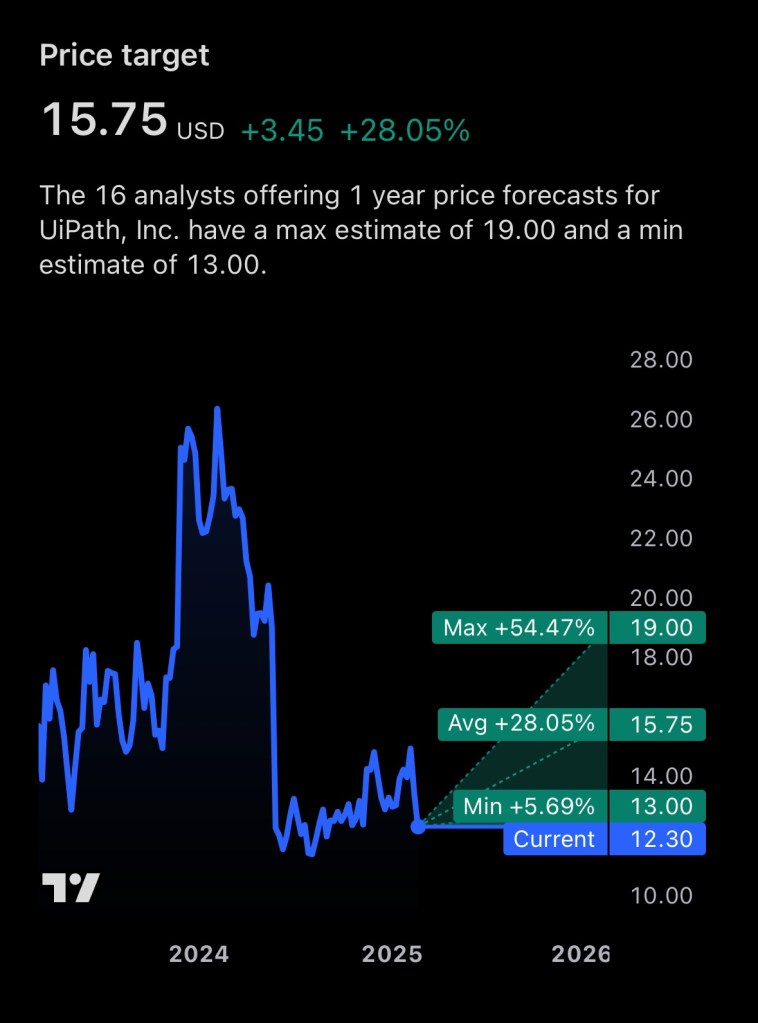
In its fiscal second quarter, UiPath reported a 10% revenue increase to $316 million, surpassing Wall Street expectations. Adjusted earnings stood at 4 cents per share, exceeding analysts’ predictions of 3 cents per share. This performance underscores the growing demand for AI and automation technologies. The company has also approved a $500 million share buyback program, reflecting confidence in its financial health.

Despite these positive indicators, UiPath’s stock has experienced volatility. Shares fell 5% in premarket trading after the company maintained its fourth-quarter revenue forecast, leading to investor disappointment. The stock has declined approximately 40% in 2024, reflecting broader market challenges.

Strategic Positioning in AI and Automation

UiPath continues to innovate within the RPA and AI sectors. The company leverages AI to transform RPA, enabling complex automation and market growth while addressing profitability challenges. This strategic focus positions UiPath to capitalize on the increasing need for intelligent automation solutions across various industries.

Analyst Perspectives

Analysts present mixed views on UiPath’s prospects. Some highlight the company’s potential in the evolving AI landscape, while others express caution due to profitability concerns. Investors are advised to consider these diverse perspectives when evaluating UiPath’s investment potential.

UiPath’s advancements in AI and automation, coupled with its solid financial performance, position it as a noteworthy player in the technology sector. However, potential investors should remain mindful of market volatility and conduct comprehensive research before making investment decisions.

Disclosure:

I do not own any stock or have any financial interest in UiPath Inc. (NYSE: PATH). This article is for informational purposes only and should not be considered financial or investment advice. Investing in stocks carries risks, and past performance is not indicative of future results. Always conduct your own research and consult with a qualified financial professional before making any investment decisions.

References

MarketWatch. (2024, February 29). UiPath sees 10% revenue jump on ‘increasing need’ for AI; stock rallies. MarketWatch. https://www.marketwatch.com/story/uipath-sees-10-revenue-jump-on-increasing-need-for-ai-stock-rallies-f4587d09

MarketWatch. (2024, February 29). UiPath shares drop as Cathie Wood-backed software developer holds guidance. MarketWatch. https://www.marketwatch.com/story/uipath-shares-drop-as-cathie-wood-backed-software-developer-holds-guidance-9ffa2bc0

Investopedia. (2024, February 29). UiPath stock is falling after earnings and the company is boosting its buyback plan. Investopedia. https://www.investopedia.com/uipath-posts-results-and-guidance-on-ai-demand-buyback-8707490

Seeking Alpha. (2024, February 28). UiPath: AI potential vs. margin reality. Seeking Alpha. https://seekingalpha.com/article/4762394-uipath-ai-potential-vs-margin-reality

Why Protecting Your Business Against Cybersecurity Threats is Essential

Cybersecurity threats have become a major concern for businesses of all sizes. With cyberattacks on the rise, failing to safeguard sensitive data can result in devastating consequences, including financial losses, reputational damage, and legal repercussions.

The Growing Threat of Cybercrime

Cybercriminals are constantly developing new tactics to exploit vulnerabilities in business networks. From ransomware attacks to data breaches and phishing scams, organizations face a variety of risks that can compromise customer information, trade secrets, and financial records. According to cybersecurity reports, cybercrime is projected to cost the global economy trillions of dollars annually, highlighting the urgent need for proactive security measures.

Financial and Reputational Risks

A successful cyberattack can have severe financial implications, including loss of revenue, regulatory fines, and the high costs of recovering compromised systems. Beyond monetary losses, businesses may suffer reputational harm, leading to decreased customer trust and lost business opportunities. A single security breach can permanently damage a company’s brand and credibility.

Compliance and Legal Consequences

Businesses that handle sensitive customer data are often subject to strict regulatory requirements. Failing to implement proper cybersecurity measures can result in non-compliance with laws such as the General Data Protection Regulation (GDPR) and the California Consumer Privacy Act (CCPA). Non-compliance can lead to hefty fines and legal action, further impacting a company’s bottom line.

Best Practices for Cybersecurity Protection

To mitigate cybersecurity threats, businesses should adopt a multi-layered security approach that includes:

  • Regular software updates to patch vulnerabilities and enhance security.
  • Employee training programs to educate staff on recognizing phishing scams and security best practices.
  • Strong password policies and multi-factor authentication to secure accounts.
  • Data encryption and backups to protect sensitive information and ensure quick recovery in case of an attack.
  • Network security measures such as firewalls, antivirus software, and intrusion detection systems.
Portrait of tired programer rubbing eyes while typing on laptop sitting at desk with multiple screens parsing code in software agency. Coder losing focus while working on user interface.

Stay Protected – Contact Me Today

Investing in cybersecurity is not just an option—it is a necessity for businesses that want to protect their assets, customers, and reputation. By implementing robust security measures and staying informed about emerging threats, companies can minimize risks and ensure long-term success in an increasingly digital world. If you want to learn more about how to safeguard your company’s data and infrastructure, don’t hesitate to reach out. Contact me today to discuss the best cybersecurity insurance solutions tailored to your business needs.

Key Components of Effective Risk Assessment in Organizations

In today’s unpredictable business landscape, risk assessment has become a critical component of effective business management. Organizations across industries are recognizing the importance of identifying, evaluating, and mitigating risks to ensure sustainability and growth.

The Role of Risk Assessment in Business

Risk assessment is the systematic process of identifying potential hazards, analyzing their impact, and implementing measures to minimize threats. From financial uncertainties to cybersecurity threats and operational challenges, businesses face a myriad of risks that can disrupt their operations.

Effective risk assessment enables companies to anticipate challenges and make informed decisions. It fosters resilience by preparing organizations for adverse events, allowing them to respond proactively rather than reactively.

Key Components of Risk Assessment

Identification of Risks: Businesses must first pinpoint possible risks, whether they stem from market volatility, regulatory changes, technological disruptions, or internal inefficiencies.

Risk Analysis and Evaluation: Once identified, these risks must be analyzed based on their likelihood and potential impact. High-risk areas require immediate attention, while lower-risk concerns may need monitoring.

Implementation of Risk Mitigation Strategies: Companies must develop strategies to either eliminate, mitigate, transfer, or accept risks. These strategies can include diversifying investments, enhancing cybersecurity measures, or creating contingency plans.

Continuous Monitoring and Review: Risk assessment is an ongoing process. Businesses must regularly review and update their risk management strategies to adapt to evolving threats.

The Business Benefits of Risk Assessment

A robust risk assessment framework enhances business management in several ways:

Improved Decision-Making: With a clear understanding of risks, businesses can make data-driven decisions and allocate resources effectively.

Regulatory Compliance: Many industries have strict regulatory requirements. Risk assessment helps organizations adhere to legal and compliance standards, avoiding penalties.

Financial Stability: Identifying and mitigating financial risks protect businesses from unexpected losses and economic downturns.

Enhanced Reputation: Companies that proactively manage risks build trust among customers, investors, and stakeholders, fostering long-term growth.

The Future of Risk Assessment

With advancements in technology, businesses are leveraging artificial intelligence (AI) and data analytics to enhance risk assessment processes. Predictive analytics, machine learning, and real-time monitoring tools are revolutionizing how organizations assess and respond to risks.

As business environments continue to evolve, integrating risk assessment into business management strategies will remain crucial for success. Organizations that prioritize risk management will be better positioned to navigate uncertainties and achieve sustainable growth in the competitive marketplace.

Business continuity management concept. “Business Continuity” with icons strategy, risk assessment, and operational planning. business continuity planning and resilience in managing disruptions.

Risk assessment is no longer optional but a necessity for businesses aiming for longevity and profitability. By embedding risk assessment into their core management strategies, businesses can ensure resilience, maintain operational efficiency, and drive long-term success.

About the Author:

David Dandaneau is a insurance agent that covers the insurance and financial services industry. He is known for his insightful analysis and comprehensive coverage of market trends and regulatory developments.

10 Strategies to Boost Productivity and Stay Focused

Staying productive and maintaining focus can be a challenge for many. With endless distractions and competing priorities, finding ways to maximize efficiency is more important than ever. Here are ten research-backed strategies to help you stay on track and achieve your goals.

  1. Start with a Morning Routine
    The way you start your day sets the tone for everything that follows. Experts suggest creating a consistent morning routine that includes activities like exercise, meditation, or journaling. A well-structured morning can help you feel energized and mentally prepared for the day ahead.
  2. Prioritize Tasks with the Eisenhower Matrix
    One of the most effective ways to manage your time is by categorizing tasks based on urgency and importance. The Eisenhower Matrix helps you focus on what truly matters, enabling you to delegate or defer less critical tasks.
  3. Use the Pomodoro Technique
    This time-management method involves working for 25-minute intervals followed by short breaks. Studies show that breaking tasks into manageable chunks improves focus and reduces burnout.
  4. Eliminate Distractions
    Distractions are productivity’s worst enemy. Whether it’s turning off notifications, creating a clutter-free workspace, or setting boundaries with colleagues, removing distractions can significantly boost your focus.
  5. Leverage Technology
    Productivity apps like Todoist, Notion, and Trello can help you organize tasks, set reminders, and track progress. Additionally, tools like Focus@Will provide curated music designed to enhance concentration.
  6. Practice Mindfulness
    Mindfulness techniques, such as deep breathing and meditation, help reduce stress and improve cognitive function. Taking even five minutes to center yourself can make a world of difference.
  7. Stay Hydrated and Eat Brain-Boosting Foods
    Proper hydration and nutrition play a vital role in maintaining focus. Foods like blueberries, nuts, and green tea are known to enhance cognitive performance and memory.
  8. Get Regular Exercise
    Exercise isn’t just good for your body; it’s essential for your brain. Physical activity increases blood flow and releases endorphins, which improve mood and focus. Even a quick walk can help clear your mind.
  9. Adopt a Growth Mindset
    A positive attitude towards challenges and setbacks can keep you motivated. Viewing failures as opportunities to learn rather than as obstacles can help you maintain momentum.
  10. Reflect and Adjust
    At the end of each day, take a few moments to evaluate your accomplishments and areas for improvement. Regular self-reflection allows you to adjust strategies and refine your approach to productivity.

Staying productive and focused is an ongoing process that requires intentional effort. By incorporating these strategies into your daily routine, you can cultivate habits that lead to sustained success, no matter your goals. Remember to work smarter not harder.

Quantum Computing in 2025: Transforming the Future of Technology

As we officially enter 2025, the quantum computing revolution is accelerating, promising to reshape industries and solve problems once thought intractable. This transformative technology is no longer confined to research labs; it is becoming a cornerstone of technological innovation.

Quantum Leap in Computing Power

Quantum computers operate fundamentally differently from classical computers by leveraging quantum bits, or qubits, which can exist in multiple states simultaneously. This property, known as superposition, combined with entanglement and quantum interference, allows quantum computers to perform complex calculations exponentially faster than their classical counterparts.

In 2025, major breakthroughs are expected in hardware stability and error correction, two of the most significant hurdles in quantum computing. Companies like IBM, Google, and Intel are racing to increase qubit counts and coherence times. IBM recently announced its 1,000-qubit “Condor” processor, and industry experts anticipate that 2025 could see quantum processors surpassing 2,000 qubits, a milestone that might signal the onset of quantum advantage for certain applications.

Applications on the Horizon

Quantum computing is poised to revolutionize numerous fields:

  1. Drug Discovery and Healthcare: Simulating molecular structures and interactions, a task infeasible for classical supercomputers, could lead to breakthroughs in medicine and personalized treatment plans.
  2. Cryptography: While quantum computing poses threats to current encryption methods, it also offers opportunities for developing quantum-resistant cryptographic algorithms.
  3. Supply Chain Optimization: Quantum algorithms can process vast amounts of data to optimize logistics and reduce costs across global supply chains.
  4. Climate Modeling: Advanced quantum simulations could help model complex climate systems with greater accuracy, aiding in the fight against climate change.

Challenges and Ethical Considerations

Despite its promise, quantum computing faces significant challenges. Scalability, error correction, and the need for extremely low-temperature environments are technical obstacles that researchers are striving to overcome. Additionally, the disruptive potential of quantum computing raises ethical and security concerns, particularly regarding data privacy and the potential for technological inequality.

Governments and organizations worldwide are investing heavily in quantum research and workforce development to address these issues. In 2025, collaborations between academia, industry, and government are expected to intensify, fostering innovation while ensuring ethical governance.

Looking Ahead

The quantum computing race is entering a pivotal phase. By 2030, experts predict that quantum computers could become commercially viable for specialized tasks, with far-reaching implications for industries ranging from finance to artificial intelligence.

As we move through 2025, the world will witness quantum computing shifting from a futuristic concept to a practical tool with transformative capabilities. While challenges remain, the momentum building around this technology signals an era of unprecedented possibilities and innovation.

Overcome Distractions: 10 Ways to Improve Focus and Efficiency

From constant notifications to the pressures of multitasking, distractions are everywhere these days. Yet, for those who master the art of focus, the rewards are immense—better efficiency, reduced stress, and greater satisfaction in achieving their goals. Here are some strategies that have been proven to help boost productivity and maintain focus in an increasingly distracted environment.

  1. Start with Clear Goals
    Productivity begins with clarity. Setting specific, measurable goals helps you prioritize tasks and avoid the overwhelm of trying to do too much. Whether it’s a daily to-do list or long-term milestones, knowing what you’re working towards is essential.
  2. Practice Time Blocking
    One of the most effective ways to structure your day is time blocking—a method where you schedule specific periods for focused work on tasks. This approach eliminates decision fatigue and creates a sense of accountability to stick to your planned tasks.
  3. Minimize Distractions
    In a world filled with buzzing phones and endless social media updates, creating a distraction-free workspace is crucial. Consider putting your phone on “Do Not Disturb,” using website blockers for distracting sites, or simply finding a quiet environment to work.
  4. Leverage Technology Wisely
    While technology can be a source of distraction, it can also be a powerful tool for productivity. Apps like Trello, Notion, or Focus@Will offer organization, task tracking, and focus-enhancing tools to keep you on track.
  5. Take Regular Breaks
    Counterintuitive as it may seem, taking breaks improves productivity. Techniques like the Pomodoro Technique—working for 25 minutes and then taking a 5-minute break—help sustain focus by preventing burnout.
  6. Practice Mindfulness and Meditation
    Mindfulness techniques, including meditation, can train your brain to stay present and avoid being pulled in multiple directions. Even a five-minute breathing exercise can sharpen focus and reduce stress.
  7. Get Moving
    Physical activity is not just for your body—it’s for your brain too. A quick walk, stretching, or even a full workout can boost mental clarity and energy levels, ensuring you stay productive throughout the day.
  8. Nourish Your Body and Mind
    What you consume plays a huge role in your productivity. Eating balanced meals, staying hydrated, and avoiding excess caffeine can keep energy levels stable and your brain sharp.
  9. Reflect and Adjust
    At the end of each day or week, take time to evaluate your productivity. Ask yourself what worked, what didn’t, and how you can improve. Productivity is a skill that evolves with practice and self-awareness.
  10. Find Your Motivation
    Finally, staying productive is easier when you’re inspired. Connecting your tasks to a bigger purpose—whether it’s professional growth, personal fulfillment, or helping others—can reignite your drive when motivation wanes.

Staying productive and focused is not about working harder—it’s about working smarter. By adopting these habits and finding what works best for you, you can navigate distractions and achieve your goals with greater ease. In a world where attention is the ultimate currency, mastering focus is a skill that truly pays off.

The Power of Creative Inspiration: Fueling Innovation and Imagination

In the changing times of innovation and design, creative inspiration has become the bedrock for transformative ideas, bridging the gap between concept and reality. Whether in the arts, technology, or business, the spark of creativity is what drives new inventions, fresh approaches, and groundbreaking achievements.

What Is Creative Inspiration?

Creative inspiration refers to that moment when an idea strikes, offering a fresh perspective on a challenge or an entirely new way of doing things. Often, it comes unexpectedly—a result of personal experiences, observations, or even emotions. But behind what seems like a moment of brilliance lies a process: one that requires openness to the world, active engagement with one’s surroundings, and the ability to connect disparate thoughts in innovative ways.

From the works of legendary artists like Vincent van Gogh to the technological marvels conceived by inventors such as Steve Jobs, history offers countless examples of how inspiration can change the course of industries and societies.

Sources of Creative Inspiration

Creativity thrives on diversity, both in experiences and ideas. Here are a few key sources where individuals across disciplines draw their creative energy:

  1. Nature: For centuries, nature has been a prime source of inspiration. The intricate patterns found in plants, animals, and landscapes can prompt solutions to complex problems in fields like architecture, engineering, and design. Biomimicry, a practice that mimics natural processes to solve human challenges, is a direct result of this connection.
  2. Art and Culture: Art in its various forms—painting, music, literature, and dance—has always inspired new perspectives. Creative professionals often immerse themselves in art to gain new insights, blending styles and themes into their own work. Cultural experiences, such as traveling to different countries or experiencing new traditions, also offer fresh lenses through which to view the world.
  3. Technological Advancements: In today’s digital age, technology is both a tool and a source of creative inspiration. New platforms, tools, and software have made it easier for creators to experiment and collaborate across boundaries. From 3D printing and AI-generated art to virtual reality and gaming, technology enables endless possibilities for innovative expression.
  4. Collaboration: Collaboration is a powerful catalyst for creativity. When individuals with different backgrounds and perspectives come together, they can challenge each other’s assumptions, leading to creative breakthroughs. Companies like Google and Apple have famously fostered environments where cross-disciplinary teams can thrive and innovate together.
  5. Everyday Life: Many creative professionals emphasize the importance of staying open to the inspiration found in everyday experiences. Whether it’s observing a conversation at a café or the interaction between light and shadow on a building, small details often hold the seeds for the next big idea.

How to Cultivate Creativity

While some people seem to have a natural affinity for creativity, inspiration can be nurtured. Here are a few strategies to boost creative thinking:

  • Mindfulness and Meditation: Practices like mindfulness help clear mental clutter, making room for new ideas to emerge. Regular meditation can enhance focus and improve one’s ability to generate creative thoughts.
  • Journaling: Writing down thoughts, observations, and ideas—whether in a structured or freeform way—can help creators explore their subconscious, discover patterns, and generate new concepts.
  • Exploring New Skills: Learning something new—whether it’s coding, a musical instrument, or photography—can open doors to creativity. This cross-training of the mind enhances flexibility, allowing creators to approach problems from different angles.
  • Embracing Failure: Failure is a natural part of the creative process. Some of the most significant inventions in history were born from failed experiments or unexpected results. Embracing these moments as opportunities to learn can often lead to breakthroughs.

The Future of Creativity

As the world continues to evolve, creativity will play a central role in shaping the future. Whether addressing environmental challenges, developing new art forms, or advancing science and technology, creative inspiration will be the force driving humanity forward. In a world full of information, the ability to think outside the box, to make connections where none seem obvious, will be more valuable than ever.

In the words of Albert Einstein, “Creativity is intelligence having fun.” It’s a reminder that creativity is not a linear process—it’s a playful, imaginative, and exploratory journey that brings together elements of both art and science.

So whether you are an artist, entrepreneur, or engineer, the key to unlocking your next big idea might be as simple as taking a step back, embracing curiosity, and letting inspiration find its way to you.