Many people believe you need a large sum of money to start investing, but the truth is you can begin building wealth with as little as $1,000. The key lies in choosing the right strategy that fits your goals, risk tolerance, and timeline.
1. Index Funds
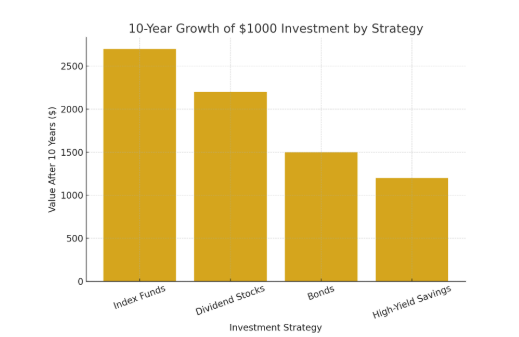
Index funds are one of the simplest and most effective ways to invest. By tracking the performance of a broad market index (like the S&P 500), they offer diversification and steady long-term growth. Historically, index funds have returned around 7–10% annually. With $1,000 invested, the potential compound growth over 10 years could more than double your money.
2. Dividend Stocks
Dividend-paying stocks provide the dual benefit of potential stock price appreciation and regular income through dividend payouts. This strategy appeals to investors who want to generate passive income while also building long-term value. Though returns may vary, reinvesting dividends can accelerate portfolio growth.
3. Bonds
For those seeking stability, bonds remain a trusted option. While the returns are lower compared to stocks, they provide predictable income and are less volatile. A $1,000 bond investment won’t skyrocket in value, but it can help protect capital while earning modest interest.
4. High-Yield Savings Accounts
Technically not an investment in the traditional sense, high-yield savings accounts are a safe place to grow your money while maintaining liquidity. While returns are the smallest of the group, they offer security and immediate access to funds, which is ideal for short-term goals.
Bottom Line
Starting with $1,000 may not make you rich overnight, but it sets the foundation for long-term financial growth. By choosing a strategy that aligns with your needs—whether it’s the steady growth of index funds, the income from dividends, the safety of bonds, or the liquidity of savings—you can begin your journey to building wealth today.
Some quantitative models project a steep upward trajectory. One forecasting service estimates an average December 2025 price of $34.67, with a low of $32.18 and a high of $35.72—implying over 100% upside from current levels (StockScan). If investor sentiment catches up with this model, the stock could indeed flirt with $40 before year-end.
2. Financing Strength and Cash Position
As of March 31, 2025, Oscar Health reported a fortified balance sheet: $4.86 billion in cash, equivalents, and investments, up from $3.97 billion at the end of 2024. Total assets rose 21% YoY, while operating cash flow increased 38% (Michael Burry’s Insights). This cash cushion gives Oscar flexibility to invest in growth, navigate regulatory headwinds, and drive further value.
3. Strategic Expansion Through New Partnerships
Oscar’s deal with Hy-Vee to launch “Hy-Vee Health with Oscar” in Des Moines, covering about 400,000 employees in the individual marketplace starting Jan 1, 2026, signals a bold move into employer-backed coverage. The ICHRA model aims to save businesses 20–30% and deliver substantial cost-savings to employees-this could create significant scale and margin tailwinds (Benzinga).
4. Accelerating Revenue Growth
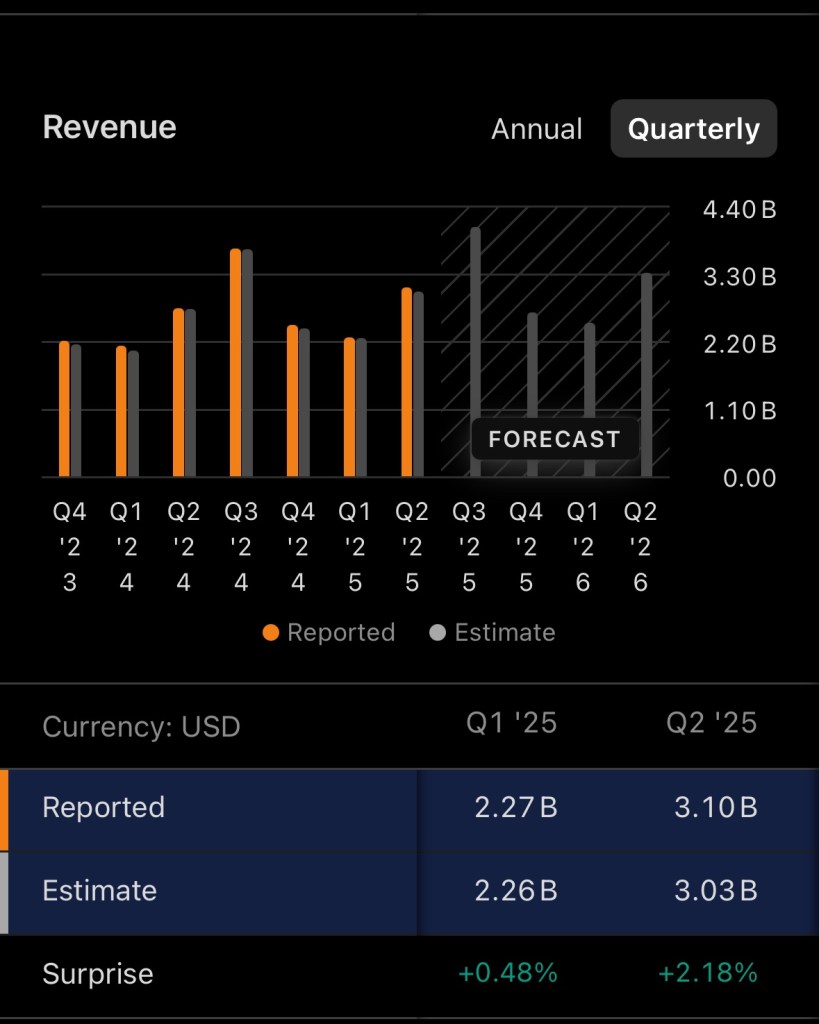
While Q2 revenue of $2.86 billion fell slightly short of the $2.91 billion estimate, it still marked a 29% increase YoY. The company reaffirmed its full-year 2025 revenue guidance at $12–12.2 billion (versus Wall Street’s $11.32 billion estimate), underscoring underlying growth momentum (BenzingaYahoo FinanceStockAnalysis).
5. Valuation Appears Undervalued for Growth Potential
Oscar trades at over 101x forward EV/EBITDA, a lofty multiple—but some analysts argue this valuation is justified by its “quality characteristics” and disruptive business model (StockStory). Others see it as deeply undervalued despite near-term uncertainty tied to ACA policy risks (Seeking Alpha+1).
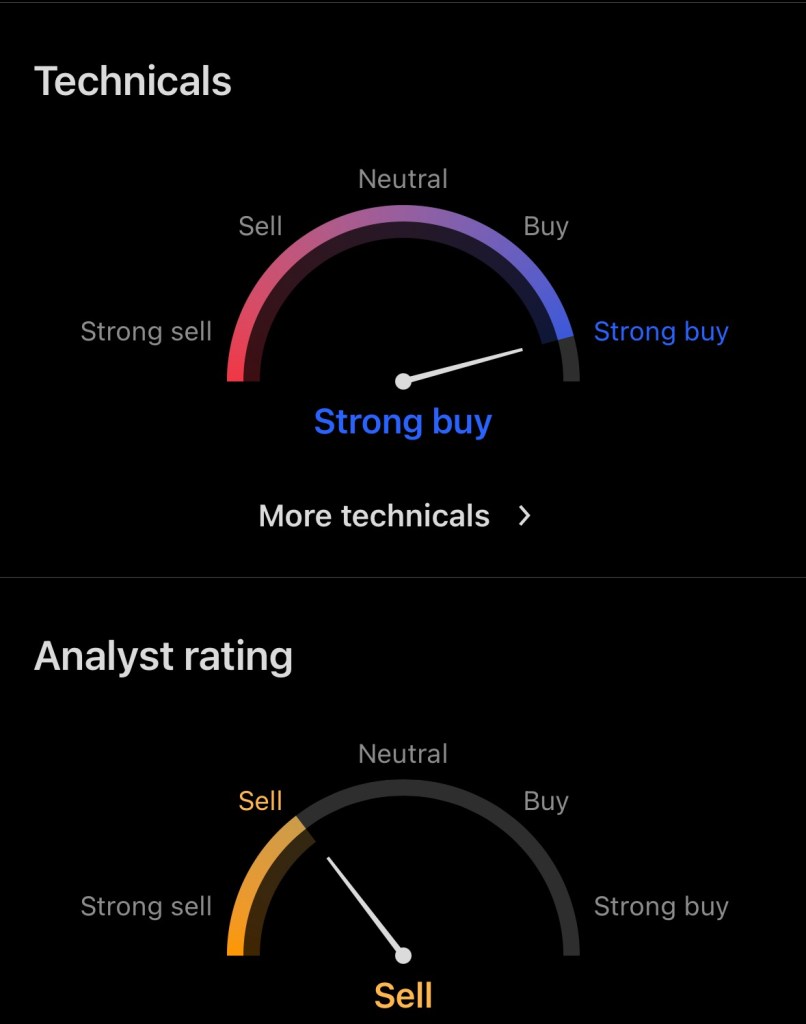
Skeptical Market Sentiment: Many brokerages hold “Sell,” “Hold,” or “Neutral” ratings. Notably, Piper Sandler cut its target from $14 to $13, citing uncertainties around risk adjustments and path to profitability (Benzinga). MarketBeat’s consensus is “Strong Sell,” and TipRanks flags a “Downside potential” of ~30% (MarketBeat).
Profitability Still Out of Reach in 2025: OSCR is expected to operate at a loss—losses projected around $200–300 million for the year (Yahoo Finance). Its Q2 GAAP loss was $0.89/share, and medical loss ratio (MLR) swelled from 79% in 2024 to 91.1% in Q2 2025 (BenzingaStockAnalysis). These factors dampen bullish expectations.
Headlines-Style Article: “Oscar Health: Can It Make the Leap to $40 by Christmas 2025?”
New York, August 23, 2025 – Oscar Health Inc. (NYSE: OSCR) currently trades near $16.98, buoyed by stellar revenue growth, robust liquidity, and a landmark new partnership but Wall Street’s confidence remains tepid.
Why $40 isn’t implausible:
Long-term algorithmic forecasts place December 2025 prices in the low-$30s, including a possible high of $35.72 (StockScan).
Strengthened cash position of $4.86 billion, coupled with rising operating cash flows, enhances the company’s financial flexibility (Michael Burry’s Insights).
Innovative ventures like the Hy-Vee collaboration, targeting 400,000 employees, position Oscar to disrupt cost structures and tap new revenue streams (Benzinga).
A confirmed revenue guidance of $12–12.2 billion highlights strong underlying demand despite macro-healthcare headwinds (Yahoo FinanceStockAnalysis).
Profitability is still elusive: projected operational losses of up to $300 million in 2025, and increased medical loss ratios (MLR) eroding margins (BenzingaYahoo FinanceStockAnalysis).
Sentiment skews negative, with ratings from “Hold” to “Strong Sell” prevailing, reflecting elevated policy-related and insurance-market risks (MarketBeat).
Final Thoughts: While consensus targets place Oscar Health under $15, a confluence of strong cash reserves, growth initiatives, and bullish long-term models could propel the stock into the low $30s by Christmas-though doing so would require sustained execution and favorable market sentiment in the face of continued near-term challenges.
Disclaimer: The author holds a position in $OSCR Oscar Healthcare and this article should not be considered financial advice. Always conduct your own research before making any investment decisions.
Airbnb delivered $11.1 billion in revenue for 2024, marking a 12% year-over-year increase, driven by higher booking volume and sustained average daily rates. Gross booking value surged to $81.8 billion (+10.6% YoY), while free cash flow hit $458 million in Q4 (18% margin) (AInvest).
Moreover, Airbnb’s global market share in short-term rentals climbed to 44% in 2024, up from 28% in 2019—far ahead of Booking.com (18%) and Expedia/Vrbo (9%) (AInvest).
2. Efficient Asset-Light Business Model
Airbnb’s strategy avoids owning properties, enabling high-margin operations. Their gross margin soared to approximately 83% in early 2024 (The Motley Fool), and their asset utilization metrics demonstrate tightening efficiency. Notably, the net fixed-asset turnover leaped from 12.5 in 2020 to 75.5 in 2024, reflecting strong revenue delivery with minimal asset base (Stock Analysis on Net).
3. Strategic Diversification into Services & Experiences
In recent quarters, Airbnb has repositioned itself beyond homestays into an integrated travel ecosystem-offering localized experiences, services like spa treatments, personal training, and lodging alternatives-all within its revamped app ecosystem (AInvestMarketWatch).
This diversification is not trivial: management projects that the “Services & Experiences” vertical could generate $1 billion in annual revenue within 3–5 years, backed by a $200–250 million investment earmarked for 2025 (AInvestMarketWatch).
4. Recent Strong Earnings Momentum
Airbnb outperformed expectations in Q2 2025:
Earnings per share: $1.03 (+99% YoY vs. $0.94 expected)
Revenue: $3.1 billion (+13% YoY)
Gross bookings: $23.5 billion (+11% YoY)
Despite these strong results, caution around margin trajectory and investment pace weighed on sentiment, causing a ~7% dip in premarket trading Investors.
Simultaneously, long-term confidence remains steady-Akre Capital boosted its Airbnb allocation by 10%, signaling belief in the company’s growth trajectory (AInvest).
5. Favorable Industry Trends
In the broader travel space, analysts remain positive. A recent Barron’s feature highlights secular travel growth outpacing GDP and the rising demand for experiences. Although other travel players like hotels and airlines benefit, OTAs and platforms like Airbnb must adapt and diversify to stay competitive-something Airbnb is actively doing (Barron’s).
Industry Positioning: How Airbnb Compares
Here’s a snapshot comparing Airbnb to its main competitors in the travel lodging and experiences sector:
Company
Market Share (2024)
Business Model
Key Differentiator
Airbnb
44%
Asset-light platform
Large host network, high margins, diversified services
Booking.com
18%
Hybrid (hotels + rentals)
Strong hotel partnerships, AI integration
Expedia/Vrbo
9%
Hybrid OTA
Bundle offerings, traditional OTA presence
Airbnb leads clearly in short-term rental share and continues to build stronger differentiation through vertical integration and digital enhancements (AInvest+1MarketWatchBarron’s).
Points of Caution
Valuation: Forward P/E sits above 30x (e.g., ~34.5x), relatively high compared to peers like Expedia (~10x) or Booking (~18x) (The Motley FooleToro).
Regulatory Headwinds: Local restrictions (e.g., New York City) and evolving laws could curtail growth in certain markets (eToroMarketWatch).
Execution Risk: Scaling new offerings and achieving the $1 billion services target will take time—short-term margins may remain under pressure (AInvestInvestorsMarketWatch).
Final Take
Airbnb demonstrates the hallmarks of a high-upside, long-term growth stock:
Strong financials, efficient operations, and leading share in a growing market.
Expanding revenue streams beyond traditional listings.
Strategic execution evidenced by earnings beats and fund manager conviction.
That said, elevated valuation and near-term execution risks suggest that patient investors may benefit from disciplined entry points or staged allocation.
Disclaimer: The author holds a position in $ABNB AIR BNB and this article should not be considered financial advice. Always conduct your own research before making any investment decisions.
As Americans continue to grapple with economic uncertainty, rising living costs, and increasing life expectancy, the importance of retirement planning has never been more pressing. One of the biggest debates among financial experts and everyday workers alike is this: Is it better to start saving early, or can a late start still lead to a secure retirement?
The Power of Starting Early Financial advisors almost universally agree—when it comes to retirement, time is your greatest asset. Starting in your 20s or early 30s allows compound interest to work its magic.
Take, for example, a 25-year-old who invests $300 a month in a retirement account with an average annual return of 7%. By the time they turn 65, they could accumulate nearly $725,000. On the other hand, someone who begins investing the same amount at age 40 would end up with just over $225,000 at retirement.
“Starting early doesn’t just mean you’ll have more saved—it also means you can afford to take less risk, contribute less monthly, and still enjoy financial freedom later,” says Michelle Harris, a certified financial planner in Chicago.
Early starters also have the advantage of weathering market volatility. They have decades to recover from downturns, allowing for a more aggressive, growth-oriented investment approach early on.
The Challenges—and Hope—of Starting Late Still, not everyone has the means or knowledge to begin saving in their 20s. Life events such as student debt, low-paying jobs, or unexpected medical expenses can push retirement planning to the back burner.
“If you’re starting in your 40s or even 50s, the hill is steeper, but it’s not insurmountable,” says Tony Kim, a retirement strategist based in San Diego. “The key is discipline, increased contributions, and possibly working a bit longer.”
Late starters are often advised to max out retirement accounts like 401(k)s and IRAs, take advantage of catch-up contributions (available to those 50 and older), and consider delaying Social Security benefits to increase monthly payouts.
Financial experts also emphasize the importance of budgeting, eliminating debt, and making intentional lifestyle choices to accelerate savings.
A Matter of Mindset Whether you start at 25 or 55, the most important step is simply to start. Procrastination is often the biggest enemy of retirement planning.
“Too many people think they have time or that it’s too late,” says Harris. “Both beliefs are harmful. The sooner you face your financial future, the better your options will be.”
Retirement planning is not a one-size-fits-all journey. Starting early gives investors more flexibility and freedom, but starting late doesn’t mean the game is over. With the right strategy, discipline, and mindset, it’s possible to secure a comfortable retirement at any age.
About the Author:
David Dandaneau is a insurance agent that covers the insurance and financial services industry. He is known for his insightful analysis and comprehensive coverage of market trends and regulatory developments.
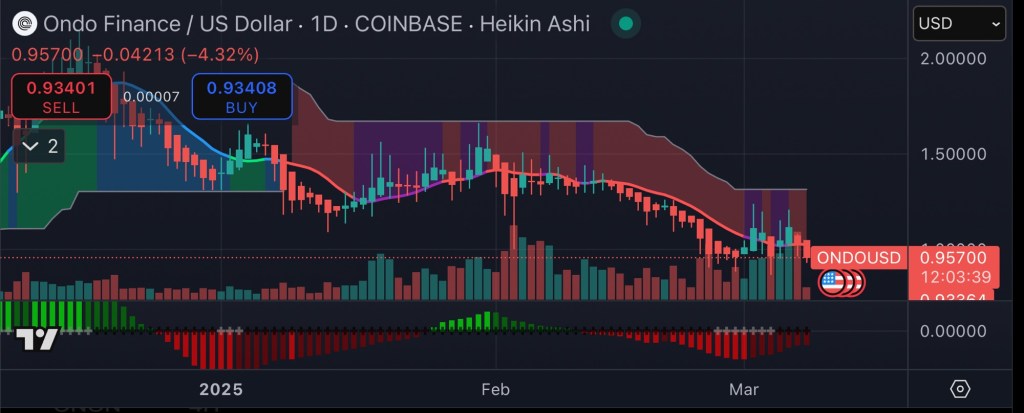
The cryptocurrency market continues to evolve, with new projects constantly emerging that aim to redefine finance. One such project making waves is ONDO Finance. This innovative platform bridges traditional finance with decentralized finance (DeFi), providing investors with unique opportunities to gain exposure to real-world assets on the blockchain.
What is ONDO Finance? ONDO Finance is a decentralized finance protocol that focuses on tokenizing traditional financial assets, such as bonds, treasury securities, and other stable investments. By leveraging blockchain technology, ONDO Finance offers transparency, security, and ease of access to investors seeking diversified income streams.
The ONDO token is the platform’s utility and governance token, allowing holders to participate in decision-making processes, earn rewards, and access exclusive investment opportunities.
Why is ONDO Finance Gaining Attention?
Real-World Asset Integration: ONDO Finance bridges traditional finance with crypto by tokenizing real-world assets. This unique model offers stability and predictable returns, attracting risk-averse investors seeking consistent yields.
Transparency and Security: Blockchain technology ensures that all transactions are recorded and verifiable, reducing fraud risk and enhancing trust among investors.
Yield Opportunities: ONDO Finance offers structured investment products designed to maximize returns, making it an attractive platform for both retail and institutional investors.
Institutional Partnerships: The project has forged partnerships with major financial institutions, reinforcing its credibility and growth potential.
DeFi Growth Potential: As DeFi continues to expand, platforms like ONDO Finance that focus on real-world asset integration are poised for strong growth.
Investment Considerations While ONDO Finance presents an exciting opportunity, potential investors should be mindful of the risks inherent to the crypto market. Market volatility, regulatory changes, and platform-specific risks should be carefully considered. Conducting thorough research and diversifying investments is crucial.
ONDO Finance is emerging as a significant player in the crypto landscape by combining traditional finance stability with blockchain innovation. For investors seeking exposure to real-world assets with the added benefits of DeFi, ONDO Finance may offer a promising avenue for growth. However, as with any investment, due diligence is key to making informed decisions.
Disclaimer: The author holds a position in ONDO Finance and this article should not be considered financial advice. Always conduct your own research before making any investment decisions.
UiPath Inc. (NYSE: PATH), a leading company in robotic process automation (RPA) and artificial intelligence (AI), has recently garnered attention from investors due to its strategic advancements and market positioning.
Financial Performance and Outlook
In its fiscal second quarter, UiPath reported a 10% revenue increase to $316 million, surpassing Wall Street expectations. Adjusted earnings stood at 4 cents per share, exceeding analysts’ predictions of 3 cents per share. This performance underscores the growing demand for AI and automation technologies. The company has also approved a $500 million share buyback program, reflecting confidence in its financial health.
Despite these positive indicators, UiPath’s stock has experienced volatility. Shares fell 5% in premarket trading after the company maintained its fourth-quarter revenue forecast, leading to investor disappointment. The stock has declined approximately 40% in 2024, reflecting broader market challenges.
Strategic Positioning in AI and Automation
UiPath continues to innovate within the RPA and AI sectors. The company leverages AI to transform RPA, enabling complex automation and market growth while addressing profitability challenges. This strategic focus positions UiPath to capitalize on the increasing need for intelligent automation solutions across various industries.
Analyst Perspectives
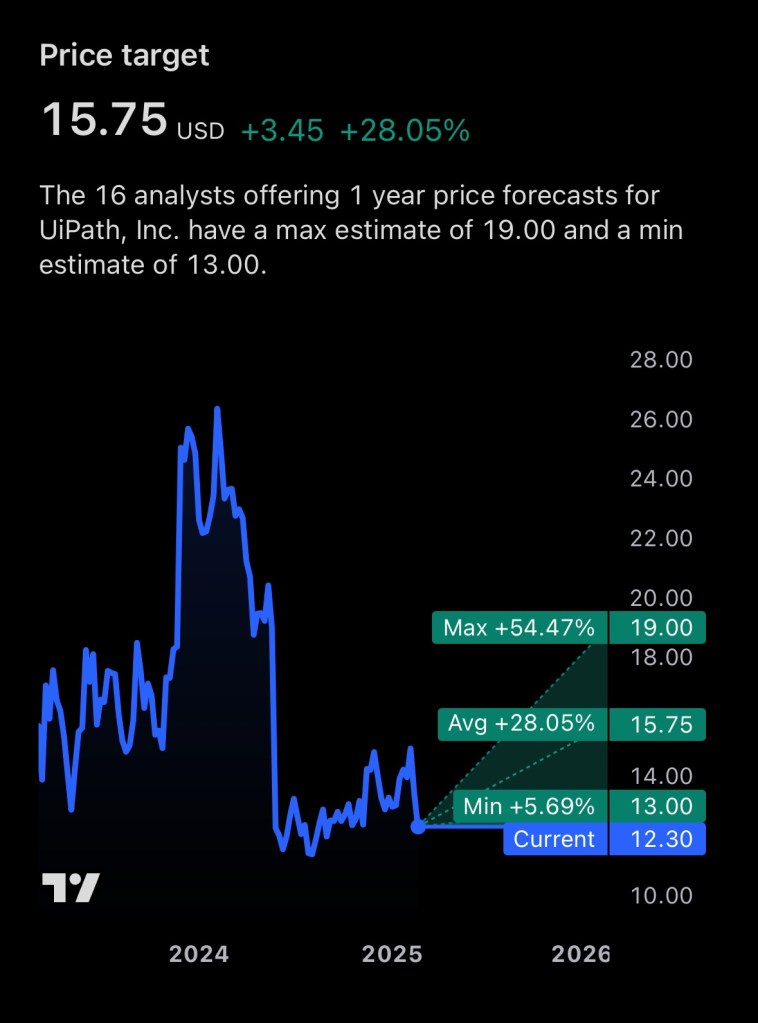
Analysts present mixed views on UiPath’s prospects. Some highlight the company’s potential in the evolving AI landscape, while others express caution due to profitability concerns. Investors are advised to consider these diverse perspectives when evaluating UiPath’s investment potential.
UiPath’s advancements in AI and automation, coupled with its solid financial performance, position it as a noteworthy player in the technology sector. However, potential investors should remain mindful of market volatility and conduct comprehensive research before making investment decisions.
Disclosure:
I do not own any stock or have any financial interest in UiPath Inc. (NYSE: PATH). This article is for informational purposes only and should not be considered financial or investment advice. Investing in stocks carries risks, and past performance is not indicative of future results. Always conduct your own research and consult with a qualified financial professional before making any investment decisions.
Clover Health Investments Corp. (NASDAQ: $CLOV), a physician enablement company focused on improving healthcare for Medicare beneficiaries, has recently demonstrated significant growth and strategic initiatives that may appeal to investors.
Robust Membership Growth
As of January 2025, Clover Health reported a 27% increase in Medicare Advantage membership, surpassing 100,000 members. Notably, approximately 95% of these members are enrolled in the company’s flagship 4-Star Preferred Provider Organization (PPO) plan, reflecting Clover’s commitment to delivering high-quality care.
Strategic Focus on Profitability
In December 2023, Clover Health announced its decision to exit the Centers for Medicare and Medicaid Services’ (CMS) ACO REACH program. This move allows the company to concentrate resources on its core Medicare Advantage insurance business and the Clover Assistant platform, aiming to achieve profitability on an Adjusted EBITDA basis for the full year 2024.
Financial Performance and Outlook
The company’s financial trajectory shows promise, with earnings expected to improve from a loss of $0.12 per share to $0.07 per share in the coming year. Analysts have set a 12-month price target of $5.00 for Clover Health’s stock, suggesting potential upside from its current trading price of $4.46 as of February 16, 2025.
Investment Considerations
While Clover Health’s recent membership growth and strategic refocusing are positive indicators, potential investors should be mindful of market volatility. The stock has experienced fluctuations, and with a significant portion of retail ownership, there is a risk of profit-taking following earnings reports. Therefore, a cautious approach is advisable, possibly awaiting the upcoming Q4 2024 earnings release for more clarity on the company’s financial health.
Clover Health’s strategic initiatives and growth in the Medicare Advantage sector position it as a noteworthy contender in the healthcare market. However, investors should conduct thorough research and consider market dynamics before making investment decisions.
Disclosure: I currently hold a position in Clover Health Investments Corp. (NASDAQ: $CLOV). This article reflects my personal opinions and analysis, and is not intended as financial advice. Please conduct your own research or consult a financial advisor before making any investment decisions.
Artificial intelligence (AI) and cutting-edge technologies are revolutionizing the way individuals and institutions invest in their future. From personalized financial planning to sustainable investment strategies, the integration of AI into financial systems is shaping a new era of opportunity and efficiency.
AI in Personal Finance Gone are the days when financial advice was solely the domain of human advisors. AI-driven platforms like robo-advisors are providing investors with tailored advice at a fraction of the cost. By analyzing vast amounts of data in real time, these tools offer personalized investment strategies that account for individual goals, risk tolerance, and market trends.
For instance, platforms such as Wealthfront and Betterment leverage AI to automate portfolio management, ensuring investments are optimized and rebalanced regularly. This technology empowers even novice investors to take control of their financial futures with confidence.
Predictive Analytics for Smarter Decisions AI’s ability to process and interpret data at lightning speed is revolutionizing predictive analytics. Investors and financial institutions use machine learning algorithms to identify market trends, detect anomalies, and predict economic shifts. This insight helps mitigate risks and uncover profitable opportunities, making investment strategies more robust than ever.
Democratizing Access to Wealth-Building Tools Technological advancements are also breaking down barriers to entry in the investment world. Apps like Robinhood and Acorns make it easy for individuals to start investing with as little as a few dollars. These platforms, often powered by AI, offer features like micro-investing, automated savings, and financial education, helping more people build wealth over time.
AI and Sustainable Investing The growing emphasis on environmental, social, and governance (ESG) factors in investment decisions is another area where AI is making a difference. By analyzing non-financial data—such as carbon emissions, labor practices, and governance policies—AI helps investors identify companies that align with their values while delivering strong financial returns.
Challenges and Ethical Considerations Despite its many benefits, the rise of AI in investing raises concerns about data privacy, algorithmic bias, and the potential for over-automation. Experts caution against over-reliance on AI, emphasizing the need for human oversight to ensure ethical and responsible decision-making.
A Glimpse Into the Future As AI and technology continue to evolve, the future of investing looks increasingly dynamic and inclusive. Blockchain technology is paving the way for decentralized finance (DeFi), while advancements in quantum computing promise to unlock even greater predictive capabilities.
The integration of AI into financial systems is not merely a trend but a fundamental shift. By embracing these innovations, individuals and institutions alike can navigate the complexities of modern markets and secure their financial futures with unprecedented precision.
The world of cryptocurrency has captured the attention of investors across the globe, with Bitcoin leading the charge as the pioneer of the digital currency era. Alongside Bitcoin, a multitude of alternative cryptocurrencies, known as altcoins, have emerged, offering unique features and investment opportunities. If you’re considering venturing into this dynamic market, understanding its fundamentals is crucial.
Bitcoin: The Foundation of Cryptocurrency Bitcoin, created in 2009 by the pseudonymous Satoshi Nakamoto, is the first decentralized digital currency. It operates on blockchain technology, ensuring transparency and security through a distributed ledger system. Bitcoin’s scarcity—it’s capped at 21 million coins—has contributed to its reputation as “digital gold.”
Bitcoin is often viewed as a store of value and a hedge against inflation, with increasing adoption by major corporations and institutional investors. However, its price volatility remains a significant factor, requiring careful consideration before investing.
What Are Altcoins? Altcoins refer to all cryptocurrencies other than Bitcoin. The term encompasses thousands of digital currencies with diverse purposes, from Ethereum, which facilitates decentralized applications (dApps) and smart contracts, to niche coins like Dogecoin and Cardano.
Each altcoin is designed with a specific use case. For instance:
Ethereum (ETH): Known for enabling smart contracts and decentralized finance (DeFi).
Ripple (XRP): Focused on cross-border payments and financial institution adoption.
Cardano (ADA): Promotes sustainability and scalability in blockchain technology. While altcoins can offer high returns, they often come with higher risks due to lower liquidity, lesser adoption, and a lack of widespread trust compared to Bitcoin.
Key Considerations for Investing 1) Volatility: Cryptocurrency markets are highly volatile, with prices swinging dramatically in short periods. Bitcoin and altcoins alike are subject to these fluctuations. 2) Research: Before investing in any altcoin, understand its purpose, development team, market trends, and community support. Avoid making decisions based on hype alone. 3) Security: Store your assets in secure wallets. Hardware wallets are preferred for long-term holdings, while software wallets are suitable for frequent transactions. 4) Regulatory Environment: Cryptocurrency regulations vary by country and can impact market prices. Stay informed about government policies and potential restrictions. 5) Diversification: Avoid putting all your funds into a single cryptocurrency. Diversifying between Bitcoin and selected altcoins can mitigate risks.
Risks to Watch The cryptocurrency market is not without risks:
Scams: Rug pulls and fraudulent projects are common among altcoins.
Market Manipulation: Low-liquidity altcoins are susceptible to price manipulation by “whales.”
Technological Failures: Bugs, hacks, or failed upgrades can render cryptocurrencies worthless.
The Future of Cryptocurrency Bitcoin remains the anchor of the cryptocurrency market, but altcoins are driving innovation in blockchain technology. Decentralized finance (DeFi), non-fungible tokens (NFTs), and Web3 applications are shaping the next phase of the digital economy, with altcoins playing a vital role.
For those prepared to navigate its complexities, cryptocurrency offers an exciting frontier. However, thorough research, a strong risk appetite, and a long-term perspective are essential for success in this evolving space.
Disclaimer: Cryptocurrency investments are speculative and involve substantial risk. Consult with a financial advisor before making investment decisions.
November 2, 2024 – As cities grow and populations shift, an exciting trend is emerging in the real estate market: property transformations. Homeowners, investors, and architects are working together to breathe new life into older buildings, turning underutilized spaces into functional and appealing properties that fit modern needs.
The Rise of Adaptive Reuse and Sustainable Remodeling As more people seek eco-friendly lifestyles, adaptive reuse—repurposing old structures rather than building from scratch—has gained popularity. By converting old factories, warehouses, and historic buildings into homes, offices, or co-working spaces, property transformations not only retain the character of communities but also reduce the environmental impact of construction.
“Adaptive reuse is one of the most sustainable approaches to property development,” said architect Laura Mendoza, who has led several transformation projects in New York City. “It allows us to cut down on materials while creating something functional and unique.”
This trend also extends to smaller, residential projects. Homeowners are turning unused attics, basements, and even garages into additional living spaces. With the right design, these spaces can be transformed into home offices, rental units, or cozy retreats that add both value and versatility to properties.
The Economic Impact of Property Transformations For urban and suburban areas facing housing shortages, transforming existing properties has proven to be an efficient way to meet demand without urban sprawl. Municipalities, in turn, benefit from an increased tax base and revitalized neighborhoods.
“Property transformation is a win-win for both developers and the community,” says Jordan Lee, a real estate developer in Seattle. “It allows us to create affordable, high-quality spaces without needing to clear new land, which can be a lengthy and costly process.”
In some cases, transformation projects have stimulated local economies, attracting new residents and businesses. For instance, the renovation of old industrial districts in places like Detroit has led to a wave of new businesses, boosting local economies and creating jobs.
Trends in Property Transformations: What to Expect While repurposing old buildings and creating versatile living spaces remains a core aspect of property transformations, several other trends are influencing the market:
Mixed-Use Spaces: Property owners are designing buildings that offer residential, commercial, and recreational spaces under one roof, creating a vibrant community hub. Smart Renovations: Incorporating smart technology, from energy-efficient appliances to security systems, is becoming a priority in transformed properties. Art and Design Integration: Many transformations now incorporate art and design elements from the building’s original history. This can include restoring architectural details or featuring art pieces that reflect the area’s cultural background.
Challenges in Property Transformations While property transformations offer exciting possibilities, they also come with challenges. Renovating old buildings can require careful planning and creativity to meet modern building codes. Additionally, costs can quickly escalate if unexpected structural issues arise.
“Finding a balance between preserving historical integrity and meeting contemporary standards is challenging,” Mendoza noted. “But when done right, the results are truly remarkable.”
The Future of Property Transformations As cities continue to adapt to population growth, climate change, and evolving community needs, property transformations will likely remain a cornerstone of urban development. With both economic and environmental benefits, it’s a trend that has redefined how people live, work, and interact within urban spaces.
As more communities embrace these innovative solutions, property transformations are not only preserving the past but also building a sustainable, interconnected future.