Why Protecting Your Business Against Cybersecurity Threats is Essential

Cybersecurity threats have become a major concern for businesses of all sizes. With cyberattacks on the rise, failing to safeguard sensitive data can result in devastating consequences, including financial losses, reputational damage, and legal repercussions.

The Growing Threat of Cybercrime

Cybercriminals are constantly developing new tactics to exploit vulnerabilities in business networks. From ransomware attacks to data breaches and phishing scams, organizations face a variety of risks that can compromise customer information, trade secrets, and financial records. According to cybersecurity reports, cybercrime is projected to cost the global economy trillions of dollars annually, highlighting the urgent need for proactive security measures.

Financial and Reputational Risks

A successful cyberattack can have severe financial implications, including loss of revenue, regulatory fines, and the high costs of recovering compromised systems. Beyond monetary losses, businesses may suffer reputational harm, leading to decreased customer trust and lost business opportunities. A single security breach can permanently damage a company’s brand and credibility.

Compliance and Legal Consequences

Businesses that handle sensitive customer data are often subject to strict regulatory requirements. Failing to implement proper cybersecurity measures can result in non-compliance with laws such as the General Data Protection Regulation (GDPR) and the California Consumer Privacy Act (CCPA). Non-compliance can lead to hefty fines and legal action, further impacting a company’s bottom line.

Best Practices for Cybersecurity Protection

To mitigate cybersecurity threats, businesses should adopt a multi-layered security approach that includes:

  • Regular software updates to patch vulnerabilities and enhance security.
  • Employee training programs to educate staff on recognizing phishing scams and security best practices.
  • Strong password policies and multi-factor authentication to secure accounts.
  • Data encryption and backups to protect sensitive information and ensure quick recovery in case of an attack.
  • Network security measures such as firewalls, antivirus software, and intrusion detection systems.

Portrait of tired programer rubbing eyes while typing on laptop sitting at desk with multiple screens parsing code in software agency. Coder losing focus while working on user interface.

Stay Protected – Contact Me Today

Investing in cybersecurity is not just an option—it is a necessity for businesses that want to protect their assets, customers, and reputation. By implementing robust security measures and staying informed about emerging threats, companies can minimize risks and ensure long-term success in an increasingly digital world. If you want to learn more about how to safeguard your company’s data and infrastructure, don’t hesitate to reach out. Contact me today to discuss the best cybersecurity insurance solutions tailored to your business needs.

Key Components of Effective Risk Assessment in Organizations

In today’s unpredictable business landscape, risk assessment has become a critical component of effective business management. Organizations across industries are recognizing the importance of identifying, evaluating, and mitigating risks to ensure sustainability and growth.

The Role of Risk Assessment in Business

Risk assessment is the systematic process of identifying potential hazards, analyzing their impact, and implementing measures to minimize threats. From financial uncertainties to cybersecurity threats and operational challenges, businesses face a myriad of risks that can disrupt their operations.

Effective risk assessment enables companies to anticipate challenges and make informed decisions. It fosters resilience by preparing organizations for adverse events, allowing them to respond proactively rather than reactively.

Key Components of Risk Assessment

Identification of Risks: Businesses must first pinpoint possible risks, whether they stem from market volatility, regulatory changes, technological disruptions, or internal inefficiencies.

Risk Analysis and Evaluation: Once identified, these risks must be analyzed based on their likelihood and potential impact. High-risk areas require immediate attention, while lower-risk concerns may need monitoring.

Implementation of Risk Mitigation Strategies: Companies must develop strategies to either eliminate, mitigate, transfer, or accept risks. These strategies can include diversifying investments, enhancing cybersecurity measures, or creating contingency plans.

Continuous Monitoring and Review: Risk assessment is an ongoing process. Businesses must regularly review and update their risk management strategies to adapt to evolving threats.

The Business Benefits of Risk Assessment

A robust risk assessment framework enhances business management in several ways:

Improved Decision-Making: With a clear understanding of risks, businesses can make data-driven decisions and allocate resources effectively.

Regulatory Compliance: Many industries have strict regulatory requirements. Risk assessment helps organizations adhere to legal and compliance standards, avoiding penalties.

Financial Stability: Identifying and mitigating financial risks protect businesses from unexpected losses and economic downturns.

Enhanced Reputation: Companies that proactively manage risks build trust among customers, investors, and stakeholders, fostering long-term growth.

The Future of Risk Assessment

With advancements in technology, businesses are leveraging artificial intelligence (AI) and data analytics to enhance risk assessment processes. Predictive analytics, machine learning, and real-time monitoring tools are revolutionizing how organizations assess and respond to risks.

As business environments continue to evolve, integrating risk assessment into business management strategies will remain crucial for success. Organizations that prioritize risk management will be better positioned to navigate uncertainties and achieve sustainable growth in the competitive marketplace.

Business continuity management concept. “Business Continuity” with icons strategy, risk assessment, and operational planning. business continuity planning and resilience in managing disruptions.

Risk assessment is no longer optional but a necessity for businesses aiming for longevity and profitability. By embedding risk assessment into their core management strategies, businesses can ensure resilience, maintain operational efficiency, and drive long-term success.

About the Author:

David Dandaneau is a insurance agent that covers the insurance and financial services industry. He is known for his insightful analysis and comprehensive coverage of market trends and regulatory developments.

UPS Stock Drops 16%: What’s Next for Investors?

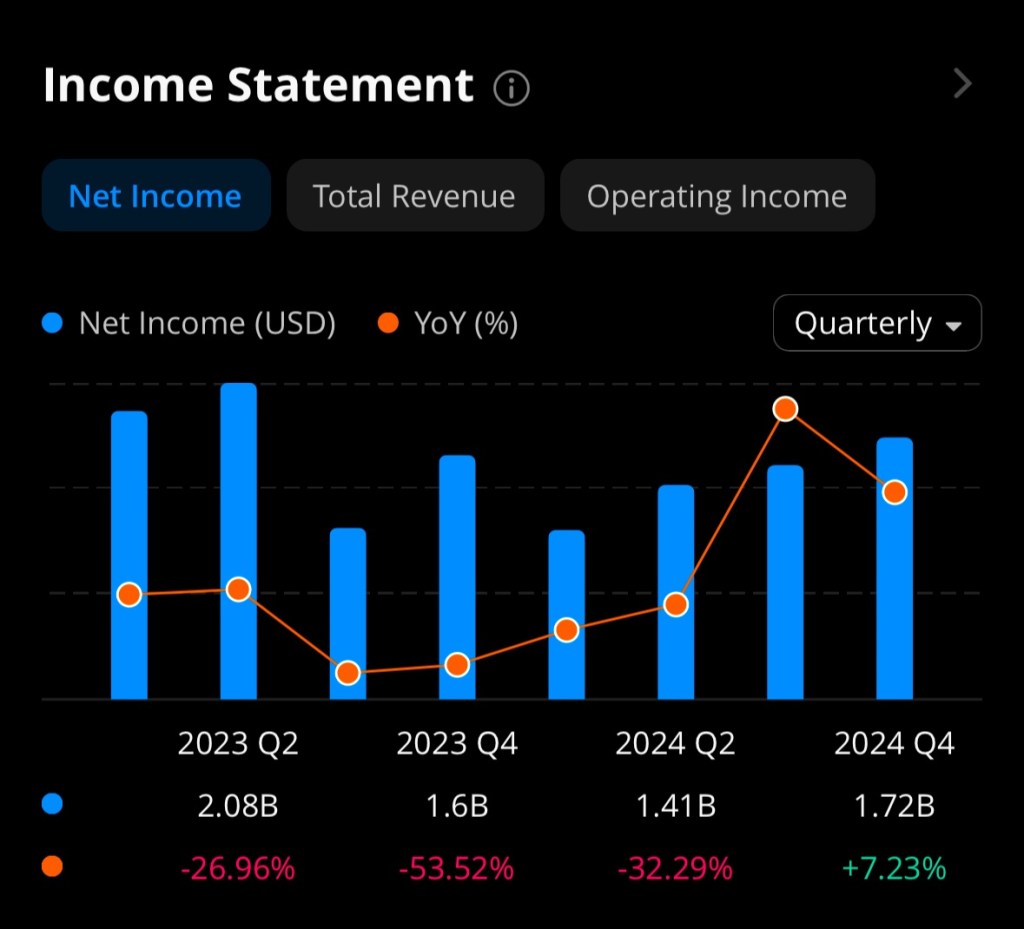
United Parcel Service (UPS) has recently experienced a significant decline in its stock value, with shares dropping over 16% following the announcement of a strategic shift to reduce its business with Amazon by more than 50% by the second half of 2026. This decision is part of UPS’s broader strategy to focus on more profitable segments, such as healthcare logistics and business-to-business deliveries, aiming to improve profit margins and reduce dependency on Amazon.

Despite the immediate negative market reaction, some analysts view this move as a positive step for UPS’s long-term profitability. By decreasing reliance on high-volume, low-margin shipments from Amazon, UPS plans to enhance operational efficiency and focus on higher-margin businesses. This strategic pivot is expected to save the company approximately $1 billion annually.

Additionally, UPS’s decision to insource operations previously handled by the U.S. Postal Service, such as the SurePost product, is aimed at optimizing service and reducing costs. While these changes may present short-term challenges, they are designed to position the company for sustainable growth and improved profitability in the future.

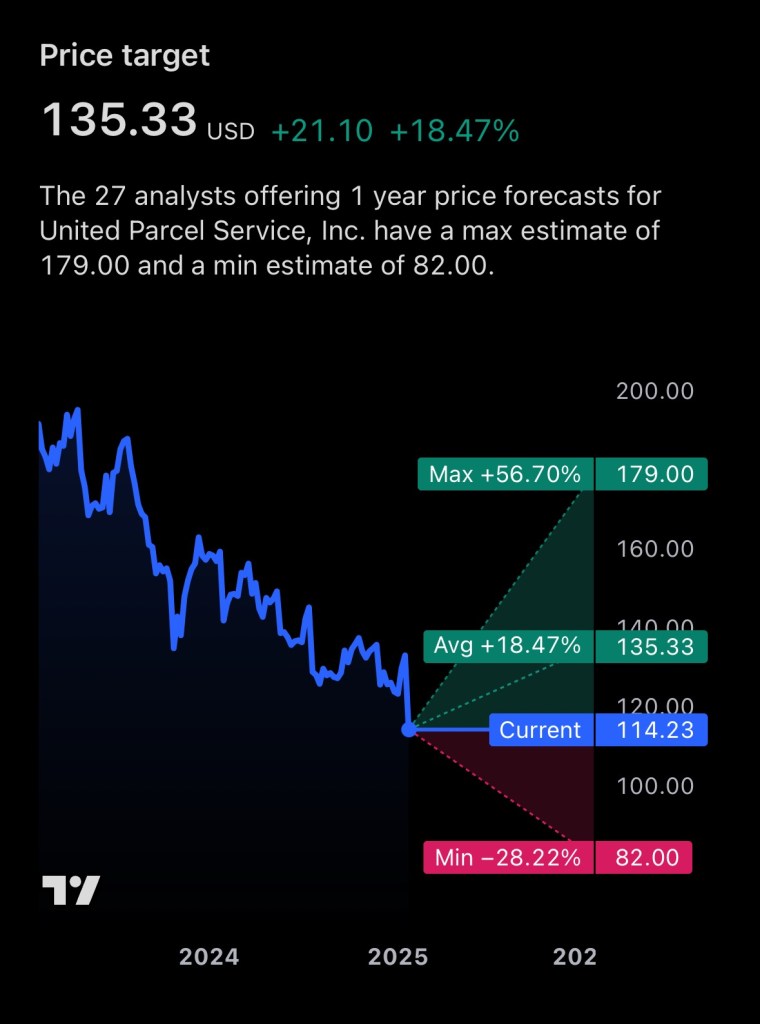
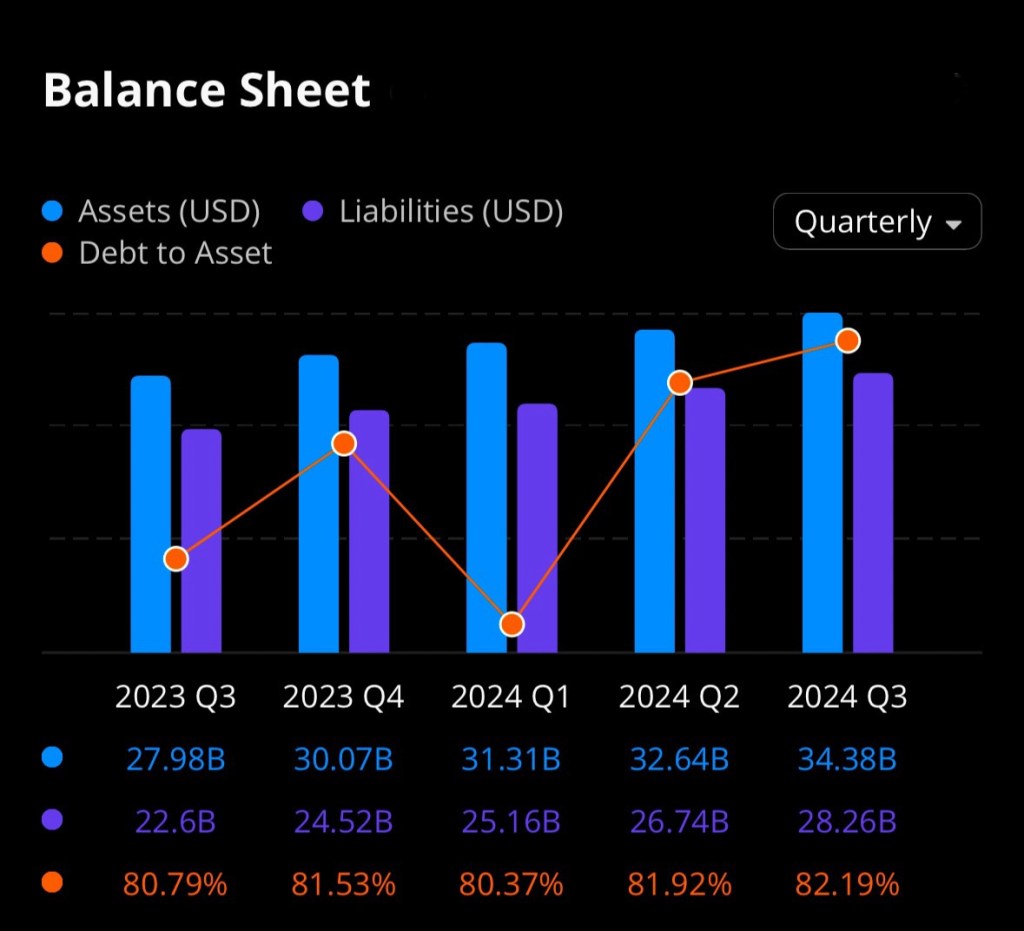
For long-term investors, UPS’s current stock decline may present a buying opportunity. The company’s strategic initiatives to focus on higher-margin segments and reduce operational dependencies are expected to strengthen its market position over time. While the transition may involve near-term uncertainties, UPS’s efforts to enhance profitability and operational efficiency could lead to substantial long-term gains for patient investors.

Disclosure: I currently hold a position in United Parcel Service ($UPS). This article reflects my personal opinions and analysis, and is not intended as financial advice. Please conduct your own research or consult a financial advisor before making any investment decisions.


References

Barron’s. (2024, January 30). UPS and Amazon may be headed for a split—and the stock is paying the price. Retrieved from https://www.barrons.com/articles/ups-earnings-stock-price-amazon-1a32be4f

Business Insider. (2025, January 30). UPS plunged after saying it would deliver fewer Amazon packages. Its CEO says it’s about ‘taking control of our destiny.’ Retrieved from https://www.businessinsider.com/ups-ship-fewer-amazon-packages-shares-drop-2025-1

Investopedia. (2024, January 30). UPS Q4 earnings report FY2024. Retrieved from https://www.investopedia.com/ups-earnings-q4-fy2024-8780982

MarketWatch. (2024, January 30). UPS’s stock falls after a revenue miss, deal with largest customer to cut volume. Retrieved from https://www.marketwatch.com/story/upss-stock-falls-after-a-revenue-miss-deal-with-largest-customer-to-cut-volume-1984fcb7

The Motley Fool. (2025, January 30). Why UPS stock is plunging today. Retrieved from https://www.fool.com/investing/2025/01/30/why-ups-stock-is-plunging-today

The Wall Street Journal. (2024, January 30). UPS’s boss is under pressure from unhappy investors—its own retirees. Retrieved from https://www.wsj.com/business/logistics/upss-boss-is-under-pressure-from-unhappy-investorsits-own-retirees-f01a8dd3

The Realities of Running a Business

By David Dandaneau

Running a business is often portrayed as a glamorous pursuit—a life of freedom, creativity, and endless opportunity. However, beneath the surface lies a complex journey filled with triumphs and challenges that test the resilience and adaptability of entrepreneurs.

The Thrill of Success
Every business owner knows the unparalleled joy of achieving a goal, whether it’s securing a major client, hitting revenue milestones, or simply surviving the first year. These wins serve as validation for the sleepless nights, financial risks, and relentless effort.

Take the example of local café owner Sarah Patel, who saw her business thrive after introducing a unique farm-to-table menu. “The response was overwhelming,” she says. “It felt like all the hard work finally paid off.” Such moments can rejuvenate an entrepreneur’s passion and motivate them to push even further.

The Pressure of Challenges
But the journey is far from smooth. From navigating cash flow issues and employee turnover to adapting to market changes, business owners face a litany of obstacles. Economic downturns or unexpected global events, such as the COVID-19 pandemic, have also forced many businesses to pivot their strategies overnight.

“During the pandemic, we had to shift to online sales almost immediately,” recalls tech store owner Marcus Lee. “It was a sink-or-swim moment, and not every business had the resources to make it work.”

The Emotional Toll
The mental and emotional challenges of entrepreneurship are often underestimated. Long hours, financial strain, and the pressure to succeed can lead to burnout. Studies have shown that business owners are more likely to experience anxiety and depression compared to those in traditional jobs.

Despite this, many entrepreneurs find ways to cope. Networking groups, mentorship programs, and therapy have become valuable tools for maintaining mental health and fostering resilience.

Adaptability Is Key
One constant in the world of business is change. Consumer preferences, technological advancements, and market trends can shift rapidly, requiring business owners to stay agile and innovative. Those who can anticipate change and adapt quickly are often the ones who thrive.

For example, fashion retailer Mia Gonzalez shifted her business model to focus on sustainable clothing as consumer demand for eco-friendly products grew. “You have to evolve with your customers,” she explains.

The Bigger Picture
For many, the ultimate reward of running a business goes beyond profits. It’s about creating something meaningful, contributing to the community, and building a legacy. These factors often keep entrepreneurs going, even when times get tough.

“Seeing how my business impacts people’s lives gives me purpose,” says John Whitaker, who runs a nonprofit consulting firm. “It’s not just about me—it’s about making a difference.”


Running a business is not for the faint of heart. It’s a journey filled with highs and lows, requiring persistence, adaptability, and an unwavering belief in one’s vision. While the road may be challenging, for those who dare to take the leap, the rewards—both tangible and intangible—can make the journey worthwhile.

For aspiring entrepreneurs, the message is clear: Be prepared for the rollercoaster, but don’t forget to enjoy the ride.

SOFI Stock: A Promising Investment Opportunity for the Future

SoFi Technologies Inc. (NASDAQ: $SOFI) has been making waves in the financial services industry with its innovative approach to digital banking and lending. As a disruptor in the fintech space, SoFi is well-positioned to capitalize on the evolving preferences of tech-savvy consumers and investors alike. Here’s why SOFI stock could be a strong addition to your portfolio for the future.

  1. Expanding Product Ecosystem

SoFi offers a comprehensive range of financial products and services, including student loan refinancing, personal loans, mortgages, investment management, and checking and savings accounts. This diversified product suite not only caters to various customer needs but also promotes cross-selling opportunities within its ecosystem. The company’s “SoFi Relay” and “SoFi Invest” platforms have particularly gained traction among younger consumers who seek a seamless, all-in-one financial solution.

  1. Strong Growth Metrics

SoFi has reported impressive growth in recent quarters, driven by its increasing customer base and expanding revenue streams. The company’s membership count recently surpassed the 10 million mark, reflecting a year-over-year growth of over 40%. Such robust growth metrics highlight the effectiveness of SoFi’s business strategy and its ability to scale operations efficiently.

  1. The Digital Banking Revolution

The global banking landscape is undergoing a significant transformation, with digital-first platforms gaining popularity over traditional brick-and-mortar institutions. SoFi’s fully digital infrastructure and user-friendly mobile app place it at the forefront of this revolution. As more consumers shift to digital banking, SoFi’s market share is expected to grow, further solidifying its position in the fintech industry.

  1. Unique Competitive Advantages

One of SoFi’s standout features is its recently acquired banking charter. This allows the company to offer banking services without relying on third-party partnerships, reducing costs and improving profit margins. Moreover, SoFi’s proprietary technology and data-driven insights give it a competitive edge in delivering personalized financial solutions.

  1. Tailwinds from Student Loan Refinancing

With the federal student loan moratorium ending, SoFi’s student loan refinancing segment is expected to see a surge in demand. This development could significantly boost the company’s revenue in the near term, adding to its already strong growth trajectory.

  1. Analyst Optimism

Many analysts remain bullish on SOFI stock, citing its growth potential and strategic initiatives. The company’s focus on profitability, coupled with its expanding market reach, has garnered positive sentiment from Wall Street. Some analysts have even raised their price targets, suggesting substantial upside potential for the stock.

Risks to Consider

While SoFi’s growth story is compelling, investors should be mindful of potential risks, such as regulatory changes, competition from other fintech players, and macroeconomic factors that could impact consumer borrowing trends. Additionally, the company’s path to sustained profitability remains a critical factor to monitor.

SoFi Technologies is revolutionizing the financial services industry with its innovative products and customer-centric approach. Its strong growth metrics, expanding product ecosystem, and strategic advantages make SOFI stock a promising investment for the future. While risks exist, the company’s long-term growth potential and market leadership position offer an attractive opportunity for investors seeking exposure to the burgeoning fintech sector.

Disclosure: I currently hold a position in SoFi Technologies, Inc. ($SOFI). This article reflects my personal opinions and analysis, and is not intended as financial advice. Please conduct your own research or consult a financial advisor before making any investment decisions.

Top Trends Facing the Property and Casualty Market in 2024

The property and casualty (P&C) insurance market is experiencing significant shifts in 2024, driven by technological advancements, climate change, regulatory updates, and evolving consumer expectations. As insurers navigate these changes, several key trends have emerged that are helping shape the industry landscape.

1. Digital Transformation and Insurtech Integration

The integration of insurtech is revolutionizing the P&C insurance sector. Advanced data analytics, artificial intelligence (AI), and machine learning are enhancing underwriting accuracy, risk assessment, and customer experience. Insurtech startups are partnering with traditional insurers to offer innovative solutions, such as usage-based insurance (UBI) and on-demand coverage, which cater to the modern consumer’s needs for flexibility and personalization.

2. Climate Change and Catastrophe Modeling

Climate change continues to be a critical concern for the P&C market. Increasing frequency and severity of natural disasters, such as hurricanes, wildfires, and floods, are leading to higher claims and losses. Insurers are investing in advanced catastrophe modeling and predictive analytics to better assess and manage these risks. Additionally, there is a growing emphasis on sustainable practices and green insurance products that incentivize policyholders to adopt environmentally friendly measures.

3. Regulatory Changes and Compliance

Regulatory landscapes are evolving, with new laws and guidelines being introduced to address emerging risks and ensure consumer protection. In 2024, insurers are focusing on enhancing compliance frameworks to meet stricter data privacy regulations and cybersecurity standards. The rise of digital channels has also prompted regulators to scrutinize digital sales practices, leading to the development of more robust guidelines for online insurance transactions.

4. Telematics and IoT in Risk Management

Telematics and the Internet of Things (IoT) are playing a pivotal role in transforming risk management in the P&C insurance sector. Telematics devices, particularly in auto insurance, provide real-time data on driving behavior, enabling insurers to offer personalized premiums based on individual risk profiles. Similarly, IoT devices in homes and businesses help monitor potential hazards, such as water leaks or fire risks, allowing for proactive mitigation and reduced claims.

5. Focus on Cyber Insurance

With the rise in cyber threats, cyber insurance has become a critical component of the P&C market. Businesses and individuals are increasingly seeking coverage to protect against data breaches, ransomware attacks, and other cyber risks. Insurers are expanding their cyber insurance offerings and developing comprehensive policies that address the evolving nature of cyber threats. This trend underscores the importance of cybersecurity in the overall risk management strategy.

6. Customer-Centric Innovations

In an era of heightened customer expectations, insurers are prioritizing customer-centric innovations. This includes the adoption of omnichannel communication strategies, offering seamless interactions across digital and traditional platforms. Personalized policy options, streamlined claims processes, and enhanced customer service through AI-driven chatbots are some of the ways insurers are improving customer engagement and satisfaction.

7. Expansion of Parametric Insurance

Parametric insurance is gaining traction as a viable alternative to traditional indemnity insurance. Unlike traditional policies, parametric insurance pays out a predetermined amount based on the occurrence of a specific event, such as a natural disaster reaching a certain intensity. This model offers faster claims processing and payouts, providing policyholders with quicker financial relief. The simplicity and efficiency of parametric insurance are driving its adoption across various segments, including agriculture, travel, and climate-related risks.

The property and casualty insurance market in 2024 is marked by rapid technological advancements, heightened awareness of climate risks, regulatory changes, and a focus on customer-centric approaches. Insurers that embrace these trends and invest in innovation are likely to thrive in this dynamic environment. As the industry continues to evolve, staying ahead of these trends will be crucial for delivering value to policyholders and maintaining a competitive edge.


About the Author:

David Dandaneau is a insurance agent that covers the insurance and financial services industry. He is known for his insightful analysis and comprehensive coverage of market trends and regulatory developments.

With Every Ending there is a NEW Beginning?

What is it they say? “With every beginning, there comes an end” or “with every ending new-beginningcomes a new beginning.” Just like I mentioned in a previous post “everything happens for a reason” or “it is what it is” I have to say that this so called all good things must come to an end also has to be true? Or is it? How do we know when things are coming to end then? What are the signs? Does this also apply to our relationships, education, career, etc.? Or is this saying just the cycle of life and products? Over the last week and if not the entire year, I have been asking myself this and many similar questions. Why? Well over the last year, I have started to pay greater attention to detail and the shelf life of many things including that of my relationships, career objectives, milk, groceries, vehicle, etc. Why if this saying isn’t true, do most things we purchase and consume have an expiatory date? It seems that YES, most things (if not all) have a beginning and an end? Or all good things must come to an end?

So how do we determine what exactly the beginning and/or end is? The obvious is we are born and then we die… YES? How about relationships or your career? If you are young or old you have probably noticed that, most relationships and your job, regardless of how you meet or the job you’re in all have trends. These trends usually go something like this… awesome beginning (honeymoon), an okay middle (comfort zone), and really bad endings (the dreaded unknown). In my life and regardless of whether in a relationship or career these trends seem to always go the same way but unlike the cycle of life (ending in death), I am still alive, kicking, and in the end have come out the other side as better person. I am a better father, a better man with the woman I love, and I am a better man in the job I am in. Does this then mean that we all should embrace change, new beginnings, and endings to things? Or is it just me? Do we need to give more chances to others, our partners, and career paths fostering and/or focusing more on the middle stage(s)?

uptown-girls

Let’s face it, the beginning of anything is downright scary just like my kid changing schools this year. On the flipside, the end is just as scary if not more! Starting something new or letting go of something you care about is extremely hard whether it is a relationship or your career. However, what I have learned over the years (especially raising my son, in relationships, and jobs) is that both beginnings and endings are a necessity of life, just as we are born and we die. In order for us to remain active, happy, and healthy, we must allow ourselves the opportunity for new beginnings in our relationships and jobs, just like we must allow ourselves the opportunity for endings, so we can create more beginnings. This my friends is what we must do because if nothing ever came to an end, nothing could ever begin. Without scary endings and new beginnings, I wouldn’t be the same person I am now just like I know you are. In fact, I couldn’t be happier at how things have turned out in my life with my son, my relationship, and career. Although I can’t say for sure how long I will be in this NEW middle part of my life (hopefully until I die), I can honestly say… For every ending, there is an even greater beginning. Don’t be afraid of endings and surely don’t let yourself be afraid of new beginnings.

Thoughts? If you have any, please feel free to leave your comments here, reach out to me online or in person, and/or through any of my other online mediums. Until next time my friends keep smiling, embrace those you’re with, do away with things stressing you out, and for heaven’s sake create some new beginnings already.

Inbound Sales is ALL About Outbound Social Media? Or is it?

As the world changes, so does the way(s) we all continue to communicate with one another. According to the Merriam Webster Dictionary, “communication” originated in the 14th century (WOW) and is defined as “the act or process of using words, sounds, signs, or behaviors to express or exchange information or to express your ideas, thoughts, feelings, etc., to someone else.” So then why do most people NOT consider SOCIAL MEDIA and SALES communicative and social tasks? What I mean by that is why do marketers, as well as other professionals think that social media isn’t the best tool available to communicate with others, thus increasing sales (i.e. inbound selling). In fact, I believe that customers take joy in being social over the web and would rather buy online at their own pace versus someone else’s or in-person. Am I being naive or do you agree or disagree? Whether you agree or disagree, one thing is certain and that is if you understand the role(s) of communicating and social media in general that these two combined can be paramount and vital to your personal or long-term business success(es).

How buying is changing online

With the advent of online sites such as Google, Ebay, Yelp, Facebook, Twitter, FourSqaure, EmpireAvenue, Pinterest, Tumblr, StumbleUpon, LinkedIn, Quora, etc people have more say “dictating the buying/selling processes” and can voice their opinions as little and/or as often as they want, thus dictating what customers/businesses ultimately buy and sell. In fact, (I believe you already may know this) but it is no longer about what a salesperson/company says or presents but instead about what a buyer says online or in person that dictates what they truly want in a (B2C business-to-consumer or B2B business-to-business) competitive environment.

Forrester, which is a leading research company recently reported that over 90% of the time B2B (in this case B2B IT buyers) are involved in some form of social media, not so much as actual purchasers but as purchase spectators. What this actually means and maybe the case more times than not in any industry is that 90% of the people or businesses that are looking for IT services or ‘YOUR services/products” are on some form of social media site. Regardless of the industry, you and/or your company cannot afford to ignore these statistics if you want to continue increasing sales over the long run. Yes, this also means that even though these people are online (i.e. social media) they maybe just there to see how you and/or your company is perceived, so they also can adjust their business strategy around what people want (i.e. again inbound selling adjustments) throughout an industry not just your company. Yes?

Not just for the traditionalists

While not too long ago and perhaps even to this day (you have more than likely experienced this) many people have/did enter(ed) into the online social sphere of things with the whole “get rich quick scheme or multi-level marketing” but as time passed we all have voiced our opinions thus we are seeing a dramatic decline in this category. That is a big relief huh? Personally, over the years I have grown to hate all these multi-level marketing schemes and am very pleased to see them fading into the night just as the typewriter of several years past. Since these multi-level schemes were and never will be credible ways of making money or advancing sales online (instead only making a few people rich) while making other people more skeptical of online buying/selling. Having a tremendous amount of prior B2B and B2C sales experience, I came into social media marketing (social media selling) with a determination to grow a community and eliminate the hard sell, since generating awareness and need for a purchase are at the forefront of sales and have always been my way of producing sales not the other way around. Let’s face it who likes that nagging sales person that calls 10 times a day or week trying to sell you something you don’t necessarily need but instead trying to sell you something they think you need in order to increase their own sales numbers, while making their boss(es) happy. Social media selling gives the customer what they need and that is relevant information that they can use to create their own need; thus, calling you (INBOUND) when they are actually ready to buy on their own terms and not yours. So, let’s say bye to all those bait and switch techniques of the past and hello to transparency of the present “gifts” that help you and your prospects make good buying decisions. An honest conversation online thorough social media and other like platforms that make your phone ring not you ringing others, thus increasing sales and creating more long-term partnerships.

Social Sales

If what I have mentioned so far hasn’t convinced you that social media is/has changed the way everyone communicates, then I ask you to think about all the people you and/or your company reach daily, weekly, or yearly to create awareness, while maintaining one-on-one contact. Do you see how or perhaps create some of the most important relationships that you or your company has/can develop online? Have you or your company closed any accounts or sales online without actually even talking to another person? If you are like most others the answer to this question should be YES (even in the lowest form you surely have purchased from EBay or Amazon)and if not then you really need to get or build your online presence immediately. If you are in sales and also answered NO to this question, you also need to start building your own online presence as well as your companies since you cannot or will not be able to rely on in person or personality only to seal more deals moving into the future.


As social media helps to continue to shaping sales by changing the old mantra of “who you know” by “what you actually know” especially what you know about others (i.e. communicative spectators). The new age of selling should demand online communication of every one of its employees regardless of position in order to enhance other purchasing decisions by adding value to an online conversation. Needless to say and long story short is that I ask you to stop convincing yourself or business that social media cannot help you and instead embrace how communication/social media can help you leverage your personal or business goals. Those people and companies that understand these concepts most and are willing to forge forward into this new business space of sales will be the ones that I will be still writing about 20 years from now.

David Dandaneau is a Consultant at [SevenTimesSeven]. He specializes in helping business owners “manage their business and not their processes!” For more connect with him via Twitter @ddandaneau or any of the other social platforms you may find him on.

Invest Less & Network More in BUSINESS & LIFE (SOCIAL MEDIA MADNESS)

As many of you know people, businesses, and corporations are continually looking for new ways to engage with others online and in person in order to grow personally and professionally. However, if you are like most other people and companies, you may still be wondering what are the most effective ways of creating interaction without spending days, weeks, months, or years on experimentation(s)… whether online or at social networking events? Now if you own a business you definitely should have figured out that creating a mix between your personal and professional online and in-person presence is or might be ideal? Is it or better yet… how? Well, whether you agree or not social media sites such as (Facebook, Twitter, YouTube, Flickr, Instagram, Pinterest, LinkedIn, Empire Avenue, FourSqaure, etc) and networking groups such as Business Networking International (BNI) is/are very cost effective tools to help you manage your personal and professional time while promoting, branding, and providing customer service whether you are interacting online or looking to chat in-person with friends, family, or clients.
In a recent study conducted by the wonderful folks over at VerticalResponse they found that 2/3’s of all small businesses (would wager this is even higher personally) are spending more and more time, energy, and effort on social media then they did a year ago. Nice huh? Agree or disagree? Needless to say, and again whether you agree or not that’s the truth! Although we (or most of us) have all come such a long way from thinking that this “Social Media” thing would become another fad and fade into the past. Just like the typewriter, beepers, or VHS you should not give up on any of these sites and if you do consider yourself warned like swimmers at the beach “swim at your own risk” or in our case “ignore social media at your own risk.”
Now back to the survey. VerticalResponse was able to identify (462 surveyed) that small business are spending a ton of time trying to stay current, while managing these social media sites much like people in general. An astonishing 42% of those surveyed said they spent 6+ hours or even more a week on social media (Facebook, Twitter, YouTube, Flickr, Instagram, Pinterest, LinkedIn, Empire Avenue, FourSqaure, etc) and roughly 25% admitted they spend 10+ hours or more per week on these same sites.  Does this sound like you? Although this may sound excessive to many in reality, I think these numbers are low, since I see people navigating these sites along with attending networking events much more than that! Regardless of the circumstance these numbers illustrate the importance social media is playing in business as well as our personal lives and why businesses and people are spending more time and money increasing their budgets to increase their online presence thus increasing their in-person visibility.  
For all those people and businesses out there that remain skeptical, here are a few more reasons why social media makes/will make more sense to you!
·      RELATIONSHIPS– Social Media sites such as (Facebook, Twitter, YouTube, Flickr, Instagram, Pinterest, LinkedIn, Empire Avenue, FourSqaure, etc) allow you to connect with others personally and professionally, while building strong bonds, which ultimately can/could turn into better customer service, increased sales, and more opportunities whether cross-selling or up-selling. VerticalResponsefound that Facebook is still the #1 site for personal of business building (some 90% are on it), while Twitter is close behind where (some 70%) or business/people are now engaging.
·      SERVICE– These social media sites allow you to inquire about other products or services, while providing others with answers to their own questions about your products and services saving you or your business time and money, which you can allocate to other money generating activities, thus quickly adapting before not reacting after a problem may occur.
·      SIZE & COSTs– These social media sites allow you to be found and get found easier “ECONIMIES of SCALE”, while helping you spend less time and money even if you hire an outside agency to help with your campaign.
These numbers are incredible and really show that people and businesses are remaining committed to interacting with others online and in-person.  Let’s face it… who isn’t strapped for time now-a-days and looking for more ways to network, while spending a little less time talking on the phone or in person? The fact is, I run a business, contract work at FedEx, am a full-time parent, Doctoral student, etc so long story short and if I can find the time you can too! Even though Facebook and Twitter remain the top two social media sites, half of the respondents admitted they also engage with others on LinkedInwhile others mentioned that they were also on Pinterest (some 29%) and Google+(some 32%), so click on the (MY) links and let’s CONNECT to grow and learn from each other even more! If you are anything like me or if I can help you or your business please don’t hesitate to connect with me here, personally, or through any of our business networking sites; otherwise I hope you enjoyed my analysis, review, and suggestions in regards to this Infographic and until next time… KEEP SMILING as it really does look good on YOU!

David Dandaneau is a Consultant at [SevenTimesSeven] and a Contractor at [FedEx]. He specializes in helping business owners “manage their business and not their processes!” For more connect with him via his About.Me Page or any of his other social platforms.

Things to Remember When Tagging People, Businesses, Products, and/or Services on Social Media Sites

Over the last several weeks, we have been experimenting and talking with customers/businesses about “Tagging” with social media sites such as Instagram, FourSqaure, and Facebook, which allow people or businesses to share photos with one another while tagging other people or businesses with you or them. What fun huh? This can be even more fun if you are looking to meet new people or even looking for or selling new products/services, as people and companies can tag you in them if you so choose.
Well, let’s think about that? People and companies can tag you in them if you so choose, as this is extremely important and if you do not change your settings sooner or later in these social network spaces, you will get violated and perhaps even pissed off at your friends, acquaintances, or favorite brands. So, while some social media sites such as Twitter still allow you to @username (much like tagging), which you can’t control, if you are using Instagram, FourSqaure, and Facebook, make sure you make it a point to set your personal or business accounts to private or change your settings to approve tags, communicators, and followers first. That way if you are using or with people or companies that want to display something on one of your social profiles, you dictate what it is or what it is not “APPROVAL” and/or who, what, when, or where you have been.
Here are some other things to remember when using Instagram, FourSqaure, and Facebook tagging :
1.   On FourSqaureyou can now tag location and people by using a person or businesses Twitter namespace. This is NEW, so you may not have tried it but FourSqaurewill even do an auto complete during your check-in, so if you use this make sure you are checking in with the right person just like with Facebook (ANOTHER reason to set this to approval)
2.   On Instagram you can use GeoTagging, which uses a version of “Tagging” powered by FourSqaure for location or the #Hashtag for popularity (Public Posts) in the caption field or a #Hashtag in the comment field for photos you already uploaded through Instagram 
3.   If you want a more target audience (friends, family, businesses) on Twitter make sure to set your feed to private that way those people and companies can’t @mention or @reply directly to you (essentially TAGGING you), which will cut down on direct messages and @connects

While tagging has been around for quite some time, with all the different/new social media sites, people and companies are/will continue to look for ways to communicate with you. “Tagging” or @username @mention @replies @connect are a couple of those ways. Long story short and if you use any of these sites, make sure you continue to check your settings and monitor your pages for tags of people, places, and things (sometimes you are even incorrectly tagged by accident), that way you can dictate what you want or do not want to see and/or promote. Also remember that if you want to promote someone or something to properly tag,  @username, or #Hashtag the other person or business that way they know you are thinking about them.
We sure hope this post helps some of you keep your social media privacy, while sharing with others (make sure they are the right ones) things you are doing, places you are at, and products, and services you love. Now get out there visit some people/businesses, snap some pictures, connect with others, and enjoy. Otherwise, and like usual play nice and don’t forget to keep smiling, as it really does look good on YOU!

David Dandaneau is a Consultant at [SevenTimesSeven]. He specializes in helping business owners “manage their business and not their processes!” For more connect with him via Twitter @ddandaneau or any of the other social platforms you may find him on.