Don’t Give Up on Your New Year’s Resolution: Here’s Why It’s Worth the Effort

As we enter January, millions of people set ambitious New Year’s resolutions vowing to get fit, save money, or adopt healthier habits. Yet, research shows that nearly 80% of resolutions are abandoned by February. Despite the challenges, experts agree: sticking with your resolution, even imperfectly, can yield powerful benefits.

Why Resolutions Fail
Life gets busy, progress feels slow, and motivation wanes. These are the common culprits behind failed resolutions. According to psychologist Dr. Emily Carter, “Many people set unrealistic goals or expect immediate results. When progress doesn’t match expectations, it’s easy to give up.”

However, giving up entirely may rob you of valuable opportunities for growth. “Even small, incremental changes can have a compounding effect over time,” Dr. Carter adds.

The Power of Persistence
Studies highlight the benefits of sticking with goals, even when it feels difficult. For instance, a study by the University of Scranton found that individuals who revisit and adjust their resolutions throughout the year are significantly more likely to achieve long-term success.

“Persistence builds resilience,” says motivational coach Anthony Price. “The act of showing up for yourself even when it’s hard reinforces discipline and self-belief, qualities that extend to other areas of life.”

Tips to Stay on Track
If you’re struggling with your New Year’s resolution, here are some strategies to help you stay the course:

  1. Break It Down: Divide your goal into smaller, manageable milestones. Celebrate progress along the way to stay motivated.
  2. Adapt, Don’t Abandon: If your initial plan isn’t working, tweak it. Flexibility can be a game-changer.
  3. Find Accountability: Share your goal with a friend or join a group with similar aspirations. Accountability can make all the difference.
  4. Focus on Progress, Not Perfection: Success doesn’t mean getting it right every time. It’s about moving in the right direction.

Why It’s Worth It
The rewards of sticking with your resolution go beyond the goal itself. Accomplishing even part of what you set out to do boosts confidence, strengthens habits, and fosters a growth mindset.

“Change doesn’t happen overnight,” Dr. Carter reminds us. “But by staying committed, you’re building the foundation for a better version of yourself not just for the year, but for life.”

So if you’re tempted to throw in the towel on your New Year’s resolution, pause and remember: progress is progress, no matter how small.

Quantum Computing in 2025: Transforming the Future of Technology

As we officially enter 2025, the quantum computing revolution is accelerating, promising to reshape industries and solve problems once thought intractable. This transformative technology is no longer confined to research labs; it is becoming a cornerstone of technological innovation.

Quantum Leap in Computing Power

Quantum computers operate fundamentally differently from classical computers by leveraging quantum bits, or qubits, which can exist in multiple states simultaneously. This property, known as superposition, combined with entanglement and quantum interference, allows quantum computers to perform complex calculations exponentially faster than their classical counterparts.

In 2025, major breakthroughs are expected in hardware stability and error correction, two of the most significant hurdles in quantum computing. Companies like IBM, Google, and Intel are racing to increase qubit counts and coherence times. IBM recently announced its 1,000-qubit “Condor” processor, and industry experts anticipate that 2025 could see quantum processors surpassing 2,000 qubits, a milestone that might signal the onset of quantum advantage for certain applications.

Applications on the Horizon

Quantum computing is poised to revolutionize numerous fields:

  1. Drug Discovery and Healthcare: Simulating molecular structures and interactions, a task infeasible for classical supercomputers, could lead to breakthroughs in medicine and personalized treatment plans.
  2. Cryptography: While quantum computing poses threats to current encryption methods, it also offers opportunities for developing quantum-resistant cryptographic algorithms.
  3. Supply Chain Optimization: Quantum algorithms can process vast amounts of data to optimize logistics and reduce costs across global supply chains.
  4. Climate Modeling: Advanced quantum simulations could help model complex climate systems with greater accuracy, aiding in the fight against climate change.

Challenges and Ethical Considerations

Despite its promise, quantum computing faces significant challenges. Scalability, error correction, and the need for extremely low-temperature environments are technical obstacles that researchers are striving to overcome. Additionally, the disruptive potential of quantum computing raises ethical and security concerns, particularly regarding data privacy and the potential for technological inequality.

Governments and organizations worldwide are investing heavily in quantum research and workforce development to address these issues. In 2025, collaborations between academia, industry, and government are expected to intensify, fostering innovation while ensuring ethical governance.

Looking Ahead

The quantum computing race is entering a pivotal phase. By 2030, experts predict that quantum computers could become commercially viable for specialized tasks, with far-reaching implications for industries ranging from finance to artificial intelligence.

As we move through 2025, the world will witness quantum computing shifting from a futuristic concept to a practical tool with transformative capabilities. While challenges remain, the momentum building around this technology signals an era of unprecedented possibilities and innovation.

New Year, New Attitude: Embracing Change and Opportunity in 2025

As the calendar turns to 2025, people worldwide are reflecting on the past year and preparing for a fresh start. The new year is more than just a date—it’s a symbol of hope, renewal, and the promise of untapped potential.

For many, January 1st is a chance to leave behind old habits, embrace new challenges, and cultivate a positive mindset. The slogan “New Year, New Attitude” captures the spirit of this transitional time, urging individuals to take bold steps toward self-improvement and growth.

Reflecting on the Past
The past year brought its share of challenges, triumphs, and lessons. Whether it was navigating personal struggles, adapting to a changing world, or celebrating milestones, 2024 reminded us all of the importance of resilience and adaptability. As the clock struck midnight, people worldwide joined in celebration—not just of the new year, but of the opportunities that lie ahead.

Setting Intentions for 2025
Instead of fleeting resolutions, many are focusing on setting intentions that align with long-term goals. Experts suggest that cultivating a new attitude starts with small, manageable changes:

Practice Gratitude: Reflect on the positives in life and make a habit of expressing appreciation.
Embrace Challenges: View setbacks as opportunities for growth rather than obstacles.
Prioritize Wellness: Physical and mental health remain central to sustaining a positive outlook.
Be Open to Change: A flexible mindset is crucial for embracing new opportunities and perspectives.

Social media is buzzing with individuals sharing their plans to make 2025 a transformative year. From starting new careers to pursuing creative passions, the possibilities are endless.

A Time for Community
The new year is also a time to strengthen bonds with family, friends, and the community. In cities across the globe, initiatives are underway to bring people together—whether through volunteering, local events, or virtual gatherings. A collective sense of optimism is in the air, as people work together to create positive change.

Looking Ahead
While the road ahead may hold uncertainties, one thing is clear: 2025 is a year of potential. By adopting a new attitude and focusing on growth, individuals can turn challenges into stepping stones and dreams into realities.

As we step into the new year, let’s embrace the mantra of “New Year, New Attitude” and take each day as an opportunity to move closer to the best versions of ourselves. After all, every great journey starts with a single, intentional step.

Happy New Year! May 2025 be a year of joy, growth, and endless possibilities.

SOFI Stock: A Promising Investment Opportunity for the Future

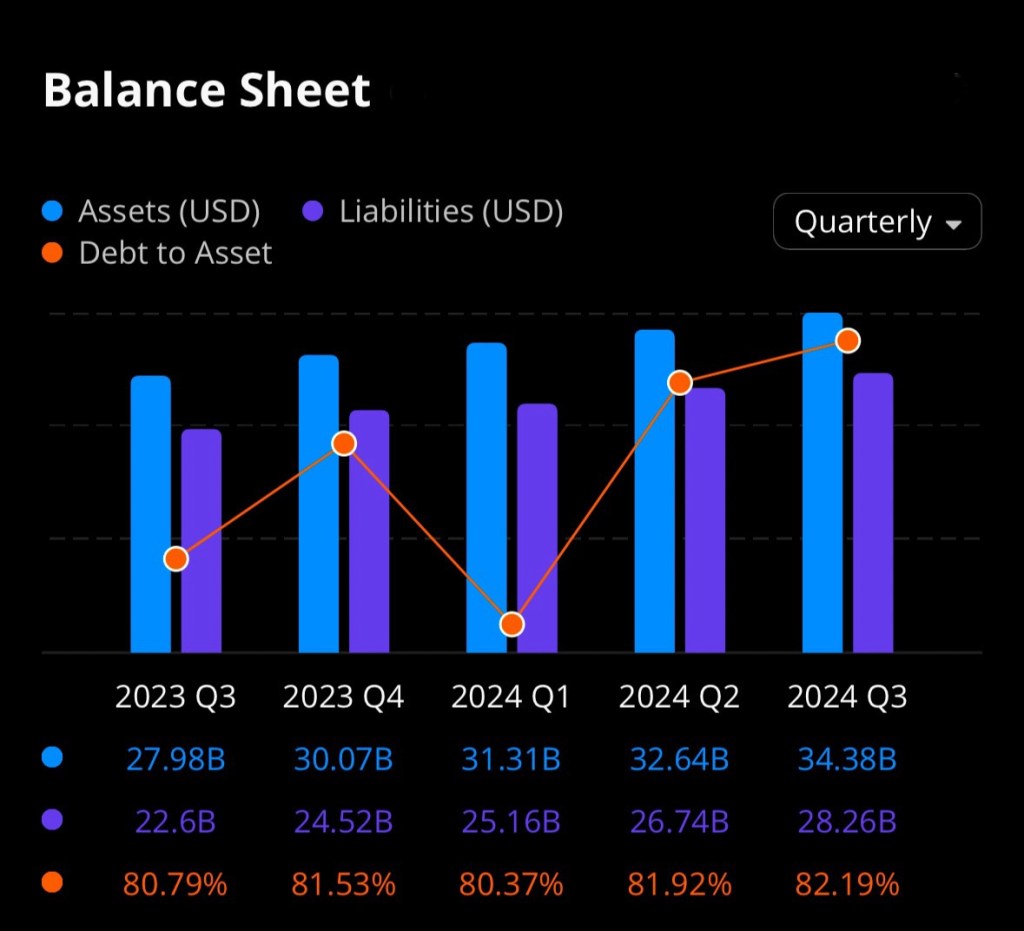
SoFi Technologies Inc. (NASDAQ: $SOFI) has been making waves in the financial services industry with its innovative approach to digital banking and lending. As a disruptor in the fintech space, SoFi is well-positioned to capitalize on the evolving preferences of tech-savvy consumers and investors alike. Here’s why SOFI stock could be a strong addition to your portfolio for the future.

  1. Expanding Product Ecosystem

SoFi offers a comprehensive range of financial products and services, including student loan refinancing, personal loans, mortgages, investment management, and checking and savings accounts. This diversified product suite not only caters to various customer needs but also promotes cross-selling opportunities within its ecosystem. The company’s “SoFi Relay” and “SoFi Invest” platforms have particularly gained traction among younger consumers who seek a seamless, all-in-one financial solution.

  1. Strong Growth Metrics

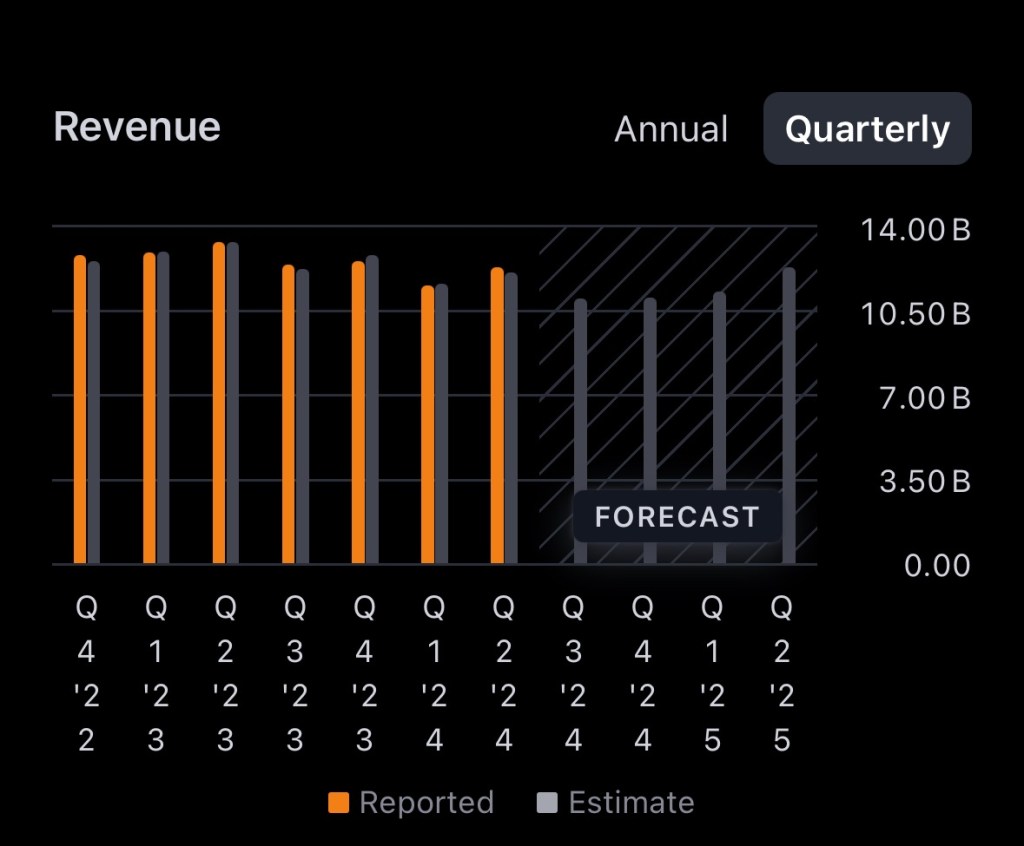
SoFi has reported impressive growth in recent quarters, driven by its increasing customer base and expanding revenue streams. The company’s membership count recently surpassed the 10 million mark, reflecting a year-over-year growth of over 40%. Such robust growth metrics highlight the effectiveness of SoFi’s business strategy and its ability to scale operations efficiently.

  1. The Digital Banking Revolution

The global banking landscape is undergoing a significant transformation, with digital-first platforms gaining popularity over traditional brick-and-mortar institutions. SoFi’s fully digital infrastructure and user-friendly mobile app place it at the forefront of this revolution. As more consumers shift to digital banking, SoFi’s market share is expected to grow, further solidifying its position in the fintech industry.

  1. Unique Competitive Advantages

One of SoFi’s standout features is its recently acquired banking charter. This allows the company to offer banking services without relying on third-party partnerships, reducing costs and improving profit margins. Moreover, SoFi’s proprietary technology and data-driven insights give it a competitive edge in delivering personalized financial solutions.

  1. Tailwinds from Student Loan Refinancing

With the federal student loan moratorium ending, SoFi’s student loan refinancing segment is expected to see a surge in demand. This development could significantly boost the company’s revenue in the near term, adding to its already strong growth trajectory.

  1. Analyst Optimism

Many analysts remain bullish on SOFI stock, citing its growth potential and strategic initiatives. The company’s focus on profitability, coupled with its expanding market reach, has garnered positive sentiment from Wall Street. Some analysts have even raised their price targets, suggesting substantial upside potential for the stock.

Risks to Consider

While SoFi’s growth story is compelling, investors should be mindful of potential risks, such as regulatory changes, competition from other fintech players, and macroeconomic factors that could impact consumer borrowing trends. Additionally, the company’s path to sustained profitability remains a critical factor to monitor.

SoFi Technologies is revolutionizing the financial services industry with its innovative products and customer-centric approach. Its strong growth metrics, expanding product ecosystem, and strategic advantages make SOFI stock a promising investment for the future. While risks exist, the company’s long-term growth potential and market leadership position offer an attractive opportunity for investors seeking exposure to the burgeoning fintech sector.

Disclosure: I currently hold a position in SoFi Technologies, Inc. ($SOFI). This article reflects my personal opinions and analysis, and is not intended as financial advice. Please conduct your own research or consult a financial advisor before making any investment decisions.

Why Renters Insurance is a Must-Have for Renters

By David Dandaneau

Renting a home or apartment can be a convenient and flexible way to live, but many renters overlook a critical aspect of their financial security: renters insurance. If you’re currently renting, here’s why this affordable coverage should be on your radar.

  1. Protect Your Personal Belongings
    Did you know your landlord’s insurance only covers the building structure, not your personal belongings? In the event of a fire, theft, or water damage, renters insurance can reimburse you for lost or damaged items such as electronics, furniture, and clothing.
  2. Liability Coverage
    Accidents happen. If someone gets injured in your rental or you accidentally damage someone else’s property, renters insurance can help cover medical and legal costs. This liability coverage can save you thousands in out-of-pocket expenses.
  3. Temporary Housing Costs
    If your rental becomes uninhabitable due to a covered event like a fire, renters insurance can help pay for temporary housing expenses, ensuring you have a safe place to stay while repairs are made.
  4. It’s Surprisingly Affordable
    Most renters insurance policies cost less than a daily cup of coffee, with monthly premiums averaging around $15–$30. This small investment provides peace of mind and financial protection against unexpected events.
  5. Peace of Mind
    Renters insurance eliminates the “what if” worries that come with renting. Knowing that you’re protected against unforeseen circumstances can help you focus on enjoying your home.

Don’t Wait Until It’s Too Late
Disasters strike when you least expect them, and the cost of replacing everything you own or dealing with liability claims can be overwhelming. By getting renters insurance, you’re taking a proactive step to safeguard your financial future.

For more information or to get started with a renters insurance policy, contact me today. I’m here to help you find affordable coverage that fits your needs and protects what matters most.

About the Author:

David Dandaneau is a insurance agent that covers the insurance and financial services industry. He is known for his insightful analysis and comprehensive coverage of market trends and regulatory developments.

Why You Should Consider Giving to Charity This Holiday Season

As the holiday season approaches, the spirit of giving takes center stage. While celebrations often include gift exchanges, feasts, and joyous gatherings, there is an equally important tradition to consider: charitable giving. Supporting those in need during this time can transform lives, strengthen communities, and even bring profound personal fulfillment.

A Season for Gratitude and Generosity

The holidays are a time to reflect on our blessings and share them with others. By giving to charity, you contribute to a culture of generosity that uplifts those facing hardships. Whether it’s providing meals for families, donating warm clothing, or supporting education initiatives, your contributions can make a tangible difference.

Charitable Impact on Communities

Nonprofit organizations and charities often experience an uptick in demand during the holidays. For many families, this season underscores their struggles to meet basic needs. Donations can help food banks replenish supplies, shelters accommodate more people, and outreach programs expand their services. By giving, you directly support these efforts and help build stronger, more resilient communities.

Tax Benefits to Sweeten the Season

Charitable donations not only help others but can also offer financial benefits to you. Many contributions to registered nonprofits are tax-deductible, which can reduce your taxable income. Keeping records of your donations ensures that your goodwill is acknowledged come tax season.

Teaching the Next Generation

Involving children in charitable activities fosters empathy and awareness from a young age. By encouraging kids to participate—whether by donating toys, volunteering, or helping select a cause—you instill values that will shape them into compassionate adults.

Boosting Personal Well-being

Scientific studies have shown that acts of generosity are linked to increased happiness and reduced stress. Giving triggers the release of endorphins, creating what’s often referred to as a “helper’s high.” Knowing that your actions contribute to someone’s well-being can be one of the most rewarding experiences of the season.

How to Give Thoughtfully

When choosing where to donate, consider causes that resonate with your values. Research charities to ensure your contributions are used effectively. Websites like Charity Navigator and GuideStar provide ratings and transparency reports for nonprofit organizations. Additionally, think beyond monetary donations: volunteering your time or donating goods can also make a significant impact.

Spreading Hope and Joy

The holidays can be a challenging time for many. Your act of giving, no matter how small, can brighten someone’s season and restore hope. Whether it’s a financial donation, a few hours of your time, or simply spreading awareness about a cause, every effort counts.

This holiday season, consider stepping into the spirit of giving. By supporting charitable causes, you not only contribute to a better world but also experience the true essence of the holidays: kindness, compassion, and community.

Essential Tips for Stress-Free Holiday Celebrations

As the year draws to a close, the festive season—marked by the joy of Christmas and the excitement of New Year’s—offers an opportunity to celebrate with loved ones and reflect on the past year. Here’s how you can prepare to make the most of this magical time of year.

  1. Plan Ahead for Stress-Free Celebrations
    Preparation is key to enjoying the holidays without feeling overwhelmed. Create a checklist to organize tasks such as gift shopping, decorating, and meal planning. By spacing out activities, you can avoid last-minute rushes and unexpected surprises.
  2. Decorate Your Space with Cheer
    Decking the halls is an integral part of getting into the holiday spirit. From twinkling lights to festive wreaths, let your creativity shine. Consider DIY crafts for a personal touch or sustainable options like reusable ornaments and energy-efficient LED lights.
  3. Budget Wisely
    Holiday expenses can add up quickly. Set a budget for gifts, travel, and entertainment to ensure you don’t start the new year with financial stress. Look for sales and consider meaningful, handmade gifts to save money while adding a personal touch.
  4. Embrace the Spirit of Giving
    The holidays are a time for generosity. Whether it’s donating to a local charity, volunteering your time, or simply reaching out to someone in need, small acts of kindness can make a big difference in your community.
  5. Plan Memorable Gatherings
    Hosting or attending festive gatherings is a hallmark of the season. Whether you’re planning an intimate family dinner or a lively New Year’s party, prioritize safety and inclusivity. Create a menu that caters to various dietary preferences and ensure the venue is comfortable for all guests.
  6. Reflect and Set Goals
    The transition from one year to the next is an ideal time for reflection. Take a moment to appreciate your accomplishments and set intentions for the year ahead. Share your aspirations with loved ones to foster mutual support and encouragement.
  7. Don’t Forget Self-Care
    Amid the hustle and bustle, it’s essential to take care of yourself. Schedule downtime to relax and recharge. Whether it’s enjoying a cup of hot cocoa by the fire or taking a quiet walk, small moments of peace can enhance your holiday experience.
  8. Ring in the New Year with Style
    As you bid farewell to the old year and welcome the new, plan a celebration that reflects your personality. Whether it’s a grand countdown with fireworks or a cozy night with close friends, make it memorable.

By starting your preparations early and focusing on what truly matters, you can create a festive season filled with joy, gratitude, and cherished memories. Wishing you a Merry Christmas and a Happy New Year!

Overcome Distractions: 10 Ways to Improve Focus and Efficiency

From constant notifications to the pressures of multitasking, distractions are everywhere these days. Yet, for those who master the art of focus, the rewards are immense—better efficiency, reduced stress, and greater satisfaction in achieving their goals. Here are some strategies that have been proven to help boost productivity and maintain focus in an increasingly distracted environment.

  1. Start with Clear Goals
    Productivity begins with clarity. Setting specific, measurable goals helps you prioritize tasks and avoid the overwhelm of trying to do too much. Whether it’s a daily to-do list or long-term milestones, knowing what you’re working towards is essential.
  2. Practice Time Blocking
    One of the most effective ways to structure your day is time blocking—a method where you schedule specific periods for focused work on tasks. This approach eliminates decision fatigue and creates a sense of accountability to stick to your planned tasks.
  3. Minimize Distractions
    In a world filled with buzzing phones and endless social media updates, creating a distraction-free workspace is crucial. Consider putting your phone on “Do Not Disturb,” using website blockers for distracting sites, or simply finding a quiet environment to work.
  4. Leverage Technology Wisely
    While technology can be a source of distraction, it can also be a powerful tool for productivity. Apps like Trello, Notion, or Focus@Will offer organization, task tracking, and focus-enhancing tools to keep you on track.
  5. Take Regular Breaks
    Counterintuitive as it may seem, taking breaks improves productivity. Techniques like the Pomodoro Technique—working for 25 minutes and then taking a 5-minute break—help sustain focus by preventing burnout.
  6. Practice Mindfulness and Meditation
    Mindfulness techniques, including meditation, can train your brain to stay present and avoid being pulled in multiple directions. Even a five-minute breathing exercise can sharpen focus and reduce stress.
  7. Get Moving
    Physical activity is not just for your body—it’s for your brain too. A quick walk, stretching, or even a full workout can boost mental clarity and energy levels, ensuring you stay productive throughout the day.
  8. Nourish Your Body and Mind
    What you consume plays a huge role in your productivity. Eating balanced meals, staying hydrated, and avoiding excess caffeine can keep energy levels stable and your brain sharp.
  9. Reflect and Adjust
    At the end of each day or week, take time to evaluate your productivity. Ask yourself what worked, what didn’t, and how you can improve. Productivity is a skill that evolves with practice and self-awareness.
  10. Find Your Motivation
    Finally, staying productive is easier when you’re inspired. Connecting your tasks to a bigger purpose—whether it’s professional growth, personal fulfillment, or helping others—can reignite your drive when motivation wanes.

Staying productive and focused is not about working harder—it’s about working smarter. By adopting these habits and finding what works best for you, you can navigate distractions and achieve your goals with greater ease. In a world where attention is the ultimate currency, mastering focus is a skill that truly pays off.

How AI is Transforming Personal Finance Strategies

Artificial intelligence (AI) and cutting-edge technologies are revolutionizing the way individuals and institutions invest in their future. From personalized financial planning to sustainable investment strategies, the integration of AI into financial systems is shaping a new era of opportunity and efficiency.

AI in Personal Finance
Gone are the days when financial advice was solely the domain of human advisors. AI-driven platforms like robo-advisors are providing investors with tailored advice at a fraction of the cost. By analyzing vast amounts of data in real time, these tools offer personalized investment strategies that account for individual goals, risk tolerance, and market trends.

For instance, platforms such as Wealthfront and Betterment leverage AI to automate portfolio management, ensuring investments are optimized and rebalanced regularly. This technology empowers even novice investors to take control of their financial futures with confidence.

Predictive Analytics for Smarter Decisions
AI’s ability to process and interpret data at lightning speed is revolutionizing predictive analytics. Investors and financial institutions use machine learning algorithms to identify market trends, detect anomalies, and predict economic shifts. This insight helps mitigate risks and uncover profitable opportunities, making investment strategies more robust than ever.

Democratizing Access to Wealth-Building Tools
Technological advancements are also breaking down barriers to entry in the investment world. Apps like Robinhood and Acorns make it easy for individuals to start investing with as little as a few dollars. These platforms, often powered by AI, offer features like micro-investing, automated savings, and financial education, helping more people build wealth over time.

AI and Sustainable Investing
The growing emphasis on environmental, social, and governance (ESG) factors in investment decisions is another area where AI is making a difference. By analyzing non-financial data—such as carbon emissions, labor practices, and governance policies—AI helps investors identify companies that align with their values while delivering strong financial returns.

Challenges and Ethical Considerations
Despite its many benefits, the rise of AI in investing raises concerns about data privacy, algorithmic bias, and the potential for over-automation. Experts caution against over-reliance on AI, emphasizing the need for human oversight to ensure ethical and responsible decision-making.

A Glimpse Into the Future
As AI and technology continue to evolve, the future of investing looks increasingly dynamic and inclusive. Blockchain technology is paving the way for decentralized finance (DeFi), while advancements in quantum computing promise to unlock even greater predictive capabilities.

The integration of AI into financial systems is not merely a trend but a fundamental shift. By embracing these innovations, individuals and institutions alike can navigate the complexities of modern markets and secure their financial futures with unprecedented precision.

Why Uninsured Motorist Coverage Is a Crucial Addition to Your Auto Insurance Policy

When it comes to shopping for auto insurance, many drivers prioritize liability coverage, collision, and comprehensive policies. However, one often-overlooked option that can be a lifesaver in the event of an accident is uninsured motorist (UM) coverage.

The Growing Concern: Uninsured Drivers
According to a recent report by the Insurance Research Council (IRC), nearly 1 in 8 drivers in the United States is uninsured. In some states, the percentage is even higher, posing a significant risk to insured motorists. If you are involved in an accident with an uninsured driver, you could be left footing the bill for medical expenses, vehicle repairs, and other damages—costs that can quickly add up to tens of thousands of dollars.

What Is Uninsured Motorist Coverage?
Uninsured motorist coverage is designed to protect you financially if you are hit by a driver who doesn’t carry auto insurance. In many cases, it also covers underinsured motorists—drivers whose insurance limits are too low to fully compensate for the damages they cause.

UM coverage typically applies to:

  • Medical expenses for you and your passengers.
  • Lost wages due to injuries sustained in the accident.
  • Pain and suffering caused by the collision.
  • Funeral expenses, if applicable.


Benefits of Uninsured Motorist Coverage
1) Peace of Mind: Knowing you’re protected against the financial fallout of an uninsured driver gives you one less thing to worry about on the road.
2) Affordable Protection: Adding UM coverage to your policy is often relatively inexpensive, especially when compared to the potential costs of being hit by an uninsured driver.
3) Broader Coverage: In some cases, UM coverage extends beyond just your car. It can also apply if you’re struck as a pedestrian or while riding a bicycle.


Real-Life Scenarios: Why UM Coverage Matters
Imagine being rear-ended at a red light, only to discover the at-fault driver lacks insurance. Without UM coverage, you’d be forced to rely on your own savings or health insurance to cover expenses. UM coverage steps in where the other driver’s policy should have, ensuring you aren’t left in financial ruin.

Is It Required?
While some states mandate uninsured motorist coverage, in many others, it’s optional. Even if it’s not required, insurance experts strongly recommend including it in your policy.

How to Choose the Right Coverage
When shopping for UM coverage, consider factors like:

  • The likelihood of encountering uninsured drivers in your area.
  • The limits of your health insurance, which may not fully cover accident-related injuries.
  • The value of your vehicle and any potential out-of-pocket repair costs.

Final Thoughts
Uninsured motorist coverage isn’t just an add-on; it’s a safety net. With the number of uninsured drivers on the road today, ensuring you’re covered is a practical and smart financial decision. When discussing your options with an insurance agent, be sure to explore UM coverage and how it can protect you and your loved ones from life’s unexpected moments.

For more information or a personalized quote, contact me directly or your local insurance agent today.

About the Author:

David Dandaneau is a insurance agent that covers the insurance and financial services industry. He is known for his insightful analysis and comprehensive coverage of market trends and regulatory developments.