How AI is Transforming Personal Finance Strategies

Artificial intelligence (AI) and cutting-edge technologies are revolutionizing the way individuals and institutions invest in their future. From personalized financial planning to sustainable investment strategies, the integration of AI into financial systems is shaping a new era of opportunity and efficiency.

AI in Personal Finance
Gone are the days when financial advice was solely the domain of human advisors. AI-driven platforms like robo-advisors are providing investors with tailored advice at a fraction of the cost. By analyzing vast amounts of data in real time, these tools offer personalized investment strategies that account for individual goals, risk tolerance, and market trends.

For instance, platforms such as Wealthfront and Betterment leverage AI to automate portfolio management, ensuring investments are optimized and rebalanced regularly. This technology empowers even novice investors to take control of their financial futures with confidence.

Predictive Analytics for Smarter Decisions
AI’s ability to process and interpret data at lightning speed is revolutionizing predictive analytics. Investors and financial institutions use machine learning algorithms to identify market trends, detect anomalies, and predict economic shifts. This insight helps mitigate risks and uncover profitable opportunities, making investment strategies more robust than ever.

Democratizing Access to Wealth-Building Tools
Technological advancements are also breaking down barriers to entry in the investment world. Apps like Robinhood and Acorns make it easy for individuals to start investing with as little as a few dollars. These platforms, often powered by AI, offer features like micro-investing, automated savings, and financial education, helping more people build wealth over time.

AI and Sustainable Investing
The growing emphasis on environmental, social, and governance (ESG) factors in investment decisions is another area where AI is making a difference. By analyzing non-financial data—such as carbon emissions, labor practices, and governance policies—AI helps investors identify companies that align with their values while delivering strong financial returns.

Challenges and Ethical Considerations
Despite its many benefits, the rise of AI in investing raises concerns about data privacy, algorithmic bias, and the potential for over-automation. Experts caution against over-reliance on AI, emphasizing the need for human oversight to ensure ethical and responsible decision-making.

A Glimpse Into the Future
As AI and technology continue to evolve, the future of investing looks increasingly dynamic and inclusive. Blockchain technology is paving the way for decentralized finance (DeFi), while advancements in quantum computing promise to unlock even greater predictive capabilities.

The integration of AI into financial systems is not merely a trend but a fundamental shift. By embracing these innovations, individuals and institutions alike can navigate the complexities of modern markets and secure their financial futures with unprecedented precision.

The Rise of Altcoins and Bitcoin: What Every Investor Should Know

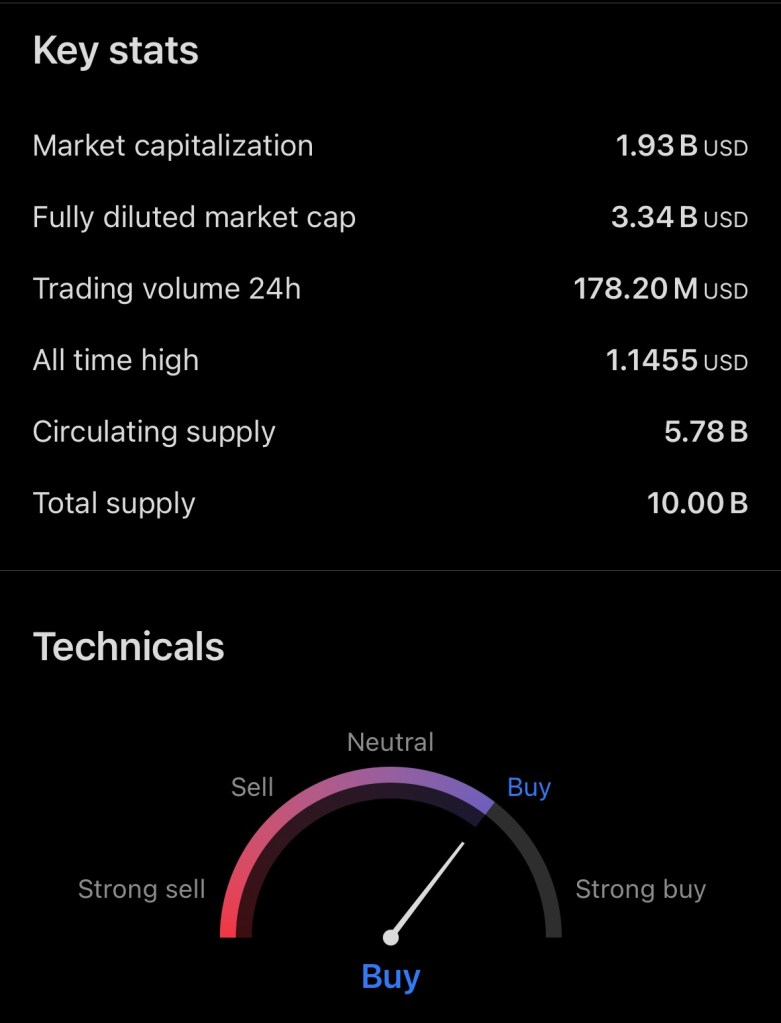
The world of cryptocurrency has captured the attention of investors across the globe, with Bitcoin leading the charge as the pioneer of the digital currency era. Alongside Bitcoin, a multitude of alternative cryptocurrencies, known as altcoins, have emerged, offering unique features and investment opportunities. If you’re considering venturing into this dynamic market, understanding its fundamentals is crucial.

Bitcoin: The Foundation of Cryptocurrency
Bitcoin, created in 2009 by the pseudonymous Satoshi Nakamoto, is the first decentralized digital currency. It operates on blockchain technology, ensuring transparency and security through a distributed ledger system. Bitcoin’s scarcity—it’s capped at 21 million coins—has contributed to its reputation as “digital gold.”

Bitcoin is often viewed as a store of value and a hedge against inflation, with increasing adoption by major corporations and institutional investors. However, its price volatility remains a significant factor, requiring careful consideration before investing.

What Are Altcoins?
Altcoins refer to all cryptocurrencies other than Bitcoin. The term encompasses thousands of digital currencies with diverse purposes, from Ethereum, which facilitates decentralized applications (dApps) and smart contracts, to niche coins like Dogecoin and Cardano.

Each altcoin is designed with a specific use case. For instance:

  • Ethereum (ETH): Known for enabling smart contracts and decentralized finance (DeFi).
  • Ripple (XRP): Focused on cross-border payments and financial institution adoption.
  • Cardano (ADA): Promotes sustainability and scalability in blockchain technology.
    While altcoins can offer high returns, they often come with higher risks due to lower liquidity, lesser adoption, and a lack of widespread trust compared to Bitcoin.

Key Considerations for Investing
1) Volatility: Cryptocurrency markets are highly volatile, with prices swinging dramatically in short periods. Bitcoin and altcoins alike are subject to these fluctuations.
2) Research: Before investing in any altcoin, understand its purpose, development team, market trends, and community support. Avoid making decisions based on hype alone.
3) Security: Store your assets in secure wallets. Hardware wallets are preferred for long-term holdings, while software wallets are suitable for frequent transactions.
4) Regulatory Environment: Cryptocurrency regulations vary by country and can impact market prices. Stay informed about government policies and potential restrictions.
5) Diversification: Avoid putting all your funds into a single cryptocurrency. Diversifying between Bitcoin and selected altcoins can mitigate risks.

Risks to Watch
The cryptocurrency market is not without risks:

  • Scams: Rug pulls and fraudulent projects are common among altcoins.
  • Market Manipulation: Low-liquidity altcoins are susceptible to price manipulation by “whales.”
  • Technological Failures: Bugs, hacks, or failed upgrades can render cryptocurrencies worthless.

The Future of Cryptocurrency
Bitcoin remains the anchor of the cryptocurrency market, but altcoins are driving innovation in blockchain technology. Decentralized finance (DeFi), non-fungible tokens (NFTs), and Web3 applications are shaping the next phase of the digital economy, with altcoins playing a vital role.

For those prepared to navigate its complexities, cryptocurrency offers an exciting frontier. However, thorough research, a strong risk appetite, and a long-term perspective are essential for success in this evolving space.

Disclaimer: Cryptocurrency investments are speculative and involve substantial risk. Consult with a financial advisor before making investment decisions.

The Economic Benefits of Property Transformation Projects

November 2, 2024 – As cities grow and populations shift, an exciting trend is emerging in the real estate market: property transformations. Homeowners, investors, and architects are working together to breathe new life into older buildings, turning underutilized spaces into functional and appealing properties that fit modern needs.

The Rise of Adaptive Reuse and Sustainable Remodeling
As more people seek eco-friendly lifestyles, adaptive reuse—repurposing old structures rather than building from scratch—has gained popularity. By converting old factories, warehouses, and historic buildings into homes, offices, or co-working spaces, property transformations not only retain the character of communities but also reduce the environmental impact of construction.

“Adaptive reuse is one of the most sustainable approaches to property development,” said architect Laura Mendoza, who has led several transformation projects in New York City. “It allows us to cut down on materials while creating something functional and unique.”

This trend also extends to smaller, residential projects. Homeowners are turning unused attics, basements, and even garages into additional living spaces. With the right design, these spaces can be transformed into home offices, rental units, or cozy retreats that add both value and versatility to properties.

The Economic Impact of Property Transformations
For urban and suburban areas facing housing shortages, transforming existing properties has proven to be an efficient way to meet demand without urban sprawl. Municipalities, in turn, benefit from an increased tax base and revitalized neighborhoods.

“Property transformation is a win-win for both developers and the community,” says Jordan Lee, a real estate developer in Seattle. “It allows us to create affordable, high-quality spaces without needing to clear new land, which can be a lengthy and costly process.”

In some cases, transformation projects have stimulated local economies, attracting new residents and businesses. For instance, the renovation of old industrial districts in places like Detroit has led to a wave of new businesses, boosting local economies and creating jobs.

Trends in Property Transformations: What to Expect
While repurposing old buildings and creating versatile living spaces remains a core aspect of property transformations, several other trends are influencing the market:

Mixed-Use Spaces: Property owners are designing buildings that offer residential, commercial, and recreational spaces under one roof, creating a vibrant community hub.
Smart Renovations: Incorporating smart technology, from energy-efficient appliances to security systems, is becoming a priority in transformed properties.
Art and Design Integration: Many transformations now incorporate art and design elements from the building’s original history. This can include restoring architectural details or featuring art pieces that reflect the area’s cultural background.


Challenges in Property Transformations
While property transformations offer exciting possibilities, they also come with challenges. Renovating old buildings can require careful planning and creativity to meet modern building codes. Additionally, costs can quickly escalate if unexpected structural issues arise.

“Finding a balance between preserving historical integrity and meeting contemporary standards is challenging,” Mendoza noted. “But when done right, the results are truly remarkable.”

The Future of Property Transformations
As cities continue to adapt to population growth, climate change, and evolving community needs, property transformations will likely remain a cornerstone of urban development. With both economic and environmental benefits, it’s a trend that has redefined how people live, work, and interact within urban spaces.

As more communities embrace these innovative solutions, property transformations are not only preserving the past but also building a sustainable, interconnected future.

Maximizing Retirement Planning: Choosing Between Roth IRAs and Annuities

Roth IRAs and annuities are two popular financial vehicles, each offering unique advantages and considerations for retirement planning, Understanding the differences between these two options is crucial for anyone looking to secure their financial future. This article will explore the key distinctions between Roth IRAs and annuities, helping you make an informed decision.

Roth IRA: Tax-Free Growth with Flexibility
A Roth IRA (Individual Retirement Account) is a retirement savings account that allows individuals to contribute after-tax dollars. The primary advantage of a Roth IRA is that withdrawals during retirement are tax-free, provided certain conditions are met.

Key Features of Roth IRAs:
Tax-Free Withdrawals:
Contributions to a Roth IRA are made with after-tax dollars, meaning you don’t get a tax deduction upfront. However, the significant advantage is that both the contributions and the earnings can be withdrawn tax-free during retirement, provided the account has been open for at least five years and the account holder is at least 59½ years old.

Contribution Limits: For 2024, the maximum contribution limit for a Roth IRA is $6,500, or $7,500 for individuals aged 50 and older. However, these limits are subject to income thresholds. High-income earners may have reduced contribution limits or may not be eligible to contribute directly to a Roth IRA.

Investment Flexibility: Roth IRAs offer a wide range of investment options, including stocks, bonds, mutual funds, ETFs, and more. This flexibility allows account holders to tailor their investment strategy to their risk tolerance and retirement goals.

No Required Minimum Distributions (RMDs): Unlike traditional IRAs, Roth IRAs do not have required minimum distributions (RMDs) during the account holder’s lifetime. This means you can let your money grow tax-free for as long as you like, making Roth IRAs an excellent tool for wealth transfer.

Annuities: Guaranteed Income with Stability
Annuities are financial products offered by insurance companies that provide a guaranteed income stream, typically for life. They are often used to supplement other retirement income sources, such as Social Security or a pension.

Key Features of Annuities:
Guaranteed Income:
One of the most attractive features of annuities is the promise of a guaranteed income stream. Depending on the type of annuity, this income can last for a specific period or for the rest of your life. This can provide a sense of financial security, knowing you have a steady income regardless of market fluctuations.

Tax-Deferred Growth: Annuities offer tax-deferred growth, meaning you don’t pay taxes on the earnings until you start receiving payments. This feature allows your investment to grow more quickly since the money that would have gone to taxes remains invested.

Variety of Options: There are several types of annuities, including fixed, variable, and indexed annuities, each with different risk levels and potential returns. Fixed annuities offer a guaranteed rate of return, while variable annuities’ returns depend on the performance of the underlying investments. Indexed annuities offer returns based on a stock market index while providing some downside protection.

Fees and Costs: Annuities can be complex and often come with various fees, including administrative fees, mortality and expense risk charges, and investment management fees. These costs can reduce the overall return on your investment, so it’s essential to understand the fee structure before purchasing an annuity.

Roth IRA vs. Annuities: Which Is Right for You?
Choosing between a Roth IRA and an annuity depends on your financial goals, risk tolerance, and retirement strategy.

If you prioritize tax-free growth and flexibility, a Roth IRA might be the better option. It offers investment freedom, no RMDs, and the potential for significant tax savings during retirement.

If you value guaranteed income and financial stability, an annuity could be more suitable. Annuities provide a predictable income stream, making them an attractive option for those concerned about outliving their savings or needing a steady income regardless of market conditions.


Both Roth IRAs and annuities have their distinct advantages, and in many cases, they can complement each other within a well-rounded retirement plan. While a Roth IRA offers tax-free growth and flexibility, an annuity provides guaranteed income and stability. Consulting with a financial advisor can help you determine the best approach for your specific situation, ensuring a secure and comfortable retirement. If you need help deciding on what investment vehicle is right for you give me a call, shoot me an email, or comment below and we can discuss your options.

About the Author:

David Dandaneau is a insurance agent that covers the insurance and financial services industry. He is known for his insightful analysis and comprehensive coverage of market trends and regulatory developments.

Diversifying Your Financial Portfolio for Stability and Growth

By spreading investments across various financial instruments such as annuities, life insurance, certificates of deposit (CDs), money market accounts, stocks, and individual retirement accounts (IRAs), individuals can mitigate risk, ensure financial stability, and secure long-term growth. Here’s a closer look at why diversifying your financial holdings with these assets is a prudent strategy.

Annuities: Guaranteed Income for Life

Annuities are insurance products that provide a steady income stream, typically for life, making them a valuable component of a diversified portfolio. They are particularly beneficial for retirees seeking a reliable income source. Annuities can be fixed or variable, with fixed annuities offering guaranteed payments and variable annuities linked to the performance of underlying investments.

Why Consider Annuities?

  • Stability: Annuities provide a predictable income, which can help cover living expenses and reduce reliance on fluctuating markets.
  • Longevity Protection: With increasing life expectancy, annuities can ensure you don’t outlive your savings.
  • Tax Advantages: Earnings from annuities grow tax-deferred until withdrawal, allowing your investment to compound over time.

Life Insurance: Protecting Your Loved Ones

Life insurance is a crucial financial tool that offers protection and peace of mind. By incorporating life insurance into your financial plan, you ensure that your loved ones are financially secure in the event of your untimely death. Life insurance comes in various forms, including term life, whole life, and universal life insurance, each with its unique benefits.

Why Consider Life Insurance?

  • Financial Security: Life insurance provides a death benefit to beneficiaries, helping them cover expenses such as funeral costs, debts, and living expenses.
  • Wealth Transfer: It can be an effective way to transfer wealth to heirs or charitable organizations.
  • Cash Value Growth: Permanent life insurance policies build cash value over time, which can be borrowed against or withdrawn under certain conditions.

Certificates of Deposit (CDs): Safe and Predictable Returns

CDs are low-risk, time-bound deposits offered by banks and credit unions. They pay a fixed interest rate over a specified period, ranging from a few months to several years. While they may not offer high returns, CDs are a safe investment option, particularly in a volatile market.

Why Consider CDs?

  • Safety: CDs are insured by the FDIC up to $250,000 per depositor, per institution, providing a high level of security.
  • Predictable Returns: The fixed interest rate guarantees a known return on investment.
  • No Market Risk: CDs are not subject to market fluctuations, ensuring your principal investment is secure.

Money Market Accounts: Flexible and Accessible

Money market accounts (MMAs) are interest-bearing accounts that offer higher interest rates than regular savings accounts while providing easy access to funds. They are ideal for maintaining liquidity while earning a reasonable return on your savings.

Why Consider Money Market Accounts?

  • Liquidity: MMAs allow easy access to your funds, making them suitable for emergency savings or short-term financial goals.
  • Higher Interest Rates: Typically, MMAs offer better interest rates compared to standard savings accounts.
  • Security: Like CDs, MMAs are insured by the FDIC, ensuring your money is protected.

Stocks: Growth Potential and Dividends

Stocks represent ownership in a company and can provide substantial returns through capital appreciation and dividends. They are a fundamental part of any diversified portfolio, offering the potential for significant growth.

Why Consider Stocks?

  • High Growth Potential: Stocks have historically outperformed other asset classes over the long term.
  • Dividends: Many companies pay dividends, providing a steady income stream in addition to potential capital gains.
  • Ownership: Owning stock gives you a stake in a company’s success and the right to vote on corporate matters.

Individual Retirement Accounts (IRAs): Tax-Advantaged Growth

IRAs are tax-advantaged accounts designed to help individuals save for retirement. They come in two main types: Traditional IRAs, which offer tax-deductible contributions and tax-deferred growth, and Roth IRAs, which provide tax-free growth and withdrawals.

Why Consider IRAs?

  • Tax Advantages: Traditional IRAs offer tax-deferred growth, while Roth IRAs provide tax-free growth and withdrawals.
  • Flexibility: IRAs can hold a wide range of investments, including stocks, bonds, and mutual funds, allowing for diversified growth.
  • Retirement Security: IRAs are a key component of a comprehensive retirement plan, helping ensure financial security in your later years.

Diversifying your financial holdings with annuities, life insurance, CDs, money market accounts, stocks, and IRAs offers a balanced approach to managing risk and achieving financial goals. Each of these instruments serves a unique purpose, from providing steady income and protecting loved ones to ensuring safety, liquidity, and growth potential. By integrating these assets into your financial strategy, you can build a robust and resilient portfolio capable of weathering economic uncertainties and securing your financial future. If you need help deciding on your best investment strategy drop me a line, send me an email or give me a call and we can talk about what strategy fits your risk tolerances.

About the Author:

David Dandaneau is a insurance agent that covers the insurance and financial services industry. He is known for his insightful analysis and comprehensive coverage of market trends and regulatory developments.

The Pros and Cons of Owning a Final Expense Policy

In a world where financial security and peace of mind are paramount, final expense insurance policies have emerged as a popular option for many individuals looking to cover end-of-life costs. These policies, specifically designed to handle expenses related to funerals, burial, and other final arrangements, offer a unique blend of benefits and challenges. As more people consider these policies, understanding their pros and cons is essential for making an informed decision.

The Pros of Owning a Final Expense Policy

  1. Affordability: One of the primary advantages of final expense insurance is its affordability. These policies typically have lower premiums compared to other life insurance options. This makes them accessible to a broader range of individuals, especially seniors and those on fixed incomes.
  2. Simplified Application Process: Final expense policies usually have a straightforward application process, often requiring minimal medical underwriting. This means that individuals with health issues who might be denied traditional life insurance can still secure coverage.
  3. Quick Payouts: The nature of final expense policies ensures that beneficiaries receive funds promptly. This quick payout can be crucial for families needing to cover funeral costs and other immediate expenses without delay.
  4. Flexibility in Use: Although designed for end-of-life costs, the payout from a final expense policy can be used by beneficiaries in any way they see fit. This flexibility allows families to address various financial needs that may arise upon the policyholder’s death.
  5. Peace of Mind: For many, the greatest benefit of a final expense policy is the peace of mind it offers. Knowing that their loved ones won’t be burdened with funeral costs and other end-of-life expenses provides significant emotional relief.
The Cons of Owning a Final Expense Policy

  1. Limited Coverage: One of the main drawbacks of final expense insurance is its limited coverage amount. These policies typically offer smaller death benefits, usually ranging from $5,000 to $25,000. This might not be sufficient for individuals seeking to cover more extensive financial obligations.
  2. Higher Cost per Dollar of Coverage: While premiums are generally affordable, the cost per dollar of coverage can be higher compared to term or whole life insurance policies. For those needing substantial coverage, this can make final expense policies less cost-effective.
  3. Potential for Overlap: Individuals who already have other types of life insurance might find final expense policies redundant. Evaluating existing coverage to avoid unnecessary overlap is crucial.
  4. Misleading Sales Practices: There have been instances where aggressive marketing tactics have led consumers to believe that final expense policies are the best or only option for end-of-life planning. It’s essential for potential buyers to conduct thorough research and consider other insurance products that might better suit their needs.
  5. Age and Health Restrictions: Although the application process is simplified, some final expense policies still have age and health restrictions. Older individuals or those with severe health conditions might face higher premiums or limited policy options.

Final expense policies offer a viable solution for individuals seeking to ensure their end-of-life expenses are covered without placing a financial burden on their loved ones. However, like any financial product, they come with both advantages and disadvantages. Prospective buyers should weigh these factors carefully, considering their unique financial situation and long-term needs. Consulting with a knowledgeable insurance advisor can provide additional clarity, helping individuals make the best decision for their circumstances. If I can help answer any questions please give me a call, send me a direct message or drop me a line below. Together we can decide what’s best for you.

About the Author:

David Dandaneau is a insurance agent that covers the insurance and financial services industry. He is known for his insightful analysis and comprehensive coverage of market trends and regulatory developments.

Key Considerations for a Smooth Transition into Retirement

As retirement approaches, many individuals find themselves facing a mix of excitement and anxiety. Transitioning from a structured work life to the flexibility of retirement involves careful planning and consideration to ensure financial stability, health maintenance, and emotional well-being. Here are some critical aspects to ponder as you prepare for this new chapter.

1. Financial Readiness

Ensuring financial stability is paramount for a comfortable retirement. Here are some key financial steps to take:

  • Assess Savings and Investments: Calculate your total savings, including 401(k) plans, IRAs, pensions, and other investments. Determine if these funds will sustain your desired lifestyle.
  • Budgeting for Retirement: Create a retirement budget that reflects your expected expenses. Consider housing, healthcare, travel, and daily living costs. Remember, expenses might change; some may decrease, such as commuting costs, while others, like healthcare, may increase.
  • Social Security Benefits: Decide the optimal time to start claiming Social Security benefits. While you can begin as early as 62, waiting until 70 can maximize your monthly benefits.
  • Debt Management: Aim to reduce or eliminate outstanding debts before retiring. Lower debt levels can significantly decrease financial stress.

2. Healthcare Planning

Healthcare is a critical consideration as you age. Here are steps to ensure you’re prepared:

  • Medicare Enrollment: Understand the different parts of Medicare and enroll on time to avoid penalties. Consider supplemental insurance plans to cover additional healthcare costs.
  • Long-Term Care Insurance: Evaluate whether long-term care insurance is necessary for your situation. This can help cover costs for services like nursing homes or in-home care, which aren’t covered by Medicare.
  • Health Savings Account (HSA): If you have an HSA, continue contributing to it as it can be used to pay for qualified medical expenses tax-free during retirement.

3. Lifestyle Planning

Retirement is not just about financial security; it’s also about enjoying life. Consider the following to make the most of your retirement years:

  • Hobbies and Interests: Identify activities and hobbies you wish to pursue. Staying active and engaged can contribute to your mental and physical health.
  • Volunteer Work: Many retirees find fulfillment in giving back to the community. Volunteering can provide a sense of purpose and help maintain social connections.
  • Travel Plans: If travel is a part of your retirement dream, plan your trips and budget accordingly. Look for senior discounts and travel insurance options tailored for retirees.

4. Housing Decisions

Where and how you live in retirement can greatly impact your quality of life:

  • Downsizing: Evaluate whether downsizing your home makes sense. A smaller home can reduce maintenance and utility costs.
  • Relocation: Consider relocating to a more retirement-friendly area. Some retirees choose places with lower living costs, better climate, or proximity to family and friends.
  • Aging in Place: If you prefer to stay in your current home, consider modifications that make it safer and more accessible as you age.

5. Emotional Preparation

Retirement brings a significant lifestyle shift that can affect your mental and emotional well-being:

  • Social Connections: Maintain and build social networks. Loneliness and isolation can be detrimental to your health, so stay connected with family, friends, and community groups.
  • Retirement Identity: Many people struggle with the loss of identity that can come from no longer being in the workforce. Finding new roles and activities that provide a sense of purpose is essential.

6. Legal and Estate Planning

Ensure your legal and estate affairs are in order:

  • Wills and Trusts: Update your will or trust to reflect your current wishes. Consider setting up a power of attorney and healthcare directive to manage your affairs if you become incapacitated.
  • Beneficiary Designations: Review and update beneficiary designations on retirement accounts and life insurance policies.

Preparing for retirement is a multifaceted process that requires thoughtful planning and consideration. By addressing these key areas, you can pave the way for a fulfilling and financially secure retirement. If you need help getting started give me a call, send me a message or drop me a comment below. Together we can secure the future you deserve.

Personal Finance Strategies and Resilience Propel Many Towards Financial Freedom

In a world often characterized by mounting debts and financial uncertainty, tales of triumph over fiscal adversity shine like beacons of hope. Across diverse demographics, individuals are harnessing determination and strategic planning to liberate themselves from the suffocating grasp of debt. These success stories not only inspire, but also offer invaluable lessons in navigating the complex terrain of personal finance.

Rising from the Depths

Meet Sarah Ramirez, a 34-year-old marketing executive from Chicago, whose journey from debt-ridden despair to financial sovereignty is nothing short of remarkable. Faced with mounting credit card bills and student loans, Ramirez confronted her financial reality head-on. “I reached a breaking point where I knew something had to change,” she recounts.

Employing a combination of budgeting, frugality, and side hustles, Ramirez embarked on a debt repayment journey. “Every extra dollar went towards paying off debt,” she explains. Sacrifices were made, but the sense of liberation from financial burdens spurred her forward.

Strategies for Success

Ramirez’s story is emblematic of a broader trend where individuals are leveraging various strategies to conquer debt. Financial experts emphasize the importance of creating a detailed budget, distinguishing between essential and discretionary spending, and negotiating lower interest rates with creditors.

Moreover, the burgeoning gig economy offers a plethora of opportunities for supplementary income. From freelance writing to ride-sharing, individuals are tapping into their skills and passions to boost earnings and expedite debt repayment.

Community Support and Accountability

For many, the journey out of debt is not solitary. Online forums, support groups, and accountability partners provide crucial encouragement and guidance. “Sharing my progress and setbacks with others kept me accountable,” notes Ramirez, who found solace in virtual communities dedicated to financial wellness.

Additionally, seeking professional assistance from credit counselors or financial advisors can provide tailored strategies and expert insights to navigate complex financial landscapes.

The Road to Financial Freedom

As success stories like Ramirez’s proliferate, the notion of financial freedom becomes increasingly tangible for countless individuals burdened by debt. However, the path to solvency is fraught with challenges, requiring discipline, perseverance, and resilience.

Nevertheless, the rewards are profound. Beyond the alleviation of financial stress, escaping the debt trap empowers individuals to pursue their passions, invest in their futures, and cultivate a sense of security for themselves and their loved ones.

As Ramirez reflects on her journey, she is filled with gratitude for the newfound freedom she enjoys. “Breaking free from debt was the best decision I ever made,” she declares. Her story serves as a beacon of hope for all those navigating the tumultuous waters of financial hardship, reminding us that with determination and discipline, financial liberation is within reach.

Diversification with Annuities and Life Insurance Vital for Long-Term Financial Security

In the landscape of retirement planning, the traditional pillars of 401(k)s and pensions are being reassessed as sole sources of income. Amidst economic uncertainties and demographic shifts, financial experts emphasize the critical need for diversification. Annuities and life insurance emerge as essential components to fortify retirement portfolios and ensure sustained financial well-being in the later stages of life.

The Limitations of 401(k)s and Pensions:

While 401(k)s and pensions have long served as cornerstones of retirement planning, their reliance as standalone solutions is increasingly precarious. Market volatility, fluctuating interest rates, and legislative changes can impact the growth and stability of 401(k) investments, potentially jeopardizing retirees’ financial security. Similarly, the sustainability of pension funds is challenged by demographic trends, with an aging population and fewer workers contributing to these systems.

Diversification Beyond Traditional Assets:

In response to these challenges, diversification beyond 401(k)s and pensions is paramount. Annuities and life insurance products offer complementary benefits that can enhance retirement income and mitigate risks. Annuities, with their ability to provide guaranteed income streams, offer a reliable source of cash flow to supplement 401(k) withdrawals and pension payments. Whether through fixed, variable, or indexed annuities, retirees can secure predictable income to meet their ongoing expenses.

Meanwhile, life insurance serves not only as a protection for beneficiaries but also as a tool for wealth accumulation and distribution in retirement. Certain types of permanent life insurance policies accumulate cash value over time, which can be accessed tax-efficiently to supplement retirement income or cover unforeseen expenses. By incorporating these products into their retirement portfolios, individuals can diversify their income sources and reduce reliance on volatile market returns or fluctuating pension benefits.

The Importance of Comprehensive Planning:

Diversification with annuities and life insurance complements existing retirement assets and strengthens overall financial resilience. Beyond providing a safety net against market downturns or pension uncertainties, these products offer peace of mind and financial flexibility for retirees. Comprehensive planning that integrates multiple income streams ensures that retirees can weather various economic conditions and life events without compromising their standard of living or long-term goals.

Moreover, diversification extends beyond asset allocation to encompass risk management and estate planning considerations. Annuities and life insurance can play a pivotal role in protecting against longevity risk, healthcare costs, and estate taxes, safeguarding retirees’ legacies and preserving intergenerational wealth.

In navigating the complexities of modern retirement planning, diversification beyond 401(k)s and pensions is essential for long-term financial security. Annuities and life insurance products offer unique advantages that complement traditional retirement assets, providing retirees with stable income streams, asset protection, and estate planning benefits. By embracing a diversified approach to retirement income, individuals can mitigate risks, optimize returns, and achieve greater confidence in their financial futures. In an ever-changing economic landscape, adaptability and foresight are the keys to unlocking a secure and fulfilling retirement. If you need help evaluating your retirement portfolio give me a shout, send me a message or comment and lets get started by building a brighter future together.

About the Author:

David Dandaneau is a insurance agent that covers the insurance and financial services industry. He is known for his insightful analysis and comprehensive coverage of market trends and regulatory developments.

The Imperative of Saving for Retirement Today

In an era where financial security is increasingly precarious, one aspect of personal finance stands out as non-negotiable: saving for retirement. As life expectancy rises and traditional pension plans dwindle, the responsibility for ensuring a comfortable post-work life falls squarely on individuals. Despite this, a concerning number of people neglect this crucial aspect of financial planning, risking their future well-being.

The importance of saving for retirement cannot be overstated. It’s not merely about setting aside a portion of income; it’s about investing in one’s future self, safeguarding against the uncertainties that come with aging. Here are several compelling reasons why saving for retirement should be a top priority:

  1. Financial Independence:
    Saving for retirement empowers individuals to maintain financial independence in their later years. Without sufficient savings, retirees may find themselves relying solely on government assistance or family support, significantly limiting their autonomy and quality of life.
  2. Rising Life Expectancy:
    With advancements in healthcare and lifestyle, people are living longer than ever before. While increased longevity is undoubtedly a positive development, it also means that retirement savings must stretch further to cover an extended retirement period.
  3. Decline of Traditional Pension Plans:
    Traditional pension plans, which guaranteed retirees a fixed income for life, are becoming increasingly rare in today’s workforce. Instead, many companies offer defined-contribution plans like 401(k)s, placing the onus of retirement savings on employees themselves. Consequently, individuals must take an active role in saving and investing for their retirement years.
  4. Inflation and Cost of Living:
    Inflation erodes the purchasing power of money over time. Therefore, even seemingly substantial savings can lose value if not properly invested to outpace inflation. Saving for retirement involves not only accumulating wealth but also strategically managing it to ensure it maintains its real value over the years.
  5. Peace of Mind:
    Financial security in retirement provides peace of mind, allowing individuals to enjoy their golden years without the constant worry of making ends meet. Having a robust retirement savings plan in place alleviates stress and enables retirees to focus on pursuing their passions and interests.

In light of these factors, saving for retirement emerges as an imperative rather than an option. Whether through employer-sponsored retirement plans, individual retirement accounts (IRAs), or other investment vehicles, allocating a portion of income towards retirement savings is an investment in one’s future well-being.

Governments, employers, and financial institutions all have roles to play in promoting retirement savings awareness and facilitating access to retirement planning resources. However, the ultimate responsibility lies with individuals to prioritize their financial future by starting to save for retirement as early as possible.

In a world where uncertainty looms large, securing tomorrow begins with prudent financial planning today. By embracing the importance of saving for retirement, individuals can embark on their golden years with confidence, knowing that they’ve laid a solid foundation for a fulfilling and financially secure future. If you’re ready to take control of your financial future contact me and lets get started today.