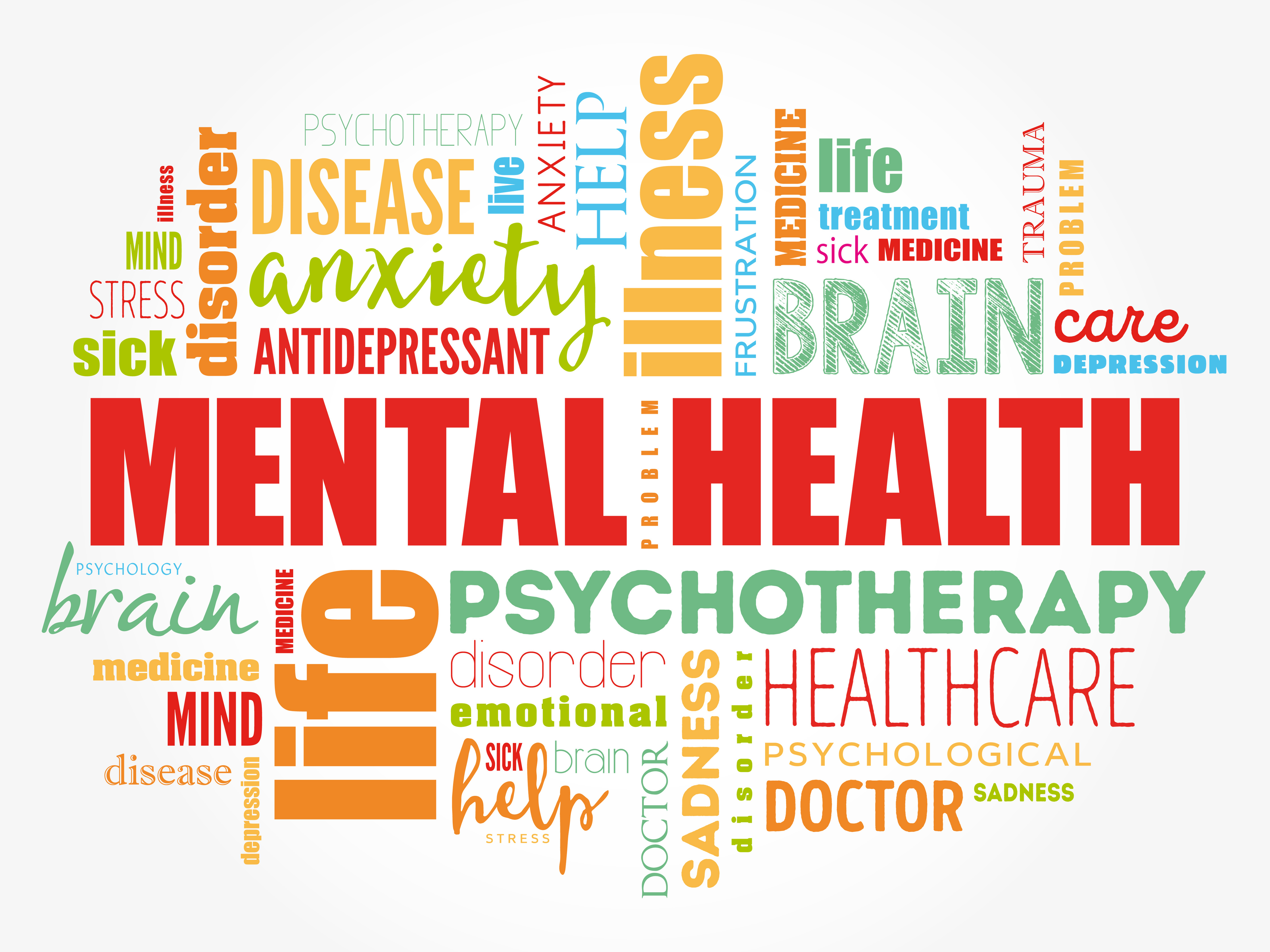
The Importance of Mental Health at Every Life Stage

In this day and age where the pace of life is ever-increasing and the demands of daily living are constantly evolving, the importance of mental health cannot be overstated. From childhood to old age, taking care of your mental health is crucial for overall well-being and quality of life.

Mental Health in Childhood

For children, mental health is the foundation for future development. A child’s early experiences shape their brain development, influencing their emotional and social capabilities. According to the American Psychological Association, untreated mental health issues in childhood, such as anxiety or depression, can lead to difficulties in school, trouble forming healthy relationships, and an increased risk of substance abuse later in life. Early intervention and support from parents, teachers, and mental health professionals can help children develop resilience and coping skills.

Adolescence: A Critical Period

Adolescence is a critical period for mental health, as teenagers navigate the complexities of identity, relationships, and academic pressures. The World Health Organization (WHO) reports that half of all mental health conditions start by age 14, but most cases are undetected and untreated. Encouraging open conversations about mental health, reducing stigma, and providing access to mental health services are essential for supporting adolescents during this tumultuous time. Schools and communities play a pivotal role in creating safe environments where young people feel empowered to seek help.

Adult Mental Health: Balancing Responsibilities

Adulthood brings a new set of challenges, including career pressures, family responsibilities, and financial stress. The National Institute of Mental Health (NIMH) highlights that adults with untreated mental health issues are at risk for chronic diseases, decreased productivity, and strained relationships. Regular self-care practices, such as exercise, healthy eating, and mindfulness, can help manage stress. Employers can contribute by fostering a supportive workplace culture and offering mental health resources.

Aging and Mental Health

Mental health remains important in older adulthood, where issues such as loneliness, grief, and physical health problems can impact well-being. According to the Centers for Disease Control and Prevention (CDC), depression and anxiety are common among older adults but often go undiagnosed. Staying socially active, engaging in mentally stimulating activities, and seeking support for mental health concerns can significantly enhance the quality of life for seniors.

Breaking the Stigma

Across all ages, one of the biggest barriers to seeking help is the stigma associated with mental health issues. Education and awareness campaigns can play a crucial role in normalizing mental health care. Encouraging open discussions about mental health, sharing personal stories, and promoting the message that it’s okay to seek help are vital steps in breaking down these barriers.

The Role of Technology

In recent years, technology has become a valuable tool in mental health care. Teletherapy, mental health apps, and online support groups provide accessible options for those seeking help. However, it’s important to ensure that these digital solutions are used in conjunction with traditional care methods and are accessible to people of all ages.

Taking care of your mental health is a lifelong commitment that requires attention and effort at every stage of life. Whether it’s a child learning to navigate emotions, a teenager dealing with peer pressure, an adult balancing work and family, or a senior facing the challenges of aging, mental health matters. By prioritizing mental health and breaking down the barriers to seeking help, we can build a healthier, more resilient society where everyone can thrive.


Sources:

  1. American Psychological Association (APA)
  2. World Health Organization (WHO)
  3. National Institute of Mental Health (NIMH)
  4. Centers for Disease Control and Prevention (CDC)

The Power of the Early Riser: Why Your Wake-Up Time Shapes a Winning Attitude

In a world that constantly champions productivity and success, the adage “the early bird catches the worm” holds more weight than ever. Research and anecdotal evidence alike suggest that waking up early is not just about starting your day with the sunrise, but about cultivating a winning attitude that permeates every aspect of life. Here’s why the time you wake up can make all the difference.

The Science of Waking Up Early

Numerous studies have shown that early risers tend to exhibit characteristics associated with a winning attitude, such as enhanced productivity, better mental health, and improved physical health. A study by the University of Toronto found that early risers are generally happier and healthier than night owls. The reason? Our bodies are wired to respond to the natural light and dark cycles, known as circadian rhythms. Aligning our waking hours with daylight helps regulate our biological clock, leading to better sleep quality and overall well-being.

Productivity and Focus

Waking up early provides a head start on the day. Morning hours are typically free from distractions, offering a quiet and focused environment conducive to deep work. Successful individuals like Apple CEO Tim Cook and Virgin Group founder Richard Branson swear by their early morning routines. These quiet hours allow for strategic planning, goal setting, and tackling high-priority tasks before the demands of the day begin to mount.

Mental Health Benefits

The psychological benefits of waking up early extend beyond mere productivity. Early risers often report lower levels of stress and anxiety. According to a study published in the journal Psychiatric Research, those who wake up earlier tend to have more positive moods and are less likely to develop depression. This is partly due to the sense of control and accomplishment that comes with starting the day early and partly because early risers are more likely to engage in morning exercise, which has well-documented mood-boosting effects.

Physical Health and Fitness

Morning routines often include time for physical activity, which is crucial for maintaining a healthy body and mind. Regular morning exercise boosts metabolism, improves energy levels, and enhances cognitive function. Additionally, those who wake up early are more likely to eat a healthy breakfast, which sets a positive tone for dietary choices throughout the day. The combination of physical activity and good nutrition contributes to overall fitness and well-being, essential components of a winning attitude.

Building Discipline and Resilience

The habit of waking up early requires discipline, a trait that is integral to success. Overcoming the initial struggle to leave the comfort of bed builds mental resilience. This discipline often translates into other areas of life, fostering a mindset that embraces challenges and persists in the face of obstacles. The ability to consistently wake up early, even when it’s difficult, reinforces a growth mindset and a strong work ethic.

In essence, the time you wake up sets the tone for the rest of your day. Early risers gain a psychological and practical edge, cultivating a winning attitude that is reflected in their productivity, mental health, physical well-being, and overall life satisfaction. While waking up early is not a panacea and individual preferences vary, the benefits of aligning your schedule with natural circadian rhythms and seizing the morning hours cannot be overstated. For those striving for success, the first step might just be as simple as setting an earlier alarm.

Common Misconceptions About Nutrition and Healthy Eating

In today’s information age, navigating the world of nutrition and healthy eating can be overwhelming. With countless diets, conflicting advice, and a plethora of “superfoods” touted for miraculous benefits, it’s easy to get lost in misinformation. Here, we debunk some of the most common misconceptions about nutrition and healthy eating.

Myth 1: Carbs Are the Enemy

Carbohydrates often get a bad rap, especially with the popularity of low-carb diets like keto and Atkins. However, not all carbs are created equal. Whole grains, fruits, vegetables, and legumes are rich in essential nutrients and fiber. They provide sustained energy and are a vital part of a balanced diet. Cutting out carbs entirely can lead to nutrient deficiencies and lack of energy.

Myth 2: Fat-Free Means Healthy

The fat-free craze of the 1990s led many to believe that all dietary fat is bad. However, fats are essential for absorbing vitamins A, D, E, and K, and for maintaining cell membranes. The key is to choose healthy fats, such as those found in avocados, nuts, seeds, and olive oil, and to avoid trans fats and excessive saturated fats.

Myth 3: You Need to Detox Your Body

Detox diets and cleanses promise to rid the body of toxins and promote rapid weight loss. However, the body is naturally equipped with its own detoxification system—the liver, kidneys, and digestive tract. No scientific evidence supports the need for external detox products. A balanced diet, regular exercise, and adequate hydration are sufficient for maintaining your body’s natural detoxification processes.

Myth 4: Skipping Meals Helps You Lose Weight

Skipping meals, especially breakfast, can lead to overeating later in the day and disrupt your metabolism. Regular, balanced meals help maintain stable blood sugar levels and prevent the extreme hunger that leads to poor food choices. Eating a nutritious breakfast can kickstart your metabolism and provide the energy needed to start your day.

Myth 5: All Calories Are Equal

While calorie counting can be helpful for weight management, not all calories have the same nutritional value. For instance, 200 calories from a sugary soda do not provide the same nutrients as 200 calories from a serving of mixed nuts. Nutrient-dense foods provide vitamins, minerals, fiber, and other beneficial compounds, which are essential for overall health.

Myth 6: Supplements Can Replace a Balanced Diet

Dietary supplements can be beneficial for addressing specific deficiencies, but they should not replace whole foods. Whole foods offer a complex matrix of nutrients that work together synergistically. Over-reliance on supplements can lead to imbalances and neglect the benefits of a diverse diet.

Myth 7: Eating Late at Night Causes Weight Gain

The idea that eating late at night directly causes weight gain is a misconception. What matters more is the total caloric intake and the quality of the food consumed throughout the day. Eating a large, unhealthy meal late at night can lead to weight gain, but this is due to overall poor dietary habits rather than the timing of the meal.

Myth 8: You Must Avoid Gluten to Be Healthy

Unless you have celiac disease or gluten sensitivity, there is no need to avoid gluten. Whole grains that contain gluten, such as wheat, barley, and rye, are rich in fiber, vitamins, and minerals. A gluten-free diet can sometimes be lower in fiber and other important nutrients, making it less healthy for people without gluten-related disorders.

Understanding the facts about nutrition is crucial for making informed dietary choices. Instead of falling for trendy diets and misconceptions, focusing on a balanced diet rich in whole foods, healthy fats, lean proteins, and complex carbohydrates can lead to better health and well-being. Consulting with a registered dietitian or nutritionist can also provide personalized advice tailored to your individual needs.

Positive Attitude Linked to Healthier Living, Experts Say

In a world where physical health often takes center stage, emerging research highlights the profound impact of mental outlook on overall well-being. Experts are increasingly pointing to the power of a positive attitude as a key contributor to healthier living, advocating that the right mindset can pave the way to a longer, more vibrant life.

The Science Behind Positivity

A growing body of evidence suggests that a positive attitude does more than just lift spirits; it significantly influences physical health. Studies published in medical journals such as the Journal of the American Medical Association (JAMA) have shown that individuals who maintain an optimistic outlook are less likely to develop chronic diseases such as heart disease and diabetes. Positive thinkers tend to have lower levels of stress-related hormones like cortisol, which are linked to various health problems when chronically elevated.

Dr. Samantha Greene, a psychologist specializing in health psychology, explains, “When we are optimistic, we are more likely to engage in healthy behaviors such as exercising regularly, eating balanced diets, and getting adequate sleep. Additionally, positive thinking reduces the physiological impact of stress, thereby decreasing the risk of stress-related illnesses.”

Mental Health and Physical Health: A Symbiotic Relationship

The link between mental and physical health is undeniable. Optimism has been associated with better immune function, quicker recovery from illnesses, and even increased lifespan. A landmark study from Harvard University tracked 70,000 women over eight years and found that those who reported higher levels of optimism had a significantly lower risk of dying from several major causes, including cancer, heart disease, stroke, respiratory disease, and infection.

Moreover, positive attitude influences health-promoting behaviors. Optimistic individuals are more likely to adhere to medical advice, seek preventive care, and engage in physical activity. They are also more resilient, better equipped to cope with challenges, and less likely to succumb to the adverse effects of stress.

Practical Steps to Foster Positivity

While the benefits of a positive outlook are clear, cultivating such an attitude can be challenging. Here are some practical steps to help foster positivity:

  1. Practice Gratitude: Regularly reflecting on the things you are thankful for can shift your focus from negative to positive aspects of life.
  2. Engage in Physical Activity: Exercise is a natural mood booster that can help reduce anxiety and improve mental health.
  3. Mindfulness and Meditation: These practices help you stay grounded in the present moment, reducing stress and promoting a sense of well-being.
  4. Build Strong Relationships: Surrounding yourself with supportive and positive people can enhance your mood and outlook.
  5. Set Realistic Goals: Achieving small, manageable goals can create a sense of accomplishment and forward momentum.

Real-Life Impact

Consider the case of John Martinez, a 55-year-old from Seattle who turned his life around by adopting a positive outlook. After being diagnosed with hypertension, John joined a local wellness group where he learned about the power of positive thinking. By integrating gratitude exercises, regular walks, and mindfulness meditation into his routine, John not only managed to lower his blood pressure but also reported feeling more energetic and hopeful.

“Changing my mindset was like flipping a switch,” John shares. “I started seeing challenges as opportunities rather than setbacks, and my health has never been better.”

The message from health experts is clear: a positive attitude is not just about feeling good; it is a crucial component of healthy living. By fostering optimism and focusing on the positive aspects of life, individuals can significantly enhance their physical health and overall quality of life. As the research continues to evolve, one thing remains certain—embracing a positive outlook can lead to a healthier, more fulfilling life.


The Everlasting Benefits of Lifelong Learning

In an era defined by rapid technological advancements and ever-evolving industries, the concept of lifelong learning has emerged as a cornerstone for personal and professional development. Embracing a mindset of continuous education not only enhances individual knowledge and skills but also brings forth a myriad of societal benefits. As the world navigates through a landscape of constant change, the significance of lifelong learning has never been more pronounced.

1. Adaptability and Resilience: Lifelong learning fosters adaptability and resilience in individuals, equipping them with the ability to navigate through uncertainties and challenges. In a dynamic job market where roles and requirements evolve rapidly, those committed to continuous learning are better prepared to embrace change and thrive amidst disruption. By staying abreast of emerging trends and technologies, individuals can remain relevant and resilient in the face of shifting professional landscapes.

2. Career Advancement and Opportunities: The pursuit of lifelong learning opens doors to a plethora of career advancement opportunities. Acquiring new skills and knowledge not only enhances one’s existing expertise but also broadens their professional horizons. Employers increasingly value candidates who demonstrate a commitment to ongoing development, making lifelong learners more attractive in the job market. Furthermore, lifelong learning empowers individuals to explore new career paths, transition between industries, and pursue entrepreneurial ventures with confidence.

3. Cognitive Health and Well-being: Engaging in continuous learning stimulates cognitive function and promotes mental well-being. Research indicates that lifelong learning activities, such as reading, attending classes, or learning a new language, can contribute to improved memory, critical thinking, and overall brain health. Furthermore, the intellectual stimulation provided by lifelong learning has been linked to a reduced risk of cognitive decline and age-related cognitive impairments, underscoring its role in promoting healthy aging and quality of life.

4. Personal Growth and Fulfillment: Beyond professional aspirations, lifelong learning facilitates personal growth and fulfillment. Whether pursuing a passion, delving into a new hobby, or acquiring knowledge for the sheer joy of learning, the journey of lifelong learning enriches individuals on a profound level. It nurtures curiosity, creativity, and self-discovery, fostering a sense of fulfillment and purpose. By continuously expanding their intellectual horizons, individuals cultivate a deeper understanding of the world around them and forge meaningful connections with diverse communities.

As society continues to evolve in the digital age, the importance of lifelong learning cannot be overstated. It serves as a catalyst for personal and professional growth, empowering individuals to adapt, thrive, and contribute meaningfully to a rapidly changing world. By embracing a commitment to lifelong learning, individuals not only invest in their own success but also contribute to the collective advancement of society as a whole. In an era defined by innovation and progress, lifelong learning stands as a beacon of opportunity, offering endless possibilities for those who dare to pursue knowledge without bounds.

Personal Finance Strategies and Resilience Propel Many Towards Financial Freedom

In a world often characterized by mounting debts and financial uncertainty, tales of triumph over fiscal adversity shine like beacons of hope. Across diverse demographics, individuals are harnessing determination and strategic planning to liberate themselves from the suffocating grasp of debt. These success stories not only inspire, but also offer invaluable lessons in navigating the complex terrain of personal finance.

Rising from the Depths

Meet Sarah Ramirez, a 34-year-old marketing executive from Chicago, whose journey from debt-ridden despair to financial sovereignty is nothing short of remarkable. Faced with mounting credit card bills and student loans, Ramirez confronted her financial reality head-on. “I reached a breaking point where I knew something had to change,” she recounts.

Employing a combination of budgeting, frugality, and side hustles, Ramirez embarked on a debt repayment journey. “Every extra dollar went towards paying off debt,” she explains. Sacrifices were made, but the sense of liberation from financial burdens spurred her forward.

Strategies for Success

Ramirez’s story is emblematic of a broader trend where individuals are leveraging various strategies to conquer debt. Financial experts emphasize the importance of creating a detailed budget, distinguishing between essential and discretionary spending, and negotiating lower interest rates with creditors.

Moreover, the burgeoning gig economy offers a plethora of opportunities for supplementary income. From freelance writing to ride-sharing, individuals are tapping into their skills and passions to boost earnings and expedite debt repayment.

Community Support and Accountability

For many, the journey out of debt is not solitary. Online forums, support groups, and accountability partners provide crucial encouragement and guidance. “Sharing my progress and setbacks with others kept me accountable,” notes Ramirez, who found solace in virtual communities dedicated to financial wellness.

Additionally, seeking professional assistance from credit counselors or financial advisors can provide tailored strategies and expert insights to navigate complex financial landscapes.

The Road to Financial Freedom

As success stories like Ramirez’s proliferate, the notion of financial freedom becomes increasingly tangible for countless individuals burdened by debt. However, the path to solvency is fraught with challenges, requiring discipline, perseverance, and resilience.

Nevertheless, the rewards are profound. Beyond the alleviation of financial stress, escaping the debt trap empowers individuals to pursue their passions, invest in their futures, and cultivate a sense of security for themselves and their loved ones.

As Ramirez reflects on her journey, she is filled with gratitude for the newfound freedom she enjoys. “Breaking free from debt was the best decision I ever made,” she declares. Her story serves as a beacon of hope for all those navigating the tumultuous waters of financial hardship, reminding us that with determination and discipline, financial liberation is within reach.

How Empty Nesters Navigate the Transition and Find Renewed Purpose

It won’t be long now before our last child packs up and heads off to college and begins their own journey into adulthood. Many parents like myself, find themselves facing the bittersweet reality of becoming empty nesters. For some, the newfound quietude and absence of children bustling around the house can evoke a profound sense of loss and loneliness. However, this life stage also presents an opportunity for parents to rediscover themselves, rekindle their passions, and embark on new adventures.

Empty nest syndrome, characterized by feelings of sadness and loss when children leave home, is a common experience for many parents. The sudden shift from a bustling household to an eerily quiet one can leave parents feeling adrift and unsure of how to fill the void. However, experts suggest that acknowledging and embracing these feelings is the first step toward finding fulfillment in this new chapter of life.

“It’s natural for parents to feel a mix of emotions when their children leave home,” says Dr. Sarah Johnson, a psychologist specializing in life transitions. “The key is to view this time as an opportunity for personal growth and exploration rather than focusing solely on the loss.”

One way empty nesters can navigate this transition is by focusing on self-care and rediscovering their interests and passions. Whether it’s picking up a hobby they set aside years ago, pursuing further education, or traveling to destinations they’ve always dreamed of, empty nesters have the freedom to prioritize their own needs and desires.

“For many parents, the empty nest phase can be a time of reconnection with oneself,” says Dr. Johnson. “It’s an opportunity to pursue activities and interests that may have taken a backseat during the busy child-rearing years.”

Beyond individual pursuits, empty nesters can also strengthen their relationships with their partners. With children out of the house, parents have more time to devote to each other and nurture their bond. Planning date nights, taking up a new hobby, strolling the beach together, or simply enjoying quiet evenings at home can help couples reconnect and rediscover the joy of spending time together.

In addition to focusing on personal and relational fulfillment, empty nesters can also find purpose and meaning through giving back to their communities. Volunteering, mentoring younger individuals, or getting involved in local organizations are all ways in which empty nesters can make a positive impact and find fulfillment outside of their roles as parents.

Ultimately, while the transition to empty nesthood may come with its challenges, it also offers a wealth of opportunities for growth, exploration, and reinvention. By embracing this new phase of life with an open mind and a sense of adventure, empty nesters can discover a renewed sense of purpose and fulfillment that extends far beyond the confines of their empty nest.

The Crucial Connection: Mental Health Holds Equal Importance to Physical Well-being

In the pursuit of overall health and well-being, the importance of mental health has often been overlooked or relegated to the sidelines. However, recent studies and societal shifts have underscored the critical link between mental and physical health, highlighting that they are not distinct entities but rather intricately interconnected aspects of our well-being.

Mental health encompasses our emotional, psychological, and social well-being, affecting how we think, feel, and act. It influences how we handle stress, relate to others, and make choices in our daily lives. In essence, it’s the foundation upon which our overall well-being is built.

One of the primary reasons mental health is as important as physical health is its profound impact on our physical well-being. Research has consistently shown that mental health disorders, such as depression and anxiety, can significantly increase the risk of developing chronic physical conditions like heart disease, diabetes, and even cancer. Moreover, mental health issues can exacerbate existing physical conditions, leading to poorer treatment outcomes and reduced quality of life.

Beyond its implications for physical health, mental well-being also plays a crucial role in our productivity, relationships, and overall quality of life. Poor mental health can impair cognitive function, decrease work performance, and strain interpersonal relationships. In contrast, maintaining good mental health enhances resilience, fosters creativity, and promotes social connections, ultimately leading to a more fulfilling life.

Furthermore, the societal and economic costs of neglecting mental health are staggering. Mental health disorders impose a significant burden on healthcare systems, economies, and communities worldwide. From lost productivity and absenteeism in the workplace to increased healthcare expenditures and reduced educational attainment, the consequences of untreated mental health conditions reverberate throughout society.

Addressing mental health with the same level of urgency and resources as physical health is essential for creating a healthier and more equitable society. This includes improving access to mental health services, reducing stigma surrounding mental illness, and integrating mental health promotion into various sectors, including education, workplaces, and communities.

Fortunately, there is growing recognition of the importance of mental health on both individual and societal levels. Initiatives promoting mental health awareness and resilience-building are gaining traction, and conversations about mental health are becoming more open and destigmatized.

As we continue to navigate the complexities of the modern world, it’s imperative to recognize that mental health is not a luxury but a fundamental human right. Just as we prioritize physical health through exercise, nutrition, and medical care, we must also prioritize mental health through self-care, social support, and professional intervention when needed. Only by embracing a holistic approach to health can we truly thrive as individuals and as a society.

The Positive Impacts of Vacations on Mental Health, Productivity, and Overall Well-Being

In a world where hustle culture often glorifies overwork and burnout, a recent study sheds light on the importance of taking time off. Contrary to the prevailing notion that incessant work leads to success, researchers have found that vacations play a crucial role in promoting mental health, enhancing productivity, and improving overall quality of life.

The study, conducted by a team of psychologists and published in the Journal of Behavioral Sciences, surveyed over 2,000 working professionals across various industries. The results revealed a striking correlation between vacation time and well-being, with participants reporting significant benefits from taking regular breaks from work.

One of the key findings of the study was the positive impact of vacations on mental health. Participants who took regular vacations reported lower levels of stress, anxiety, and depression compared to those who did not. Dr. Emily Roberts, lead researcher on the study, emphasized the importance of disconnecting from work to alleviate psychological strain. “Vacations provide an opportunity to recharge both mentally and emotionally, allowing individuals to return to work with renewed energy and focus,” she stated.

Furthermore, vacations were found to boost creativity and problem-solving skills. Time away from the daily grind allows individuals to gain new perspectives, explore different environments, and engage in activities that stimulate the mind. This fresh outlook often translates into increased innovation and efficiency upon returning to work.

In addition to mental health benefits, vacations were also linked to improved physical health outcomes. Research has shown that chronic stress, often exacerbated by long hours and workplace pressure, can have detrimental effects on the body. By taking regular breaks, individuals can reduce their risk of developing stress-related illnesses such as heart disease, hypertension, and obesity.

Employers are also beginning to recognize the importance of promoting a healthy work-life balance. Many companies are implementing policies that encourage employees to use their allotted vacation time and prioritize self-care. Companies like Google and Netflix are renowned for their generous vacation policies, which have been shown to improve employee morale, retention, and overall productivity.

Despite the evidence supporting the benefits of vacations, many individuals still struggle to disconnect from work. The rise of remote work and constant connectivity through smartphones has blurred the boundaries between work and leisure, making it challenging for people to fully unplug during their time off. Experts recommend setting boundaries, scheduling regular breaks, and prioritizing self-care to reap the full benefits of vacation time.

As we navigate an increasingly demanding and fast-paced world, taking time to rest and recharge is more important than ever. Whether it’s a tropical getaway, a weekend retreat, or a simple staycation, prioritizing vacation time is essential for maintaining balance, happiness, and well-being in both our personal and professional lives.

References

Roberts, Emily et al. “The Impact of Vacations on Mental Health and Well-Being: A Survey Study.” Journal of Behavioral Sciences, vol. 25, no. 3, 2023, pp. 45-62.

The Healing Potential of Nutritious Foods and Enhancing Well-being through Healthy Eating

In a world where the pursuit of well-being reigns supreme, the role of nutrition in shaping our mental and physical health has garnered significant attention. Recent studies have underscored the profound impact of diet on overall well-being, highlighting the transformative potential of certain foods in enhancing mood, boosting energy levels, and promoting a sense of vitality. From vibrant fruits to nutrient-rich greens, the realm of healthy foods offers a treasure trove of nourishment that not only fuels the body but also uplifts the spirit.

Drawing from a plethora of scientific research, experts have identified a myriad of wholesome foods that possess remarkable healing properties, capable of making individuals feel better both inside and out. Among these nutritional powerhouses are:

1. Leafy Greens: Spinach, kale, and other leafy greens are rich in vitamins, minerals, and antioxidants, which have been shown to reduce inflammation and promote brain health. Incorporating these greens into meals can contribute to enhanced cognitive function and a greater sense of vitality.

2. Berries: Bursting with flavor and packed with antioxidants, berries such as blueberries, strawberries, and raspberries offer a potent dose of health-boosting nutrients. Studies suggest that regular consumption of berries may improve mood, cognition, and overall well-being, making them a delightful addition to any diet.

3. Fatty Fish: Salmon, mackerel, and sardines are renowned for their high omega-3 fatty acid content, which plays a crucial role in brain health and emotional well-being. Incorporating fatty fish into meals provides essential nutrients that support mental clarity and emotional resilience, fostering a sense of calm and contentment.

4. Nuts and Seeds: Almonds, walnuts, chia seeds, and flaxseeds are rich sources of healthy fats, protein, and fiber, offering a myriad of benefits for both physical and mental health. Regular consumption of nuts and seeds has been linked to improved mood, reduced stress levels, and enhanced cognitive function, making them an excellent snack choice for nourishing the body and mind.

5. Whole Grains: Whole grains such as quinoa, brown rice, and oats are packed with fiber, vitamins, and minerals, providing sustained energy and promoting feelings of satiety. Incorporating whole grains into meals can help stabilize blood sugar levels, regulate mood, and enhance overall well-being, making them a staple in a balanced diet.

As individuals increasingly prioritize holistic approaches to health and wellness, the significance of nutrition in fostering vitality and resilience cannot be overstated. By embracing a diet rich in nutrient-dense foods such as leafy greens, berries, fatty fish, nuts, seeds, and whole grains, individuals can nourish their bodies and minds, unlocking the transformative power of healthy eating.

In the quest for optimal well-being, the journey begins on the plate, where every meal presents an opportunity to nourish the body, elevate the spirit, and embark on a path toward lasting vitality. As science continues to unravel the intricate connections between diet and health, one thing remains abundantly clear: the healing power of healthy foods extends far beyond mere sustenance, offering a beacon of hope and resilience in an ever-changing world.

References

  1. Harvard T.H. Chan School of Public Health. “The Nutrition Source – Vegetables and Fruits.” Harvard T.H. Chan School of Public Health, Harvard University, www.hsph.harvard.edu/nutritionsource/what-should-you-eat/vegetables-and-fruits/. Accessed 23 Mar. 2024.
  2. Mayo Clinic Staff. “Omega-3 in Fish: How Eating Fish Helps Your Heart.” Mayo Clinic, Mayo Foundation for Medical Education and Research, 1 May 2020, www.mayoclinic.org/diseases-conditions/heart-disease/in-depth/omega-3/art-20045614. Accessed 23 Mar. 2024.
  3. National Institute on Aging. “Eating Patterns and Meal Planning.” National Institute on Aging, U.S. Department of Health and Human Services, www.nia.nih.gov/health/eating-patterns-and-meal-planning. Accessed 23 Mar. 2024.
  4. Office of Dietary Supplements – National Institutes of Health. “Omega-3 Fatty Acids.” U.S. Department of Health & Human Services, National Institutes of Health, ods.od.nih.gov/factsheets/Omega3FattyAcids-Consumer/. Accessed 23 Mar. 2024.
  5. University of Rochester Medical Center. “Whole Grains.” University of Rochester Medical Center, http://www.urmc.rochester.edu/encyclopedia/content.aspx?contenttypeid=19&contentid=WholeGrains. Accessed 23 Mar. 2024.