Reflections and Resolutions: Paving the Path to a Better Self and Community

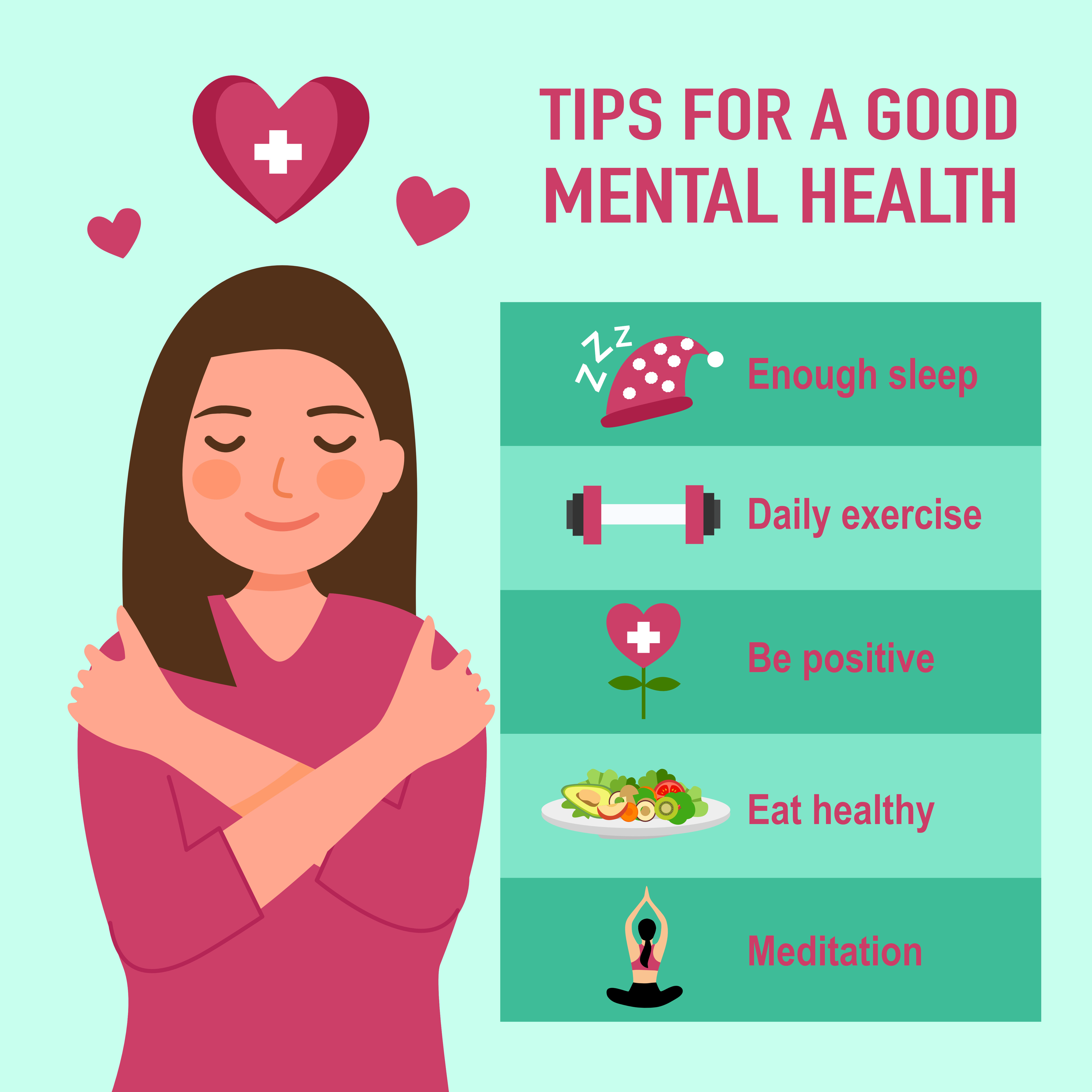
Reflecting on our past is a powerful tool for personal and communal growth. As we glance back, we gather insights from our experiences, both triumphs, and tribulations. These reflections serve as stepping stones to construct a brighter future for ourselves and our community.

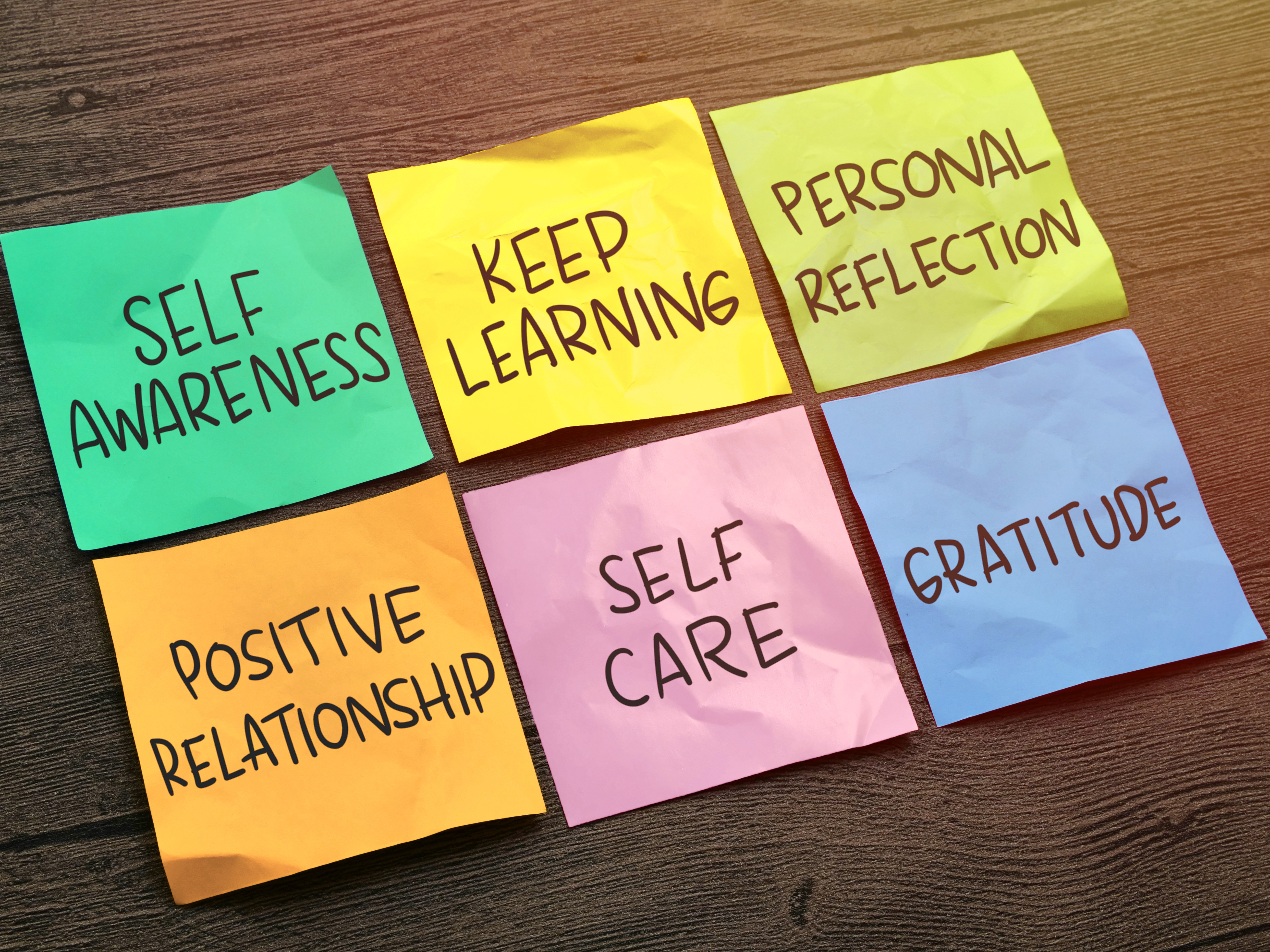
Every individual’s journey is a unique tapestry of moments, lessons, personal reflection and growth. By revisiting our past, we gain a deeper understanding of the choices that shaped us. Acknowledging our achievements fosters gratitude, while recognizing mistakes provides an opportunity for learning and improvement.

Moving forward, the key lies in applying these lessons while continuing to learn. Setting personal goals becomes more meaningful when fueled by the wisdom gained from past experiences. Whether it’s cultivating healthier habits, pursuing passions, or nurturing relationships, the past acts as a compass guiding us toward a better self.

On a communal level, the collective introspection amplifies positive change. Communities are built on shared experiences, and by reflecting on the past together, residents can identify areas for improvement. This shared understanding becomes the foundation for collaborative efforts to address challenges and enhance the overall well-being of the community.

Building a better future isn’t just about individual and communal self-improvement; it’s about fostering empathy and understanding. As we embark on this journey, it’s crucial to celebrate diversity and embrace inclusivity. Communities thrive when individuals respect and appreciate each other’s unique perspectives and contributions.

The future isn’t a distant, abstract concept—it’s the result of intentional actions taken in the present. By setting realistic goals and working towards them, both individually and collectively, we pave the way for positive transformation. The process of looking back on the past becomes a catalyst for meaningful change, propelling us towards a future filled with growth, compassion, and shared success.

Embracing Challenges: A Path to Personal and Professional Growth

In a world filled with uncertainties, embracing challenges has become a mantra for those seeking personal and professional development. Rather than viewing obstacles as roadblocks, individuals are finding inspiration in the opportunities they present.

Experts emphasize that challenges, whether in the workplace or personal life, are essential for growth. Dr. Sarah Turner, a psychologist specializing in resilience, notes, “Each challenge is a chance to learn, adapt, and become more resilient. It’s a mindset shift from seeing difficulties as setbacks to recognizing them as stepping stones toward success.”

Companies are also recognizing the value of fostering a culture that encourages employees to tackle challenges head-on. Many successful organizations now implement programs aimed at developing resilience and problem-solving skills among their workforce. This approach not only enhances individual performance but also contributes to a more dynamic and adaptable workplace.

Individual stories of triumph over adversity further highlight the power of embracing challenges. From entrepreneurs who turned failures into thriving businesses to athletes overcoming injuries to achieve greatness, these narratives inspire others to face challenges with determination and optimism.

In education, the shift towards experiential learning emphasizes the importance of challenging oneself to acquire new skills. Students are encouraged to step outside their comfort zones, fostering creativity and adaptability that will serve them well in an ever-evolving job market.

As society navigates through unprecedented times, the ability to embrace challenges has proven to be a valuable asset. Resilient individuals and communities have demonstrated an incredible capacity to adapt and find innovative solutions in the face of adversity.

Embracing challenges is not about avoiding difficulties but rather about confronting them with courage and a positive mindset. It’s a journey of self-discovery and empowerment, where each challenge becomes a catalyst for personal and collective growth. So, the next time life presents a hurdle, consider it an opportunity to transform, evolve, and emerge stronger than ever before.

Unveiling the Power of Sharp Minds: Seniors Defy Stereotypes with Surprising Mental Alertness

In a society that often underestimates the cognitive prowess of seniors, a growing body of research is challenging age-related stereotypes by showcasing the remarkable mental alertness exhibited by older individuals. Far from the conventional belief that aging inevitably leads to cognitive decline, recent studies are shedding light on the resilience and vitality of senior minds.

The Myth of Cognitive Decline

For years, the prevailing narrative has been that aging is synonymous with a decline in mental acuity. However, groundbreaking research in gerontology is challenging this notion, revealing that many seniors maintain and even enhance their mental alertness well into their golden years. Cognitive abilities such as memory, problem-solving, and decision-making are proving to be more adaptable and robust than previously thought.

Lifestyle Factors and Mental Sharpness

Experts point to various lifestyle factors that contribute to the sustained mental alertness observed in seniors. Regular physical exercise, a balanced diet rich in nutrients, and engaging in intellectually stimulating activities have emerged as key contributors to maintaining cognitive function. Social interaction and strong community ties also play a vital role in keeping seniors mentally agile.

Technology as a Catalyst

Contrary to the assumption that seniors struggle with technology, many are embracing digital tools to stimulate their minds. From online courses and brain-training apps to social media and video calls, seniors are leveraging technology to stay connected, learn new skills, and keep their brains active.

Community Initiatives Supporting Senior Mental Wellness

Communities are recognizing the importance of promoting mental alertness among seniors and are implementing various initiatives to support their cognitive health. Senior centers are offering a diverse range of activities, from chess tournaments to book clubs, fostering an environment that encourages mental stimulation and social interaction.

Personal Stories of Resilience

Interviews with seniors from different walks of life highlight inspiring stories of resilience and determination. Many are pursuing new hobbies, learning new languages, or even going back to school to acquire new knowledge. These personal narratives challenge stereotypes and serve as powerful testimonials to the potential for continuous mental growth in later life.

Looking Ahead

As our understanding of aging continues to evolve, it is becoming clear that mental alertness in seniors is not only achievable but often exceeds expectations. The shift in perspective challenges societal norms and encourages a more inclusive view of aging—one that embraces the potential for lifelong learning and mental vitality.

In a world where age is often associated with limitations, these findings serve as a beacon of hope, emphasizing the importance of fostering an environment that supports the mental well-being and potential of seniors. The journey toward challenging stereotypes and promoting a positive narrative on aging has only just begun, and the stories of resilient seniors are paving the way for a brighter, more inclusive future.

Championing a life well-lived: Prioritize Health, Accumulate Wealth, and Safeguard Every Moment

In the pursuit of a fulfilling and well-rounded life, the triumvirate of Health, Wealth, and Safety stands as pillars of paramount importance. Managing these three facets with diligence and balance is not just a choice but a necessity for a resilient and prosperous journey.

Health: The Foundation of Prosperity

A sound body and mind lay the foundation for any successful endeavor. Prioritizing health involves adopting a holistic approach, encompassing physical fitness, mental well-being, and wholesome nutrition. Regular exercise, adequate sleep, and stress management contribute to a robust health regimen. Remember, a healthy individual is better equipped to tackle life’s challenges and capitalize on opportunities.

Wealth: Fueling Aspirations

Wealth, in its various forms, serves as the fuel that propels our ambitions forward. Financial well-being allows us to meet our basic needs, pursue passions, and plan for the future. Effective wealth management involves budgeting, saving, and investing wisely. It’s not just about accumulating assets but creating a sustainable financial ecosystem that aligns with one’s goals and values.

Safety: The Guardian of Progress

Amidst the pursuit of health and wealth, safety emerges as the guardian that ensures the preservation of our achievements and the safeguarding of our well-being. This encompasses personal safety, workplace security, and measures to protect against unforeseen risks. A comprehensive safety net provides the confidence to take calculated risks, knowing that there is a resilient foundation to fall back on if needed.

Harmonizing the Trio

Balancing health, wealth, and safety requires a harmonious integration of these elements into our daily lives. It involves making conscious choices that contribute to overall well-being. For instance, combining physical activities that enhance health with financial decisions that promote wealth, all while being mindful of safety considerations, creates a synergy that amplifies the benefits of each.

Strategies for Success:

  1. Create Holistic Habits: Cultivate habits that support health, wealth, and safety simultaneously. For example, walking or biking to work not only promotes physical health but also reduces transportation costs and contributes to environmental safety.
  2. Educate Yourself: Stay informed about advancements in health, financial strategies, and safety measures. Knowledge empowers individuals to make informed decisions that align with their well-being goals.
  3. Emergency Preparedness: Develop contingency plans for unexpected events. This includes having financial reserves, health insurance, and safety protocols in place. Preparedness is a key component of resilience.
  4. Regular Assessments: Periodically evaluate your progress in managing health, wealth, and safety. Adjust your strategies as needed, ensuring that your approach remains relevant and effective.

The synergy of Health, Wealth, and Safety forms the essence of a truly prosperous and meaningful life. By consciously integrating these elements into our daily routines and decision-making processes, we create a robust framework that not only withstands the tests of time but also propels us toward greater heights of well-being and success.

The Festive Season: A Guide to Financial Planning for Retirement

The holiday season is upon us, bringing joy, festivities, and the spirit of giving. While it’s a time to celebrate and cherish moments with loved ones, it’s also crucial to keep an eye on your financial well-being, especially when it comes to planning for your retirement. In the midst of holiday cheer, let’s explore some practical tips for financial planning during this season.

1. Set Realistic Budgets for Gifts and Celebrations

The allure of gift-giving and festive feasts can sometimes lead to overspending. Create a realistic budget for your holiday expenditures, ensuring that you allocate funds sensibly. By doing so, you can avoid unnecessary financial strain and ensure that your retirement savings remain intact.

2. Prioritize Retirement Contributions

Amidst the hustle and bustle, it’s easy to overlook your retirement savings. Make it a priority to contribute to your retirement accounts before splurging on holiday expenses. Consistent contributions will bolster your retirement nest egg, helping you enjoy a financially secure future.

3. Consider Thoughtful, Cost-Effective Gifts

Show your love and appreciation without breaking the bank by opting for thoughtful and budget-friendly gifts. Homemade presents, personalized gestures, or experiences can be just as meaningful as expensive material items. This way, you can maintain your financial goals without compromising the spirit of the season.

4. Review and Adjust Investment Strategies

Take some time during the holidays to review your investment portfolio. Ensure that it aligns with your retirement goals and risk tolerance. If needed, consider adjusting your investment strategies to better position yourself for long-term financial success.

5. Explore Tax-Advantaged Savings Opportunities

The end of the year is an opportune time to explore tax-saving options. Contribute to tax-advantaged accounts such as IRAs or 401(k)s to maximize your potential tax benefits. This not only helps reduce your taxable income but also boosts your retirement savings.

6. Create a Retirement Wishlist

As you’re making holiday wishlists, consider creating one for your retirement goals. Identify the lifestyle you envision during retirement and estimate the associated costs. This can serve as a motivational tool, inspiring you to stay committed to your financial plan.

7. Seek Professional Financial Guidance

If you find yourself overwhelmed or uncertain about your retirement planning, consider consulting with a financial advisor. They can provide personalized advice, review your current financial situation, and help you make informed decisions to secure your retirement.

While the holidays are a time for celebration, incorporating these financial planning tips will ensure that you also celebrate a financially secure retirement. By balancing the joy of the season with responsible financial decisions, you can welcome the new year with peace of mind and confidence in your retirement plan. Cheers to a festive season filled with joy, love, and smart financial choices!

The Transformative Power of Daily Exercise: A Prescription for a Healthier Life

In a world filled with sedentary lifestyles and the conveniences of modern technology, the importance of daily exercise cannot be overstated. Beyond the pursuit of a sculpted physique, regular physical activity offers a myriad of health benefits that extend far beyond the confines of the gym. From improved mental well-being to enhanced cardiovascular health, embracing a routine of daily exercise is akin to investing in a longer, healthier, and more fulfilling life.

  1. Physical Health:

One of the most immediate and tangible benefits of daily exercise is the positive impact on physical health. Regular physical activity helps maintain a healthy weight, reduce the risk of chronic diseases such as diabetes and cardiovascular issues, and strengthen the immune system. Engaging in activities like brisk walking, jogging, or cycling stimulates the cardiovascular system, promoting better circulation and oxygenation of the body’s tissues and organs.

  1. Mental Well-being:

Exercise is a powerful antidote to the stresses of daily life. The release of endorphins during physical activity acts as a natural mood enhancer, reducing symptoms of anxiety and depression. Moreover, regular exercise has been linked to improved cognitive function, enhanced memory, and a reduced risk of neurodegenerative diseases. Whether it’s a high-intensity workout or a calming yoga session, daily exercise is a holistic approach to mental well-being.

  1. Increased Energy Levels:

Contrary to the misconception that exercise depletes energy, incorporating daily physical activity into your routine can significantly boost your energy levels. Regular exercise improves the efficiency of the cardiovascular and respiratory systems, leading to increased stamina and endurance. As your body becomes more adept at using oxygen and nutrients, you’ll find yourself more alert, focused, and ready to tackle the challenges of the day.

  1. Better Sleep Quality:

Struggling with insomnia or restless nights? Daily exercise might be the solution. Physical activity helps regulate sleep patterns by promoting a more restful and deeper sleep. The body’s temperature rhythm, which plays a crucial role in sleep, is positively influenced by regular exercise. However, it’s essential to complete your workout at least a few hours before bedtime to allow your body to wind down for a peaceful night’s sleep.

  1. Social Connection:

Exercise provides an excellent opportunity to foster social connections and build a sense of community. Whether it’s joining a fitness class, participating in team sports, or going for a group hike, shared physical activities create bonds and a support system. Social interaction is a vital aspect of overall well-being, contributing to a sense of belonging and reducing feelings of isolation.

The benefits of daily exercise extend far beyond the physical, encompassing mental, emotional, and social well-being. As we navigate the demands of modern life, prioritizing a daily exercise routine is a powerful investment in our health and longevity. Whether it’s a morning jog, a yoga session, or a strength training workout, finding a form of exercise that brings joy and fulfillment can be the key to unlocking a healthier and more vibrant life. So, lace up those sneakers, embrace the endorphin rush, and embark on the journey to a better you.

Saturday Afternoon Delight 🌅💖

In the quiet hush of a Saturday’s embrace,

Afternoon sunlight paints a golden grace.

The world slows down, takes a leisurely pace,

As we savor moments, in this tranquil space.

Delight dances in the soft, gentle breeze,

Whispering secrets through rustling trees.

A symphony of birds, melodies at ease,

Nature’s sweet chorus puts the heart at peace.

Underneath the canvas of the sky so blue,

A palette of daydreams, every hue.

Lazy clouds drift, changing form and view,

Creating art above, just for me and you.

In this quiet afternoon, a moment’s reprieve,

Time slows its march, a welcomed reprieve.

We find solace in the quiet, believe,

Saturday’s delight, a treasure to retrieve.

So let’s linger here, in the warmth of the day,

Chase away worries, let troubles decay.

Saturday’s embrace, in the sun’s soft array,

An afternoon delight, forever to stay.

Aging Gracefully: The Vital Role of Exercise in Seniors’ Lives

As the sands of time continue to fall, the importance of maintaining an active lifestyle becomes even more crucial, especially for our beloved seniors. Aging is a natural part of life, but it doesn’t mean surrendering to a sedentary existence. In fact, engaging in regular exercise is a powerful tool that can enhance the quality of life for everyone, especially seniors in numerous ways.

  1. Physical Well-being: A Fountain of Youth

Aging often brings with it a myriad of physical challenges, from diminishing bone density to muscle loss and joint stiffness. However, regular exercise is akin to a fountain of youth, counteracting these effects and promoting overall physical well-being. Weight-bearing exercises, such as walking or strength training, can help maintain bone density and muscle mass, preventing conditions like osteoporosis and sarcopenia.

  1. Mental Agility: Exercising the Mind

The benefits of exercise extend beyond the physical realm—they also have a profound impact on cognitive function. Studies have shown that regular physical activity can help prevent cognitive decline and reduce the risk of developing conditions like Alzheimer’s disease. Engaging in activities that challenge the mind, such as dancing or participating in group exercise classes, stimulates brain function and keeps those synapses firing.

  1. Emotional Health: A Natural Mood Booster

The golden years should be a time of joy and fulfillment, but they often come with their fair share of life changes and challenges. Exercise, however, acts as a natural mood booster, releasing endorphins that combat stress, anxiety, and depression. Seniors who incorporate regular physical activity into their routines often report improved mood, increased self-esteem, and a greater sense of well-being.

  1. Social Connections: Building Bonds Through Movement

Exercise provides a fantastic opportunity for seniors to connect with others and build meaningful relationships. Group classes, walking clubs, or even simple strolls with friends create a sense of community and combat feelings of isolation. Social interactions foster emotional support, encourage a sense of belonging, and contribute to an overall positive outlook on life.

  1. Chronic Disease Management: A Preventive Measure

Many chronic conditions become more prevalent with age, including heart disease, diabetes, and arthritis. Exercise serves as a preventive measure and can help manage these conditions. Cardiovascular exercises, for instance, promote heart health, while regular physical activity helps control blood sugar levels and alleviates symptoms of arthritis.

In the grand tapestry of life, aging is but one thread. With the right mindset and a commitment to staying active, seniors can ensure that this chapter is filled with vibrancy, good health, and a sense of fulfillment. Exercise is not just a physical activity; it’s a celebration of life, a testament to the resilience of the human spirit, and a pathway to aging gracefully. So, let’s embrace the power of movement and empower our seniors to live their best lives—healthy, happy, and full of vitality. Even though I’m not officially a senior, regular exercise is part of my daily regime. So, regardless of age, let’s make sure we stay healthy and wealthy together. Remember age is just a number it’s the smile that matters the most, so keep exercising and smiling cause it really does look good on you.

Why Seniors Need Social Activities

Social activities play a crucial role in the well-being of seniors, providing them with a myriad of physical, mental, and emotional benefits. As individuals age, social connections become increasingly vital in warding off feelings of loneliness and isolation, which are prevalent among the elderly. Engaging in group activities allows seniors to build and maintain relationships, fostering a sense of community and belonging. This social interaction not only enhances their overall mood but also acts as a protective factor against mental health issues such as depression and anxiety.

Photo by Alena Darmel on Pexels.com

Moreover, participating in social activities contributes to the cognitive health of seniors. Mental stimulation through social engagement has been linked to a lower risk of cognitive decline and dementia. Whether it’s playing board games, joining clubs, or attending social events, these activities challenge the brain, keeping it active and resilient. Additionally, the exchange of ideas and experiences in a social setting stimulates cognitive functions, contributing to improved memory, problem-solving skills, and overall mental sharpness.

On a physical level, social activities for seniors often involve movement and exercise, promoting better physical health. Regular physical activity is essential for maintaining mobility, preventing chronic conditions, and ensuring a higher quality of life. From dancing and yoga classes to walking groups, these activities not only provide health benefits but also create opportunities for seniors to connect with their peers, fostering a supportive environment that encourages an active lifestyle. In essence, social activities serve as a holistic approach to promoting the well-being of seniors, addressing their physical, mental, and emotional needs. I work with seniors of all ages and love to help put on events for them. If your young or old, near or far and in need of someone to talk with, please feel free to reach out or leave me a comment. Otherwise, and as I always say… keep smiling cause it really does look good on you.

Reviewing your Medicare Plan Annually

Reviewing your Medicare coverage is a crucial step to ensure you are receiving the best healthcare benefits tailored to your evolving needs. First and foremost, healthcare needs change over time, and what was suitable for you a few years ago may no longer meet your requirements today. By reviewing your Medicare coverage regularly, you can make adjustments to ensure that your plan aligns with your current health status and preferences. For example, if you’ve developed new medical conditions or require specific medications, you may need a different plan that covers these services more comprehensively, potentially saving you money on out-of-pocket expenses.

Secondly, Medicare plans and regulations can change annually, impacting your coverage and costs. Staying informed about these changes and comparing your current plan to available alternatives during the annual open enrollment period (AEP Oct.15- Dec.7) is essential. You might discover that a different plan offers better benefits, lower premiums, or improved prescription drug coverage, allowing you to maximize your healthcare benefits while minimizing your expenses.

Lastly, financial considerations play a significant role in reviewing your Medicare coverage. As your income, assets, and overall financial situation fluctuate, you may become eligible for different assistance programs or qualify for savings on your Medicare premiums and out-of-pocket expenses. Failing to review your coverage could result in missed opportunities to reduce your healthcare costs, potentially putting undue strain on your finances. By conducting regular reviews of your Medicare coverage, you can ensure you’re making the most cost-effective choices for your healthcare needs, providing peace of mind and financial security in your retirement years. I work with seniors on retirement planning and Medicare is no different, as it should be part of your long term care planning. If I can be of help or answer any questions please feel free to reach out or schedule a time we can speak. Otherwise and as usual keep smiling, as it really does look good on you!