Random Acts of Kindness Inspire Communities Nationwide

At a time when many feel disconnected, random acts of kindness serve as a reminder that compassion and empathy are still at the heart of human nature. Social media has played a significant role in spreading these moments of goodwill, with hashtags like #RandomActsOfKindness and #KindnessMatters going viral.

One notable example took place in Kansas City, where an anonymous donor paid off school lunch debts for an entire elementary school. The generous act not only relieved financial stress for many families but also inspired a wave of kindness across the city. Community members began organizing clothing drives, offering free tutoring, and even setting up “kindness walls” where people could leave gifts or services for those in need.

Another heartwarming story comes from New York City, where a group of commuters pooled their resources to help a homeless man reunite with his family after being separated for years. What started as a few dollars for a meal turned into a larger community effort, showcasing the ripple effect of even the smallest gestures.

Psychologists note that these acts of kindness have a profound psychological benefit for both the giver and receiver. Studies have shown that performing or witnessing kindness releases oxytocin, the “love hormone,” which can reduce stress and boost mood. In fact, many schools and workplaces are now incorporating “kindness challenges” to encourage daily acts of goodwill.

While the headlines are often filled with stories of conflict and hardship, random acts of kindness remind us that positive, meaningful connections still flourish in our communities. “It doesn’t have to be a grand gesture,” says Mary Smith, a volunteer who regularly leaves handwritten notes of encouragement at bus stops. “Just knowing that someone cares can make a huge difference in someone’s day.”

As more people participate in these spontaneous acts of generosity, the movement continues to grow. In cities big and small, the spirit of kindness is proving contagious, sparking a renewed sense of hope and connection.

So the next time you’re out, whether you buy a stranger a cup of coffee or simply offer a smile, remember: a little kindness goes a long way.

Kindness in Action: Ideas to Spread Joy in Your Community

  • Leave an uplifting note on a coworker’s desk.
  • Pay for someone’s meal at a restaurant or drive-thru.
  • Donate clothing, books, or toys to a local charity.
  • Compliment a stranger or send a heartfelt message to a friend.
  • Volunteer your time at a local food bank or shelter.

Random acts of kindness are not just fleeting moments of generosity; they have the power to build bridges and foster a sense of community. As more individuals embrace this mindset, we are reminded that, even in a world full of challenges, kindness truly matters, so remember to be good to people for no reason.

10 Tried-and-Tested Personal Productivity Tips for Greater Efficiency and Less Stress

It has been said that personal productivity is crucial to maintaining a balanced and fulfilling life. Whether you’re juggling work tasks, household responsibilities, or personal goals, mastering productivity can help you achieve more in less time and with less stress. Here are some tried-and-tested tips that can significantly enhance your individual productivity:

1. Start Your Day with a Plan

One of the best ways to stay on top of your tasks is by planning your day ahead of time. This could be done the night before or first thing in the morning. By creating a list of what you need to accomplish, you can prioritize tasks and avoid wasting time on less important activities. Many successful individuals rely on the “two-minute rule” — if a task will take less than two minutes, do it right away. This keeps your to-do list from becoming overwhelming.

2. Set SMART Goals

SMART goals—Specific, Measurable, Achievable, Relevant, and Time-bound—are essential for staying focused and motivated. When your goals are clear and actionable, you’re less likely to get distracted. For example, instead of saying “I want to get in shape,” a SMART goal would be “I will run for 30 minutes every morning for the next month.”

3. Use Time Management Techniques

Many productivity experts recommend time management techniques like the Pomodoro Technique or time blocking. The Pomodoro Technique involves working in short, focused intervals (usually 25 minutes), followed by a short break. This helps prevent burnout and keeps you fresh throughout the day. Time blocking, on the other hand, involves allocating specific blocks of time for different activities, ensuring that each task gets the attention it deserves.

4. Minimize Distractions

In a world full of constant notifications, it’s easy to get sidetracked. To improve your focus, consider turning off non-essential notifications on your phone or using apps like “Focus@Will” or “Forest,” which help you stay concentrated. Creating a distraction-free workspace is also key—ensure your environment is conducive to focused work by minimizing clutter and external noise.

5. Take Regular Breaks

While it might seem counterintuitive, taking regular breaks actually boosts productivity. Studies show that our brains can only focus on a task for about 90 minutes before needing a break. Whether it’s a quick walk, a few stretches, or a five-minute meditation session, breaks can help refresh your mind and prevent burnout.

6. Master the Art of Delegation

It’s important to recognize that you can’t do everything yourself. Learning to delegate tasks—whether at work or at home—frees up time for you to focus on the most critical tasks. This not only reduces stress but also ensures that you’re using your time and energy more effectively.

7. Embrace the Power of “No”

Saying no is one of the most powerful tools for maintaining productivity. By declining unnecessary tasks or meetings that don’t align with your goals, you protect your time for more meaningful work. It’s not about being rude—it’s about respecting your time and energy.

8. Prioritize Self-Care

Productivity isn’t just about working harder or longer. It’s about working smarter, and that requires taking care of your physical and mental well-being. Exercise, a balanced diet, and adequate sleep all contribute to better focus, creativity, and overall efficiency. Meditation and mindfulness practices can also help you stay calm under pressure and better handle stress.

9. Automate and Optimize

Take advantage of technology to automate repetitive tasks. Tools like email filters, task management apps (such as Trello or Todoist), and scheduling software can save you hours each week. Additionally, continuously reviewing and optimizing your processes can help you identify areas for improvement.

10. Review and Reflect

At the end of each week or day, take a few minutes to reflect on what worked and what didn’t. This can help you adjust your strategies and identify patterns in your productivity. By regularly assessing your progress, you stay in tune with your goals and can make adjustments to ensure ongoing improvement.

Incorporating these productivity tips into your daily routine can significantly enhance your efficiency and reduce stress. Remember, productivity isn’t about being busy—it’s about working on what truly matters. By planning your day, staying focused, taking care of your well-being, and leveraging the right tools, you can optimize your time and achieve more with less effort.

The Power of Creative Inspiration: Fueling Innovation and Imagination

In the changing times of innovation and design, creative inspiration has become the bedrock for transformative ideas, bridging the gap between concept and reality. Whether in the arts, technology, or business, the spark of creativity is what drives new inventions, fresh approaches, and groundbreaking achievements.

What Is Creative Inspiration?

Creative inspiration refers to that moment when an idea strikes, offering a fresh perspective on a challenge or an entirely new way of doing things. Often, it comes unexpectedly—a result of personal experiences, observations, or even emotions. But behind what seems like a moment of brilliance lies a process: one that requires openness to the world, active engagement with one’s surroundings, and the ability to connect disparate thoughts in innovative ways.

From the works of legendary artists like Vincent van Gogh to the technological marvels conceived by inventors such as Steve Jobs, history offers countless examples of how inspiration can change the course of industries and societies.

Sources of Creative Inspiration

Creativity thrives on diversity, both in experiences and ideas. Here are a few key sources where individuals across disciplines draw their creative energy:

  1. Nature: For centuries, nature has been a prime source of inspiration. The intricate patterns found in plants, animals, and landscapes can prompt solutions to complex problems in fields like architecture, engineering, and design. Biomimicry, a practice that mimics natural processes to solve human challenges, is a direct result of this connection.
  2. Art and Culture: Art in its various forms—painting, music, literature, and dance—has always inspired new perspectives. Creative professionals often immerse themselves in art to gain new insights, blending styles and themes into their own work. Cultural experiences, such as traveling to different countries or experiencing new traditions, also offer fresh lenses through which to view the world.
  3. Technological Advancements: In today’s digital age, technology is both a tool and a source of creative inspiration. New platforms, tools, and software have made it easier for creators to experiment and collaborate across boundaries. From 3D printing and AI-generated art to virtual reality and gaming, technology enables endless possibilities for innovative expression.
  4. Collaboration: Collaboration is a powerful catalyst for creativity. When individuals with different backgrounds and perspectives come together, they can challenge each other’s assumptions, leading to creative breakthroughs. Companies like Google and Apple have famously fostered environments where cross-disciplinary teams can thrive and innovate together.
  5. Everyday Life: Many creative professionals emphasize the importance of staying open to the inspiration found in everyday experiences. Whether it’s observing a conversation at a café or the interaction between light and shadow on a building, small details often hold the seeds for the next big idea.

How to Cultivate Creativity

While some people seem to have a natural affinity for creativity, inspiration can be nurtured. Here are a few strategies to boost creative thinking:

  • Mindfulness and Meditation: Practices like mindfulness help clear mental clutter, making room for new ideas to emerge. Regular meditation can enhance focus and improve one’s ability to generate creative thoughts.
  • Journaling: Writing down thoughts, observations, and ideas—whether in a structured or freeform way—can help creators explore their subconscious, discover patterns, and generate new concepts.
  • Exploring New Skills: Learning something new—whether it’s coding, a musical instrument, or photography—can open doors to creativity. This cross-training of the mind enhances flexibility, allowing creators to approach problems from different angles.
  • Embracing Failure: Failure is a natural part of the creative process. Some of the most significant inventions in history were born from failed experiments or unexpected results. Embracing these moments as opportunities to learn can often lead to breakthroughs.

The Future of Creativity

As the world continues to evolve, creativity will play a central role in shaping the future. Whether addressing environmental challenges, developing new art forms, or advancing science and technology, creative inspiration will be the force driving humanity forward. In a world full of information, the ability to think outside the box, to make connections where none seem obvious, will be more valuable than ever.

In the words of Albert Einstein, “Creativity is intelligence having fun.” It’s a reminder that creativity is not a linear process—it’s a playful, imaginative, and exploratory journey that brings together elements of both art and science.

So whether you are an artist, entrepreneur, or engineer, the key to unlocking your next big idea might be as simple as taking a step back, embracing curiosity, and letting inspiration find its way to you.

The Surging Popularity of Meditation and Mindfulness

In a society characterized by constant connectivity, rapid technological advancements, and an ever-increasing pace of life, more individuals are turning to ancient practices like meditation and mindfulness to find peace, focus, and balance. Once considered niche or even esoteric, these practices have moved into the mainstream, with scientific studies and wellness experts alike touting their benefits.

The Rise of Meditation and Mindfulness

Over the past decade, meditation and mindfulness have experienced a surge in popularity. From Silicon Valley tech giants to classrooms and corporate boardrooms, the practices are being embraced as essential tools for managing stress and enhancing mental well-being.

The proliferation of smartphone apps like Headspace and Calm has played a significant role in bringing these practices to the masses. These platforms offer guided sessions that are accessible to beginners and seasoned practitioners alike, making it easier than ever for people to integrate mindfulness into their daily lives.

The Science Behind the Practice

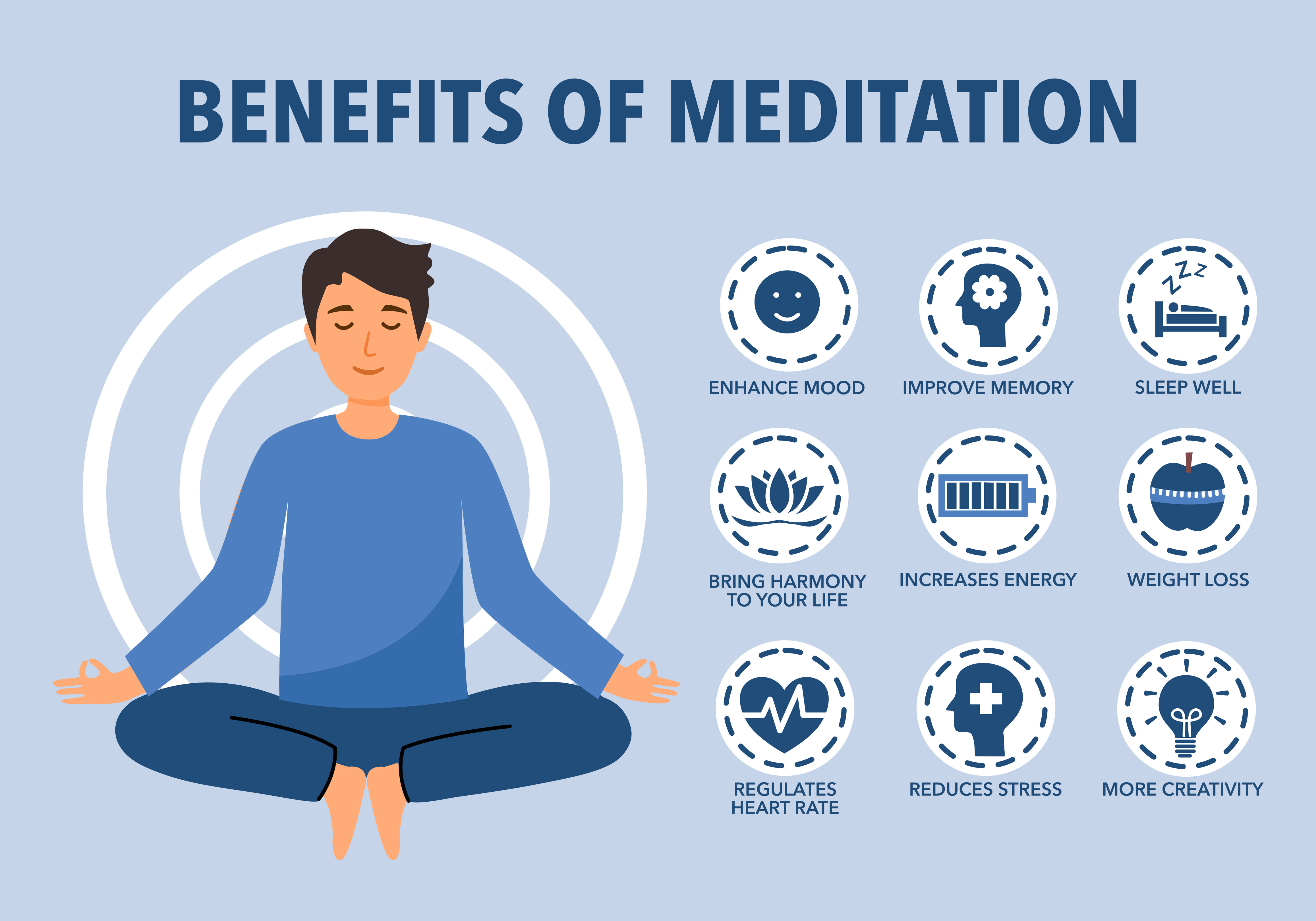
Meditation and mindfulness are not just trendy buzzwords; they are practices backed by a growing body of scientific research. Studies have shown that regular meditation can reduce stress, lower blood pressure, and improve overall mental health. Mindfulness, which involves paying attention to the present moment without judgment, has been linked to enhanced focus, emotional regulation, and even better relationships.

A study published in the journal JAMA Internal Medicine found that mindfulness meditation programs can help reduce anxiety, depression, and pain. Similarly, research from Harvard Medical School has shown that mindfulness can lead to structural changes in the brain, including an increase in gray matter in areas associated with learning and memory.

Applications Across Sectors

The benefits of meditation and mindfulness are being recognized across various sectors. In education, schools are incorporating mindfulness programs to help students manage stress and improve concentration. Corporate wellness programs are also embracing mindfulness as a way to boost employee productivity and reduce burnout. Even the healthcare industry is exploring the integration of mindfulness into treatment plans for chronic pain, addiction, and mental health disorders.

Challenges and Misconceptions

Despite the growing popularity, there are still challenges and misconceptions surrounding meditation and mindfulness. Some individuals believe that these practices require significant time commitments or that they are religious in nature. However, experts emphasize that even a few minutes of daily practice can yield positive results and that meditation and mindfulness are secular practices accessible to anyone.

Another challenge is the commodification of mindfulness, with critics arguing that the practice is being co-opted by consumer culture. The abundance of mindfulness-related products and services has led some to question whether the true essence of the practice is being diluted.

The Future of Mindfulness

As the demand for mental health and wellness solutions continues to rise, meditation and mindfulness are likely to become even more entrenched in everyday life. Future trends may include the development of more personalized mindfulness programs, advances in technology that enhance the practice, and further integration into various aspects of society, from healthcare to education.

In a world that often feels overwhelming, meditation and mindfulness offer a timeless antidote—a way to reconnect with the present moment, cultivate inner peace, and navigate life’s challenges with greater resilience. As more people discover the profound benefits of these practices, they are not just embracing a trend but a path to long-lasting well-being.

Transform Your Life with Effective Goal Planning

In today’s demanding world, it’s easy to get caught up in the daily grind, losing sight of the bigger picture. Whether it’s career aspirations, personal development, or financial security, many of us dream of achieving something greater. However, without a clear plan, these dreams often remain just that—dreams. Goal planning, a practice that involves setting specific, measurable, and time-bound objectives, is a powerful tool that can help turn aspirations into reality. This article explores the significance of goal planning and its profound impact on various aspects of life.

The Importance of Goal Setting

Goal setting is more than just jotting down a wish list of things you’d like to do. It’s a strategic process that requires careful thought and intention. By clearly defining your goals, you create a roadmap that guides your decisions and actions. This clarity provides a sense of purpose and direction, helping you stay focused even when faced with challenges.

Studies have shown that individuals who set goals are more likely to achieve success in their personal and professional lives. According to a study conducted by Dr. Gail Matthews, a psychology professor at Dominican University in California, people who wrote down their goals and shared them with others were 33% more successful in achieving them than those who only formulated goals in their minds.

How Goal Planning Impacts Your Life

  1. Increased Motivation and Focus Goal planning ignites a sense of motivation. When you have a clear vision of what you want to achieve, you’re more likely to stay committed to the necessary tasks. This focus helps you to prioritize your time and energy, allowing you to make meaningful progress. As you start achieving small milestones, your confidence grows, reinforcing your motivation to continue.
  2. Better Time Management With clear goals in place, time management becomes more effective. You can allocate your resources—time, energy, and money—more efficiently, ensuring that your efforts align with your priorities. This can help reduce procrastination and minimize distractions, leading to a more productive and fulfilling life.
  3. Enhanced Self-Discipline Goal planning fosters self-discipline. When you have a plan, you’re more likely to resist temptations and stay on track. This discipline not only helps in achieving your goals but also spills over into other areas of life, such as maintaining healthy habits, managing finances, and improving relationships.
  4. A Sense of Accomplishment The satisfaction of achieving a goal is unparalleled. It brings a sense of accomplishment that boosts your self-esteem and encourages you to set and pursue new goals. This positive cycle of setting, working towards, and achieving goals can significantly improve your overall well-being and happiness.
  5. Resilience in the Face of Challenges Life is unpredictable, and setbacks are inevitable. However, having a well-structured goal plan can help you navigate these challenges with resilience. When you encounter obstacles, your goals provide a framework for adjusting your strategies without losing sight of your ultimate objectives. This adaptability is key to long-term success.

Practical Tips for Effective Goal Planning

  • Be Specific: Vague goals lead to vague results. Clearly define what you want to achieve, why it matters, and how you plan to get there.
  • Set Measurable Goals: Establish criteria to measure your progress. This will help you stay on track and recognize when you’ve reached your goal.
  • Make Your Goals Attainable: While it’s important to challenge yourself, setting unrealistic goals can lead to frustration and burnout. Ensure your goals are achievable within your current resources and constraints.
  • Set Relevant Goals: Your goals should align with your broader life objectives. This ensures that your efforts are meaningful and contribute to your overall growth.
  • Time-Bound: Every goal should have a deadline. This creates a sense of urgency and encourages consistent progress.

Goal planning is more than just a productivity tool—it’s a transformative practice that can shape your life in profound ways. By setting clear, actionable goals, you can unlock your potential, overcome challenges, and create a fulfilling life aligned with your deepest aspirations. Whether you’re striving for personal growth, professional success, or overall well-being, effective goal planning is the key to making your dreams a reality. So, take the time to plan your goals, and watch as your life begins to change, one step at a time.

Overcoming Setbacks: The Path to Resilience and Success

In life, setbacks are inevitable. Whether in personal endeavors, professional pursuits, or societal challenges, obstacles often arise, testing our resolve and resilience. While setbacks can be disheartening, they also offer a unique opportunity for growth and transformation. The true measure of success lies not in avoiding these challenges, but in how we respond to them.

The Nature of Setbacks

Setbacks come in many forms unexpected job loss, financial difficulties, personal tragedies, or even global crises like the COVID-19 pandemic. These challenges can derail our plans and shake our confidence. However, setbacks are not indicative of failure; they are a natural part of the journey towards achieving meaningful goals.

The Power of Resilience

Resilience is the ability to bounce back from adversity, and it is a critical factor in overcoming setbacks. Research shows that resilient individuals are more likely to adapt to change, maintain a positive outlook, and persevere in the face of difficulties. Building resilience involves developing a growth mindset, which views challenges as opportunities to learn and improve rather than insurmountable obstacles.

Stories of Triumph

History is replete with examples of individuals and communities who have faced significant setbacks and emerged stronger. One such example is the story of J.K. Rowling, who faced numerous rejections before her Harry Potter series became a global phenomenon. Her experience is a testament to the power of perseverance and belief in one’s vision, even when the odds seem insurmountable.

Similarly, the late Steve Jobs faced a major setback when he was ousted from Apple, the company he co-founded. Rather than giving up, Jobs used the experience to innovate further, eventually returning to Apple and transforming it into one of the most successful companies in the world.

Strategies for Overcoming Setbacks

While everyone’s journey is unique, several strategies can help individuals navigate setbacks effectively:

  1. Reframe the Situation: Viewing setbacks as temporary challenges rather than permanent failures can help maintain a positive outlook. This shift in perspective allows for creative problem-solving and opens the door to new possibilities.
  2. Seek Support: Surrounding oneself with a supportive network of friends, family, and mentors can provide emotional strength and practical advice. Sharing challenges with others often leads to new insights and solutions.
  3. Set Realistic Goals: Breaking down long-term goals into smaller, manageable steps can make setbacks feel less overwhelming. Celebrating small victories along the way helps maintain motivation and momentum.
  4. Learn from the Experience: Every setback is a learning opportunity. Reflecting on what went wrong and why can provide valuable lessons for the future. This process of self-assessment and growth is essential for long-term success.
  5. Stay Persistent: Persistence is key to overcoming setbacks. Success often requires multiple attempts, and each setback is a step closer to achieving the ultimate goal.

The Road Ahead

Setbacks are not the end of the road; they are a detour on the path to success. By cultivating resilience, seeking support, and learning from challenges, individuals can turn setbacks into stepping stones. As society continues to face new challenges, the collective ability to overcome setbacks will determine our future success.

In the end, the most successful people are not those who avoid setbacks but those who embrace them, learn from them, and continue moving forward with renewed determination.

Practical Strategies for Building Unshakable Confidence

In a society that demands constant adaptation and resilience, confidence has emerged as a critical asset for both personal and professional growth. Whether it’s presenting a new project at work, navigating social interactions, or pursuing new ventures, confidence can significantly impact one’s ability to achieve success.

The Importance of Confidence

Confidence is more than just a feeling; it’s a fundamental trait that influences how individuals approach challenges and opportunities. Research indicates that confident people are more likely to take risks, persevere through setbacks, and achieve their goals. Dr. Sarah Thompson, a psychologist specializing in self-esteem and motivation, explains, “Confidence acts as a catalyst for action. It empowers individuals to step out of their comfort zones and embrace growth.”

Building Confidence: Practical Strategies

  1. Set Achievable Goals: Setting small, attainable goals can provide a sense of accomplishment and boost self-esteem. Achieving these goals creates a positive feedback loop, encouraging individuals to tackle more significant challenges.
  2. Embrace Failure: Viewing failure as a learning opportunity rather than a setback is crucial. By understanding that mistakes are a natural part of the growth process, individuals can develop resilience and a more positive outlook.
  3. Positive Self-Talk: The way we talk to ourselves matters. Replacing negative thoughts with positive affirmations can reshape our self-perception. “I am capable,” and “I can handle this” are powerful statements that can enhance confidence.
  4. Skill Development: Building competence in specific areas through education and practice can naturally increase confidence. As skills improve, so does the belief in one’s abilities.
  5. Seek Support: Surrounding oneself with supportive and encouraging individuals can make a significant difference. Constructive feedback and encouragement from others can bolster self-confidence.

The Workplace Connection

In the professional realm, confidence is often linked to leadership and success. Companies are increasingly recognizing the value of confident employees who can lead teams, innovate, and drive organizational growth. “Confident employees are more likely to take initiative, propose new ideas, and navigate the uncertainties of the business world,” notes John Carter, CEO of a leading consulting firm.

Confidence in Action: Success Stories

Consider the story of Emily Davis, a marketing manager who transformed her career by building confidence. Initially hesitant to voice her ideas, Emily started setting small goals and practicing positive self-talk. Over time, she began presenting her ideas more assertively, eventually leading her team to a successful product launch that garnered industry accolades.

Similarly, Michael Rodriguez, a recent college graduate, used confidence-building techniques to secure his dream job. Despite initial rejections, he remained persistent, refining his skills and maintaining a positive outlook. His confidence during interviews eventually landed him a coveted position at a top tech firm.

Confidence is a vital attribute that can be developed with intentional effort and practice. By setting achievable goals, embracing failure, practicing positive self-talk, developing skills, and seeking support, individuals can enhance their confidence and unlock new opportunities for success. As society continues to evolve, the importance of confidence in personal and professional spheres cannot be overstated. Building confidence is not just about achieving goals; it’s about fostering a mindset that empowers individuals to live their fullest potential.

Navigating Self-Improvement in the Digital Age

When technology rapidly evolves and societal norms continuously shift, self-improvement has emerged as a prominent movement, captivating the attention of millions worldwide. From mindfulness practices to professional development, the pursuit of personal growth has become a defining feature of contemporary life.

The Rise of Self-Improvement

The self-improvement industry has seen exponential growth in recent years. According to Market Research Future, the global personal development market is projected to reach USD $41.81 billion by 2027, expanding at a compound annual growth rate (CAGR) of 5.1%. This surge is driven by a growing awareness of mental health, the want for work-life balance, and the accessibility of self-improvement resources.

Digital Platforms Fuel Growth

The advent of digital platforms has revolutionized access to self-improvement content. Podcasts, webinars, and online courses offer a plethora of resources, enabling individuals to embark on their personal development journeys from the comfort of their homes. Popular platforms like MasterClass, Skillshare, and Coursera give courses on a wide range of topics, from leadership skills to creative writing, making self-improvement more accessible than ever before.

Mindfulness and Mental Health

Mindfulness and mental health have become central themes in the self-improvement narrative. The rise of mindfulness apps like Headspace and Calm underscores the increasing recognition of the importance of mental well-being. These apps offer guided meditations, breathing exercises, and sleep stories, helping users manage stress and improve their mental health.

Dr. Sarah Thompson, a psychologist and mindfulness expert, explains, “The integration of mindfulness practices into daily life can lead to significant improvements in mental health, reducing anxiety and depression while enhancing overall well-being.”

Professional Development

In the professional realm, self-improvement is closely linked with career advancement. Employers are increasingly recognizing the value of investing in their employees’ personal development. Programs focused on leadership training, communication skills, and emotional intelligence are becoming commonplace in the corporate world.

John Miller, CEO of a leading tech firm, emphasizes, “Continuous learning and development are crucial for staying competitive in today’s fast-paced business environment. By investing in our employees’ growth, we not only enhance their skills but also foster a culture of innovation and resilience.”

The Role of Social Media

Social media has played a pivotal role in popularizing self-improvement. Influencers and thought leaders share their journeys, offering tips and inspiration to their followers. Hashtags like #SelfImprovement, #PersonalGrowth, and #Mindfulness have garnered millions of posts, creating a global community of individuals committed to bettering themselves.

However, experts caution against the potential downsides of social media-driven self-improvement. Dr. Emily Roberts, a sociologist, notes, “While social media can be a valuable source of inspiration, it can also create unrealistic expectations and contribute to feelings of inadequacy. It’s important for individuals to set realistic goals and understand that personal growth is a continuous, individualized process.”

Looking Ahead

The future of self-improvement looks promising as more people embrace the journey of personal growth. As technological advancements continue and societal attitudes towards mental health evolve, the self-improvement movement is poised to make a lasting impact on individuals and communities worldwide.

The self-improvement surge is a significant cultural shift towards prioritizing personal growth and well-being. With the support of digital platforms, corporate initiatives, and a global community, individuals are empowered to embark on their unique journeys of self-discovery and development. As the movement continues to gain momentum, it holds the potential to transform lives and shape a more mindful, resilient, and fulfilled society.

Why We Should Never Settle for Less Than What We Deserve

In a world that often emphasizes compromise and contentment, the notion of “never settling for less than we deserve” can seem almost radical. Yet, this principle is crucial for personal growth, happiness, and overall well-being. Here’s why we should always strive for what we truly deserve and never settle for less.

The Importance of Self-Worth

At the core of never settling is the recognition of one’s self-worth. Understanding and valuing yourself is fundamental to setting the standards for what you deserve in life, be it in relationships, career, or personal goals. When we settle for less, we undermine our own value, sending a message to ourselves and others that we are not worth more. This can lead to a cycle of dissatisfaction and low self-esteem.

Professional Fulfillment

In the workplace, settling for less than you deserve can have long-lasting impacts on your career trajectory and job satisfaction. Accepting a job that does not challenge you or offer growth opportunities can lead to stagnation. Moreover, settling for a lower salary than you’re worth can affect your financial stability and sense of professional accomplishment. Advocating for what you deserve in your career helps you achieve your potential and find fulfillment in your work.

Healthy Relationships

Settling in relationships can be particularly damaging. Whether in friendships or romantic relationships, accepting less than you deserve can lead to feelings of resentment, unhappiness, and a lack of fulfillment. Healthy relationships are built on mutual respect, support, and shared values. By not settling, you ensure that your relationships are enriching and positive, rather than draining and detrimental.

Personal Growth and Happiness

Personal growth stems from the pursuit of our true desires and aspirations. When we settle for less, we often put our dreams and ambitions on hold, leading to regret and dissatisfaction. Striving for what we truly deserve encourages continuous growth and the realization of our full potential. This pursuit is not about perfection but about setting realistic, yet ambitious goals that push us towards a fulfilling and happy life.

The Power of Perseverance

Choosing not to settle requires perseverance and resilience. It means facing challenges head-on and not giving up in the face of adversity. This perseverance builds character and resilience, equipping us with the strength to overcome obstacles and achieve our goals. The journey of striving for what we deserve can be demanding, but it is ultimately rewarding and empowering.

A Positive Ripple Effect

When we refuse to settle, we not only benefit ourselves but also inspire others to do the same. Our actions can create a ripple effect, encouraging friends, family, and even colleagues to recognize their own worth and strive for what they deserve. This collective mindset can lead to a more empowered and motivated community.

Never settling for less than we deserve is not about being unrealistic or overly demanding; it’s about recognizing our worth and striving for a life that reflects our true potential. Whether in our careers, relationships, or personal endeavors, holding ourselves to this standard ensures a more fulfilling, happy, and meaningful existence. In the end, we owe it to ourselves to pursue the best that life has to offer.

Preparing for Retirement: Key Questions to Ask Yourself

As retirement approaches, the excitement of new possibilities often mingles with apprehension about the unknown. To ensure a smooth transition into this new chapter, it’s crucial to reflect on several key questions. These questions will help clarify your financial readiness, lifestyle aspirations, and overall preparedness, ensuring your retirement years are as fulfilling as they are secure.

1. Have I Saved Enough?

One of the most fundamental questions is whether you have saved enough to sustain your desired lifestyle throughout retirement. Consider the following:

  • Current Savings and Investments: Assess your retirement accounts, savings, and other investments. Are they sufficient to support you for 20-30 years, considering inflation and healthcare costs?
  • Expected Expenses: Calculate your anticipated monthly expenses, including housing, utilities, food, healthcare, and leisure activities. Don’t forget to account for unexpected costs.
  • Income Sources: Identify all potential income sources, such as Social Security, pensions, annuities, and part-time work.

2. What Will My Retirement Lifestyle Be Like?

Envisioning your day-to-day life in retirement is essential for financial and emotional planning.

  • Hobbies and Activities: What activities and hobbies do you plan to pursue? Will you travel, volunteer, or engage in new educational opportunities?
  • Living Arrangements: Do you plan to stay in your current home, downsize, or relocate to a different city or country?
  • Social Connections: How will you maintain and build social connections? Consider the role of community involvement and proximity to family and friends.

3. Am I Prepared for Healthcare Costs?

Healthcare is a significant expense in retirement. Ask yourself:

  • Insurance Coverage: Have you reviewed your Medicare options and other supplemental insurance plans?
  • Long-Term Care: Have you considered long-term care insurance or other strategies to cover potential long-term care needs?
  • Health and Wellness: How will you stay healthy and active to minimize medical costs and improve your quality of life?

4. Do I Have a Solid Financial Plan?

A comprehensive financial plan is crucial for managing your resources effectively.

  • Budgeting: Have you created a detailed retirement budget? Are you comfortable adjusting it as needed?
  • Debt Management: Have you paid off outstanding debts, or do you have a strategy to manage them in retirement?
  • Estate Planning: Have you updated your will, established a trust, or designated beneficiaries for your accounts?

5. What Will Give My Life Purpose?

Retirement is not just about financial security; it’s also about finding meaning and fulfillment.

  • Passions and Interests: What are you passionate about? How can you incorporate these passions into your daily life?
  • Volunteering and Giving Back: Are there causes or organizations you want to support through volunteer work or donations?
  • Personal Growth: How will you continue to learn and grow? Consider activities that challenge you mentally and physically.

6. Have I Consulted with Professionals?

Expert advice can provide clarity and confidence.

  • Financial Advisors: Have you consulted with a financial advisor to ensure your plan is robust and adaptable?
  • Legal Advisors: Have you sought legal advice for estate planning and other legal matters?
  • Healthcare Professionals: Have you discussed your retirement health plans with your healthcare providers?

Preparing for retirement involves more than just financial planning; it requires a holistic approach that considers your lifestyle, health, and personal fulfillment. By asking yourself these critical questions, you can create a comprehensive plan that ensures a smooth and satisfying transition into your retirement years. Take the time to reflect, plan, and seek advice, so you can embrace this new chapter with confidence and enthusiasm.