Understanding Your Body’s Alarm Systems

Our bodies are incredible machines—constantly adjusting, healing, and protecting us from harm. But when something goes wrong, from infection to stress or injury, the body has a built-in set of alarms and defense systems that kick into gear. Understanding these reactions can help you recognize early warning signs and take better care of your health.


1. The Stress Response

When the brain senses danger—physical or emotional—it signals the adrenal glands to release adrenaline and cortisol. This is the “fight or flight” reaction. Your heart rate speeds up, blood pressure rises, and muscles tense, preparing your body to act fast.

Common triggers: Anxiety, trauma, or sudden physical exertion.
What to watch for: Rapid heartbeat, sweating, or feeling “on edge.”


2. The Immune Response

When bacteria, viruses, or toxins invade, the immune system launches an attack. White blood cells swarm to the area, causing inflammation—redness, swelling, and warmth—as part of the healing process.

Common triggers: Infection, injury, or allergic reactions.
What to watch for: Fever, fatigue, or localized pain.


3. The Pain Response

Pain is the body’s alarm system. Nerves send signals to the brain to warn that something is wrong. Acute pain helps you react quickly—like pulling your hand away from a hot surface—while chronic pain can signal ongoing issues that need attention.

Common triggers: Injury, inflammation, or nerve damage.
What to watch for: Persistent pain that doesn’t improve with rest or medication.


4. The Hormonal Response

Hormones regulate nearly every process in the body. When something goes off balance—like blood sugar or thyroid function—the body compensates by adjusting hormone levels. Over time, these shifts can lead to fatigue, mood swings, or weight changes.

Common triggers: Stress, poor diet, lack of sleep, or illness.
What to watch for: Sudden changes in energy, appetite, or emotional state.


5. The Cellular Repair Response

Cells are constantly repairing themselves. When DNA is damaged—by sun exposure, toxins, or normal aging—the body sends repair enzymes to fix it. If this process fails, it can lead to mutations or diseases.

Common triggers: UV light, pollution, smoking, or aging.
What to watch for: Slow healing wounds or unusual skin changes.


📊 Chart: How the Body Responds When Something Goes Wrong

Body SystemTriggerResponseCommon SymptomsPurpose
Nervous SystemStress, fear, traumaFight-or-flight (adrenaline surge)Fast heartbeat, sweating, tensionPrepare for danger
Immune SystemInfection or injuryInflammation, feverSwelling, fatigue, painDestroy invaders and heal tissue
Endocrine SystemHormonal imbalanceHormone release or suppressionMood swings, weight changeMaintain internal balance (homeostasis)
MusculoskeletalInjury or strainMuscle contraction, repair signalsPain, swelling, stiffnessProtect and heal damaged tissue
Cellular/DNA RepairUV, toxins, agingDNA repair or apoptosisSlow healing, fatiguePrevent mutation and maintain function

Why it Matters

Recognizing how your body responds to stress, injury, or imbalance helps you take control of your health. Awareness leads to action—and action leads to prevention.

Being a Caregiver: Supporting Others While Remembering to Care for Yourself

Being a caregiver is often described as one of the most selfless roles a person can take on. Whether caring for an aging parent, a child with special needs, or a loved one facing illness, caregivers provide daily support, patience, and compassion that are nothing short of extraordinary. But while they devote themselves to others, many caregivers struggle to prioritize their own well-being.

According to recent studies, caregivers are more likely to experience stress, fatigue, and health challenges due to the demands of their responsibilities. Experts agree that while the focus is naturally on the person receiving care, it’s just as important to provide resources and relief for those who give it.

So where can caregivers turn when it’s time to think about their own needs? The answer lies in small but meaningful acts of support from the community. If you know a caregiver who may need a helping hand, here are some simple yet effective ways you can make a difference:

  • Offer Practical Help – Everyday tasks like grocery shopping, meal prep, or running errands can be a heavy burden. Volunteering your time for these chores can give caregivers much-needed breathing room.
  • Be a Listening Ear – Sometimes, what a caregiver needs most is someone to talk to. Offering compassion and a safe space to share can ease feelings of isolation.
  • Encourage Self-Care – Remind caregivers that their health matters, too. Encourage them to rest, exercise, or take short breaks without guilt.
  • Connect Them to Resources – Local support groups, respite care services, and online communities can provide additional help and understanding.

“Caregivers are the backbone of our communities, but they can’t pour from an empty cup,” said one local health advocate. “Showing kindness and offering support ensures that they, too, have the strength to continue their vital role.”

Being a caregiver is about love and responsibility—but it should never mean going it alone. By recognizing the challenges caregivers face and stepping in with support, friends, neighbors, and family members can play a key role in making their journey a little lighter.

Pfizer’s Dividend Strengthens Case for Long-Term Investors

Pfizer Inc. ($PFE), one of the world’s largest pharmaceutical companies, continues to make a strong case for long-term investors seeking both stability and income. While the stock has faced recent volatility due to a decline in COVID-19 vaccine sales, its solid fundamentals, diversified pipeline, and consistent dividend payouts remain key reasons why investors may want to hold shares for the long haul.

Pfizer currently offers an attractive dividend yield—well above the S&P 500 average—making it a compelling choice for income-focused portfolios. The company has a long track record of reliable dividend payments and has shown commitment to rewarding shareholders even during periods of industry and market uncertainty. With a payout ratio supported by its robust cash flow, Pfizer’s dividend looks sustainable in the years ahead.

Beyond dividends, Pfizer’s pipeline of treatments in oncology, immunology, and rare diseases provides investors with growth opportunities outside of its COVID-19 products. Recent strategic acquisitions, such as the purchase of Seagen to bolster its oncology portfolio, reinforce the company’s long-term vision. These moves are designed to balance near-term headwinds with future revenue expansion.


Financial Snapshot: Strengths and Weaknesses

Strengths

  • Dividend Yield & Stability: Pfizer’s dividend yield is significantly higher than the S&P 500 average, appealing to income-focused investors.
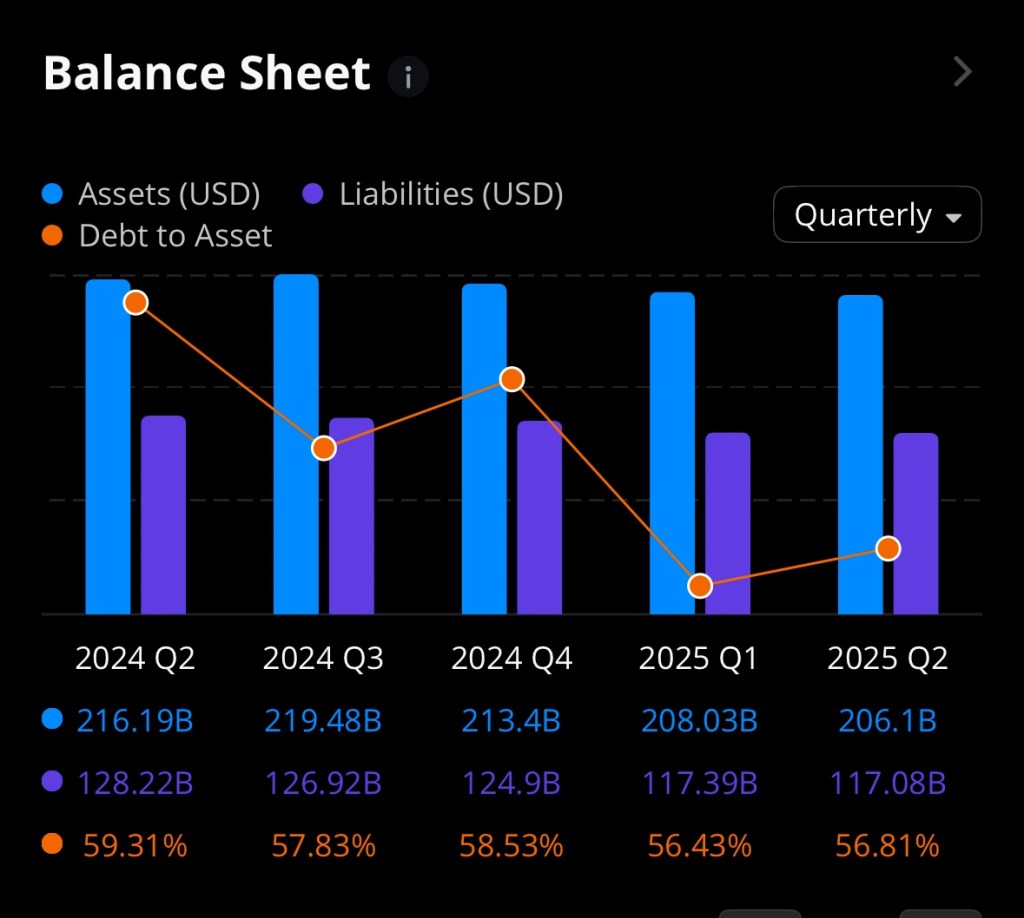
  • Strong Balance Sheet: Despite recent revenue declines, Pfizer maintains healthy cash reserves and strong operating cash flow, supporting its dividend and acquisition strategy.
  • Attractive Valuation: Shares are trading at a discount compared to peers in the pharmaceutical sector, offering a margin of safety for value investors.
  • Diversified Revenue Base: Expansion in oncology, vaccines, and rare diseases provides multiple future growth drivers beyond COVID-19.

Weaknesses

  • COVID-19 Dependency Hangover: A sharp decline in vaccine and antiviral demand has pressured revenue, highlighting reliance on pandemic-era products.
  • R&D Risk: Heavy investment in research and development may not always lead to successful approvals, leaving earnings vulnerable.
  • Debt from Acquisitions: The Seagen deal adds to Pfizer’s debt load, which, while manageable, could strain resources if integration challenges arise.
  • Patent Expirations: Like many pharmaceutical giants, Pfizer faces long-term risks from patent cliffs that could erode future revenue streams.

Stock Price Outlook: 1 to 5 Years

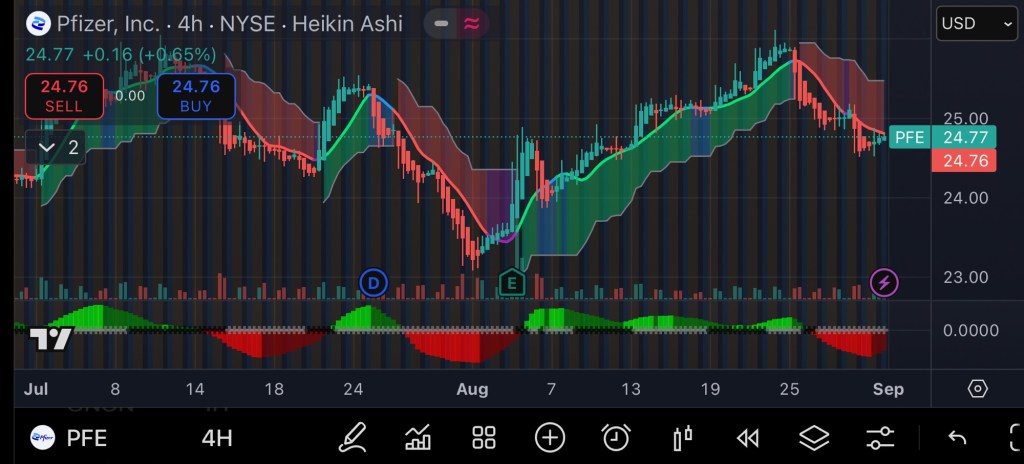
Pfizer’s current share price reflects market concerns over post-COVID revenue declines, but its fundamentals suggest room for recovery.

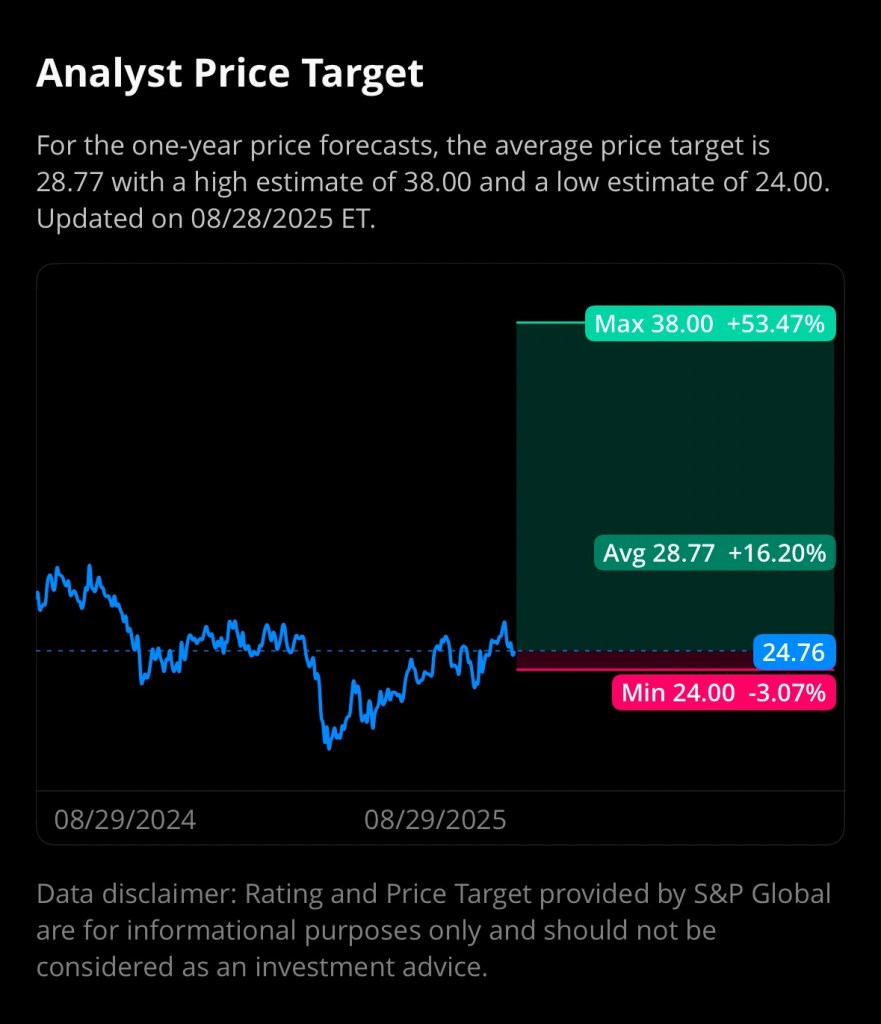
  • 12-Month View (2025–2026): Analysts see potential for modest gains, with shares trading in the $32–$38 range as the market digests lower vaccine revenues but begins to price in oncology and pipeline growth. The dividend will continue to anchor returns even if share price growth is muted.
  • 3-Year View (2027): As new oncology therapies, rare-disease drugs, and vaccine innovations mature, Pfizer could see revenue stabilize and return to growth. A reasonable target range could be $40–$48 per share, supported by mid-single-digit revenue growth and steady dividends.
  • 5-Year View (2029–2030): If Pfizer successfully integrates Seagen, brings key drugs to market, and manages upcoming patent expirations, long-term investors could see shares trading in the $50–$60 range. Dividend reinvestment along the way would enhance total returns, making Pfizer a solid long-term hold for income plus growth.

While uncertainty remains in the short term, Pfizer’s combination of a reliable dividend, undervaluation relative to peers, and a promising pipeline suggests patient investors may be rewarded over a 5-year horizon.

Disclosure: I currently hold a position in Pifzer (NASDAQ: $PFE). This article reflects my personal opinions and analysis, and is not intended as financial advice. Please conduct your own research or consult a financial advisor before making any investment decisions.

The Impact of Mental Health on Physical Well-being

A growing body of research has confirmed what many have long suspected: your mental health has a profound effect on your physical health. The relationship between the mind and body is not just metaphorical—it’s biological, chemical, and very real.

The Hidden Toll of Stress and Anxiety
Stress, anxiety, and depression can do more than cloud your thoughts—they can literally wear down your body. Chronic stress triggers the release of hormones like cortisol and adrenaline, which are helpful in short bursts but harmful when sustained. Elevated cortisol levels over time have been linked to high blood pressure, weakened immune function, and increased risk of heart disease.

“When someone experiences chronic anxiety or depression, the brain’s constant state of alert can keep the body in a low-level fight-or-flight mode,” explains Dr. Tara Simmons, a clinical psychologist. “This state contributes to inflammation, sleep disruption, and poor digestion—conditions that can lead to more serious physical illnesses.”

Mental Health and Chronic Conditions
There’s a strong correlation between mental health disorders and chronic physical illnesses. People suffering from depression, for instance, are more likely to develop conditions like diabetes, arthritis, and cardiovascular disease. At the same time, those living with chronic illnesses are more prone to experiencing anxiety or depression, creating a cycle that can be difficult to break.

One study published in the Journal of the American Heart Association found that patients with heart disease who also suffer from depression were twice as likely to die from cardiac-related causes compared to those without depression.

Immune Function and Inflammation
Mental health also plays a crucial role in immune system performance. Depression and chronic stress can suppress the immune response, making the body more vulnerable to infections and slowing down recovery times. On the other hand, positive mental health is associated with a stronger immune system and better resilience in the face of illness.

In particular, inflammation—the body’s natural response to injury or illness—can be exacerbated by poor mental health. Long-term inflammation is a key contributor to diseases such as cancer, Alzheimer’s, and autoimmune disorders.

The Path Forward: Treating the Whole Person
Fortunately, this connection also offers a path to better health. Taking care of your mental well-being—through therapy, medication, mindfulness, exercise, or social support—can directly improve your physical health.

Healthcare providers are increasingly embracing integrative approaches that address both mental and physical health. Routine screenings for depression and anxiety are becoming more common in primary care settings, and many insurance plans now include mental health services as part of holistic wellness programs.

“It’s time we stop treating the body and mind as separate entities,” says Dr. Simmons. “Whole-person care is the future of medicine.”

Takeaway:
Mental health isn’t just about feeling good emotionally—it’s foundational to your overall health. By investing in your mental well-being, you’re also protecting your heart, your immune system, and your long-term quality of life.

If you’re struggling, you’re not alone—and help is out there. A healthier mind leads to a healthier body.

The Surprising Link Between Sleep and Wealth

Sleep: it’s something we all do, but many of us underestimate its power. New research continues to confirm that good sleep is not just a luxury—it’s a critical pillar of overall health. But beyond feeling well-rested, there’s a surprising link between sleep and financial stability. Yes, getting good sleep may help protect your wealth just as much as your health.

The Science of Sleep: More Than Just Rest
Scientists have long studied the stages of sleep—light, deep, and REM (rapid eye movement)—to understand how rest affects the brain and body. During sleep, your body undergoes essential maintenance: the brain clears waste products, muscles repair, hormones rebalance, and memories consolidate. Sleep also helps regulate mood, immune function, and even appetite.

According to the National Sleep Foundation, adults need between 7 and 9 hours of sleep per night for optimal function. Chronic sleep deprivation has been linked to a wide range of health problems, including:

  • Heart disease
  • Obesity
  • Type 2 diabetes
  • Depression and anxiety
  • Impaired cognitive function and memory

But the ripple effects of poor sleep go beyond biology—they can reach into your bank account.

Sleep and Wealth: What’s the Connection?
It turns out that sleep can affect financial well-being in both direct and indirect ways.

  1. Better Decision-Making
    A well-rested brain makes better choices. Sleep deprivation impairs judgment, increases risk-taking behavior, and clouds your ability to process information. Whether you’re making a major purchase, investing, or negotiating a raise, sleep can be the secret weapon behind smarter financial decisions.
  2. Increased Productivity and Career Success
    Sleep is closely tied to performance. Employees who get enough rest tend to be more focused, creative, and efficient. On the other hand, chronic sleep issues are associated with absenteeism, burnout, and job loss—factors that can threaten income and career growth.
  3. Fewer Health Costs
    Lack of sleep raises your risk of chronic illnesses, which can mean higher medical bills, more missed workdays, and increased insurance premiums. By supporting immune health and reducing the risk of disease, good sleep may help keep medical expenses—and related financial stress—at bay.
  4. Reduced Risk of Accidents
    Fatigue is a leading cause of car accidents and workplace injuries. A single lapse in attention due to poor sleep can have expensive—and even tragic—consequences. The Centers for Disease Control and Prevention (CDC) estimates that drowsy driving causes thousands of crashes every year. Protecting your sleep may also mean protecting your assets, your car, and your insurance premiums.

Final Thoughts: Sleep is a Smart Investment
While good sleep won’t directly deposit money into your bank account, it strengthens the foundation of a healthy, focused, and financially stable life. In a world obsessed with productivity and hustle, rest might feel like a compromise. But science shows it’s the opposite—sleep is an investment that pays off in better health, wiser choices, and greater financial resilience.

So, does good sleep help protect your wealth?
Absolutely. Rested minds make better choices, lead healthier lives, and build stronger financial futures.

Tips for Better Sleep:

  • Stick to a consistent sleep schedule—even on weekends
  • Limit caffeine and alcohol in the evening
  • Avoid screens an hour before bedtime
  • Create a calm, dark, and cool sleeping environment
  • Incorporate relaxation techniques like deep breathing or meditation

By prioritizing your sleep, you’re not just boosting your health—you’re safeguarding your wealth.

How Wearables Transform Health Tracking

Wearable fitness technology has quickly evolved from a novelty into an essential tool for those committed to improving their health and wellness. From wristbands that count steps to smartwatches that monitor heart rhythms, these devices are changing the way people track, understand, and improve their physical well-being.

Revolutionizing Personal Health

Fitness trackers like Fitbit, Apple Watch, Garmin, and Whoop are no longer just glorified pedometers. They now offer a range of features including heart rate monitoring, sleep analysis, stress tracking, oxygen saturation levels, ECG functionality, and even menstrual cycle prediction. These tools provide users with real-time feedback and long-term data that can guide decisions about exercise, diet, and rest.

“Knowledge is power,” says Dr. Elena Moore, a sports medicine physician. “When people can see their daily activity and trends over time, they’re more motivated to stay active and adjust habits to reach their goals.”

Integration with Everyday Life

Wearables are now deeply integrated with smartphones, health apps, and even digital healthcare systems. Many allow users to sync their data with services like Apple Health, Google Fit, or MyFitnessPal, enabling a holistic view of health that combines nutrition, fitness, and medical records.

With the rise of AI-powered coaching, some wearables also offer personalized workout suggestions or alerts when the user might be overtraining. “It’s like having a personal trainer on your wrist,” notes tech analyst Jordan Singh.

Impact on the Fitness Industry

The fitness industry is adapting to this trend. Gyms and personal trainers often incorporate wearable data into their programs, using metrics to customize routines and measure progress more accurately. Insurance companies, too, are starting to offer discounts for policyholders who share health data from verified devices—a move aimed at promoting preventive care.

Privacy Concerns and Challenges

Despite their benefits, wearable fitness devices raise concerns about data privacy. As these tools collect sensitive health information, experts stress the importance of strong data protections and transparent policies. Users are urged to review privacy settings and understand what information is shared with third parties.

The Future of Fitness Tracking

Looking ahead, the next generation of wearables is expected to be even more sophisticated, with sensors capable of detecting hydration levels, glucose readings, and posture correction. Smart clothing and biometric tattoos are also on the horizon, promising even more seamless health monitoring.

In a world increasingly focused on personalized health and well-being, wearable fitness tech is not just a trend—it’s a movement. As technology continues to advance, staying informed and mindful of how we use it will be key to getting the most out of every step, beat, and breath.

Why Drinking Water Boosts Energy and Focus

Coffee and energy drinks often steal the spotlight, but the true hero of daily wellness remains a humble, clear, calorie-free essential: water. Experts continue to stress the importance of staying hydrated—not just for quenching thirst but for fueling energy, supporting brain function, and promoting overall health.

Why Water Matters
Your body is made up of approximately 60% water. Every system—circulatory, digestive, muscular, and even your brain—relies on proper hydration to function at its best. Water helps regulate temperature, cushions joints, aids in digestion, and flushes out toxins. Without enough water, even minor dehydration can cause fatigue, headaches, and a lack of focus.

According to the Centers for Disease Control and Prevention (CDC), staying hydrated is key to maintaining energy levels throughout the day. Mild dehydration, defined as a 1-2% loss of body water, can significantly impair mood, memory, and performance.

Boosting Your Daily Intake
While the “8 glasses a day” rule is a general guideline, your hydration needs depend on factors such as age, activity level, climate, and overall health. Nutritionists recommend listening to your body’s cues—like thirst and the color of your urine (aim for light yellow)—as good indicators of hydration status.

Here are a few simple tips to increase your daily water intake:

  • Start your day with a glass of water to jumpstart your metabolism.
  • Carry a reusable water bottle and refill it often.
  • Infuse your water with fruits or herbs like lemon, cucumber, or mint for added flavor.
  • Eat water-rich foods like watermelon, cucumbers, oranges, and lettuce.
  • Set reminders on your phone or use a hydration tracking app.

The Bottom Line
Staying hydrated isn’t just about drinking water—it’s about prioritizing your body’s needs and setting yourself up for better health and energy. With a few small daily changes, you can feel more alert, focused, and physically resilient.

So next time you’re tempted to reach for another cup of coffee, consider filling up your water bottle instead. Your body—and your brain—will thank you.

Uninsured Motorist Coverage: Essential or Unnecessary?

When shopping for car insurance, most drivers focus on the basics—liability, collision, and comprehensive coverage. But one part of your policy that often gets overlooked could end up being your financial lifeline in an accident: Uninsured Motorist (UM) coverage. At the same time, some drivers question whether it’s necessary. So, should you add it to your policy? The answer depends on several factors.

The Case For Uninsured Motorist Coverage
Despite mandatory insurance laws in most states, millions of drivers remain uninsured. According to the Insurance Research Council, about 1 in 8 drivers in the U.S. is uninsured. That means if you’re hit by one of them, you could be left paying out-of-pocket for injuries and damages—unless you have UM coverage.

Uninsured Motorist Bodily Injury (UMBI) covers your medical expenses, lost wages, and even pain and suffering if you’re injured by an at-fault driver who doesn’t have insurance. Uninsured Motorist Property Damage (UMPD), where available, helps pay for repairs to your vehicle.

“Uninsured motorist coverage acts like a safety net,” says Karen Simmons, a claims manager at Midwest Auto Insurance. “It protects you and your passengers when someone else’s irresponsibility puts you at risk.”

It can also protect you in hit-and-run accidents, which are legally treated as if the other driver is uninsured in many states. Given rising medical costs, even a minor accident could leave you with thousands in bills.

The Case Against Uninsured Motorist Coverage
On the other hand, some argue that UM coverage may not be essential—particularly if you already have strong health and collision coverage.

If your health insurance plan is comprehensive and has low deductibles, you might already be covered for medical treatment resulting from an accident. Likewise, if you carry collision coverage, your car repairs could be handled without relying on UMPD.

“In some situations, uninsured motorist coverage may duplicate benefits you already have,” explains Joseph Martinez, a financial advisor in Houston. “If you’re budget-conscious and have overlapping protection, it might be an area to consider trimming.”

In states where no-fault laws apply, your own insurance pays for injury-related expenses regardless of who caused the accident—making UM coverage less critical.

Additionally, if you rarely drive, live in a state with low uninsured rates, or have a well-funded emergency savings account, the risk of going without may seem acceptable.

Ultimately, the decision to carry uninsured motorist coverage comes down to your personal risk tolerance, financial situation, and existing insurance portfolio.

It tends to be one of the more affordable add-ons to a policy, offering valuable peace of mind. But for others with overlapping coverage, it may be a redundant cost.

Before making a decision, it’s smart to consult with a licensed insurance agent who can help you evaluate your exposure and craft a policy that works for you.

About the Author:

David Dandaneau is a insurance agent that covers the insurance and financial services industry. He is known for his insightful analysis and comprehensive coverage of market trends and regulatory developments.

Clover Health ($CLOV): Key Growth and Profitability Insights

Clover Health Investments Corp. (NASDAQ: $CLOV), a physician enablement company focused on improving healthcare for Medicare beneficiaries, has recently demonstrated significant growth and strategic initiatives that may appeal to investors.

Robust Membership Growth

As of January 2025, Clover Health reported a 27% increase in Medicare Advantage membership, surpassing 100,000 members. Notably, approximately 95% of these members are enrolled in the company’s flagship 4-Star Preferred Provider Organization (PPO) plan, reflecting Clover’s commitment to delivering high-quality care.

Strategic Focus on Profitability

In December 2023, Clover Health announced its decision to exit the Centers for Medicare and Medicaid Services’ (CMS) ACO REACH program. This move allows the company to concentrate resources on its core Medicare Advantage insurance business and the Clover Assistant platform, aiming to achieve profitability on an Adjusted EBITDA basis for the full year 2024.

Financial Performance and Outlook

The company’s financial trajectory shows promise, with earnings expected to improve from a loss of $0.12 per share to $0.07 per share in the coming year. Analysts have set a 12-month price target of $5.00 for Clover Health’s stock, suggesting potential upside from its current trading price of $4.46 as of February 16, 2025.

Investment Considerations

While Clover Health’s recent membership growth and strategic refocusing are positive indicators, potential investors should be mindful of market volatility. The stock has experienced fluctuations, and with a significant portion of retail ownership, there is a risk of profit-taking following earnings reports. Therefore, a cautious approach is advisable, possibly awaiting the upcoming Q4 2024 earnings release for more clarity on the company’s financial health.

Clover Health’s strategic initiatives and growth in the Medicare Advantage sector position it as a noteworthy contender in the healthcare market. However, investors should conduct thorough research and consider market dynamics before making investment decisions.

Disclosure: I currently hold a position in Clover Health Investments Corp. (NASDAQ: $CLOV). This article reflects my personal opinions and analysis, and is not intended as financial advice. Please conduct your own research or consult a financial advisor before making any investment decisions.

References

Clover Health. (2023, December 15). Clover Health exits ACO REACH to accelerate path to profitability. Clover Health Investors. https://investors.cloverhealth.com/news-releases/news-release-details/clover-health-exits-aco-reach-accelerate-path-profitability

Finance Yahoo. (2025, January 10). Clover Health reports 27% growth in Medicare Advantage membership. Yahoo Finance. https://finance.yahoo.com/news/clover-health-reports-27-growth-140000713.html

Seeking Alpha. (2025, February 10). Clover Health: Watch out for volatility following Q4 earnings results. Seeking Alpha. https://seekingalpha.com/article/4756994-clover-health-watch-out-for-volatility-following-q4-earnings-results

Stock Analysis. (2025, February 15). Clover Health (CLOV) stock forecast and price target. Stock Analysis. https://stockanalysis.com/stocks/clov/forecast

Why You Should Consider Medical Payments Coverage for Your Auto Policy

When selecting auto insurance coverage, many drivers focus on liability, collision, and comprehensive coverage. However, one often-overlooked component that could make a significant difference in the event of an accident is Medical Payments Coverage, also known as MedPay.

What is Medical Payments Coverage?

MedPay is an optional add-on to your auto insurance policy that helps cover medical expenses for you and your passengers, regardless of who is at fault in an accident. This can include hospital visits, surgeries, X-rays, ambulance fees, and even funeral expenses.

Reasons to Consider Medical Payments Coverage

  1. Covers Out-of-Pocket Medical Expenses

Even if you have health insurance, MedPay can help cover deductibles, co-pays, and other out-of-pocket expenses. This means less financial burden in case of an accident-related injury.

  1. Provides Immediate Medical Coverage

Unlike health insurance, which may have waiting periods or require approvals for certain procedures, MedPay provides immediate coverage for medical costs, ensuring quick access to necessary treatments.

  1. Covers You and Your Passengers

MedPay not only covers the policyholder but also any passengers in the vehicle at the time of the accident. This can be especially beneficial if you frequently drive with family or friends.

  1. Extends Beyond Car Accidents

In many cases, MedPay can cover medical expenses if you are injured as a pedestrian, bicyclist, or even while riding public transportation, adding an extra layer of protection.

  1. No Deductibles or Co-Pays

Unlike standard health insurance, MedPay typically does not require a deductible or co-pay, allowing you to receive the full benefits of the coverage without additional costs.

A Small Price for Peace of Mind

Adding MedPay to your auto insurance policy is relatively affordable compared to other types of coverage. The cost varies based on your insurer and coverage limits, but it can provide significant financial relief in case of an accident.

While MedPay is optional in most states, its benefits make it a worthy consideration for drivers looking for extra financial protection. Consult with your insurance agent to determine if Medical Payments Coverage is right for you.

For more information about auto insurance options, contact your local insurance professional and reach out to me today. Let’s make sure you’re covered whatever comes your way.

About the Author:

David Dandaneau is a insurance agent that covers the insurance and financial services industry. He is known for his insightful analysis and comprehensive coverage of market trends and regulatory developments.