Effective Techniques to Beat Distractions and Stay Productive

In a world filled with endless distractions and responsibilities, staying productive can often feel overwhelming. Whether you’re juggling work, school, or personal projects, finding focus and efficiency is often a challenge. Fortunately, there are proven strategies to help you maximize your time and energy. Here are some of the best productivity tips to get you back on track.

  1. Prioritize with the Eisenhower Matrix
    Not all tasks are created equal. Using the Eisenhower Matrix—a method that categorizes tasks as urgent, important, both, or neither—can help you focus on what truly matters. Prioritize essential and time-sensitive tasks while eliminating or delegating distractions.
  2. The Pomodoro Technique: Work in Intervals
    Long hours of continuous work can lead to burnout. The Pomodoro Technique suggests working in 25-minute focused intervals, followed by a short break. This method improves concentration while preventing fatigue, making it easier to power through your to-do list.
  3. Limit Digital Distractions
    One of the biggest productivity killers is the constant stream of notifications from social media, emails, and messaging apps. Consider using website blockers, putting your phone on silent, or scheduling designated screen time to minimize distractions.
  4. Start Your Day with a Clear Plan
    Beginning your day without direction can lead to wasted time. Each morning (or the night before), jot down your top priorities. Having a roadmap ensures that you stay focused on essential tasks rather than getting lost in unimportant ones.
  5. Leverage the “Two-Minute Rule”
    If a task takes less than two minutes to complete, do it immediately. Small tasks like replying to an email, tidying your desk, or setting an appointment can pile up and create unnecessary mental clutter if left undone.
  6. Optimize Your Work Environment
    Your surroundings play a significant role in productivity. A clutter-free, comfortable workspace with adequate lighting and minimal noise can improve focus and efficiency. Consider using ergonomic furniture to enhance comfort and avoid fatigue.
  7. Don’t Multitask—Single-Task Instead
    Despite popular belief, multitasking reduces productivity and increases errors. Instead, focus on one task at a time, complete it efficiently, and then move on to the next. This improves both the quality and speed of your work.
  8. Take Regular Breaks to Recharge
    Working non-stop can drain your mental energy. Short breaks between tasks can help refresh your mind and improve overall productivity. Activities like stretching, walking, or deep breathing can boost focus and creativity.
  9. Set Realistic Goals and Celebrate Small Wins
    Breaking down large projects into manageable steps makes them less overwhelming. Set achievable goals and celebrate progress along the way. Recognizing small wins can boost motivation and keep you moving forward.
  10. Prioritize Sleep and Self-Care
    A well-rested mind is a productive mind. Lack of sleep and neglecting self-care can lead to sluggishness, poor concentration, and increased stress. Prioritize rest, hydration, and nutrition to maintain peak performance.


Boosting productivity doesn’t mean working longer hours—it’s about working smarter. By implementing these tips, you can improve focus, efficiency, and overall well-being. Start small, be consistent, and watch your productivity soar!



Why You Should Review Your Car Insurance Premiums Every Year

Every year, millions of drivers renew their car insurance policies without giving them a second thought. However, failing to review your coverage annually could mean missing out on potential savings or leaving yourself underinsured in the event of an accident. Understanding key aspects of your policy—such as bodily injury liability, property damage coverage, and personal injury protection—can help you make informed decisions and ensure you have the right protection at the best price.

Rates Change, and So Should Your Coverage
Car insurance premiums fluctuate based on multiple factors, including your driving history, credit score, local accident trends, and even changes in state laws. A rate that was competitive last year may no longer be the best option today. By reviewing your policy annually, you can compare quotes from different providers and adjust your coverage to match your current needs.

Bodily Injury Liability: Are You Adequately Covered?
Bodily injury liability coverage is crucial because it helps pay for medical expenses, lost wages, and legal fees if you’re at fault in an accident that injures another person. Many states set minimum coverage requirements, but these may not be sufficient in a serious accident. Reviewing your policy ensures that your coverage limits are high enough to protect your assets if you’re sued.

Property Damage Liability: Protecting More Than Just Cars
Property damage liability covers the costs of repairing or replacing another person’s vehicle or property if you’re responsible for an accident. With the rising cost of car repairs and replacements, minimum state-required coverage may not be enough. A yearly policy review can help you determine if increasing your limits is necessary to avoid paying out of pocket in a worst-case scenario.

Personal Injury Protection (PIP): Covering Your Medical Costs
Personal injury protection, or PIP, is required in some states and optional in others. It helps cover medical expenses, lost wages, and even funeral costs for you and your passengers, regardless of fault. As healthcare costs continue to rise, ensuring that your PIP coverage is sufficient can prevent financial strain in the event of an accident.

Discounts and Savings You Might Be Missing
Many insurers offer discounts for safe driving, bundling policies, vehicle safety features, and even good credit. However, these discounts aren’t always applied automatically. Reviewing your policy yearly allows you to check for any available savings and ensure you’re not overpaying.

When Should You Review Your Policy?
Experts recommend reviewing your car insurance at least once a year or whenever a significant life event occurs, such as:

  • Buying a new car
  • Moving to a new location
  • Getting married or divorced
  • Adding a teen driver to your policy
  • Experiencing changes in your driving habits

    Your car insurance policy is not a “set it and forget it” expense. Taking the time to review your coverage each year can save you money, ensure adequate protection, and provide peace of mind on the road. By staying proactive and informed, you can make sure you’re getting the best value without compromising on essential coverage.

About the Author:

David Dandaneau is a insurance agent that covers the insurance and financial services industry. He is known for his insightful analysis and comprehensive coverage of market trends and regulatory developments.

Staying Motivated Through Life’s Challenges

Life often throws unexpected challenges our way. Whether it’s a professional setback, a personal struggle, or a sudden change in circumstances, staying motivated through difficult times can feel like an uphill battle. However, cultivating resilience and maintaining motivation is possible with the right strategies and mindset. Here’s how you can stay inspired and focused even when obstacles arise.

  1. Reframe Your Perspective
    Obstacles are often opportunities in disguise. Instead of viewing them as insurmountable roadblocks, see them as challenges that can help you grow. Adopting a growth mindset where failures are seen as learning experiences can transform how you approach difficulties. Ask yourself: What can I learn from this situation? How can it make me stronger?
  2. Set Small, Achievable Goals
    Large, daunting goals can feel overwhelming, especially during tough times. Break your objectives into smaller, manageable tasks. Each small victory builds momentum and restores confidence. Celebrate these wins, no matter how minor they may seem, as they remind you that progress is being made.
  3. Surround Yourself with Positivity
    The people and environments we interact with influence our motivation significantly. Surround yourself with supportive friends, family, or mentors who believe in your potential. Additionally, consume motivational content whether it’s books, podcasts, or videos that uplifts and inspires you to keep going.
  4. Develop a Daily Routine
    A structured routine provides a sense of control and stability, even amidst chaos. Incorporate habits that fuel your physical and mental well-being, such as exercise, meditation, journaling, or creative outlets. Sticking to a routine can help you stay focused and disciplined, even when motivation wanes.
  5. Focus on Your “Why”
    When faced with adversity, reconnect with your purpose. Why did you start this journey? Whether it’s for personal growth, family, or a larger mission, remembering your core motivations can reignite your drive. Visualize the long-term rewards of persisting through challenges to keep your spirits high.
  6. Learn to Adapt
    Flexibility is key when dealing with obstacles. Instead of resisting change, embrace it. Adjust your plans as needed and remain open to new possibilities. Being adaptable allows you to turn unexpected setbacks into stepping stones toward your goals.
  7. Practice Self-Compassion
    It’s natural to feel frustrated or discouraged when progress slows. However, self-criticism often makes things worse. Be kind to yourself. Acknowledge your efforts and recognize that setbacks are a part of life. Treat yourself with the same compassion you would offer a close friend.
  8. Visualize Success
    Imagining a positive outcome can be a powerful motivator. Visualization techniques, where you picture yourself achieving your goals, can help you stay motivated. This mental rehearsal strengthens your resolve and keeps you focused on what’s possible.
  9. Take Breaks and Recharge
    Burnout is a common challenge when striving to overcome obstacles. Remember that rest is not a sign of weakness—it’s a necessary component of sustained motivation. Take breaks to recharge your mind and body so you can return to your tasks with renewed energy.
  10. Seek Professional Guidance When Needed
    Sometimes, obstacles may feel too overwhelming to tackle alone. In such cases, seeking help from a coach, therapist, or mentor can provide clarity and actionable solutions. There’s no shame in asking for support—it’s a proactive step toward overcoming challenges.

Final Thoughts
Obstacles are an inevitable part of life, but they don’t have to derail your progress. By adopting a positive mindset, breaking goals into manageable steps, and surrounding yourself with support, you can stay motivated even in the face of adversity. Remember, persistence pays off, and each challenge you overcome brings you closer to your ultimate goals.

Whether you’re climbing a personal or professional mountain, keep pushing forward. Success isn’t about avoiding obstacles it’s about learning how to navigate through them.

10 Strategies to Boost Productivity and Stay Focused

Staying productive and maintaining focus can be a challenge for many. With endless distractions and competing priorities, finding ways to maximize efficiency is more important than ever. Here are ten research-backed strategies to help you stay on track and achieve your goals.

  1. Start with a Morning Routine
    The way you start your day sets the tone for everything that follows. Experts suggest creating a consistent morning routine that includes activities like exercise, meditation, or journaling. A well-structured morning can help you feel energized and mentally prepared for the day ahead.
  2. Prioritize Tasks with the Eisenhower Matrix
    One of the most effective ways to manage your time is by categorizing tasks based on urgency and importance. The Eisenhower Matrix helps you focus on what truly matters, enabling you to delegate or defer less critical tasks.
  3. Use the Pomodoro Technique
    This time-management method involves working for 25-minute intervals followed by short breaks. Studies show that breaking tasks into manageable chunks improves focus and reduces burnout.
  4. Eliminate Distractions
    Distractions are productivity’s worst enemy. Whether it’s turning off notifications, creating a clutter-free workspace, or setting boundaries with colleagues, removing distractions can significantly boost your focus.
  5. Leverage Technology
    Productivity apps like Todoist, Notion, and Trello can help you organize tasks, set reminders, and track progress. Additionally, tools like Focus@Will provide curated music designed to enhance concentration.
  6. Practice Mindfulness
    Mindfulness techniques, such as deep breathing and meditation, help reduce stress and improve cognitive function. Taking even five minutes to center yourself can make a world of difference.
  7. Stay Hydrated and Eat Brain-Boosting Foods
    Proper hydration and nutrition play a vital role in maintaining focus. Foods like blueberries, nuts, and green tea are known to enhance cognitive performance and memory.
  8. Get Regular Exercise
    Exercise isn’t just good for your body; it’s essential for your brain. Physical activity increases blood flow and releases endorphins, which improve mood and focus. Even a quick walk can help clear your mind.
  9. Adopt a Growth Mindset
    A positive attitude towards challenges and setbacks can keep you motivated. Viewing failures as opportunities to learn rather than as obstacles can help you maintain momentum.
  10. Reflect and Adjust
    At the end of each day, take a few moments to evaluate your accomplishments and areas for improvement. Regular self-reflection allows you to adjust strategies and refine your approach to productivity.

Staying productive and focused is an ongoing process that requires intentional effort. By incorporating these strategies into your daily routine, you can cultivate habits that lead to sustained success, no matter your goals. Remember to work smarter not harder.

The Realities of Running a Business

By David Dandaneau

Running a business is often portrayed as a glamorous pursuit—a life of freedom, creativity, and endless opportunity. However, beneath the surface lies a complex journey filled with triumphs and challenges that test the resilience and adaptability of entrepreneurs.

The Thrill of Success
Every business owner knows the unparalleled joy of achieving a goal, whether it’s securing a major client, hitting revenue milestones, or simply surviving the first year. These wins serve as validation for the sleepless nights, financial risks, and relentless effort.

Take the example of local café owner Sarah Patel, who saw her business thrive after introducing a unique farm-to-table menu. “The response was overwhelming,” she says. “It felt like all the hard work finally paid off.” Such moments can rejuvenate an entrepreneur’s passion and motivate them to push even further.

The Pressure of Challenges
But the journey is far from smooth. From navigating cash flow issues and employee turnover to adapting to market changes, business owners face a litany of obstacles. Economic downturns or unexpected global events, such as the COVID-19 pandemic, have also forced many businesses to pivot their strategies overnight.

“During the pandemic, we had to shift to online sales almost immediately,” recalls tech store owner Marcus Lee. “It was a sink-or-swim moment, and not every business had the resources to make it work.”

The Emotional Toll
The mental and emotional challenges of entrepreneurship are often underestimated. Long hours, financial strain, and the pressure to succeed can lead to burnout. Studies have shown that business owners are more likely to experience anxiety and depression compared to those in traditional jobs.

Despite this, many entrepreneurs find ways to cope. Networking groups, mentorship programs, and therapy have become valuable tools for maintaining mental health and fostering resilience.

Adaptability Is Key
One constant in the world of business is change. Consumer preferences, technological advancements, and market trends can shift rapidly, requiring business owners to stay agile and innovative. Those who can anticipate change and adapt quickly are often the ones who thrive.

For example, fashion retailer Mia Gonzalez shifted her business model to focus on sustainable clothing as consumer demand for eco-friendly products grew. “You have to evolve with your customers,” she explains.

The Bigger Picture
For many, the ultimate reward of running a business goes beyond profits. It’s about creating something meaningful, contributing to the community, and building a legacy. These factors often keep entrepreneurs going, even when times get tough.

“Seeing how my business impacts people’s lives gives me purpose,” says John Whitaker, who runs a nonprofit consulting firm. “It’s not just about me—it’s about making a difference.”


Running a business is not for the faint of heart. It’s a journey filled with highs and lows, requiring persistence, adaptability, and an unwavering belief in one’s vision. While the road may be challenging, for those who dare to take the leap, the rewards—both tangible and intangible—can make the journey worthwhile.

For aspiring entrepreneurs, the message is clear: Be prepared for the rollercoaster, but don’t forget to enjoy the ride.

Don’t Give Up on Your New Year’s Resolution: Here’s Why It’s Worth the Effort

As we enter January, millions of people set ambitious New Year’s resolutions vowing to get fit, save money, or adopt healthier habits. Yet, research shows that nearly 80% of resolutions are abandoned by February. Despite the challenges, experts agree: sticking with your resolution, even imperfectly, can yield powerful benefits.

Why Resolutions Fail
Life gets busy, progress feels slow, and motivation wanes. These are the common culprits behind failed resolutions. According to psychologist Dr. Emily Carter, “Many people set unrealistic goals or expect immediate results. When progress doesn’t match expectations, it’s easy to give up.”

However, giving up entirely may rob you of valuable opportunities for growth. “Even small, incremental changes can have a compounding effect over time,” Dr. Carter adds.

The Power of Persistence
Studies highlight the benefits of sticking with goals, even when it feels difficult. For instance, a study by the University of Scranton found that individuals who revisit and adjust their resolutions throughout the year are significantly more likely to achieve long-term success.

“Persistence builds resilience,” says motivational coach Anthony Price. “The act of showing up for yourself even when it’s hard reinforces discipline and self-belief, qualities that extend to other areas of life.”

Tips to Stay on Track
If you’re struggling with your New Year’s resolution, here are some strategies to help you stay the course:

  1. Break It Down: Divide your goal into smaller, manageable milestones. Celebrate progress along the way to stay motivated.
  2. Adapt, Don’t Abandon: If your initial plan isn’t working, tweak it. Flexibility can be a game-changer.
  3. Find Accountability: Share your goal with a friend or join a group with similar aspirations. Accountability can make all the difference.
  4. Focus on Progress, Not Perfection: Success doesn’t mean getting it right every time. It’s about moving in the right direction.

Why It’s Worth It
The rewards of sticking with your resolution go beyond the goal itself. Accomplishing even part of what you set out to do boosts confidence, strengthens habits, and fosters a growth mindset.

“Change doesn’t happen overnight,” Dr. Carter reminds us. “But by staying committed, you’re building the foundation for a better version of yourself not just for the year, but for life.”

So if you’re tempted to throw in the towel on your New Year’s resolution, pause and remember: progress is progress, no matter how small.

SOFI Stock: A Promising Investment Opportunity for the Future

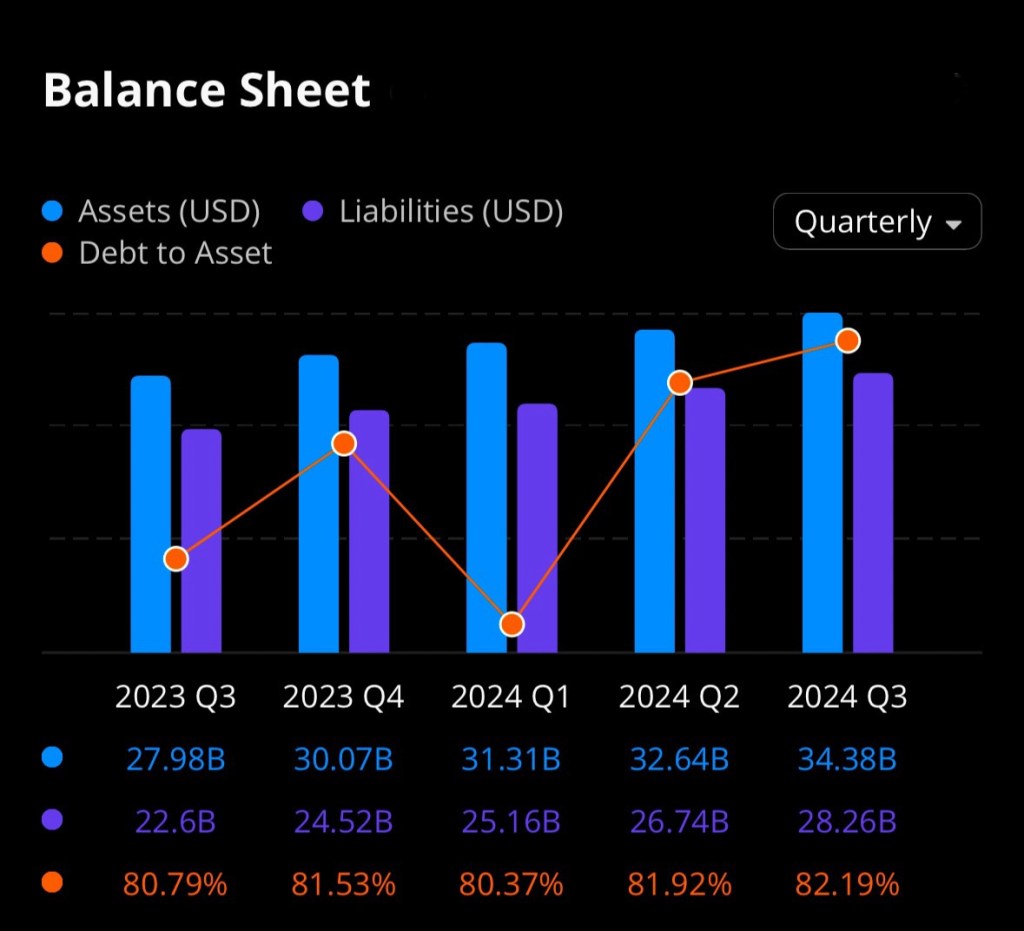
SoFi Technologies Inc. (NASDAQ: $SOFI) has been making waves in the financial services industry with its innovative approach to digital banking and lending. As a disruptor in the fintech space, SoFi is well-positioned to capitalize on the evolving preferences of tech-savvy consumers and investors alike. Here’s why SOFI stock could be a strong addition to your portfolio for the future.

  1. Expanding Product Ecosystem

SoFi offers a comprehensive range of financial products and services, including student loan refinancing, personal loans, mortgages, investment management, and checking and savings accounts. This diversified product suite not only caters to various customer needs but also promotes cross-selling opportunities within its ecosystem. The company’s “SoFi Relay” and “SoFi Invest” platforms have particularly gained traction among younger consumers who seek a seamless, all-in-one financial solution.

  1. Strong Growth Metrics

SoFi has reported impressive growth in recent quarters, driven by its increasing customer base and expanding revenue streams. The company’s membership count recently surpassed the 10 million mark, reflecting a year-over-year growth of over 40%. Such robust growth metrics highlight the effectiveness of SoFi’s business strategy and its ability to scale operations efficiently.

  1. The Digital Banking Revolution

The global banking landscape is undergoing a significant transformation, with digital-first platforms gaining popularity over traditional brick-and-mortar institutions. SoFi’s fully digital infrastructure and user-friendly mobile app place it at the forefront of this revolution. As more consumers shift to digital banking, SoFi’s market share is expected to grow, further solidifying its position in the fintech industry.

  1. Unique Competitive Advantages

One of SoFi’s standout features is its recently acquired banking charter. This allows the company to offer banking services without relying on third-party partnerships, reducing costs and improving profit margins. Moreover, SoFi’s proprietary technology and data-driven insights give it a competitive edge in delivering personalized financial solutions.

  1. Tailwinds from Student Loan Refinancing

With the federal student loan moratorium ending, SoFi’s student loan refinancing segment is expected to see a surge in demand. This development could significantly boost the company’s revenue in the near term, adding to its already strong growth trajectory.

  1. Analyst Optimism

Many analysts remain bullish on SOFI stock, citing its growth potential and strategic initiatives. The company’s focus on profitability, coupled with its expanding market reach, has garnered positive sentiment from Wall Street. Some analysts have even raised their price targets, suggesting substantial upside potential for the stock.

Risks to Consider

While SoFi’s growth story is compelling, investors should be mindful of potential risks, such as regulatory changes, competition from other fintech players, and macroeconomic factors that could impact consumer borrowing trends. Additionally, the company’s path to sustained profitability remains a critical factor to monitor.

SoFi Technologies is revolutionizing the financial services industry with its innovative products and customer-centric approach. Its strong growth metrics, expanding product ecosystem, and strategic advantages make SOFI stock a promising investment for the future. While risks exist, the company’s long-term growth potential and market leadership position offer an attractive opportunity for investors seeking exposure to the burgeoning fintech sector.

Disclosure: I currently hold a position in SoFi Technologies, Inc. ($SOFI). This article reflects my personal opinions and analysis, and is not intended as financial advice. Please conduct your own research or consult a financial advisor before making any investment decisions.

Why Renters Insurance is a Must-Have for Renters

By David Dandaneau

Renting a home or apartment can be a convenient and flexible way to live, but many renters overlook a critical aspect of their financial security: renters insurance. If you’re currently renting, here’s why this affordable coverage should be on your radar.

  1. Protect Your Personal Belongings
    Did you know your landlord’s insurance only covers the building structure, not your personal belongings? In the event of a fire, theft, or water damage, renters insurance can reimburse you for lost or damaged items such as electronics, furniture, and clothing.
  2. Liability Coverage
    Accidents happen. If someone gets injured in your rental or you accidentally damage someone else’s property, renters insurance can help cover medical and legal costs. This liability coverage can save you thousands in out-of-pocket expenses.
  3. Temporary Housing Costs
    If your rental becomes uninhabitable due to a covered event like a fire, renters insurance can help pay for temporary housing expenses, ensuring you have a safe place to stay while repairs are made.
  4. It’s Surprisingly Affordable
    Most renters insurance policies cost less than a daily cup of coffee, with monthly premiums averaging around $15–$30. This small investment provides peace of mind and financial protection against unexpected events.
  5. Peace of Mind
    Renters insurance eliminates the “what if” worries that come with renting. Knowing that you’re protected against unforeseen circumstances can help you focus on enjoying your home.

Don’t Wait Until It’s Too Late
Disasters strike when you least expect them, and the cost of replacing everything you own or dealing with liability claims can be overwhelming. By getting renters insurance, you’re taking a proactive step to safeguard your financial future.

For more information or to get started with a renters insurance policy, contact me today. I’m here to help you find affordable coverage that fits your needs and protects what matters most.

About the Author:

David Dandaneau is a insurance agent that covers the insurance and financial services industry. He is known for his insightful analysis and comprehensive coverage of market trends and regulatory developments.

Why You Should Consider Giving to Charity This Holiday Season

As the holiday season approaches, the spirit of giving takes center stage. While celebrations often include gift exchanges, feasts, and joyous gatherings, there is an equally important tradition to consider: charitable giving. Supporting those in need during this time can transform lives, strengthen communities, and even bring profound personal fulfillment.

A Season for Gratitude and Generosity

The holidays are a time to reflect on our blessings and share them with others. By giving to charity, you contribute to a culture of generosity that uplifts those facing hardships. Whether it’s providing meals for families, donating warm clothing, or supporting education initiatives, your contributions can make a tangible difference.

Charitable Impact on Communities

Nonprofit organizations and charities often experience an uptick in demand during the holidays. For many families, this season underscores their struggles to meet basic needs. Donations can help food banks replenish supplies, shelters accommodate more people, and outreach programs expand their services. By giving, you directly support these efforts and help build stronger, more resilient communities.

Tax Benefits to Sweeten the Season

Charitable donations not only help others but can also offer financial benefits to you. Many contributions to registered nonprofits are tax-deductible, which can reduce your taxable income. Keeping records of your donations ensures that your goodwill is acknowledged come tax season.

Teaching the Next Generation

Involving children in charitable activities fosters empathy and awareness from a young age. By encouraging kids to participate—whether by donating toys, volunteering, or helping select a cause—you instill values that will shape them into compassionate adults.

Boosting Personal Well-being

Scientific studies have shown that acts of generosity are linked to increased happiness and reduced stress. Giving triggers the release of endorphins, creating what’s often referred to as a “helper’s high.” Knowing that your actions contribute to someone’s well-being can be one of the most rewarding experiences of the season.

How to Give Thoughtfully

When choosing where to donate, consider causes that resonate with your values. Research charities to ensure your contributions are used effectively. Websites like Charity Navigator and GuideStar provide ratings and transparency reports for nonprofit organizations. Additionally, think beyond monetary donations: volunteering your time or donating goods can also make a significant impact.

Spreading Hope and Joy

The holidays can be a challenging time for many. Your act of giving, no matter how small, can brighten someone’s season and restore hope. Whether it’s a financial donation, a few hours of your time, or simply spreading awareness about a cause, every effort counts.

This holiday season, consider stepping into the spirit of giving. By supporting charitable causes, you not only contribute to a better world but also experience the true essence of the holidays: kindness, compassion, and community.

Random Acts of Kindness: The Ripple Effect That Propels and Uplifts

In a world often overshadowed by stress and negativity, random acts of kindness offer a refreshing counterbalance that not only uplift others but also benefit those who perform them. Whether it’s paying for a stranger’s coffee, offering a compliment, or volunteering time for a cause, these small gestures can create a powerful ripple effect that touches lives in unexpected ways.

The Science of Kindness
Research shows that kindness isn’t just good for the recipient; it’s also beneficial for the giver. According to a 2022 study published in Frontiers in Psychology, acts of kindness trigger the release of endorphins, often referred to as “feel-good” hormones, and reduce levels of cortisol, the stress hormone. This chemical reaction can lead to lower blood pressure, increased feelings of happiness, and an overall boost in mental well-being.

Dr. Laura Stein, a psychologist specializing in positive psychology, explains, “When we engage in selfless acts, our brains release dopamine, creating what’s often called a ‘helper’s high.’ This physiological response is why doing good for others makes us feel good too.”

Kindness as a Catalyst for Personal Growth
Kindness not only boosts emotional well-being but can also serve as a catalyst for personal and professional growth. A culture of kindness encourages stronger social connections, which can open doors to new opportunities, foster collaboration, and build trust. In the workplace, acts of kindness can lead to improved teamwork, higher morale, and increased productivity.

Business leaders have taken note of this trend, incorporating kindness into corporate culture. For example, many companies now emphasize empathy training and employee recognition programs, recognizing that fostering a kind work environment improves employee satisfaction and retention.

The Ripple Effect
One act of kindness can set off a chain reaction. Studies show that witnessing acts of kindness inspires others to act similarly, creating a ripple effect that spreads positivity. Imagine a driver letting another car merge during rush hour—this simple act can influence the next driver to do the same, reducing stress and promoting goodwill on the road.

Moreover, communities that prioritize kindness report lower crime rates and higher levels of social cohesion. Neighborhood initiatives such as “pay-it-forward” programs or community gardens thrive on this principle, demonstrating how kindness can transform entire communities.

Small Gestures, Big Impact
The beauty of random acts of kindness lies in their simplicity. You don’t need wealth or influence to make a difference. From smiling at a passerby to leaving a heartfelt note for a coworker, every small act contributes to a larger culture of kindness.

In an increasingly digital world, even virtual acts—such as sharing a positive comment on social media or supporting a friend’s online fundraiser—can have significant effects. These gestures remind us that kindness transcends physical boundaries.

A Global Movement
Kindness is gaining recognition as a global movement, with initiatives like World Kindness Day and Random Acts of Kindness Week encouraging millions to participate. These events highlight how kindness can unite people across cultures, fostering a sense of shared humanity.

As the world continues to face challenges, from economic uncertainty to environmental crises, the power of kindness has never been more crucial. By choosing to spread kindness, individuals can contribute to a more compassionate, resilient society.

So, the next time you hold the door open, lend a hand, or offer a kind word, remember: your small act could ignite a wave of positivity that extends far beyond what you can see.

Kindness isn’t just contagious—it’s transformative.