Why We Always Find Ourselves Waiting: The Hidden Cost of Life’s Slowdowns

Waiting might be one of the few universal human experiences that transcends age, background, income, geography, and even personality. Whether we’re stuck in a doctor’s office long past our appointment time, refreshing a stock chart hoping for a green candle, or watching an insurance claim crawl its way through the system, waiting is a constant companion. And while it can be frustrating, it also reveals a lot about how modern life actually works.

The Doctor Will Be With You… Eventually

Anyone who has ever dealt with healthcare knows that time moves differently in a medical office. You check in early, only to wait 20 minutes to be called, 10 more in the exam room, and maybe another week to get your test results.

Doctors aren’t slow because they want to be; they’re slow because they must be. Every patient brings unpredictability. A quick check-up can instantly turn into a crisis, care requires paperwork, and healthcare systems are overloaded. But as patients, it doesn’t feel like logistics—it feels like we’re just waiting… and waiting.

Many people walk out feeling like they spent more time sitting than being seen. And that’s because they have.

Waiting on the Markets: The Slow Burn of Investing

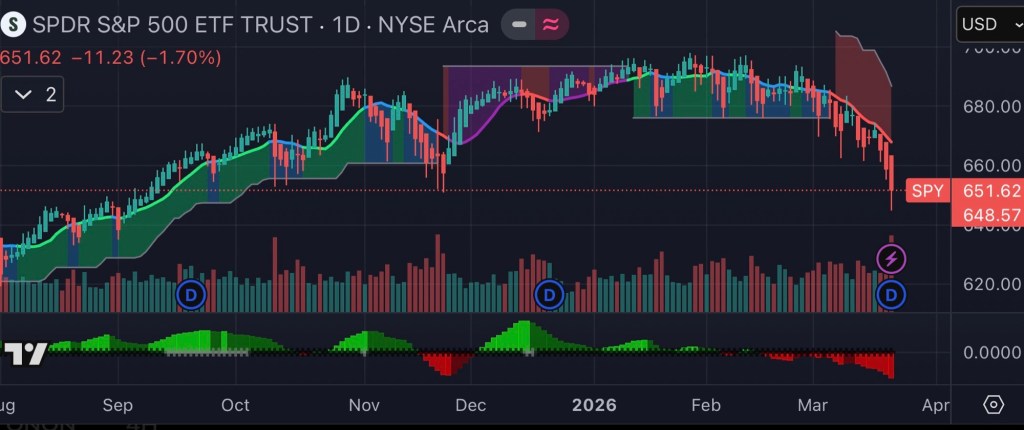
If there’s any arena that tests patience like a doctor’s office, it’s the stock market. You can research the perfect company, run the numbers, time your entry… and still spend weeks or months waiting for the payoff.

Stocks rarely move on our schedule. Bull markets take time to build, bear markets linger longer than anyone likes, and sideways trading can feel like a cosmic joke designed to test your discipline. You watch your screen, refresh your app, maybe check the news again—just in case something changed in the last 45 seconds.

But over the long run, waiting is the strategy. The real returns historically come not from timing the market, but time in the market. Yet even knowing that, we still find ourselves impatient, hoping our future arrives faster.

Insurance: The Art of Hurry Up and Wait

Insurance is another world where waiting feels baked into the design. You file a claim and expect progress. Instead, you’re asked for more documentation, another photo, a follow-up call, a review, an inspection… and then another review.

Insurance companies aren’t trying to delay—they’re trying to verify. Risk assessment requires accuracy, and accuracy takes time. But when it’s your car, your home, your medical bill, or your livelihood on the line, the process can feel like a slow-motion movie you can’t fast-forward.

Ironically, we pay for insurance to create peace of mind, but the waiting period is often when we feel the least at peace.

Everyday Waiting: The Silent Theme of Modern Life

Outside those big moments, waiting quietly follows us everywhere:

  • Waiting for a package that says “Out for delivery” for eight hours
  • Waiting for traffic to move
  • Waiting for approval, promotion, or a simple call-back
  • Waiting for the next phase of life—marriage, career change, retirement
  • Waiting for things to “finally calm down” (which never seems to happen)

Humans weren’t built to sit in uncertainty. Psychologically, waiting triggers the same stress response as danger. Our brains want clarity and control—two things waiting rarely provides.

The Hidden Reason We Wait: Progress Takes Time

Whether it’s the doctor, the market, insurance, or our daily errands, waiting is ultimately a byproduct of systems in motion. Progress doesn’t happen in a straight line or on a schedule we set.

In many ways, waiting is proof that something is happening:

  • The doctor is giving someone else the attention you’ll soon get
  • The stock market is adjusting, recalibrating, and preparing for the next move
  • The insurance company is verifying everything you need to protect your future
  • Life is unfolding in real time—not rushed, not delayed, simply moving at its own pace

We wait because the world is constantly working behind the scenes, even when we can’t see it.

Turning Waiting Into Something Useful

While we can’t eliminate waiting, we can change what it means to us. Waiting offers a rare chance to pause—a moment to reflect, reset, or simply breathe. It forces us to surrender a little control and trust the process, uncomfortable as that may be.

Because when the moment finally comes—whether it’s the doctor walking in, your stock finally breaking out, or the insurance claim resolving—waiting reminds us that good things often take time.

And maybe, just maybe, learning to wait is one of the most valuable skills we’ll ever develop.

Mortgage vs. Cash: Best Strategy for Retirees

As retirement approaches, one of the biggest financial questions homeowners face is whether to pay off their mortgage early or hold on to the cash for flexibility and investments. Both paths have strong arguments, and the right choice often depends on your personal goals, financial stability, and tolerance for risk.


🔹 The Case for Paying Off Your Mortgage

1. Peace of Mind and Lower Expenses
Eliminating your mortgage before retirement means you’ll enter your golden years without one of your biggest monthly bills. This can bring enormous peace of mind—especially for retirees living on a fixed income. Without a mortgage, your monthly expenses drop dramatically, making it easier to stretch your retirement savings further.

2. Guaranteed Return on Investment
Paying off your mortgage is like earning a “risk-free” return equal to your interest rate. For example, if your mortgage rate is 6%, you’re effectively earning a guaranteed 6% return by eliminating that debt—a tough benchmark for low-risk investments to match.

3. Emotional and Financial Freedom
Many homeowners simply like the feeling of owning their home outright. It provides a sense of security knowing that, no matter what happens to the market or the economy, you have a paid-off place to live.


🔸 The Case for Keeping the Mortgage and Saving the Cash

1. Liquidity and Flexibility
Once you pay off your mortgage, that cash is locked into your home’s equity. While you can access it through a home equity line or reverse mortgage, those options can be costly or hard to qualify for in retirement. Keeping cash in savings or investments gives you flexibility for emergencies, healthcare costs, or opportunities.

2. Potential for Higher Returns
If your mortgage rate is relatively low—say, under 4%—you might earn more by investing your money instead of paying off the loan. Historically, diversified portfolios have returned more than typical mortgage rates over the long term, allowing your wealth to grow faster while you continue making manageable payments.

3. Tax and Inflation Advantages
For some retirees, mortgage interest may still be tax-deductible, reducing overall borrowing costs. Additionally, with inflation, the real value of your fixed mortgage payments decreases over time—meaning you’re repaying the loan with “cheaper” dollars in the future.


⚖️ Finding the Right Balance

Many experts suggest a hybrid strategy:

  • Pay down your mortgage enough to feel comfortable with the lower balance and payments.
  • Keep a healthy cash reserve or investment portfolio for flexibility.

Ultimately, the best choice depends on your individual circumstances—your mortgage rate, your savings, your risk tolerance, and how much you value financial security versus potential growth.


🧭 Final Thought

There’s no one-size-fits-all answer. The “right” move is the one that helps you sleep well at night, knowing your finances are positioned to support your lifestyle and goals. Whether that means living debt-free or keeping your investments working, it’s about creating a retirement plan that gives you confidence, comfort, and control.

Essential Guide to Homeowners Liability Coverage

When it comes to homeowners insurance, most people focus on protecting their property from fire, theft, or storm damage. But one of the most overlooked—and most important—aspects of your policy is liability coverage. This protection kicks in when someone is injured on your property or if you accidentally cause damage to someone else’s property. And if you’re hiring contractors to work on your home, ensuring they’re properly insured could save you from financial disaster.

Understanding Liability Limits

Every homeowners insurance policy includes personal liability coverage, typically starting around $100,000 but often ranging up to $500,000 or more. This coverage helps pay for medical bills, legal fees, and settlements if you’re found responsible for an injury or property damage.

For example, if a guest slips on your icy driveway or a tree from your yard damages your neighbor’s fence, your liability coverage helps cover those costs. But here’s the catch—if damages exceed your policy limit, you’re personally responsible for the rest.

That’s why many insurance professionals recommend reviewing your limits regularly and considering an umbrella policy for extra protection. An umbrella policy can provide an additional $1 million or more in liability coverage for a relatively small cost each year.

The Hidden Risk of Uninsured Contractors

Home improvement projects often involve hiring outside help—roofers, electricians, painters, or landscapers. But before you hand over the keys or cut that first check, it’s critical to make sure any contractor working on your property carries their own liability and workers’ compensation insurance.

If a contractor is uninsured and one of their workers gets hurt on your property, you could be held liable for medical expenses, lost wages, or even lawsuits. Similarly, if they accidentally damage your home or a neighbor’s property, and they’re not covered, your own insurance might have to step in—potentially driving up your premiums or leaving you with out-of-pocket costs.

Protecting Yourself and Your Investment

Your homeowners insurance does more than protect your house—it protects your financial future. By maintaining sufficient liability limits and ensuring contractors are properly insured, you can avoid costly surprises if something goes wrong. A few minutes of due diligence today can save you thousands—and a lot of stress—tomorrow.

About the Author:

David Dandaneau is a client relations analyst that covers the insurance and financial services industry. He is known for his insightful analysis and comprehensive coverage of market trends and regulatory developments.

Being a Caregiver: Supporting Others While Remembering to Care for Yourself

Being a caregiver is often described as one of the most selfless roles a person can take on. Whether caring for an aging parent, a child with special needs, or a loved one facing illness, caregivers provide daily support, patience, and compassion that are nothing short of extraordinary. But while they devote themselves to others, many caregivers struggle to prioritize their own well-being.

According to recent studies, caregivers are more likely to experience stress, fatigue, and health challenges due to the demands of their responsibilities. Experts agree that while the focus is naturally on the person receiving care, it’s just as important to provide resources and relief for those who give it.

So where can caregivers turn when it’s time to think about their own needs? The answer lies in small but meaningful acts of support from the community. If you know a caregiver who may need a helping hand, here are some simple yet effective ways you can make a difference:

  • Offer Practical Help – Everyday tasks like grocery shopping, meal prep, or running errands can be a heavy burden. Volunteering your time for these chores can give caregivers much-needed breathing room.
  • Be a Listening Ear – Sometimes, what a caregiver needs most is someone to talk to. Offering compassion and a safe space to share can ease feelings of isolation.
  • Encourage Self-Care – Remind caregivers that their health matters, too. Encourage them to rest, exercise, or take short breaks without guilt.
  • Connect Them to Resources – Local support groups, respite care services, and online communities can provide additional help and understanding.

“Caregivers are the backbone of our communities, but they can’t pour from an empty cup,” said one local health advocate. “Showing kindness and offering support ensures that they, too, have the strength to continue their vital role.”

Being a caregiver is about love and responsibility—but it should never mean going it alone. By recognizing the challenges caregivers face and stepping in with support, friends, neighbors, and family members can play a key role in making their journey a little lighter.

Should You Shop Your Homeowners Insurance? Here’s Why (And Why Not)

When was the last time you looked at your homeowners insurance policy? Many homeowners set it and forget it often paying premiums for years without comparing rates or coverage. But in today’s changing insurance landscape, shopping your policy could make a big difference to your wallet and your peace of mind.

Why You Might Want to Shop Your Homeowners Insurance
One of the biggest reasons to shop around is simple: savings. Insurance markets change constantly, and different companies assess risk in different ways. You may find the same coverage elsewhere for a lower premium, or better coverage for the same price. Additionally, shopping your policy gives you the chance to update your coverage. Maybe you’ve renovated, added a home office, installed a security system, or made energy-efficient upgrades—these can affect your premium or even qualify you for discounts. Finally, shopping around lets you evaluate customer service and claims satisfaction. Not all insurers handle claims equally, and a few bad experiences can turn a cheap policy into an expensive headache when you need it most.

Why You Might Not Want to Shop Your Homeowners Insurance
Staying put with your current insurer can have benefits, too. Loyalty discounts can add up over time, and bundling your homeowners insurance with auto or other policies often unlocks extra savings that you might lose if you switch. If you have a history of claims or live in a high-risk area, your current company may be offering you more favorable terms than a new insurer would… especially if you’ve built trust over years without filing major claims. Finally, switching companies can be time-consuming and confusing. If your current agent or company provides excellent service, quick claims resolution, and clear communication, that peace of mind might be worth more than a small annual savings.

Bottom Line
Shopping your homeowners insurance doesn’t mean you have to switch, but it does mean you’re informed. Compare rates every few years, check for discounts, and make sure your policy still fits your home and lifestyle. Whether you stay or go, you’ll know you’re making the best choice for your coverage and your wallet.

About the Author:

David Dandaneau is a client relations analyst that covers the insurance and financial services industry. He is known for his insightful analysis and comprehensive coverage of market trends and regulatory developments.

The Impact of Mental Health on Physical Well-being

A growing body of research has confirmed what many have long suspected: your mental health has a profound effect on your physical health. The relationship between the mind and body is not just metaphorical—it’s biological, chemical, and very real.

The Hidden Toll of Stress and Anxiety
Stress, anxiety, and depression can do more than cloud your thoughts—they can literally wear down your body. Chronic stress triggers the release of hormones like cortisol and adrenaline, which are helpful in short bursts but harmful when sustained. Elevated cortisol levels over time have been linked to high blood pressure, weakened immune function, and increased risk of heart disease.

“When someone experiences chronic anxiety or depression, the brain’s constant state of alert can keep the body in a low-level fight-or-flight mode,” explains Dr. Tara Simmons, a clinical psychologist. “This state contributes to inflammation, sleep disruption, and poor digestion—conditions that can lead to more serious physical illnesses.”

Mental Health and Chronic Conditions
There’s a strong correlation between mental health disorders and chronic physical illnesses. People suffering from depression, for instance, are more likely to develop conditions like diabetes, arthritis, and cardiovascular disease. At the same time, those living with chronic illnesses are more prone to experiencing anxiety or depression, creating a cycle that can be difficult to break.

One study published in the Journal of the American Heart Association found that patients with heart disease who also suffer from depression were twice as likely to die from cardiac-related causes compared to those without depression.

Immune Function and Inflammation
Mental health also plays a crucial role in immune system performance. Depression and chronic stress can suppress the immune response, making the body more vulnerable to infections and slowing down recovery times. On the other hand, positive mental health is associated with a stronger immune system and better resilience in the face of illness.

In particular, inflammation—the body’s natural response to injury or illness—can be exacerbated by poor mental health. Long-term inflammation is a key contributor to diseases such as cancer, Alzheimer’s, and autoimmune disorders.

The Path Forward: Treating the Whole Person
Fortunately, this connection also offers a path to better health. Taking care of your mental well-being—through therapy, medication, mindfulness, exercise, or social support—can directly improve your physical health.

Healthcare providers are increasingly embracing integrative approaches that address both mental and physical health. Routine screenings for depression and anxiety are becoming more common in primary care settings, and many insurance plans now include mental health services as part of holistic wellness programs.

“It’s time we stop treating the body and mind as separate entities,” says Dr. Simmons. “Whole-person care is the future of medicine.”

Takeaway:
Mental health isn’t just about feeling good emotionally—it’s foundational to your overall health. By investing in your mental well-being, you’re also protecting your heart, your immune system, and your long-term quality of life.

If you’re struggling, you’re not alone—and help is out there. A healthier mind leads to a healthier body.

How to Cut Costs and Save Money Everyday

When inflation continues to chip away at household budgets, finding ways to save on daily expenses can have a big impact over time. Fortunately, a few small changes to your routine can lead to significant savings without drastically altering your lifestyle.

Here are some practical strategies to cut costs on common daily expenses:

  1. Cut the Coffee Shop Habit
    If you’re stopping by your local café every day, you’re likely spending more than you think. Brewing your coffee at home can save hundreds per year, and with so many quality at-home brewers on the market, the taste doesn’t have to suffer.
  2. Switch to Generic Brands
    From groceries to medicine, store-brand products often offer the same quality as name brands at a fraction of the price. A weekly grocery trip can be trimmed by 20–30% just by switching brands.
  3. Reduce Energy Use
    Turn off lights when you leave the room, unplug electronics not in use, and consider upgrading to energy-efficient bulbs and appliances. Small efforts add up on your utility bill.
  4. Use Public Transportation or Carpool
    Gas, maintenance, and parking costs can eat into your budget. Using public transit or sharing a ride just a few times per week can make a noticeable difference.
  5. Cook at Home More Often
    Dining out—even fast food—can cost two to three times more than a home-cooked meal. Planning meals and prepping ingredients ahead of time can save both money and stress.
  6. Shop Smarter
    Use cashback apps, look for sales, and take advantage of store loyalty programs. Planning your shopping trips and making a list can prevent impulse buys.
Expense CategoryStrategyEstimated Monthly Savings
Coffee/DrinksBrew at home\$60
GroceriesSwitch to generic/store brands\$50
ElectricityUse LED bulbs, unplug devices\$30
TransportationCarpool/public transport\$80
Dining OutCook at home more frequently\$100
ShoppingUse discounts, avoid impulse buys\$40
Total Potential Savings\$360/month

While saving $360 per month may not sound dramatic at first glance, it adds up to $4,320 per year—enough for a vacation, a healthy emergency fund, or investing in long-term financial goals.

Bottom line: Small, mindful changes to your daily routine can make a big difference. By identifying where your money goes and being proactive, you can take control of your finances—one dollar at a time.

10 Essential Life Hacks to Boost Your Daily Productivity

Feeling overwhelmed by endless to-do lists and daily responsibilities is a common struggle. Fortunately, a few practical life hacks can help you streamline your day, reduce stress, and reclaim valuable time. Whether you’re balancing work, family, or simply aiming for a more organized lifestyle, these tips offer straightforward ways to boost productivity and bring more ease to your routine.

Here are 10 life hacks to simplify your daily routine:

  1. Plan Your Day the Night Before
    Take five minutes each evening to jot down your top priorities for the next day. A clear plan helps you hit the ground running and eliminates the morning scramble.
  2. Use the Two-Minute Rule
    If a task takes less than two minutes, do it immediately. This simple trick from productivity expert David Allen can keep your task list from ballooning out of control.
  3. Meal Prep on Sundays
    Spend a few hours prepping meals for the week. Chopping veggies, marinating proteins, and portioning snacks in advance can save you time (and money) during the busy workweek.
  4. Declutter One Area a Day
    Rather than waiting for spring cleaning, tackle one small area daily—a drawer, a shelf, or a desktop. Regular mini-decluttering sessions keep your space organized and your mind clear.
  5. Automate What You Can
    Set up auto-pay for bills, use subscription services for household essentials, and schedule regular appointments in advance. Automation removes decision fatigue from routine tasks.
  6. Group Similar Tasks Together
    Batching tasks like emails, phone calls, or errands helps you stay focused and efficient. Grouping similar actions minimizes the mental load of switching between different activities.
  7. Keep a “Go Bag” Ready
    Whether it’s a gym bag, diaper bag, or overnight bag, having a pre-packed “go bag” saves time when you’re in a rush and ensures you’re always prepared.
  8. Use Voice Assistants or Reminder Apps
    Leverage technology by using apps or smart speakers to set reminders, grocery lists, or calendar events. It’s like having a personal assistant in your pocket.
  9. Create a Capsule Wardrobe
    Minimize decision fatigue by curating a small collection of versatile clothing pieces that mix and match easily. You’ll spend less time deciding what to wear and always look put together.
  10. Establish a Morning and Evening Routine
    Routines create structure and help you transition smoothly between day and night. A few consistent habits—like making your bed, journaling, or setting out clothes—can boost mood and productivity.


Simplicity is key to maintaining control over your day. While life will always bring surprises, implementing even a few of these hacks can help you feel more organized, efficient, and in charge of your routine.

The Evolution of Remote Work: Benefits and Challenges

In just a few short years, remote work has evolved from a niche perk to a mainstream model of employment. What began as an emergency response to the pandemic has reshaped industries, lifestyles, and even entire economies. Now, as companies refine their long-term strategies, the future of remote work remains a hotly debated topic.

The Advantages: Flexibility, Savings, and Global Talent
Remote work offers undeniable benefits for both employees and employers. Workers enjoy greater flexibility, allowing them to better balance professional and personal responsibilities. For many, ditching the daily commute saves not only time but also significant expenses on transportation and meals.

Businesses, too, reap rewards. By shifting to remote or hybrid models, companies can dramatically reduce overhead costs tied to office space. Additionally, they gain access to a broader talent pool unrestricted by geographic boundaries, opening doors to diverse perspectives and specialized skills from around the world.

“Remote work has enabled us to hire talent we would never have found otherwise,” said Angela Torres, Chief Operating Officer of a tech startup based in Austin, Texas. “It’s not just about filling positions — it’s about finding the right fit, no matter where they live.”

The Drawbacks: Isolation, Burnout, and Collaboration Challenges
However, remote work is not without its drawbacks. Feelings of isolation have increased among workers who miss the camaraderie of in-person offices. Without the spontaneous interactions that come from hallway conversations or shared lunches, building company culture has become more challenging.

Burnout is another growing concern. Without clear boundaries between work and home life, some employees find it difficult to “switch off,” leading to longer working hours and higher stress levels.

“There’s a misconception that remote workers have it easy,” said Dr. Lena Kim, a workplace psychologist. “In reality, many are working more hours than ever before, with fewer social supports.”

Moreover, collaboration and innovation sometimes suffer when teams are distributed. While video calls and digital project management tools offer solutions, they often cannot fully replicate the energy and creativity sparked during in-person brainstorming sessions.

What Lies Ahead
Looking forward, experts predict a continued rise in hybrid models — a mix of in-office and remote work — as companies strive to balance flexibility with the need for collaboration and team cohesion. Advances in virtual reality, AI-driven collaboration tools, and asynchronous workflows may further redefine how we view the traditional workday.

Ultimately, the future of remote work will likely be diverse, reflecting the different needs of industries, companies, and individual workers. As organizations adapt, success will depend on their ability to balance technology, human connection, and well-being.

One thing is certain: the 9-to-5 office model is no longer the default, and the future promises a more customizable approach to how, when, and where we work.

When One Door Closes: The Power of Persistence and New Beginnings

Life often feels fast-paced and unforgiving, but stories of resilience remind us that setbacks aren’t the end—they’re often the beginning of something greater.

Across communities and cultures, the idea that “when one door closes, another opens” resonates deeply. It’s more than just a comforting phrase; it reflects a truth rooted in human experience. Whether it’s a lost job, a missed opportunity, or a personal setback, each closed door can become a catalyst for growth and transformation.

Take, for example, the story of Angela Brooks, a small business owner in Denver, Colorado. In 2020, Angela lost her job at a corporate marketing firm amid widespread layoffs. Devastated but determined, she turned to her long-time passion—baking. Starting from her home kitchen, Angela launched a small cupcake business. Today, her shop “Sweet Rise” is a thriving local favorite, employing a dozen people and giving back to the community that supported her from the start.

“I cried for days when I got the news,” Angela recalls. “But losing that job forced me to take a chance on myself. Looking back, it was the best thing that ever happened to me.”

Psychologists agree that mindset plays a crucial role in how we navigate change. “It’s not about denying the pain of disappointment,” says Dr. Lauren Hayes, a clinical psychologist. “It’s about allowing that experience to redirect you. Resilience isn’t about being unaffected—it’s about being adaptive.”

The journey isn’t always easy, but stories like Angela’s—and countless others—reaffirm that persistence pays off. Musicians turned tech entrepreneurs, failed writers who became bestselling authors, students who didn’t get into their dream college but discovered new passions elsewhere—each story is a testament to the doors that open when others shut.

As the world continues to evolve, so too do the opportunities waiting just around the corner. Every challenge holds the seeds of a comeback. All it takes is faith, determination, and the courage to keep moving forward.

So the next time you face a closed door, take a breath. Then look around—there just might be another one, wide open and full of possibility.