How a Positive Mindset Enhances Lifespan

I choose to maintain a positive outlook because I believe it directly impacts how long and how well I live. Positivity is not about denying challenges or pretending life is easy; it is about managing stress, protecting mental health, and giving my body and mind the best chance to function at their highest level over time.

Stress, negativity, and constant worry take a measurable toll on the body. I’ve learned that when I focus on optimism, perspective, and emotional balance, I recover faster, think more clearly, and make healthier decisions. A positive mindset encourages better habits, more movement, better sleep, stronger relationships, and greater consistency in self-care… all of which contribute to longevity and life expectancy.

Maintaining a positive outlook also strengthens resilience. Life will always present obstacles, but optimism helps me respond rather than react. That emotional stability reduces chronic stress, which research consistently links to inflammation, heart disease, and shortened lifespan. Choosing positivity becomes a form of preventive care, not just a mental exercise.

Equally important, positivity improves connection. Strong social relationships are one of the most significant predictors of long life, and optimism makes it easier to build and maintain them. Showing up with patience, gratitude, and emotional steadiness strengthens bonds that support both mental and physical health over the long term.

I remind myself daily that positivity is a discipline, not a personality trait. It requires intention, self-awareness, and practice. Some days it means reframing a setback; other days it means simply choosing calm over frustration. Over time, those small decisions compound.

By committing to a positive outlook, I am investing in more than a good mood, I am investing in energy, resilience, and longevity. My goal is not just to add years to my life, but to add life to those years.

The Power of Perseverance: Why You Should Never Give Up

History, business, and everyday life repeatedly prove the same truth: progress belongs to those who refuse to quit. Drive, quiet, relentless determination—is what separates those who merely participate from those who endure and ultimately prevail.

Giving up is often disguised as being “practical.” When obstacles appear, the easier option is to step back, lower expectations, or rationalize retreat. But difficulty is not a signal to stop; it is a signal that the work matters. The presence of resistance confirms that something meaningful is at stake. Without challenge, growth would be unnecessary and excellence impossible.

Drive matters because it compounds. Talent may open a door, but persistence is what keeps it open. Skills can be learned, strategies refined, and mistakes corrected—but only by those willing to stay in the game long enough to learn from failure. The most respected leaders, innovators, and professionals are rarely the most gifted at the start; they are the ones who continued when results were slow and recognition was absent.

There is also a deeper question that exposes the value of perseverance: if everyone could do it, why bother? The answer is simple… because not everyone will. Most people stop when progress becomes uncomfortable. They disengage when the outcome is uncertain. The willingness to push forward when others step aside is precisely what creates distinction. Effort loses its value only when it is common; perseverance remains rare.

Drive is not loud or glamorous. It shows up early, stays late, and keeps moving forward after setbacks. It is choosing consistency over comfort, discipline over excuses, and long-term purpose over short-term relief. It is understanding that success is not a straight line, but a series of recoveries.

The bottom line is clear: never give up. Not because the path is easy, but because quitting guarantees nothing changes. Progress, fulfillment, and meaning all require endurance. Those who keep going, especially when it would be easier not to, are the ones who ultimately shape their outcomes.

In the end, drive is not just about achieving a goal. It is about proving, day after day, that adversity does not get the final word.

The Power of Vacation: Why Time Away Matters More Than the Destination

Vacation is frequently viewed by many as a luxury rather than a necessity. However, research and real-world experience continue to show that time away from routine is one of the most effective tools for improving mental clarity, emotional health, and long-term performance. Importantly, vacation does not always require travel. In many cases, the most meaningful breaks happen much closer to home.

Why Vacation Is Essential

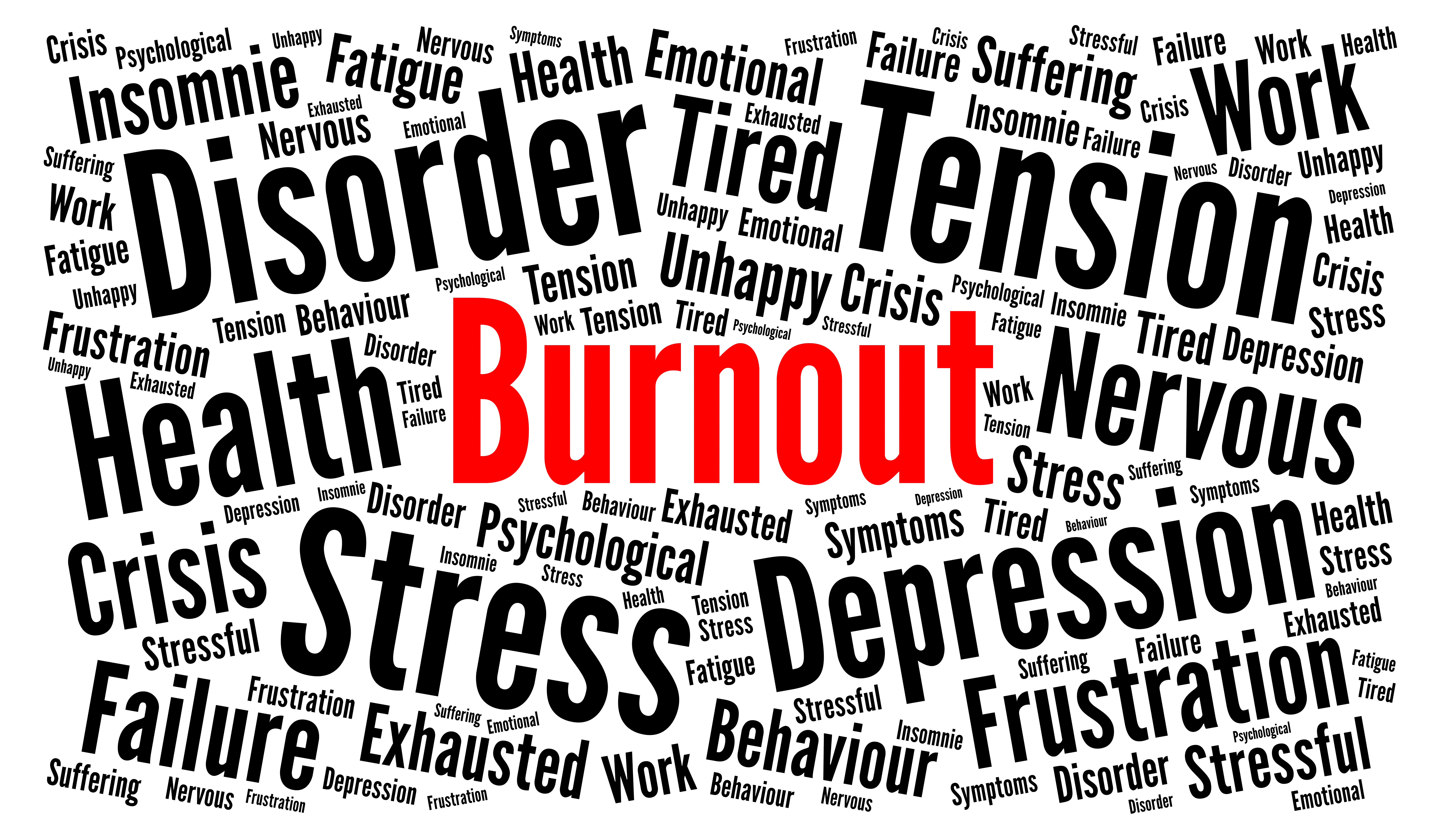
Vacation serves a critical role in stress reduction and recovery. Continuous work without adequate rest increases burnout, reduces decision-making quality, and negatively impacts physical health. Stepping away—even briefly—allows the brain to reset, improves sleep patterns, and restores perspective. Employees who take regular breaks often return more focused, creative, and resilient.

Beyond professional benefits, time away strengthens personal relationships. Being present without the pressure of schedules or deadlines creates space for deeper connection, reflection, and enjoyment—key components of overall life satisfaction.

Redefining What “Vacation” Means

While traditional vacations involve travel, hotels, and itineraries, the true value of vacation lies in disengaging from routine responsibilities. A vacation is any intentional pause that allows the mind and body to recover. For many people, smaller, more frequent breaks are not only more accessible but also more sustainable.

Everyday Activities That Qualify as a Vacation

Not all restorative time requires packing a bag. The following activities provide many of the same benefits as a traditional vacation, even without leaving town:

ActivityWhy It Feels Like a VacationTime Commitment
Digital detoxReduces mental overload and improves focus1 day
Staycation at homeBreaks routine while remaining comfortableWeekend
Nature walk or park visitLowers stress and boosts mood1–2 hours
Reading without interruptionProvides mental escape and relaxation30–60 minutes
At-home spa nightSupports physical and emotional recoveryEvening
Exploring local restaurantsAdds novelty and enjoyment1–2 hours
Taking a day off with no agendaRestores energy and mental clarity1 day
Early bedtime and slow morningImproves sleep and cognitive functionOvernight
Creative hobbiesEncourages flow and enjoyment30–90 minutes
Protecting personal boundariesPreserves time and reduces stressImmediate

The Takeaway

Vacation is less about distance and more about intention. Whether through a week away or a single unplugged afternoon, purposeful rest is essential to sustained health, productivity, and happiness. By redefining vacation as regular, restorative time—wherever it happens—individuals can build balance into everyday life rather than waiting for a once-a-year escape.

Why Close Calls Matter: A Reminder to Live Intentionally

Some days arrive quietly, slipping into our routine without warning. Others crash in like a wave… loud enough to shake the walls of your life and remind you just how thin the line is between normalcy and catastrophe. Yesterday was one of those days for me. A day when “cheating death” and “just another day working from home” felt like they were separated by inches, seconds, or maybe just luck.

It started like any other morning. Same route. Same coffee. Same rhythm that carries me from one day to the next without much thought. But all it takes is one moment—a car swerving a little too close, a ladder giving way, a near-miss in the driveway, a medical scare that hits you out of nowhere to jolt you awake in a way caffeine never could. I found myself standing there, heart racing, realizing that if one variable had shifted just slightly, today’s story might have ended very differently.

In that instant, everything sharpens. The things you stress about every day suddenly feel small. The people you love seem closer. Even the air feels different, heavier with meaning. And I couldn’t help but ask myself: Was this just another close call… or was I being reminded to live with more intention?

We treat our routines like armor—predictable, reliable, safe. But the truth is, life does not send warnings. It does not offer do-overs. It simply unfolds, moment after moment, whether we’re paying attention or not. And when you brush up against danger, even for a second, it becomes impossible to ignore how fragile all of this really is.

What I realized today is simple: surviving a close call isn’t just about walking away. It’s about what you walk away with. Perspective. Gratitude. Maybe even a renewed sense of purpose. It’s a reminder that every ordinary day is actually extraordinary when you think about the sheer number of things that must go right just for us to make it home.

So yes, maybe it was just another day working from home. Or maybe it was a moment meant to wake me up, slow me down, and push me to appreciate the life I’ve been busy rushing through.

Either way, I’m here. I’m breathing. And that alone is enough to make today another good day.

Mindfulness Tips for a Richer and Healthier Life Experience

Many people in the world are rediscovering the importance of treasuring each day as if it were their last. Not out of fear, but out of appreciation. Life’s most meaningful moments often unfold in the small, overlooked details—the morning sunlight, a shared laugh, a simple conversation and yet these are the things we forget to honor until they’re gone.

Experts in mental health and relationship wellness say that valuing each day can significantly improve emotional resilience, physical health, and relationship satisfaction. When people slow down long enough to notice what matters, they often find themselves more connected, more grounded, and more fulfilled.

“Life becomes richer when we stop rushing through it,” says Dr. Lena Howard, a wellness researcher. “When individuals live with intention and gratitude, they strengthen their emotional bonds and experience greater overall well-being.”

Treasure today, and today treasures you back. By treating each moment as meaningful, we shift from surviving to truly living and that shift creates powerful ripples across our relationships, our mental health, and our sense of purpose.

Why Treasuring Each Day Matters

Living with appreciation transforms everyday routines into opportunities for growth and connection. Studies show that mindfulness and gratitude reduce stress, improve heart health, and enhance emotional intelligence, which are key factors in building long-lasting, healthy relationships.

When people practice gratitude and presence, they communicate better, react more calmly, and express their emotions more clearly. This leads to more trust, fewer conflicts, and a deeper sense of partnership.

In short: Better habits create better health, and better health creates wealth—not just financial wealth, but wealth of spirit, peace, and emotional stability.

Things People Can Do to Enhance Their Relationships and Strengthen Their Health

1. Communicate With Intent

Speak to understand, not just respond. Share your feelings honestly and calmly. Listen without planning your comeback.

2. Practice Daily Gratitude

Tell your partner one thing you appreciate about them every day. Keep a short gratitude journal to remind yourself of what’s going right.

3. Prioritize Health as a Team

Cook healthy meals together. Take evening walks or do light exercise side by side. Hold each other accountable without criticism.

4. Create Meaningful Rituals

Morning coffee together Unplugged dinners Weekly check-ins about life and emotions

These routines build emotional safety and closeness.

5. Slow Down on Purpose

Schedule “distraction-free” time—no phones, no TV. Practice being present in the moment, not lost in your thoughts.

6. Solve Problems Instead of Winning Arguments

Focus on finding solutions, not proving points. Take breaks during heated moments to reset. Return to the conversation when calmer.

7. Show Love in Small, Consistent Ways

Handwritten notes Warm compliments Acts of service without being asked A hug when it’s needed most

Small gestures add up to huge emotional trust.

8. Build Emotional Resilience Together

Learn each other’s triggers and comfort zones. Support each other’s mental health goals. Celebrate progress, not perfection.

9. Set Shared Goals

Health goals Financial goals Travel dreams Family plans

Working toward the same vision brings couples closer and builds unity.

10. Choose Kindness—Even on Hard Days

Every relationship has conflict. But choosing kindness—especially when it’s difficult—sets the tone for healing, respect, and growth.

Living Wealthy in Spirit

Wealth isn’t measured only by money. It’s measured by emotional peace, good health, and strong relationships. When you treasure each day, treat people with care, and honor your health, you create a life that feels full no matter what challenges come your way.

Every sunrise is a gift. Every conversation is a chance to connect. Every day is an opportunity to love harder, grow deeper, and live with purpose.

Treasure it.

Why Relationships Fail — And What You Can Do to Maintain a Healthy, Lasting Connection

Relationships don’t fall apart overnight. More often, they erode quietly—through small misunderstandings, emotional distance, unspoken frustration, or unmet expectations. While every couple’s journey is unique, experts consistently point to a set of common reasons why relationships fail and a handful of proven strategies that help couples build long-lasting, healthy connections.

Why Relationships Fail

1. Communication Breakdowns
The biggest threat to modern relationships isn’t always infidelity or finances—it’s poor communication. When partners stop expressing their feelings or assume the other person “should know,” resentment begins to grow. Over time, silence can speak louder than words.

2. Emotional Disconnect
Love isn’t just a feeling—it’s a consistent effort. When partners disengage emotionally, stop listening, or withdraw to avoid conflict, the relationship begins to feel one-sided. Emotional disconnect often comes before physical distance.

3. Unresolved Conflict
Every couple argues. What matters is how they resolve it. Many relationships fall apart because partners attack each other instead of the issue, recycle old grievances, or avoid discussing problems altogether. Issues left unresolved eventually become too big to ignore.

4. Lack of Appreciation
People need to feel valued. When affection fades or appreciation stops, partners begin to feel taken for granted. Small gestures—like saying thank you or acknowledging efforts—play a massive role in sustaining love.

5. Different Life Goals
People grow. Sometimes they grow together; sometimes in different directions. Misalignment in goals—finances, parenting, lifestyle, or values—can slowly create a divide that becomes difficult to re-cross.

6. Broken Trust
Trust is the foundation of every healthy relationship. Whether it’s dishonesty, secrecy, or betrayal, cracks in trust can cause lasting damage if not addressed openly and sincerely.


What You Can Do to Build and Maintain a Healthy Relationship

1. Communicate Clearly and Often
Healthy relationships thrive on clear, respectful communication. Make it a priority to talk daily—your feelings, your concerns, your appreciation. Avoid assumptions; ask questions. Listen with the intent to understand, not respond.

2. Practice Transparency
Honesty builds safety. Be open about finances, fears, plans, and mistakes. Vulnerability may feel uncomfortable, but it creates deeper connection and trust.

3. Resolve Conflicts Constructively
Instead of competing with your partner, collaborate with them.

  • Focus on the issue, not the person
  • Avoid yelling or shutting down
  • Take breaks if emotions get too high
  • Use phrases like “I feel…” instead of “You always…”

Healthy conflict actually strengthens relationships.

4. Prioritize Quality Time
Busy schedules can kill intimacy. Commit to regular time together—date nights, technology-free evenings, morning routines, or shared hobbies. Connection is built through intentional time, not convenience.

5. Show Appreciation Daily
Gratitude keeps relationships warm. Compliment each other, acknowledge effort, and celebrate small wins. Feelings of appreciation fuel emotional closeness.

6. Keep Growing — Individually and Together
A healthy relationship is two whole people choosing each other every day. Encourage each other’s goals, celebrate achievements, and have conversations about future plans often. Growth should be a shared journey.

7. Seek Help When Needed
There’s no shame in counseling or therapy. Sometimes a neutral third party can open doors to healing that couples can’t access alone. Early intervention prevents deeper issues from developing.


The Last Word

Relationships fail when effort stops, communication fades, and partners drift instead of reconnecting. But with intention, honesty, and consistent care, love can not only survive—it can thrive.

Healthy relationships aren’t perfect; they’re built. Every conversation, every choice, and every moment of understanding helps create the foundation for a stronger future together.

Listen to Your Body: Early Signs of Emotional Distress

When something in our lives isn’t right, the first signs often appear long before we consciously recognize the problem. These early warnings rarely shout—they whisper. They show up in the body, in our thoughts, and in small changes to how we move through the world. Yet too often, we brush them off, assuming we’re just tired, stressed, or “going through a phase.” But the truth is simple: when something is wrong, our physical and mental health speak up—even when we aren’t ready to listen.

The Body Keeps Score: Physical Signs Something Is Off

Our bodies are built to warn us. Whether the issue is emotional strain, life imbalance, or a deeper mental health challenge, the physical symptoms tend to show up first.

Common signs include:

  • Fatigue that rest doesn’t fix
    Not just being tired—but a deep, draining exhaustion that lingers no matter how much sleep you get.
  • Headaches, migraines, or muscle tension
    Stress and emotional strain often accumulate where we least expect: shoulders, jaw, temples, and back.
  • Stomach issues
    Anxiety and internal conflict frequently manifest as nausea, loss of appetite, or digestive problems.
  • Sleep changes
    Trouble falling asleep, waking up throughout the night, or oversleeping can all signal an internal imbalance.

These symptoms are easy to overlook, especially in a world that praises pushing through discomfort. But ignoring the physical signs can allow small problems to grow into larger ones.

When the Mind Speaks: Mental and Emotional Symptoms

Just as the body reacts, the mind offers its own warnings when something is wrong. They are often subtle at first—small shifts in how we think or feel.

  • Lack of motivation or joy
    Activities you once enjoyed feel dull, or you find yourself going through the motions without connection.
  • Irritability and frustration
    When underlying issues build, even minor inconveniences can feel overwhelming.
  • Racing thoughts or constant worry
    A sign that your mind is working overtime trying to solve a problem you haven’t fully acknowledged.
  • Emotional numbness
    Perhaps the most misunderstood symptom—sometimes the mind shuts down to protect itself.

Mental and emotional health aren’t separate from physical health. They’re intertwined. When one suffers, the other often follows.

Why We Ignore the Signs

Many people push through discomfort because slowing down feels inconvenient—or uncomfortable. Admitting something is wrong means acknowledging that change may be required, and change is rarely easy. Society often encourages us to “stay strong,” “keep going,” or “not make a big deal out of it.”

But ignoring these signs doesn’t make them disappear. It simply delays the moment we must face them.

Recognizing the Truth: Something Needs Attention

The moment we start listening—truly listening—to our bodies and minds, we reclaim control. Whether the issue is work stress, relationship strain, personal loss, or a deeper mental health condition, acknowledging the signs is the first step toward healing.

What You Can Do When Something Feels Wrong

  • Pause and reflect. Take a moment to ask yourself: What changed? What am I feeling? Have I been avoiding something?
  • Talk to someone you trust. Sometimes saying it out loud helps clarify what’s really going on.
  • Seek professional support. A doctor, therapist, or counselor can help identify physical or emotional causes.
  • Practice gentle self-care. Rest, hydration, movement, or stepping away from stress can provide clarity.
  • Don’t dismiss the signs. Your body and mind are communicating with you for a reason.

A Simple Truth

When something is wrong, we often feel it long before we fully understand it. The signals—whether physical tension or emotional exhaustion—aren’t weaknesses. They’re messages. And listening to them isn’t just self-awareness—it’s self-preservation.

If you’re feeling “off,” trust that instinct. It’s your body and mind working together to guide you back to balance.

Understanding Mental Health Medication: Benefits and Challenges

Mental health is finally receiving the attention it deserves. Millions rely on therapy, lifestyle changes, support systems — and for many, medication — to help manage conditions such as anxiety, depression, ADHD, and mood disorders. While medication can be life-changing, understanding both its benefits and drawbacks is essential. And in a time of rising drug shortages and pharmacy delays, knowing what to do when your prescription isn’t filled can make a real difference.


The Benefits of Mental Health Medication

1. Symptom Relief

For many, medication provides meaningful relief from overwhelming symptoms. Antidepressants can help stabilize mood, anti-anxiety medications can reduce panic, and ADHD medications can improve focus and daily functioning. For some individuals, the improvement can be dramatic and fast-acting.

2. Better Daily Functioning

When symptoms ease, everyday responsibilities — work, school, family life — become more manageable. Medication often helps people regain a sense of control and stability.

3. Improved Quality of Life

Mental health medications can enhance sleep, energy levels, motivation, and emotional well-being. Many patients report feeling “themselves again” after the right treatment plan is established.

4. Works Well With Therapy

Medication often enhances the results of therapy. When intrusive thoughts or overwhelming emotions are reduced, individuals can better engage in cognitive-behavioral therapy, mindfulness, or other therapeutic approaches.


The Drawbacks and Challenges

1. Side Effects

All medications carry risks — including weight changes, sleep disturbances, jitters, sexual side effects, nausea, emotional blunting, or headaches. Some side effects fade; others require adjusting dosage or switching prescriptions.

2. Trial-and-Error Period

Finding the right medication often takes time. Some people need several adjustments before achieving the right balance, which can be frustrating.

3. Dependence or Tolerance Risks

Certain medications — especially benzodiazepines or stimulant-based prescriptions — may carry dependency risks. These must be monitored closely by a healthcare provider.

4. Stigma

Despite progress, some still face judgment or self-doubt when taking prescription mental health medications. This can discourage people from seeking help or staying consistent with their treatment plan.


When the Pharmacy Doesn’t Fill Your Prescription

Unfortunately, delays happen more often than people realize. Reasons include:

  • Medication shortages
  • Insurance approval issues
  • Pharmacy stocking errors
  • Miscommunication between doctor and pharmacy
  • Technical problems with e-prescriptions

When this happens, it can create anxiety — especially if your medication is essential for daily functioning. But there are steps you can take.


What You Should Do If You’re Waiting on an Unfilled Prescription

1. Call the Pharmacy Directly

Don’t wait for an automated message. Speak to a pharmacist or technician to find out what the issue is. Sometimes it’s a quick fix — like updating insurance information or transferring your script.

2. Ask If They Can Transfer to Another Pharmacy

If your medication is in short supply locally, another pharmacy may have it in stock. You don’t have to wait days if you can fill it somewhere else.

3. Contact Your Prescribing Provider

If the shortage is long-term or your insurance denies coverage, your provider may:

  • Suggest an alternative medication
  • Adjust your dosage temporarily
  • Submit a prior authorization
  • Call in an emergency supply

4. Ask About Partial Fills

Some pharmacies can give you a few days’ worth of medication while they wait for the rest. This isn’t available for every drug, but it’s worth asking.

5. Use Coping Strategies While Waiting

While not a substitute for medication, these can help reduce symptoms:

  • Breathing exercises and grounding techniques
  • Journaling your thoughts or worries
  • Light exercise or stretching
  • Meditation or short mindfulness practices
  • Talking to someone you trust
  • Limiting caffeine, alcohol, and high-stress activities

These strategies support your mind and body while you wait, helping you stay anchored.

6. Monitor Your Symptoms

If you begin to feel worse or unsafe, call your provider immediately. For extreme distress, call emergency services or your local crisis hotline.


Whats the Point

Mental health medication can be a crucial tool — helping millions regain balance, clarity, and stability. But like any treatment, it comes with challenges. Pharmacy delays can be discouraging, but with the right steps, you can advocate for yourself and stay supported while waiting.

Taking care of your mental health is a journey — and knowing what to do during setbacks helps you stay in control every step of the way.

Reflections on Gratitude: Another Year of Growth

As the year winds down, I’ve found myself taking stock of everything that has shaped the past twelve months. No holidays needed—just a quiet moment to appreciate what mattered, what changed me, and what I’m grateful for. And honestly, it’s been a year worth celebrating in its own way.


Thankful for: An Unforgettable Trip to Portugal

This year gave me the chance to travel to Portugal—an experience that left me with memories that still feel fresh every time I think about them.
The food, the views, the history, the people… it all created something I’ll carry with me for the rest of my life.
I’m thankful I got to see more of the world and step outside the normal routine long enough to appreciate just how big and beautiful life can be.


Thankful for: The Best Wife and Family Anyone Could Ask For

Above everything else, my gratitude starts with the people closest to me.
I have a wife who supports me, challenges me, lifts me up, and stands with me through every high and low. I don’t take that for granted.
And my family—there’s no better word for it—they’re the foundation. Their encouragement, humor, strength, and love have shaped every success and softened every setback.
This year reminded me that I’m surrounded by people who make life better, brighter, and fuller.


Thankful for: Growth Instead of Loss in the Markets

The markets didn’t always make sense this year (do they ever?), but instead of losing, I gained—knowledge, perspective, patience, and confidence.
From exploring new investments to studying market behavior, I came out smarter than I went in.
Every dip, every rally, every confusing headline ended up teaching me something, and I’m thankful for the journey as much as the results.


Thankful for: Becoming More Insurance-Savvy Than I Ever Expected

This year wasn’t just about financial markets—it was also about sharpening what I know in the world of insurance.
From policy details to coverage types, from understanding risks to explaining them, I learned more than I expected—and it’s knowledge that actually matters.
It helps me protect myself, protect others, and make smarter decisions. I gained clarity and confidence, and that’s something to be grateful for.


Thankful for: The Lessons, the Growth, and the Wins

This year brought experiences I’ll never forget, people I’ll always be grateful for, and knowledge that will guide me for years to come.
It wasn’t perfect—but it was meaningful. And that’s what gratitude is really about: recognizing the good, the growth, and the people who walk beside you.

Here’s to a year of learning, loving, exploring, and becoming better than before.
And here’s to being thankful not just for what happened,
but for who I’ve become along the way.

Why We Always Find Ourselves Waiting: The Hidden Cost of Life’s Slowdowns

Waiting might be one of the few universal human experiences that transcends age, background, income, geography, and even personality. Whether we’re stuck in a doctor’s office long past our appointment time, refreshing a stock chart hoping for a green candle, or watching an insurance claim crawl its way through the system, waiting is a constant companion. And while it can be frustrating, it also reveals a lot about how modern life actually works.

The Doctor Will Be With You… Eventually

Anyone who has ever dealt with healthcare knows that time moves differently in a medical office. You check in early, only to wait 20 minutes to be called, 10 more in the exam room, and maybe another week to get your test results.

Doctors aren’t slow because they want to be; they’re slow because they must be. Every patient brings unpredictability. A quick check-up can instantly turn into a crisis, care requires paperwork, and healthcare systems are overloaded. But as patients, it doesn’t feel like logistics—it feels like we’re just waiting… and waiting.

Many people walk out feeling like they spent more time sitting than being seen. And that’s because they have.

Waiting on the Markets: The Slow Burn of Investing

If there’s any arena that tests patience like a doctor’s office, it’s the stock market. You can research the perfect company, run the numbers, time your entry… and still spend weeks or months waiting for the payoff.

Stocks rarely move on our schedule. Bull markets take time to build, bear markets linger longer than anyone likes, and sideways trading can feel like a cosmic joke designed to test your discipline. You watch your screen, refresh your app, maybe check the news again—just in case something changed in the last 45 seconds.

But over the long run, waiting is the strategy. The real returns historically come not from timing the market, but time in the market. Yet even knowing that, we still find ourselves impatient, hoping our future arrives faster.

Insurance: The Art of Hurry Up and Wait

Insurance is another world where waiting feels baked into the design. You file a claim and expect progress. Instead, you’re asked for more documentation, another photo, a follow-up call, a review, an inspection… and then another review.

Insurance companies aren’t trying to delay—they’re trying to verify. Risk assessment requires accuracy, and accuracy takes time. But when it’s your car, your home, your medical bill, or your livelihood on the line, the process can feel like a slow-motion movie you can’t fast-forward.

Ironically, we pay for insurance to create peace of mind, but the waiting period is often when we feel the least at peace.

Everyday Waiting: The Silent Theme of Modern Life

Outside those big moments, waiting quietly follows us everywhere:

  • Waiting for a package that says “Out for delivery” for eight hours
  • Waiting for traffic to move
  • Waiting for approval, promotion, or a simple call-back
  • Waiting for the next phase of life—marriage, career change, retirement
  • Waiting for things to “finally calm down” (which never seems to happen)

Humans weren’t built to sit in uncertainty. Psychologically, waiting triggers the same stress response as danger. Our brains want clarity and control—two things waiting rarely provides.

The Hidden Reason We Wait: Progress Takes Time

Whether it’s the doctor, the market, insurance, or our daily errands, waiting is ultimately a byproduct of systems in motion. Progress doesn’t happen in a straight line or on a schedule we set.

In many ways, waiting is proof that something is happening:

  • The doctor is giving someone else the attention you’ll soon get
  • The stock market is adjusting, recalibrating, and preparing for the next move
  • The insurance company is verifying everything you need to protect your future
  • Life is unfolding in real time—not rushed, not delayed, simply moving at its own pace

We wait because the world is constantly working behind the scenes, even when we can’t see it.

Turning Waiting Into Something Useful

While we can’t eliminate waiting, we can change what it means to us. Waiting offers a rare chance to pause—a moment to reflect, reset, or simply breathe. It forces us to surrender a little control and trust the process, uncomfortable as that may be.

Because when the moment finally comes—whether it’s the doctor walking in, your stock finally breaking out, or the insurance claim resolving—waiting reminds us that good things often take time.

And maybe, just maybe, learning to wait is one of the most valuable skills we’ll ever develop.