Cold Weather and Your Health: Why I Chose the Sunshine State

Every time the temperature drops, my body reminds me that cold weather isn’t just uncomfortable it can genuinely affect your health. I’ve felt it in my stiff joints, my dry skin, my sluggish energy, and even my mood. And honestly, that’s a big reason why I live in Florida.

Cold weather puts real stress on the body. When temperatures fall, blood vessels constrict to preserve heat, which can raise blood pressure and strain the heart. I’ve noticed that during colder stretches, even simple activities feel harder. My hands feel tight, my knees ache more, and everything seems to move a little slower. For people with arthritis or chronic pain, cold air can amplify inflammation and make daily life more uncomfortable.

Then there’s the immune system. Cold weather often forces us indoors, where germs spread more easily. Dry winter air can irritate nasal passages and weaken the body’s first line of defense against viruses. I’ve always felt more run down in colder climates… more sniffles, more sore throats, more days where I just don’t feel like myself.

Mental health takes a hit too. Shorter days and less sunlight can disrupt sleep patterns and lower serotonin levels, contributing to seasonal depression. I know that when the skies are gray and the days are short, my motivation drops. Sunshine matters more than we like to admit. Light affects our circadian rhythm, our energy, and our overall outlook on life.

Cold weather can also discourage movement. When it’s freezing outside, I’m far less likely to go for a walk, stretch, or stay active. That lack of movement compounds other health issues weight gain, stiffness, and lower cardiovascular fitness. In contrast, warm weather makes it easier to stay consistent with healthy habits.

That’s why I live in Florida. The warmth keeps my body loose, my mood brighter, and my routine intact. Sunshine makes it easier to move, easier to breathe, and easier to feel good. I’m not pretending Florida is perfect, but from a health standpoint, the benefits of warm weather are real for me.

Cold weather may be unavoidable for many people, but its effects shouldn’t be ignored. Our environment plays a larger role in our health than we often realize. For me, choosing warmth wasn’t just a lifestyle decision, it was a health decision. And every time I step outside into the Florida sun, I’m reminded I made the right one.

Low Testosterone: What I’ve Learned About Men’s Health & What We Can Do About It

For a long time, I thought feeling tired all the time was just part of getting older. I blamed stress, work, poor sleep… anything except the possibility that something deeper was going on. Like many men, I didn’t grow up hearing much about hormones, let alone testosterone. But low testosterone, often called “low T,” is a real and increasingly common issue, and it affects far more than just energy levels.

What Low Testosterone Feels Like

From what I’ve experienced and what I’ve learned low testosterone doesn’t usually announce itself loudly. It creeps in quietly. Fatigue becomes constant. Motivation drops. Muscle mass seems harder to maintain, even with regular exercise. Fat gain becomes easier, especially around the midsection. Mood changes follow irritability, brain fog, even a low-grade sense of depression.

For some men, libido drops and confidence takes a hit. For others, sleep worsens or recovery after workouts takes longer. The most frustrating part? Many of these symptoms are brushed off as “normal aging,” which means men often don’t address the root cause.

Why It’s Happening More Often

According to my doctor, testosterone levels naturally decline with age, but lifestyle plays a massive role. Chronic stress, poor sleep, excess body fat, sedentary habits, and ultra-processed diets all work against healthy hormone production. Add in environmental factors like endocrine-disrupting chemicals and it’s no surprise more men are struggling.

What stood out to me is that low testosterone isn’t just about sex drive or gym performance. It’s closely tied to long-term health, including bone density, cardiovascular health, insulin sensitivity, and mental clarity.

What I’ve Learned You Can Do About It

The good news is that low testosterone isn’t always a life sentence and it’s not always solved with a prescription right away. There are practical steps men can take to improve their levels naturally.

1. Prioritize Sleep
This one surprised me the most. Poor sleep can tank testosterone faster than almost anything else. Consistent, high-quality sleep between 7 to 9 hours supports hormone production and recovery.

2. Lift Heavy Things
Resistance training, especially compound movements like squats, deadlifts, and presses, signals the body to produce more testosterone. Long cardio sessions without strength work, on the other hand, can sometimes work against it.

3. Clean Up Nutrition
Adequate protein, healthy fats, and micro-nutrients like zinc and vitamin D matter. Crash dieting and ultra-low-fat diets can suppress testosterone. Eating enough and eating well makes a difference.

4. Manage Stress Ruthlessly
Chronic stress raises cortisol, and cortisol and testosterone do not coexist peacefully. Whether it’s walking, breathing exercises, or simply unplugging, stress management isn’t optional, it’s hormonal self-defense.

5. Reduce Excess Body Fat
Higher body fat increases estrogen conversion in men. Even modest fat loss can improve testosterone levels and overall metabolic health.

6. Get Tested and Be Honest
This may be the most important step. Blood work provides clarity. If lifestyle changes aren’t enough, medical guidance matters. Testosterone replacement therapy (TRT) can be life-changing for some men when appropriately prescribed and monitored but it should be a decision made with a qualified healthcare professional.

A Bigger Conversation Men Need to Have

What I’ve come to realize is that men’s health is often reactive instead of proactive. We wait until something is “really wrong.” Low testosterone sits in that gray area where symptoms are real, but easy to ignore.

Talking about it openly matters. Taking action early matters more. Feeling strong, focused, and engaged in life isn’t a luxury it’s a baseline we should expect and work to maintain.

Low testosterone doesn’t define a man, but ignoring it can quietly shape his quality of life. From my perspective, paying attention to the signals your body sends is one of the most responsible things a man can do for himself and for the people who rely on him.

The Healing Power of Music: From Stress Relief to Wealth Creation

I have come to believe that music is far more than entertainment. It is not just something I play in the background while working or driving. The more I study its effects and reflect on my own experiences the more convinced I become that music can be a powerful tool for improving health. And, perhaps surprisingly, it can even create pathways to wealth.

Music as Medicine for the Mind and Body

I have seen firsthand how music can shift mood almost instantly. One song can lower my stress after a long day; another can sharpen my focus when I need to think clearly. Science increasingly supports what many of us feel intuitively: music influences the brain in measurable ways.

Studies show that listening to music can reduce cortisol levels, the hormone associated with stress. Slower tempos and familiar melodies can calm the nervous system, while upbeat rhythms can increase energy and motivation. I view music as a low-cost, low-risk wellness tool one that supports mental health, improves sleep quality, and even enhances cardiovascular function by lowering blood pressure and heart rate in certain contexts.

Music therapy is now used in hospitals, rehabilitation centers, and mental health clinics. Patients recovering from strokes use rhythm to relearn movement. Individuals struggling with anxiety or depression use music to regulate emotions when words fall short. From my perspective, music meets us where we are, emotionally and physically, and helps guide us forward.

Performance, Productivity, and Daily Life

Beyond formal therapy, I notice how music shapes my productivity. When I choose the right soundtrack, I work longer and with greater clarity. There is evidence that music can improve cognitive performance, particularly for repetitive or creative tasks. It creates structure, masks distractions, and can even place the brain in a state of “flow.”

For athletes and fitness enthusiasts, music acts as a performance enhancer. Tempo and rhythm help regulate movement, endurance, and motivation. I see this as a reminder that health is not only about discipline and routine—it is also about engagement and enjoyment. Music makes healthy behaviors easier to sustain.

Can Music Create Wealth?

Here is where the conversation becomes even more interesting. Music is not only therapeutic; it is economic. The global music industry generates billions of dollars annually through streaming, live events, licensing, and merchandise. But wealth creation through music is no longer limited to record labels or superstar artists.

Today, independent musicians, producers, and content creators can monetize music through digital platforms with relatively low barriers to entry. Beyond performance, music creates income opportunities in film, advertising, gaming, wellness apps, and social media. Even passive listeners participate economically through subscriptions, royalties, and data-driven platforms.

From my viewpoint, music is also an investment in human capital. It enhances creativity, emotional intelligence, and discipline skills that translate directly into professional success. People who learn music often develop stronger memory, pattern recognition, and collaboration skills, all of which carry long-term economic value.

Health, Wealth, and the Power of Sound

I do not believe music alone is a cure-all or a guaranteed path to financial success. But I do believe it is an underappreciated lever. Music improves how we feel, how we perform, and how we connect with others. Those benefits compound over time, influencing both health outcomes and economic opportunities.

When I step back and look at the bigger picture, music sits at the intersection of wellness and wealth. It reduces stress, supports mental resilience, and fuels creativity. In a world that increasingly rewards innovation, adaptability, and emotional awareness, those qualities matter.

So, is music the answer to better health? I believe it is part of it. And can it create wealth? In the right context, absolutely. At the very least, music enriches life and that may be the most valuable return of all.

Why I Believe in Karma: Good Luck Is Not Chance, It’s Design

People often attribute success to being in the right place at the right time, I hold a different belief: good luck is rarely accidental. More often than not, it is designed, shaped by choices, intentions, and consistent actions over time. The old saying, “everything happens for a reason,” may sound simplistic, but in practice, it reflects a deeper truth about karma and accountability.

Karma, as I see it, is not a mystical force keeping score in the background. It is a practical feedback loop. How we treat people, how we handle adversity, and how we show up when no one is watching quietly influences the opportunities that later appear in our lives. Positive actions compound just like negative ones do. The difference is that positive behavior tends to open doors, while negative behavior closes them.

What many people call “good luck” is often the visible outcome of invisible preparation. It is the relationship built years earlier that leads to a timely introduction. It is the discipline of doing the right thing repeatedly that earns trust when it matters most. It is resilience through setbacks that positions someone to recognize opportunity when it finally arrives. From the outside, it looks sudden. From the inside, it is anything but.

The idea that everything happens for a reason does not suggest that every event is good or fair. Life delivers setbacks, losses, and moments that feel undeserved. However, karma shows itself in how we respond. Do we learn? Do we grow? Do we choose integrity even when it costs us in the short term? Over time, those responses shape our trajectory far more than any single event.

I have seen this play out repeatedly. People who consistently act with honesty, generosity, and patience tend to find themselves surrounded by support when they need it most. Opportunities seem to find them, not because the universe randomly selected them but because they designed a life that attracts trust and collaboration. Conversely, shortcuts and self-serving behavior may deliver quick wins, but they often come with long-term consequences that eventually surface.

Believing in karma is also believing in responsibility. It means acknowledging that our outcomes are influenced, in large part, by our own decisions. It removes the comfort of blaming luck for failure and replaces it with a more empowering idea: we have agency. We are constantly designing our future through daily choices, habits, and values.

Good luck, then, is not a roll of the dice. It is the return on investment from showing up consistently, treating people well, and doing the work when no applause is guaranteed. Karma does not operate on our timeline, but it is remarkably accurate over the long run.

Everything happens for a reason not because fate is random, but because cause and effect rarely miss. The life you are living today is, in many ways, the result of designs you made yesterday. The good news is that today’s actions are already shaping tomorrow’s “luck.”

High-Functioning Depression: What to Look For?

Depression is often portrayed as visible sadness, emotional breakdowns, or an inability to function. In reality, many people experiencing depression continue to show up to work, care for their families, and meet daily obligations, while silently struggling. These “high-functioning” or subtle forms of depression frequently go unnoticed by others and, just as often, by the individuals experiencing them.

Mental health professionals emphasize that depression does not always announce itself clearly. It can surface through physical symptoms, behavioral changes, or shifts in thinking that are easy to dismiss as stress, burnout, or personality traits. Recognizing these overlooked signals is a critical first step toward seeking support and preventing symptoms from worsening.

Below is a practical reference list of commonly missed signs of depression. Experiencing one or two does not automatically indicate depression, but persistent patterns especially over several weeks should not be ignored.


Commonly Missed Signs of Depression

  1. Chronic Fatigue Despite Adequate Rest
    Feeling consistently drained, even after sleeping, can be a sign of emotional exhaustion rather than physical tiredness.
  2. Loss of Interest in Previously Enjoyable Activities
    Hobbies, social events, or passions may begin to feel like obligations rather than sources of enjoyment.
  3. Increased Irritability or Short Temper
    Depression does not always appear as sadness; it can manifest as frustration, impatience, or anger.
  4. Changes in Appetite or Weight
    Eating significantly more or less than usual without a conscious goal can signal emotional distress.
  5. Difficulty Concentrating or Making Decisions
    Persistent “brain fog,” forgetfulness, or indecisiveness may reflect cognitive effects of depression.
  6. Withdrawing Socially While Remaining Busy
    Staying productive but avoiding meaningful conversations or relationships can be a coping mechanism.
  7. Physical Complaints With No Clear Medical Cause
    Headaches, stomach issues, or unexplained aches are frequently linked to untreated depression.
  8. Overworking or Constant Busyness
    Using work or productivity to avoid emotions is a common but often overlooked warning sign.
  9. Feelings of Hopelessness or Emotional Numbness
    A sense that things will not improve or feeling nothing at all can be more concerning than sadness itself.
  10. Sleep Changes
    Insomnia, frequent waking, or sleeping excessively are among the most common symptoms of depression.
  11. Persistent Self-Criticism or Guilt
    An ongoing internal narrative of failure or inadequacy can quietly erode mental well-being.
  12. Relying More Heavily on Alcohol or Substances
    Increased use to relax, sleep, or cope emotionally may indicate underlying distress.

When to Seek Support

If several of these signs resonate and have been present most days for two weeks or longer, it may be time to reach out for help. Depression is not a personal weakness or a failure of resilience, it is a medical condition that responds to treatment, support, and understanding.

Talking with a trusted person, scheduling an appointment with a healthcare provider, or contacting a mental health professional can be meaningful first steps. Early recognition often leads to better outcomes and prevents prolonged suffering.

Mental health challenges are common, but suffering in silence does not have to be. Awareness both personal and collective remains one of the most powerful tools for improving mental well-being.

Redesigning Work to Combat Burnout

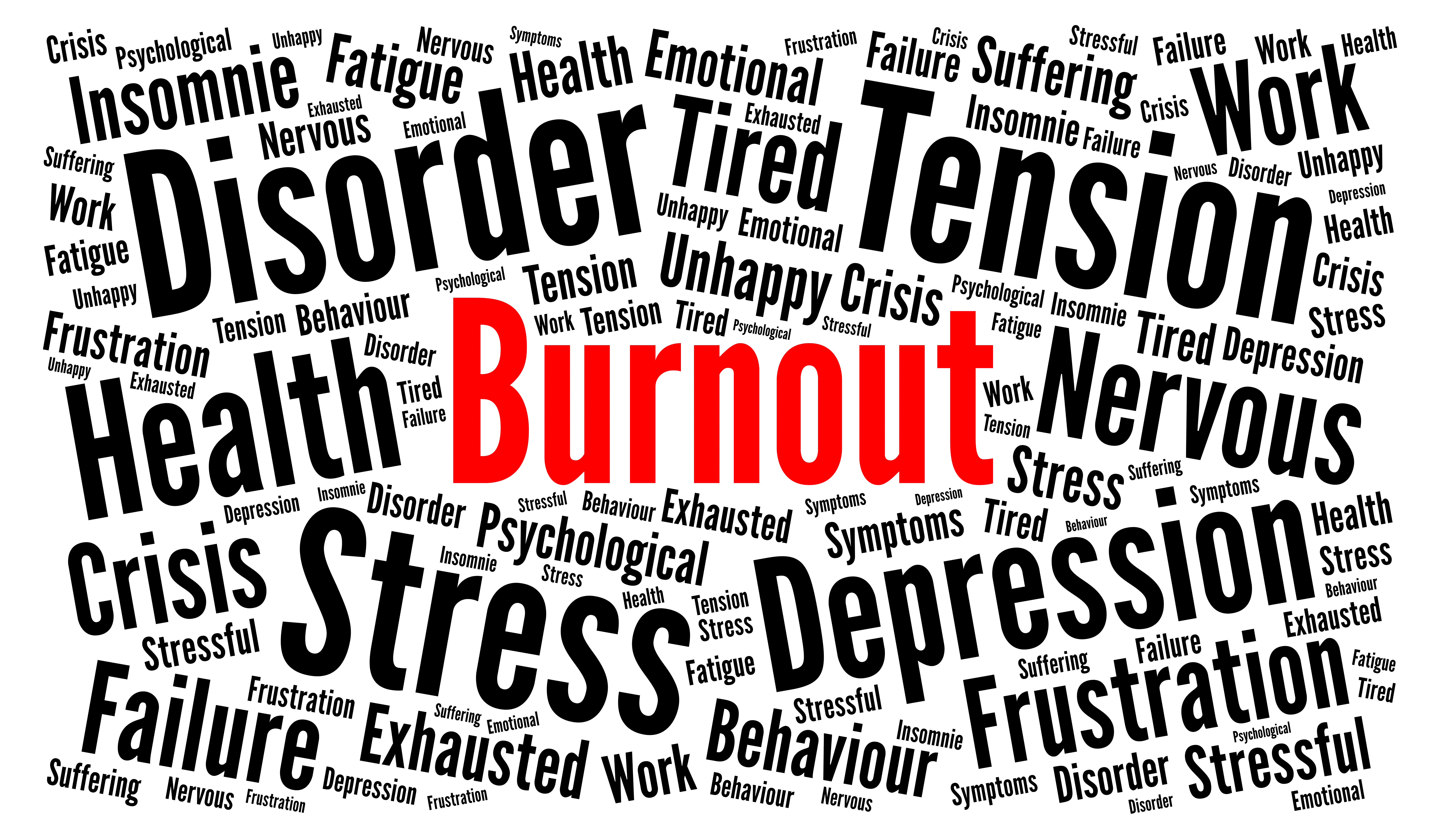
For years, burnout has been framed as a personal shortcoming: a lack of resilience, poor time management, or insufficient grit. Employees are encouraged to meditate more, exercise after work, or attend yet another wellness webinar. While these tools have value, they miss a critical truth burnout is rarely an individual failure. It is, far more often, a workplace design issue.

Modern organizations frequently reward busyness over effectiveness. Long hours are worn as badges of honor. Full calendars are equated with importance. Immediate responsiveness is treated as commitment. In this environment, exhaustion is not an anomaly it is the predictable outcome of how work is structured, measured, and led.

The Architecture of Burnout

Burnout thrives in systems with unclear priorities, constant interruptions, and unrealistic expectations. When employees are asked to do more with less, less time, less support, less autonomy and stress compounds. Add in ambiguous goals, frequent “urgent” requests, and a culture that discourages disconnecting, and burnout becomes inevitable.

Importantly, these conditions are not created by individual employees. They are embedded in workflows, performance metrics, and leadership norms. When success is defined by speed rather than sustainability, people will push themselves until they break—or leave.

Why Personal Fixes Fall Short

Placing the burden of burnout prevention on individuals can unintentionally worsen the problem. It suggests that if someone is struggling, they simply are not trying hard enough to cope. This approach ignores systemic contributors such as understaffing, poor role clarity, and chronic overwork.

Wellness initiatives cannot compensate for broken systems. No amount of mindfulness can offset a workload that consistently exceeds capacity. Without structural change, individual-level solutions amount to temporary relief at best.

Slowing Down as a Leadership Advantage

In a culture obsessed with hustle, slowing down may seem counterintuitive. Yet, it is increasingly one of the most effective leadership strategies available.

Leaders who intentionally slow the pace create space for clarity, focus, and better decision-making. They prioritize what truly matters, reduce unnecessary work, and model healthy boundaries. This does not mean lowering standards; it means designing work in a way that people can sustain high performance over time.

Organizations that embrace this approach often see measurable benefits: improved engagement, lower turnover, fewer errors, and stronger long-term results. Thoughtful pacing enables teams to think strategically rather than constantly reacting.

Redesigning Work for Sustainability

Addressing burnout requires leaders to look beyond individual behavior and examine how work is designed. Key questions include:

  • Are priorities clear and stable?
  • Are workloads realistic given available resources?
  • Do employees have autonomy over how they do their work?
  • Is rest respected, or quietly penalized?

When leaders take responsibility for these factors, burnout shifts from being a personal problem to an organizational challenge—one that can be solved through better design, not more grit.

A Cultural Reframe

Burnout is not a sign that people are weak. It is a signal that the system is strained. In a world that rewards busyness, leaders who choose to slow down are not falling behind they are building smarter, healthier, and more resilient organizations.

The future of work will not belong to those who move the fastest, but to those who design environments where people can perform at their best without burning out along the way.

The Power of Trust in Building Relationships

Most people share a common aspiration: to build powerful, long-term relationships both professionally and personally. Strong relationships at work drive collaboration, engagement, and career growth. At home, they form the foundation of emotional security, fulfillment, and resilience. Yet despite this universal desire, many people struggle with a fundamental question: where do you actually begin?

The answer, increasingly supported by organizational research and behavioral science, is clear. Enduring relationships are not built on charisma, authority, or even shared interests alone. They are built on trust and trust must come first.

The Relationship Paradox

Many people attempt to strengthen relationships by focusing on surface-level actions: networking more aggressively, communicating more frequently, or trying to “add value” as quickly as possible. While these efforts are well-intentioned, they often miss the deeper issue. Without trust, even the most consistent communication or collaboration feels transactional, guarded, or short-lived.

This creates a paradox. People want deeper relationships, but they pursue them through tactics that only work after trust already exists.

Why Trust Comes First

Trust functions as the emotional and psychological safety net in any relationship. At work, trust allows colleagues to share ideas without fear, accept feedback without defensiveness, and rely on one another under pressure. At home, trust enables vulnerability, honest conversations, and mutual support during difficult moments.

When trust is present, relationships accelerate naturally. When it is absent, progress stalls regardless of effort.

Trust is built when people experience consistency between words and actions, fairness in decision-making, and genuine concern for their well-being. It is not a single moment or declaration; it is a pattern observed over time.

Building Trust in the Workplace

In professional environments, trust often starts with reliability. Meeting commitments, respecting time, and following through on promises signal competence and integrity. Transparency also plays a critical role. Leaders and colleagues who communicate clearly especially when outcomes are uncertain or are more likely to earn credibility.

Equally important is empathy. Employees and teams trust individuals who listen, acknowledge challenges, and respond thoughtfully rather than defensively. When people feel seen and respected, collaboration becomes stronger and conflict becomes more productive.

Building Trust at Home

At home, trust is rooted in emotional consistency. Being present, keeping commitments, and responding with honesty even when conversations are uncomfortable reinforces a sense of security. Small actions often matter more than grand gestures. Listening without interrupting, apologizing sincerely, and honoring boundaries build trust incrementally but powerfully.

Over time, these behaviors create an environment where relationships can deepen naturally, even as circumstances and life stages change.

Trust as the Unlock

The reason so many people struggle to build long-term relationships is not a lack of effort or intention. It is a misunderstanding of sequence. Trust is not the result of a strong relationship; it is the prerequisite.

When trust is established first, relationships at work and at home gain momentum. Communication improves, conflict becomes manageable, and connection becomes durable. In a world where relationships are increasingly strained, focusing on trust is not just a strategy. It is the starting point.

Boost Productivity Without Stress: 7 Essential Strategies

In today’s always-connected world, many people believe productivity comes at the cost of mental well-being. Long hours, constant notifications, and unrealistic expectations often lead to burnout rather than better results. However, growing evidence and real-world experience shows that productivity and peace of mind are not opposing goals. When approached intentionally, it is possible to increase output while simultaneously reducing stress and anxiety.

The key lies in working smarter, not longer, and prioritizing habits that support both focus and emotional resilience.

Clarify Priorities Before Starting the Day
One of the largest contributors to stress is mental clutter. When everything feels urgent, nothing truly is. Readers should begin each day by identifying their top three priorities or tasks that will create the most meaningful progress if completed. This approach reduces decision fatigue and provides clarity, allowing attention to be directed where it matters most.

Adopt Time-Blocking Instead of Multitasking
Multitasking is often mistaken for efficiency, yet it significantly increases cognitive strain and anxiety. Time-blocking or assigning specific periods to single tasks encourages deeper focus and fewer distractions. By working in concentrated intervals, such as 25–50 minutes followed by short breaks, readers can maintain momentum without overwhelming their nervous system.

Set Boundaries With Technology
Constant notifications keep the brain in a reactive state, elevating stress levels and fragmenting attention. Readers should try silencing non-essential alerts, scheduling email checks, and keeping phones out of reach during focused work. These small boundaries can dramatically improve concentration and create a sense of control over the workday.

Build Recovery Into the Routine
Productivity does not come from nonstop effort; it comes from balanced energy management. Short walks, stretching, deep breathing, or stepping outside for fresh air can reset the mind and reduce anxiety. Regular recovery periods help prevent burnout and improve long-term performance.

Practice Realistic Goal-Setting
Overcommitting is a common driver of stress. Readers should aim to set achievable, clearly defined goals rather than overly ambitious to-do lists. Completing fewer tasks with intention often delivers better results and greater satisfaction than attempting to do everything at once.

Protect Sleep, Nutrition, and Movement
No productivity strategy can compensate for chronic exhaustion. Adequate sleep, balanced nutrition, and regular physical activity directly influence focus, mood, and stress regulation. Readers who prioritize these fundamentals often find they accomplish more in less time, with fewer feelings of anxiety.

Redefine What “Productive” Means
Finally, readers should challenge the idea that productivity equals constant busyness. True productivity is measured by progress, clarity, and sustainability not by how overwhelmed someone feels. When expectations shift from “doing more” to “doing what matters,” stress naturally declines.

Increasing productivity while lowering stress and anxiety is not about drastic life changes. It is about intentional adjustments creating structure, protecting focus, and honoring personal well-being. By trying these strategies, people can work more effectively while maintaining the calm and clarity needed for long-term success.

Getting Ready for the New Year: A Practical Reset for Health and Wealth After Christmas

As the Christmas decorations come down and routines begin to normalize, the period between the holidays and the New Year offers a valuable opportunity for reflection and preparation. Rather than rushing into resolutions on January 1, many individuals are using this quieter window to assess their priorities and make intentional plans for the year ahead. With 2026 approaching, two areas stand out as especially important: personal health and financial stability.

The end of the holiday season often brings extra spending, disrupted sleep schedules, and indulgent eating. Resetting now allows people to enter the New Year with clarity, momentum, and realistic goals. Experts across healthcare and financial planning consistently emphasize that small, proactive steps taken early can compound into meaningful long-term benefits.

Health Considerations to Prioritize Going Into 2026

Maintaining health is not about drastic changes, but about sustainable habits that support longevity and quality of life. As the New Year approaches, individuals may want to focus on the following:

  • Routine medical checkups: Scheduling annual physicals, dental visits, and vision exams early in the year helps catch issues before they become costly or serious.
  • Nutrition reset: Transitioning from holiday eating to balanced, nutrient-dense meals supports energy levels and metabolic health.
  • Consistent physical activity: Establishing a realistic exercise routine—whether walking, strength training, or flexibility work—improves both physical and mental well-being.
  • Sleep discipline: Returning to regular sleep and wake times can significantly improve focus, immune function, and stress management.
  • Stress management: Incorporating practices such as mindfulness, time blocking, or regular downtime can reduce burnout and improve overall resilience.

Wealth Considerations to Strengthen Financial Stability

The New Year is also an ideal time to reassess financial health and prepare for future opportunities and risks. Key areas to consider include:

  • Budget review: Evaluating holiday spending and updating monthly budgets helps prevent financial drift early in the year.
  • Emergency savings: Ensuring an emergency fund covers at least three to six months of expenses remains a foundational financial safeguard.
  • Debt strategy: Creating or refining a plan to reduce high-interest debt can free up cash flow and reduce long-term financial stress.
  • Retirement contributions: Reviewing contribution levels to retirement accounts and adjusting for income changes or new limits can significantly impact long-term outcomes.
  • Insurance coverage check: Confirming that auto, home, health, and life insurance policies remain appropriate for current circumstances helps protect against unexpected setbacks.
  • Investment alignment: Rebalancing portfolios to reflect updated goals, risk tolerance, and time horizons supports disciplined wealth-building.

Entering the New Year With Intention

Getting ready for the New Year does not require sweeping changes or unrealistic resolutions. Instead, it is about thoughtful preparation and alignment. By addressing health and wealth proactively, before January begins, individuals position themselves to move into 2026 with greater confidence, stability, and focus.

The days after Christmas are not just a cooldown from the holidays; they are a strategic pause. How that pause is used can make a measurable difference in the year ahead.

How a Positive Mindset Enhances Lifespan

I choose to maintain a positive outlook because I believe it directly impacts how long and how well I live. Positivity is not about denying challenges or pretending life is easy; it is about managing stress, protecting mental health, and giving my body and mind the best chance to function at their highest level over time.

Stress, negativity, and constant worry take a measurable toll on the body. I’ve learned that when I focus on optimism, perspective, and emotional balance, I recover faster, think more clearly, and make healthier decisions. A positive mindset encourages better habits, more movement, better sleep, stronger relationships, and greater consistency in self-care… all of which contribute to longevity and life expectancy.

Maintaining a positive outlook also strengthens resilience. Life will always present obstacles, but optimism helps me respond rather than react. That emotional stability reduces chronic stress, which research consistently links to inflammation, heart disease, and shortened lifespan. Choosing positivity becomes a form of preventive care, not just a mental exercise.

Equally important, positivity improves connection. Strong social relationships are one of the most significant predictors of long life, and optimism makes it easier to build and maintain them. Showing up with patience, gratitude, and emotional steadiness strengthens bonds that support both mental and physical health over the long term.

I remind myself daily that positivity is a discipline, not a personality trait. It requires intention, self-awareness, and practice. Some days it means reframing a setback; other days it means simply choosing calm over frustration. Over time, those small decisions compound.

By committing to a positive outlook, I am investing in more than a good mood, I am investing in energy, resilience, and longevity. My goal is not just to add years to my life, but to add life to those years.