SOFI Stock: A Promising Investment Opportunity for the Future

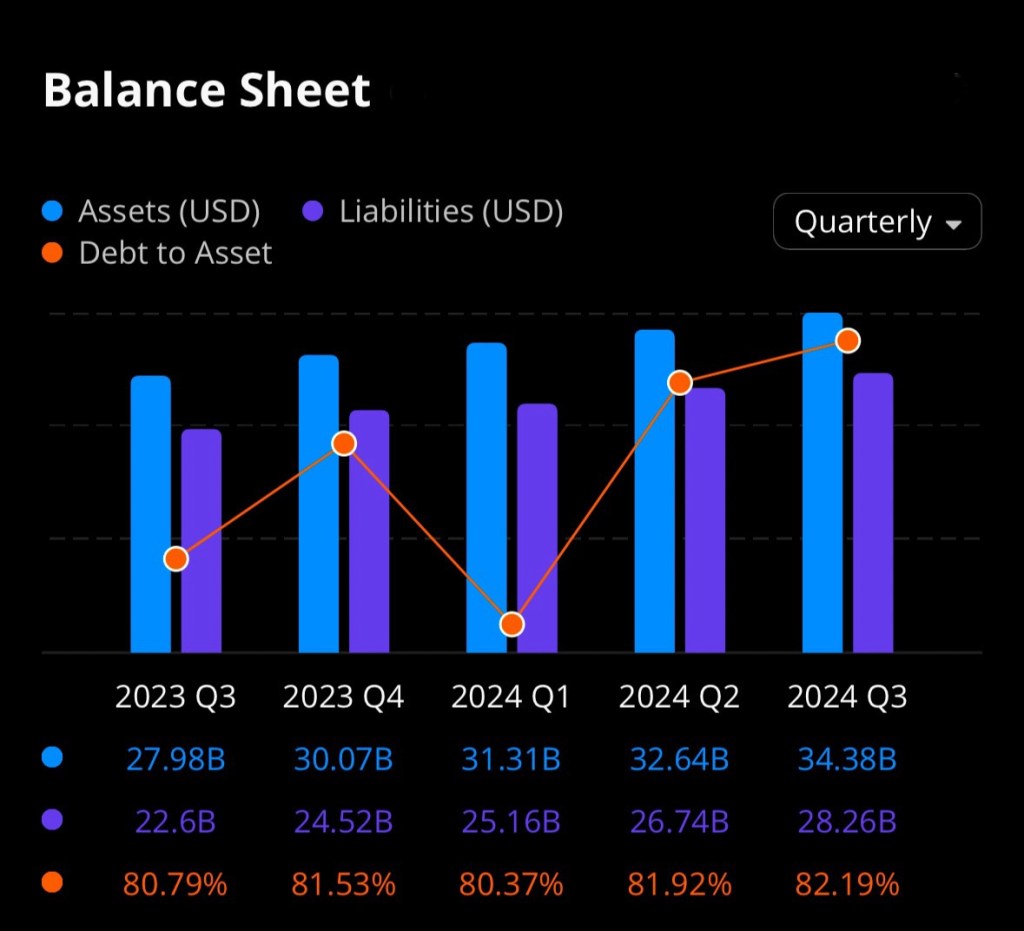
SoFi Technologies Inc. (NASDAQ: $SOFI) has been making waves in the financial services industry with its innovative approach to digital banking and lending. As a disruptor in the fintech space, SoFi is well-positioned to capitalize on the evolving preferences of tech-savvy consumers and investors alike. Here’s why SOFI stock could be a strong addition to your portfolio for the future.

  1. Expanding Product Ecosystem

SoFi offers a comprehensive range of financial products and services, including student loan refinancing, personal loans, mortgages, investment management, and checking and savings accounts. This diversified product suite not only caters to various customer needs but also promotes cross-selling opportunities within its ecosystem. The company’s “SoFi Relay” and “SoFi Invest” platforms have particularly gained traction among younger consumers who seek a seamless, all-in-one financial solution.

  1. Strong Growth Metrics

SoFi has reported impressive growth in recent quarters, driven by its increasing customer base and expanding revenue streams. The company’s membership count recently surpassed the 10 million mark, reflecting a year-over-year growth of over 40%. Such robust growth metrics highlight the effectiveness of SoFi’s business strategy and its ability to scale operations efficiently.
  1. The Digital Banking Revolution

The global banking landscape is undergoing a significant transformation, with digital-first platforms gaining popularity over traditional brick-and-mortar institutions. SoFi’s fully digital infrastructure and user-friendly mobile app place it at the forefront of this revolution. As more consumers shift to digital banking, SoFi’s market share is expected to grow, further solidifying its position in the fintech industry.

  1. Unique Competitive Advantages

One of SoFi’s standout features is its recently acquired banking charter. This allows the company to offer banking services without relying on third-party partnerships, reducing costs and improving profit margins. Moreover, SoFi’s proprietary technology and data-driven insights give it a competitive edge in delivering personalized financial solutions.

  1. Tailwinds from Student Loan Refinancing

With the federal student loan moratorium ending, SoFi’s student loan refinancing segment is expected to see a surge in demand. This development could significantly boost the company’s revenue in the near term, adding to its already strong growth trajectory.

  1. Analyst Optimism

Many analysts remain bullish on SOFI stock, citing its growth potential and strategic initiatives. The company’s focus on profitability, coupled with its expanding market reach, has garnered positive sentiment from Wall Street. Some analysts have even raised their price targets, suggesting substantial upside potential for the stock.

Risks to Consider

While SoFi’s growth story is compelling, investors should be mindful of potential risks, such as regulatory changes, competition from other fintech players, and macroeconomic factors that could impact consumer borrowing trends. Additionally, the company’s path to sustained profitability remains a critical factor to monitor.

SoFi Technologies is revolutionizing the financial services industry with its innovative products and customer-centric approach. Its strong growth metrics, expanding product ecosystem, and strategic advantages make SOFI stock a promising investment for the future. While risks exist, the company’s long-term growth potential and market leadership position offer an attractive opportunity for investors seeking exposure to the burgeoning fintech sector.

Disclosure: I currently hold a position in SoFi Technologies, Inc. ($SOFI). This article reflects my personal opinions and analysis, and is not intended as financial advice. Please conduct your own research or consult a financial advisor before making any investment decisions.

Why Renters Insurance is a Must-Have for Renters

By David Dandaneau

Renting a home or apartment can be a convenient and flexible way to live, but many renters overlook a critical aspect of their financial security: renters insurance. If you’re currently renting, here’s why this affordable coverage should be on your radar.

  1. Protect Your Personal Belongings
    Did you know your landlord’s insurance only covers the building structure, not your personal belongings? In the event of a fire, theft, or water damage, renters insurance can reimburse you for lost or damaged items such as electronics, furniture, and clothing.
  2. Liability Coverage
    Accidents happen. If someone gets injured in your rental or you accidentally damage someone else’s property, renters insurance can help cover medical and legal costs. This liability coverage can save you thousands in out-of-pocket expenses.
  3. Temporary Housing Costs
    If your rental becomes uninhabitable due to a covered event like a fire, renters insurance can help pay for temporary housing expenses, ensuring you have a safe place to stay while repairs are made.
  4. It’s Surprisingly Affordable
    Most renters insurance policies cost less than a daily cup of coffee, with monthly premiums averaging around $15–$30. This small investment provides peace of mind and financial protection against unexpected events.
  5. Peace of Mind
    Renters insurance eliminates the “what if” worries that come with renting. Knowing that you’re protected against unforeseen circumstances can help you focus on enjoying your home.

Don’t Wait Until It’s Too Late
Disasters strike when you least expect them, and the cost of replacing everything you own or dealing with liability claims can be overwhelming. By getting renters insurance, you’re taking a proactive step to safeguard your financial future.

For more information or to get started with a renters insurance policy, contact me today. I’m here to help you find affordable coverage that fits your needs and protects what matters most.

About the Author:

David Dandaneau is a insurance agent that covers the insurance and financial services industry. He is known for his insightful analysis and comprehensive coverage of market trends and regulatory developments.

How AI is Transforming Personal Finance Strategies

Artificial intelligence (AI) and cutting-edge technologies are revolutionizing the way individuals and institutions invest in their future. From personalized financial planning to sustainable investment strategies, the integration of AI into financial systems is shaping a new era of opportunity and efficiency.

AI in Personal Finance
Gone are the days when financial advice was solely the domain of human advisors. AI-driven platforms like robo-advisors are providing investors with tailored advice at a fraction of the cost. By analyzing vast amounts of data in real time, these tools offer personalized investment strategies that account for individual goals, risk tolerance, and market trends.

For instance, platforms such as Wealthfront and Betterment leverage AI to automate portfolio management, ensuring investments are optimized and rebalanced regularly. This technology empowers even novice investors to take control of their financial futures with confidence.

Predictive Analytics for Smarter Decisions
AI’s ability to process and interpret data at lightning speed is revolutionizing predictive analytics. Investors and financial institutions use machine learning algorithms to identify market trends, detect anomalies, and predict economic shifts. This insight helps mitigate risks and uncover profitable opportunities, making investment strategies more robust than ever.

Democratizing Access to Wealth-Building Tools
Technological advancements are also breaking down barriers to entry in the investment world. Apps like Robinhood and Acorns make it easy for individuals to start investing with as little as a few dollars. These platforms, often powered by AI, offer features like micro-investing, automated savings, and financial education, helping more people build wealth over time.

AI and Sustainable Investing
The growing emphasis on environmental, social, and governance (ESG) factors in investment decisions is another area where AI is making a difference. By analyzing non-financial data—such as carbon emissions, labor practices, and governance policies—AI helps investors identify companies that align with their values while delivering strong financial returns.

Challenges and Ethical Considerations
Despite its many benefits, the rise of AI in investing raises concerns about data privacy, algorithmic bias, and the potential for over-automation. Experts caution against over-reliance on AI, emphasizing the need for human oversight to ensure ethical and responsible decision-making.

A Glimpse Into the Future
As AI and technology continue to evolve, the future of investing looks increasingly dynamic and inclusive. Blockchain technology is paving the way for decentralized finance (DeFi), while advancements in quantum computing promise to unlock even greater predictive capabilities.

The integration of AI into financial systems is not merely a trend but a fundamental shift. By embracing these innovations, individuals and institutions alike can navigate the complexities of modern markets and secure their financial futures with unprecedented precision.

The Rise of Altcoins and Bitcoin: What Every Investor Should Know

The world of cryptocurrency has captured the attention of investors across the globe, with Bitcoin leading the charge as the pioneer of the digital currency era. Alongside Bitcoin, a multitude of alternative cryptocurrencies, known as altcoins, have emerged, offering unique features and investment opportunities. If you’re considering venturing into this dynamic market, understanding its fundamentals is crucial.

Bitcoin: The Foundation of Cryptocurrency
Bitcoin, created in 2009 by the pseudonymous Satoshi Nakamoto, is the first decentralized digital currency. It operates on blockchain technology, ensuring transparency and security through a distributed ledger system. Bitcoin’s scarcity—it’s capped at 21 million coins—has contributed to its reputation as “digital gold.”

Bitcoin is often viewed as a store of value and a hedge against inflation, with increasing adoption by major corporations and institutional investors. However, its price volatility remains a significant factor, requiring careful consideration before investing.

What Are Altcoins?
Altcoins refer to all cryptocurrencies other than Bitcoin. The term encompasses thousands of digital currencies with diverse purposes, from Ethereum, which facilitates decentralized applications (dApps) and smart contracts, to niche coins like Dogecoin and Cardano.

Each altcoin is designed with a specific use case. For instance:

  • Ethereum (ETH): Known for enabling smart contracts and decentralized finance (DeFi).
  • Ripple (XRP): Focused on cross-border payments and financial institution adoption.
  • Cardano (ADA): Promotes sustainability and scalability in blockchain technology.
    While altcoins can offer high returns, they often come with higher risks due to lower liquidity, lesser adoption, and a lack of widespread trust compared to Bitcoin.

Key Considerations for Investing
1) Volatility: Cryptocurrency markets are highly volatile, with prices swinging dramatically in short periods. Bitcoin and altcoins alike are subject to these fluctuations.
2) Research: Before investing in any altcoin, understand its purpose, development team, market trends, and community support. Avoid making decisions based on hype alone.
3) Security: Store your assets in secure wallets. Hardware wallets are preferred for long-term holdings, while software wallets are suitable for frequent transactions.
4) Regulatory Environment: Cryptocurrency regulations vary by country and can impact market prices. Stay informed about government policies and potential restrictions.
5) Diversification: Avoid putting all your funds into a single cryptocurrency. Diversifying between Bitcoin and selected altcoins can mitigate risks.

Risks to Watch
The cryptocurrency market is not without risks:

  • Scams: Rug pulls and fraudulent projects are common among altcoins.
  • Market Manipulation: Low-liquidity altcoins are susceptible to price manipulation by “whales.”
  • Technological Failures: Bugs, hacks, or failed upgrades can render cryptocurrencies worthless.

The Future of Cryptocurrency
Bitcoin remains the anchor of the cryptocurrency market, but altcoins are driving innovation in blockchain technology. Decentralized finance (DeFi), non-fungible tokens (NFTs), and Web3 applications are shaping the next phase of the digital economy, with altcoins playing a vital role.

For those prepared to navigate its complexities, cryptocurrency offers an exciting frontier. However, thorough research, a strong risk appetite, and a long-term perspective are essential for success in this evolving space.

Disclaimer: Cryptocurrency investments are speculative and involve substantial risk. Consult with a financial advisor before making investment decisions.

Pros and Cons of Renting vs. Owning in Retirement

As retirement approaches, many individuals face a critical decision about where and how they’ll live: should they continue owning a home or switch to renting? Both options offer advantages and challenges, and the right choice depends on personal financial circumstances, lifestyle preferences, and long-term goals.

The Case for Owning a Home
Owning a home has long been considered a key pillar of financial security, especially in retirement. For those who own their home outright, this can mean living without the burden of monthly mortgage payments and the ability to build equity over time. Here are a few reasons why many retirees choose to own:

Stability and Predictability: Owning a home provides stability and protection from rising rents, which can be especially valuable on a fixed income. Property taxes, insurance, and maintenance costs may fluctuate, but they’re often more predictable than rent increases.

Equity and Investment Potential: For those who have paid off their mortgage, a home is a valuable asset. It can be sold or leveraged as equity for a reverse mortgage, providing financial flexibility. Additionally, property values may appreciate over time, offering the potential for profit if the home is eventually sold.

Freedom and Personalization: Homeowners have the freedom to modify their living space without landlord restrictions. They can make accessibility modifications, renovate, or create the perfect environment for their retirement lifestyle.

However, owning a home also comes with responsibilities. Property taxes, maintenance, and repairs can be costly and time-consuming. For retirees who want a more carefree lifestyle, these ongoing expenses and duties may be burdensome.

The Benefits of Renting in Retirement
Renting offers a different set of advantages that can appeal to retirees looking for flexibility and less financial commitment. Here’s why renting may be the preferred option for some:

Flexibility and Mobility: Renting allows retirees to move easily without the complications of selling a home. For those who want to spend their retirement traveling, downsizing, or relocating to be closer to family or better weather, renting offers the freedom to do so without the constraints of homeownership.

Reduced Maintenance Responsibilities: With renting, landlords typically handle property upkeep and repairs, relieving retirees from the hassle and expense of home maintenance. This can be particularly appealing for those who want to avoid physical labor or unpredictable repair costs.

Access to Amenities: Many rental communities cater to retirees, offering amenities like pools, fitness centers, social activities, and transportation services. These can enhance quality of life without the added cost or responsibility of owning such amenities.

However, renting also has its downsides. Renters may face annual rent increases, which can strain a fixed income, and there is no opportunity to build equity or benefit from property value appreciation. Additionally, renters are subject to the rules and restrictions set by landlords, which may limit personalization or changes to the living space.

Financial Considerations
The financial aspect of renting versus owning is often the deciding factor for many retirees. For those with a paid-off home, staying put can be more cost-effective. However, for retirees who still carry a mortgage or have high property taxes, selling and renting might free up capital and reduce monthly expenses.

It’s also important to consider healthcare needs and long-term planning. Renting may be beneficial for those who anticipate needing assisted living or other senior services that are often available in rental communities.

Making the Right Choice
There is no one-size-fits-all answer when it comes to deciding between renting and owning in retirement. It’s essential for retirees to evaluate their financial situation, health, and lifestyle preferences. Consulting with a financial advisor or retirement planner can provide clarity and help make an informed decision.

Whether choosing to rent or own, the key is to ensure that the living arrangement aligns with one’s financial stability, comfort, and long-term happiness in retirement.

About the Author:

David Dandaneau is a insurance agent that covers the insurance and financial services industry. He is known for his insightful analysis and comprehensive coverage of market trends and regulatory developments.

Preparing for Retirement: Key Questions to Ask Yourself

As retirement approaches, the excitement of new possibilities often mingles with apprehension about the unknown. To ensure a smooth transition into this new chapter, it’s crucial to reflect on several key questions. These questions will help clarify your financial readiness, lifestyle aspirations, and overall preparedness, ensuring your retirement years are as fulfilling as they are secure.

1. Have I Saved Enough?

One of the most fundamental questions is whether you have saved enough to sustain your desired lifestyle throughout retirement. Consider the following:

  • Current Savings and Investments: Assess your retirement accounts, savings, and other investments. Are they sufficient to support you for 20-30 years, considering inflation and healthcare costs?
  • Expected Expenses: Calculate your anticipated monthly expenses, including housing, utilities, food, healthcare, and leisure activities. Don’t forget to account for unexpected costs.
  • Income Sources: Identify all potential income sources, such as Social Security, pensions, annuities, and part-time work.

2. What Will My Retirement Lifestyle Be Like?

Envisioning your day-to-day life in retirement is essential for financial and emotional planning.

  • Hobbies and Activities: What activities and hobbies do you plan to pursue? Will you travel, volunteer, or engage in new educational opportunities?
  • Living Arrangements: Do you plan to stay in your current home, downsize, or relocate to a different city or country?
  • Social Connections: How will you maintain and build social connections? Consider the role of community involvement and proximity to family and friends.

3. Am I Prepared for Healthcare Costs?

Healthcare is a significant expense in retirement. Ask yourself:

  • Insurance Coverage: Have you reviewed your Medicare options and other supplemental insurance plans?
  • Long-Term Care: Have you considered long-term care insurance or other strategies to cover potential long-term care needs?
  • Health and Wellness: How will you stay healthy and active to minimize medical costs and improve your quality of life?

4. Do I Have a Solid Financial Plan?

A comprehensive financial plan is crucial for managing your resources effectively.

  • Budgeting: Have you created a detailed retirement budget? Are you comfortable adjusting it as needed?
  • Debt Management: Have you paid off outstanding debts, or do you have a strategy to manage them in retirement?
  • Estate Planning: Have you updated your will, established a trust, or designated beneficiaries for your accounts?

5. What Will Give My Life Purpose?

Retirement is not just about financial security; it’s also about finding meaning and fulfillment.

  • Passions and Interests: What are you passionate about? How can you incorporate these passions into your daily life?
  • Volunteering and Giving Back: Are there causes or organizations you want to support through volunteer work or donations?
  • Personal Growth: How will you continue to learn and grow? Consider activities that challenge you mentally and physically.

6. Have I Consulted with Professionals?

Expert advice can provide clarity and confidence.

  • Financial Advisors: Have you consulted with a financial advisor to ensure your plan is robust and adaptable?
  • Legal Advisors: Have you sought legal advice for estate planning and other legal matters?
  • Healthcare Professionals: Have you discussed your retirement health plans with your healthcare providers?

Preparing for retirement involves more than just financial planning; it requires a holistic approach that considers your lifestyle, health, and personal fulfillment. By asking yourself these critical questions, you can create a comprehensive plan that ensures a smooth and satisfying transition into your retirement years. Take the time to reflect, plan, and seek advice, so you can embrace this new chapter with confidence and enthusiasm.

Key Considerations for a Smooth Transition into Retirement

As retirement approaches, many individuals find themselves facing a mix of excitement and anxiety. Transitioning from a structured work life to the flexibility of retirement involves careful planning and consideration to ensure financial stability, health maintenance, and emotional well-being. Here are some critical aspects to ponder as you prepare for this new chapter.

1. Financial Readiness

Ensuring financial stability is paramount for a comfortable retirement. Here are some key financial steps to take:

  • Assess Savings and Investments: Calculate your total savings, including 401(k) plans, IRAs, pensions, and other investments. Determine if these funds will sustain your desired lifestyle.
  • Budgeting for Retirement: Create a retirement budget that reflects your expected expenses. Consider housing, healthcare, travel, and daily living costs. Remember, expenses might change; some may decrease, such as commuting costs, while others, like healthcare, may increase.
  • Social Security Benefits: Decide the optimal time to start claiming Social Security benefits. While you can begin as early as 62, waiting until 70 can maximize your monthly benefits.
  • Debt Management: Aim to reduce or eliminate outstanding debts before retiring. Lower debt levels can significantly decrease financial stress.

2. Healthcare Planning

Healthcare is a critical consideration as you age. Here are steps to ensure you’re prepared:

  • Medicare Enrollment: Understand the different parts of Medicare and enroll on time to avoid penalties. Consider supplemental insurance plans to cover additional healthcare costs.
  • Long-Term Care Insurance: Evaluate whether long-term care insurance is necessary for your situation. This can help cover costs for services like nursing homes or in-home care, which aren’t covered by Medicare.
  • Health Savings Account (HSA): If you have an HSA, continue contributing to it as it can be used to pay for qualified medical expenses tax-free during retirement.

3. Lifestyle Planning

Retirement is not just about financial security; it’s also about enjoying life. Consider the following to make the most of your retirement years:

  • Hobbies and Interests: Identify activities and hobbies you wish to pursue. Staying active and engaged can contribute to your mental and physical health.
  • Volunteer Work: Many retirees find fulfillment in giving back to the community. Volunteering can provide a sense of purpose and help maintain social connections.
  • Travel Plans: If travel is a part of your retirement dream, plan your trips and budget accordingly. Look for senior discounts and travel insurance options tailored for retirees.

4. Housing Decisions

Where and how you live in retirement can greatly impact your quality of life:

  • Downsizing: Evaluate whether downsizing your home makes sense. A smaller home can reduce maintenance and utility costs.
  • Relocation: Consider relocating to a more retirement-friendly area. Some retirees choose places with lower living costs, better climate, or proximity to family and friends.
  • Aging in Place: If you prefer to stay in your current home, consider modifications that make it safer and more accessible as you age.

5. Emotional Preparation

Retirement brings a significant lifestyle shift that can affect your mental and emotional well-being:

  • Social Connections: Maintain and build social networks. Loneliness and isolation can be detrimental to your health, so stay connected with family, friends, and community groups.
  • Retirement Identity: Many people struggle with the loss of identity that can come from no longer being in the workforce. Finding new roles and activities that provide a sense of purpose is essential.

6. Legal and Estate Planning

Ensure your legal and estate affairs are in order:

  • Wills and Trusts: Update your will or trust to reflect your current wishes. Consider setting up a power of attorney and healthcare directive to manage your affairs if you become incapacitated.
  • Beneficiary Designations: Review and update beneficiary designations on retirement accounts and life insurance policies.

Preparing for retirement is a multifaceted process that requires thoughtful planning and consideration. By addressing these key areas, you can pave the way for a fulfilling and financially secure retirement. If you need help getting started give me a call, send me a message or drop me a comment below. Together we can secure the future you deserve.

Diversification with Annuities and Life Insurance Vital for Long-Term Financial Security

In the landscape of retirement planning, the traditional pillars of 401(k)s and pensions are being reassessed as sole sources of income. Amidst economic uncertainties and demographic shifts, financial experts emphasize the critical need for diversification. Annuities and life insurance emerge as essential components to fortify retirement portfolios and ensure sustained financial well-being in the later stages of life.

The Limitations of 401(k)s and Pensions:

While 401(k)s and pensions have long served as cornerstones of retirement planning, their reliance as standalone solutions is increasingly precarious. Market volatility, fluctuating interest rates, and legislative changes can impact the growth and stability of 401(k) investments, potentially jeopardizing retirees’ financial security. Similarly, the sustainability of pension funds is challenged by demographic trends, with an aging population and fewer workers contributing to these systems.

Diversification Beyond Traditional Assets:

In response to these challenges, diversification beyond 401(k)s and pensions is paramount. Annuities and life insurance products offer complementary benefits that can enhance retirement income and mitigate risks. Annuities, with their ability to provide guaranteed income streams, offer a reliable source of cash flow to supplement 401(k) withdrawals and pension payments. Whether through fixed, variable, or indexed annuities, retirees can secure predictable income to meet their ongoing expenses.

Meanwhile, life insurance serves not only as a protection for beneficiaries but also as a tool for wealth accumulation and distribution in retirement. Certain types of permanent life insurance policies accumulate cash value over time, which can be accessed tax-efficiently to supplement retirement income or cover unforeseen expenses. By incorporating these products into their retirement portfolios, individuals can diversify their income sources and reduce reliance on volatile market returns or fluctuating pension benefits.

The Importance of Comprehensive Planning:

Diversification with annuities and life insurance complements existing retirement assets and strengthens overall financial resilience. Beyond providing a safety net against market downturns or pension uncertainties, these products offer peace of mind and financial flexibility for retirees. Comprehensive planning that integrates multiple income streams ensures that retirees can weather various economic conditions and life events without compromising their standard of living or long-term goals.

Moreover, diversification extends beyond asset allocation to encompass risk management and estate planning considerations. Annuities and life insurance can play a pivotal role in protecting against longevity risk, healthcare costs, and estate taxes, safeguarding retirees’ legacies and preserving intergenerational wealth.

In navigating the complexities of modern retirement planning, diversification beyond 401(k)s and pensions is essential for long-term financial security. Annuities and life insurance products offer unique advantages that complement traditional retirement assets, providing retirees with stable income streams, asset protection, and estate planning benefits. By embracing a diversified approach to retirement income, individuals can mitigate risks, optimize returns, and achieve greater confidence in their financial futures. In an ever-changing economic landscape, adaptability and foresight are the keys to unlocking a secure and fulfilling retirement. If you need help evaluating your retirement portfolio give me a shout, send me a message or comment and lets get started by building a brighter future together.

About the Author:

David Dandaneau is a insurance agent that covers the insurance and financial services industry. He is known for his insightful analysis and comprehensive coverage of market trends and regulatory developments.

The Imperative of Saving for Retirement Today

In an era where financial security is increasingly precarious, one aspect of personal finance stands out as non-negotiable: saving for retirement. As life expectancy rises and traditional pension plans dwindle, the responsibility for ensuring a comfortable post-work life falls squarely on individuals. Despite this, a concerning number of people neglect this crucial aspect of financial planning, risking their future well-being.

The importance of saving for retirement cannot be overstated. It’s not merely about setting aside a portion of income; it’s about investing in one’s future self, safeguarding against the uncertainties that come with aging. Here are several compelling reasons why saving for retirement should be a top priority:

  1. Financial Independence:
    Saving for retirement empowers individuals to maintain financial independence in their later years. Without sufficient savings, retirees may find themselves relying solely on government assistance or family support, significantly limiting their autonomy and quality of life.
  2. Rising Life Expectancy:
    With advancements in healthcare and lifestyle, people are living longer than ever before. While increased longevity is undoubtedly a positive development, it also means that retirement savings must stretch further to cover an extended retirement period.
  3. Decline of Traditional Pension Plans:
    Traditional pension plans, which guaranteed retirees a fixed income for life, are becoming increasingly rare in today’s workforce. Instead, many companies offer defined-contribution plans like 401(k)s, placing the onus of retirement savings on employees themselves. Consequently, individuals must take an active role in saving and investing for their retirement years.
  4. Inflation and Cost of Living:
    Inflation erodes the purchasing power of money over time. Therefore, even seemingly substantial savings can lose value if not properly invested to outpace inflation. Saving for retirement involves not only accumulating wealth but also strategically managing it to ensure it maintains its real value over the years.
  5. Peace of Mind:
    Financial security in retirement provides peace of mind, allowing individuals to enjoy their golden years without the constant worry of making ends meet. Having a robust retirement savings plan in place alleviates stress and enables retirees to focus on pursuing their passions and interests.

In light of these factors, saving for retirement emerges as an imperative rather than an option. Whether through employer-sponsored retirement plans, individual retirement accounts (IRAs), or other investment vehicles, allocating a portion of income towards retirement savings is an investment in one’s future well-being.

Governments, employers, and financial institutions all have roles to play in promoting retirement savings awareness and facilitating access to retirement planning resources. However, the ultimate responsibility lies with individuals to prioritize their financial future by starting to save for retirement as early as possible.

In a world where uncertainty looms large, securing tomorrow begins with prudent financial planning today. By embracing the importance of saving for retirement, individuals can embark on their golden years with confidence, knowing that they’ve laid a solid foundation for a fulfilling and financially secure future. If you’re ready to take control of your financial future contact me and lets get started today.

Understanding Index Crediting Strategies in Fixed Index Annuities

In the realm of financial planning, Fixed Index Annuities (FIAs) stand out as a popular choice for individuals seeking stability and growth in their investments. A fundamental aspect of FIAs lies in their index crediting strategies, which play a pivotal role in determining interest credits. Here, we dive into three common crediting methods employed by FIAs and explore the factors that can potentially limit the total interest credited.

Index crediting strategies serve as the cornerstone of how FIAs operate, influencing the returns policyholders can expect on their investments. These strategies typically involve tracking the performance of specific financial indices, such as the S&P 500, and utilizing various methods to calculate interest credits accordingly.

One of the most prevalent crediting methods is the Annual Point-to-Point strategy. Under this approach, interest credits are calculated by comparing the index value at the beginning and end of a designated period, usually one year. The difference between these two points determines the interest credited to the annuity.

Another commonly employed method is the Monthly Average strategy. Here, the average index value over a series of monthly observations is calculated, and the interest credited is based on this average. This method offers a more frequent assessment of the index’s performance, potentially smoothing out volatility compared to the Annual Point-to-Point approach.

Additionally, the Daily Average strategy has gained traction among FIAs. Similar to the Monthly Average method, this strategy calculates the average index value but on a daily basis. Consequently, interest credits are determined by the average performance of the index throughout the specified period.

While these crediting methods offer flexibility and potential for growth, it’s essential to recognize the factors that can limit the total interest credited. One such factor is the participation rate, which dictates the percentage of the index’s gains that are credited to the annuity. For instance, a participation rate of 80% means that if the tracked index gains 10%, only 8% of that gain is credited to the annuity.

Moreover, caps and spreads are additional elements that can affect interest credits. Caps set a maximum limit on the potential interest credited, while spreads establish a minimum threshold that must be met before any interest is credited. Understanding these limitations is crucial for investors evaluating the performance potential of FIAs.

Index crediting strategies serve as the backbone of Fixed Index Annuities, shaping the returns investors can expect on their investments. By familiarizing themselves with common crediting methods and recognizing the factors that can impact interest credits, individuals can make informed decisions to optimize their financial portfolios. If you are considering an annuity lets schedule a time to talk, so drop me a line, give me a call or comment below.