Maintain Fitness During Holiday Chaos

Every year, millions of people decide that November and December are “throwaway months” for fitness. Between travel, family gatherings, cold weather, and endless holiday treats, it’s easy to fall into the mindset of “I’ll start again on January 1.” But here’s the truth: you don’t need a new year—you need consistency, clarity, and a realistic plan.

While motivation naturally dips during the holiday season, staying committed, even at a lighter pace, provides enormous benefits. You protect your progress, stabilize your energy levels, reduce stress, and set yourself up for a smoother, more confident start to the new year.

Below is a deeper look at how to stay on track—and a few quotes to keep you inspired along the way.


Staying the Course: A Deeper Look at Holiday Fitness Success

1. Lower the Bar (But Don’t Drop It Entirely)

Holiday seasons are unpredictable. Schedules tighten. Travel interrupts routines. But instead of ditching your plan entirely, adapt it.

A 45-minute workout becomes 15.
A full gym session becomes a walk.
Progress becomes maintenance—and maintenance is still a win.

Quote:
“Success isn’t about doing everything perfectly. It’s about refusing to do nothing.”

By scaling your workouts instead of abandoning them, you keep your discipline intact. And that discipline is what will carry you into January with momentum, not guilt.


2. Plan Around Your Life, Not Against It

You know the season will bring events, family time, and unpredictable moments. Instead of fighting them, build your fitness schedule to work with the chaos.

  • Exercise first thing in the morning to avoid evening cancellations.
  • Look ahead at your week—if you have a big dinner planned, schedule an easier workout that day.
  • If you’re traveling, plan bodyweight circuits or walking routes at your destination.

Quote:
“A busy season isn’t an excuse—it’s a reason to plan smarter.”

When movement becomes part of your weekly map, it’s far easier to stay consistent.


3. Keep 2–3 Non-Negotiables

This strategy works because it removes decision fatigue. Pick a few things you will commit to no matter what.

Examples:

  • 8,000 steps a day
  • Stretching for 10 minutes before bed
  • Drinking half your body weight in ounces of water
  • A protein-focused breakfast every morning

These small habits protect your health even when your routine shifts.

Quote:
“Consistency is built on the small promises you keep to yourself.”

Non-negotiables anchor your holiday mindset and keep you from slipping into all-or-nothing behavior.


4. Use the Power of Micro-Workouts

Micro-workouts—short bursts of exercise scattered throughout the day—are incredibly effective for maintaining energy and metabolism.

Ideas include:

  • 10–20 squats every hour
  • A 2-minute plank before showering
  • Calf raises while brushing your teeth
  • Push-ups every commercial break
  • A 5-minute walk after every meal to aid digestion

Quote:
“If you don’t have time for a full workout, you still have time for movement.”

Small chunks of effort add up to big results over the course of the season.


5. Focus on Nutrition Basics (Not Perfection)

The holidays are full of indulgence. And they should be enjoyed. But with a few simple practices, you can stay balanced:

  • Eat protein with every meal to reduce cravings.
  • Drink water consistently throughout the day.
  • Fill half your plate with vegetables before adding the festive foods.
  • Don’t skip meals to “save calories”—it backfires.

Healthy eating during the holidays isn’t about restriction—it’s about strategy.

Quote:
“Holiday food isn’t the enemy; mindless habits are.”

Enjoying your favorites with intention will help you stay in control.


6. Reconnect With Your “Why”

Motivation fades—especially during the busiest season of the year. But remembering why you started can anchor your commitment.

Ask yourself:

  • Am I doing this for my long-term health?
  • For more confidence?
  • For better energy?
  • To set an example for my family?

Your why is your personal North Star.

Quote:
“When motivation fades, purpose takes over.”

Keeping your deeper reason close makes it far easier to push through the holiday challenges.


Short & Powerful

You don’t need perfect discipline to stay healthy during the holidays—you need persistent, flexible, realistic discipline.

You can enjoy the season fully and still honor your goals.
You can celebrate without losing your progress.
You can enter January proud, strong, and already in motion.

The best gift you give yourself this year may not come wrapped in a box—it may be the commitment you choose to keep.

Celsius $CELH — A sip, a chart, and why traders/investors are watching

You try a new drink and — boom — the product tastes great. That’s exactly what happened when I tried a CELSIUS energy beverage and then went to check the stock. Celsius Holdings (ticker CELH) has been one of the market’s high-profile consumer names this year: rapid top-line growth, headline M&A and distribution moves, and a volatile but elevated share price. Here’s a concise news-style breakdown of what the company is doing, where the stock sits now, why some investors think it’s attractive, and what risks to keep in mind.


Where the stock sits right now

As of November 22, 2025, CELH is trading in the ~$39 range after a pullback from summer highs. Recent intraday and close prints in mid–late November show the stock around $38–$44 depending on the day and data feed. (Investing.com+1)

(See the chart below for an illustrative monthly price run from Oct 2022 → Nov 2025.)

The chart — price context

(Illustrative monthly closes Oct 2022 → Nov 2025; compiled show how the stock ran from low-$20s into the $50–$60 range in mid-2025, then pulled back into the high-$30s in November.) The chart below uses monthly close data gathered from public historical-price sources (illustrative).


Quick company snapshot

Celsius Holdings is a challenger in the energy and “fitness” drink space, known for zero-sugar, functional energy beverages marketed toward active consumers. Over the past 18 months the company has accelerated growth through product line extensions, international distribution deals, and material M&A — most notably the purchase of Alani Nu earlier in 2025 and the addition of Rockstar’s U.S. rights to its portfolio (with PepsiCo retaining international Rockstar ownership). The company says combined brands have been growing well above the U.S. energy category. (Celsius Holdings+1)

Revenue has moved from hundreds of millions to more than $1.3 billion in 2024 and showed continued expansion into 2025, reflecting distribution gains and the Alani Nu contribution. (Macrotrends)


Major recent catalysts (what moved the stock)

  • PepsiCo strategic expansion & stake: In August 2025 PepsiCo increased its position via convertible preferred shares and agreed to deepen distribution cooperation — PepsiCo’s ownership rose to ~11% and PepsiCo will lead distribution for the combined U.S./Canada energy portfolio. That strategic tie (and a PepsiCo board nomination) materially de-risked parts of Celsius’s distribution story and boosted investor sentiment. (Reuters+1)
  • Acquisitions & brand consolidation: Celsius acquired Alani Nu (female-focused, strong social media presence) and obtained U.S. rights to Rockstar Energy — building a “total energy portfolio.” Those moves give Celsius scale, broader consumer reach, and leverage in retailer negotiations. (Celsius Holdings+1)
  • International expansion & flavors: New distribution agreements (e.g., Suntory in the Netherlands) and new flavor launches support deeper retail penetration outside the U.S. and product innovation. (Celsius Holdings)

Investment thesis — why some investors like CELH now

  1. Distribution muscle via PepsiCo — having PepsiCo handle distribution in major channels materially increases shelf placement potential and reduces execution risk versus trying to scale purely on indie distribution. The partnership also sends a validation signal from a major CPG player. (Reuters+1)
  2. Brand roll-up strategy — combining CELSIUS, Alani Nu and the U.S. Rockstar rights creates cross-sell and SKU strategies, economies of scale on procurement/marketing, and more negotiating power with retailers and foodservice. If integration succeeds, revenue and margin expansion are plausible. (Celsius Holdings)
  3. Strong top-line momentum — year-over-year revenue growth has been large over prior years as the product reached mass retail and new channels; that revenue base makes future earnings expansion possible if margins recover. (Macrotrends)
  4. Growth + trading volatility = alpha opportunity — for traders, CELH’s pronounced swings around news (earnings, deals, distribution announcements) create short-term setups — momentum squeezes, event trades around earnings, and pullback buys after headline consolidation.

Where it might be headed — simple scenario sketch (not investment advice)

Below are illustrative, hypothetical scenarios to frame risk/reward. They are not price targets from an analyst — they are scenario examples based on company catalysts and typical valuation ranges for high-growth consumer names.

  • Bull case (successful integration & continued distribution lift): If combined brands scale and margins improve, revenue multiples could re-rate and push CELH back toward its summer highs in the $55–$75 range over 6–12 months (driven by multiple expansion + execution). Key drivers: faster retail rollouts via PepsiCo, international growth, margin leverage. (Celsius Holdings+1)
  • Base case (steady growth, some margin pressure): Continued revenue growth but slower margin recovery; stock trades in a midrange band around $35–$55 as investors balance growth with execution risk. (Macrotrends)
  • Bear case (integration/competition trouble, macro slowdown): Execution issues, weaker retail sell-through, or broader consumer pullback could push the stock below $25–$30 if growth disappoints or if the market de-rates high-growth consumer names. (FullRatio)

Sources for price and history: market feeds and historical pages (Investing.com, Yahoo Finance and similar). I(nvesting.com+1)


Risks — what could go wrong

  • Integration risk: acquisitions (Alani Nu, Rockstar U.S. rights) need careful integration; cultural or distribution missteps can sap margin and distract management. (Celsius Holdings)
  • Valuation & volatility: CELH has been a volatile, headline-driven name — sharp moves up and down occur on news. Short-term traders may profit, long-term investors must stomach drawdowns. (Investing.com)
  • Competition & category dynamics: energy and functional beverages are crowded (PepsiCo, Monster, Red Bull, private labels); sustained share gains aren’t guaranteed.
  • Profitability swings: EPS over recent trailing periods has been uneven; margins can be pressured by promotional activity and integration costs. (FullRatio)

Bottom line

Celsius is no longer a small niche brand — by revenue and deal activity it has scaled into a major, fast-moving name in energy drinks. The PepsiCo strategic tie and brand acquisitions give a clear pathway for distribution and scale, which is why many investors view CELH as an interesting growth play. That said, the stock’s rapid move higher earlier in 2025 and recent pullbacks underline both the upside and the volatility. For traders, event-driven setups and momentum plays can work; for investors, the key questions are whether integration lifts margins and whether PepsiCo’s distribution materially accelerates sustainable growth.

If you liked the drink and are thinking about buying shares, consider: (1) define whether you’re trading or investing, (2) size the position relative to the volatility, and (3) track integration and distribution KPIs (retail placements, foodservice uptake, international rollouts) as the real operational signs that the thesis is working. Official company releases, earnings calls and retail-level data will be the best evidence to watch. (Celsius Holdings+1)


Disclosure: I’m not a licensed financial advisor. This is market commentary and not personalized investment advice. Do your own research (DYOR) — check the latest filings and the company’s next earnings release — and consider speaking with a licensed professional before trading or investing.


References

Celsius Holdings. (2025). Celsius Holdings reports third quarter 2025 results [Press release]. https://www.celsiusholdingsinc.com/

Investing.com. (2025). Celsius Holdings Inc. (CELH) historical data. Retrieved November 2025, from https://www.investing.com/
(Note: Replace with direct historical-data link if desired.)

Macrotrends. (2025). Celsius Holdings revenue 2015–2025. Retrieved November 2025, from https://www.macrotrends.net/

Reuters. (2025, August 29). PepsiCo boosts stake in energy drink maker Celsius. https://www.reuters.com/

Reuters. (2025). Celsius to buy Alani Nu and combine U.S. rights to Rockstar Energy. https://www.reuters.com/

Yahoo Finance. (2025). Celsius Holdings, Inc. (CELH) stock price & historical data. Retrieved November 2025, from https://finance.yahoo.com/

Understanding Your Body’s Alarm Systems

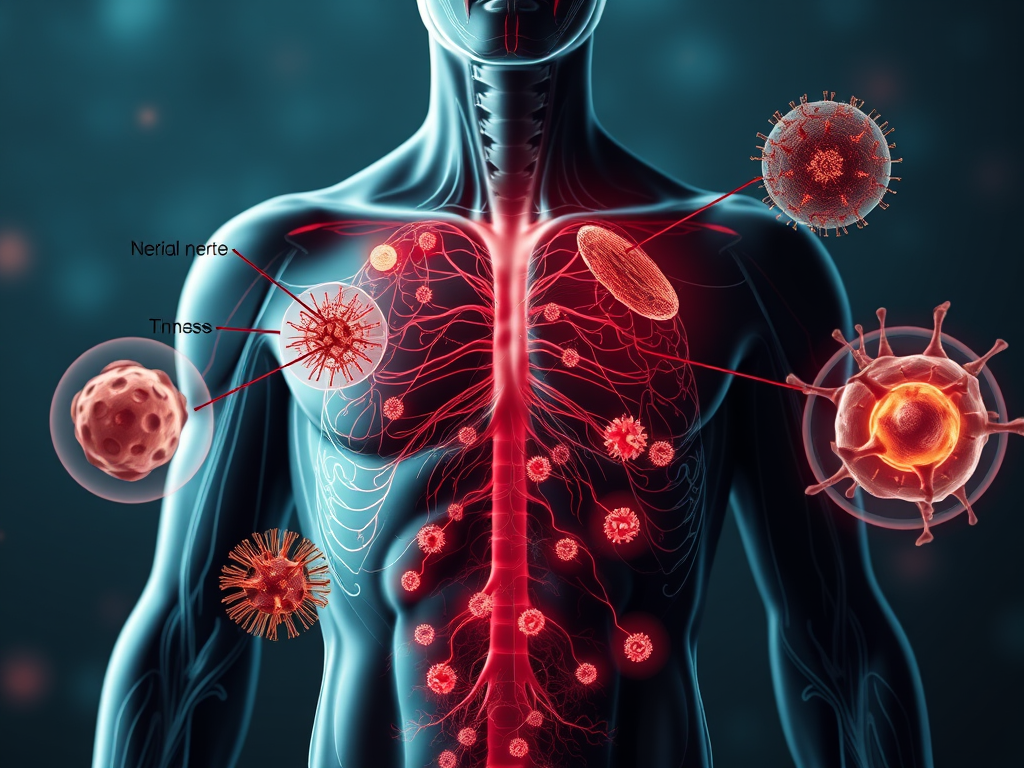
Our bodies are incredible machines—constantly adjusting, healing, and protecting us from harm. But when something goes wrong, from infection to stress or injury, the body has a built-in set of alarms and defense systems that kick into gear. Understanding these reactions can help you recognize early warning signs and take better care of your health.


1. The Stress Response

When the brain senses danger—physical or emotional—it signals the adrenal glands to release adrenaline and cortisol. This is the “fight or flight” reaction. Your heart rate speeds up, blood pressure rises, and muscles tense, preparing your body to act fast.

Common triggers: Anxiety, trauma, or sudden physical exertion.
What to watch for: Rapid heartbeat, sweating, or feeling “on edge.”


2. The Immune Response

When bacteria, viruses, or toxins invade, the immune system launches an attack. White blood cells swarm to the area, causing inflammation—redness, swelling, and warmth—as part of the healing process.

Common triggers: Infection, injury, or allergic reactions.
What to watch for: Fever, fatigue, or localized pain.


3. The Pain Response

Pain is the body’s alarm system. Nerves send signals to the brain to warn that something is wrong. Acute pain helps you react quickly—like pulling your hand away from a hot surface—while chronic pain can signal ongoing issues that need attention.

Common triggers: Injury, inflammation, or nerve damage.
What to watch for: Persistent pain that doesn’t improve with rest or medication.


4. The Hormonal Response

Hormones regulate nearly every process in the body. When something goes off balance—like blood sugar or thyroid function—the body compensates by adjusting hormone levels. Over time, these shifts can lead to fatigue, mood swings, or weight changes.

Common triggers: Stress, poor diet, lack of sleep, or illness.
What to watch for: Sudden changes in energy, appetite, or emotional state.


5. The Cellular Repair Response

Cells are constantly repairing themselves. When DNA is damaged—by sun exposure, toxins, or normal aging—the body sends repair enzymes to fix it. If this process fails, it can lead to mutations or diseases.

Common triggers: UV light, pollution, smoking, or aging.
What to watch for: Slow healing wounds or unusual skin changes.


📊 Chart: How the Body Responds When Something Goes Wrong

Body SystemTriggerResponseCommon SymptomsPurpose
Nervous SystemStress, fear, traumaFight-or-flight (adrenaline surge)Fast heartbeat, sweating, tensionPrepare for danger
Immune SystemInfection or injuryInflammation, feverSwelling, fatigue, painDestroy invaders and heal tissue
Endocrine SystemHormonal imbalanceHormone release or suppressionMood swings, weight changeMaintain internal balance (homeostasis)
MusculoskeletalInjury or strainMuscle contraction, repair signalsPain, swelling, stiffnessProtect and heal damaged tissue
Cellular/DNA RepairUV, toxins, agingDNA repair or apoptosisSlow healing, fatiguePrevent mutation and maintain function

Why it Matters

Recognizing how your body responds to stress, injury, or imbalance helps you take control of your health. Awareness leads to action—and action leads to prevention.

How Sports Have Enhanced My Health and Can Improve Yours Too

When I think about the biggest changes I’ve made to improve my health, sports are at the top of the list. For me, playing and staying active isn’t just about competition—it’s about feeling stronger, clearer, and more energized in my daily life.

Over the years, I’ve noticed how much better I feel when I make time for sports. My body is healthier, my mind is sharper, and even my outlook on life improves. The more I commit to staying active, the more I see the benefits build on each other.

What Sports Do for Me (and Can Do for You)

Here are some of the ways sports have made a positive impact on my health:

  • Boost my heart health – I can feel the difference in my stamina and endurance.
  • Build stronger muscles and bones – Staying active has helped me feel stronger and more balanced.
  • Help me manage weight – Playing sports burns off stress (and calories) at the same time.
  • Improve my flexibility and coordination – I move better and feel less stiff.
  • Reduce my stress and anxiety – There’s nothing like the mood boost after a good workout or game.
  • Help me sleep better – When I stay active, I fall asleep faster and rest deeper.
  • Strengthen my immune system – I notice I get sick less often.
  • Give me social connections – Team sports especially help me bond with others and feel part of something bigger.
  • Sharpen my focus – I concentrate better and make clearer decisions.
  • Add years to my life – Staying active makes me feel younger and healthier every day.

Why I Keep Playing

For me, sports are more than exercise—they’re a way to build confidence, relieve stress, and invest in my future health. No matter your age or skill level, there’s a sport out there for you. The key is finding something you enjoy and sticking with it.

I’ve learned that when I make time for sports, I’m not just playing a game—I’m building a better version of myself. And you can too.

How Wearables Transform Health Tracking

Wearable fitness technology has quickly evolved from a novelty into an essential tool for those committed to improving their health and wellness. From wristbands that count steps to smartwatches that monitor heart rhythms, these devices are changing the way people track, understand, and improve their physical well-being.

Revolutionizing Personal Health

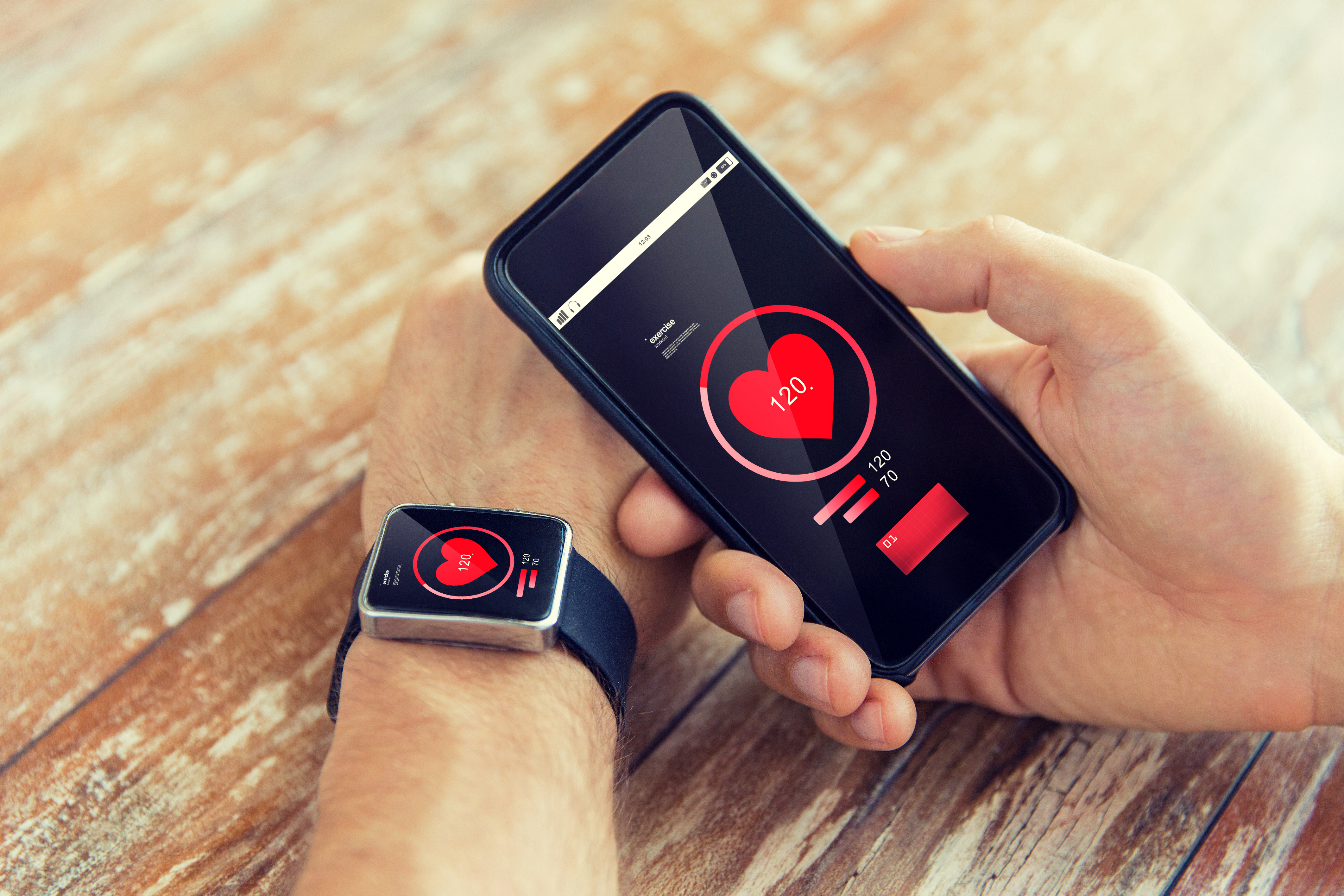
Fitness trackers like Fitbit, Apple Watch, Garmin, and Whoop are no longer just glorified pedometers. They now offer a range of features including heart rate monitoring, sleep analysis, stress tracking, oxygen saturation levels, ECG functionality, and even menstrual cycle prediction. These tools provide users with real-time feedback and long-term data that can guide decisions about exercise, diet, and rest.

“Knowledge is power,” says Dr. Elena Moore, a sports medicine physician. “When people can see their daily activity and trends over time, they’re more motivated to stay active and adjust habits to reach their goals.”

Integration with Everyday Life

Wearables are now deeply integrated with smartphones, health apps, and even digital healthcare systems. Many allow users to sync their data with services like Apple Health, Google Fit, or MyFitnessPal, enabling a holistic view of health that combines nutrition, fitness, and medical records.

With the rise of AI-powered coaching, some wearables also offer personalized workout suggestions or alerts when the user might be overtraining. “It’s like having a personal trainer on your wrist,” notes tech analyst Jordan Singh.

Impact on the Fitness Industry

The fitness industry is adapting to this trend. Gyms and personal trainers often incorporate wearable data into their programs, using metrics to customize routines and measure progress more accurately. Insurance companies, too, are starting to offer discounts for policyholders who share health data from verified devices—a move aimed at promoting preventive care.

Privacy Concerns and Challenges

Despite their benefits, wearable fitness devices raise concerns about data privacy. As these tools collect sensitive health information, experts stress the importance of strong data protections and transparent policies. Users are urged to review privacy settings and understand what information is shared with third parties.

The Future of Fitness Tracking

Looking ahead, the next generation of wearables is expected to be even more sophisticated, with sensors capable of detecting hydration levels, glucose readings, and posture correction. Smart clothing and biometric tattoos are also on the horizon, promising even more seamless health monitoring.

In a world increasingly focused on personalized health and well-being, wearable fitness tech is not just a trend—it’s a movement. As technology continues to advance, staying informed and mindful of how we use it will be key to getting the most out of every step, beat, and breath.

Why Drinking Water Boosts Energy and Focus

Coffee and energy drinks often steal the spotlight, but the true hero of daily wellness remains a humble, clear, calorie-free essential: water. Experts continue to stress the importance of staying hydrated—not just for quenching thirst but for fueling energy, supporting brain function, and promoting overall health.

Why Water Matters
Your body is made up of approximately 60% water. Every system—circulatory, digestive, muscular, and even your brain—relies on proper hydration to function at its best. Water helps regulate temperature, cushions joints, aids in digestion, and flushes out toxins. Without enough water, even minor dehydration can cause fatigue, headaches, and a lack of focus.

According to the Centers for Disease Control and Prevention (CDC), staying hydrated is key to maintaining energy levels throughout the day. Mild dehydration, defined as a 1-2% loss of body water, can significantly impair mood, memory, and performance.

Boosting Your Daily Intake
While the “8 glasses a day” rule is a general guideline, your hydration needs depend on factors such as age, activity level, climate, and overall health. Nutritionists recommend listening to your body’s cues—like thirst and the color of your urine (aim for light yellow)—as good indicators of hydration status.

Here are a few simple tips to increase your daily water intake:

  • Start your day with a glass of water to jumpstart your metabolism.
  • Carry a reusable water bottle and refill it often.
  • Infuse your water with fruits or herbs like lemon, cucumber, or mint for added flavor.
  • Eat water-rich foods like watermelon, cucumbers, oranges, and lettuce.
  • Set reminders on your phone or use a hydration tracking app.

The Bottom Line
Staying hydrated isn’t just about drinking water—it’s about prioritizing your body’s needs and setting yourself up for better health and energy. With a few small daily changes, you can feel more alert, focused, and physically resilient.

So next time you’re tempted to reach for another cup of coffee, consider filling up your water bottle instead. Your body—and your brain—will thank you.

The Fitness Connection: How Exercise Builds Friendships

Staying active is essential not just for physical health but for overall well-being. Regular exercise strengthens the body, sharpens the mind, and enhances emotional resilience. However, beyond its physical and mental benefits, fitness also serves as a powerful tool for building friendships and social connections.

The Social Side of Fitness
Whether it’s joining a gym, participating in a local running club, or attending a group yoga session, exercising with others fosters a sense of community. Studies have shown that social interactions during physical activities can increase motivation, accountability, and long-term commitment to fitness goals.

“When people exercise together, they encourage one another, share progress, and build friendships that extend beyond the gym or track,” says Dr. Emily Carter, a health and wellness expert. “It’s an excellent way to stay committed while also enjoying the support of a like-minded community.”

Breaking Isolation Through Movement
For many, social isolation has become a growing concern, especially in the wake of increased remote work and digital communication. Group fitness activities provide an opportunity to break out of solitude, fostering genuine face-to-face interactions. From recreational sports leagues to dance classes, these activities create an environment where people bond over shared interests.

John Reynolds, a 42-year-old marathon runner, shares his experience: “When I started running, I was just looking for a way to stay in shape. What I didn’t expect was finding a community that felt like family. We train together, support each other during races, and even celebrate milestones in our personal lives.”

The Mental Health Boost
Engaging in physical activities with others has been linked to improved mental health. Exercise releases endorphins, the body’s natural mood boosters, while social interactions help reduce stress and anxiety. Group workouts can also provide a sense of belonging, improving self-esteem and emotional resilience.

A recent study by the American Psychological Association found that people who engage in regular group exercises report lower levels of stress and higher overall happiness compared to those who exercise alone.

How to Get Started
For those looking to incorporate fitness and socialization into their routine, here are a few simple ways to begin:

Join a fitness class: From spin sessions to Pilates, structured group workouts provide a built-in support system.
Try team sports: Basketball, soccer, and volleyball leagues offer both physical benefits and opportunities to connect.
Sign up for community events: Charity runs, hiking meetups, and yoga in the park bring people together while promoting wellness.
Find a workout buddy: Having a partner can increase accountability and make exercising more enjoyable.

Staying active isn’t just about improving one’s physical health—it’s also a gateway to forming meaningful connections. Whether through shared goals, friendly competition, or simply the joy of movement, fitness has the power to strengthen both the body and the bonds between people.

So, the next time you lace up your running shoes or roll out your yoga mat, remember: you’re not just working out—you’re opening the door to new friendships and a healthier, happier life.

10 Simple Healthy Eating Tips for Better Well-Being

Eating healthy is essential for maintaining good health, boosting energy levels, and preventing chronic diseases. With so much conflicting information about nutrition, it can be challenging to know where to start. Here are some simple and effective healthy eating tips to help you make better food choices and improve your overall well-being.

  1. Prioritize Whole Foods

Whole foods, such as fresh fruits, vegetables, lean proteins, whole grains, and healthy fats, should form the foundation of your diet. These foods are rich in essential nutrients and are free from artificial additives and preservatives.

  1. Eat a Balanced Diet

A balanced diet consists of a variety of food groups, ensuring you get the necessary vitamins and minerals your body needs. Aim for a plate that includes proteins, carbohydrates, and healthy fats in appropriate portions.

  1. Stay Hydrated

Water is essential for digestion, circulation, and temperature regulation. Aim to drink at least 8 cups of water a day and limit sugary drinks, such as soda and artificially sweetened beverages.

  1. Limit Processed Foods

Highly processed foods often contain excess sugar, unhealthy fats, and high sodium levels. Reducing the intake of fast food, packaged snacks, and sugary treats can significantly improve your health.

  1. Practice Portion Control

Overeating, even healthy foods, can lead to weight gain and other health issues. Be mindful of portion sizes by using smaller plates, measuring servings, and listening to your body’s hunger cues.

  1. Eat Mindfully

Eating slowly and savoring each bite can help improve digestion and prevent overeating. Avoid distractions, such as watching TV or scrolling through your phone, while eating.

  1. Plan Your Meals

Meal planning helps ensure you have nutritious meals ready to go, reducing the temptation to eat unhealthy fast food. Prepare healthy snacks in advance and stock up on nutritious ingredients.

  1. Limit Added Sugar and Salt

Excess sugar and salt consumption can lead to health issues like high blood pressure and diabetes. Read food labels carefully and opt for natural sweeteners like honey or fresh fruit.

  1. Incorporate Healthy Fats

Not all fats are bad! Healthy fats, such as those found in avocados, nuts, seeds, and olive oil, support heart health and brain function.

  1. Get Enough Fiber

Fiber aids digestion, supports weight management, and helps regulate blood sugar levels. Incorporate fiber-rich foods like whole grains, beans, and vegetables into your daily diet.

By incorporating these simple tips into your lifestyle, you can enjoy a healthier, more balanced diet that benefits both your body and mind. Healthy eating doesn’t have to be complicated—small changes can make a big difference!

The Power of the Early Riser: Why Your Wake-Up Time Shapes a Winning Attitude

In a world that constantly champions productivity and success, the adage “the early bird catches the worm” holds more weight than ever. Research and anecdotal evidence alike suggest that waking up early is not just about starting your day with the sunrise, but about cultivating a winning attitude that permeates every aspect of life. Here’s why the time you wake up can make all the difference.

The Science of Waking Up Early

Numerous studies have shown that early risers tend to exhibit characteristics associated with a winning attitude, such as enhanced productivity, better mental health, and improved physical health. A study by the University of Toronto found that early risers are generally happier and healthier than night owls. The reason? Our bodies are wired to respond to the natural light and dark cycles, known as circadian rhythms. Aligning our waking hours with daylight helps regulate our biological clock, leading to better sleep quality and overall well-being.

Productivity and Focus

Waking up early provides a head start on the day. Morning hours are typically free from distractions, offering a quiet and focused environment conducive to deep work. Successful individuals like Apple CEO Tim Cook and Virgin Group founder Richard Branson swear by their early morning routines. These quiet hours allow for strategic planning, goal setting, and tackling high-priority tasks before the demands of the day begin to mount.

Mental Health Benefits

The psychological benefits of waking up early extend beyond mere productivity. Early risers often report lower levels of stress and anxiety. According to a study published in the journal Psychiatric Research, those who wake up earlier tend to have more positive moods and are less likely to develop depression. This is partly due to the sense of control and accomplishment that comes with starting the day early and partly because early risers are more likely to engage in morning exercise, which has well-documented mood-boosting effects.

Physical Health and Fitness

Morning routines often include time for physical activity, which is crucial for maintaining a healthy body and mind. Regular morning exercise boosts metabolism, improves energy levels, and enhances cognitive function. Additionally, those who wake up early are more likely to eat a healthy breakfast, which sets a positive tone for dietary choices throughout the day. The combination of physical activity and good nutrition contributes to overall fitness and well-being, essential components of a winning attitude.

Building Discipline and Resilience

The habit of waking up early requires discipline, a trait that is integral to success. Overcoming the initial struggle to leave the comfort of bed builds mental resilience. This discipline often translates into other areas of life, fostering a mindset that embraces challenges and persists in the face of obstacles. The ability to consistently wake up early, even when it’s difficult, reinforces a growth mindset and a strong work ethic.

In essence, the time you wake up sets the tone for the rest of your day. Early risers gain a psychological and practical edge, cultivating a winning attitude that is reflected in their productivity, mental health, physical well-being, and overall life satisfaction. While waking up early is not a panacea and individual preferences vary, the benefits of aligning your schedule with natural circadian rhythms and seizing the morning hours cannot be overstated. For those striving for success, the first step might just be as simple as setting an earlier alarm.

Common Misconceptions About Nutrition and Healthy Eating

In today’s information age, navigating the world of nutrition and healthy eating can be overwhelming. With countless diets, conflicting advice, and a plethora of “superfoods” touted for miraculous benefits, it’s easy to get lost in misinformation. Here, we debunk some of the most common misconceptions about nutrition and healthy eating.

Myth 1: Carbs Are the Enemy

Carbohydrates often get a bad rap, especially with the popularity of low-carb diets like keto and Atkins. However, not all carbs are created equal. Whole grains, fruits, vegetables, and legumes are rich in essential nutrients and fiber. They provide sustained energy and are a vital part of a balanced diet. Cutting out carbs entirely can lead to nutrient deficiencies and lack of energy.

Myth 2: Fat-Free Means Healthy

The fat-free craze of the 1990s led many to believe that all dietary fat is bad. However, fats are essential for absorbing vitamins A, D, E, and K, and for maintaining cell membranes. The key is to choose healthy fats, such as those found in avocados, nuts, seeds, and olive oil, and to avoid trans fats and excessive saturated fats.

Myth 3: You Need to Detox Your Body

Detox diets and cleanses promise to rid the body of toxins and promote rapid weight loss. However, the body is naturally equipped with its own detoxification system—the liver, kidneys, and digestive tract. No scientific evidence supports the need for external detox products. A balanced diet, regular exercise, and adequate hydration are sufficient for maintaining your body’s natural detoxification processes.

Myth 4: Skipping Meals Helps You Lose Weight

Skipping meals, especially breakfast, can lead to overeating later in the day and disrupt your metabolism. Regular, balanced meals help maintain stable blood sugar levels and prevent the extreme hunger that leads to poor food choices. Eating a nutritious breakfast can kickstart your metabolism and provide the energy needed to start your day.

Myth 5: All Calories Are Equal

While calorie counting can be helpful for weight management, not all calories have the same nutritional value. For instance, 200 calories from a sugary soda do not provide the same nutrients as 200 calories from a serving of mixed nuts. Nutrient-dense foods provide vitamins, minerals, fiber, and other beneficial compounds, which are essential for overall health.

Myth 6: Supplements Can Replace a Balanced Diet

Dietary supplements can be beneficial for addressing specific deficiencies, but they should not replace whole foods. Whole foods offer a complex matrix of nutrients that work together synergistically. Over-reliance on supplements can lead to imbalances and neglect the benefits of a diverse diet.

Myth 7: Eating Late at Night Causes Weight Gain

The idea that eating late at night directly causes weight gain is a misconception. What matters more is the total caloric intake and the quality of the food consumed throughout the day. Eating a large, unhealthy meal late at night can lead to weight gain, but this is due to overall poor dietary habits rather than the timing of the meal.

Myth 8: You Must Avoid Gluten to Be Healthy

Unless you have celiac disease or gluten sensitivity, there is no need to avoid gluten. Whole grains that contain gluten, such as wheat, barley, and rye, are rich in fiber, vitamins, and minerals. A gluten-free diet can sometimes be lower in fiber and other important nutrients, making it less healthy for people without gluten-related disorders.

Understanding the facts about nutrition is crucial for making informed dietary choices. Instead of falling for trendy diets and misconceptions, focusing on a balanced diet rich in whole foods, healthy fats, lean proteins, and complex carbohydrates can lead to better health and well-being. Consulting with a registered dietitian or nutritionist can also provide personalized advice tailored to your individual needs.