SOFI Stock: A Promising Investment Opportunity for the Future

SoFi Technologies Inc. (NASDAQ: $SOFI) has been making waves in the financial services industry with its innovative approach to digital banking and lending. As a disruptor in the fintech space, SoFi is well-positioned to capitalize on the evolving preferences of tech-savvy consumers and investors alike. Here’s why SOFI stock could be a strong addition to your portfolio for the future.

  1. Expanding Product Ecosystem

SoFi offers a comprehensive range of financial products and services, including student loan refinancing, personal loans, mortgages, investment management, and checking and savings accounts. This diversified product suite not only caters to various customer needs but also promotes cross-selling opportunities within its ecosystem. The company’s “SoFi Relay” and “SoFi Invest” platforms have particularly gained traction among younger consumers who seek a seamless, all-in-one financial solution.

  1. Strong Growth Metrics

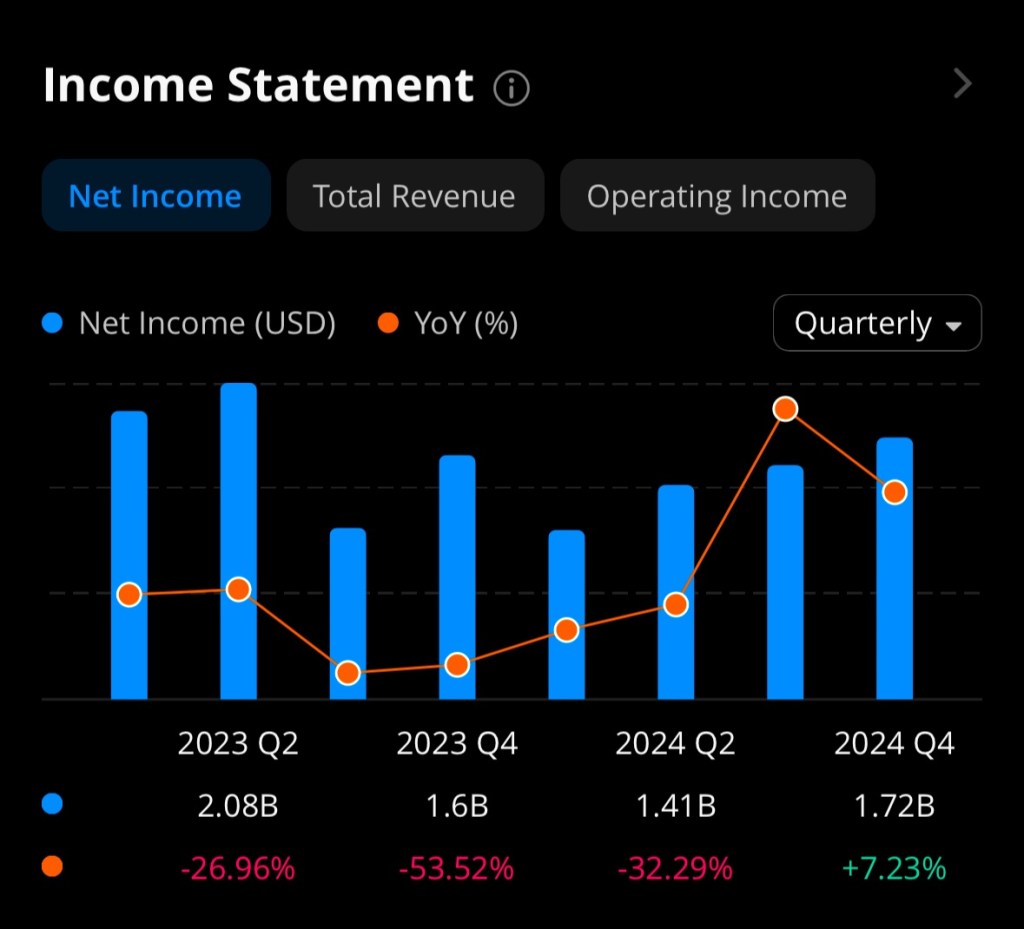
SoFi has reported impressive growth in recent quarters, driven by its increasing customer base and expanding revenue streams. The company’s membership count recently surpassed the 10 million mark, reflecting a year-over-year growth of over 40%. Such robust growth metrics highlight the effectiveness of SoFi’s business strategy and its ability to scale operations efficiently.

  1. The Digital Banking Revolution

The global banking landscape is undergoing a significant transformation, with digital-first platforms gaining popularity over traditional brick-and-mortar institutions. SoFi’s fully digital infrastructure and user-friendly mobile app place it at the forefront of this revolution. As more consumers shift to digital banking, SoFi’s market share is expected to grow, further solidifying its position in the fintech industry.

  1. Unique Competitive Advantages

One of SoFi’s standout features is its recently acquired banking charter. This allows the company to offer banking services without relying on third-party partnerships, reducing costs and improving profit margins. Moreover, SoFi’s proprietary technology and data-driven insights give it a competitive edge in delivering personalized financial solutions.

  1. Tailwinds from Student Loan Refinancing

With the federal student loan moratorium ending, SoFi’s student loan refinancing segment is expected to see a surge in demand. This development could significantly boost the company’s revenue in the near term, adding to its already strong growth trajectory.

  1. Analyst Optimism

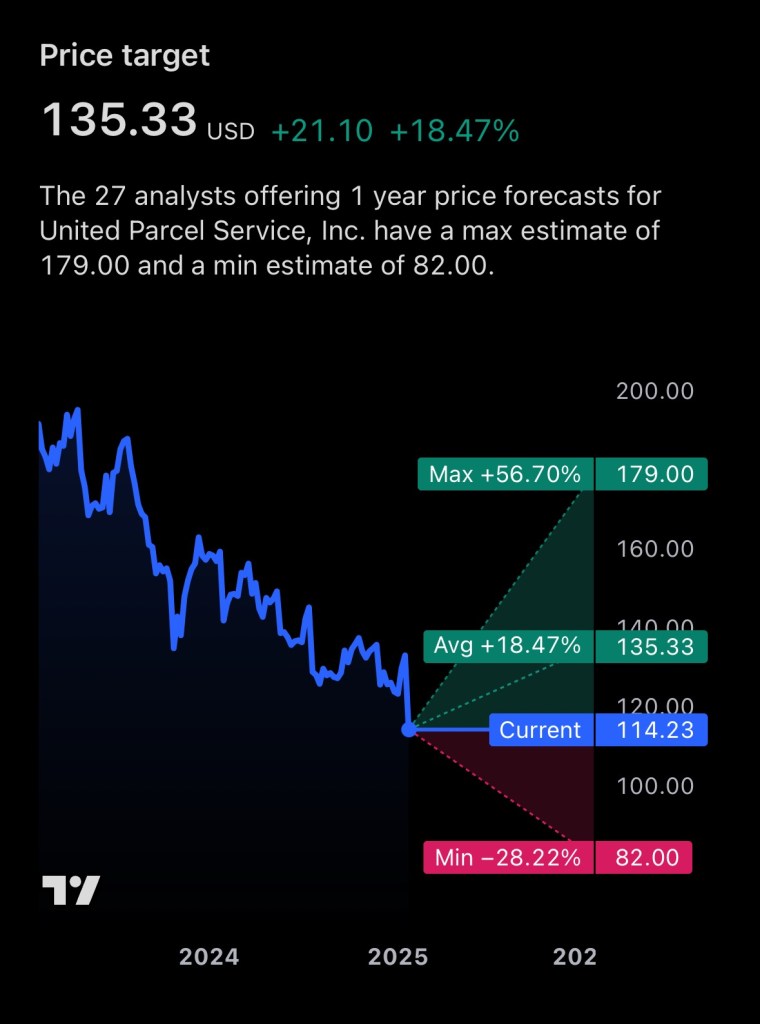
Many analysts remain bullish on SOFI stock, citing its growth potential and strategic initiatives. The company’s focus on profitability, coupled with its expanding market reach, has garnered positive sentiment from Wall Street. Some analysts have even raised their price targets, suggesting substantial upside potential for the stock.

Risks to Consider

While SoFi’s growth story is compelling, investors should be mindful of potential risks, such as regulatory changes, competition from other fintech players, and macroeconomic factors that could impact consumer borrowing trends. Additionally, the company’s path to sustained profitability remains a critical factor to monitor.

SoFi Technologies is revolutionizing the financial services industry with its innovative products and customer-centric approach. Its strong growth metrics, expanding product ecosystem, and strategic advantages make SOFI stock a promising investment for the future. While risks exist, the company’s long-term growth potential and market leadership position offer an attractive opportunity for investors seeking exposure to the burgeoning fintech sector.

Disclosure: I currently hold a position in SoFi Technologies, Inc. ($SOFI). This article reflects my personal opinions and analysis, and is not intended as financial advice. Please conduct your own research or consult a financial advisor before making any investment decisions.

How AI is Transforming Personal Finance Strategies

Artificial intelligence (AI) and cutting-edge technologies are revolutionizing the way individuals and institutions invest in their future. From personalized financial planning to sustainable investment strategies, the integration of AI into financial systems is shaping a new era of opportunity and efficiency.

AI in Personal Finance
Gone are the days when financial advice was solely the domain of human advisors. AI-driven platforms like robo-advisors are providing investors with tailored advice at a fraction of the cost. By analyzing vast amounts of data in real time, these tools offer personalized investment strategies that account for individual goals, risk tolerance, and market trends.

For instance, platforms such as Wealthfront and Betterment leverage AI to automate portfolio management, ensuring investments are optimized and rebalanced regularly. This technology empowers even novice investors to take control of their financial futures with confidence.

Predictive Analytics for Smarter Decisions
AI’s ability to process and interpret data at lightning speed is revolutionizing predictive analytics. Investors and financial institutions use machine learning algorithms to identify market trends, detect anomalies, and predict economic shifts. This insight helps mitigate risks and uncover profitable opportunities, making investment strategies more robust than ever.

Democratizing Access to Wealth-Building Tools
Technological advancements are also breaking down barriers to entry in the investment world. Apps like Robinhood and Acorns make it easy for individuals to start investing with as little as a few dollars. These platforms, often powered by AI, offer features like micro-investing, automated savings, and financial education, helping more people build wealth over time.

AI and Sustainable Investing
The growing emphasis on environmental, social, and governance (ESG) factors in investment decisions is another area where AI is making a difference. By analyzing non-financial data—such as carbon emissions, labor practices, and governance policies—AI helps investors identify companies that align with their values while delivering strong financial returns.

Challenges and Ethical Considerations
Despite its many benefits, the rise of AI in investing raises concerns about data privacy, algorithmic bias, and the potential for over-automation. Experts caution against over-reliance on AI, emphasizing the need for human oversight to ensure ethical and responsible decision-making.

A Glimpse Into the Future
As AI and technology continue to evolve, the future of investing looks increasingly dynamic and inclusive. Blockchain technology is paving the way for decentralized finance (DeFi), while advancements in quantum computing promise to unlock even greater predictive capabilities.

The integration of AI into financial systems is not merely a trend but a fundamental shift. By embracing these innovations, individuals and institutions alike can navigate the complexities of modern markets and secure their financial futures with unprecedented precision.

Understanding PIP Insurance in Florida: What You Need to Know

Florida drivers face unique challenges when it comes to auto insurance, particularly with the state’s no-fault laws. At the heart of this system is Personal Injury Protection (PIP) insurance, a coverage type designed to provide quick access to medical care and financial support after an accident—regardless of who caused it. Here’s a closer look at PIP insurance and why it’s essential for Floridians.

What Is PIP Insurance?

PIP insurance, often referred to as no-fault insurance, is required for all vehicle owners in Florida. The minimum coverage includes:

  • $10,000 for medical expenses: Covers up to 80% of medical bills for accident-related injuries.
  • $5,000 in death benefits: Provides compensation to your family in the event of a fatal accident.
  • Lost wages reimbursement: Covers up to 60% of lost income if you are unable to work due to accident injuries.

Why Is PIP Important?

PIP coverage ensures that medical bills and other immediate expenses are addressed promptly, even before liability is determined. This can be especially critical in Florida, where motor vehicle accident rates are among the highest in the nation.

What Does PIP Cover?

PIP insurance doesn’t just apply to the driver—it extends to passengers, pedestrians, and even family members in certain situations. Common expenses covered by PIP include:

  • Hospital visits and medical treatments
  • Physical therapy
  • Rehabilitation services
  • Prescriptions
  • Household services if you’re unable to perform daily tasks

Common Questions About PIP

  1. Can I waive PIP coverage?
    No, it’s mandatory for all vehicle owners in Florida. However, you can purchase additional coverage for more comprehensive protection.
  2. Does PIP cover pain and suffering?
    No, PIP is limited to tangible financial losses. Compensation for pain and suffering typically falls under separate liability claims.
  3. What happens if my expenses exceed PIP limits?
    If your medical bills or losses exceed the $10,000 minimum coverage, you may need to rely on health insurance, MedPay, or legal action against the at-fault party.

Make Sure You’re Covered

Navigating the complexities of Florida’s auto insurance laws can be overwhelming, but having a clear understanding of your PIP coverage is the first step to protecting yourself and your family.

Have questions or need help reviewing your policy? Contact me today! As an experienced insurance professional, I can help you better understand your coverage options and ensure you’re fully protected on Florida’s roads.

About the Author:

David Dandaneau is a insurance agent that covers the insurance and financial services industry. He is known for his insightful analysis and comprehensive coverage of market trends and regulatory developments.

Top Trends Facing the Property and Casualty Market in 2024

The property and casualty (P&C) insurance market is experiencing significant shifts in 2024, driven by technological advancements, climate change, regulatory updates, and evolving consumer expectations. As insurers navigate these changes, several key trends have emerged that are helping shape the industry landscape.

1. Digital Transformation and Insurtech Integration

The integration of insurtech is revolutionizing the P&C insurance sector. Advanced data analytics, artificial intelligence (AI), and machine learning are enhancing underwriting accuracy, risk assessment, and customer experience. Insurtech startups are partnering with traditional insurers to offer innovative solutions, such as usage-based insurance (UBI) and on-demand coverage, which cater to the modern consumer’s needs for flexibility and personalization.

2. Climate Change and Catastrophe Modeling

Climate change continues to be a critical concern for the P&C market. Increasing frequency and severity of natural disasters, such as hurricanes, wildfires, and floods, are leading to higher claims and losses. Insurers are investing in advanced catastrophe modeling and predictive analytics to better assess and manage these risks. Additionally, there is a growing emphasis on sustainable practices and green insurance products that incentivize policyholders to adopt environmentally friendly measures.

3. Regulatory Changes and Compliance

Regulatory landscapes are evolving, with new laws and guidelines being introduced to address emerging risks and ensure consumer protection. In 2024, insurers are focusing on enhancing compliance frameworks to meet stricter data privacy regulations and cybersecurity standards. The rise of digital channels has also prompted regulators to scrutinize digital sales practices, leading to the development of more robust guidelines for online insurance transactions.

4. Telematics and IoT in Risk Management

Telematics and the Internet of Things (IoT) are playing a pivotal role in transforming risk management in the P&C insurance sector. Telematics devices, particularly in auto insurance, provide real-time data on driving behavior, enabling insurers to offer personalized premiums based on individual risk profiles. Similarly, IoT devices in homes and businesses help monitor potential hazards, such as water leaks or fire risks, allowing for proactive mitigation and reduced claims.

5. Focus on Cyber Insurance

With the rise in cyber threats, cyber insurance has become a critical component of the P&C market. Businesses and individuals are increasingly seeking coverage to protect against data breaches, ransomware attacks, and other cyber risks. Insurers are expanding their cyber insurance offerings and developing comprehensive policies that address the evolving nature of cyber threats. This trend underscores the importance of cybersecurity in the overall risk management strategy.

6. Customer-Centric Innovations

In an era of heightened customer expectations, insurers are prioritizing customer-centric innovations. This includes the adoption of omnichannel communication strategies, offering seamless interactions across digital and traditional platforms. Personalized policy options, streamlined claims processes, and enhanced customer service through AI-driven chatbots are some of the ways insurers are improving customer engagement and satisfaction.

7. Expansion of Parametric Insurance

Parametric insurance is gaining traction as a viable alternative to traditional indemnity insurance. Unlike traditional policies, parametric insurance pays out a predetermined amount based on the occurrence of a specific event, such as a natural disaster reaching a certain intensity. This model offers faster claims processing and payouts, providing policyholders with quicker financial relief. The simplicity and efficiency of parametric insurance are driving its adoption across various segments, including agriculture, travel, and climate-related risks.

The property and casualty insurance market in 2024 is marked by rapid technological advancements, heightened awareness of climate risks, regulatory changes, and a focus on customer-centric approaches. Insurers that embrace these trends and invest in innovation are likely to thrive in this dynamic environment. As the industry continues to evolve, staying ahead of these trends will be crucial for delivering value to policyholders and maintaining a competitive edge.


About the Author:

David Dandaneau is a insurance agent that covers the insurance and financial services industry. He is known for his insightful analysis and comprehensive coverage of market trends and regulatory developments.

The Pros and Cons of Owning a Final Expense Policy

In a world where financial security and peace of mind are paramount, final expense insurance policies have emerged as a popular option for many individuals looking to cover end-of-life costs. These policies, specifically designed to handle expenses related to funerals, burial, and other final arrangements, offer a unique blend of benefits and challenges. As more people consider these policies, understanding their pros and cons is essential for making an informed decision.

The Pros of Owning a Final Expense Policy

  1. Affordability: One of the primary advantages of final expense insurance is its affordability. These policies typically have lower premiums compared to other life insurance options. This makes them accessible to a broader range of individuals, especially seniors and those on fixed incomes.
  2. Simplified Application Process: Final expense policies usually have a straightforward application process, often requiring minimal medical underwriting. This means that individuals with health issues who might be denied traditional life insurance can still secure coverage.
  3. Quick Payouts: The nature of final expense policies ensures that beneficiaries receive funds promptly. This quick payout can be crucial for families needing to cover funeral costs and other immediate expenses without delay.
  4. Flexibility in Use: Although designed for end-of-life costs, the payout from a final expense policy can be used by beneficiaries in any way they see fit. This flexibility allows families to address various financial needs that may arise upon the policyholder’s death.
  5. Peace of Mind: For many, the greatest benefit of a final expense policy is the peace of mind it offers. Knowing that their loved ones won’t be burdened with funeral costs and other end-of-life expenses provides significant emotional relief.
The Cons of Owning a Final Expense Policy

  1. Limited Coverage: One of the main drawbacks of final expense insurance is its limited coverage amount. These policies typically offer smaller death benefits, usually ranging from $5,000 to $25,000. This might not be sufficient for individuals seeking to cover more extensive financial obligations.
  2. Higher Cost per Dollar of Coverage: While premiums are generally affordable, the cost per dollar of coverage can be higher compared to term or whole life insurance policies. For those needing substantial coverage, this can make final expense policies less cost-effective.
  3. Potential for Overlap: Individuals who already have other types of life insurance might find final expense policies redundant. Evaluating existing coverage to avoid unnecessary overlap is crucial.
  4. Misleading Sales Practices: There have been instances where aggressive marketing tactics have led consumers to believe that final expense policies are the best or only option for end-of-life planning. It’s essential for potential buyers to conduct thorough research and consider other insurance products that might better suit their needs.
  5. Age and Health Restrictions: Although the application process is simplified, some final expense policies still have age and health restrictions. Older individuals or those with severe health conditions might face higher premiums or limited policy options.

Final expense policies offer a viable solution for individuals seeking to ensure their end-of-life expenses are covered without placing a financial burden on their loved ones. However, like any financial product, they come with both advantages and disadvantages. Prospective buyers should weigh these factors carefully, considering their unique financial situation and long-term needs. Consulting with a knowledgeable insurance advisor can provide additional clarity, helping individuals make the best decision for their circumstances. If I can help answer any questions please give me a call, send me a direct message or drop me a line below. Together we can decide what’s best for you.

About the Author:

David Dandaneau is a insurance agent that covers the insurance and financial services industry. He is known for his insightful analysis and comprehensive coverage of market trends and regulatory developments.

Multifaceted Advantages of Marriage Beyond Romance

In an time where relationship dynamics are evolving rapidly, marriage still stands as a steadfast institution, offering a multitude of benefits that extend far beyond the realms of love and romance. Recent studies have shed light on the enduring strength of long-term partnerships, emphasizing their profound impacts on mental, physical, and even financial well-being.

Marriage, often dubbed as the ultimate commitment, serves as a cornerstone for emotional support and stability. According to research conducted by the American Psychological Association, married individuals tend to exhibit lower levels of stress and anxiety compared to their unmarried counterparts. The presence of a supportive partner can act as a buffer against life’s challenges, fostering resilience and enhancing overall mental health.

Furthermore, the benefits of marriage extend to physical health, with numerous studies highlighting its positive impact on longevity. A study published in the Journal of Epidemiology & Community Health found that married individuals have a lower risk of cardiovascular diseases and other chronic illnesses. The mutual support and encouragement inherent in a marital relationship can contribute to healthier lifestyle choices and better health outcomes.

Financial stability is another significant advantage associated with long-term partnerships. Joint finances and shared responsibilities often lead to greater economic security and resource pooling. Couples can leverage their combined assets to navigate financial challenges more effectively, whether it’s purchasing a home, investing in education, or planning for retirement. Additionally, tax benefits and spousal benefits offered by employers further bolster the financial advantages of marriage.

Beyond individual well-being, marriage also plays a pivotal role in societal cohesion and community resilience. Stable family units serve as the building blocks of a strong society, providing a nurturing environment for children to thrive and grow. Research consistently demonstrates that children raised in stable, two-parent households tend to fare better academically, socially, and emotionally.

Moreover, marriage fosters social connections and support networks, enriching the fabric of communities. Couples often form enduring friendships with other married individuals, creating a sense of belonging and camaraderie. These social bonds serve as a safety net during times of need and contribute to overall community cohesion.

While the benefits of marriage are undeniable, it’s essential to recognize that not all relationships follow the traditional marital path. Long-term partnerships encompass a diverse spectrum of arrangements, including cohabitation and civil unions, each with its own unique advantages. What remains constant, however, is the profound impact of committed, enduring partnerships on individual well-being and societal flourishing.

In an age marked by rapid social change and shifting norms, the enduring strength of marriage serves as a beacon of stability and resilience. Beyond its romantic allure, marriage offers a myriad of benefits that transcend the boundaries of love, enriching the lives of individuals and communities alike.

As we navigate the complexities of modern relationships, let us not overlook the profound value of long-term partnerships in fostering happiness, health, and prosperity for generations to come.

Personal Finance Strategies and Resilience Propel Many Towards Financial Freedom

In a world often characterized by mounting debts and financial uncertainty, tales of triumph over fiscal adversity shine like beacons of hope. Across diverse demographics, individuals are harnessing determination and strategic planning to liberate themselves from the suffocating grasp of debt. These success stories not only inspire, but also offer invaluable lessons in navigating the complex terrain of personal finance.

Rising from the Depths

Meet Sarah Ramirez, a 34-year-old marketing executive from Chicago, whose journey from debt-ridden despair to financial sovereignty is nothing short of remarkable. Faced with mounting credit card bills and student loans, Ramirez confronted her financial reality head-on. “I reached a breaking point where I knew something had to change,” she recounts.

Employing a combination of budgeting, frugality, and side hustles, Ramirez embarked on a debt repayment journey. “Every extra dollar went towards paying off debt,” she explains. Sacrifices were made, but the sense of liberation from financial burdens spurred her forward.

Strategies for Success

Ramirez’s story is emblematic of a broader trend where individuals are leveraging various strategies to conquer debt. Financial experts emphasize the importance of creating a detailed budget, distinguishing between essential and discretionary spending, and negotiating lower interest rates with creditors.

Moreover, the burgeoning gig economy offers a plethora of opportunities for supplementary income. From freelance writing to ride-sharing, individuals are tapping into their skills and passions to boost earnings and expedite debt repayment.

Community Support and Accountability

For many, the journey out of debt is not solitary. Online forums, support groups, and accountability partners provide crucial encouragement and guidance. “Sharing my progress and setbacks with others kept me accountable,” notes Ramirez, who found solace in virtual communities dedicated to financial wellness.

Additionally, seeking professional assistance from credit counselors or financial advisors can provide tailored strategies and expert insights to navigate complex financial landscapes.

The Road to Financial Freedom

As success stories like Ramirez’s proliferate, the notion of financial freedom becomes increasingly tangible for countless individuals burdened by debt. However, the path to solvency is fraught with challenges, requiring discipline, perseverance, and resilience.

Nevertheless, the rewards are profound. Beyond the alleviation of financial stress, escaping the debt trap empowers individuals to pursue their passions, invest in their futures, and cultivate a sense of security for themselves and their loved ones.

As Ramirez reflects on her journey, she is filled with gratitude for the newfound freedom she enjoys. “Breaking free from debt was the best decision I ever made,” she declares. Her story serves as a beacon of hope for all those navigating the tumultuous waters of financial hardship, reminding us that with determination and discipline, financial liberation is within reach.

Diversification with Annuities and Life Insurance Vital for Long-Term Financial Security

In the landscape of retirement planning, the traditional pillars of 401(k)s and pensions are being reassessed as sole sources of income. Amidst economic uncertainties and demographic shifts, financial experts emphasize the critical need for diversification. Annuities and life insurance emerge as essential components to fortify retirement portfolios and ensure sustained financial well-being in the later stages of life.

The Limitations of 401(k)s and Pensions:

While 401(k)s and pensions have long served as cornerstones of retirement planning, their reliance as standalone solutions is increasingly precarious. Market volatility, fluctuating interest rates, and legislative changes can impact the growth and stability of 401(k) investments, potentially jeopardizing retirees’ financial security. Similarly, the sustainability of pension funds is challenged by demographic trends, with an aging population and fewer workers contributing to these systems.

Diversification Beyond Traditional Assets:

In response to these challenges, diversification beyond 401(k)s and pensions is paramount. Annuities and life insurance products offer complementary benefits that can enhance retirement income and mitigate risks. Annuities, with their ability to provide guaranteed income streams, offer a reliable source of cash flow to supplement 401(k) withdrawals and pension payments. Whether through fixed, variable, or indexed annuities, retirees can secure predictable income to meet their ongoing expenses.

Meanwhile, life insurance serves not only as a protection for beneficiaries but also as a tool for wealth accumulation and distribution in retirement. Certain types of permanent life insurance policies accumulate cash value over time, which can be accessed tax-efficiently to supplement retirement income or cover unforeseen expenses. By incorporating these products into their retirement portfolios, individuals can diversify their income sources and reduce reliance on volatile market returns or fluctuating pension benefits.

The Importance of Comprehensive Planning:

Diversification with annuities and life insurance complements existing retirement assets and strengthens overall financial resilience. Beyond providing a safety net against market downturns or pension uncertainties, these products offer peace of mind and financial flexibility for retirees. Comprehensive planning that integrates multiple income streams ensures that retirees can weather various economic conditions and life events without compromising their standard of living or long-term goals.

Moreover, diversification extends beyond asset allocation to encompass risk management and estate planning considerations. Annuities and life insurance can play a pivotal role in protecting against longevity risk, healthcare costs, and estate taxes, safeguarding retirees’ legacies and preserving intergenerational wealth.

In navigating the complexities of modern retirement planning, diversification beyond 401(k)s and pensions is essential for long-term financial security. Annuities and life insurance products offer unique advantages that complement traditional retirement assets, providing retirees with stable income streams, asset protection, and estate planning benefits. By embracing a diversified approach to retirement income, individuals can mitigate risks, optimize returns, and achieve greater confidence in their financial futures. In an ever-changing economic landscape, adaptability and foresight are the keys to unlocking a secure and fulfilling retirement. If you need help evaluating your retirement portfolio give me a shout, send me a message or comment and lets get started by building a brighter future together.

About the Author:

David Dandaneau is a insurance agent that covers the insurance and financial services industry. He is known for his insightful analysis and comprehensive coverage of market trends and regulatory developments.
The Imperative of Saving for Retirement Today

In an era where financial security is increasingly precarious, one aspect of personal finance stands out as non-negotiable: saving for retirement. As life expectancy rises and traditional pension plans dwindle, the responsibility for ensuring a comfortable post-work life falls squarely on individuals. Despite this, a concerning number of people neglect this crucial aspect of financial planning, risking their future well-being.

The importance of saving for retirement cannot be overstated. It’s not merely about setting aside a portion of income; it’s about investing in one’s future self, safeguarding against the uncertainties that come with aging. Here are several compelling reasons why saving for retirement should be a top priority:

  1. Financial Independence:
    Saving for retirement empowers individuals to maintain financial independence in their later years. Without sufficient savings, retirees may find themselves relying solely on government assistance or family support, significantly limiting their autonomy and quality of life.
  2. Rising Life Expectancy:
    With advancements in healthcare and lifestyle, people are living longer than ever before. While increased longevity is undoubtedly a positive development, it also means that retirement savings must stretch further to cover an extended retirement period.
  3. Decline of Traditional Pension Plans:
    Traditional pension plans, which guaranteed retirees a fixed income for life, are becoming increasingly rare in today’s workforce. Instead, many companies offer defined-contribution plans like 401(k)s, placing the onus of retirement savings on employees themselves. Consequently, individuals must take an active role in saving and investing for their retirement years.
  4. Inflation and Cost of Living:
    Inflation erodes the purchasing power of money over time. Therefore, even seemingly substantial savings can lose value if not properly invested to outpace inflation. Saving for retirement involves not only accumulating wealth but also strategically managing it to ensure it maintains its real value over the years.
  5. Peace of Mind:
    Financial security in retirement provides peace of mind, allowing individuals to enjoy their golden years without the constant worry of making ends meet. Having a robust retirement savings plan in place alleviates stress and enables retirees to focus on pursuing their passions and interests.

In light of these factors, saving for retirement emerges as an imperative rather than an option. Whether through employer-sponsored retirement plans, individual retirement accounts (IRAs), or other investment vehicles, allocating a portion of income towards retirement savings is an investment in one’s future well-being.

Governments, employers, and financial institutions all have roles to play in promoting retirement savings awareness and facilitating access to retirement planning resources. However, the ultimate responsibility lies with individuals to prioritize their financial future by starting to save for retirement as early as possible.

In a world where uncertainty looms large, securing tomorrow begins with prudent financial planning today. By embracing the importance of saving for retirement, individuals can embark on their golden years with confidence, knowing that they’ve laid a solid foundation for a fulfilling and financially secure future. If you’re ready to take control of your financial future contact me and lets get started today.

Understanding Index Crediting Strategies in Fixed Index Annuities

In the realm of financial planning, Fixed Index Annuities (FIAs) stand out as a popular choice for individuals seeking stability and growth in their investments. A fundamental aspect of FIAs lies in their index crediting strategies, which play a pivotal role in determining interest credits. Here, we dive into three common crediting methods employed by FIAs and explore the factors that can potentially limit the total interest credited.

Index crediting strategies serve as the cornerstone of how FIAs operate, influencing the returns policyholders can expect on their investments. These strategies typically involve tracking the performance of specific financial indices, such as the S&P 500, and utilizing various methods to calculate interest credits accordingly.

One of the most prevalent crediting methods is the Annual Point-to-Point strategy. Under this approach, interest credits are calculated by comparing the index value at the beginning and end of a designated period, usually one year. The difference between these two points determines the interest credited to the annuity.

Another commonly employed method is the Monthly Average strategy. Here, the average index value over a series of monthly observations is calculated, and the interest credited is based on this average. This method offers a more frequent assessment of the index’s performance, potentially smoothing out volatility compared to the Annual Point-to-Point approach.

Additionally, the Daily Average strategy has gained traction among FIAs. Similar to the Monthly Average method, this strategy calculates the average index value but on a daily basis. Consequently, interest credits are determined by the average performance of the index throughout the specified period.

While these crediting methods offer flexibility and potential for growth, it’s essential to recognize the factors that can limit the total interest credited. One such factor is the participation rate, which dictates the percentage of the index’s gains that are credited to the annuity. For instance, a participation rate of 80% means that if the tracked index gains 10%, only 8% of that gain is credited to the annuity.

Moreover, caps and spreads are additional elements that can affect interest credits. Caps set a maximum limit on the potential interest credited, while spreads establish a minimum threshold that must be met before any interest is credited. Understanding these limitations is crucial for investors evaluating the performance potential of FIAs.

Index crediting strategies serve as the backbone of Fixed Index Annuities, shaping the returns investors can expect on their investments. By familiarizing themselves with common crediting methods and recognizing the factors that can impact interest credits, individuals can make informed decisions to optimize their financial portfolios. If you are considering an annuity lets schedule a time to talk, so drop me a line, give me a call or comment below.