Beginner’s Guide to Stock Market Investing

Investing in the stock market has long been a cornerstone of personal finance and wealth building. Yet, for many beginners, the world of stocks can seem intimidating and complex. Understanding the fundamentals of how the stock market works is the first step toward making informed, confident investment decisions.

What Is the Stock Market?
The stock market is a platform where investors buy and sell shares of publicly traded companies. These shares represent ownership in a company, and their prices fluctuate based on factors such as company performance, industry trends, and broader economic indicators.

Major stock exchanges, such as the New York Stock Exchange (NYSE) and the Nasdaq, serve as centralized marketplaces where these transactions occur. Investors can participate through brokerage firms or online trading platforms, many of which now offer user-friendly apps and educational tools for beginners.

Why Do People Invest in Stocks?
Stocks are a popular investment vehicle because they offer the potential for significant long-term returns. When you invest in a stock, you’re essentially betting on a company’s future success. If the company grows and becomes more profitable, the value of its shares typically increases, allowing investors to sell at a profit. Additionally, some stocks pay dividends—regular cash payments to shareholders—which can be a source of passive income.

Key Concepts for Beginners
To navigate the stock market successfully, new investors should become familiar with several essential concepts:

  • Diversification: This strategy involves spreading your investments across different sectors or asset classes to reduce risk. Rather than putting all your money into a single stock, a diversified portfolio can help weather market volatility.
  • Risk and Return: All investments carry some degree of risk. Generally, higher potential returns come with higher risk. Understanding your risk tolerance is crucial in shaping your investment strategy.
  • Time Horizon: The length of time you plan to hold an investment affects your strategy. Long-term investors often ride out short-term market fluctuations in pursuit of steady growth over years or decades.
  • Market Orders vs. Limit Orders: A market order buys or sells a stock immediately at the best available price, while a limit order sets a specific price at which you’re willing to buy or sell. Understanding these order types helps manage how you enter or exit investments.

Getting Started
Starting with investing doesn’t require large sums of money. Many platforms allow users to begin with as little as $10, and some offer fractional shares, letting you invest in expensive stocks like Amazon or Tesla with a small budget.

Experts recommend starting with index funds or exchange-traded funds (ETFs) for beginners. These funds track a market index, such as the S&P 500, and offer built-in diversification.

Stock market investing can be a powerful tool for building long-term wealth. While there are risks involved, gaining a solid understanding of the basics, maintaining realistic expectations, and staying informed can help investors make wise decisions. As with any financial decision, it’s also wise to consult a financial advisor to tailor a strategy that fits your personal goals and situation.

Whether you’re saving for retirement, a home, or future education expenses, learning how to invest smartly in the stock market is a valuable skill that pays dividends over time.


Retirement Planning: Starting Early vs. Starting Late – The Financial Fork in the Road

As Americans continue to grapple with economic uncertainty, rising living costs, and increasing life expectancy, the importance of retirement planning has never been more pressing. One of the biggest debates among financial experts and everyday workers alike is this: Is it better to start saving early, or can a late start still lead to a secure retirement?

The Power of Starting Early
Financial advisors almost universally agree—when it comes to retirement, time is your greatest asset. Starting in your 20s or early 30s allows compound interest to work its magic.

Take, for example, a 25-year-old who invests $300 a month in a retirement account with an average annual return of 7%. By the time they turn 65, they could accumulate nearly $725,000. On the other hand, someone who begins investing the same amount at age 40 would end up with just over $225,000 at retirement.

“Starting early doesn’t just mean you’ll have more saved—it also means you can afford to take less risk, contribute less monthly, and still enjoy financial freedom later,” says Michelle Harris, a certified financial planner in Chicago.

Early starters also have the advantage of weathering market volatility. They have decades to recover from downturns, allowing for a more aggressive, growth-oriented investment approach early on.

The Challenges—and Hope—of Starting Late
Still, not everyone has the means or knowledge to begin saving in their 20s. Life events such as student debt, low-paying jobs, or unexpected medical expenses can push retirement planning to the back burner.

“If you’re starting in your 40s or even 50s, the hill is steeper, but it’s not insurmountable,” says Tony Kim, a retirement strategist based in San Diego. “The key is discipline, increased contributions, and possibly working a bit longer.”

Late starters are often advised to max out retirement accounts like 401(k)s and IRAs, take advantage of catch-up contributions (available to those 50 and older), and consider delaying Social Security benefits to increase monthly payouts.

Financial experts also emphasize the importance of budgeting, eliminating debt, and making intentional lifestyle choices to accelerate savings.

A Matter of Mindset
Whether you start at 25 or 55, the most important step is simply to start. Procrastination is often the biggest enemy of retirement planning.

“Too many people think they have time or that it’s too late,” says Harris. “Both beliefs are harmful. The sooner you face your financial future, the better your options will be.”


Retirement planning is not a one-size-fits-all journey. Starting early gives investors more flexibility and freedom, but starting late doesn’t mean the game is over. With the right strategy, discipline, and mindset, it’s possible to secure a comfortable retirement at any age.

About the Author:

David Dandaneau is a insurance agent that covers the insurance and financial services industry. He is known for his insightful analysis and comprehensive coverage of market trends and regulatory developments.

Why You Should Review Your Condominium Insurance Regularly

Owning a condominium comes with unique insurance needs that differ from traditional homeowners’ policies. A condominium insurance policy, often called an HO-6 policy, is designed to cover personal property, interior unit damages, liability, and additional living expenses in case of a covered loss. While many condo owners secure a policy and forget about it, experts strongly advise shopping around for a new policy every few years. Here’s why:

Insurance Rates Change Over Time

Insurance companies adjust their rates based on claims data, risk factors, and market conditions. If you’ve been with the same insurer for years, you may be overpaying without realizing it. By obtaining new quotes, you can compare rates and potentially secure a more competitive premium.

Policy Coverage Can Evolve

Insurance providers frequently update their policies, adding new coverages or adjusting existing ones. By shopping your policy, you can ensure that you are getting the best protection for your unit and belongings. This is particularly important as condominium associations may change their master policies, leaving individual owners with additional coverage needs.

Discounts and Bundling Opportunities

Over time, you may qualify for new discounts, such as loyalty rewards, claims-free history, or bundling with auto insurance. Some insurers also offer better rates to those who upgrade their home security features. Shopping your policy allows you to take advantage of the latest cost-saving opportunities.

Your Personal Situation May Have Changed

Your insurance needs can shift as you make improvements to your condo, acquire valuable assets, or change your lifestyle. If you’ve remodeled your kitchen, installed smart security systems, or bought expensive electronics, your existing policy may not provide sufficient coverage. A periodic review ensures you remain adequately protected without overpaying for unnecessary coverages.

Avoiding Coverage Gaps or Duplications

Condominium insurance should complement your HOA’s master policy. These policies may shift over time, potentially leaving gaps in your coverage or causing you to pay for overlapping protection. Reviewing your policy ensures that you are not underinsured or paying for unnecessary coverage.

How Often Should You Shop Your Policy?

Industry experts recommend reviewing and shopping your condominium insurance policy every two to three years. If you experience a significant life change, such as purchasing high-value assets, changing your living situation, or seeing an unexpected premium increase, it may be worth comparing rates sooner.

Condominium insurance is an essential safeguard for your home and belongings, but sticking with the same policy for too long could mean missing out on savings and improved coverage. By shopping your policy every few years, you ensure you’re getting the best rate and coverage tailored to your evolving needs. Whether you consult an independent insurance agent or compare online quotes, taking the time to reassess your condo insurance can provide peace of mind and financial benefits in the long run.

About the Author:

David Dandaneau is a insurance agent that covers the insurance and financial services industry. He is known for his insightful analysis and comprehensive coverage of market trends and regulatory developments.

Why You Need to Update Your Life Insurance Regularly

Life is constantly changing, and your life insurance policy should keep up with those changes. While purchasing a policy is a great step toward financial security, it’s not a “set it and forget it” decision. Experts recommend reviewing your life insurance coverage every couple of years to ensure it still meets your needs.

  1. Life Changes, So Should Your Coverage
    Major life events such as getting married, having children, buying a home, or starting a business can significantly impact your financial responsibilities. If your coverage is outdated, your family may not have the necessary financial protection in case the unexpected happens.
  2. Income and Expenses Fluctuate
    As your salary increases or your financial obligations shift, your coverage should reflect those changes. A higher income might mean more assets to protect, while increased debt could require more coverage to avoid leaving loved ones with financial burdens.
  3. Policy Benefits May Have Improved
    Life insurance policies evolve over time, and newer options may offer better benefits or lower premiums. Reviewing your policy allows you to compare offerings and potentially switch to a more favorable plan.
  4. Health Changes Can Affect Your Options
    If your health improves due to lifestyle changes or medical advancements, you might qualify for lower premiums. On the other hand, if your health declines, ensuring you have adequate coverage becomes even more critical.
  5. Inflation Impacts Your Policy’s Value
    Over time, inflation reduces the purchasing power of your insurance payout. What seemed like enough coverage a decade ago may not be sufficient today. Regular reviews help ensure your policy keeps pace with economic changes.
  6. Beneficiary Updates Are Essential
    Life circumstances can change relationships. Whether through marriage, divorce, or other family adjustments, it’s crucial to ensure the right beneficiaries are named on your policy.

How to Review Your Policy
Set a reminder to review your coverage every two to three years or whenever a major life event occurs. Work with your insurance agent to assess whether adjustments are needed. A quick check-up could make all the difference in securing your family’s financial future.

Bottom Line: Life insurance is a crucial part of financial planning, but its effectiveness depends on keeping it updated. By regularly reviewing your policy, you can ensure that your loved ones are adequately protected no matter what life brings.

Schedule a Free Life Insurance Review
If it’s been a while since you last reviewed your life insurance policy, now is the perfect time to do so. I can help you assess your current coverage and make sure it aligns with your current needs and future goals. Contact me today for a free, no-obligation policy review—your peace of mind is worth it!

About the Author:

David Dandaneau is a insurance agent that covers the insurance and financial services industry. He is known for his insightful analysis and comprehensive coverage of market trends and regulatory developments.

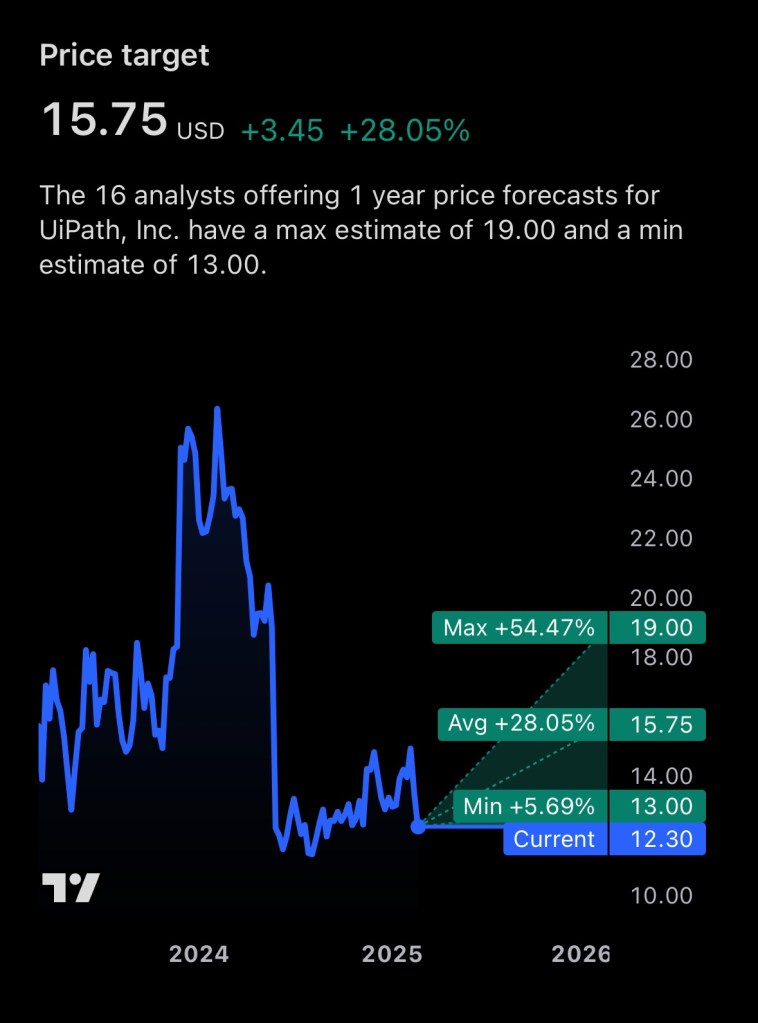
Why UiPath’s AI Strategy Could Shape Future Investments

UiPath Inc. (NYSE: PATH), a leading company in robotic process automation (RPA) and artificial intelligence (AI), has recently garnered attention from investors due to its strategic advancements and market positioning.

Financial Performance and Outlook

In its fiscal second quarter, UiPath reported a 10% revenue increase to $316 million, surpassing Wall Street expectations. Adjusted earnings stood at 4 cents per share, exceeding analysts’ predictions of 3 cents per share. This performance underscores the growing demand for AI and automation technologies. The company has also approved a $500 million share buyback program, reflecting confidence in its financial health.

Despite these positive indicators, UiPath’s stock has experienced volatility. Shares fell 5% in premarket trading after the company maintained its fourth-quarter revenue forecast, leading to investor disappointment. The stock has declined approximately 40% in 2024, reflecting broader market challenges.

Strategic Positioning in AI and Automation

UiPath continues to innovate within the RPA and AI sectors. The company leverages AI to transform RPA, enabling complex automation and market growth while addressing profitability challenges. This strategic focus positions UiPath to capitalize on the increasing need for intelligent automation solutions across various industries.

Analyst Perspectives

Analysts present mixed views on UiPath’s prospects. Some highlight the company’s potential in the evolving AI landscape, while others express caution due to profitability concerns. Investors are advised to consider these diverse perspectives when evaluating UiPath’s investment potential.

UiPath’s advancements in AI and automation, coupled with its solid financial performance, position it as a noteworthy player in the technology sector. However, potential investors should remain mindful of market volatility and conduct comprehensive research before making investment decisions.

Disclosure:

I do not own any stock or have any financial interest in UiPath Inc. (NYSE: PATH). This article is for informational purposes only and should not be considered financial or investment advice. Investing in stocks carries risks, and past performance is not indicative of future results. Always conduct your own research and consult with a qualified financial professional before making any investment decisions.

References

MarketWatch. (2024, February 29). UiPath sees 10% revenue jump on ‘increasing need’ for AI; stock rallies. MarketWatch. https://www.marketwatch.com/story/uipath-sees-10-revenue-jump-on-increasing-need-for-ai-stock-rallies-f4587d09

MarketWatch. (2024, February 29). UiPath shares drop as Cathie Wood-backed software developer holds guidance. MarketWatch. https://www.marketwatch.com/story/uipath-shares-drop-as-cathie-wood-backed-software-developer-holds-guidance-9ffa2bc0

Investopedia. (2024, February 29). UiPath stock is falling after earnings and the company is boosting its buyback plan. Investopedia. https://www.investopedia.com/uipath-posts-results-and-guidance-on-ai-demand-buyback-8707490

Seeking Alpha. (2024, February 28). UiPath: AI potential vs. margin reality. Seeking Alpha. https://seekingalpha.com/article/4762394-uipath-ai-potential-vs-margin-reality

Understanding the Parts of an Auto Insurance Policy and What to Consider Adding

Auto insurance is a crucial financial safeguard that protects drivers from unexpected costs due to accidents, theft, and other incidents. While most states require drivers to carry at least a minimum level of insurance, understanding the different parts of an auto insurance policy can help policyholders make informed decisions about their coverage. Here’s a breakdown of the key components of an auto insurance policy and optional coverages to consider adding for extra protection.

Car insurance policy. Man handshake with agent. Contract for safe and protect automobile from disaster or crash. Guarantee vector concept. Agreement for damaged vehicle service, deal

The Core Components of an Auto Insurance Policy

Liability Coverage
Liability insurance is typically required by law and covers bodily injury and property damage that you cause to others in an accident.

Bodily Injury Liability (BI): Pays for medical expenses, lost wages, and legal fees if you injure someone in an accident.

Property Damage Liability (PD): Covers the cost of repairing or replacing another person’s property that you damage, such as vehicles, fences, or buildings.

Collision Coverage
This coverage pays for repairs or replacement of your vehicle if it is damaged in an accident, regardless of who is at fault. It is particularly beneficial for newer or high-value vehicles.

Comprehensive Coverage
Often called “other than collision” coverage, comprehensive insurance covers damage to your vehicle from non-collision incidents such as theft, vandalism, fire, natural disasters, or animal collisions.

Uninsured/Underinsured Motorist Coverage (UM/UIM)
This coverage protects you if you’re involved in an accident with a driver who has no insurance or insufficient coverage. It can cover medical bills, lost wages, and other expenses resulting from the accident.

Personal Injury Protection (PIP) / Medical Payments (MedPay)
These coverages help pay for medical expenses for you and your passengers, regardless of fault. PIP may also cover lost wages and essential services like childcare if you’re unable to work due to injuries.

Additional Coverages to Consider

Roadside Assistance
Provides help with common vehicle issues such as towing, battery jump-starts, flat tire changes, and lockout services.

Rental Car Reimbursement
Covers the cost of a rental car while your vehicle is being repaired due to a covered accident.

Gap Insurance
If your car is totaled or stolen and you owe more on your loan or lease than the car’s current value, gap insurance covers the difference.

Custom Equipment Coverage
If you’ve added aftermarket modifications to your vehicle, such as custom wheels or a sound system, this coverage helps protect those enhancements.

Rideshare Insurance
If you drive for companies like Uber or Lyft, personal auto insurance may not cover you while you’re working. Rideshare insurance fills the gap in coverage.

Choosing the Right Policy

When selecting auto insurance, consider factors such as your vehicle’s value, driving habits, and budget. While state minimums may keep you legally covered, adding comprehensive protection can prevent costly out-of-pocket expenses in case of an accident or theft. Consulting with a trusted insurance agent can help you customize your policy to fit your specific needs.

Understanding the different parts of an auto insurance policy and tailoring your coverage accordingly ensures that you are adequately protected on the road. Taking the time to review and adjust your policy can provide peace of mind and financial security in the event of an unexpected incident.

For a personalized insurance review, contact me today to ensure you have the right coverage for your needs.

About the Author:

David Dandaneau is a insurance agent that covers the insurance and financial services industry. He is known for his insightful analysis and comprehensive coverage of market trends and regulatory developments.

Key Components of Effective Risk Assessment in Organizations

In today’s unpredictable business landscape, risk assessment has become a critical component of effective business management. Organizations across industries are recognizing the importance of identifying, evaluating, and mitigating risks to ensure sustainability and growth.

The Role of Risk Assessment in Business

Risk assessment is the systematic process of identifying potential hazards, analyzing their impact, and implementing measures to minimize threats. From financial uncertainties to cybersecurity threats and operational challenges, businesses face a myriad of risks that can disrupt their operations.

Effective risk assessment enables companies to anticipate challenges and make informed decisions. It fosters resilience by preparing organizations for adverse events, allowing them to respond proactively rather than reactively.

Key Components of Risk Assessment

Identification of Risks: Businesses must first pinpoint possible risks, whether they stem from market volatility, regulatory changes, technological disruptions, or internal inefficiencies.

Risk Analysis and Evaluation: Once identified, these risks must be analyzed based on their likelihood and potential impact. High-risk areas require immediate attention, while lower-risk concerns may need monitoring.

Implementation of Risk Mitigation Strategies: Companies must develop strategies to either eliminate, mitigate, transfer, or accept risks. These strategies can include diversifying investments, enhancing cybersecurity measures, or creating contingency plans.

Continuous Monitoring and Review: Risk assessment is an ongoing process. Businesses must regularly review and update their risk management strategies to adapt to evolving threats.

The Business Benefits of Risk Assessment

A robust risk assessment framework enhances business management in several ways:

Improved Decision-Making: With a clear understanding of risks, businesses can make data-driven decisions and allocate resources effectively.

Regulatory Compliance: Many industries have strict regulatory requirements. Risk assessment helps organizations adhere to legal and compliance standards, avoiding penalties.

Financial Stability: Identifying and mitigating financial risks protect businesses from unexpected losses and economic downturns.

Enhanced Reputation: Companies that proactively manage risks build trust among customers, investors, and stakeholders, fostering long-term growth.

The Future of Risk Assessment

With advancements in technology, businesses are leveraging artificial intelligence (AI) and data analytics to enhance risk assessment processes. Predictive analytics, machine learning, and real-time monitoring tools are revolutionizing how organizations assess and respond to risks.

As business environments continue to evolve, integrating risk assessment into business management strategies will remain crucial for success. Organizations that prioritize risk management will be better positioned to navigate uncertainties and achieve sustainable growth in the competitive marketplace.

Business continuity management concept. “Business Continuity” with icons strategy, risk assessment, and operational planning. business continuity planning and resilience in managing disruptions.

Risk assessment is no longer optional but a necessity for businesses aiming for longevity and profitability. By embedding risk assessment into their core management strategies, businesses can ensure resilience, maintain operational efficiency, and drive long-term success.

About the Author:

David Dandaneau is a insurance agent that covers the insurance and financial services industry. He is known for his insightful analysis and comprehensive coverage of market trends and regulatory developments.

Florida’s Personal Injury Protection (PIP) Insurance: What Policyholders Need to Know

Florida — Personal Injury Protection (PIP) insurance is a critical component of auto insurance coverage for Florida drivers. As a no-fault state, Florida law requires motorists to carry PIP coverage to ensure swift access to medical treatment and other essential benefits after an accident, regardless of who is at fault.

What Is PIP Insurance?

PIP, also known as “no-fault insurance,” is designed to cover medical expenses, lost wages, and other costs associated with an accident. Florida law mandates that all vehicle owners carry a minimum of $10,000 in PIP coverage as part of their auto insurance policy.

What Does PIP Cover?

PIP provides a variety of benefits to policyholders, including:

Medical Expenses – Covers up to 80% of necessary medical costs, such as hospital visits, surgeries, rehabilitation, and diagnostic services, up to the policy limit.

Lost Wages – Compensates injured policyholders for lost income, covering up to 60% of wages if the injuries prevent them from working.

Death Benefits – Provides up to $5,000 in benefits to the family of a policyholder who dies as a result of an accident.

Replacement Services – Covers essential services such as childcare, housekeeping, or transportation if the injured person is unable to perform them due to the accident.

Key Limitations and Considerations

While PIP provides crucial financial relief, it does have limitations:

Coverage Limits – The $10,000 coverage may not be sufficient for severe injuries requiring long-term treatment.

Emergency Medical Condition (EMC) Requirement – Florida law requires policyholders to receive initial medical treatment within 14 days of an accident. If an injury is not deemed an EMC, PIP coverage may be limited to $2,500 instead of the full $10,000.

Exclusions – PIP does not cover property damage, and certain medical treatments may not be fully reimbursed.

Why PIP Matters in Florida

Florida’s PIP system ensures that drivers and passengers receive immediate medical care after an accident without waiting for fault to be determined. This reduces legal disputes and allows for faster claim processing. However, due to high fraud rates and rising insurance costs, there have been ongoing debates about potential reforms to Florida’s no-fault system.

For Florida drivers, understanding PIP coverage is essential for financial protection in the event of an accident. Policyholders should review their policies carefully and consider additional coverage options, such as Bodily Injury Liability (BIL) or MedPay, to enhance their protection. If you have questions about your auto insurance coverage, consulting with an experienced insurance agent can help you make informed decisions.

About the Author:

David Dandaneau is a insurance agent that covers the insurance and financial services industry. He is known for his insightful analysis and comprehensive coverage of market trends and regulatory developments.

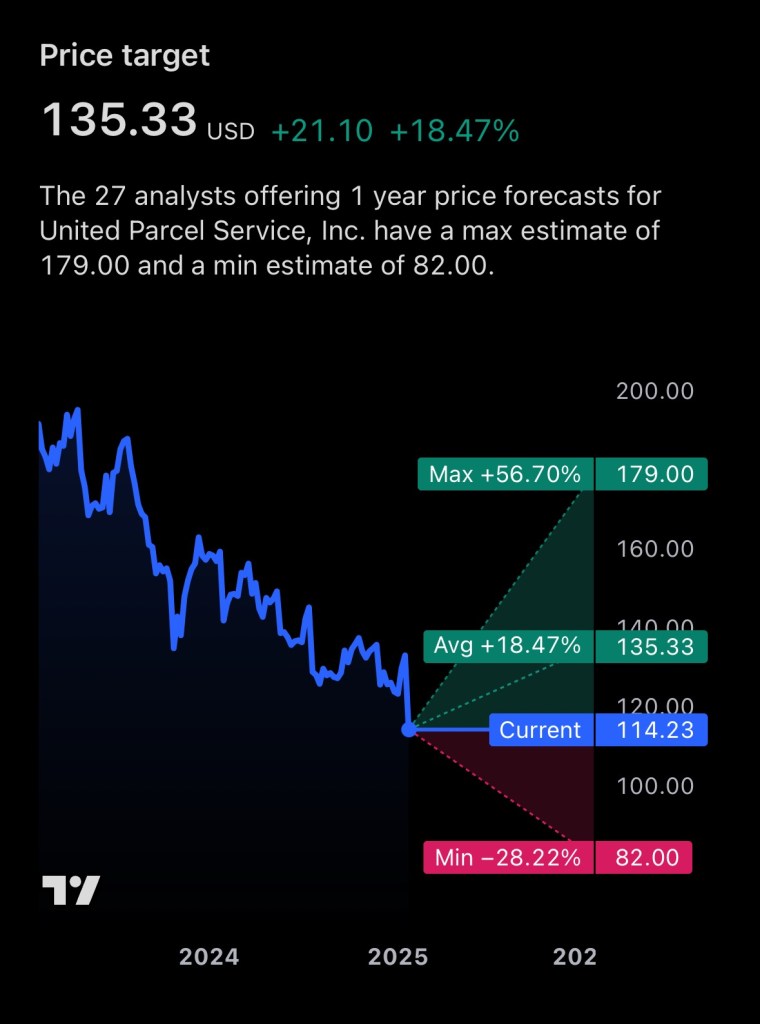
UPS Stock Drops 16%: What’s Next for Investors?

United Parcel Service (UPS) has recently experienced a significant decline in its stock value, with shares dropping over 16% following the announcement of a strategic shift to reduce its business with Amazon by more than 50% by the second half of 2026. This decision is part of UPS’s broader strategy to focus on more profitable segments, such as healthcare logistics and business-to-business deliveries, aiming to improve profit margins and reduce dependency on Amazon.

Despite the immediate negative market reaction, some analysts view this move as a positive step for UPS’s long-term profitability. By decreasing reliance on high-volume, low-margin shipments from Amazon, UPS plans to enhance operational efficiency and focus on higher-margin businesses. This strategic pivot is expected to save the company approximately $1 billion annually.

Additionally, UPS’s decision to insource operations previously handled by the U.S. Postal Service, such as the SurePost product, is aimed at optimizing service and reducing costs. While these changes may present short-term challenges, they are designed to position the company for sustainable growth and improved profitability in the future.

For long-term investors, UPS’s current stock decline may present a buying opportunity. The company’s strategic initiatives to focus on higher-margin segments and reduce operational dependencies are expected to strengthen its market position over time. While the transition may involve near-term uncertainties, UPS’s efforts to enhance profitability and operational efficiency could lead to substantial long-term gains for patient investors.

Disclosure: I currently hold a position in United Parcel Service ($UPS). This article reflects my personal opinions and analysis, and is not intended as financial advice. Please conduct your own research or consult a financial advisor before making any investment decisions.


References

Barron’s. (2024, January 30). UPS and Amazon may be headed for a split—and the stock is paying the price. Retrieved from https://www.barrons.com/articles/ups-earnings-stock-price-amazon-1a32be4f

Business Insider. (2025, January 30). UPS plunged after saying it would deliver fewer Amazon packages. Its CEO says it’s about ‘taking control of our destiny.’ Retrieved from https://www.businessinsider.com/ups-ship-fewer-amazon-packages-shares-drop-2025-1

Investopedia. (2024, January 30). UPS Q4 earnings report FY2024. Retrieved from https://www.investopedia.com/ups-earnings-q4-fy2024-8780982

MarketWatch. (2024, January 30). UPS’s stock falls after a revenue miss, deal with largest customer to cut volume. Retrieved from https://www.marketwatch.com/story/upss-stock-falls-after-a-revenue-miss-deal-with-largest-customer-to-cut-volume-1984fcb7

The Motley Fool. (2025, January 30). Why UPS stock is plunging today. Retrieved from https://www.fool.com/investing/2025/01/30/why-ups-stock-is-plunging-today

The Wall Street Journal. (2024, January 30). UPS’s boss is under pressure from unhappy investors—its own retirees. Retrieved from https://www.wsj.com/business/logistics/upss-boss-is-under-pressure-from-unhappy-investorsits-own-retirees-f01a8dd3

AMD’s Strategic Rise in the Semiconductor Market

Advanced Micro Devices (AMD) has emerged as a formidable player in the semiconductor industry, showcasing significant growth and strategic initiatives that position it as a compelling investment opportunity.

Financial Performance and Market Position

As of January 19, 2025, AMD’s stock is trading at $121.46, reflecting a 2.54% increase from the previous close. This upward trend underscores investor confidence in AMD’s market strategies and financial health. Notably, AMD’s market valuation surpassed $300 billion in March 2024, highlighting its substantial growth trajectory.

Strategic Acquisitions and AI Expansion

AMD has made significant strides in the artificial intelligence (AI) sector through strategic acquisitions. In July 2024, the company acquired Finnish AI startup Silo AI for $665 million, aiming to enhance its AI capabilities and compete more effectively with industry leader Nvidia. Additionally, AMD’s $4.9 billion acquisition of ZT Systems in August 2024 bolstered its AI infrastructure, providing access to a team of 1,000 design engineers to strengthen its AI system designs.

Leadership and Innovation

Under the leadership of CEO Lisa Su, AMD has transformed from a struggling entity into a semiconductor powerhouse. Since she took charge in 2014, AMD’s stock price has surged from $3 to approximately $140, with the company’s market value surpassing that of Intel. Su’s strategic focus on product redesign, customer relationships, and capitalizing on the AI boom has been instrumental in this turnaround.

Analyst Perspectives

Wall Street analysts have shown optimism regarding AMD’s prospects. UBS identified AMD as a top semiconductor pick, citing its competitive pricing and performance in AI chips compared to Nvidia. Despite a 5.8% drop in shares earlier in the year, UBS analysts remain positive about AMD’s future in the AI market. However, some analysts urge caution, noting that while AMD’s AI accelerator chips show promise, the company faces challenges in closing the performance gap with Nvidia. Following announcements about AI chip revenue forecasts, AMD shares experienced a nearly 8% decline, reflecting market skepticism about its competitive positioning.

AMD’s robust financial performance, strategic acquisitions, and visionary leadership under Lisa Su position it as a strong contender in the semiconductor industry. While the company faces challenges, particularly in the competitive AI sector dominated by Nvidia, its proactive strategies and market responsiveness suggest a promising outlook for investors considering AMD as part of their portfolio.

Disclosure: I currently hold a position in Advanced Micro Devices ($AMD). This article reflects my personal opinions and analysis, and is not intended as financial advice. Please conduct your own research or consult a financial advisor before making any investment decisions.

References

MarketWatch. (2024, August 15). AMD to make $4.9 billion AI acquisition as it steps up race against Nvidia. MarketWatch. https://www.marketwatch.com/story/amd-to-make-4-9-billion-ai-acquisition-as-it-steps-up-race-against-nvidia-7c2d4d34

Cunningham, A. (2024, August 18). AMD deal shows AI chip business isn’t just about chips. The Wall Street Journal. https://www.wsj.com/tech/ai/amd-deal-shows-ai-chip-business-isnt-just-about-chips-81fb46d9

Toh, M. (2024, December 7). Lisa Su: TIME’s CEO of the year 2024. TIME. https://time.com/7200909/ceo-of-the-year-2024-lisa-su