Personal Finance Strategies and Resilience Propel Many Towards Financial Freedom

In a world often characterized by mounting debts and financial uncertainty, tales of triumph over fiscal adversity shine like beacons of hope. Across diverse demographics, individuals are harnessing determination and strategic planning to liberate themselves from the suffocating grasp of debt. These success stories not only inspire, but also offer invaluable lessons in navigating the complex terrain of personal finance.

Rising from the Depths

Meet Sarah Ramirez, a 34-year-old marketing executive from Chicago, whose journey from debt-ridden despair to financial sovereignty is nothing short of remarkable. Faced with mounting credit card bills and student loans, Ramirez confronted her financial reality head-on. “I reached a breaking point where I knew something had to change,” she recounts.

Employing a combination of budgeting, frugality, and side hustles, Ramirez embarked on a debt repayment journey. “Every extra dollar went towards paying off debt,” she explains. Sacrifices were made, but the sense of liberation from financial burdens spurred her forward.

Strategies for Success

Ramirez’s story is emblematic of a broader trend where individuals are leveraging various strategies to conquer debt. Financial experts emphasize the importance of creating a detailed budget, distinguishing between essential and discretionary spending, and negotiating lower interest rates with creditors.

Moreover, the burgeoning gig economy offers a plethora of opportunities for supplementary income. From freelance writing to ride-sharing, individuals are tapping into their skills and passions to boost earnings and expedite debt repayment.

Community Support and Accountability

For many, the journey out of debt is not solitary. Online forums, support groups, and accountability partners provide crucial encouragement and guidance. “Sharing my progress and setbacks with others kept me accountable,” notes Ramirez, who found solace in virtual communities dedicated to financial wellness.

Additionally, seeking professional assistance from credit counselors or financial advisors can provide tailored strategies and expert insights to navigate complex financial landscapes.

The Road to Financial Freedom

As success stories like Ramirez’s proliferate, the notion of financial freedom becomes increasingly tangible for countless individuals burdened by debt. However, the path to solvency is fraught with challenges, requiring discipline, perseverance, and resilience.

Nevertheless, the rewards are profound. Beyond the alleviation of financial stress, escaping the debt trap empowers individuals to pursue their passions, invest in their futures, and cultivate a sense of security for themselves and their loved ones.

As Ramirez reflects on her journey, she is filled with gratitude for the newfound freedom she enjoys. “Breaking free from debt was the best decision I ever made,” she declares. Her story serves as a beacon of hope for all those navigating the tumultuous waters of financial hardship, reminding us that with determination and discipline, financial liberation is within reach.

How Empty Nesters Navigate the Transition and Find Renewed Purpose

It won’t be long now before our last child packs up and heads off to college and begins their own journey into adulthood. Many parents like myself, find themselves facing the bittersweet reality of becoming empty nesters. For some, the newfound quietude and absence of children bustling around the house can evoke a profound sense of loss and loneliness. However, this life stage also presents an opportunity for parents to rediscover themselves, rekindle their passions, and embark on new adventures.

Empty nest syndrome, characterized by feelings of sadness and loss when children leave home, is a common experience for many parents. The sudden shift from a bustling household to an eerily quiet one can leave parents feeling adrift and unsure of how to fill the void. However, experts suggest that acknowledging and embracing these feelings is the first step toward finding fulfillment in this new chapter of life.

“It’s natural for parents to feel a mix of emotions when their children leave home,” says Dr. Sarah Johnson, a psychologist specializing in life transitions. “The key is to view this time as an opportunity for personal growth and exploration rather than focusing solely on the loss.”

One way empty nesters can navigate this transition is by focusing on self-care and rediscovering their interests and passions. Whether it’s picking up a hobby they set aside years ago, pursuing further education, or traveling to destinations they’ve always dreamed of, empty nesters have the freedom to prioritize their own needs and desires.

“For many parents, the empty nest phase can be a time of reconnection with oneself,” says Dr. Johnson. “It’s an opportunity to pursue activities and interests that may have taken a backseat during the busy child-rearing years.”

Beyond individual pursuits, empty nesters can also strengthen their relationships with their partners. With children out of the house, parents have more time to devote to each other and nurture their bond. Planning date nights, taking up a new hobby, strolling the beach together, or simply enjoying quiet evenings at home can help couples reconnect and rediscover the joy of spending time together.

In addition to focusing on personal and relational fulfillment, empty nesters can also find purpose and meaning through giving back to their communities. Volunteering, mentoring younger individuals, or getting involved in local organizations are all ways in which empty nesters can make a positive impact and find fulfillment outside of their roles as parents.

Ultimately, while the transition to empty nesthood may come with its challenges, it also offers a wealth of opportunities for growth, exploration, and reinvention. By embracing this new phase of life with an open mind and a sense of adventure, empty nesters can discover a renewed sense of purpose and fulfillment that extends far beyond the confines of their empty nest.

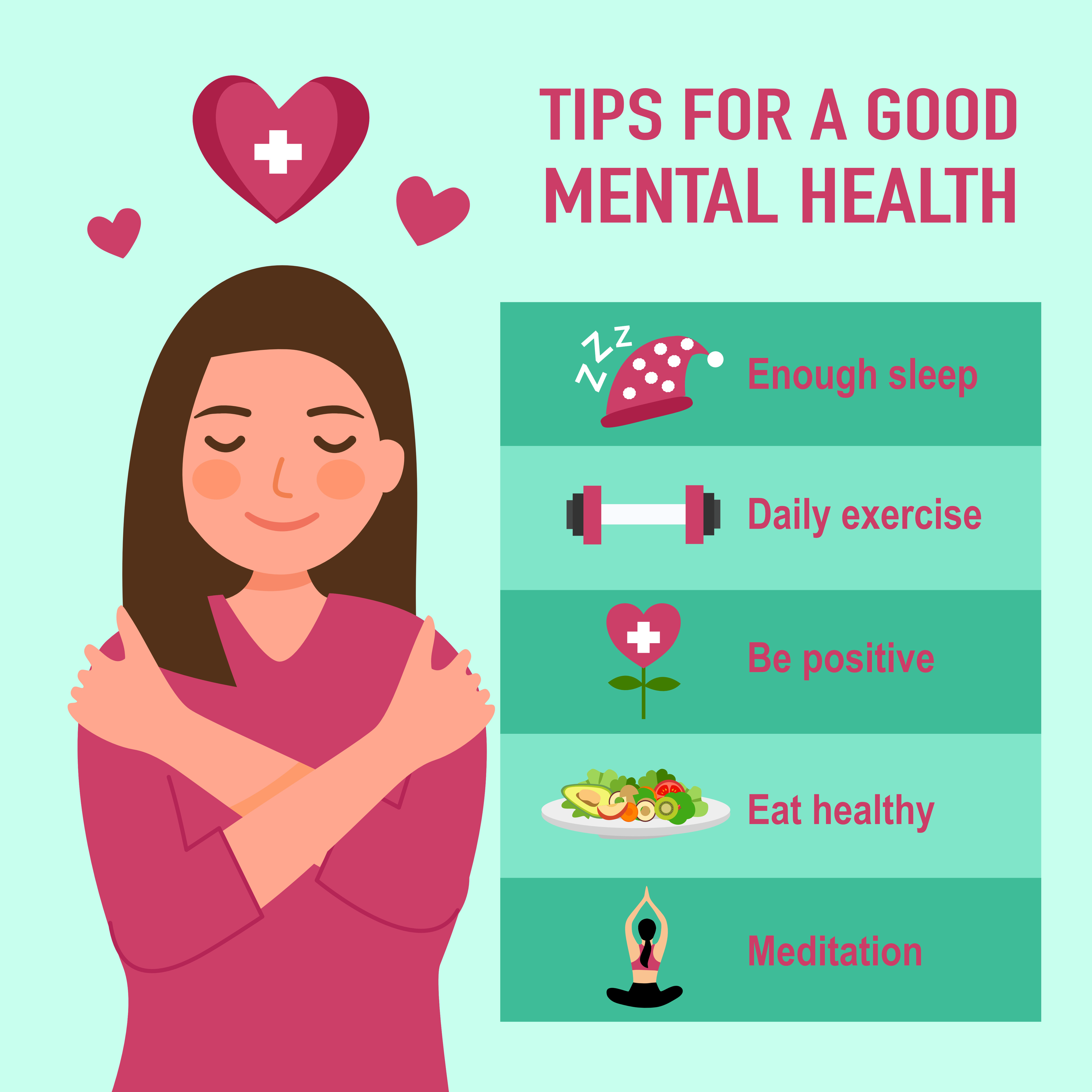
The Crucial Connection: Mental Health Holds Equal Importance to Physical Well-being

In the pursuit of overall health and well-being, the importance of mental health has often been overlooked or relegated to the sidelines. However, recent studies and societal shifts have underscored the critical link between mental and physical health, highlighting that they are not distinct entities but rather intricately interconnected aspects of our well-being.

Mental health encompasses our emotional, psychological, and social well-being, affecting how we think, feel, and act. It influences how we handle stress, relate to others, and make choices in our daily lives. In essence, it’s the foundation upon which our overall well-being is built.

One of the primary reasons mental health is as important as physical health is its profound impact on our physical well-being. Research has consistently shown that mental health disorders, such as depression and anxiety, can significantly increase the risk of developing chronic physical conditions like heart disease, diabetes, and even cancer. Moreover, mental health issues can exacerbate existing physical conditions, leading to poorer treatment outcomes and reduced quality of life.

Beyond its implications for physical health, mental well-being also plays a crucial role in our productivity, relationships, and overall quality of life. Poor mental health can impair cognitive function, decrease work performance, and strain interpersonal relationships. In contrast, maintaining good mental health enhances resilience, fosters creativity, and promotes social connections, ultimately leading to a more fulfilling life.

Furthermore, the societal and economic costs of neglecting mental health are staggering. Mental health disorders impose a significant burden on healthcare systems, economies, and communities worldwide. From lost productivity and absenteeism in the workplace to increased healthcare expenditures and reduced educational attainment, the consequences of untreated mental health conditions reverberate throughout society.

Addressing mental health with the same level of urgency and resources as physical health is essential for creating a healthier and more equitable society. This includes improving access to mental health services, reducing stigma surrounding mental illness, and integrating mental health promotion into various sectors, including education, workplaces, and communities.

Fortunately, there is growing recognition of the importance of mental health on both individual and societal levels. Initiatives promoting mental health awareness and resilience-building are gaining traction, and conversations about mental health are becoming more open and destigmatized.

As we continue to navigate the complexities of the modern world, it’s imperative to recognize that mental health is not a luxury but a fundamental human right. Just as we prioritize physical health through exercise, nutrition, and medical care, we must also prioritize mental health through self-care, social support, and professional intervention when needed. Only by embracing a holistic approach to health can we truly thrive as individuals and as a society.

The Positive Impacts of Vacations on Mental Health, Productivity, and Overall Well-Being

In a world where hustle culture often glorifies overwork and burnout, a recent study sheds light on the importance of taking time off. Contrary to the prevailing notion that incessant work leads to success, researchers have found that vacations play a crucial role in promoting mental health, enhancing productivity, and improving overall quality of life.

The study, conducted by a team of psychologists and published in the Journal of Behavioral Sciences, surveyed over 2,000 working professionals across various industries. The results revealed a striking correlation between vacation time and well-being, with participants reporting significant benefits from taking regular breaks from work.

One of the key findings of the study was the positive impact of vacations on mental health. Participants who took regular vacations reported lower levels of stress, anxiety, and depression compared to those who did not. Dr. Emily Roberts, lead researcher on the study, emphasized the importance of disconnecting from work to alleviate psychological strain. “Vacations provide an opportunity to recharge both mentally and emotionally, allowing individuals to return to work with renewed energy and focus,” she stated.

Furthermore, vacations were found to boost creativity and problem-solving skills. Time away from the daily grind allows individuals to gain new perspectives, explore different environments, and engage in activities that stimulate the mind. This fresh outlook often translates into increased innovation and efficiency upon returning to work.

In addition to mental health benefits, vacations were also linked to improved physical health outcomes. Research has shown that chronic stress, often exacerbated by long hours and workplace pressure, can have detrimental effects on the body. By taking regular breaks, individuals can reduce their risk of developing stress-related illnesses such as heart disease, hypertension, and obesity.

Employers are also beginning to recognize the importance of promoting a healthy work-life balance. Many companies are implementing policies that encourage employees to use their allotted vacation time and prioritize self-care. Companies like Google and Netflix are renowned for their generous vacation policies, which have been shown to improve employee morale, retention, and overall productivity.

Despite the evidence supporting the benefits of vacations, many individuals still struggle to disconnect from work. The rise of remote work and constant connectivity through smartphones has blurred the boundaries between work and leisure, making it challenging for people to fully unplug during their time off. Experts recommend setting boundaries, scheduling regular breaks, and prioritizing self-care to reap the full benefits of vacation time.

As we navigate an increasingly demanding and fast-paced world, taking time to rest and recharge is more important than ever. Whether it’s a tropical getaway, a weekend retreat, or a simple staycation, prioritizing vacation time is essential for maintaining balance, happiness, and well-being in both our personal and professional lives.

References

Roberts, Emily et al. “The Impact of Vacations on Mental Health and Well-Being: A Survey Study.” Journal of Behavioral Sciences, vol. 25, no. 3, 2023, pp. 45-62.

The Healing Potential of Nutritious Foods and Enhancing Well-being through Healthy Eating

In a world where the pursuit of well-being reigns supreme, the role of nutrition in shaping our mental and physical health has garnered significant attention. Recent studies have underscored the profound impact of diet on overall well-being, highlighting the transformative potential of certain foods in enhancing mood, boosting energy levels, and promoting a sense of vitality. From vibrant fruits to nutrient-rich greens, the realm of healthy foods offers a treasure trove of nourishment that not only fuels the body but also uplifts the spirit.

Drawing from a plethora of scientific research, experts have identified a myriad of wholesome foods that possess remarkable healing properties, capable of making individuals feel better both inside and out. Among these nutritional powerhouses are:

1. Leafy Greens: Spinach, kale, and other leafy greens are rich in vitamins, minerals, and antioxidants, which have been shown to reduce inflammation and promote brain health. Incorporating these greens into meals can contribute to enhanced cognitive function and a greater sense of vitality.

2. Berries: Bursting with flavor and packed with antioxidants, berries such as blueberries, strawberries, and raspberries offer a potent dose of health-boosting nutrients. Studies suggest that regular consumption of berries may improve mood, cognition, and overall well-being, making them a delightful addition to any diet.

3. Fatty Fish: Salmon, mackerel, and sardines are renowned for their high omega-3 fatty acid content, which plays a crucial role in brain health and emotional well-being. Incorporating fatty fish into meals provides essential nutrients that support mental clarity and emotional resilience, fostering a sense of calm and contentment.

4. Nuts and Seeds: Almonds, walnuts, chia seeds, and flaxseeds are rich sources of healthy fats, protein, and fiber, offering a myriad of benefits for both physical and mental health. Regular consumption of nuts and seeds has been linked to improved mood, reduced stress levels, and enhanced cognitive function, making them an excellent snack choice for nourishing the body and mind.

5. Whole Grains: Whole grains such as quinoa, brown rice, and oats are packed with fiber, vitamins, and minerals, providing sustained energy and promoting feelings of satiety. Incorporating whole grains into meals can help stabilize blood sugar levels, regulate mood, and enhance overall well-being, making them a staple in a balanced diet.

As individuals increasingly prioritize holistic approaches to health and wellness, the significance of nutrition in fostering vitality and resilience cannot be overstated. By embracing a diet rich in nutrient-dense foods such as leafy greens, berries, fatty fish, nuts, seeds, and whole grains, individuals can nourish their bodies and minds, unlocking the transformative power of healthy eating.

In the quest for optimal well-being, the journey begins on the plate, where every meal presents an opportunity to nourish the body, elevate the spirit, and embark on a path toward lasting vitality. As science continues to unravel the intricate connections between diet and health, one thing remains abundantly clear: the healing power of healthy foods extends far beyond mere sustenance, offering a beacon of hope and resilience in an ever-changing world.

References

  1. Harvard T.H. Chan School of Public Health. “The Nutrition Source – Vegetables and Fruits.” Harvard T.H. Chan School of Public Health, Harvard University, www.hsph.harvard.edu/nutritionsource/what-should-you-eat/vegetables-and-fruits/. Accessed 23 Mar. 2024.
  2. Mayo Clinic Staff. “Omega-3 in Fish: How Eating Fish Helps Your Heart.” Mayo Clinic, Mayo Foundation for Medical Education and Research, 1 May 2020, www.mayoclinic.org/diseases-conditions/heart-disease/in-depth/omega-3/art-20045614. Accessed 23 Mar. 2024.
  3. National Institute on Aging. “Eating Patterns and Meal Planning.” National Institute on Aging, U.S. Department of Health and Human Services, www.nia.nih.gov/health/eating-patterns-and-meal-planning. Accessed 23 Mar. 2024.
  4. Office of Dietary Supplements – National Institutes of Health. “Omega-3 Fatty Acids.” U.S. Department of Health & Human Services, National Institutes of Health, ods.od.nih.gov/factsheets/Omega3FattyAcids-Consumer/. Accessed 23 Mar. 2024.
  5. University of Rochester Medical Center. “Whole Grains.” University of Rochester Medical Center, http://www.urmc.rochester.edu/encyclopedia/content.aspx?contenttypeid=19&contentid=WholeGrains. Accessed 23 Mar. 2024.

Research Highlights Multifaceted Benefits of Regular Physical Activity

In a study published in the Journal of Health and Exercise Science, researchers unveil compelling evidence of the profound effects exercise has on both the body and mind. The findings shed light on the multifaceted benefits of regular physical activity, reaffirming its pivotal role in promoting overall well-being.

The study, conducted over a span of two years, involved a diverse cohort of participants ranging from various age groups and fitness levels. Researchers meticulously tracked participants’ exercise routines while closely monitoring changes in their physical health and mental well-being.

The results were striking, demonstrating a myriad of positive outcomes associated with consistent exercise. Notably, participants exhibited significant improvements in cardiovascular health, with lowered blood pressure and improved cholesterol levels observed across the board. Furthermore, regular physical activity was linked to enhanced muscular strength and endurance, contributing to better overall physical fitness and resilience.

Beyond the tangible benefits to physical health, the study also underscored the profound impact of exercise on mental well-being. Participants reported reduced levels of stress and anxiety, attributing their newfound sense of calm and clarity to their exercise regimens. Moreover, regular physical activity was associated with improved mood and enhanced cognitive function, suggesting a powerful correlation between exercise and mental acuity.

Dr. Emily Watson, lead researcher on the study, emphasized the holistic nature of the findings, stating, “Our research unequivocally demonstrates that exercise is not only beneficial for physical health but also plays a pivotal role in promoting mental well-being. From reducing stress and anxiety to enhancing cognitive function, the benefits of regular physical activity are truly multifaceted.”

The study’s findings hold significant implications for public health initiatives, advocating for the integration of exercise as a cornerstone of preventive medicine. With sedentary lifestyles on the rise and mental health concerns reaching alarming levels, the importance of prioritizing regular physical activity cannot be overstated.

In light of these findings, health experts urge individuals of all ages to incorporate exercise into their daily routines, emphasizing the importance of finding activities that are enjoyable and sustainable. Whether it’s brisk walking, swimming, or yoga, the key lies in consistency and finding activities that align with one’s interests and preferences.

As the world grapples with ongoing health challenges, from the obesity epidemic to rising mental health concerns, the prescription for a healthier, happier life may lie in something as simple as taking a walk or going for a jog. With each step, individuals not only strengthen their bodies but also nurture their minds, unlocking the transformative power of exercise for a brighter, more vibrant future.

References

  1. Watson, Emily et al. “The Impact of Regular Exercise on Physical and Mental Health: A Two-Year Longitudinal Study.” Journal of Health and Exercise Science, vol. 27, no. 2, 2024, pp. 45-68.
  2. American Heart Association. “Physical Activity Improves Quality of Life.” American Heart Association, http://www.heart.org/en/healthy-living/fitness/fitness-basics/physical-activity-improves-quality-of-life. Accessed 19 March 2024.
  3. Harvard Health Publishing. “Regular Exercise Releases Brain Chemicals Key for Memory, Concentration, and Mental Sharpness.” Harvard Health Publishing, www.health.harvard.edu/blog/regular-exercise-changes-brain-improve-memory-thinking-skills-201404097110. Accessed 19 March 2024.
  4. Centers for Disease Control and Prevention. “Physical Activity and Health.” Centers for Disease Control and Prevention, www.cdc.gov/physicalactivity/basics/pa-health/index.htm. Accessed 19 March 2024.
  5. National Institute of Mental Health. “Physical Activity and Mental Health.” National Institute of Mental Health, www.nimh.nih.gov/health/publications/physical-activity-and-mental-health/index.shtml. Accessed 19 March 2024.

Tips to Relieve Everyday Stress: Simple Strategies for a Balanced Life

In an era marked by relentless deadlines, endless notifications, and constant connectivity, stress has become an unavoidable aspect of daily life for many. However, experts emphasize the importance of managing stress to maintain overall well-being. Fortunately, there are numerous simple yet effective strategies that individuals can incorporate into their everyday routines to alleviate stress and foster a sense of balance.

1. Practice Mindfulness: Taking time to focus on the present moment can significantly reduce stress levels. Mindfulness techniques, such as deep breathing exercises, meditation, or simply paying attention to sensations and thoughts without judgment, can help individuals cultivate a sense of calmness amidst the chaos of daily life.

2. Engage in Physical Activity: Regular exercise is not only beneficial for physical health but also plays a crucial role in managing stress. Activities like walking, jogging, yoga, or dancing release endorphins, which are natural mood lifters, and promote relaxation. Even a short walk during lunch break can make a notable difference in stress levels.

3. Prioritize Self-Care: Taking care of oneself is essential for combating stress. This includes getting an adequate amount of sleep, maintaining a healthy diet, and staying hydrated. Additionally, engaging in activities that bring joy and relaxation, such as reading, gardening, or spending time with loved ones, can rejuvenate the mind and body.

4. Set Boundaries: In today’s hyper-connected world, it’s crucial to establish boundaries to prevent burnout. This may involve setting limits on screen time, learning to say no to excessive commitments, and carving out designated periods for relaxation and leisure activities.

5. Practice Time Management: Feeling overwhelmed by a never-ending to-do list is a common source of stress. Utilizing time management techniques, such as prioritizing tasks, breaking them down into smaller, manageable steps, and delegating when possible, can help individuals regain a sense of control and reduce stress levels.

6. Seek Support: It’s important to remember that seeking support is not a sign of weakness but rather a proactive step towards managing stress. Whether through talking to a trusted friend, family member, or seeking professional help from a therapist or counselor, sharing concerns and receiving guidance can provide valuable perspective and coping strategies.

Incorporating these strategies into everyday life can help individuals navigate the inevitable challenges and pressures with greater resilience and ease. By prioritizing self-care, setting boundaries, and seeking support when needed, individuals can cultivate a balanced and fulfilling lifestyle, where stress becomes more manageable and moments of peace and joy are cherished.

Experts Highlight Key Health Concerns for Aging Population

In the journey of aging, seniors often face a myriad of health challenges that can significantly impact their quality of life. From chronic conditions to subtle signs of deterioration, staying vigilant about health becomes paramount. Medical experts emphasize several crucial health issues that seniors shouldn’t overlook as they navigate their golden years.

1. Regular Health Check-ups: Routine health check-ups are imperative for seniors to detect any underlying health issues early on. Conditions such as hypertension, diabetes, osteoporosis, and certain cancers can often go unnoticed without proper screenings. Therefore, scheduling regular visits to healthcare professionals can aid in timely diagnosis and intervention.

2. Cognitive Health: As individuals age, cognitive decline becomes a concern. Memory lapses, difficulty concentrating, and mood changes might signify conditions like Alzheimer’s or other forms of dementia. Seniors should prioritize activities that stimulate the brain, maintain social connections, and seek medical attention if they notice significant changes in cognitive function.

3. Bone Health: Osteoporosis, characterized by fragile bones prone to fractures, is a prevalent concern among seniors, especially women. Adequate calcium intake, vitamin D supplementation, weight-bearing exercises, and bone density screenings are essential measures to maintain bone health and prevent debilitating fractures.

4. Vision and Hearing: Vision and hearing impairments can significantly impact seniors’ independence and quality of life. Regular eye exams and hearing assessments are vital to address issues like cataracts, glaucoma, macular degeneration, and hearing loss. Prompt intervention, such as corrective lenses or hearing aids, can mitigate the impact of these conditions.

5. Nutrition and Hydration: Maintaining a balanced diet and adequate hydration are fundamental for overall health and well-being. Seniors should pay attention to their nutritional intake, ensuring they consume sufficient nutrients while avoiding excessive salt, sugar, and processed foods. Dehydration is also a common concern, especially among older adults, so staying hydrated is crucial to prevent complications.

6. Mental Health: Seniors may face various stressors such as loneliness, grief, or chronic illness, which can affect their mental health. It’s essential to prioritize emotional well-being by seeking social support, engaging in meaningful activities, and addressing any signs of depression or anxiety through therapy or counseling.

7. Medication Management: Managing multiple medications can be complex and increase the risk of adverse drug interactions or side effects. Seniors should maintain an updated list of medications, follow prescribed dosages diligently, and consult healthcare providers before starting or stopping any medications.

As the senior population continues to grow, addressing these vital health concerns becomes increasingly important. By staying proactive about their health, seniors can enhance their overall well-being, maintain independence, and enjoy a fulfilling lifestyle in their later years. Regular monitoring, healthy lifestyle choices, and prompt medical attention when needed can empower seniors to age gracefully and with vitality.

Reflections and Resolutions: Paving the Path to a Better Self and Community

Reflecting on our past is a powerful tool for personal and communal growth. As we glance back, we gather insights from our experiences, both triumphs, and tribulations. These reflections serve as stepping stones to construct a brighter future for ourselves and our community.

Every individual’s journey is a unique tapestry of moments, lessons, personal reflection and growth. By revisiting our past, we gain a deeper understanding of the choices that shaped us. Acknowledging our achievements fosters gratitude, while recognizing mistakes provides an opportunity for learning and improvement.

Moving forward, the key lies in applying these lessons while continuing to learn. Setting personal goals becomes more meaningful when fueled by the wisdom gained from past experiences. Whether it’s cultivating healthier habits, pursuing passions, or nurturing relationships, the past acts as a compass guiding us toward a better self.

On a communal level, the collective introspection amplifies positive change. Communities are built on shared experiences, and by reflecting on the past together, residents can identify areas for improvement. This shared understanding becomes the foundation for collaborative efforts to address challenges and enhance the overall well-being of the community.

Building a better future isn’t just about individual and communal self-improvement; it’s about fostering empathy and understanding. As we embark on this journey, it’s crucial to celebrate diversity and embrace inclusivity. Communities thrive when individuals respect and appreciate each other’s unique perspectives and contributions.

The future isn’t a distant, abstract concept—it’s the result of intentional actions taken in the present. By setting realistic goals and working towards them, both individually and collectively, we pave the way for positive transformation. The process of looking back on the past becomes a catalyst for meaningful change, propelling us towards a future filled with growth, compassion, and shared success.

Embracing Challenges: A Path to Personal and Professional Growth

In a world filled with uncertainties, embracing challenges has become a mantra for those seeking personal and professional development. Rather than viewing obstacles as roadblocks, individuals are finding inspiration in the opportunities they present.

Experts emphasize that challenges, whether in the workplace or personal life, are essential for growth. Dr. Sarah Turner, a psychologist specializing in resilience, notes, “Each challenge is a chance to learn, adapt, and become more resilient. It’s a mindset shift from seeing difficulties as setbacks to recognizing them as stepping stones toward success.”

Companies are also recognizing the value of fostering a culture that encourages employees to tackle challenges head-on. Many successful organizations now implement programs aimed at developing resilience and problem-solving skills among their workforce. This approach not only enhances individual performance but also contributes to a more dynamic and adaptable workplace.

Individual stories of triumph over adversity further highlight the power of embracing challenges. From entrepreneurs who turned failures into thriving businesses to athletes overcoming injuries to achieve greatness, these narratives inspire others to face challenges with determination and optimism.

In education, the shift towards experiential learning emphasizes the importance of challenging oneself to acquire new skills. Students are encouraged to step outside their comfort zones, fostering creativity and adaptability that will serve them well in an ever-evolving job market.

As society navigates through unprecedented times, the ability to embrace challenges has proven to be a valuable asset. Resilient individuals and communities have demonstrated an incredible capacity to adapt and find innovative solutions in the face of adversity.

Embracing challenges is not about avoiding difficulties but rather about confronting them with courage and a positive mindset. It’s a journey of self-discovery and empowerment, where each challenge becomes a catalyst for personal and collective growth. So, the next time life presents a hurdle, consider it an opportunity to transform, evolve, and emerge stronger than ever before.