Navigating Self-Improvement in the Digital Age

When technology rapidly evolves and societal norms continuously shift, self-improvement has emerged as a prominent movement, captivating the attention of millions worldwide. From mindfulness practices to professional development, the pursuit of personal growth has become a defining feature of contemporary life.

The Rise of Self-Improvement

The self-improvement industry has seen exponential growth in recent years. According to Market Research Future, the global personal development market is projected to reach USD $41.81 billion by 2027, expanding at a compound annual growth rate (CAGR) of 5.1%. This surge is driven by a growing awareness of mental health, the want for work-life balance, and the accessibility of self-improvement resources.

Digital Platforms Fuel Growth

The advent of digital platforms has revolutionized access to self-improvement content. Podcasts, webinars, and online courses offer a plethora of resources, enabling individuals to embark on their personal development journeys from the comfort of their homes. Popular platforms like MasterClass, Skillshare, and Coursera give courses on a wide range of topics, from leadership skills to creative writing, making self-improvement more accessible than ever before.

Mindfulness and Mental Health

Mindfulness and mental health have become central themes in the self-improvement narrative. The rise of mindfulness apps like Headspace and Calm underscores the increasing recognition of the importance of mental well-being. These apps offer guided meditations, breathing exercises, and sleep stories, helping users manage stress and improve their mental health.

Dr. Sarah Thompson, a psychologist and mindfulness expert, explains, “The integration of mindfulness practices into daily life can lead to significant improvements in mental health, reducing anxiety and depression while enhancing overall well-being.”

Professional Development

In the professional realm, self-improvement is closely linked with career advancement. Employers are increasingly recognizing the value of investing in their employees’ personal development. Programs focused on leadership training, communication skills, and emotional intelligence are becoming commonplace in the corporate world.

John Miller, CEO of a leading tech firm, emphasizes, “Continuous learning and development are crucial for staying competitive in today’s fast-paced business environment. By investing in our employees’ growth, we not only enhance their skills but also foster a culture of innovation and resilience.”

The Role of Social Media

Social media has played a pivotal role in popularizing self-improvement. Influencers and thought leaders share their journeys, offering tips and inspiration to their followers. Hashtags like #SelfImprovement, #PersonalGrowth, and #Mindfulness have garnered millions of posts, creating a global community of individuals committed to bettering themselves.

However, experts caution against the potential downsides of social media-driven self-improvement. Dr. Emily Roberts, a sociologist, notes, “While social media can be a valuable source of inspiration, it can also create unrealistic expectations and contribute to feelings of inadequacy. It’s important for individuals to set realistic goals and understand that personal growth is a continuous, individualized process.”

Looking Ahead

The future of self-improvement looks promising as more people embrace the journey of personal growth. As technological advancements continue and societal attitudes towards mental health evolve, the self-improvement movement is poised to make a lasting impact on individuals and communities worldwide.

The self-improvement surge is a significant cultural shift towards prioritizing personal growth and well-being. With the support of digital platforms, corporate initiatives, and a global community, individuals are empowered to embark on their unique journeys of self-discovery and development. As the movement continues to gain momentum, it holds the potential to transform lives and shape a more mindful, resilient, and fulfilled society.

Top Trends Facing the Property and Casualty Market in 2024

The property and casualty (P&C) insurance market is experiencing significant shifts in 2024, driven by technological advancements, climate change, regulatory updates, and evolving consumer expectations. As insurers navigate these changes, several key trends have emerged that are helping shape the industry landscape.

1. Digital Transformation and Insurtech Integration

The integration of insurtech is revolutionizing the P&C insurance sector. Advanced data analytics, artificial intelligence (AI), and machine learning are enhancing underwriting accuracy, risk assessment, and customer experience. Insurtech startups are partnering with traditional insurers to offer innovative solutions, such as usage-based insurance (UBI) and on-demand coverage, which cater to the modern consumer’s needs for flexibility and personalization.

2. Climate Change and Catastrophe Modeling

Climate change continues to be a critical concern for the P&C market. Increasing frequency and severity of natural disasters, such as hurricanes, wildfires, and floods, are leading to higher claims and losses. Insurers are investing in advanced catastrophe modeling and predictive analytics to better assess and manage these risks. Additionally, there is a growing emphasis on sustainable practices and green insurance products that incentivize policyholders to adopt environmentally friendly measures.

3. Regulatory Changes and Compliance

Regulatory landscapes are evolving, with new laws and guidelines being introduced to address emerging risks and ensure consumer protection. In 2024, insurers are focusing on enhancing compliance frameworks to meet stricter data privacy regulations and cybersecurity standards. The rise of digital channels has also prompted regulators to scrutinize digital sales practices, leading to the development of more robust guidelines for online insurance transactions.

4. Telematics and IoT in Risk Management

Telematics and the Internet of Things (IoT) are playing a pivotal role in transforming risk management in the P&C insurance sector. Telematics devices, particularly in auto insurance, provide real-time data on driving behavior, enabling insurers to offer personalized premiums based on individual risk profiles. Similarly, IoT devices in homes and businesses help monitor potential hazards, such as water leaks or fire risks, allowing for proactive mitigation and reduced claims.

5. Focus on Cyber Insurance

With the rise in cyber threats, cyber insurance has become a critical component of the P&C market. Businesses and individuals are increasingly seeking coverage to protect against data breaches, ransomware attacks, and other cyber risks. Insurers are expanding their cyber insurance offerings and developing comprehensive policies that address the evolving nature of cyber threats. This trend underscores the importance of cybersecurity in the overall risk management strategy.

6. Customer-Centric Innovations

In an era of heightened customer expectations, insurers are prioritizing customer-centric innovations. This includes the adoption of omnichannel communication strategies, offering seamless interactions across digital and traditional platforms. Personalized policy options, streamlined claims processes, and enhanced customer service through AI-driven chatbots are some of the ways insurers are improving customer engagement and satisfaction.

7. Expansion of Parametric Insurance

Parametric insurance is gaining traction as a viable alternative to traditional indemnity insurance. Unlike traditional policies, parametric insurance pays out a predetermined amount based on the occurrence of a specific event, such as a natural disaster reaching a certain intensity. This model offers faster claims processing and payouts, providing policyholders with quicker financial relief. The simplicity and efficiency of parametric insurance are driving its adoption across various segments, including agriculture, travel, and climate-related risks.

The property and casualty insurance market in 2024 is marked by rapid technological advancements, heightened awareness of climate risks, regulatory changes, and a focus on customer-centric approaches. Insurers that embrace these trends and invest in innovation are likely to thrive in this dynamic environment. As the industry continues to evolve, staying ahead of these trends will be crucial for delivering value to policyholders and maintaining a competitive edge.


About the Author:

David Dandaneau is a insurance agent that covers the insurance and financial services industry. He is known for his insightful analysis and comprehensive coverage of market trends and regulatory developments.

Revolutionizing Auto Insurance In The Era of Electric and Autonomous Vehicles

In a time of rapid technological advancements, the automotive industry is undergoing a transformative shift. From electric vehicles (EVs) to autonomous cars, the future of driving promises to be safer, more efficient, and environmentally friendly. As these innovations take the wheel, the auto insurance industry is also evolving to keep pace with the changing landscape.

The Rise of Electric Vehicles

Electric vehicles are at the forefront of the automotive revolution. With major manufacturers like Tesla, Nissan, Ford and General Motors leading the charge, EVs are becoming increasingly accessible to consumers. Governments worldwide are also incentivizing the switch to electric by offering tax rebates and investing in charging infrastructure.

However, the adoption of EVs brings new challenges and opportunities for auto insurers. Traditional factors like engine size and fuel type are becoming obsolete, while new variables such as battery life, charging patterns, and software updates are gaining importance. Insurers are developing new models to assess risk and determine premiums, considering the unique characteristics of EVs.

Autonomous Vehicles: Redefining Risk

The advent of autonomous vehicles (AVs) represents a seismic shift in how we think about driving and insurance. With companies like Waymo, Uber, and traditional automakers investing heavily in self-driving technology, AVs are expected to reduce accidents caused by human error significantly.

For insurers, this reduction in accidents could lead to lower premiums and a shift in the liability landscape. Instead of individual drivers, manufacturers and software developers might bear more responsibility for accidents involving autonomous systems. This change necessitates new regulatory frameworks and insurance products to address the complex nature of AV technology.

Usage-Based Insurance: The Data-Driven Approach

With advancements in telematics and data analytics, usage-based insurance (UBI) is gaining traction. UBI relies on real-time data collected from vehicles to tailor premiums based on individual driving behavior. This model encourages safer driving practices by rewarding low-risk behavior with lower premiums.

Telematics devices track various metrics, including speed, braking patterns, and mileage. As more drivers opt for UBI, insurers can gather extensive data to refine their risk assessment models further. This data-driven approach not only benefits consumers with personalized premiums but also helps insurers mitigate risk more effectively.

Cybersecurity: Protecting the Connected Car

As vehicles become more connected, cybersecurity emerges as a critical concern. Modern cars are equipped with advanced infotainment systems, GPS, and even internet connectivity, making them vulnerable to cyberattacks. A breach could compromise vehicle safety, privacy, and personal data.

Insurance companies are now incorporating cyber coverage into their policies, protecting against potential cyber threats. This coverage includes protection against hacking, data breaches, and even software malfunctions. As the automotive industry continues to innovate, insurers must stay ahead of emerging cyber risks to ensure comprehensive coverage.

Environmental Impact: Insuring a Greener Future

The shift towards sustainable transportation is not only driven by technological advancements but also by a growing awareness of environmental impact. Insurers are recognizing the need to support green initiatives by offering incentives for eco-friendly driving. Policies that reward low-emission vehicles and promote green practices are becoming more common.

Moreover, insurers are exploring ways to contribute to environmental sustainability, such as investing in carbon offset programs and supporting renewable energy projects. By aligning with the broader goal of reducing carbon footprints, the insurance industry can play a crucial role in driving the transition to a greener future.

The evolution of the automotive industry is reshaping the landscape of auto insurance. From electric and autonomous vehicles to data-driven and environmentally conscious policies, insurers are adapting to meet the demands of a rapidly changing world. As we drive into the future, the synergy between technology and insurance will be pivotal in ensuring safer, smarter, and more sustainable mobility for all.

About the Author:

David Dandaneau is a insurance agent that covers the insurance and financial services industry. He is known for his insightful analysis and comprehensive coverage of market trends and regulatory developments.

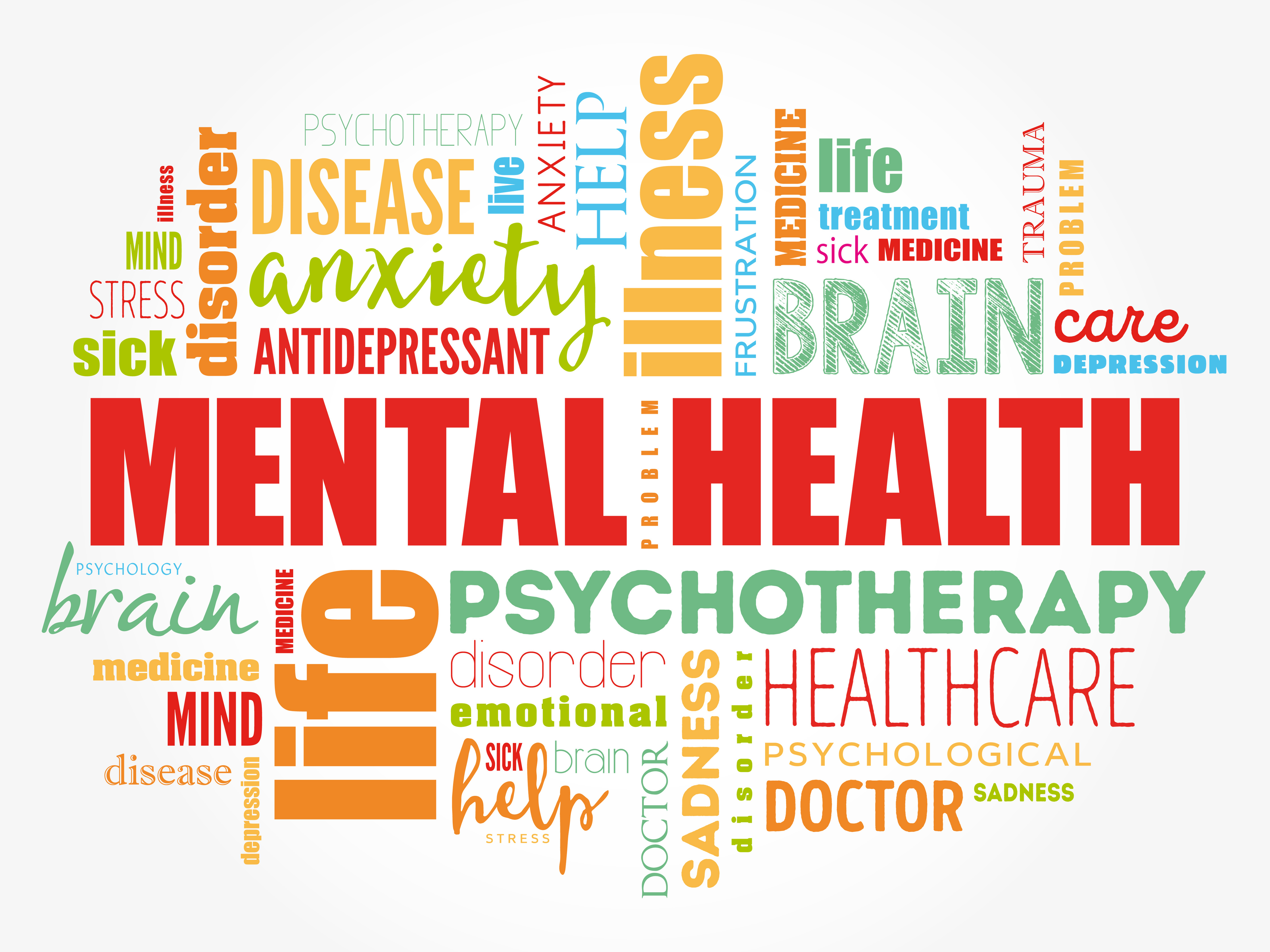
The Importance of Mental Health at Every Life Stage

In this day and age where the pace of life is ever-increasing and the demands of daily living are constantly evolving, the importance of mental health cannot be overstated. From childhood to old age, taking care of your mental health is crucial for overall well-being and quality of life.

Mental Health in Childhood

For children, mental health is the foundation for future development. A child’s early experiences shape their brain development, influencing their emotional and social capabilities. According to the American Psychological Association, untreated mental health issues in childhood, such as anxiety or depression, can lead to difficulties in school, trouble forming healthy relationships, and an increased risk of substance abuse later in life. Early intervention and support from parents, teachers, and mental health professionals can help children develop resilience and coping skills.

Adolescence: A Critical Period

Adolescence is a critical period for mental health, as teenagers navigate the complexities of identity, relationships, and academic pressures. The World Health Organization (WHO) reports that half of all mental health conditions start by age 14, but most cases are undetected and untreated. Encouraging open conversations about mental health, reducing stigma, and providing access to mental health services are essential for supporting adolescents during this tumultuous time. Schools and communities play a pivotal role in creating safe environments where young people feel empowered to seek help.

Adult Mental Health: Balancing Responsibilities

Adulthood brings a new set of challenges, including career pressures, family responsibilities, and financial stress. The National Institute of Mental Health (NIMH) highlights that adults with untreated mental health issues are at risk for chronic diseases, decreased productivity, and strained relationships. Regular self-care practices, such as exercise, healthy eating, and mindfulness, can help manage stress. Employers can contribute by fostering a supportive workplace culture and offering mental health resources.

Aging and Mental Health

Mental health remains important in older adulthood, where issues such as loneliness, grief, and physical health problems can impact well-being. According to the Centers for Disease Control and Prevention (CDC), depression and anxiety are common among older adults but often go undiagnosed. Staying socially active, engaging in mentally stimulating activities, and seeking support for mental health concerns can significantly enhance the quality of life for seniors.

Breaking the Stigma

Across all ages, one of the biggest barriers to seeking help is the stigma associated with mental health issues. Education and awareness campaigns can play a crucial role in normalizing mental health care. Encouraging open discussions about mental health, sharing personal stories, and promoting the message that it’s okay to seek help are vital steps in breaking down these barriers.

The Role of Technology

In recent years, technology has become a valuable tool in mental health care. Teletherapy, mental health apps, and online support groups provide accessible options for those seeking help. However, it’s important to ensure that these digital solutions are used in conjunction with traditional care methods and are accessible to people of all ages.

Taking care of your mental health is a lifelong commitment that requires attention and effort at every stage of life. Whether it’s a child learning to navigate emotions, a teenager dealing with peer pressure, an adult balancing work and family, or a senior facing the challenges of aging, mental health matters. By prioritizing mental health and breaking down the barriers to seeking help, we can build a healthier, more resilient society where everyone can thrive.


Sources:

  1. American Psychological Association (APA)
  2. World Health Organization (WHO)
  3. National Institute of Mental Health (NIMH)
  4. Centers for Disease Control and Prevention (CDC)

Enriching the Lives of Seniors through Technology

In an era marked by rapid technological advancement, the impact of innovation extends far beyond the younger generations. Increasingly, technology is transforming the lives of seniors, offering them newfound independence, connectivity, and improved quality of life. From smart devices to digital health solutions, the digital age has ushered in a wave of possibilities that cater specifically to the needs and preferences of older adults.

Empowering Independence

For many seniors, maintaining independence is paramount to their well-being. Technology has become a key ally in this endeavor, offering tools and resources that allow seniors to age in place comfortably. Smart home devices, equipped with voice recognition and automation features, enable seniors to control various aspects of their environment with ease. From adjusting the thermostat to turning off lights, these devices alleviate physical strain and enhance convenience, promoting a sense of autonomy.

Combatting Social Isolation

Social isolation and loneliness are prevalent among older adults, contributing to various health concerns such as depression and cognitive decline. However, technology serves as a bridge to connect seniors with loved ones and communities, regardless of physical distance. Video calling platforms, social media networks tailored for seniors, and online interest groups provide avenues for meaningful social interaction and engagement. These digital connections foster a sense of belonging and companionship, enriching the lives of seniors and mitigating feelings of loneliness.

Enhancing Healthcare Access

Accessing healthcare services can pose challenges for seniors, particularly those with mobility issues or residing in remote areas. Technology has revolutionized healthcare delivery, offering telemedicine solutions that bring medical consultations and monitoring directly to the homes of seniors. Through virtual appointments and remote monitoring devices, seniors can receive timely medical care and manage chronic conditions more effectively. Moreover, wearable health trackers and mobile applications empower seniors to take proactive control of their health, monitoring vital signs and encouraging healthy behaviors.

Cultivating Lifelong Learning

Learning is a lifelong pursuit that knows no age limit. With the advent of online learning platforms and digital educational resources, seniors have unprecedented access to a wealth of knowledge and enrichment opportunities. Whether pursuing academic interests, mastering new skills, or simply exploring hobbies, technology enables seniors to engage in continuous learning from the comfort of their homes. From virtual lectures to interactive tutorials, these resources stimulate cognitive function and promote mental agility, supporting overall brain health and well-being.

Embracing Innovation

As society embraces the digital age, it is essential to ensure that technological advancements are inclusive and accessible to seniors of all backgrounds and abilities. Designing user-friendly interfaces, providing digital literacy training, and offering personalized support are crucial steps in empowering seniors to leverage technology effectively. By fostering a culture of innovation that prioritizes the needs of older adults, we can harness the transformative potential of technology to enhance the lives of seniors and foster a more inclusive society.

Technology is not just a tool for the younger generation; it is a powerful agent of change that has the capacity to revolutionize the lives of seniors. By empowering independence, combating social isolation, enhancing healthcare access, and cultivating lifelong learning, technology offers endless possibilities for enriching the lives of older adults. As we continue to embrace innovation, let us ensure that seniors are not left behind in the digital revolution, but rather, at the forefront of a future where technology enhances their well-being and enables them to thrive.

Unveiling the Power of Sharp Minds: Seniors Defy Stereotypes with Surprising Mental Alertness

In a society that often underestimates the cognitive prowess of seniors, a growing body of research is challenging age-related stereotypes by showcasing the remarkable mental alertness exhibited by older individuals. Far from the conventional belief that aging inevitably leads to cognitive decline, recent studies are shedding light on the resilience and vitality of senior minds.

The Myth of Cognitive Decline

For years, the prevailing narrative has been that aging is synonymous with a decline in mental acuity. However, groundbreaking research in gerontology is challenging this notion, revealing that many seniors maintain and even enhance their mental alertness well into their golden years. Cognitive abilities such as memory, problem-solving, and decision-making are proving to be more adaptable and robust than previously thought.

Lifestyle Factors and Mental Sharpness

Experts point to various lifestyle factors that contribute to the sustained mental alertness observed in seniors. Regular physical exercise, a balanced diet rich in nutrients, and engaging in intellectually stimulating activities have emerged as key contributors to maintaining cognitive function. Social interaction and strong community ties also play a vital role in keeping seniors mentally agile.

Technology as a Catalyst

Contrary to the assumption that seniors struggle with technology, many are embracing digital tools to stimulate their minds. From online courses and brain-training apps to social media and video calls, seniors are leveraging technology to stay connected, learn new skills, and keep their brains active.

Community Initiatives Supporting Senior Mental Wellness

Communities are recognizing the importance of promoting mental alertness among seniors and are implementing various initiatives to support their cognitive health. Senior centers are offering a diverse range of activities, from chess tournaments to book clubs, fostering an environment that encourages mental stimulation and social interaction.

Personal Stories of Resilience

Interviews with seniors from different walks of life highlight inspiring stories of resilience and determination. Many are pursuing new hobbies, learning new languages, or even going back to school to acquire new knowledge. These personal narratives challenge stereotypes and serve as powerful testimonials to the potential for continuous mental growth in later life.

Looking Ahead

As our understanding of aging continues to evolve, it is becoming clear that mental alertness in seniors is not only achievable but often exceeds expectations. The shift in perspective challenges societal norms and encourages a more inclusive view of aging—one that embraces the potential for lifelong learning and mental vitality.

In a world where age is often associated with limitations, these findings serve as a beacon of hope, emphasizing the importance of fostering an environment that supports the mental well-being and potential of seniors. The journey toward challenging stereotypes and promoting a positive narrative on aging has only just begun, and the stories of resilient seniors are paving the way for a brighter, more inclusive future.

Elevating Golden Years: Seniors Staying Active with Hands and Minds

In the tapestry of life, our golden years should be a vibrant and fulfilling chapter. As we age, staying active becomes paramount for maintaining a healthy and happy lifestyle. In this blog post, we’ll explore the importance of seniors engaging both their hands and minds to unlock a world of possibilities, fostering well-being in the process.

Keeping Hands Busy

1. Embracing the Arts

Artistic endeavors are a fantastic way for seniors to keep their hands agile and creative juices flowing. From painting and drawing to pottery and crafts, the options are as diverse as the individuals themselves. Art not only provides a satisfying outlet but also stimulates the brain, promoting mental well-being.

2. Gardening Therapy

Getting hands dirty in the garden has therapeutic benefits for seniors. Planting flowers, tending to vegetables, and feeling the soil beneath their fingers connects them with nature. Gardening is not only a physical activity but also a mindful one, promoting relaxation and reducing stress.

3. Cooking Adventures

For many seniors, the kitchen is a sanctuary where creativity meets functionality. Trying out new recipes, experimenting with flavors, and preparing meals not only keeps hands nimble but also engages the mind in a delightful way.

Nurturing the Mind

1. Lifelong Learning

The adage “you’re never too old to learn” holds true. Seniors can engage their minds by taking up new hobbies, attending workshops, or even pursuing online courses. Lifelong learning not only keeps the brain active but also instills a sense of accomplishment.

2. Mind Games and Puzzles

Challenging the mind with puzzles, crosswords, and sudoku is an excellent way for seniors to maintain cognitive function. These activities stimulate memory, enhance problem-solving skills, and provide a daily mental workout.

3. Book Clubs and Writing

Reading and sharing thoughts on literature through book clubs can be a fulfilling social activity. Additionally, many seniors find joy in expressing their own thoughts and experiences through writing—whether it’s memoirs, poetry, or short stories.

The Power of Integration

1. Social Connections

Engaging in group activities, be it art classes, gardening clubs, or book discussions, fosters social connections. The combination of physical and mental engagement in a social setting contributes to a holistic approach to well-being.

2. Technology for Mind and Hands

Embracing technology opens up new avenues for seniors. From video calls with loved ones to interactive brain games, technology can be a powerful tool for staying connected and mentally active.

As the years unfold, the key to a fulfilling and active senior life lies in the harmonious integration of both hands and mind. Embracing creativity, pursuing lifelong learning, and maintaining social connections contribute to a vibrant tapestry of experiences in the golden years. By keeping hands and minds busy, seniors can continue to savor the richness of life and contribute to the colorful mosaic of the aging journey.

Maneuvering through the Obstacles Seniors Face in Today’s Society

As our society continues to evolve, the challenges faced by seniors have become increasingly complex. From healthcare to technology, seniors encounter various obstacles that can significantly impact their quality of life. In this article, I’ll dive into some of the prominent hurdles faced by seniors and explore potential solutions to address these issues.

  1. Healthcare Access and Affordability: One of the foremost challenges seniors grapple with is access to affordable and comprehensive healthcare. As medical costs soar, many seniors find themselves struggling to afford necessary medications, treatments, and even routine check-ups. Limited mobility and transportation difficulties can exacerbate this issue, making it harder for seniors to access the care they need.
    • Solution: Community outreach programs, increased availability of home healthcare services, and advocacy for affordable healthcare policies can contribute to a more accessible and affordable healthcare system for seniors.
  2. Technological Barriers: In an era dominated by technology, seniors often face challenges in adapting to new devices and digital platforms. From online banking to virtual healthcare appointments, the digital divide can isolate seniors and hinder their ability to connect with the modern world.
    • Solution: Implementing user-friendly technology, providing digital literacy programs for seniors, and encouraging intergenerational tech support can help bridge the technological gap.
  3. Social Isolation: Seniors may experience social isolation due to factors such as the loss of friends and family members, physical limitations, or the lack of community engagement. Loneliness and social isolation can have detrimental effects on mental and physical well-being.
    • Solution: Creating community centers, organizing social activities for seniors, and fostering intergenerational connections can combat social isolation and enhance the overall quality of life for older adults.
  4. Financial Insecurity: Many seniors face financial challenges, including a fixed income, rising living costs, and the potential depletion of retirement savings. Economic instability can limit seniors’ ability to enjoy their golden years without constant financial worry.
    • Solution: Implementing policies that support affordable housing, providing financial education for seniors, and expanding access to senior-friendly employment opportunities can contribute to financial security in later years.
  5. Transportation Limitations: Limited mobility can restrict seniors’ ability to travel independently, leading to increased dependency on others for transportation. This can hinder access to essential services and social activities.
    • Solution: Developing senior-friendly transportation services, promoting community-based transportation initiatives, and incorporating age-friendly design in urban planning can enhance seniors’ mobility and independence.

Addressing the obstacles faced by seniors requires a multifaceted approach that involves community engagement, policy changes, and technological advancements. By understanding and actively working to overcome these challenges, we can create a more inclusive and supportive society for our aging population. Ask not what a senior can do for you but what you can do for your senior is what we all should be doing. Most importantly, if you have an important senior in your life, remember to tell them you love them and keep smiling cause it really does look good on them. Make it a GREAT DAY!!!