High-Functioning Depression: What to Look For?

Depression is often portrayed as visible sadness, emotional breakdowns, or an inability to function. In reality, many people experiencing depression continue to show up to work, care for their families, and meet daily obligations, while silently struggling. These “high-functioning” or subtle forms of depression frequently go unnoticed by others and, just as often, by the individuals experiencing them.

Mental health professionals emphasize that depression does not always announce itself clearly. It can surface through physical symptoms, behavioral changes, or shifts in thinking that are easy to dismiss as stress, burnout, or personality traits. Recognizing these overlooked signals is a critical first step toward seeking support and preventing symptoms from worsening.

Below is a practical reference list of commonly missed signs of depression. Experiencing one or two does not automatically indicate depression, but persistent patterns especially over several weeks should not be ignored.


Commonly Missed Signs of Depression

  1. Chronic Fatigue Despite Adequate Rest
    Feeling consistently drained, even after sleeping, can be a sign of emotional exhaustion rather than physical tiredness.
  2. Loss of Interest in Previously Enjoyable Activities
    Hobbies, social events, or passions may begin to feel like obligations rather than sources of enjoyment.
  3. Increased Irritability or Short Temper
    Depression does not always appear as sadness; it can manifest as frustration, impatience, or anger.
  4. Changes in Appetite or Weight
    Eating significantly more or less than usual without a conscious goal can signal emotional distress.
  5. Difficulty Concentrating or Making Decisions
    Persistent “brain fog,” forgetfulness, or indecisiveness may reflect cognitive effects of depression.
  6. Withdrawing Socially While Remaining Busy
    Staying productive but avoiding meaningful conversations or relationships can be a coping mechanism.
  7. Physical Complaints With No Clear Medical Cause
    Headaches, stomach issues, or unexplained aches are frequently linked to untreated depression.
  8. Overworking or Constant Busyness
    Using work or productivity to avoid emotions is a common but often overlooked warning sign.
  9. Feelings of Hopelessness or Emotional Numbness
    A sense that things will not improve or feeling nothing at all can be more concerning than sadness itself.
  10. Sleep Changes
    Insomnia, frequent waking, or sleeping excessively are among the most common symptoms of depression.
  11. Persistent Self-Criticism or Guilt
    An ongoing internal narrative of failure or inadequacy can quietly erode mental well-being.
  12. Relying More Heavily on Alcohol or Substances
    Increased use to relax, sleep, or cope emotionally may indicate underlying distress.

When to Seek Support

If several of these signs resonate and have been present most days for two weeks or longer, it may be time to reach out for help. Depression is not a personal weakness or a failure of resilience, it is a medical condition that responds to treatment, support, and understanding.

Talking with a trusted person, scheduling an appointment with a healthcare provider, or contacting a mental health professional can be meaningful first steps. Early recognition often leads to better outcomes and prevents prolonged suffering.

Mental health challenges are common, but suffering in silence does not have to be. Awareness both personal and collective remains one of the most powerful tools for improving mental well-being.

Listen to Your Body: Early Signs of Emotional Distress

When something in our lives isn’t right, the first signs often appear long before we consciously recognize the problem. These early warnings rarely shout—they whisper. They show up in the body, in our thoughts, and in small changes to how we move through the world. Yet too often, we brush them off, assuming we’re just tired, stressed, or “going through a phase.” But the truth is simple: when something is wrong, our physical and mental health speak up—even when we aren’t ready to listen.

The Body Keeps Score: Physical Signs Something Is Off

Our bodies are built to warn us. Whether the issue is emotional strain, life imbalance, or a deeper mental health challenge, the physical symptoms tend to show up first.

Common signs include:

  • Fatigue that rest doesn’t fix
    Not just being tired—but a deep, draining exhaustion that lingers no matter how much sleep you get.
  • Headaches, migraines, or muscle tension
    Stress and emotional strain often accumulate where we least expect: shoulders, jaw, temples, and back.
  • Stomach issues
    Anxiety and internal conflict frequently manifest as nausea, loss of appetite, or digestive problems.
  • Sleep changes
    Trouble falling asleep, waking up throughout the night, or oversleeping can all signal an internal imbalance.

These symptoms are easy to overlook, especially in a world that praises pushing through discomfort. But ignoring the physical signs can allow small problems to grow into larger ones.

When the Mind Speaks: Mental and Emotional Symptoms

Just as the body reacts, the mind offers its own warnings when something is wrong. They are often subtle at first—small shifts in how we think or feel.

  • Lack of motivation or joy
    Activities you once enjoyed feel dull, or you find yourself going through the motions without connection.
  • Irritability and frustration
    When underlying issues build, even minor inconveniences can feel overwhelming.
  • Racing thoughts or constant worry
    A sign that your mind is working overtime trying to solve a problem you haven’t fully acknowledged.
  • Emotional numbness
    Perhaps the most misunderstood symptom—sometimes the mind shuts down to protect itself.

Mental and emotional health aren’t separate from physical health. They’re intertwined. When one suffers, the other often follows.

Why We Ignore the Signs

Many people push through discomfort because slowing down feels inconvenient—or uncomfortable. Admitting something is wrong means acknowledging that change may be required, and change is rarely easy. Society often encourages us to “stay strong,” “keep going,” or “not make a big deal out of it.”

But ignoring these signs doesn’t make them disappear. It simply delays the moment we must face them.

Recognizing the Truth: Something Needs Attention

The moment we start listening—truly listening—to our bodies and minds, we reclaim control. Whether the issue is work stress, relationship strain, personal loss, or a deeper mental health condition, acknowledging the signs is the first step toward healing.

What You Can Do When Something Feels Wrong

  • Pause and reflect. Take a moment to ask yourself: What changed? What am I feeling? Have I been avoiding something?
  • Talk to someone you trust. Sometimes saying it out loud helps clarify what’s really going on.
  • Seek professional support. A doctor, therapist, or counselor can help identify physical or emotional causes.
  • Practice gentle self-care. Rest, hydration, movement, or stepping away from stress can provide clarity.
  • Don’t dismiss the signs. Your body and mind are communicating with you for a reason.

A Simple Truth

When something is wrong, we often feel it long before we fully understand it. The signals—whether physical tension or emotional exhaustion—aren’t weaknesses. They’re messages. And listening to them isn’t just self-awareness—it’s self-preservation.

If you’re feeling “off,” trust that instinct. It’s your body and mind working together to guide you back to balance.

Understanding Mental Health Medication: Benefits and Challenges

Mental health is finally receiving the attention it deserves. Millions rely on therapy, lifestyle changes, support systems — and for many, medication — to help manage conditions such as anxiety, depression, ADHD, and mood disorders. While medication can be life-changing, understanding both its benefits and drawbacks is essential. And in a time of rising drug shortages and pharmacy delays, knowing what to do when your prescription isn’t filled can make a real difference.


The Benefits of Mental Health Medication

1. Symptom Relief

For many, medication provides meaningful relief from overwhelming symptoms. Antidepressants can help stabilize mood, anti-anxiety medications can reduce panic, and ADHD medications can improve focus and daily functioning. For some individuals, the improvement can be dramatic and fast-acting.

2. Better Daily Functioning

When symptoms ease, everyday responsibilities — work, school, family life — become more manageable. Medication often helps people regain a sense of control and stability.

3. Improved Quality of Life

Mental health medications can enhance sleep, energy levels, motivation, and emotional well-being. Many patients report feeling “themselves again” after the right treatment plan is established.

4. Works Well With Therapy

Medication often enhances the results of therapy. When intrusive thoughts or overwhelming emotions are reduced, individuals can better engage in cognitive-behavioral therapy, mindfulness, or other therapeutic approaches.


The Drawbacks and Challenges

1. Side Effects

All medications carry risks — including weight changes, sleep disturbances, jitters, sexual side effects, nausea, emotional blunting, or headaches. Some side effects fade; others require adjusting dosage or switching prescriptions.

2. Trial-and-Error Period

Finding the right medication often takes time. Some people need several adjustments before achieving the right balance, which can be frustrating.

3. Dependence or Tolerance Risks

Certain medications — especially benzodiazepines or stimulant-based prescriptions — may carry dependency risks. These must be monitored closely by a healthcare provider.

4. Stigma

Despite progress, some still face judgment or self-doubt when taking prescription mental health medications. This can discourage people from seeking help or staying consistent with their treatment plan.


When the Pharmacy Doesn’t Fill Your Prescription

Unfortunately, delays happen more often than people realize. Reasons include:

  • Medication shortages
  • Insurance approval issues
  • Pharmacy stocking errors
  • Miscommunication between doctor and pharmacy
  • Technical problems with e-prescriptions

When this happens, it can create anxiety — especially if your medication is essential for daily functioning. But there are steps you can take.


What You Should Do If You’re Waiting on an Unfilled Prescription

1. Call the Pharmacy Directly

Don’t wait for an automated message. Speak to a pharmacist or technician to find out what the issue is. Sometimes it’s a quick fix — like updating insurance information or transferring your script.

2. Ask If They Can Transfer to Another Pharmacy

If your medication is in short supply locally, another pharmacy may have it in stock. You don’t have to wait days if you can fill it somewhere else.

3. Contact Your Prescribing Provider

If the shortage is long-term or your insurance denies coverage, your provider may:

  • Suggest an alternative medication
  • Adjust your dosage temporarily
  • Submit a prior authorization
  • Call in an emergency supply

4. Ask About Partial Fills

Some pharmacies can give you a few days’ worth of medication while they wait for the rest. This isn’t available for every drug, but it’s worth asking.

5. Use Coping Strategies While Waiting

While not a substitute for medication, these can help reduce symptoms:

  • Breathing exercises and grounding techniques
  • Journaling your thoughts or worries
  • Light exercise or stretching
  • Meditation or short mindfulness practices
  • Talking to someone you trust
  • Limiting caffeine, alcohol, and high-stress activities

These strategies support your mind and body while you wait, helping you stay anchored.

6. Monitor Your Symptoms

If you begin to feel worse or unsafe, call your provider immediately. For extreme distress, call emergency services or your local crisis hotline.


Whats the Point

Mental health medication can be a crucial tool — helping millions regain balance, clarity, and stability. But like any treatment, it comes with challenges. Pharmacy delays can be discouraging, but with the right steps, you can advocate for yourself and stay supported while waiting.

Taking care of your mental health is a journey — and knowing what to do during setbacks helps you stay in control every step of the way.

Understanding Your Body’s Alarm Systems

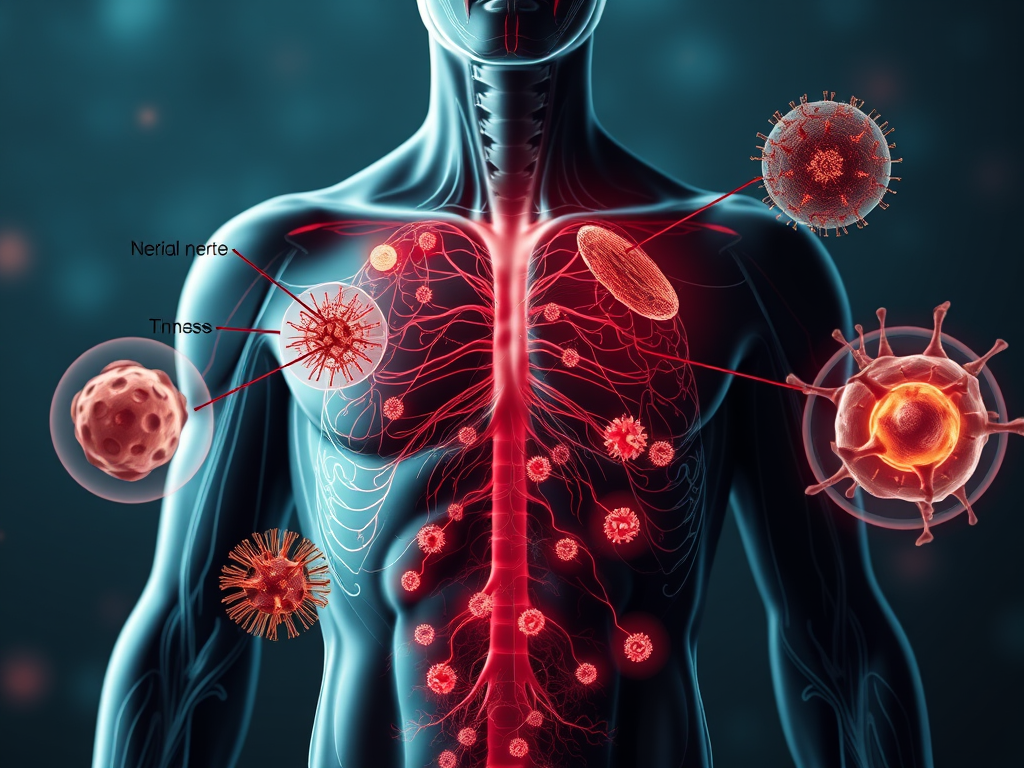
Our bodies are incredible machines—constantly adjusting, healing, and protecting us from harm. But when something goes wrong, from infection to stress or injury, the body has a built-in set of alarms and defense systems that kick into gear. Understanding these reactions can help you recognize early warning signs and take better care of your health.


1. The Stress Response

When the brain senses danger—physical or emotional—it signals the adrenal glands to release adrenaline and cortisol. This is the “fight or flight” reaction. Your heart rate speeds up, blood pressure rises, and muscles tense, preparing your body to act fast.

Common triggers: Anxiety, trauma, or sudden physical exertion.
What to watch for: Rapid heartbeat, sweating, or feeling “on edge.”


2. The Immune Response

When bacteria, viruses, or toxins invade, the immune system launches an attack. White blood cells swarm to the area, causing inflammation—redness, swelling, and warmth—as part of the healing process.

Common triggers: Infection, injury, or allergic reactions.
What to watch for: Fever, fatigue, or localized pain.


3. The Pain Response

Pain is the body’s alarm system. Nerves send signals to the brain to warn that something is wrong. Acute pain helps you react quickly—like pulling your hand away from a hot surface—while chronic pain can signal ongoing issues that need attention.

Common triggers: Injury, inflammation, or nerve damage.
What to watch for: Persistent pain that doesn’t improve with rest or medication.


4. The Hormonal Response

Hormones regulate nearly every process in the body. When something goes off balance—like blood sugar or thyroid function—the body compensates by adjusting hormone levels. Over time, these shifts can lead to fatigue, mood swings, or weight changes.

Common triggers: Stress, poor diet, lack of sleep, or illness.
What to watch for: Sudden changes in energy, appetite, or emotional state.


5. The Cellular Repair Response

Cells are constantly repairing themselves. When DNA is damaged—by sun exposure, toxins, or normal aging—the body sends repair enzymes to fix it. If this process fails, it can lead to mutations or diseases.

Common triggers: UV light, pollution, smoking, or aging.
What to watch for: Slow healing wounds or unusual skin changes.


📊 Chart: How the Body Responds When Something Goes Wrong

Body SystemTriggerResponseCommon SymptomsPurpose
Nervous SystemStress, fear, traumaFight-or-flight (adrenaline surge)Fast heartbeat, sweating, tensionPrepare for danger
Immune SystemInfection or injuryInflammation, feverSwelling, fatigue, painDestroy invaders and heal tissue
Endocrine SystemHormonal imbalanceHormone release or suppressionMood swings, weight changeMaintain internal balance (homeostasis)
MusculoskeletalInjury or strainMuscle contraction, repair signalsPain, swelling, stiffnessProtect and heal damaged tissue
Cellular/DNA RepairUV, toxins, agingDNA repair or apoptosisSlow healing, fatiguePrevent mutation and maintain function

Why it Matters

Recognizing how your body responds to stress, injury, or imbalance helps you take control of your health. Awareness leads to action—and action leads to prevention.

Understanding Short and Long-Term Disability Insurance

When considering insurance policies, most people think about health, auto, and homeowners’ coverage. However, one critical form of protection often overlooked is disability insurance. Whether due to an illness, injury, or unforeseen medical condition, being unable to work can significantly impact your financial stability. This is where short- and long-term disability insurance can provide a vital safety net.

Understanding Short-Term Disability Insurance

Short-term disability (STD) insurance is designed to provide income replacement for a limited period when an individual cannot work due to a temporary illness or injury. This type of policy typically covers a percentage of the insured’s salary—usually between 40% and 70%—for a period ranging from a few weeks to several months, depending on the policy.

Common conditions that may qualify for short-term disability include:

  • Recovery from surgery
  • Pregnancy and childbirth
  • Severe illness (e.g., pneumonia)
  • Injuries from accidents

The Benefits of Long-Term Disability Insurance

Long-term disability (LTD) insurance kicks in when short-term benefits expire. This coverage is crucial for individuals who face extended periods away from work due to severe medical conditions. LTD policies generally cover 50% to 70% of an individual’s income and can last for years—sometimes until retirement age, depending on the plan.

Typical conditions that may qualify for long-term disability benefits include:

  • Cancer treatments
  • Chronic diseases (e.g., multiple sclerosis, lupus)
  • Major injuries (e.g., spinal cord damage, paralysis)
  • Mental health conditions (e.g., severe depression, PTSD)

Why You Should Consider Disability Insurance

Financial Security – Without a steady paycheck, managing everyday expenses such as rent, mortgage, and medical bills can become overwhelming. Disability insurance ensures that you have a financial buffer in place.

Peace of Mind – Knowing that you have coverage in case of an unexpected disability allows you to focus on recovery rather than worrying about finances.

Employer Benefits May Not Be Enough – While some employers offer disability coverage, these policies may have limitations in terms of payout percentage and duration. Having your own policy ensures comprehensive coverage tailored to your needs.

Protects Your Future Earnings – A long-term illness or injury can derail your financial plans. Disability insurance helps preserve your ability to maintain financial independence even when you cannot work.

Disability insurance is an essential component of a well-rounded financial plan. Whether you opt for short-term, long-term, or both, these policies provide invaluable protection in case life takes an unexpected turn. If you haven’t yet considered adding disability insurance to your coverage, now may be the time to evaluate your options and secure your financial future. If you have questions or would like a quote contact me directly and we will get you started.

The Rising Importance of Critical Illness Insurance in the Face of Heart Disease, Stroke, and Cancer

As the prevalence of major health conditions such as heart disease, stroke, and cancer continues to rise, the importance of critical illness insurance has become increasingly apparent. These life-threatening diseases not only pose significant health risks but also bring substantial financial burdens that can overwhelm individuals and families. Understanding the impact of these illnesses and the benefits of having a critical illness policy can provide crucial protection and peace of mind.

The Burden of Heart Disease, Stroke, and Cancer

Heart disease remains the leading cause of death globally, responsible for nearly 18 million deaths each year. It encompasses a range of conditions, including coronary artery disease, heart attacks, and congestive heart failure. The treatment and recovery processes for heart disease are often long and costly, requiring significant medical intervention and lifestyle adjustments.

Similarly, stroke is a major health concern, with approximately 15 million people worldwide suffering from strokes annually. Of these, around 5 million die, and another 5 million are left permanently disabled. Stroke treatment typically involves emergency care, rehabilitation, and long-term therapy, which can lead to substantial medical expenses and loss of income due to disability.

Cancer, the second leading cause of death globally, affects millions of people each year. Advances in medical technology have improved survival rates, but cancer treatment remains expensive and often involves surgery, chemotherapy, radiation therapy, and ongoing medication. The financial strain can be exacerbated by the need for time off work and additional support during recovery.

The Role of Critical Illness Insurance

Critical illness insurance is designed to provide financial support upon the diagnosis of a serious illness, such as heart disease, stroke, or cancer. Unlike traditional health insurance, which typically covers medical expenses, critical illness policies provide a lump-sum payment that can be used at the policyholder’s discretion. This flexibility allows individuals to address various financial needs, such as:

  1. Medical Expenses: Covering out-of-pocket costs not fully paid by health insurance, including specialist consultations, advanced treatments, and alternative therapies.
  2. Income Replacement: Compensating for lost wages if the policyholder is unable to work during treatment and recovery, ensuring financial stability for their family.
  3. Home Modifications: Funding necessary changes to the home to accommodate new physical limitations, such as installing ramps, stairlifts, or accessible bathrooms.
  4. Support Services: Paying for additional care services, such as in-home nursing, rehabilitation, or even psychological support, to aid in recovery.
  5. Debt Repayment: Reducing or eliminating outstanding debts, such as mortgages, car loans, or credit card balances, to alleviate financial stress.

Why Critical Illness Insurance is Essential

In the absence of a critical illness policy, individuals facing heart disease, stroke, or cancer may find themselves dipping into savings, accruing debt, or relying on family and friends for financial support. This added financial pressure can hinder recovery and diminish the quality of life.

Moreover, critical illness insurance offers peace of mind. Knowing that there is a financial safety net allows patients and their families to focus on what truly matters: recovery and well-being. With a lump-sum payout, they have the flexibility to make choices that best suit their unique circumstances without the constraints of financial limitations.

As heart disease, stroke, and cancer continue to affect millions of lives worldwide, the importance of critical illness insurance cannot be overstated. By providing financial support during one of the most challenging times, these policies offer a crucial lifeline that can help individuals navigate the complexities of serious illnesses. Ensuring adequate coverage through a critical illness policy is a proactive step towards safeguarding one’s financial future and securing peace of mind in the face of life’s uncertainties. If you need help securing a critical illness policy give me a call, shoot me an email or drop a comment and we can work together so you can live your life to the fullest without the extra worries.

About the Author:

David Dandaneau is a insurance agent that covers the insurance and financial services industry. He is known for his insightful analysis and comprehensive coverage of market trends and regulatory developments.

Tips to Ease the Transition of Daylight Saving Time

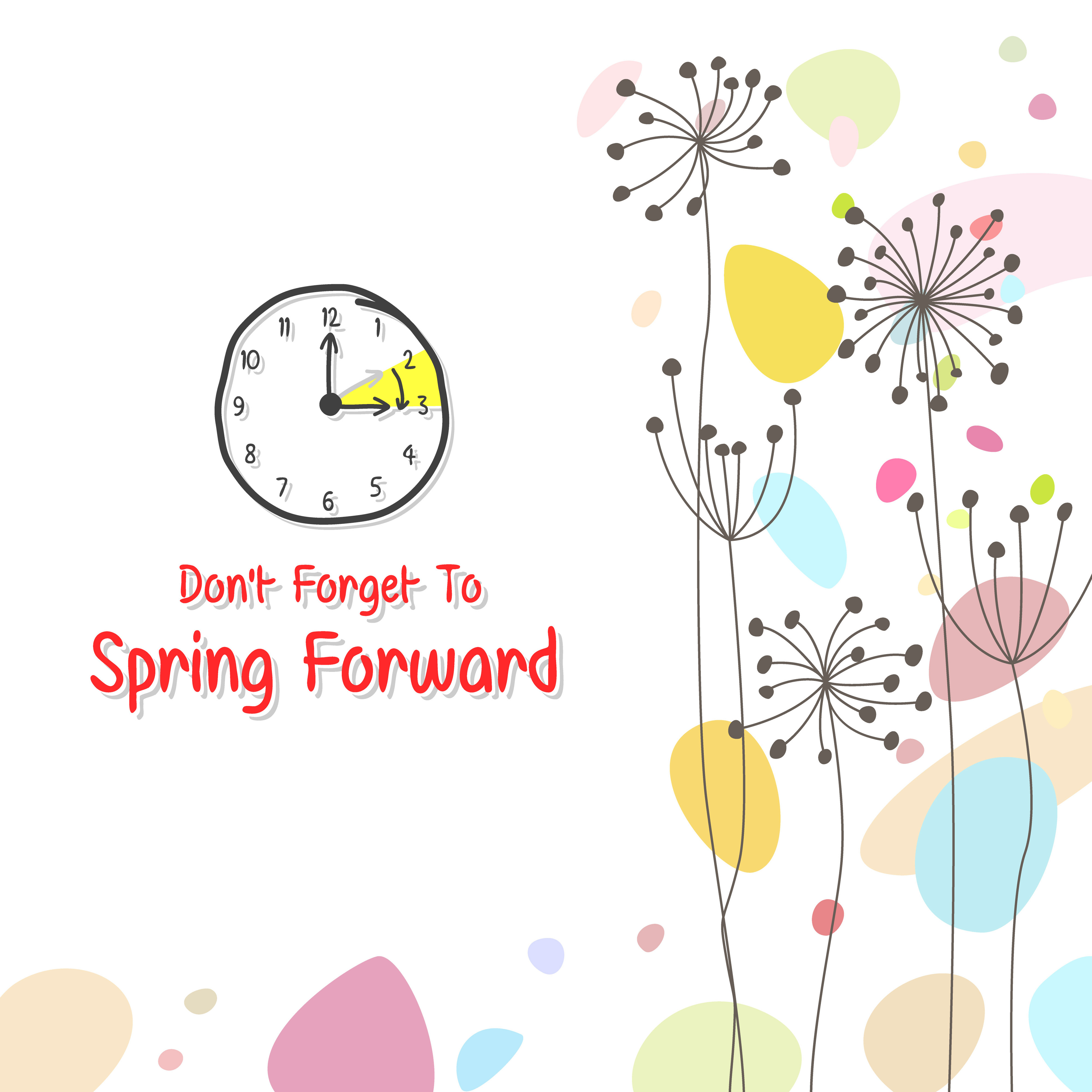
As daylight saving time approaches, many individuals are gearing up to set their clocks forward, signaling the onset of longer, brighter evenings. While this change brings the promise of warmer weather and extended daylight hours, it also disrupts our internal body clocks, potentially leading to feelings of fatigue and grogginess. To help navigate this biannual transition smoothly, experts recommend several strategies to cope with the upcoming time change.

1. Gradually Adjust Sleep Schedule: Begin adjusting your sleep schedule a few days before the time change by going to bed and waking up 15-30 minutes earlier each day. This gradual shift can help your body adapt more easily to the new time.

2. Prioritize Sleep Hygiene: Create a sleep-friendly environment by dimming the lights, reducing screen time before bed, and maintaining a comfortable room temperature. Establishing a calming bedtime routine can signal to your body that it’s time to wind down and prepare for rest.

3. Exposure to Natural Light: Take advantage of the extended daylight hours by spending time outdoors during the day, especially in the morning. Natural light exposure helps regulate your internal clock, making it easier to adjust to the time change.

4. Limit Caffeine and Alcohol Intake: Avoid consuming caffeine and alcohol close to bedtime, as they can interfere with your sleep quality and make it harder to fall asleep or stay asleep during the night.

5. Stay Active: Engage in regular physical activity, but try to avoid vigorous exercise close to bedtime, as it may interfere with your ability to fall asleep. Instead, aim for moderate-intensity activities earlier in the day to promote better sleep at night.

6. Nap Strategically: If you feel excessively tired during the transition period, taking short, 20-30 minute naps earlier in the day can help alleviate fatigue without disrupting your nighttime sleep schedule.

7. Be Patient: Recognize that it may take your body some time to adjust to the new time schedule, so be patient with yourself and prioritize self-care during this transition period.

8. Maintain Consistency: Stick to a consistent sleep schedule, even on weekends, to help regulate your body’s internal clock. Consistency is key to minimizing the impact of the time change on your sleep patterns.

9. Consider Light Therapy: For individuals who continue to struggle with adjusting to the time change, light therapy can be beneficial. Light therapy involves exposure to bright artificial light during specific times of the day to help regulate sleep-wake cycles.

By implementing these strategies, individuals can ease the transition of daylight saving time and mitigate the potential negative effects on sleep and overall well-being. Remember, small adjustments and a proactive approach can make a significant difference in how smoothly you adapt to the changing season. Until next time, and for heavens sake don’t forget to keep smiling cause it really does look good on you!

Understanding the Link between Cardiovascular Disease and Financial Security

In a world where health uncertainties loom large, raising awareness about cardiovascular diseases has become more crucial than ever. Cardiovascular diseases, including heart attacks and strokes, continue to be leading causes of global morbidity and mortality. As we strive for better health, it is equally important to consider financial protection, with life insurance emerging as a critical component of that strategy.

The Silent Threat of Cardiovascular Disease: A Global Concern

According to the World Health Organization (WHO), cardiovascular diseases claim the lives of approximately 17.9 million people each year, making up 31% of all global deaths. These conditions not only pose a severe threat to one’s health but can also have significant financial implications for individuals and their families.

Cardiovascular diseases can strike unexpectedly, leading to medical expenses, rehabilitation costs, and potential loss of income due to extended recovery periods. Many individuals are caught off guard, unprepared for the financial burden that accompanies such health crises.

Why Life Insurance Matters: Financial Security in the Face of Uncertainty

Life insurance serves as a crucial safety net, providing financial protection for individuals and their families in the event of unexpected tragedies. It ensures that loved ones are not left grappling with the financial aftermath of medical bills, funeral expenses, and potential debts.

Key Reasons to Consider Life Insurance in the Context of Cardiovascular Health:

  1. Financial Stability for Dependents: Life insurance acts as a financial cushion, offering stability for dependents in the face of sudden illness or untimely death.
  2. Covering Outstanding Debts: In the event of a cardiovascular event, life insurance can help cover outstanding debts, preventing the transfer of financial burdens to surviving family members.
  3. Ensuring Future Planning: Life insurance can be a vital tool for future financial planning, helping individuals secure their family’s well-being and education even in their absence.
  4. Peace of Mind: Knowing that loved ones are financially protected can provide peace of mind, reducing stress and contributing positively to overall well-being.

Creating Awareness and Taking Action:

Educating individuals about the risks of cardiovascular diseases and the importance of life insurance is a shared responsibility. Health organizations, insurance companies, and community leaders should collaborate to spread awareness through informational campaigns, workshops, and educational initiatives.

By understanding the critical link between cardiovascular health and financial security, individuals can make informed decisions about their well-being and that of their families. Taking proactive steps, such as adopting a healthy lifestyle and securing life insurance coverage, ensures a more resilient future in the face of life’s uncertainties.

As we navigate the complexities of modern life, let us prioritize both our physical health and financial well-being, recognizing that a holistic approach is the key to a more secure and prosperous future.

Unmasking the Silent Epidemic: Diabetes Awareness

Diabetes, often referred to as the silent epidemic, is a chronic condition that affects millions of people worldwide. The importance of diabetes awareness cannot be overstated, as it plays a crucial role in prevention, early detection, and improved management of this chronic disease.

  1. Global Prevalence: Diabetes knows no boundaries, affecting people of all ages, races, and backgrounds. According to the International Diabetes Federation (IDF), approximately 463 million adults (20-79 years) were living with diabetes in 2019. This number is expected to rise to 700 million by 2045 if current trends persist.
  2. Types of Diabetes: Diabetes is not a one-size-fits-all condition. There are primarily two types: Type 1, an autoimmune disease usually diagnosed in childhood, and Type 2, which is often linked to lifestyle factors. Approximately 90% of diabetes cases are Type 2.
  3. Impact on Health: Diabetes is more than just high blood sugar. It can lead to a range of complications, including cardiovascular diseases, kidney failure, blindness, and nerve damage. In fact, diabetes is a leading cause of death globally.
  4. Economic Burden: Beyond its impact on health, diabetes places a significant economic burden on individuals and healthcare systems. The IDF estimates that global healthcare spending on diabetes reached $760 billion in 2019.
  5. Rise in Childhood Diabetes: Disturbingly, there has been an increase in the number of children and adolescents diagnosed with Type 2 diabetes, traditionally seen in adults. This shift is attributed to sedentary lifestyles and poor dietary habits.
  6. Contributing Factors: Lifestyle factors such as poor diet, lack of physical activity, and obesity play a crucial role in the development of Type 2 diabetes. Genetic predisposition also contributes to the risk.
  7. Prevention and Awareness: The good news is that diabetes is largely preventable. Simple lifestyle modifications, such as a healthy diet, regular exercise, and weight management, can significantly reduce the risk. Public awareness campaigns are crucial to educate individuals about the importance of early detection and prevention.

As the diabetes epidemic continues to escalate, understanding the disease is a vital step toward addressing this global health crisis. By promoting awareness, advocating for healthier lifestyles, and supporting ongoing research, we can collectively work towards a world where the prevalence of diabetes is not just a statistic, but a thing of the past. What are your thoughts on this deadly disease? Drop me a line, send me a note, or give me a call if you would like to discuss this topic in more depth. And until next time make sure to continue smiling cause it really does look good on you.