Celsius $CELH — A sip, a chart, and why traders/investors are watching

You try a new drink and — boom — the product tastes great. That’s exactly what happened when I tried a CELSIUS energy beverage and then went to check the stock. Celsius Holdings (ticker CELH) has been one of the market’s high-profile consumer names this year: rapid top-line growth, headline M&A and distribution moves, and a volatile but elevated share price. Here’s a concise news-style breakdown of what the company is doing, where the stock sits now, why some investors think it’s attractive, and what risks to keep in mind.


Where the stock sits right now

As of November 22, 2025, CELH is trading in the ~$39 range after a pullback from summer highs. Recent intraday and close prints in mid–late November show the stock around $38–$44 depending on the day and data feed. (Investing.com+1)

(See the chart below for an illustrative monthly price run from Oct 2022 → Nov 2025.)

The chart — price context

(Illustrative monthly closes Oct 2022 → Nov 2025; compiled show how the stock ran from low-$20s into the $50–$60 range in mid-2025, then pulled back into the high-$30s in November.) The chart below uses monthly close data gathered from public historical-price sources (illustrative).


Quick company snapshot

Celsius Holdings is a challenger in the energy and “fitness” drink space, known for zero-sugar, functional energy beverages marketed toward active consumers. Over the past 18 months the company has accelerated growth through product line extensions, international distribution deals, and material M&A — most notably the purchase of Alani Nu earlier in 2025 and the addition of Rockstar’s U.S. rights to its portfolio (with PepsiCo retaining international Rockstar ownership). The company says combined brands have been growing well above the U.S. energy category. (Celsius Holdings+1)

Revenue has moved from hundreds of millions to more than $1.3 billion in 2024 and showed continued expansion into 2025, reflecting distribution gains and the Alani Nu contribution. (Macrotrends)


Major recent catalysts (what moved the stock)

  • PepsiCo strategic expansion & stake: In August 2025 PepsiCo increased its position via convertible preferred shares and agreed to deepen distribution cooperation — PepsiCo’s ownership rose to ~11% and PepsiCo will lead distribution for the combined U.S./Canada energy portfolio. That strategic tie (and a PepsiCo board nomination) materially de-risked parts of Celsius’s distribution story and boosted investor sentiment. (Reuters+1)
  • Acquisitions & brand consolidation: Celsius acquired Alani Nu (female-focused, strong social media presence) and obtained U.S. rights to Rockstar Energy — building a “total energy portfolio.” Those moves give Celsius scale, broader consumer reach, and leverage in retailer negotiations. (Celsius Holdings+1)
  • International expansion & flavors: New distribution agreements (e.g., Suntory in the Netherlands) and new flavor launches support deeper retail penetration outside the U.S. and product innovation. (Celsius Holdings)

Investment thesis — why some investors like CELH now

  1. Distribution muscle via PepsiCo — having PepsiCo handle distribution in major channels materially increases shelf placement potential and reduces execution risk versus trying to scale purely on indie distribution. The partnership also sends a validation signal from a major CPG player. (Reuters+1)
  2. Brand roll-up strategy — combining CELSIUS, Alani Nu and the U.S. Rockstar rights creates cross-sell and SKU strategies, economies of scale on procurement/marketing, and more negotiating power with retailers and foodservice. If integration succeeds, revenue and margin expansion are plausible. (Celsius Holdings)
  3. Strong top-line momentum — year-over-year revenue growth has been large over prior years as the product reached mass retail and new channels; that revenue base makes future earnings expansion possible if margins recover. (Macrotrends)
  4. Growth + trading volatility = alpha opportunity — for traders, CELH’s pronounced swings around news (earnings, deals, distribution announcements) create short-term setups — momentum squeezes, event trades around earnings, and pullback buys after headline consolidation.

Where it might be headed — simple scenario sketch (not investment advice)

Below are illustrative, hypothetical scenarios to frame risk/reward. They are not price targets from an analyst — they are scenario examples based on company catalysts and typical valuation ranges for high-growth consumer names.

  • Bull case (successful integration & continued distribution lift): If combined brands scale and margins improve, revenue multiples could re-rate and push CELH back toward its summer highs in the $55–$75 range over 6–12 months (driven by multiple expansion + execution). Key drivers: faster retail rollouts via PepsiCo, international growth, margin leverage. (Celsius Holdings+1)
  • Base case (steady growth, some margin pressure): Continued revenue growth but slower margin recovery; stock trades in a midrange band around $35–$55 as investors balance growth with execution risk. (Macrotrends)
  • Bear case (integration/competition trouble, macro slowdown): Execution issues, weaker retail sell-through, or broader consumer pullback could push the stock below $25–$30 if growth disappoints or if the market de-rates high-growth consumer names. (FullRatio)

Sources for price and history: market feeds and historical pages (Investing.com, Yahoo Finance and similar). I(nvesting.com+1)


Risks — what could go wrong

  • Integration risk: acquisitions (Alani Nu, Rockstar U.S. rights) need careful integration; cultural or distribution missteps can sap margin and distract management. (Celsius Holdings)
  • Valuation & volatility: CELH has been a volatile, headline-driven name — sharp moves up and down occur on news. Short-term traders may profit, long-term investors must stomach drawdowns. (Investing.com)
  • Competition & category dynamics: energy and functional beverages are crowded (PepsiCo, Monster, Red Bull, private labels); sustained share gains aren’t guaranteed.
  • Profitability swings: EPS over recent trailing periods has been uneven; margins can be pressured by promotional activity and integration costs. (FullRatio)

Bottom line

Celsius is no longer a small niche brand — by revenue and deal activity it has scaled into a major, fast-moving name in energy drinks. The PepsiCo strategic tie and brand acquisitions give a clear pathway for distribution and scale, which is why many investors view CELH as an interesting growth play. That said, the stock’s rapid move higher earlier in 2025 and recent pullbacks underline both the upside and the volatility. For traders, event-driven setups and momentum plays can work; for investors, the key questions are whether integration lifts margins and whether PepsiCo’s distribution materially accelerates sustainable growth.

If you liked the drink and are thinking about buying shares, consider: (1) define whether you’re trading or investing, (2) size the position relative to the volatility, and (3) track integration and distribution KPIs (retail placements, foodservice uptake, international rollouts) as the real operational signs that the thesis is working. Official company releases, earnings calls and retail-level data will be the best evidence to watch. (Celsius Holdings+1)


Disclosure: I’m not a licensed financial advisor. This is market commentary and not personalized investment advice. Do your own research (DYOR) — check the latest filings and the company’s next earnings release — and consider speaking with a licensed professional before trading or investing.


References

Celsius Holdings. (2025). Celsius Holdings reports third quarter 2025 results [Press release]. https://www.celsiusholdingsinc.com/

Investing.com. (2025). Celsius Holdings Inc. (CELH) historical data. Retrieved November 2025, from https://www.investing.com/
(Note: Replace with direct historical-data link if desired.)

Macrotrends. (2025). Celsius Holdings revenue 2015–2025. Retrieved November 2025, from https://www.macrotrends.net/

Reuters. (2025, August 29). PepsiCo boosts stake in energy drink maker Celsius. https://www.reuters.com/

Reuters. (2025). Celsius to buy Alani Nu and combine U.S. rights to Rockstar Energy. https://www.reuters.com/

Yahoo Finance. (2025). Celsius Holdings, Inc. (CELH) stock price & historical data. Retrieved November 2025, from https://finance.yahoo.com/

Unlocking Success Through Team Collaboration

In every great performance—whether it’s a championship-winning team, a thriving business, or a band in perfect harmony—there’s one thing in common: teamwork that works. But the secret isn’t just being on the same team. It’s about choosing to work as one.

The phrase “one band, one sound” captures this idea perfectly. Originating from the world of marching bands, it means every individual must give their best for the collective good. When one person falls out of sync, the entire performance suffers. But when everyone aligns with a shared goal, the results can be extraordinary.

The Power of Intentional Collaboration

True teamwork doesn’t happen by accident—it’s intentional. It requires trust, open communication, and a willingness to check egos at the door. Each member brings their own rhythm, but success comes from listening and adjusting to others. This is as true in the workplace as it is on the field or stage.

The Benefits of Working as One

When teamwork clicks, productivity soars. Studies show that teams built on mutual respect and collaboration are not only more innovative but also more resilient under pressure. Members feel valued, motivated, and supported, creating a positive feedback loop that lifts everyone higher.

Making It Work in Real Life

To build that “one band, one sound” culture, leaders and teammates alike must commit to:

  • Clear communication: Everyone knows their role and what success looks like.
  • Shared purpose: Each person understands how their contribution fits into the bigger picture.
  • Accountability: Individuals own their performance but remain loyal to the team’s mission.
  • Celebration of wins: Recognizing collective achievement strengthens unity and morale.

The Final Note

Teamwork really works—if you want it to. It’s not just about showing up; it’s about showing up for each other. When people align their goals, respect each other’s strengths, and perform with unity of purpose, the result is harmony in motion.

After all, in life as in music, the best sound comes when everyone plays their part—together.

📈 Why Target $TGT Could Be a Solid Income + Growth Pick

High Dividend Yield & Track Record
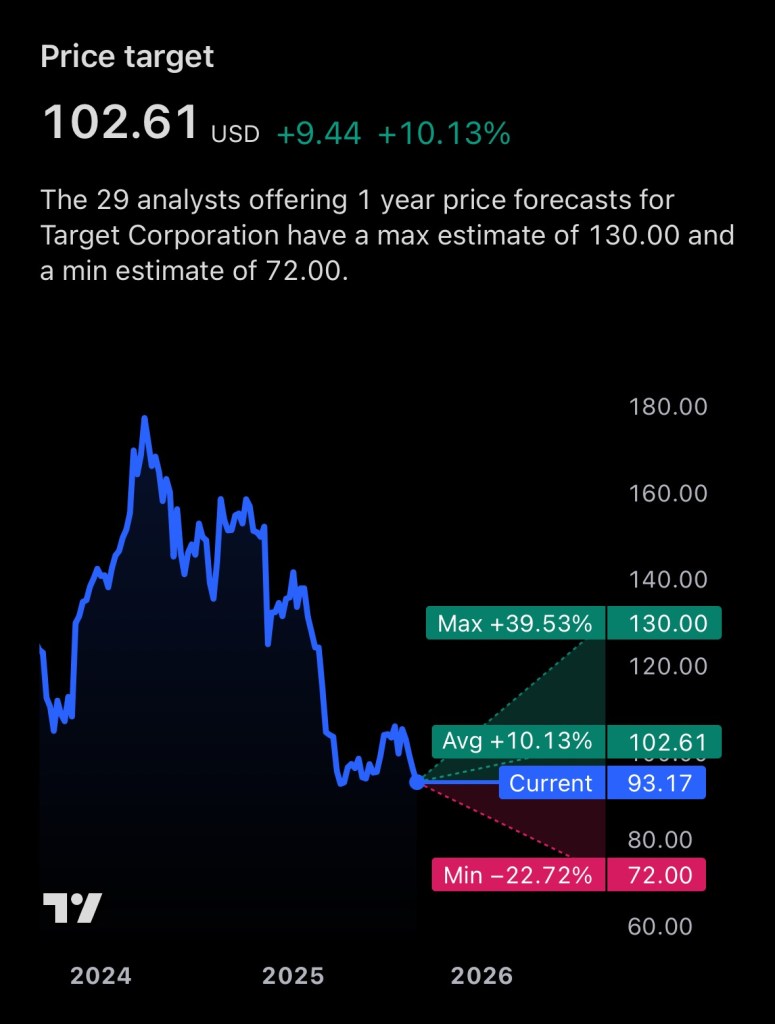
Target currently pays $4.56 annually ($1.14 per quarter), translating into a robust ~4.9% yield on today’s ~$93 share price (StockAnalysisTipRanks). The company has increased its dividend for 54 consecutive years, a hallmark Dividend King that inspires investor confidence (NasdaqStockAnalysis). Its most recent raise (1.8%) was declared in June 2025, effective with the $1.14 quarterly payment on Sept 1, 2025 (ex-div Aug 13) (Target Corporation).

Payout Coverage & Sustainability
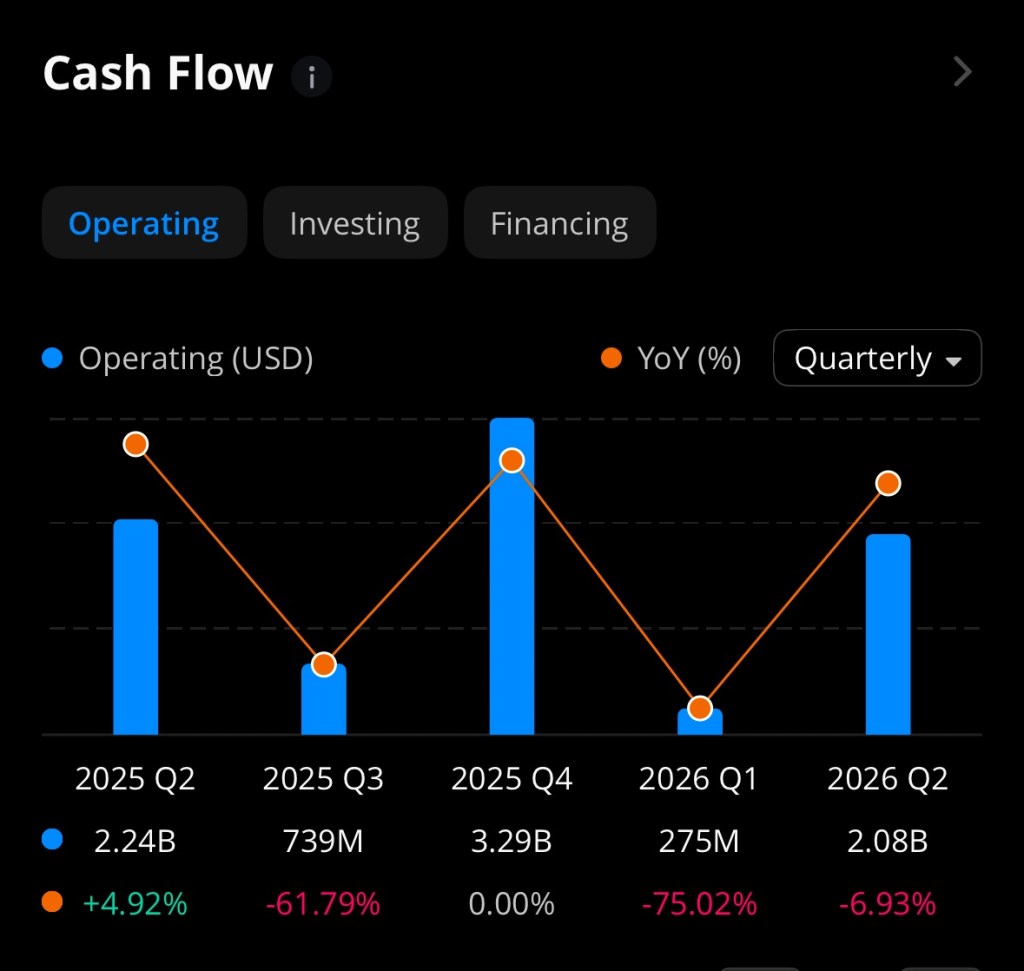
Target retains a payout ratio of roughly 52%—meaning it distributes just over half of earnings as dividends, leaving room to reinvest and buffer downturns (KoyfinStockAnalysis). It also generated ~$2.9 B in free cash flow over the past 12 months, comfortably above its roughly $2 B annual dividend obligation (Nasdaq).

Valuation Lean vs Peers
At a P/E near 11×, Target trades well below peers like Walmart (~37×), suggesting the market has priced in current headwinds—offering potential upside if operational trends normalize over time (Nasdaq).


🧾 Balance Sheet Overview (as of latest trailing 12 mo / August 2025)

Based on S&P-compiled data (StockAnalysisMarketBeat):

📌 Metric💰 Value (USD mm)
Total Assets~$57.9 B
Cash & Equivalents~$4.34 B
Inventories~$12.9 B
PPE (net)~$33.6 B
Total Liabilities~$42.4 B
└ Current Liabilities~$19.2 B
└ Long-Term Debt~$15.4 B
Shareholders’ Equity~$15.4 B (book value ~ $33.9/share)
Net Debt~$16.1 B

Target maintains a healthy asset base, anchored by substantial property, inventory, and cash buffers. Long‐term debt is sizable but manageable given recurring cash flow. Equity has grown steadily (~$14.7 B in FY 2024 to ~$15.4 B TTM), with tangible book value per share near $34—over one-third of share price (StockAnalysis).


🔍 Business Momentum & Outlook

  • Recent performance (Q2 FY 2025):
    Net sales declined ~0.9% YoY and comp sales fell ~1.9%, though digital sales rose ~4.3%. Operating income slipped ~19% to $1.3 B. Full-year EPS guidance remains at $8.00–$10.00 GAAP (adjusted ~$7–$9) (Target Corporation).
  • Strategic tailwinds:
    Investments in same-day fulfillment via Shipt, modernization of logistics, and omnichannel integration are expected to drive margin recovery (expected to improve toward ~6% by FY 2028) (University of Iowa).

💡 Investment Case: Why Consider TGT

  1. Reliable, high income: ~4.9–5.0% yield, backed by decades of increases.
  2. Dividend sustainability: Strong cash flow vs payout; modest payout ratio.
  3. Undemanding valuation: Trading at low P/E, offering value if business stabilizes.
  4. Solid balance sheet: Ample liquidity, reasonable leverage, growing equity.
  5. Long-term turnaround potential: Operational improvements could bolster margins and share price over time.

Risks include macro-sensitive retail environment, margin pressures, inventory mismanagement, and stiff competition. However, the dividend acts as a buffer while strategic moves take root.


📌 Bottom Line

For income-focused investors looking to pair dividend yield with capital appreciation potential, Target (TGT) stands out as a compelling blended opportunity. Its long-standing dividend credibility, backed by solid free cash flow and a durable balance sheet, makes it a defensive anchor in a portfolio. Coupled with low valuation and a clear path to operational recovery, TGT offers both yield today and upside tomorrow.

Disclosure: I currently hold a position in Target Corporation (NASDAQ: $TGT). This article reflects my personal opinions and analysis, and is not intended as financial advice. Please conduct your own research or consult a financial advisor before making any investment decisions.

References

Corporate Target. (2025, June 12). Target Corporation increases quarterly dividend by 1.8 percent. Target Corporate. https://corporate.target.com/press/release/2025/06/target-corporation-increases-quarterly-dividend-by-1-8-percent

Corporate Target. (2025, August 21). Target Corporation reports second quarter 2025 earnings. Target Corporate. https://corporate.target.com/press/release/2025/08/target-corporation-reports-second-quarter-earnings

Koyfin. (2025). Target Corp (TGT) dividend overview. Koyfin. https://www.koyfin.com/company/tgt/dividends/

MarketBeat. (2025). Target financials (NYSE: TGT). MarketBeat. https://www.marketbeat.com/stocks/NYSE/TGT/financials/

Nasdaq. (2025, August 27). 1 green flag for Target stock right now. Nasdaq. https://www.nasdaq.com/articles/1-green-flag-target-stock-right-now-0

Stock Analysis. (2025). Target (TGT) dividend history and growth. Stock Analysis. https://stockanalysis.com/stocks/tgt/dividend/

Stock Analysis. (2025). Target balance sheet (TGT). Stock Analysis. https://stockanalysis.com/stocks/tgt/financials/balance-sheet/

TipRanks. (2025). Target dividend and payout ratio (TGT). TipRanks. https://www.tipranks.com/stocks/tgt/dividends

University of Iowa – Tippie College of Business. (2024). Target Corporation equity research report. https://www.biz.uiowa.edu/henry/download/f24_TGT.pdf

UPS Stock Drops 16%: What’s Next for Investors?

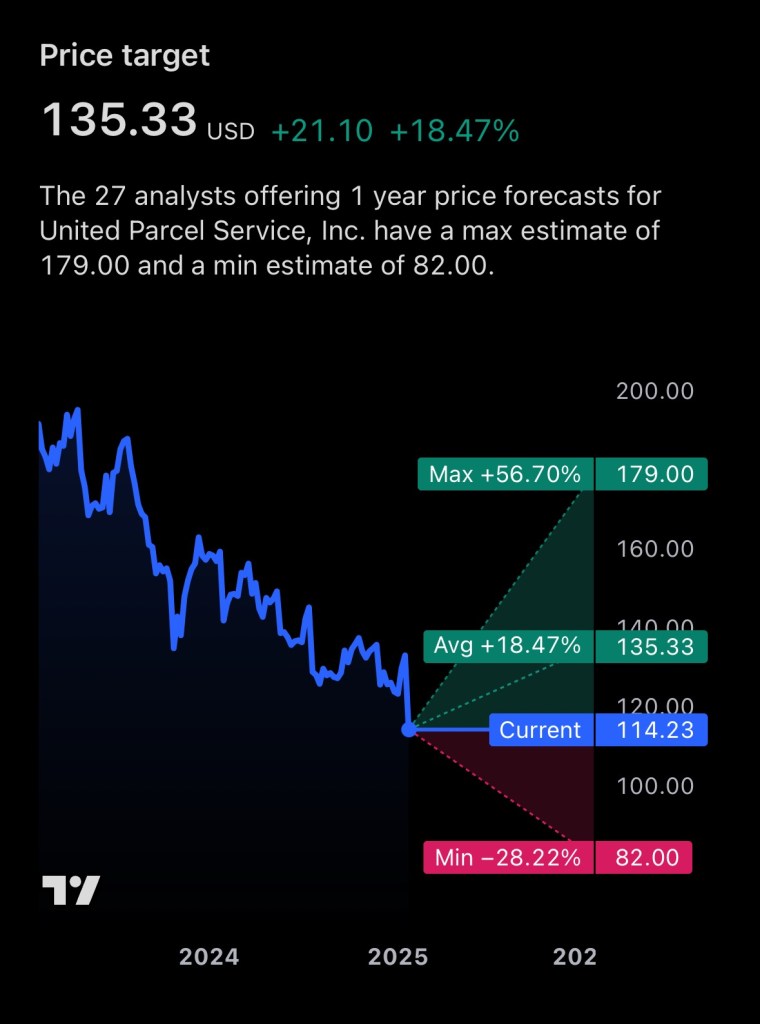
United Parcel Service (UPS) has recently experienced a significant decline in its stock value, with shares dropping over 16% following the announcement of a strategic shift to reduce its business with Amazon by more than 50% by the second half of 2026. This decision is part of UPS’s broader strategy to focus on more profitable segments, such as healthcare logistics and business-to-business deliveries, aiming to improve profit margins and reduce dependency on Amazon.

Despite the immediate negative market reaction, some analysts view this move as a positive step for UPS’s long-term profitability. By decreasing reliance on high-volume, low-margin shipments from Amazon, UPS plans to enhance operational efficiency and focus on higher-margin businesses. This strategic pivot is expected to save the company approximately $1 billion annually.

Additionally, UPS’s decision to insource operations previously handled by the U.S. Postal Service, such as the SurePost product, is aimed at optimizing service and reducing costs. While these changes may present short-term challenges, they are designed to position the company for sustainable growth and improved profitability in the future.

For long-term investors, UPS’s current stock decline may present a buying opportunity. The company’s strategic initiatives to focus on higher-margin segments and reduce operational dependencies are expected to strengthen its market position over time. While the transition may involve near-term uncertainties, UPS’s efforts to enhance profitability and operational efficiency could lead to substantial long-term gains for patient investors.

Disclosure: I currently hold a position in United Parcel Service ($UPS). This article reflects my personal opinions and analysis, and is not intended as financial advice. Please conduct your own research or consult a financial advisor before making any investment decisions.


References

Barron’s. (2024, January 30). UPS and Amazon may be headed for a split—and the stock is paying the price. Retrieved from https://www.barrons.com/articles/ups-earnings-stock-price-amazon-1a32be4f

Business Insider. (2025, January 30). UPS plunged after saying it would deliver fewer Amazon packages. Its CEO says it’s about ‘taking control of our destiny.’ Retrieved from https://www.businessinsider.com/ups-ship-fewer-amazon-packages-shares-drop-2025-1

Investopedia. (2024, January 30). UPS Q4 earnings report FY2024. Retrieved from https://www.investopedia.com/ups-earnings-q4-fy2024-8780982

MarketWatch. (2024, January 30). UPS’s stock falls after a revenue miss, deal with largest customer to cut volume. Retrieved from https://www.marketwatch.com/story/upss-stock-falls-after-a-revenue-miss-deal-with-largest-customer-to-cut-volume-1984fcb7

The Motley Fool. (2025, January 30). Why UPS stock is plunging today. Retrieved from https://www.fool.com/investing/2025/01/30/why-ups-stock-is-plunging-today

The Wall Street Journal. (2024, January 30). UPS’s boss is under pressure from unhappy investors—its own retirees. Retrieved from https://www.wsj.com/business/logistics/upss-boss-is-under-pressure-from-unhappy-investorsits-own-retirees-f01a8dd3

The Realities of Running a Business

By David Dandaneau

Running a business is often portrayed as a glamorous pursuit—a life of freedom, creativity, and endless opportunity. However, beneath the surface lies a complex journey filled with triumphs and challenges that test the resilience and adaptability of entrepreneurs.

The Thrill of Success
Every business owner knows the unparalleled joy of achieving a goal, whether it’s securing a major client, hitting revenue milestones, or simply surviving the first year. These wins serve as validation for the sleepless nights, financial risks, and relentless effort.

Take the example of local café owner Sarah Patel, who saw her business thrive after introducing a unique farm-to-table menu. “The response was overwhelming,” she says. “It felt like all the hard work finally paid off.” Such moments can rejuvenate an entrepreneur’s passion and motivate them to push even further.

The Pressure of Challenges
But the journey is far from smooth. From navigating cash flow issues and employee turnover to adapting to market changes, business owners face a litany of obstacles. Economic downturns or unexpected global events, such as the COVID-19 pandemic, have also forced many businesses to pivot their strategies overnight.

“During the pandemic, we had to shift to online sales almost immediately,” recalls tech store owner Marcus Lee. “It was a sink-or-swim moment, and not every business had the resources to make it work.”

The Emotional Toll
The mental and emotional challenges of entrepreneurship are often underestimated. Long hours, financial strain, and the pressure to succeed can lead to burnout. Studies have shown that business owners are more likely to experience anxiety and depression compared to those in traditional jobs.

Despite this, many entrepreneurs find ways to cope. Networking groups, mentorship programs, and therapy have become valuable tools for maintaining mental health and fostering resilience.

Adaptability Is Key
One constant in the world of business is change. Consumer preferences, technological advancements, and market trends can shift rapidly, requiring business owners to stay agile and innovative. Those who can anticipate change and adapt quickly are often the ones who thrive.

For example, fashion retailer Mia Gonzalez shifted her business model to focus on sustainable clothing as consumer demand for eco-friendly products grew. “You have to evolve with your customers,” she explains.

The Bigger Picture
For many, the ultimate reward of running a business goes beyond profits. It’s about creating something meaningful, contributing to the community, and building a legacy. These factors often keep entrepreneurs going, even when times get tough.

“Seeing how my business impacts people’s lives gives me purpose,” says John Whitaker, who runs a nonprofit consulting firm. “It’s not just about me—it’s about making a difference.”


Running a business is not for the faint of heart. It’s a journey filled with highs and lows, requiring persistence, adaptability, and an unwavering belief in one’s vision. While the road may be challenging, for those who dare to take the leap, the rewards—both tangible and intangible—can make the journey worthwhile.

For aspiring entrepreneurs, the message is clear: Be prepared for the rollercoaster, but don’t forget to enjoy the ride.

The Power of Creative Inspiration: Fueling Innovation and Imagination

In the changing times of innovation and design, creative inspiration has become the bedrock for transformative ideas, bridging the gap between concept and reality. Whether in the arts, technology, or business, the spark of creativity is what drives new inventions, fresh approaches, and groundbreaking achievements.

What Is Creative Inspiration?

Creative inspiration refers to that moment when an idea strikes, offering a fresh perspective on a challenge or an entirely new way of doing things. Often, it comes unexpectedly—a result of personal experiences, observations, or even emotions. But behind what seems like a moment of brilliance lies a process: one that requires openness to the world, active engagement with one’s surroundings, and the ability to connect disparate thoughts in innovative ways.

From the works of legendary artists like Vincent van Gogh to the technological marvels conceived by inventors such as Steve Jobs, history offers countless examples of how inspiration can change the course of industries and societies.

Sources of Creative Inspiration

Creativity thrives on diversity, both in experiences and ideas. Here are a few key sources where individuals across disciplines draw their creative energy:

  1. Nature: For centuries, nature has been a prime source of inspiration. The intricate patterns found in plants, animals, and landscapes can prompt solutions to complex problems in fields like architecture, engineering, and design. Biomimicry, a practice that mimics natural processes to solve human challenges, is a direct result of this connection.
  2. Art and Culture: Art in its various forms—painting, music, literature, and dance—has always inspired new perspectives. Creative professionals often immerse themselves in art to gain new insights, blending styles and themes into their own work. Cultural experiences, such as traveling to different countries or experiencing new traditions, also offer fresh lenses through which to view the world.
  3. Technological Advancements: In today’s digital age, technology is both a tool and a source of creative inspiration. New platforms, tools, and software have made it easier for creators to experiment and collaborate across boundaries. From 3D printing and AI-generated art to virtual reality and gaming, technology enables endless possibilities for innovative expression.
  4. Collaboration: Collaboration is a powerful catalyst for creativity. When individuals with different backgrounds and perspectives come together, they can challenge each other’s assumptions, leading to creative breakthroughs. Companies like Google and Apple have famously fostered environments where cross-disciplinary teams can thrive and innovate together.
  5. Everyday Life: Many creative professionals emphasize the importance of staying open to the inspiration found in everyday experiences. Whether it’s observing a conversation at a café or the interaction between light and shadow on a building, small details often hold the seeds for the next big idea.

How to Cultivate Creativity

While some people seem to have a natural affinity for creativity, inspiration can be nurtured. Here are a few strategies to boost creative thinking:

  • Mindfulness and Meditation: Practices like mindfulness help clear mental clutter, making room for new ideas to emerge. Regular meditation can enhance focus and improve one’s ability to generate creative thoughts.
  • Journaling: Writing down thoughts, observations, and ideas—whether in a structured or freeform way—can help creators explore their subconscious, discover patterns, and generate new concepts.
  • Exploring New Skills: Learning something new—whether it’s coding, a musical instrument, or photography—can open doors to creativity. This cross-training of the mind enhances flexibility, allowing creators to approach problems from different angles.
  • Embracing Failure: Failure is a natural part of the creative process. Some of the most significant inventions in history were born from failed experiments or unexpected results. Embracing these moments as opportunities to learn can often lead to breakthroughs.

The Future of Creativity

As the world continues to evolve, creativity will play a central role in shaping the future. Whether addressing environmental challenges, developing new art forms, or advancing science and technology, creative inspiration will be the force driving humanity forward. In a world full of information, the ability to think outside the box, to make connections where none seem obvious, will be more valuable than ever.

In the words of Albert Einstein, “Creativity is intelligence having fun.” It’s a reminder that creativity is not a linear process—it’s a playful, imaginative, and exploratory journey that brings together elements of both art and science.

So whether you are an artist, entrepreneur, or engineer, the key to unlocking your next big idea might be as simple as taking a step back, embracing curiosity, and letting inspiration find its way to you.

Medicare Advantage vs Original Medicare


Choosing Medicare Advantage over Original Medicare can offer several advantages tailored to your individual healthcare needs and preferences. Firstly, Medicare Advantage plans often provide an all-in-one solution that combines hospital coverage (Part A), medical coverage (Part B), and prescription drug coverage (Part D) into a single plan. This comprehensive coverage can simplify your healthcare experience by consolidating various aspects of your care under one policy. With Original Medicare, you’d typically need to purchase a separate Part D plan and consider supplemental insurance, potentially leading to more complex and fragmented coverage.

Secondly, cost considerations play a significant role in selecting Medicare Advantage. These plans often come with lower monthly premiums than Original Medicare, making them an appealing option for budget-conscious individuals. Additionally, Medicare Advantage plans typically cap annual out-of-pocket expenses, providing financial predictability and reducing the risk of catastrophic medical costs. While Original Medicare involves deductibles and coinsurance without an annual maximum out-of-pocket limit, Medicare Advantage can offer a more controlled approach to managing healthcare expenses.

Photo by Miguel u00c1. Padriu00f1u00e1n on Pexels.com

Lastly, Medicare Advantage plans often include extra benefits not covered by Original Medicare, such as dental, vision, hearing, wellness programs, and even perks like gym memberships. These additional services can enhance your overall well-being and quality of life, making Medicare Advantage a compelling choice if you value these extras. While Original Medicare offers strong core coverage, it may not provide the same level of supplemental benefits that can help you address various aspects of your health beyond medical treatments.

Medicare Advantage can be a desirable option for those seeking simplified, cost-effective, and comprehensive healthcare coverage. By combining various Medicare components into a single plan, offering lower premiums, and providing extra benefits, it can cater to a wide range of healthcare needs and preferences. However, it’s essential to carefully compare available plans in your area, taking into account factors like network restrictions and specific benefits to ensure that a Medicare Advantage plan aligns with your individual health and financial circumstances. If I can help you find your way through the maze, please reach out or drop me a line. Otherwise, keep smiling and living healthy cause it really does look good on you.

Go back

Your message has been sent

Warning
Warning
Warning
Warning.

*We do not offer every plan available in your area. Any information we provide is limited to those plans we do offer in your area. Please contact Medicare.gov or 1-800-MEDICARE to get information on all of your options. Not affiliated with or endorsed by any government agency. Your information will be provided to a licensed insurance agent. You may be contacted by a licensed insurance agent.

What is Final Expense Insurance?

Final expense insurance, also known as burial insurance or funeral insurance, serves as a crucial financial safety net for individuals and their families in their time of need. There are several compelling reasons why you might consider the necessity of final expense insurance. First and foremost, it provides peace of mind. None of us can predict the exact moment when we will pass away, and funerals can be unexpectedly expensive. By having final expense insurance, you ensure that your loved ones won’t bear the financial burden of your funeral and burial expenses during an already emotionally challenging time. This coverage can relieve your family from making difficult decisions about how to cover these costs and allow them to focus on honoring your memory and coping with their loss.

Furthermore, final expense insurance can be particularly beneficial for individuals who lack substantial savings or life insurance coverage. It’s designed to be accessible and affordable, making it an attractive option for those on a fixed income or limited budget. Without this coverage, your family might have to deplete their savings or even resort to taking out loans to cover the expenses associated with your passing. Final expense insurance ensures that your loved ones won’t have to compromise their financial stability during a difficult period, giving them the support they need to grieve without added financial stress.

Lastly, final expense insurance offers flexibility and customization. You can choose the coverage amount that aligns with your anticipated funeral and burial costs, ensuring that you have control over the financial protection you provide for your family. Additionally, many policies don’t require a medical exam, making it an accessible option for individuals with pre-existing health conditions or those who may not qualify for traditional life insurance.

Final expense insurance is a valuable financial tool that safeguards your family from the financial implications of your passing, allowing them to focus on remembering and celebrating your life instead of worrying about the associated expenses. If you haven’t considered final expense insurance as part of your longterm financial plan maybe now is the time you did. If you have any questions or comments please feel free to reach out and/or drop me a line. I look forward to hearing your thoughts and opinions. Until next time stay safe and remember to tell the ones you love how much they mean to you today and always because tomorrow isn’t guaranteed.

Life Insurance Awareness Month- Why You May Need It?

Life insurance is a crucial financial tool that provides invaluable protection and peace of mind for you and your loved ones. Firstly, one of the primary reasons to consider life insurance is to ensure the financial security of your family and dependents in case of your untimely demise. When you have life insurance coverage, your beneficiaries receive a tax-free payout, often referred to as the death benefit, which can help cover essential expenses like mortgage payments, education costs, daily living expenses, and outstanding debts. This financial support ensures that your loved ones can maintain their quality of life and avoid financial hardship during an already emotionally challenging time.

Secondly, life insurance can play a pivotal role in estate planning and wealth preservation. If you have significant assets, such as a home, investments, or a business, life insurance can help cover estate taxes and other associated costs. By doing so, it ensures that your heirs receive the full value of your estate without being burdened by hefty tax liabilities. This strategy can safeguard your legacy and ensure that your hard-earned assets benefit the people and causes you care about most.

Lastly, life insurance can serve as a powerful tool for long-term financial planning and achieving various financial goals. Some policies, like whole life or universal life insurance, offer cash value accumulation over time, which can be borrowed against or withdrawn for various purposes, such as funding your retirement, paying for your child’s education, or handling unexpected financial emergencies. By including life insurance in your financial portfolio, you not only protect your family’s future but also create opportunities for building wealth and achieving your financial aspirations.

In summary, life insurance is a critical component of a comprehensive financial plan. It safeguards your family’s financial well-being, aids in estate planning, and offers opportunities for long-term financial growth. Whether you’re a young professional starting a family or a seasoned investor looking to preserve your wealth, life insurance is a prudent investment that provides security and financial flexibility when it matters most. Of course, there are other reasons you should consider when purchasing a life insurance policy and if you have any I would love to hear them. Drop me a comment or send me a note and I would love to share your thoughts and if not, just remember to keep smiling cause it really does look good on you no matter what you do!

Go back

Your message has been sent

Warning
Warning
Warning
Warning

Things to Consider About Retirement Planning

It’s hard to believe that when I started this blog, I was a single dad not thinking much about my future or potential retirement. Granted I am still a ways off from retirement but as my kid enters his senior year the thought continues to cross my mind especially, as I start a new position within this same industry. Do find yourself asking if you are ready for retirement? Do you have the right plan in place? Will you be able to continue to live the lifestyle that your currently living? Have you done enough to get across the finish line? If you are like me the answer maybe somewhere in the middle between yes and no.

Just like everything in life these days retirement planning is a crucial aspect of ensuring financial security and a comfortable lifestyle during your retirement years. Here are some important things I’ve considered when it comes to my retirement planning and perhaps you should also give them some thought:

  1. Start Early: The earlier you start saving and investing for retirement, the better. Compound interest works in your favor, allowing your investments to grow over time. Starting late might require larger contributions to catch up.
  2. Set Clear Goals: Define your retirement goals and lifestyle expectations. Consider factors like where you want to live, travel plans, healthcare needs, and any hobbies or activities you want to pursue. Having a clear vision will help you determine how much money you’ll need.
  3. Calculate Retirement Income Needs: Estimate how much income you’ll need in retirement. Factor in living expenses, healthcare costs, inflation, and potential unexpected expenses. A common rule of thumb is aiming to replace 70-85% of your pre-retirement income.
  4. Consider Retirement Accounts: Take advantage of tax-advantaged retirement accounts, such as 401(k)s, IRAs, and Roth IRAs. These accounts offer tax benefits and can help your money grow more efficiently over time.
  5. Diversify Investments: Spread your investments across different asset classes (stocks, bonds, real estate, etc.) to reduce risk. Diversification can help protect your portfolio from market fluctuations.
  6. Regularly Review and Adjust: Your financial situation and goals may change over time. Regularly review your retirement plan to ensure it aligns with your evolving circumstances. Adjust your contributions and investment strategy as needed.
  7. Manage Debt: Aim to enter retirement with minimal debt, especially high-interest debt. Paying off debts before retirement can significantly reduce your financial burden during this phase.
  8. Plan for Healthcare Costs: Healthcare expenses tend to rise as you age. Consider purchasing long-term care insurance or factoring in potential medical costs when planning your retirement savings.
  9. Social Security Strategy: Understand how Social Security works and determine the optimal time to start receiving benefits. Delaying benefits can result in larger monthly payments, but you might need to weigh this against your overall financial situation.
  10. Prepare for Inflation: Inflation erodes purchasing power over time. Ensure your retirement plan accounts for inflation to maintain your desired lifestyle.
  11. Create an Estate Plan: Develop an estate plan that includes a will, healthcare directives, and power of attorney. This ensures that your assets are distributed according to your wishes and that you have someone to make decisions if you’re unable to.
  12. Seek Professional Advice: Consulting a financial advisor can provide personalized guidance based on your specific circumstances and goals. They can help you create a retirement plan tailored to your needs.
  13. Stay Informed: Keep yourself updated about changes in tax laws, retirement regulations, and investment trends. Staying informed allows you to make educated decisions that align with your retirement objectives.

Remember that retirement planning is a dynamic process. It’s essential to regularly reassess your plan and make adjustments as needed to ensure you’re on track to achieve your retirement goals. The most important thing is that you start. Like I mentioned, I’ve started a new position helping others plan and reconsider what they are doing for retirement, hence why this subject came to be. I hope you also take the time to evaluate what you are doing to prepare for the future and if not maybe you should start. If I can be of any help or if you have any additional advice, please feel free to reach out or share, as we all continue to help one another. Until next time and as usual keep smiling cause it really does look good on you.